


The garden snail, scientifically recognized as Cornu aspersum, is a small terrestrial gastropod that has quietly captivated the interest of biologists and nature enthusiasts alike. Known for its strikingly slow pace, this tiny creature stands as one of the slowest movers in the animal kingdom. Though often seen as a common pest in gardens, the garden snail offers fascinating insights into the adaptations of slow-moving life forms.
Why Are Snails So Slow?
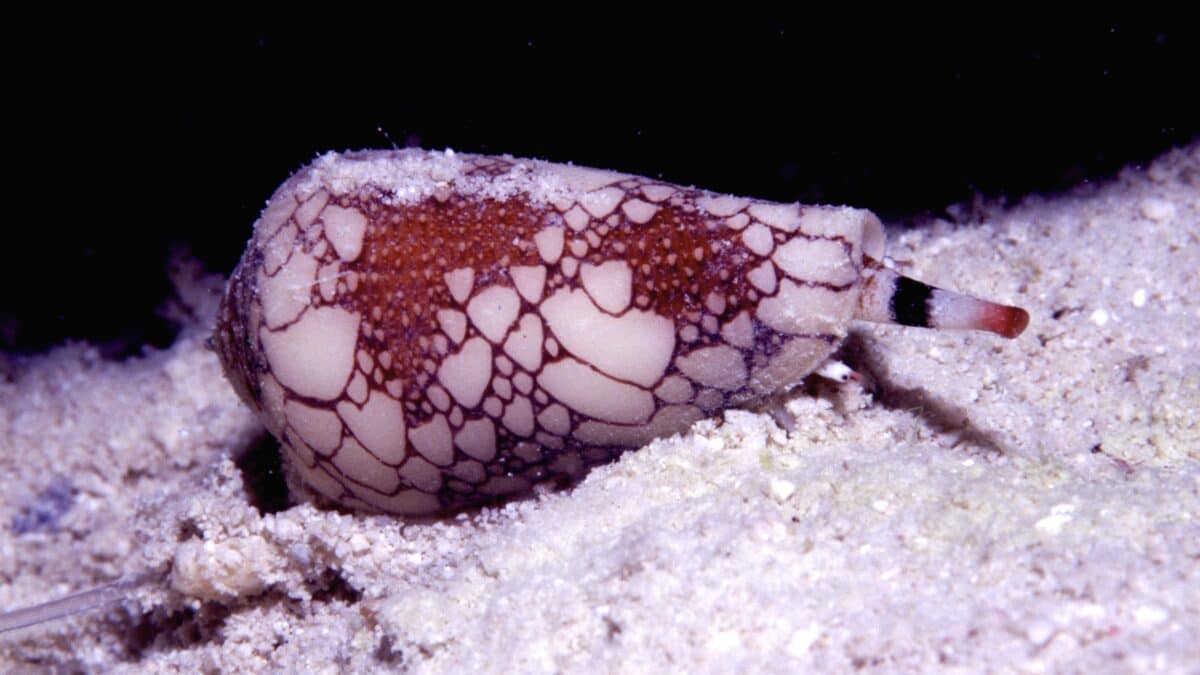
The first question many people ask when observing a garden snail is: why are they so slow? The answer lies in their biological makeup and lifestyle adaptations. Garden snails do not possess limbs or external appendages that might aid in faster movement. Instead, they rely on muscular contractions and the secretion of mucus to glide across surfaces. Their pace is generally capped at around 0.013 meters per second, which is roughly 0.05 kilometers per hour.
The slow movement of snails is partly due to their reliance on a muscular foot. This foot moves in a sequential, wave-like pattern called pedal waves. These contractions produce a forward thrust, albeit very gradually. The snail’s mucus plays a critical role by reducing friction as they move, although it also serves additional purposes, such as warding off predators and preventing desiccation.
Energy Efficiency and Survival

Strikingly slow movement may seem inefficient, but for the garden snail, it is quite the opposite. Energy conservation is crucial for these creatures, as they subsist on vegetation, which does not provide significant caloric intake. By maintaining a slow pace, garden snails conserve energy and make the most out of the limited resources available to them.
Their slow speed is also tied to their survival mechanisms. Fast movement would result in higher energy consumption and the potential for drying out, especially in dry or hot environments. By moving slowly, garden snails can more effectively monitor their environment for changes in humidity and seek shelter before conditions become inhospitable.
Anatomical and Ecological Adaptations
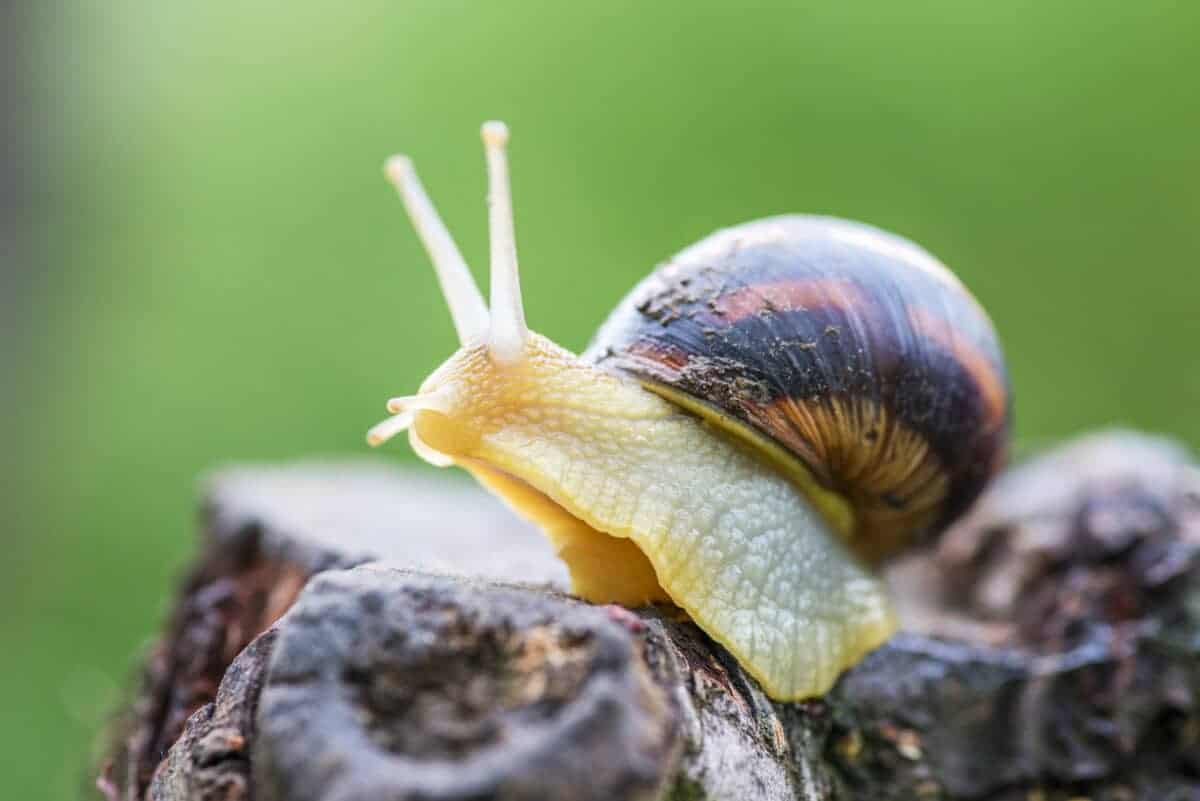
The efficiency at which garden snails operate within their niche is largely due to their anatomical and ecological adaptations. Their spiral shell provides both protection and camouflage from predators, while their preference for nocturnal activity helps them avoid the heat of the day and conserve water. Additionally, by limiting their activity to times when moisture is prevalent, garden snails maintain their slow pace without risking desiccation.
ÍIntriguingly, their slow movement often allows them to go unnoticed by predatory animals, serving as a defense mechanism. Though they face threats from birds, small mammals, and ground beetles, their steady, deliberate retreat into their shells can often deter these threats.
Challenges in the Human World
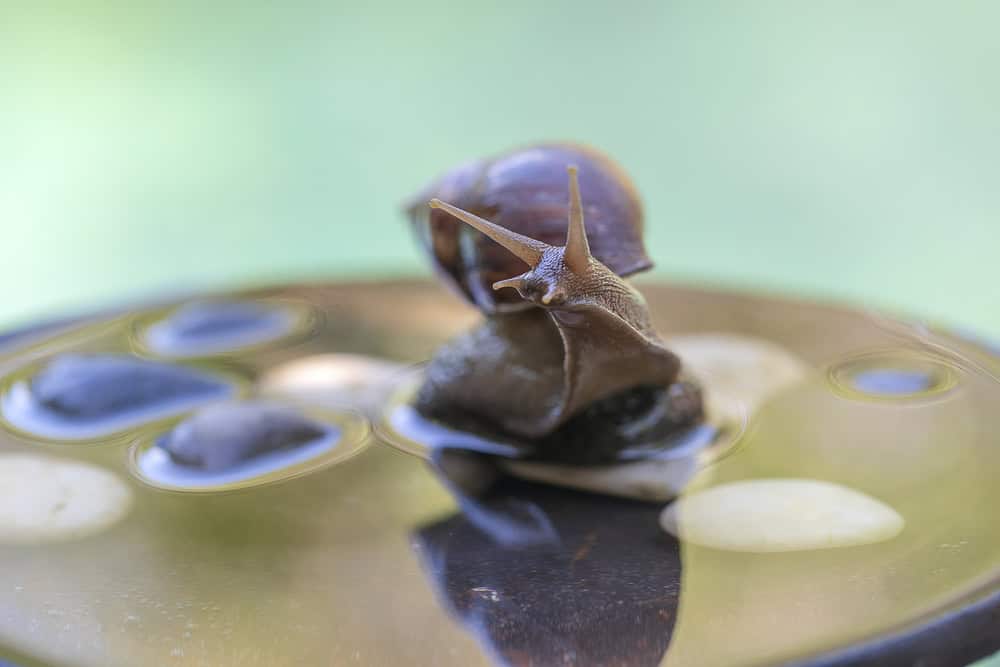
In human-dominated landscapes, the slow movement of garden snails can be both a disadvantage and an advantage. On one hand, their leisurely pace makes them susceptible to becoming inadvertently crushed by foot traffic or run over by vehicles. On the other, it allows them to exploit microhabitats in urban gardens and green spaces, often dining on an abundance of plants without the immediate threat of large, fast-moving predators.
However, their tendency to feast on garden plants has also made them adversaries in agriculture and horticulture. Various measures are employed to manage their presence, such as barriers, traps, and environmentally safe pesticides.
Conclusion

Despite their notoriety as garden pests, garden snails provide a unique glimpse into the strategies of survival for some of Earth’s slowest terrestrial creatures. Their movement may be unhurried, but it embodies a meticulous balance of evolutionary adaptations, energy efficiency, and ecological interactions. These mollusks serve as a reminder that speed is not always synonymous with success in the natural world. Through understanding the world of the garden snail, we gain insights into the broader complexities of the animal kingdom and the diverse ways life has evolved to thrive, even at a snail’s pace.

As a little kid, I fell in love with nature, wildlife, and animals. Living in the USA, South Africa, Italy, China and Germany gave me the opportunity to discover the world's Wildlife. My favorite animals are Mountain Gorillas, Siberian Tigers, and Great White Sharks.
I'm a certified PADI Open Water Diver, went to Everest Base Camp and Trekked Gorillas in Uganda. I hold a Master of Science in Economics and Finance.
Please send any feedback to feedback@animalsaroundtheglobe.com
- 12 Animals That Look Like Monsters - July 17, 2026
- 13 Animals With Record-Breaking Speed or Strength - July 17, 2026
- The Most Camouflaged Creature Lurking in Pacific Waters - July 17, 2026