

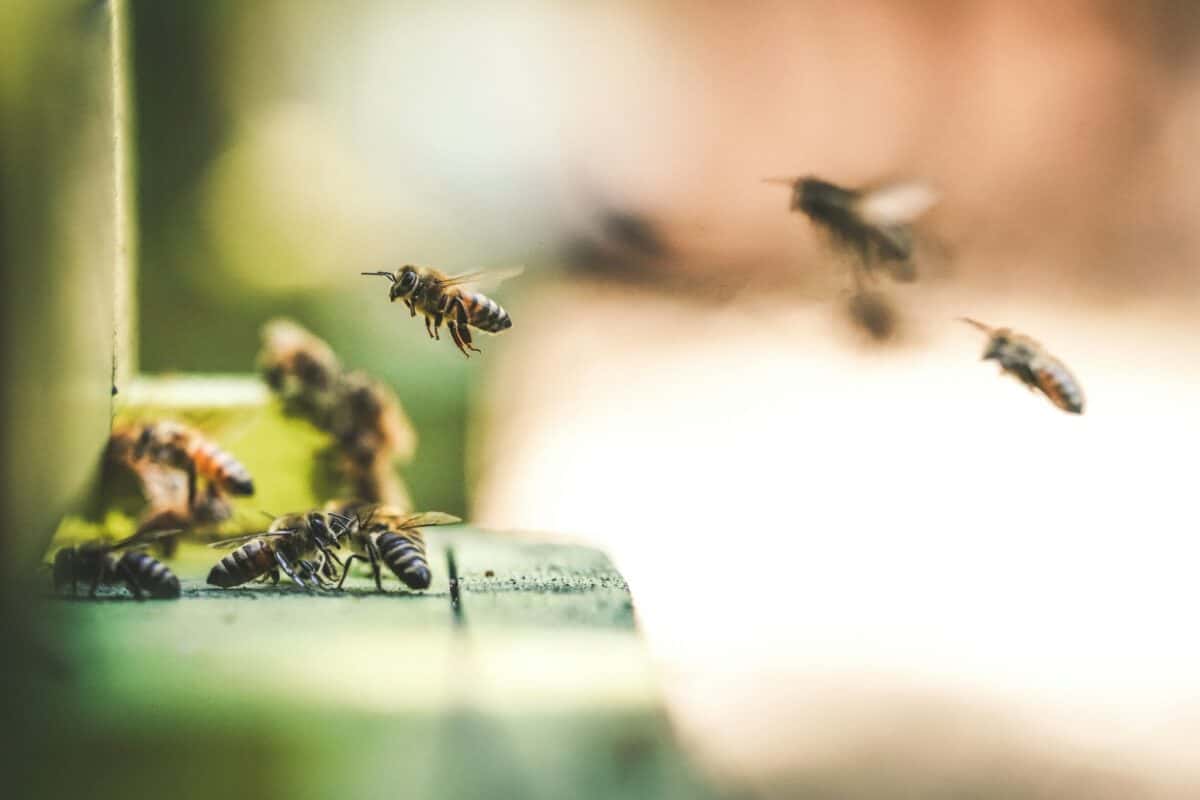
Spring brings warmth, blooming flowers, and the gentle buzz of bees returning to our gardens. These incredible pollinators are essential to our ecosystem, responsible for pollinating approximately 75% of the fruits, nuts, and vegetables grown in the United States. However, bee populations have been declining at alarming rates due to habitat loss, pesticide use, and climate change. By transforming your backyard into a bee haven, you’re not just creating a beautiful outdoor space—you’re making a meaningful contribution to environmental conservation. This comprehensive guide will walk you through practical, simple steps to create a thriving sanctuary for these hardworking pollinators this spring.
Understanding Why Bees Need Our Help

Before diving into garden design, it’s crucial to understand the challenges bees face today. In North America alone, more than 25% of native bee species are at risk of extinction. Colony Collapse Disorder has decimated honeybee populations, with beekeepers reporting annual losses of 30-40% in recent years. Bees are keystone species in our ecosystem; without them, our food supply would be severely compromised. According to the USDA, bees pollinate approximately $15 billion worth of crops in the United States annually. The decline in bee populations isn’t just an environmental issue—it’s a food security concern that affects everyone. By creating bee-friendly spaces, even in small urban backyards, we can collectively provide crucial habitat for these essential pollinators.
Selecting Bee-Friendly Plants

The foundation of any bee-friendly garden is diverse, nectar-rich flowering plants. Bees are particularly attracted to blue, purple, and yellow flowers. Native plants are especially valuable as they’ve evolved alongside local bee species and often provide the most appropriate food sources. Consider planting lavender, sunflowers, black-eyed Susans, coneflowers, bee balm, and native wildflowers. For spring blooms, include crocus, hyacinth, and flowering trees like cherry and apple. Herbs such as rosemary, thyme, oregano, and mint not only serve your kitchen but provide excellent bee forage. Create a succession of blooms from early spring through late fall to ensure bees have consistent food sources throughout their active seasons. Research shows that gardens with at least eight different flower species attract significantly more bee visitors than less diverse gardens.
Creating a Seasonal Bloom Calendar

Strategic planting ensures bees have food sources throughout their active months. Early spring bloomers like crocus, snowdrops, and pussy willow provide crucial nutrition when bees first emerge from winter dormancy. Mid-spring flowering plants might include fruit trees, dandelions, and bluebells. For summer, incorporate coneflowers, bee balm, lavender, and sunflowers. Late-season bloomers like goldenrod, asters, and sedum will feed bees preparing for winter. A University of California study found that gardens with continuous blooming throughout the season supported 5 times more bee species than those with seasonal gaps. Create a bloom calendar specific to your hardiness zone, and aim for at least three different plant species flowering during each season. This approach not only supports bees but creates a constantly changing, visually interesting landscape for you to enjoy.
Eliminating Pesticides from Your Garden

Rose being sprayed to protect against pesticides. Image by ArtCookStudio via Depositphotos.
Perhaps the most important step in creating a bee sanctuary is committing to pesticide-free gardening. Neonicotinoids, commonly found in many commercial pesticides, are particularly harmful to bees, disrupting their nervous systems and navigation abilities even at sub-lethal doses. Research from Harvard University has linked these chemicals directly to Colony Collapse Disorder. Instead of chemical controls, embrace integrated pest management techniques. Introduce beneficial insects like ladybugs and praying mantises to control harmful pests. Use physical barriers like row covers to protect vulnerable plants. When intervention is necessary, choose organic solutions like neem oil, insecticidal soaps, or homemade deterrents using ingredients like garlic and cayenne pepper. Even organic pesticides should be applied in the evening when bees are less active. Remember that a truly bee-friendly garden accepts some level of pest damage as part of a healthy ecosystem.
Providing Water Sources for Bees

Bees need water, particularly during hot summer months, but many conventional water features are too deep and pose drowning hazards. Create bee-appropriate water stations by filling a shallow dish or bird bath with water and adding pebbles, marbles, or corks that protrude above the water level, providing safe landing spots. For a more decorative approach, consider creating a “bee bath” using a shallow ceramic dish with decorative stones. Keep water sources fresh by changing the water every few days to prevent mosquito breeding. Place water features in partially shaded areas to slow evaporation and position them near flowering plants where bees are already foraging. During dry spells, these water sources become particularly vital to bee health and can significantly increase pollinator activity in your garden.
Building and Installing Bee Hotels

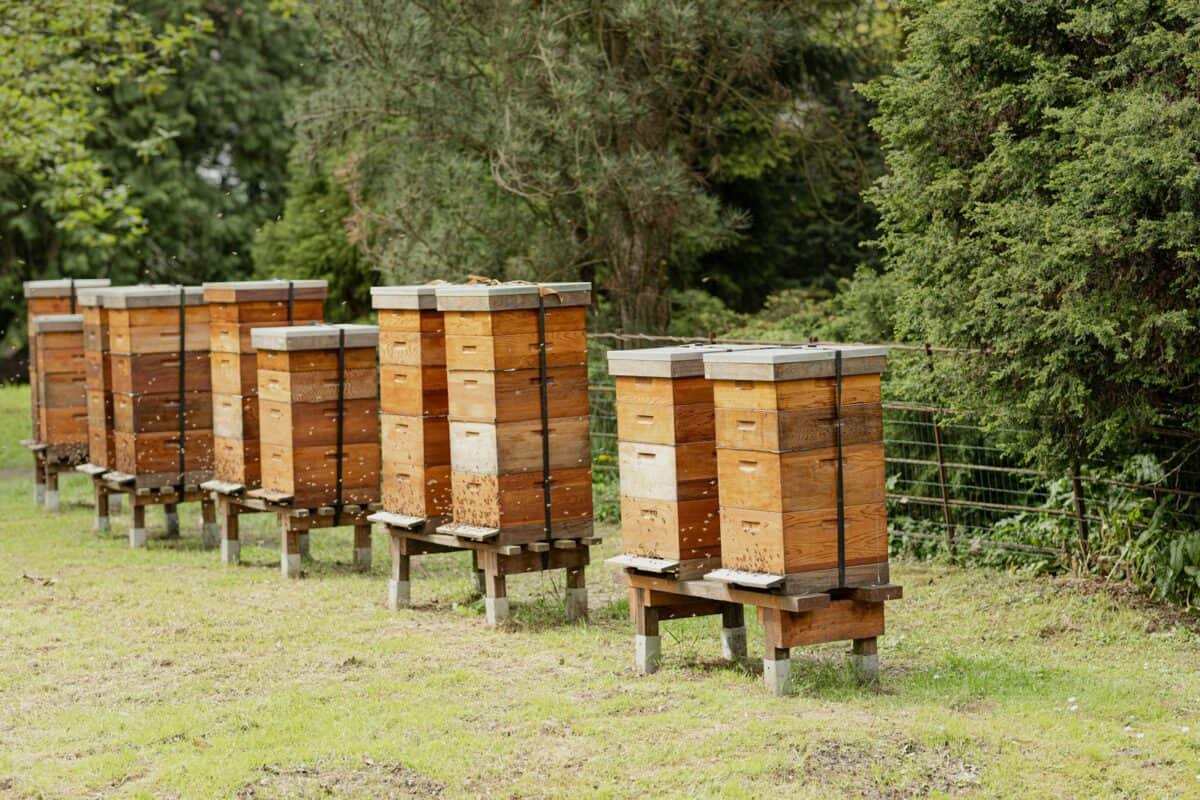
While honeybees live in colonies, approximately 90% of bee species are solitary and need different types of habitat. Mason bees, leafcutter bees, and many other native species don’t produce honey but are incredibly efficient pollinators. These solitary bees lay their eggs in small tubes or holes in wood. You can support them by installing “bee hotels” – structures with various-sized tubes that mimic their natural nesting sites. Create a simple bee hotel using a block of untreated wood with drilled holes ranging from 2-10mm in diameter and 3-6 inches deep. More elaborate designs might incorporate bamboo tubes, hollow plant stems, or pre-fabricated nesting blocks. Position hotels facing south or southeast to catch morning sun, at least 3 feet off the ground, and protected from direct rain. Studies show that gardens with bee hotels can increase solitary bee populations by up to 80% within just two seasons.
Leaving Natural Habitat Areas
Perfect landscaping with manicured lawns offers little for pollinators. Instead, designate areas of your yard to remain “wild.” Allow a section of lawn to grow unmowed, creating habitat for ground-nesting bees, which represent about 70% of native bee species. Leave small piles of branches, logs, or stones in quiet corners to provide shelter for various beneficial insects. Consider replacing portions of traditional lawn with native meadow plants or low-growing thyme, which tolerates light foot traffic while providing bee forage. Leave fall leaves in garden beds rather than removing them, as many pollinators hibernate in leaf litter during winter. Research from the Xerces Society indicates that even small unmaintained areas (as little as 4 square feet) can significantly increase the diversity of beneficial insects in home gardens. These natural areas create microcosystems that support not just bees but an entire food web of beneficial creatures.
Creating Bee Corridors in Urban Areas
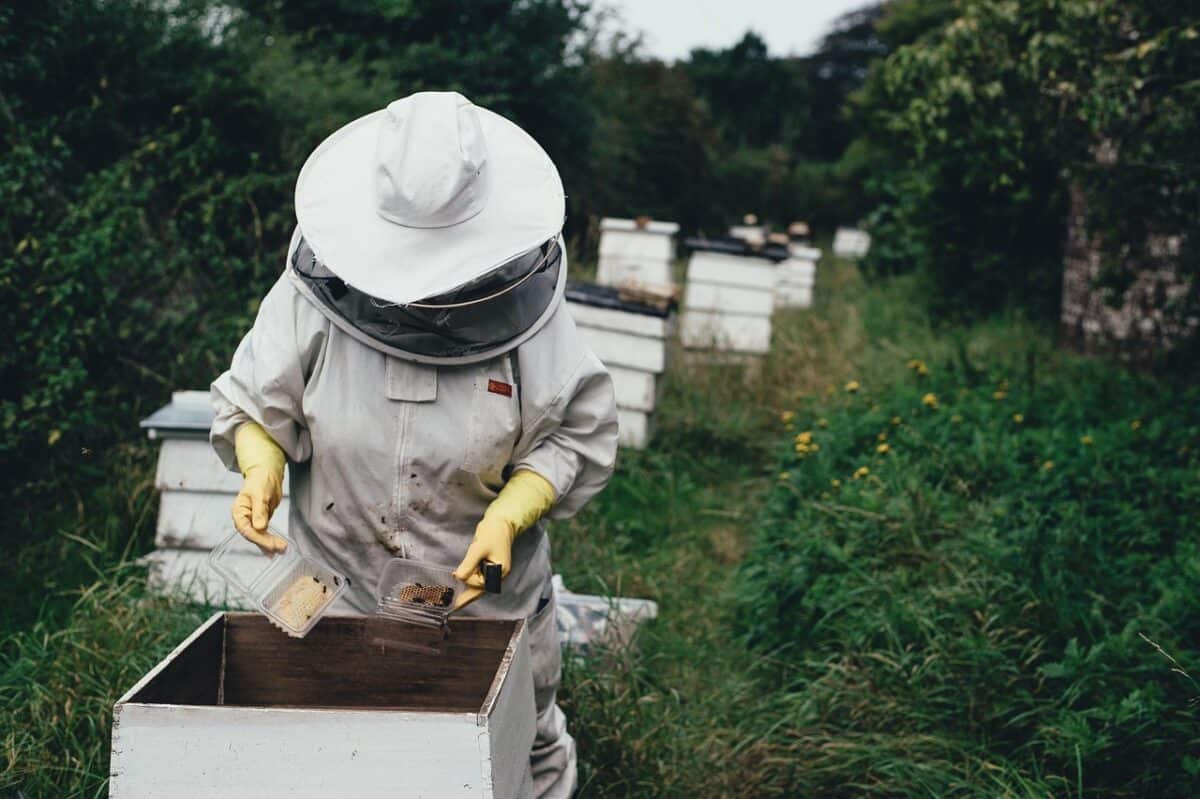
Urban fragmentation poses a serious challenge for bee populations. Bees typically forage within a 1-2 mile radius, but concrete landscapes create “food deserts” that make it difficult for them to find adequate nutrition. By coordinating with neighbors, community gardens, and local organizations, you can help create “bee corridors” – connected patches of bee-friendly habitat that allow pollinators to travel safely through urban areas. Even small spaces like balconies, rooftops, and window boxes can serve as stepping stones in these corridors. London’s “B-Line” initiative has shown that strategically placed urban pollinator gardens can increase bee diversity by up to 40% in urban settings. Consider starting a neighborhood initiative where participants commit to planting bee-friendly patches, collectively creating an urban sanctuary for pollinators. Local native plant societies often offer resources and plants specifically selected for supporting regional pollinators.
Gardening with Bee-Friendly Techniques

Beyond plant selection and pesticide avoidance, certain gardening practices benefit bees significantly. Plant in clusters rather than single specimens – groups of at least three feet in diameter of the same flowering plant help bees forage more efficiently. Embrace a slightly messier aesthetic; deadhead spent flowers selectively, allowing some to go to seed which provides additional food sources. Avoid using weed barriers or heavy mulch in areas where you want to encourage ground-nesting bees. When necessary, mulch with compost or leaf mold rather than wood chips or gravel, which can prevent access to soil. Consider night-time lighting impacts; excessive outdoor lighting can disrupt bee behavior and reproductive cycles. When planning garden additions, prioritize single-flowering varieties over double or hybrid flowers, as these typically provide more accessible nectar and pollen. Implementing these bee-conscious practices creates a garden that functions as a true ecosystem rather than merely an ornamental space.
Protecting Bees During Winter Months

A truly bee-friendly garden supports pollinators year-round. Though bees are less visible in winter, this season is crucial for their survival. Leave hollow plant stems standing through winter, as many solitary bees hibernate inside them. Avoid cutting back perennials until spring temperatures consistently reach 50°F (10°C). For honeybees, which remain active in their hives throughout winter, consider planting winter-blooming species like witch hazel, winter aconite, and crocus for early foraging opportunities. Protect bee hotels from excessive moisture by positioning them under eaves or creating simple roofs. In colder regions, you might need to provide additional protection for bee hotels during extreme weather by temporarily moving them to unheated garages or sheds. Research from the University of Minnesota shows that overwintering survival rates for solitary bees can increase by up to 60% when gardeners implement these protective winter practices.
Engaging Children in Bee Conservation
Creating a bee-friendly garden offers excellent educational opportunities for children. Design a designated “children’s pollinator garden” with kid-friendly plants like sunflowers, cosmos, and zinnias that grow quickly and attract numerous pollinators. Create bee observation stations with magnifying glasses at safe distances from flowering plants. Develop simple identification charts to help children distinguish between different bee species visiting your garden. Involve children in building bee hotels using natural materials gathered during nature walks. Plant butterfly host plants alongside bee forage to create a diverse pollinator habitat that children can monitor throughout the seasons. Studies show that early positive experiences with insects significantly reduce fear and increase conservation mindedness in adulthood. By fostering appreciation for bees among younger generations, you’re helping to ensure the future of bee conservation beyond your own garden.
Documenting and Sharing Your Bee-Friendly Garden
Becoming a citizen scientist multiplies the impact of your bee-friendly garden. Several organizations run monitoring programs where backyard observations contribute to important research on pollinator populations and behavior. Apps like iNaturalist, Bumble Bee Watch, and Great Sunflower Project make identification and documentation simple for beginners. Keep a garden journal noting first sightings of different bee species, which plants attract the most activity, and changes in pollinator populations over time. Share your knowledge and experiences with local garden clubs, community forums, and social media groups. Consider registering your garden with certification programs like the Xerces Society’s Pollinator Habitat program or the National Wildlife Federation’s Garden for Wildlife initiative. These certifications not only provide recognition for your efforts but also connect you with communities of like-minded gardeners and valuable resources for continuing to improve your bee habitat.
Creating a bee-friendly backyard is more than just a seasonal project—it’s a long-term commitment to environmental stewardship that grows in impact with each passing year. As your garden matures and word spreads among the bee community (yes, bees do communicate good foraging locations!), you’ll likely see increasing diversity and abundance of pollinators visiting your space. The benefits extend far beyond your property lines, supporting local agriculture, enhancing neighborhood biodiversity, and contributing to global conservation efforts one backyard at a time. Remember that perfection isn’t necessary—even implementing a few of these suggestions can make a significant difference to local bee populations. As author and naturalist Doug Tallamy notes, “If you plant it, they will come,” and in creating habitat for bees, you’re helping to ensure that these essential pollinators continue to sustain our ecosystems for generations to come.

- How Crickets Chirp Using Their Wings - July 20, 2026
- The Largest Sea Turtle Ever Rescued Off North Carolina - July 20, 2026
- The Ocean’s Escape Artist: Why Octopuses Outsmart Us All - July 20, 2026
Leave a comment
You must be logged in to post a comment.