


Creating a wildlife-friendly garden is not just about enhancing your backyard’s beauty; it’s a powerful step towards supporting biodiversity and fostering an environment where local flora and fauna can thrive. Wildlife gardens serve as vital sanctuaries for a variety of species, providing them with food, shelter, and breeding grounds. These spaces help mitigate habitat loss due to urbanization, making your garden a microcosm of ecological balance.
Planning Your Wildlife-Friendly Garden

The first step in creating a wildlife-friendly garden is thoughtful planning. Consider the types of wildlife native to your area and the resources they require. Observe your garden’s current biodiversity and identify potential enhancements. A successful plan addresses three critical needs: food, water, and shelter. Additionally, think about using native plants, as they are better adapted to the local climate and soil conditions and are more likely to attract indigenous species.
Choosing Native Plants

Native plants form the backbone of any wildlife-friendly garden. They provide a natural habitat for local insects, birds, and mammals and require fewer resources than non-native species. Research and select plants that are known to attract pollinators, such as bees, butterflies, and moths. Consider incorporating a mix of flowers, bushes, and trees to offer diverse food sources and nesting sites for different species.
Creating a Water Source

Water is essential for wildlife, especially in urban areas where natural sources might be scarce. Even a simple birdbath can attract a variety of species. Ensure that your water source is kept clean and free from chemicals. If space allows, consider installing a small pond or water feature that can support amphibians like frogs and toads, as well as a host of aquatic insects. Incorporate gentle slopes or stones to ease access for smaller creatures.
Providing Shelter and Breeding Sites

Wildlife requires safe places to rest, hide, and raise their young. Birdhouses, log piles, rock gardens, and hedgerows can provide much-needed shelter. Leave some areas of your garden wild and untended to create natural habitats. Deadwood is especially beneficial as it serves as a refuge for insects like beetles, which are, in turn, food for birds and other animals.
Maintaining Your Wildlife Garden
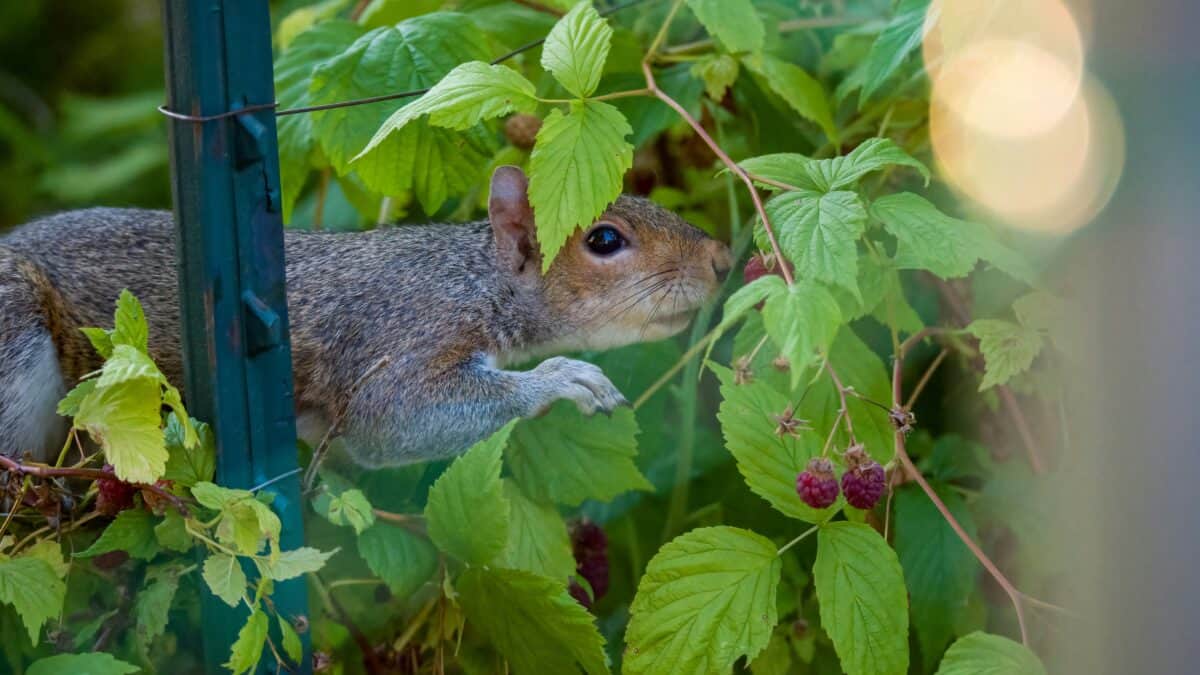
Maintenance of a wildlife-friendly garden involves more than just regular pruning and weeding. It requires an understanding of the ecosystem you are nurturing. Avoid using pesticides and chemical fertilizers, which can harm beneficial insects and pollute water sources. Instead, opt for organic gardening methods, such as composting and natural pest control techniques. Monitor and celebrate the diversity of wildlife that visits your garden, and adjust your strategies as necessary to support a changing ecosystem.
Encouraging Community Involvement

Lastly, consider sharing your progress and knowledge with your community to foster a network of wildlife-friendly spaces. Encourage neighbors to adopt similar practices and participate in local conservation initiatives. Community gardens could also serve as educational resources for teaching others about the importance of biodiversity and sustainable gardening practices.
By creating a wildlife-friendly garden, you not only bring beauty and vitality into your own life, but you also contribute significantly to the health and diversity of your local environment. Each garden, no matter how small, is a crucial piece of a larger ecological puzzle, helping to sustain wildlife in our increasingly urban world.

As a little kid, I fell in love with nature, wildlife, and animals. Living in the USA, South Africa, Italy, China and Germany gave me the opportunity to discover the world's Wildlife. My favorite animals are Mountain Gorillas, Siberian Tigers, and Great White Sharks.
I'm a certified PADI Open Water Diver, went to Everest Base Camp and Trekked Gorillas in Uganda. I hold a Master of Science in Economics and Finance.
Please send any feedback to feedback@animalsaroundtheglobe.com
- 14 Stunning Animals You Can See in India - July 18, 2026
- The Most Enormous Lobster Ever Pulled From Maine Waters - July 18, 2026
- The Most Dangerous Waters for Sharks in North America - July 18, 2026