
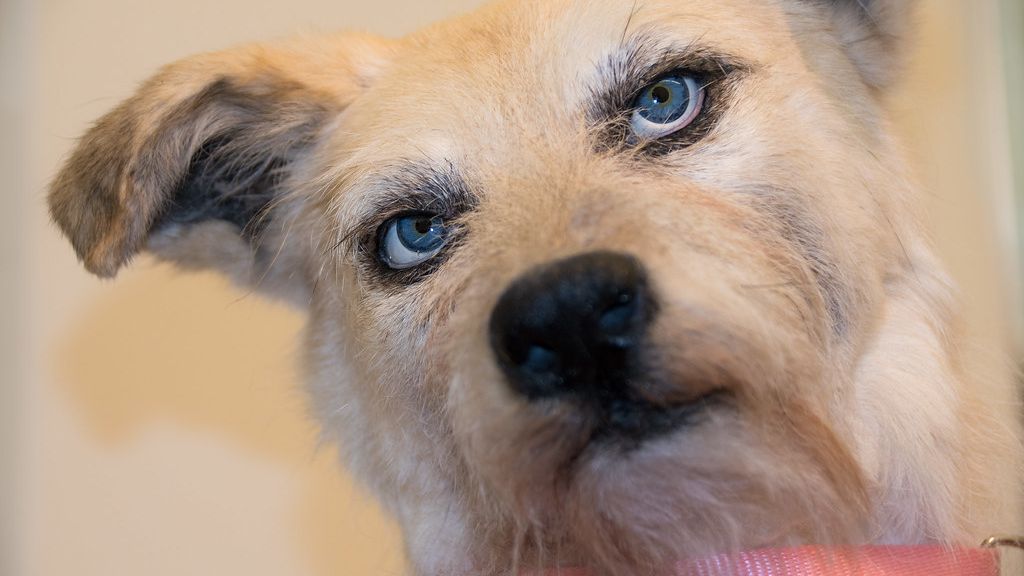
You know that moment when your dog looks at you and you swear they’re trying to say something? Well, they are. Dogs may not speak in words, but they’re constantly chatting away through their bodies, tails, ears, and even their eyes. The tricky part is that we often misread these signals or miss them completely.
Think about it. We assume a wagging tail always means happiness, or that a dog rolling over wants belly rubs. Sometimes that’s true, but sometimes it’s not even close. Learning to decode what your furry friend is really telling you isn’t just interesting, it’s essential for building trust and avoiding misunderstandings. Let’s dive into the silent language dogs use every day and discover how reading these signals can transform your relationship with your canine companion.
The Tail Tells More Than You Think
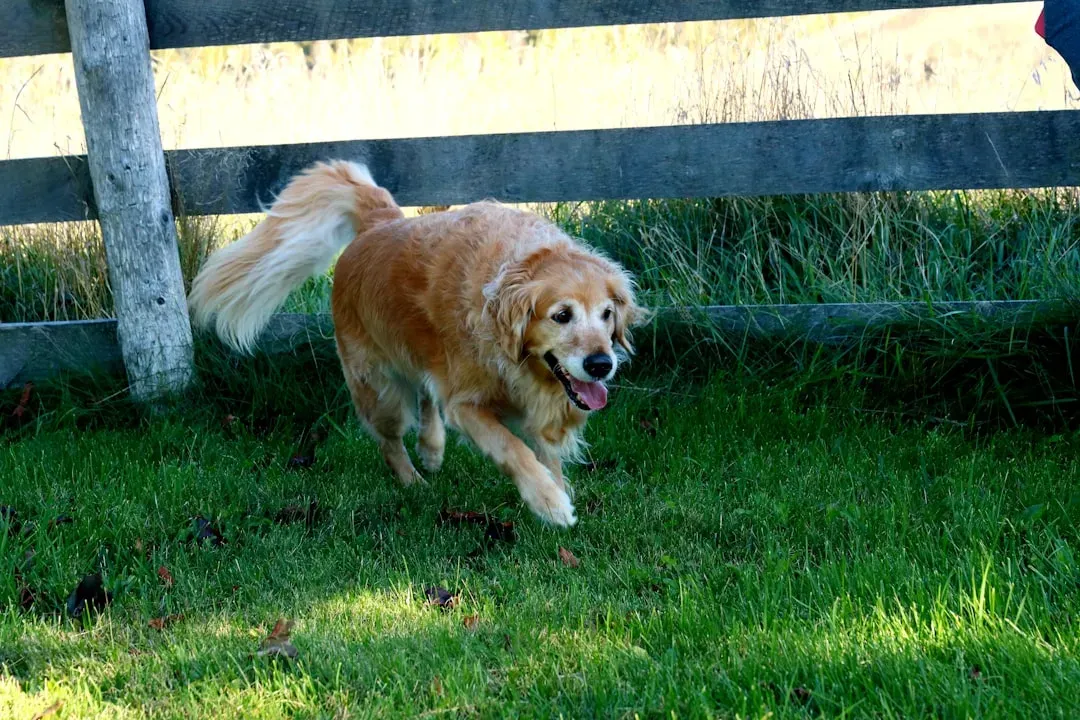
Here’s the thing about tails. All a wagging tail means is that the dog is emotionally aroused. That arousal could be excitement, sure, but it might also be frustration, tension, or even aggression brewing beneath the surface.
Pay attention to how the tail moves. Those long, slow, side-to-side tail sweeps your dog makes when greeting you indicate a relaxed dog. It’s genuine happiness, the kind that makes their whole body wiggle. A faster, twitchier wag? That’s heightened arousal, possibly negative.
A dog’s tail tucked between their legs can mean the dog is afraid or uncomfortable. When you see this, your pup needs reassurance, not more pressure. Conversely, a high, stiff wag can mean the dog is agitated or aroused, especially if their body is rigid and positioned forward.
Interestingly, even the direction matters. Dogs tend to wag their tails more to the right when they’re feeling positive about something, such as interacting with their owner. The left side? That might signal suspicion or wariness toward strangers.
What Those Ears Are Really Saying
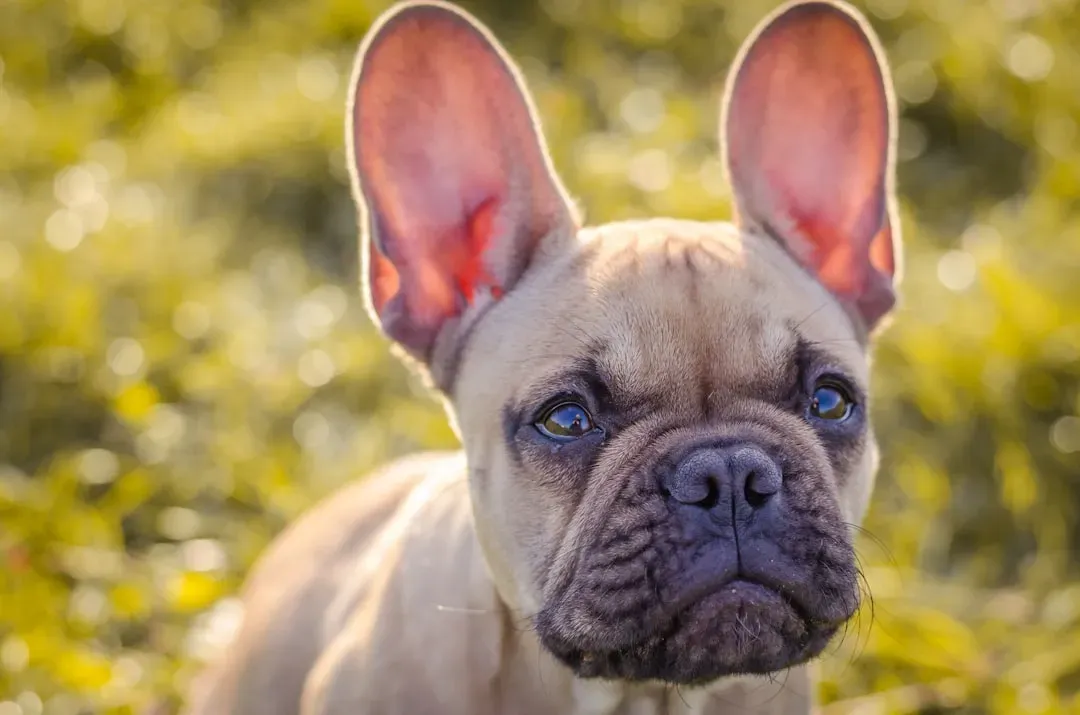
Ears are incredibly expressive, even if your dog has floppy ears that seem to just hang there. You need to look at the base of the ear to understand what’s happening.
When a dog’s ears are forward, the dog is alert and interested in something. They’re focused, trying to gather information. This can be pure curiosity or it could mean they’re assessing a potential threat.
A dog with ears dropped sideways is typically either nervous or happy, with nervous dogs holding their tail low with fast wags and potentially raised fur. Context is everything here. If the rest of the body is loose and wiggly, those sideways ears mean friendliness.
Ears pressed back against their head is also a sign of discomfort. Pinned ears often accompany fear or submission. However, ears slicked all the way back can also precede aggression, particularly if paired with bared teeth and a stiff stance. Let’s be real, understanding ears takes practice because the same position can mean completely different things depending on what else is going on.
Reading the Eyes and Face

Dog facial expressions are where things get really subtle. Eyes can reveal so much if you know what to look for.
The dog might turn their head away from a stressor but angle their eyes toward it, causing the whites of their eyes to show, referred to as whale eyes. This is a stress signal, plain and simple. Your dog is uncomfortable and needs space.
Dogs will lick their lips after a delicious meal, but they’ll also do it when they feel anxious. Sometimes it happens so fast you barely notice. It’s not about wanting to lick your face, it’s a sign they’re uneasy with the situation.
People yawn when they’re tired or bored, but dogs yawn when they’re stressed. Wild, right? Next time you see your dog yawning during a training session or at the vet, they’re telling you they need a break or some comfort.
Honestly, some dogs even smile, and if you’ve never seen it before, it can look downright terrifying. Smiling dogs also display their front teeth, but the meaning is the complete opposite of aggression. The rest of their body will be soft and relaxed, not rigid and tense.
Body Posture Speaks Volumes
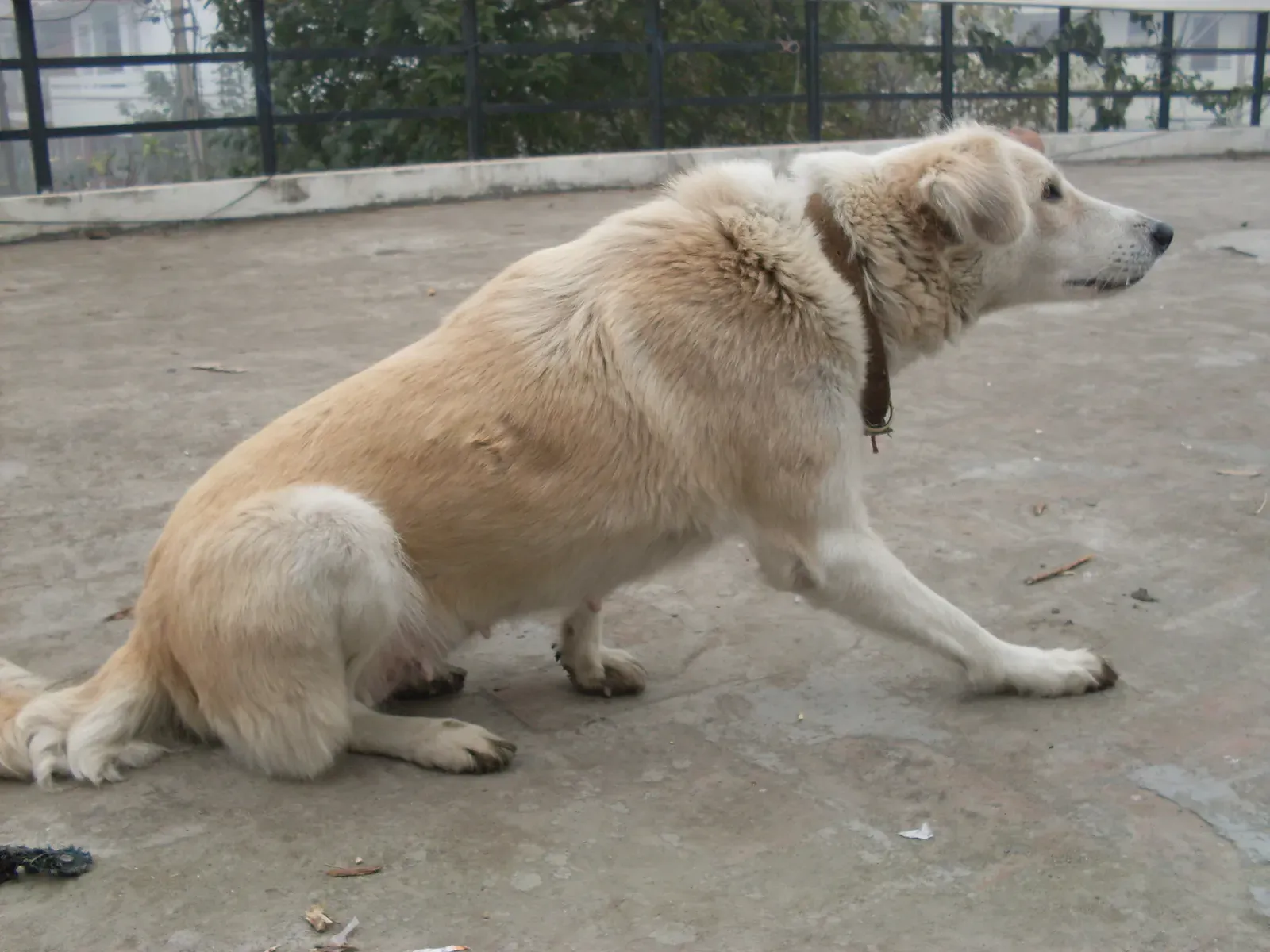
The way your dog positions their entire body reveals their emotional state and intentions better than any single signal.
A dog’s weight distribution can reveal a lot about their mood and intentions, with a cowering dog hunched low to the ground being a sign of fear or stress. They’re trying to make themselves smaller, saying they mean no harm.
The opposite posture is a dog with their weight shifted forward, trying to get closer to something. This might just be interest, but paired with other signals like a high, twitching tail, it could indicate offensive intentions.
Dog play bowing is when the rear end of the dog is up while the front end is down, often meaning the dog wants to play. This is one of the clearest, friendliest signals in the canine vocabulary. It’s an invitation, sometimes even used to signal that any previous rough behavior was just play.
A dog freezes if they’re scared or guarding something, such as food or a toy, or if they feel cornered. Freezing is a warning sign that shouldn’t be ignored, as it can escalate quickly if the dog feels more threatened.
Putting It All Together

No dog body language signals act alone, they’re all part of a package, so when you read a dog’s communication, look at every signal from the tail height to the eye shape. That’s the key to truly understanding what your dog is communicating.
Similar signals have different meanings in different situations, so the position of the body and other vocal signals will help you understand a dog’s intent and emotional state, such as when a dog’s ears might perk forward because they’re focusing on a treat versus showing offensive body language. Context matters enormously.
Understanding your dog’s body language can strengthen the bond you share and allows you to recognize their needs, fears, and emotions to safeguard their well-being. When your dog feels understood, trust deepens naturally.
If you learn what your dog is saying, you will develop a deeper bond of trust and respect, and your newfound understanding of your dog’s emotional state can help you predict their behavior and prevent problems before they arise. It’s like unlocking a secret language that’s been there all along, just waiting for you to pay attention.
Conclusion
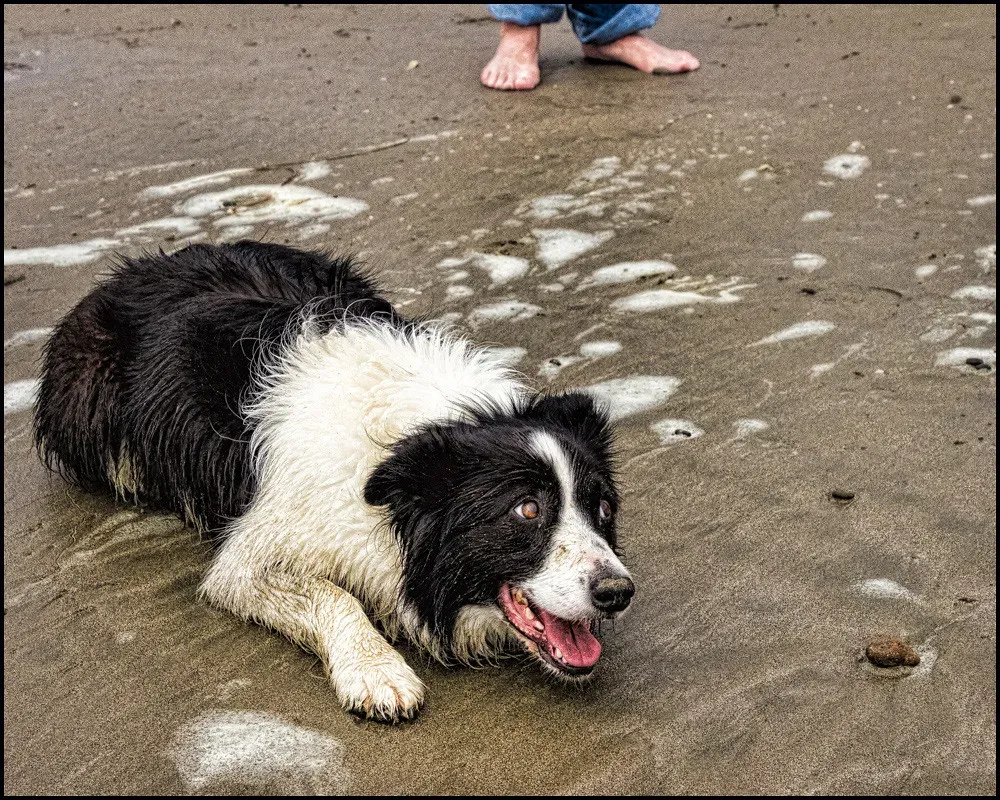
Decoding your dog’s body language isn’t about becoming an expert overnight. It’s about paying closer attention to the signals your furry friend sends every single day. Start watching how their ears move during different situations, notice what their tail does when they’re nervous versus excited, and observe their overall body posture.
The more you tune in, the better you’ll understand what they need and how they feel. This understanding doesn’t just prevent problems, it creates a relationship built on genuine communication and mutual respect. Your dog has been talking to you all along. Now you know how to listen.
What signals have you noticed from your own dog that surprised you? Pay attention this week and see what you discover.

- Could Rising Ocean Temperatures Create Super Hurricanes? - July 13, 2026
- These Majestic Birds Are Soaring to Unprecedented Heights Across the US - July 13, 2026
- 12 Amazing Things Only Dog Owners Truly Understand - July 13, 2026