


Observing wildlife in their natural habitats offers a profound connection to the natural world, educational opportunities, and unforgettable experiences. However, our presence can significantly impact animal behavior, stress levels, and even survival. Ethical wildlife watching requires us to balance our desire to observe with our responsibility to protect. This comprehensive guide explores how to respectfully and responsibly observe wildlife while minimizing your footprint on their lives and environments.
Understanding Wildlife Disturbance

Wildlife disturbance occurs when human presence or activities cause animals to alter their natural behavior. This can manifest in obvious ways, such as animals fleeing, or in more subtle responses like increased vigilance, decreased feeding, or abandonment of young. Research has shown that repeated disturbances can lead to chronic stress, reduced reproductive success, habitat abandonment, and even population decline.
According to a 2020 study published in the Journal of Applied Ecology, even seemingly innocuous activities like photography can increase heart rates in birds and mammals by up to 20%, triggering fight-or-flight responses. Understanding these impacts is the first step toward developing an ethical approach to wildlife observation.
The Fundamentals of Ethical Wildlife Watching
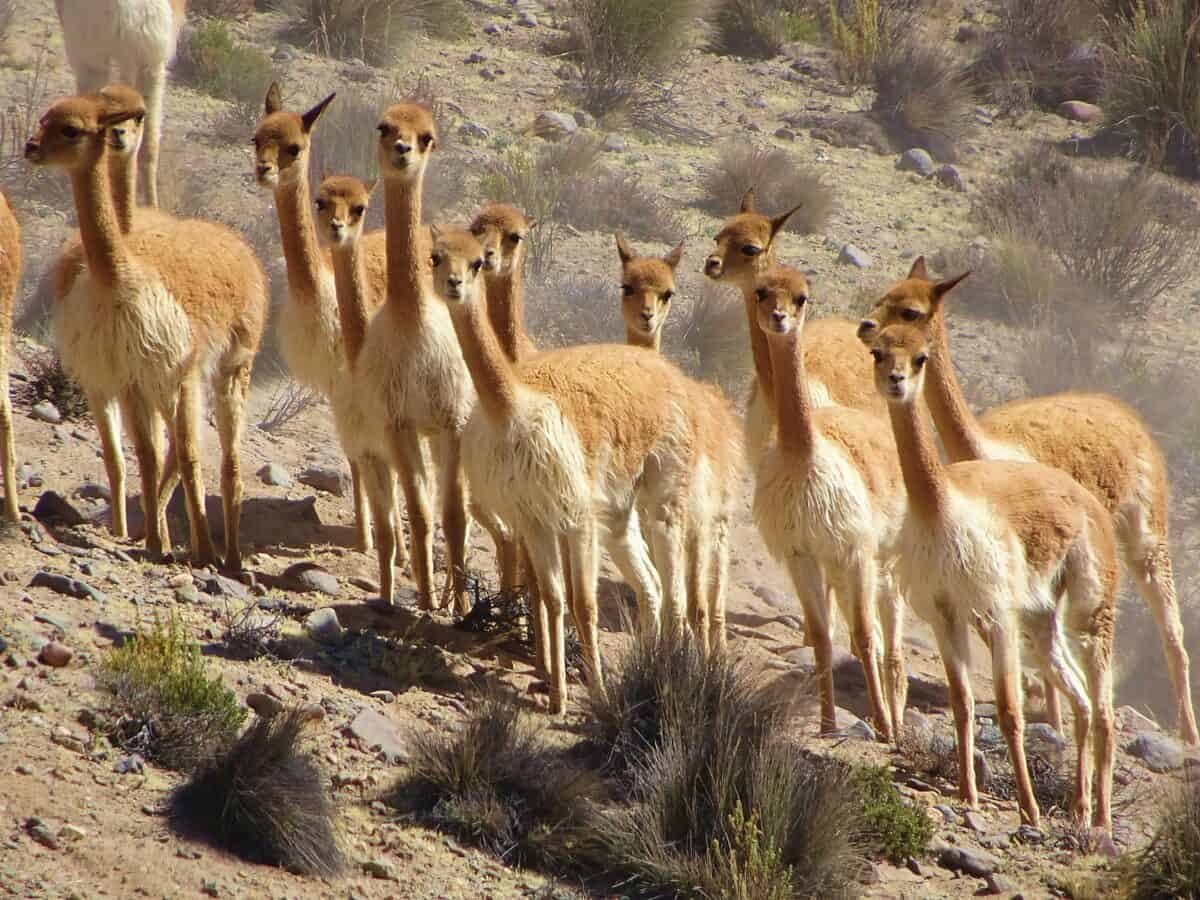
Ethical wildlife watching centers on the principle of minimal impact. This means prioritizing the welfare of animals and their habitats over your viewing experience. The core fundamentals include maintaining appropriate distances, avoiding behaviors that could cause stress or habitat damage, educating yourself about the species you’re observing, respecting protected areas and wildlife laws, and being willing to forgo an observation if it might cause harm.
Organizations like the International Ecotourism Society emphasize that ethical wildlife watching should “leave only footprints and take only photographs,” with even those footprints being as light as possible. By embracing these fundamentals, you contribute to conservation efforts while still enjoying meaningful wildlife encounters.
Essential Equipment for Low-Impact Observation
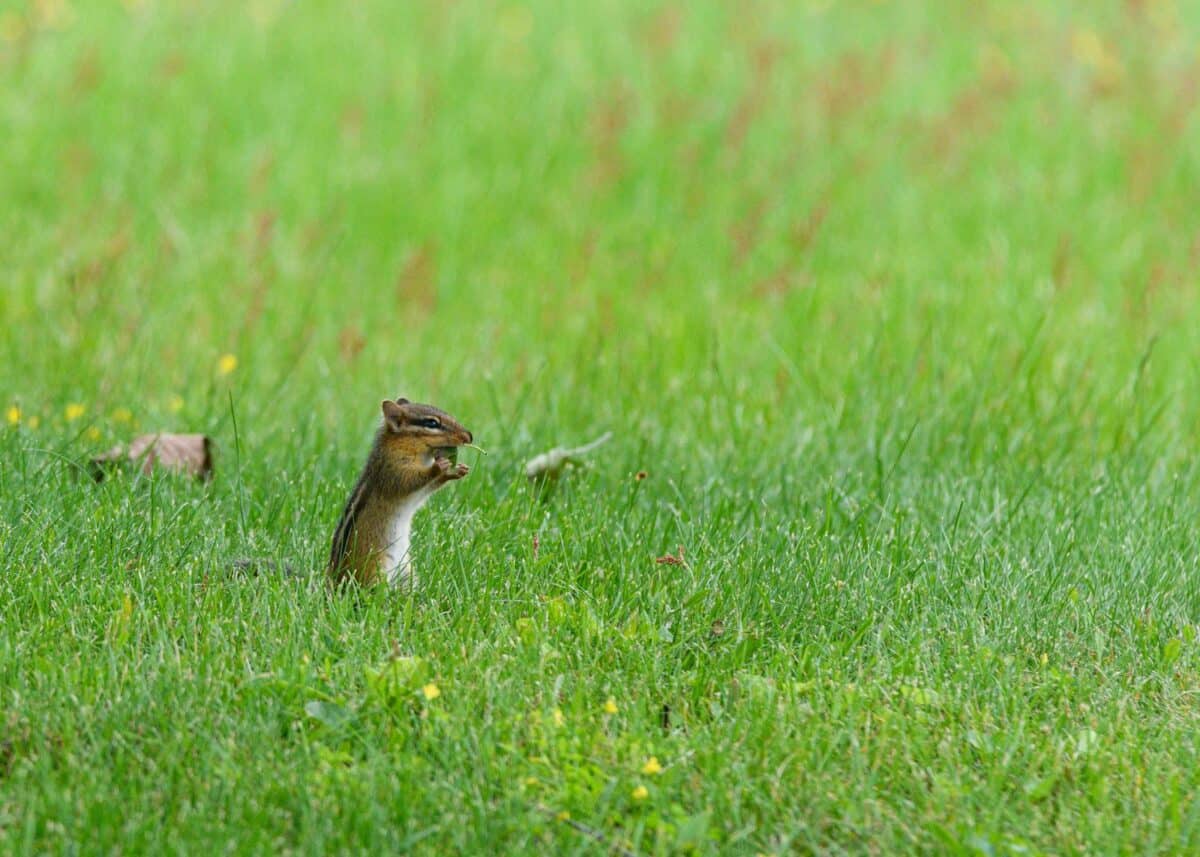
The right equipment allows you to observe wildlife from a respectful distance without compromising your experience. Binoculars are the cornerstone of ethical wildlife watching, with 8×42 or 10×42 magnifications offering a good balance of detail and field of view for most situations. Spotting scopes provide even greater magnification for distant subjects.
Cameras with telephoto lenses (300mm or longer) enable detailed photography without approaching animals, while sound amplifiers can enhance the auditory experience of bird calls and other wildlife sounds. Earth-toned, non-rustling clothing helps you blend into the environment, and field guides assist with identification and understanding behavior. Additionally, consider carrying a small notebook to record observations rather than striving for the “perfect photo” that might require disturbing an animal.
Mastering the Art of Concealment

Concealment techniques allow you to observe animals behaving naturally without detecting your presence. Wildlife blinds or hides—whether permanent structures at nature reserves or portable pop-up versions—create a visual barrier between you and the animals. Learning to use natural features like trees, rocks, or vegetation as screening can be equally effective. Movement discipline is crucial; slow, deliberate movements are less likely to trigger alarm responses than quick, erratic ones.
Some wildlife photographers use the “stop-and-wait” technique, moving very slowly when animals aren’t looking and freezing when they are. Camouflage clothing can be helpful in some situations, though neutral, muted colors are often sufficient. Remember that animals rely on multiple senses, so managing your scent (avoiding perfumes, using unscented products) and minimizing noise (silencing phones, speaking in whispers if at all) are equally important aspects of successful concealment.
Respecting Wildlife Boundaries
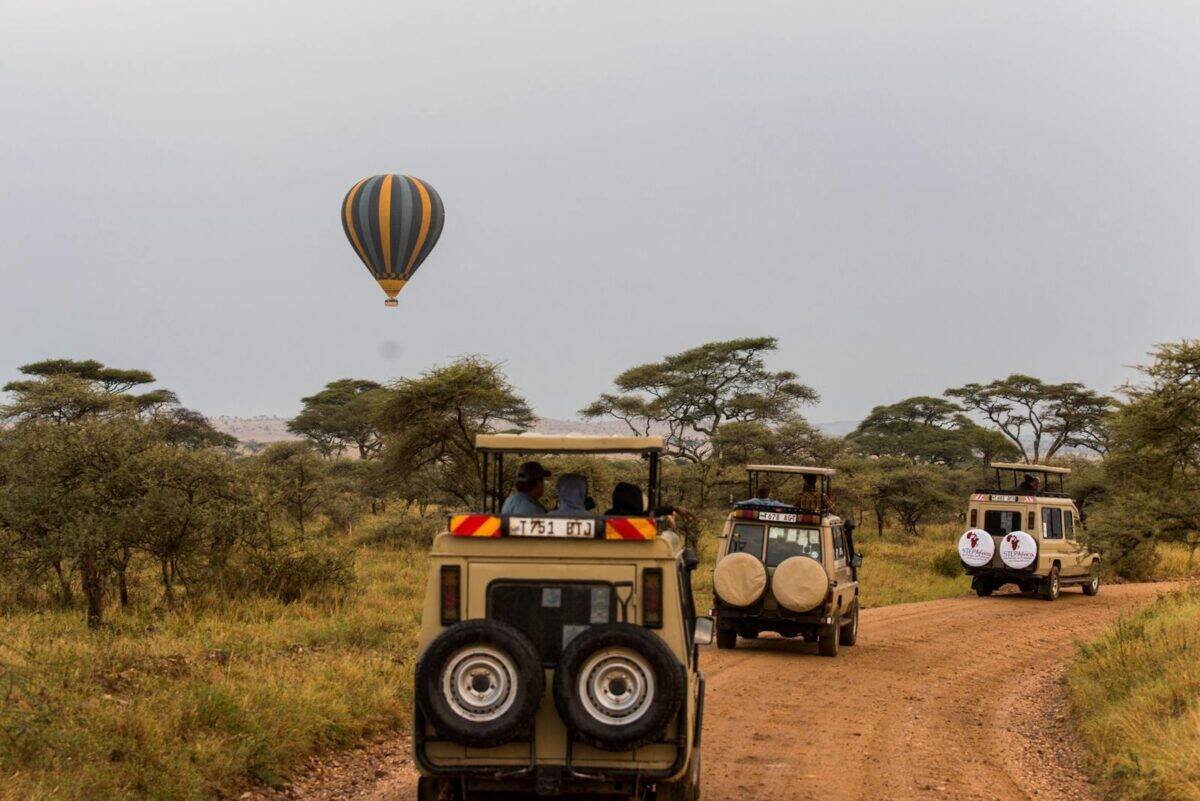
Understanding and respecting appropriate distances is perhaps the most critical aspect of ethical wildlife watching. While specific distance recommendations vary by species, habitat, and situation, a good rule of thumb is to remain far enough away that animals don’t alter their behavior. The National Park Service recommends staying at least 100 yards (91 meters) from predators like bears and wolves, and 25 yards (23 meters) from other large mammals.
For birds, particularly during nesting season, distances should be even greater. Watch for behavioral cues that indicate stress: direct staring, freezing, alarm calls, defensive postures, or retreat all suggest you’re too close and should back away slowly. Remember that appropriate distance isn’t just about physical space—duration of observation also matters. Limit your viewing time, especially with vulnerable species or during sensitive periods like breeding or feeding.
Timing Your Wildlife Encounters

Strategic timing significantly improves wildlife watching while reducing potential impacts. Dawn and dusk—known as the “golden hours” among wildlife enthusiasts—offer peak activity periods for many species while providing beautiful lighting for observation and photography. Seasonal considerations are equally important: spring brings breeding displays and nesting behaviors, summer offers opportunities to see young animals, fall features migration and mating seasons for many species, and winter reveals animals against stark landscapes with reduced foliage. However, ethical timing also means avoiding animals during particularly vulnerable periods. For example, observing nesting birds from too close can cause parents to abandon nests, while approaching winter-stressed mammals forces them to expend precious energy reserves. Research the specific seasonal sensitivities of your target species and adjust your plans accordingly. Many wildlife sanctuaries and parks publish wildlife calendars indicating optimal and sensitive observation periods.
Ethical Wildlife Photography Practices

Wildlife photography can create powerful conservation messages, but it comes with specific ethical considerations. The most important rule is to prioritize the subject’s welfare over getting the “perfect shot.” Use telephoto lenses that allow shooting from safe distances rather than approaching too closely. Avoid using flash photography, which can temporarily blind and disorient animals, particularly nocturnal species. Never manipulate animals or their environment to create more compelling images—this includes baiting animals with food, removing vegetation that “blocks” your shot, or deliberately causing a reaction for more dramatic photos.
Be particularly cautious about sharing location data of sensitive species online, as this can lead to over-visitation. Photography competitions increasingly require ethical statements with submissions, and organizations like the North American Nature Photography Association (NANPA) have developed comprehensive ethical guidelines that emphasize the welfare of the subject above all else.
Special Considerations for Marine Wildlife

Marine environments present unique ethical challenges for wildlife observers. In water, maintaining appropriate distances becomes more complex due to three-dimensional movement and varying underwater visibility. For boat-based observation, approach marine mammals from the side (never from behind or directly in front) and maintain parallel movement rather than pursuit. Many marine conservation organizations recommend staying at least 100 yards from whales and 50 yards from dolphins, seals, and sea lions.
When snorkeling or diving near marine life, avoid touching coral (which can die from human contact), maintain neutral buoyancy to prevent kicking up sediment, and never chase marine creatures. Responsible tour operators follow guidelines like those from the Whale and Dolphin Conservation Society, which emphasize minimal engine noise, time limits for encounters, and maximum approach distances. Be particularly cautious with nesting sea turtles and hatchlings, which are highly sensitive to light and human presence.
Choosing Ethical Wildlife Tours

Wildlife tourism can support conservation when done responsibly, but not all tour operators maintain high ethical standards. When selecting a wildlife tour, research the company thoroughly by checking their stated policies on wildlife interaction, reading reviews specifically addressing their ethical practices, and verifying any claimed conservation certifications. Reputable operators will have clear guidelines about viewing distances, group sizes, and behavior around wildlife.
Red flags include promises of guaranteed sightings (which may indicate baiting or harassment), opportunities to touch wild animals, or unusually close encounters. Ask specific questions about how they minimize disturbance and contribute to conservation efforts. Organizations like The International Ecotourism Society and the Global Sustainable Tourism Council certify operators who meet strict ethical criteria. Supporting these companies not only ensures your experience is responsible but also encourages industry-wide adoption of better practices.
Teaching Children Ethical Wildlife Observation

Introducing children to wildlife watching presents an opportunity to instill conservation values from an early age. Start with age-appropriate expectations—younger children may have shorter attention spans and require more engaging experiences, while older children can participate in more patient observation. Use preparatory activities like reading books about local wildlife or playing identification games to build interest before field trips. During wildlife watching, establish clear behavioral guidelines like using “quiet voices,” walking carefully, and not approaching animals.
Bring child-sized binoculars to allow independent observation from safe distances. Focus on the process of discovery rather than guaranteed sightings, and use all senses—listening for calls, looking for tracks, and noticing smells can be as rewarding as seeing animals directly. Programs like the Junior Ranger activities at national parks provide structured educational frameworks for children to learn about ethical wildlife interaction while making the experience fun and memorable.
Technology in Ethical Wildlife Observation
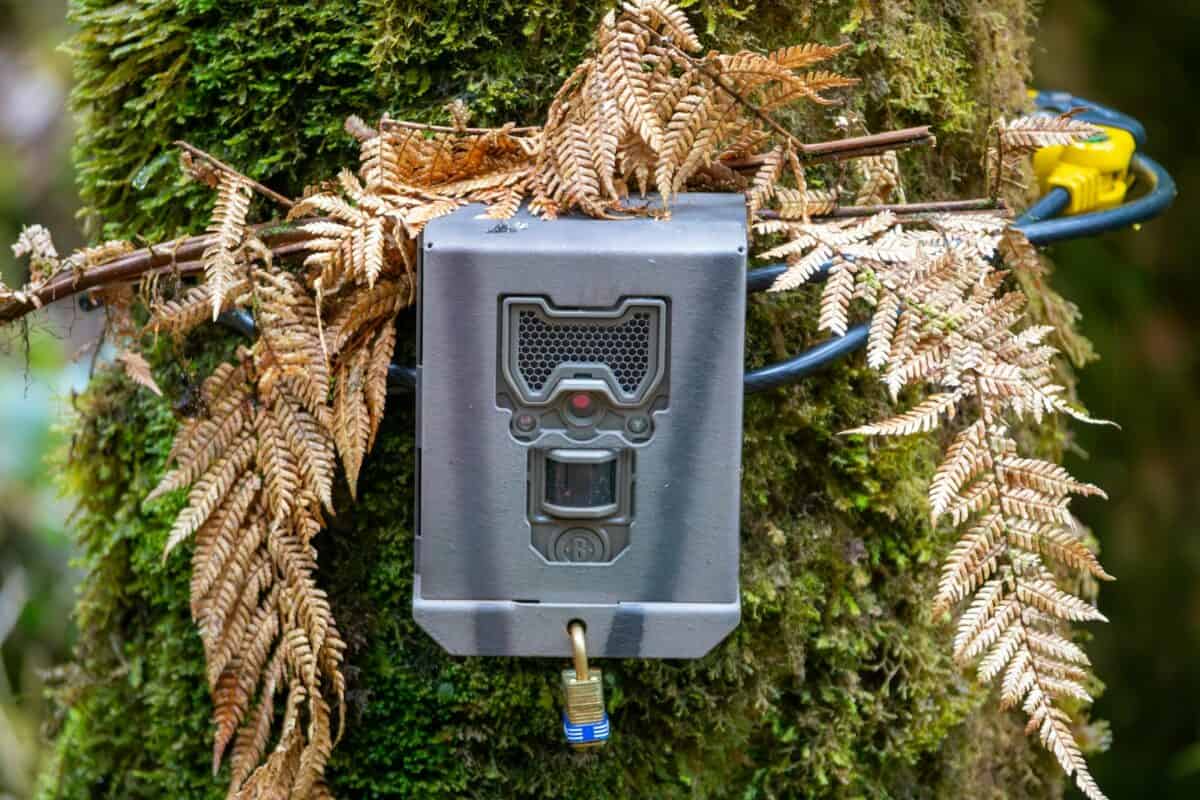
Advances in technology offer new opportunities for non-invasive wildlife observation. Trail cameras (camera traps) allow 24-hour monitoring without human presence, capturing natural behaviors that might never be observed directly. Drones, when used responsibly and legally, can provide valuable perspectives for researchers, though recreational use near wildlife is generally discouraged due to noise and potential stress to animals. Thermal imaging equipment enables nighttime observation without disruptive lighting.
Smartphone apps like iNaturalist and Merlin Bird ID help with species identification and contribute to citizen science while reducing the need to approach animals for identification purposes. Increasingly, virtual reality and livestreaming wildlife cameras provide immersive experiences without any direct impact on animals. However, all technology comes with ethical considerations—even remote viewing tools can be disruptive if improperly placed or maintained. The key principle remains minimizing disturbance, regardless of the technological sophistication of your approach.
Contributing to Conservation Through Observation

Ethical wildlife watching can actively contribute to conservation efforts through citizen science initiatives. Programs like the Christmas Bird Count, Project FeederWatch, and FrogWatch USA rely on observations from everyday enthusiasts to monitor population trends and distribution patterns. Mobile apps have made participation easier than ever—eBird records have contributed to over 100 peer-reviewed scientific publications on bird conservation, while iNaturalist observations have helped document range expansions and even discover new species.
Beyond formal programs, reporting unusual sightings or potential wildlife injuries to appropriate authorities (such as park rangers or wildlife rehabilitation centers) provides valuable data and can save individual animals. Financial contributions matter too—supporting conservation organizations, paying entrance fees at wildlife refuges, or purchasing duck stamps and conservation licenses directly funds habitat protection. By combining observation with active participation in these initiatives, wildlife watchers transform their hobby into a meaningful conservation activity.
Embracing Ethical Wildlife Watching as a Lifelong Practice

Ethical wildlife watching represents more than a set of rules—it’s a mindset and lifelong journey of improvement. As our understanding of wildlife behavior and the impacts of human disturbance evolves, so too should our practices. Staying informed about current research and guidelines through organizations like the National Wildlife Federation and Audubon Society ensures your approach remains cutting-edge.
Remember that the most meaningful wildlife encounters often come not from seeking out the most spectacular or rare species, but from developing a deep connection with the common wildlife in your local environment. This local focus reduces travel impacts while building the observation skills and patience that define ethical wildlife watching. By balancing your desire to connect with nature against the potential impacts of your presence, you contribute to a sustainable relationship between humans and wildlife. The ultimate reward of ethical wildlife watching isn’t just spectacular sightings, but knowing that the animals continue their natural lives undisturbed after you’ve gone.

From exploring the marine wonders in the Azores and witnessing the vast savannas of Kenya, to delving deep into the rich biodiversity of South Africa and traversing iconic landscapes in Australia and the US like Yellowstone, Chris's experiences are vast.
With a penchant for diving alongside sharks, the ocean holds a special place in his heart.
Through his academic insights, he champions wildlife conservation, striving with 'Animals Around The Globe' to cultivate a profound connection between humans and animals, enhancing our mutual appreciation.
Connect with him at Feedback@animalsaroundtheglobe.com.
- This Monkey Has a Mustache - July 21, 2026
- How Steve Irwin Changed the World’s View of Wildlife - July 21, 2026
- The Catfish That Caused Earthquakes in Japanese Folklore - July 21, 2026