

Waking up with itchy red welts on your skin is never pleasant. Discovering that tiny brown insects have taken up residence in your mattress is downright unsettling. If you’ve found yourself facing a bed bug problem in your California home, you’re certainly not alone. These persistent pests have made a serious comeback in recent years, and they don’t discriminate based on how clean your home is.
Let’s be real, dealing with bed bugs is exhausting both physically and mentally. They’re incredibly resilient creatures that can survive for months without feeding, and they reproduce at an alarming rate. The good news is that with the right approach and some serious determination, you can reclaim your home from these unwelcome guests. Whether you’re in a single-family house in the Central Valley or an apartment complex in Los Angeles, the battle plan remains similar, though the execution might vary.
Spotting The Enemy Before It Multiplies
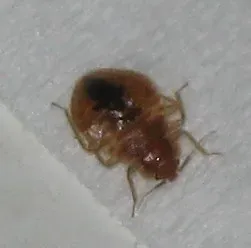
Before you can wage war against bed bugs, you need to confirm they’re actually present. Adult bed bugs have flat bodies about one quarter of an inch in length, with a color that varies from red and brown to copper colored. They’re roughly the size of a small apple seed, which makes them visible to the naked eye if you know where to look.
Start your inspection where you sleep. Bed bugs are most commonly found in areas where people sleep, usually within eight feet of these areas in homes, apartments, homeless shelters, hotels, and motels. Pull back your sheets and examine the mattress seams carefully. Look for tiny rust-colored spots or stains from bed bug droppings that resemble marker dots on your mattress or nearby furniture.
Evidence of a bed bug infestation may include presence of the bed bugs themselves, their cast exoskeletons, or rust-colored spots or stains on bedding, walls, or furniture. You might also notice small blood stains on your sheets where you’ve crushed a bug during the night. Check behind your headboard, in the crevices of your bed frame, and even along baseboards nearby.
It’s worth noting that not everyone reacts to bed bug bites the same way. Some people develop itchy welts on their face, neck, arms, or hands, while others show no visible reaction at all. Most people won’t know they have been bitten by a bed bug while they are sleeping, as bed bug bites are usually painless and rarely wake a person up.
Don’t limit your search to just the bed. These crafty insects can hide in furniture, behind picture frames, inside electrical outlets, and in cluttered areas. Once in the home, bed bugs will find harborage in any convenient crack or crevice. Honestly, their ability to squeeze into the tiniest spaces is both impressive and infuriating.
The sooner you catch an infestation, the easier it will be to eliminate. Early detection can be the difference between a minor inconvenience and a months-long ordeal.
Capturing a few specimens in a sealed plastic bag or container can help confirm identification before you invest in treatment methods.
Heat Treatment: The Nuclear Option That Actually Works

Heat is known to be a very effective bed bug killer and it can be used in many different ways to treat infestations. When it comes to eliminating bed bugs with certainty, professional heat treatment stands out as one of the most reliable methods available. It’s also one of the more expensive options, but sometimes you get what you pay for.
Professional pest control companies bring in special equipment that heats the room to between 135 and 145 degrees Fahrenheit, which is hot enough to kill bedbugs. The beauty of this approach is that heat penetrates every crack, crevice, and hiding spot where bed bugs might lurk. Bed bugs die within 90 minutes when exposed to temperatures of 118 degrees Fahrenheit, and they die immediately at 122 degrees Fahrenheit.
The current recommendation for effective commercial heating services calls for a temperature of at least 140 degrees Fahrenheit for two hours or 130 degrees Fahrenheit for three hours. Throughout the process, technicians monitor temperatures in various locations using remote sensors to ensure every area reaches lethal temperatures. In California, providers of heat services must be licensed and bonded by the Structural Pest Control Board.
The major advantage is that residents don’t have to remove or bag their belongings, and most infestations can be cured in a single treatment. You won’t need to launder every piece of fabric or pack up your entire life. The downside is cost and time commitment. The process is time consuming, taking six to eight hours from setup to takedown, and therefore expensive, costing $1,200 or more depending on the size of the area to be treated and the time to reach temperature.
Before the technicians arrive, you’ll need to remove heat-sensitive items like aerosol cans, medications, cosmetics, and anything that could melt or be damaged at high temperatures. Your pest control company will provide specific instructions.
Heat treatments do not offer any residual effects and your home could quickly become reinfested after a heat treatment if prevention steps are not taken. This means you’ll need to remain vigilant even after successful treatment.
Chemical Treatments And Why They’re Tricky
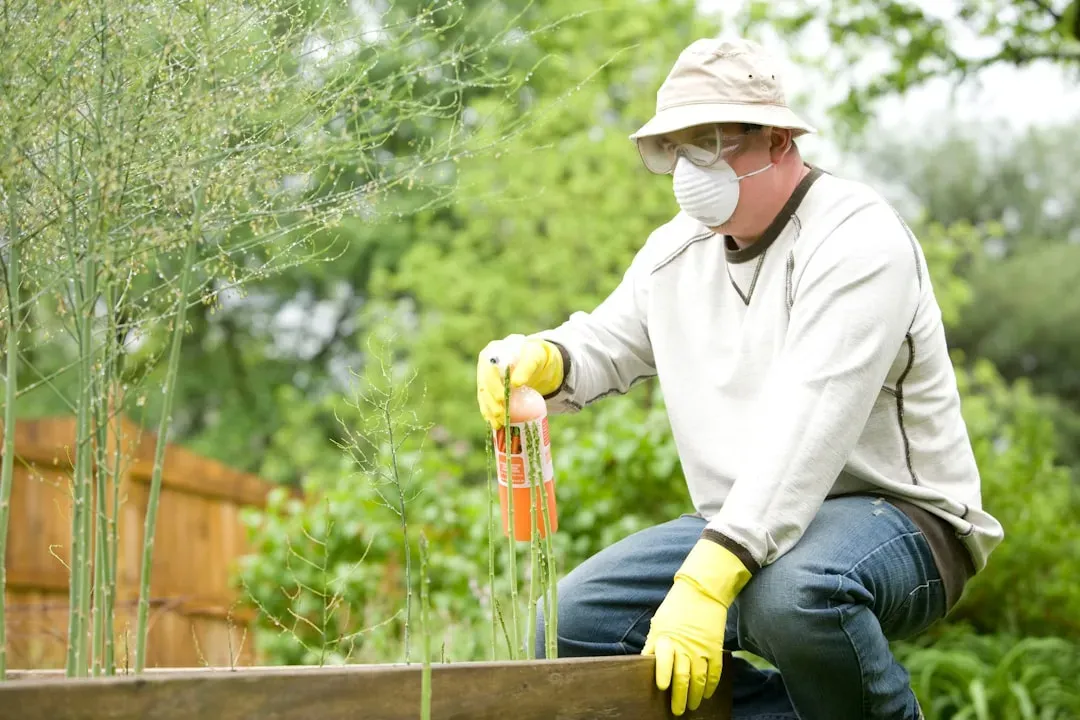
Chemical insecticides remain a common approach for bed bug control, though they come with significant limitations. Some bed bug populations have developed resistance to pyrethroid insecticides and no longer can be effectively controlled by them. This resistance has become widespread, making many over-the-counter sprays virtually useless against established infestations.
Fumigation using the active ingredient sulfuryl fluoride is commercially available for bed bug control in California and can be highly effective, however this is a highly specialized and regulated treatment method best for remedial control only. Only licensed professionals can perform fumigation, and it typically requires you to vacate your home for an extended period.
If you’re considering chemical treatment, understand that professional treatments take two to three visits to start working. Multiple applications are usually necessary because insecticides may not kill eggs, and newly hatched nymphs will emerge days after the initial treatment. Different types of pesticides should be considered if repeated treatments are needed, and desiccants can be particularly effective in some situations since they work by drying out the bug, which means bed bugs can’t develop resistance.
Desiccants like diatomaceous earth offer a non-toxic alternative. Diatomaceous earth may take one to two weeks to kill bed bugs and two months to eliminate an infestation. Use only diatomaceous earth labeled for insects and follow the directions, applying it to cracks and crevices in walls, bed frames, spaces around the bed, behind wall plates and along the junction of wall and floor. Wear a mask during application since inhaling the fine dust can irritate your lungs.
The hard truth is that chemical treatments alone rarely solve the problem. In most cases, pesticides alone will not eliminate bed bugs, and Integrated Pest Management needs to be implemented for effective bed bug control.
DIY Methods That Can Make A Real Difference
You don’t necessarily need to hire professionals immediately, especially if you catch the infestation early. Several do-it-yourself methods can effectively reduce or even eliminate bed bug populations if you’re willing to put in the effort. Here’s the thing, though: DIY bed bug control requires serious commitment and patience.
Washing in hot water for 30 minutes or tumble drying for 30 minutes on high will kill all stages of bed bugs. Start by stripping all bedding, curtains, and clothing from the affected area. Wash and dry the clothes on the hottest temperature the fabric can safely withstand. If you want to only kill bed bugs and do not need to wash your clothes, simply putting infested items in the dryer for 30 minutes on high heat will kill all the bed bugs.
Steam cleaning offers another effective approach. The high temperature of steam, near 212 degrees Fahrenheit or 100 degrees Celsius, will kill bed bugs instantly. A small steam machine costs about seventy-five dollars, though if frequent use or treatment of large areas is needed, a high capacity steamer that costs between one hundred and thirteen hundred dollars is recommended. Move the steamer slowly over surfaces, applying heat to mattress seams, bed frame corners, and furniture crevices.
Vacuuming helps but won’t solve the problem alone. Thorough vacuuming can get rid of some of your bed bugs by carefully vacuuming rugs, floors, upholstered furniture, bed frames, under beds, around bed legs, and all cracks and crevices. Vacuums do not remove eggs and will likely not remove all bed bugs from deeply infested cracks and crevices. After each use, immediately seal the vacuum bag in a plastic bag and dispose of it in an outdoor trash container.
Purchase protective covers that seal mattresses and box springs, as with covers that seal, the bed bugs will get trapped inside and die. These encasements also prevent new bugs from infesting your mattress. Make sure to purchase high-quality encasements that resist tearing, and check them regularly for any damage.
Bed bug interceptors placed under bed legs create a moat that traps bugs attempting to climb up or down. If no live bugs or their signs are noticed for six weeks, you may declare the bed bugs are eliminated.
Prevention Strategies To Keep Them Out For Good
Successfully eliminating bed bugs is only half the battle. Keeping them from returning requires ongoing vigilance and smart prevention habits. By far the most common method of developing a bed bug infestation is by bringing used furniture into your home. That free couch on the curb might look tempting, but it could harbor a nightmare.
Check secondhand furniture, beds and couches for any signs of bed bug infestation before bringing them home. Do not purchase furniture at a garage sale or antique store without carefully inspecting it first. Even seemingly clean items can hide bed bugs in their crevices and seams.
When traveling, remain vigilant about hotel rooms. Inspecting your hotel room for bed bugs is very important for protecting yourself against bed bug bites as well as preventing bed bugs from infesting your bag, and hotel infestations are typically focused near the bed. When staying in a hotel, place your bag on a suitcase stand rather than on the bed or floor, and keep the rack away from walls or furniture.
Reduce clutter in your home to reduce hiding places for bed bugs, and use a protective cover that encases mattresses and box springs to eliminate many hiding spots. The less clutter you have, the fewer places these pests can hide and the easier they are to detect early.
If you live in a multi-family home, try to isolate your unit by installing door sweeps on the bottom of doors to discourage movement into hallways and sealing cracks and crevices around baseboards and light sockets to discourage movement through wall voids. In apartment buildings, bed bugs can travel between units, so even if you eliminate them from your space, they might return from a neighbor’s infestation.
If you think you have come into contact with bed bugs, immediately wash and dry your clothing on the hottest setting the fabric can stand, or store them in a sealed plastic bag until you are able to do so. Don’t give them a chance to establish themselves in your home.
Regular inspections of your sleeping areas every few weeks can catch new infestations before they explode into major problems.
Conclusion: Winning The Long Game

Getting demands more than just a single treatment or quick fix. It requires a comprehensive approach combining immediate action with long-term prevention strategies. Whether you choose professional heat treatment, chemical applications, or commit to intensive DIY efforts, consistency and thoroughness determine your success.
California law requires landlords to act promptly when bed bugs are reported, as bed bugs make a unit uninhabitable under Civil Code sections. If you’re renting, don’t hesitate to contact your landlord immediately. They have a legal obligation to address the problem.
It takes time and persistence to get rid of bed bugs, and in some cases the cooperation of landlords, neighbors and others, as it can be physically and emotionally exhausting and expensive when pest control companies are called in. The mental toll of dealing with an infestation shouldn’t be underestimated.
The most effective strategy typically involves combining multiple methods. Heat or chemical treatments to knock down the population, followed by encasements, interceptors, and diligent cleaning routines to prevent reestablishment. Monitor your progress carefully for several months after treatment, as a few surviving eggs can restart the entire cycle.
Remember that bed bugs, while a significant social problem, do not transmit disease to humans. They’re a nuisance and can cause stress, but they’re not dangerous in the way some other pests are. Keep perspective, stay methodical, and understand that complete elimination may take weeks or months.
What’s your biggest concern about tackling bed bugs in your home? Have you discovered any strategies that worked particularly well? Every infestation is different, and sharing experiences helps others navigate this challenging situation.
