
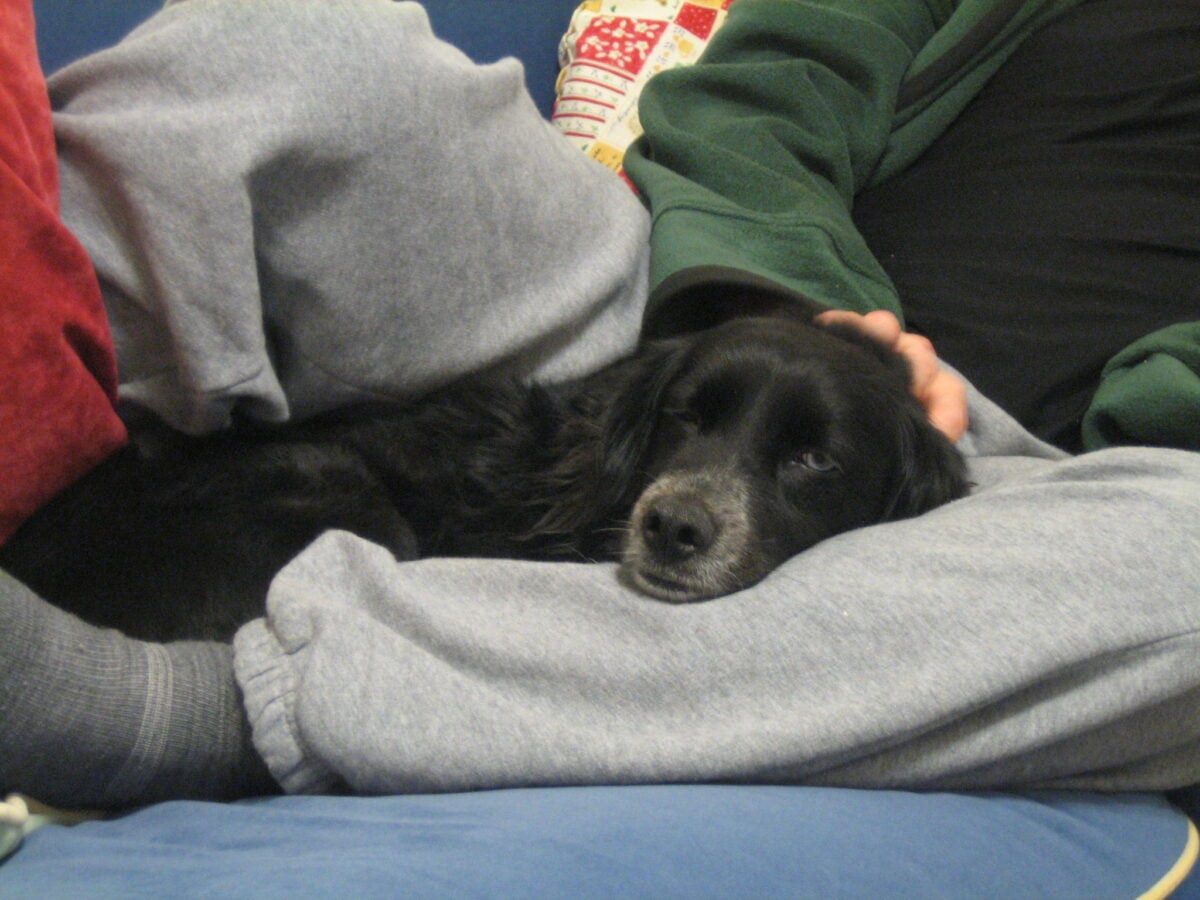
Most people scroll past a photo of an old dog melting into someone’s arms and think, “aww, cute senior dog.” That’s the surface read. Veterinarians and behaviorists see something else entirely: a nervous system in the middle of announcing, out loud, exactly where it feels safest on the planet.
Here’s the part that catches most owners off guard – some of these signals look like clinginess, or stubbornness, or even a “bad habit” you accidentally created. They’re not. Once you know what to look for, you’ll start noticing your own dog doing at least three or four of these things without realizing what they actually mean.
#1 – They Instantly Relax the Second You Pick Them Up
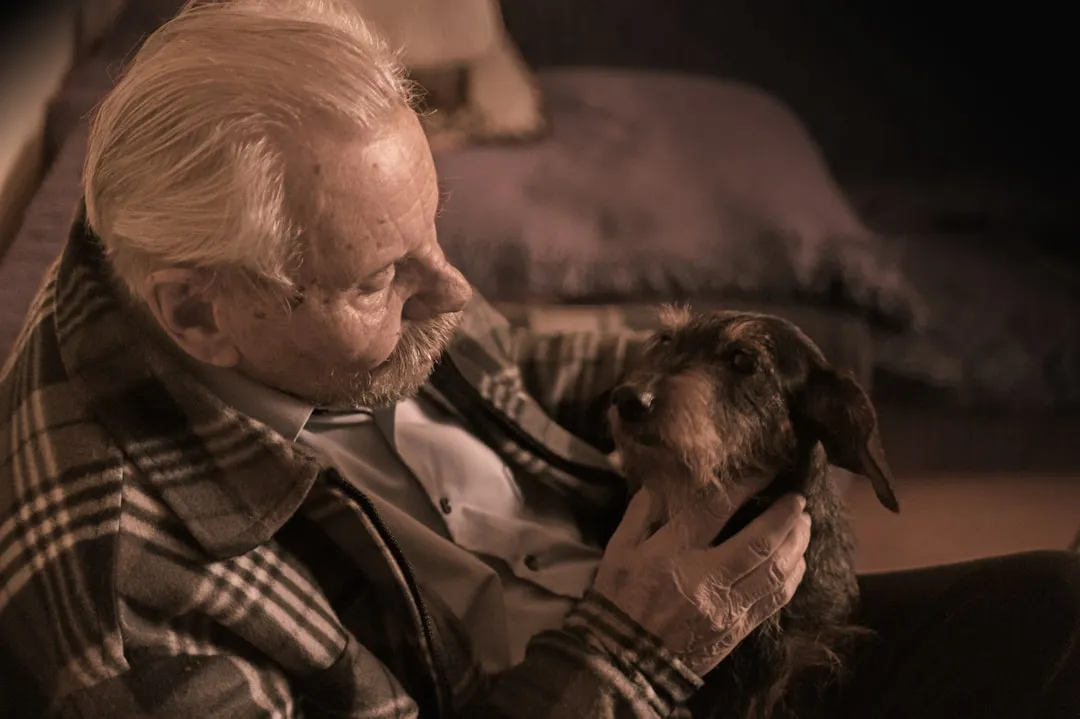
Some senior dogs wander the house looking tense – panting lightly, pacing for no clear reason, unable to settle. Then you scoop them up, and it’s like someone flipped a switch. Their breathing slows, their shoulders drop, and they practically pour into your chest.
That full-body exhale isn’t random. Older dogs dealing with aches, fading vision, or mild confusion often feel exposed on the ground but deeply secure once they’re wrapped in you. If they go from restless to calm in under a minute, you’re basically functioning as their emotional weighted blanket – proof that your body has become their definition of safety.
#2 – They Ignore Noises and Movement… as Long as They’re in Your Arms
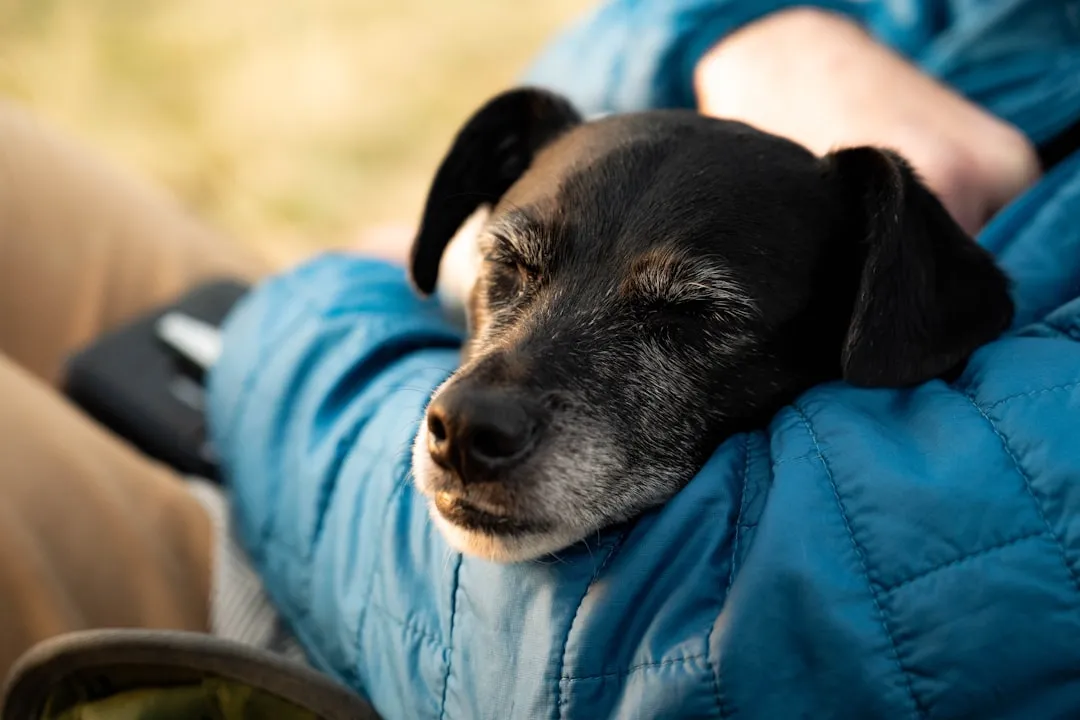
A lot of senior dogs startle easily: a door closing, kids running past, a pan clanking in the kitchen. On the floor, you’ll catch them flinching, glancing around, shuffling somewhere they hope is quieter.
But in your arms? The vacuum can roar, the TV can blast, people can walk right by – and they barely blink. That selective “I don’t care” response is the clue. Their aging brain has quietly decided that if they’re held by their person, nothing bad can actually reach them. They’re not brave in general – they’re brave specifically because you’re the one holding them.
#3 – They Choose Your Arms Over Their Favorite Bed (or Even Treats)
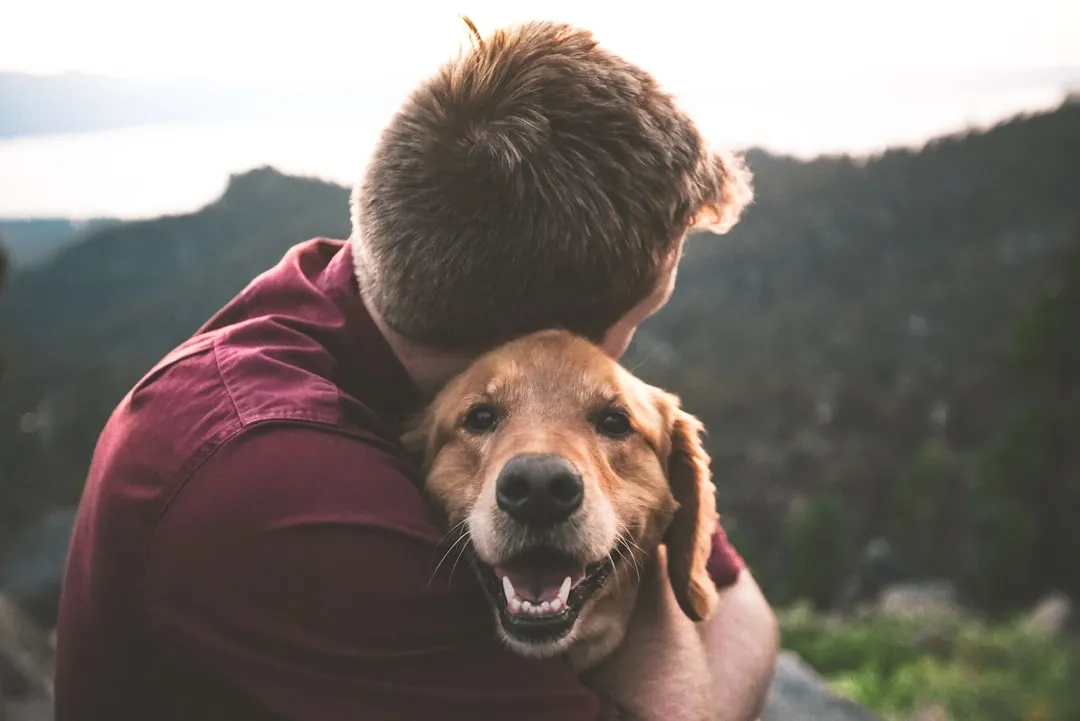
Most people assume dogs are ruled by food and comfort above everything else. Older dogs that feel safest only in your arms will prove that wrong – you’ll watch them sniff their plush orthopedic bed, hesitate at the treat jar, then trot straight back to you and ask to be picked up instead.
This shows up most clearly at night or during storms, when the expensive memory-foam bed gets completely ignored in favor of your lap on a hard kitchen chair. Some owners are genuinely startled when their dog turns down a favorite snack unless they’re pressed against your chest first. In that moment, the actual reward isn’t the bed or the biscuit – it’s being somewhere they already trust completely.
Quick Compare
- Favorite bed vs. your arms: the plush bedding gets sniffed and abandoned, while your lap gets chosen almost every time.
- Treats vs. contact: some dogs pause mid-snack just to climb back into your hold.
- Toys vs. touch: familiar toys sit untouched while your arms become the real reward.
#4 – They Fall Into Deep, Twitchy, Dream Sleep Only When You’re Holding Them
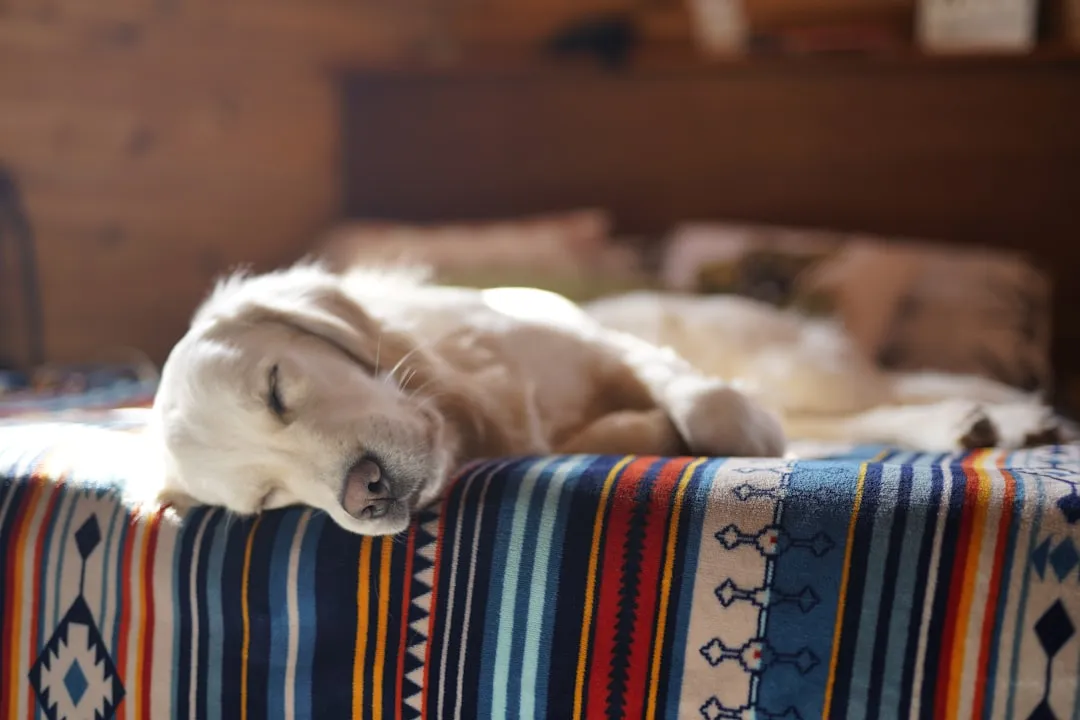
Senior dogs often sleep light, jolting awake at every small sound. Watch what happens instead when they’re cradled in your arms – within minutes their breathing deepens, their paws start twitching, their eyes flutter, and they drop into that floppy REM sleep dogs only reach when they feel fully secure.
From a survival standpoint, that’s a bigger deal than it looks. Instinct tells dogs not to fully power down unless they trust their surroundings completely. So if your dog naps lightly on their own but only reaches true dreamland pressed against your chest, that’s their nervous system saying, “I can finally let go, because you’re here.”
#5 – Their Anxiety Spikes the Second You Put Them Down
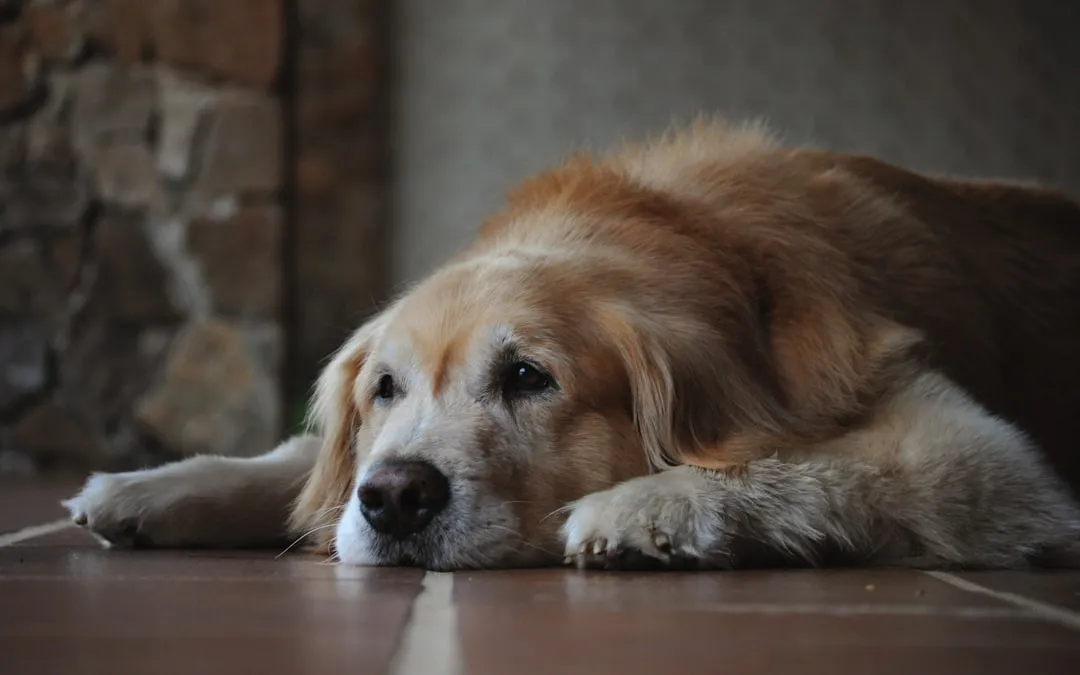
This is the sign that worries a lot of owners – and honestly, sometimes it should. If your senior dog is calm while you’re holding them but starts panting, pacing, whining, or trembling the moment you set them on the floor, they’re not being dramatic.
They’re telling you the world feels like too much unless your body is buffering it. Watch for patterns: clinging harder in new places or vet waiting rooms, fussing the instant you stand up as if convinced you’re about to disappear. This can point to separation anxiety, cognitive decline, or plain age-related insecurity – but the key fact is the same either way. Only your arms reliably switch that fear off, which is both a compliment and a responsibility.
#6 – They Instinctively Curl Into Your Chest or Neck
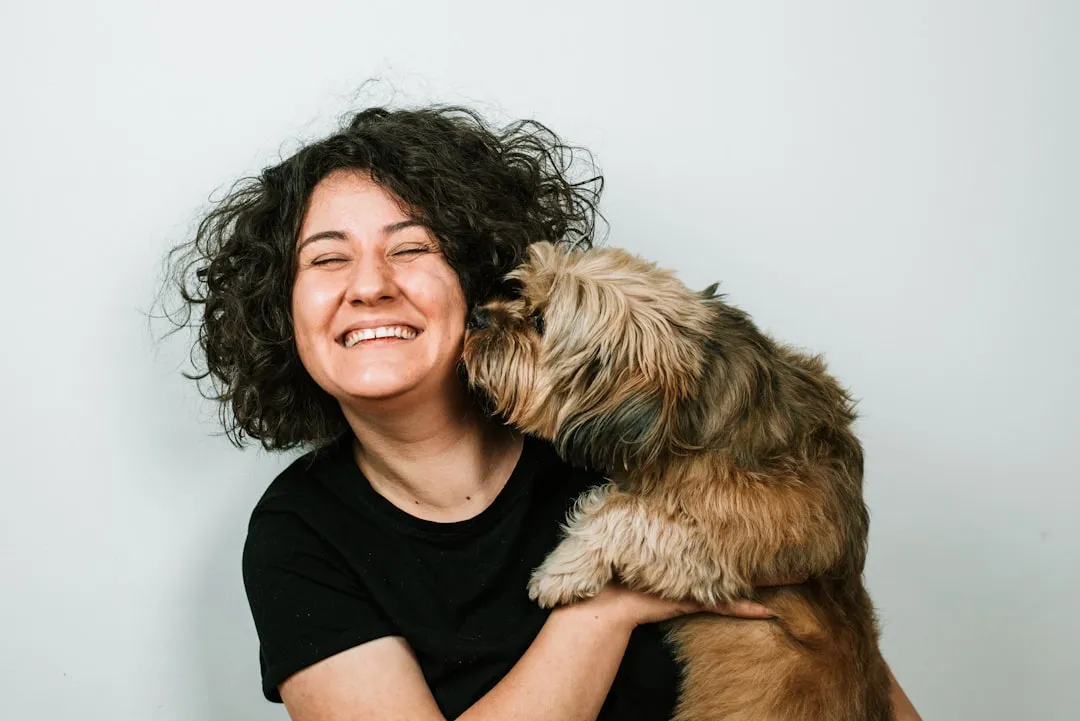
Not every dog likes being held belly-up like a baby. But when an old dog chooses to tuck their head into your neck, chest, or under your chin, that’s not idle snuggling – that’s bunker behavior.
They’re literally hiding their most vulnerable parts – face, throat, belly – inside the one shelter they trust completely. Watch the small details: the way they wedge their muzzle under your chin, the little sigh once they’re fully tucked in. Dogs don’t do that with people they only halfway trust, and stiff, less flexible seniors especially won’t contort themselves for comfort they don’t actually feel.
#7 – They “Ask” to Be Picked Up in Specific Stressful Moments
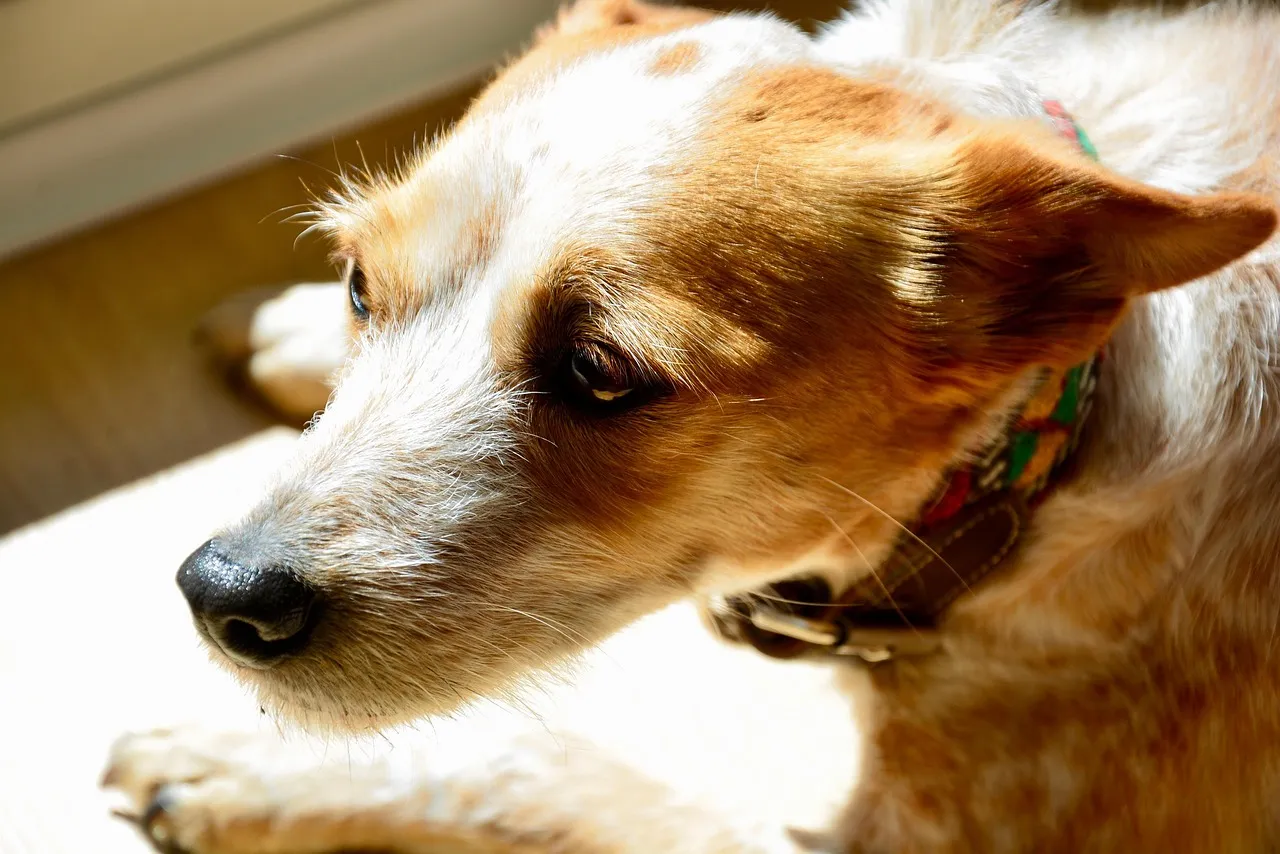
People often misread this as clinginess or attention-seeking. But when an old dog deliberately approaches you, stares up, paws at your leg, or nudges your hand right as something stressful is happening, that’s strategy, not neediness.
Watch the timing closely. Loud arguments, fireworks, unfamiliar homes, a sudden crash in the kitchen – if they ignore you completely when things are calm but make a beeline for you the second the environment shifts, they’re using you as an emotional exit door. Behaviorists consider this a genuinely smart coping strategy. Anyone telling you to force independence on a twelve-year-old dog with an aging brain is ignoring what that brain is actually capable of.
Worth Knowing
- Loud noises, sudden movement, and unfamiliar spaces are among the most common triggers for this “ask to be held” behavior.
- Many dogs ignore their favorite person entirely during calm moments, then head straight for them the instant stress hits.
- This coping style tends to become more pronounced with age rather than fade.
#8 – Their Body Language Is Looser With You Than With Anyone Else
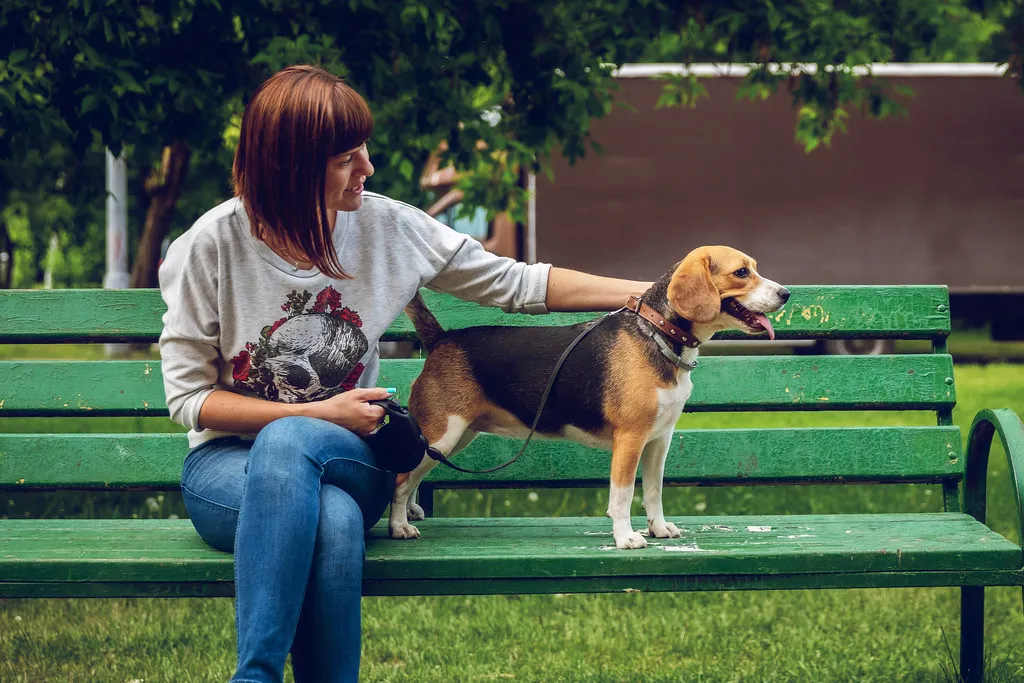
Most people assume a dog that tolerates being held by family or friends feels equally comfortable with everyone. Old dogs prove that assumption wrong constantly. With other people, you’ll notice stiffer muscles, braced paws, a head turned away.
In your arms, they go floppy – tongue loose, paws dangling, eyes soft and half-closed, weight fully surrendered instead of half-braced to jump down. That contrast is the whole story. It means they don’t feel safe in just any set of arms by default – only yours. Some dogs never show that level of surrender to anyone else at all, which makes it even more meaningful when you’re the exception.
#9 – They Cling Harder After Vet Visits or Scary Experiences
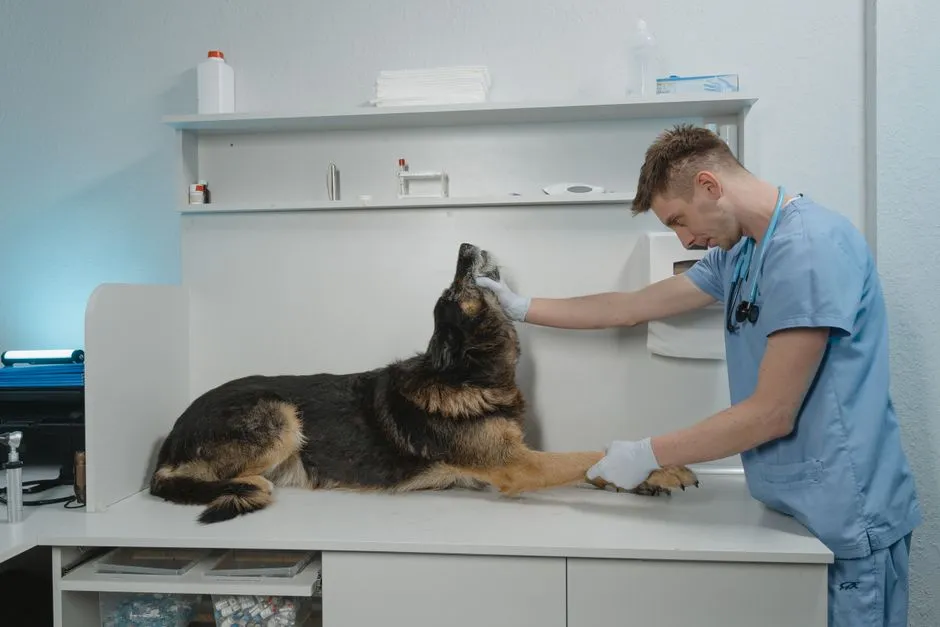
This is the one that hits people right in the chest. Your senior dog endures pokes, strange smells, slippery exam tables – then the moment you lift them up afterward, they bury their head against you and don’t want to be put down for hours.
That “velcro aftermath” is your dog processing stress and running straight to the one place that consistently makes it stop. They might shake in the exam room but settle almost immediately once you’re holding them, then follow you room to room the rest of the day asking to be carried. Some vets still warn against “reinforcing fear,” but many behavior specialists now push back hard on that idea – comforting a scared, elderly dog doesn’t teach them to be afraid. It teaches them that fear leads somewhere safe.
Dogs are not our whole life, but they make our lives whole.
Roger Caras
#10 – They Use Your Scent and Heartbeat as a “Reset Button”
People underestimate how much information dogs pull from scent and sound alone. Senior dogs losing their sight or hearing lean even harder on your smell and heartbeat as a kind of internal GPS. Once you’re holding them, they’ll press an ear to your chest, inhale slowly against your shirt, and visibly settle.
This becomes obvious as their other senses fade. A dog who startles at shadows or faint sounds on the floor can suddenly navigate emotionally again the moment they’re on your lap with their head against your chest. Their brain treats you as a living anchor: if you’re calm, they can be calm too – not sentimental fluff, but literally how a lot of confused older dogs avoid full panic.
#11 – They Seek Your Arms Specifically at Night
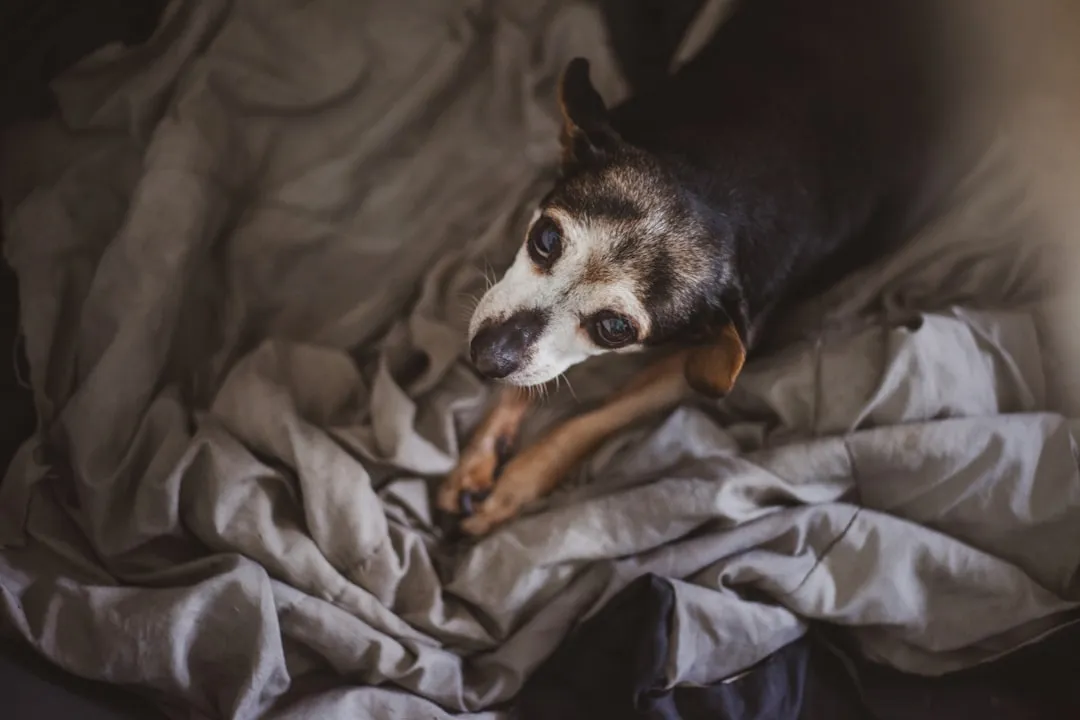
Nighttime is brutal for a lot of senior dogs – vision loss, cognitive changes, even mild “sundowning” can all intensify after dark. If your dog paces, whines, or seems lost at night but settles almost instantly once you pick them up or let them sleep against your chest, pay attention to that.
Watch the pattern: fine all day, restless the second the sun goes down, refusing their own bed but falling asleep fast in your arms. It can be exhausting to be woken up for lifting duty, but it’s not random neediness – it’s their aging brain asking if you can be their light switch. Insisting an old dog should just “self-soothe” at this stage usually ignores what their nervous system can genuinely handle anymore.
#12 – They Tolerate Physical Discomfort Just to Stay in Your Arms

Older dogs are often stiff, arthritic, or sore – yet you’ll catch them enduring awkward positions and cramped spaces for long stretches just to stay pressed against you, even when it clearly isn’t physically ideal.
You might notice them staying curled against you while shifting and groaning slightly, resisting being moved to a softer, more “sensible” spot, or sighing and licking your hand after you adjust them, as if pleading, “just don’t put me down.” That’s not an excuse to skip pain management – if anything, it’s an argument for more of it. But it does reveal where their priorities sit. Being wrapped in you outranks physical comfort every time.
Fast Facts
- Joint stiffness and arthritis are extremely common in senior dogs, making hard floors and awkward positions genuinely uncomfortable.
- Dogs in mild pain will still actively seek out contact comfort, sometimes prioritizing closeness over physical ease.
- Vets generally recommend pairing pain management with comfort-seeking behavior, not replacing one with the other.
#13 – They Don’t Just Want to Be Near You – They Want to Be On You
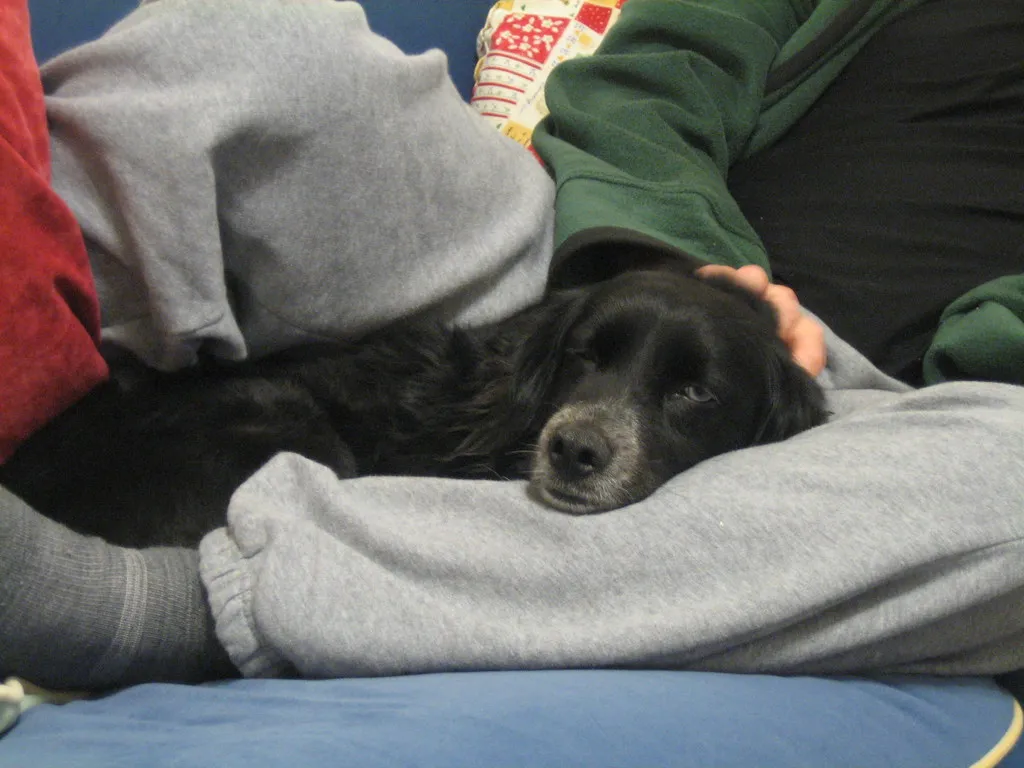
It’s easy to lump all clingy behavior together – following you around, lying at your feet, hovering by the bathroom door. But there’s a real difference between a dog who wants proximity and one who wants full physical fusion.
If your senior dog ignores beds, rugs, and cozy corners just to be fully on your lap or draped across your torso, that’s a different level of attachment entirely. Watch their choices: couch beside you versus on top of you, floor near your chair versus pawing to be lifted, a blanket-filled crate versus your bed pressed against you. People love to call this spoiled. Many behaviorists call it the clearest sign of secure attachment in a dog that’s spent a long life with one person.
#14 – They Stay Peaceful in Your Arms Even When They’re Clearly Not Okay
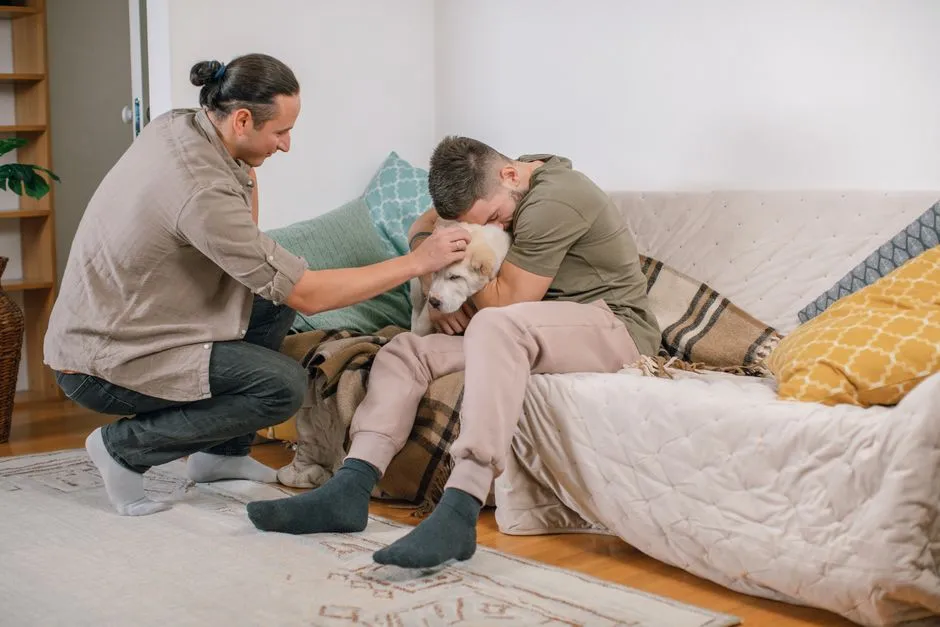
This one is hard to talk about, but it’s the most powerful sign on this list. In the later stages of life, some dogs deal with real pain, confusion, or serious illness. You’ll see them restless and distressed on the floor – until you hold them.
Even if nothing in their body has actually changed, they soften. Their breathing eases. Their eyes stop darting. They might not eat well anymore or care about toys or walks, but they still visibly relax pressed against your chest, because their nervous system is using you as its last and best regulator. It’s part of why so many vets now encourage owners to hold their dogs through the hardest moments instead of stepping back. To your dog, you are the safe place, right up to the very end.
The Bottom Line
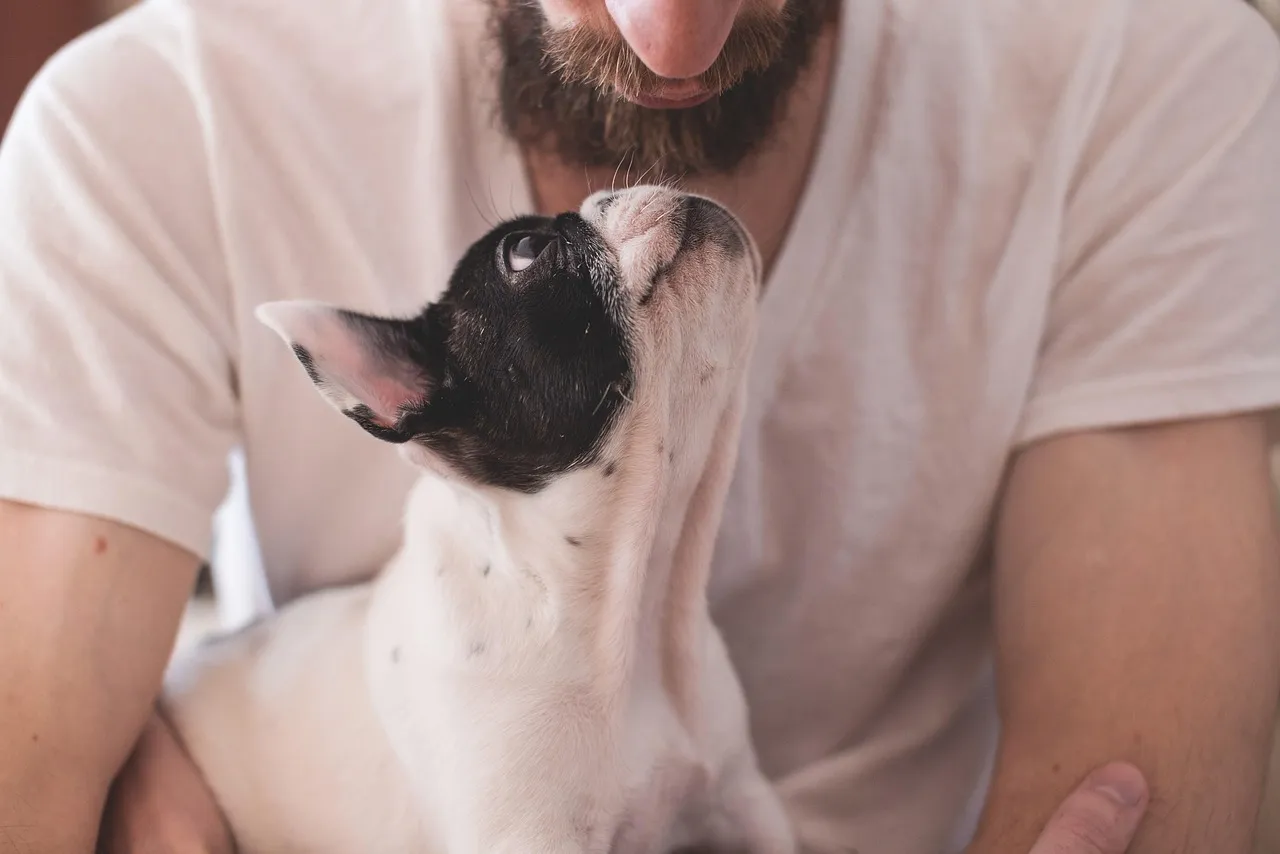
When an old dog feels completely safe only in your arms, that’s not a bad habit, and it’s not something you accidentally spoiled into existence. It’s the accumulated result of years of small, consistent proof that you show up, you protect, and you comfort.
The world gets louder, their body gets creakier, their senses dim – and instead of trusting the house, the bed, or even their own instincts anymore, they trust you. That’s beautiful and heavy in the same breath.
Some people will tell you to put the dog down more, to build independence in a thirteen-year-old who’s already given you their whole life. They’re wrong. If your senior dog has decided your arms are the safest place on earth, that’s not a problem to fix. It’s a privilege to live up to.
Did we miss a sign your old dog shows only to you? Drop it in the comments.
