
Worried about unexpected vet bills?
Pet insurance can cover thousands in unexpected vet costs. Get a free quote from Lemonade in under 2 minutes.
Get My Free Quote →Sponsored · Opens Lemonade.com
Nobody ever wants to think about saying goodbye to their loyal companion. Yet here’s the thing: our dogs age faster than we do, and the day inevitably comes when we need to shift our focus from keeping them healthy to keeping them comfortable.
This isn’t about giving up. It’s about showing up in the most profound way possible during their final chapter. When you notice your senior dog slowing down, struggling with daily activities, or losing interest in things they once loved, it’s time to consider a different kind of care, one that prioritizes peace, dignity, and love above all else. Let’s talk about how you can make those last days truly meaningful for both of you.
Recognizing When Your Dog Needs End Of Life Care

Dogs often mask their pain, so they may not show outward signs like whimpering or crying, and sometimes they’ll continue eating or drinking despite discomfort, though common signs include excessive panting, gasping for breath, reclusiveness, reluctance to move, and food pickiness. Dogs express pain differently from humans, and often pet families see their dog as “just slowing down as he gets older,” when in reality this is the first and maybe only sign they are in pain, with some dogs becoming restless or even irritable as the pain worsens.
Pay attention to the quality of life scale. Pet parents should consider factors including hurt, hunger, hydration, hygiene, happiness, mobility, and whether their dog has more good or bad days. Keep a daily log of your dog’s comfort level. Are they still interested in their surroundings? Can they eat, drink, and move without obvious distress? When the bad days start outnumbering the good ones, it’s a signal that something needs to change in their care approach.
Understanding Palliative And Hospice Care Options
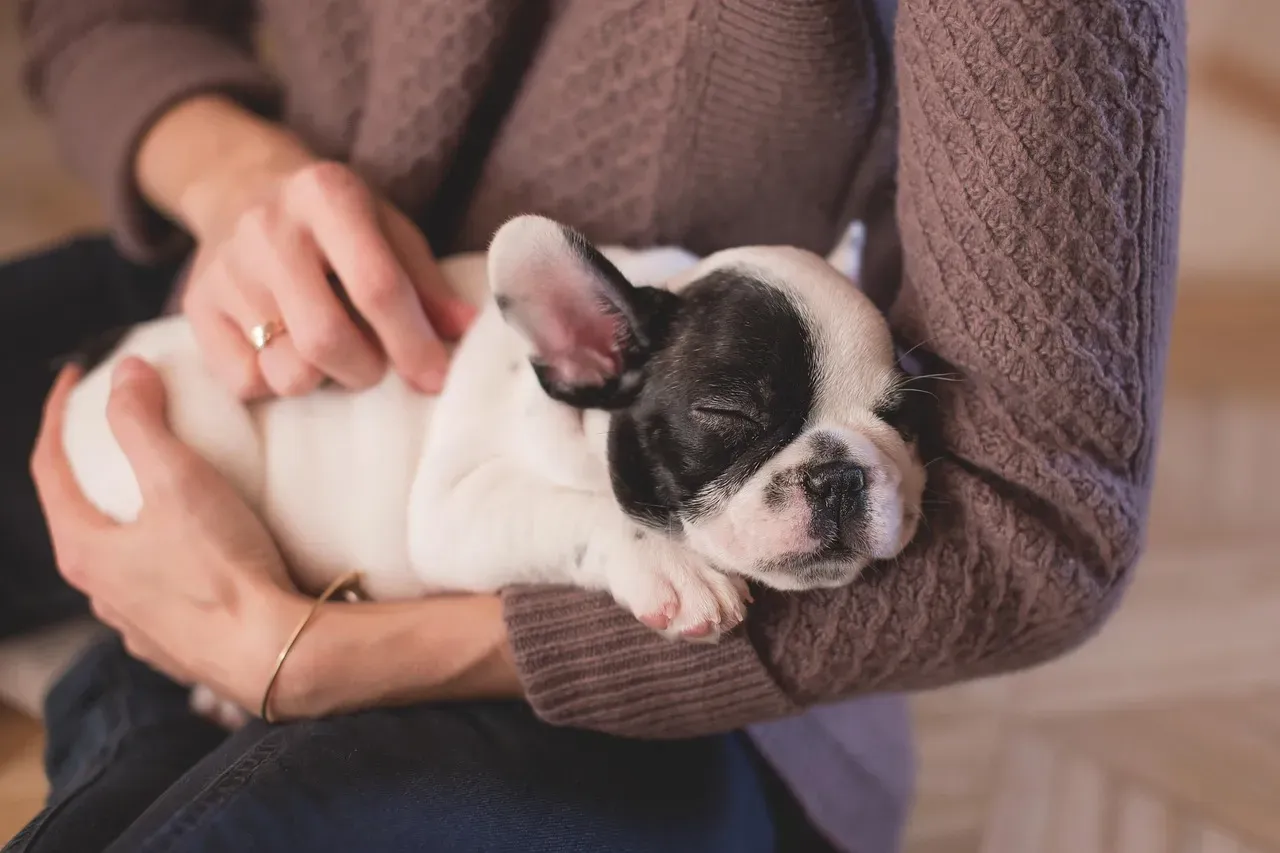
Palliative care focuses on making dogs as comfortable as possible and improving their quality of life as they near the end, starting when the focus shifts from trying to treat an illness or extend life to helping the dog stay happy and comfortable, whether they’re senior dogs in decline or terminally ill dogs in the last stages of disease. Hospice care starts when curative treatments for the underlying ailment are stopped and care is focused on comfort during a pet’s end-of-life stage.
Let’s be real: hospice doesn’t mean you’re giving up on your dog. Hospice for pets involves bringing beloved pets home, knowing that although there is no cure to give them, supportive care can keep them comfortable. This approach allows you to maximize the time you have left together while ensuring your dog isn’t suffering. Hospice care provides compassionate, medically guided support as families prepare to say goodbye, ensuring a peaceful and dignified experience, with services provided in the comfort of home for stress-free visits, personalized attention, and gentle support in a familiar setting.
Creating A Comfortable Environment At Home
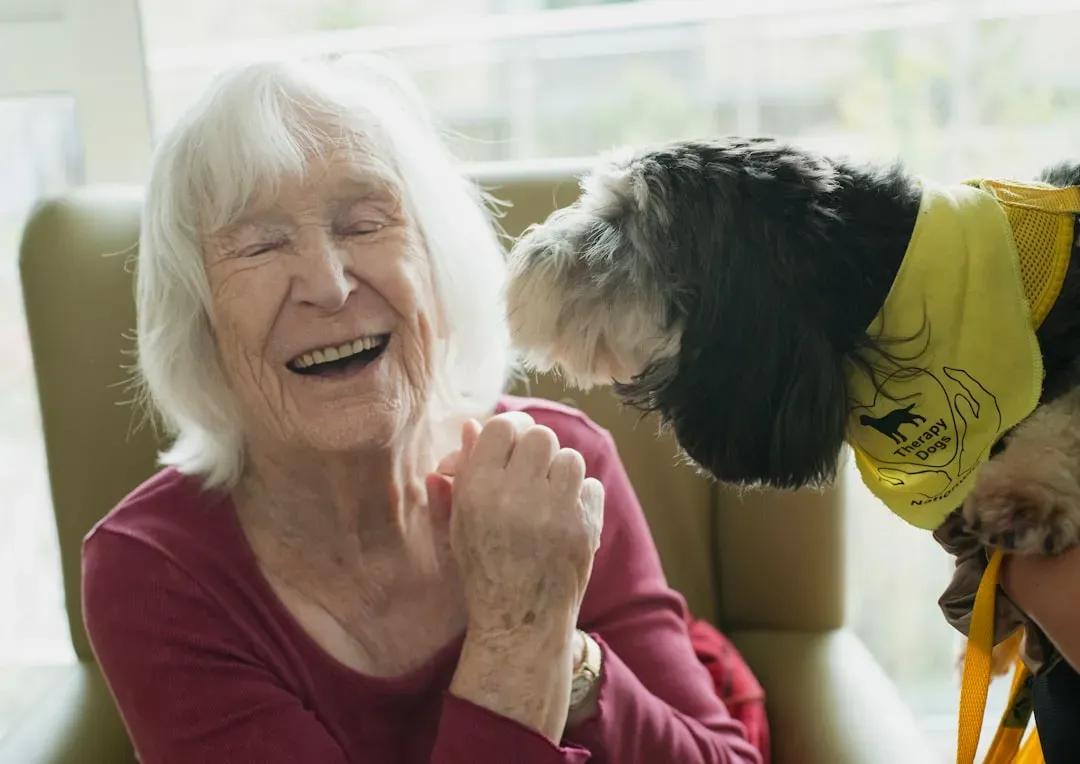
Your home environment can make an enormous difference in your senior dog’s comfort level during their final days. Palliative care includes modifying the home environment to maximize mobility and prevent injury, with simple modifications including adding non-skid floor surfaces using area rugs or spongy interlocking floor tiles found in children’s play areas and gyms. Raising food and water dishes to just above elbow height allows a dog to eat and drink with the spine in a neutral position, minimizing back pain, or if the dog is minimally mobile, you can place bowls in front of them wherever they are comfortable resting.
The kindest thing you can do is make sure they are as comfortable as possible by keeping clean, supportive cushioned or orthopedic bedding available along with disposable potty pads to avoid soiling the bedding if incontinence is an issue, and some dogs may tolerate diapers but must have them changed frequently. Creating comfortable spaces close to family members helps your dog remain engaged with the family they love. Let them rest near you, even if it means letting them on furniture that was previously off limits. Comfort matters more than house rules now.
Managing Pain With Medications And Therapies
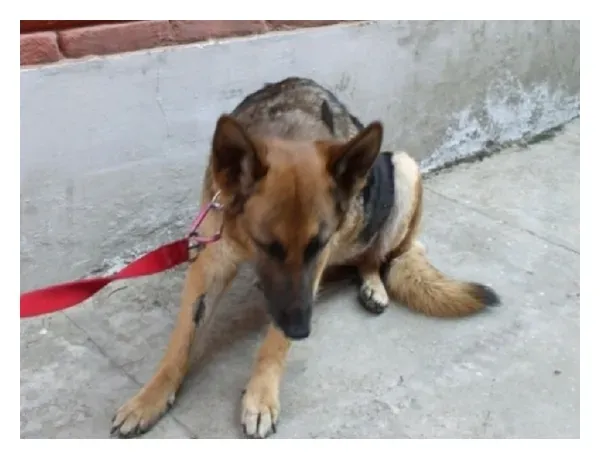
Pain management is the most important part of palliative care, and pain is best managed using multiple therapies together, both pharmacologic medications and nonpharmacologic approaches, to achieve maximum comfort. Alleviating and preventing pain and anxiety are primary components of palliative and hospice care, and many medications are available to relieve pain and decrease anxiety including various categories of anti-inflammatory drugs, topical anesthetics, pain relievers, sedatives or tranquilizers, and anti-nausea medications.
Talk openly with your veterinarian about pain management options. If you’ve ever struggled to give your dog a pill, compounded medications customized for taste and ease of administration can make pain management stress-free, with options including flavored liquids, soft chew treats infused with medication, and transdermal gels applied to the skin for easy absorption. Nonpharmacologic therapies to address musculoskeletal pain include medical acupuncture which can change your dog’s perception of pain, acupuncture can also release painful trigger points in muscles, massage can be performed by a trained provider or taught for home use with most dogs finding it comforting, and therapeutic laser can modulate the nervous system to reduce pain.
Adjusting Nutrition And Hydration Needs

As dogs near the end of their lives, their relationship with food changes dramatically. Nutrition for dogs in hospice focuses on making food tasty, easy to eat, and providing enough calories, protein, and water rather than focusing on meeting specific nutrient needs, and if your dog turns down their regular food or therapeutic diet, talk with your veterinarian about changing the diet to one your dog will eat or what new treats or food toppers to include, keeping in mind that many diseases cause decreased appetite stemming from unmanaged pain, nausea, or dehydration.
This is the time to break the rules a bit. If your veterinarian gives you the OK, share previously off-limits foods with your furry friend, and if they are struggling to find their appetite you may be allowed to tempt them with baby food, deli meats, and other tasty foods, and as a last meal many pets enjoy desserts, French fries, hamburgers, or other delights they normally can only drool over. Honestly, seeing that little spark of joy when they taste something delicious can be incredibly meaningful. Focus on what brings them pleasure rather than what’s nutritionally optimal.
Spending Quality Time Together
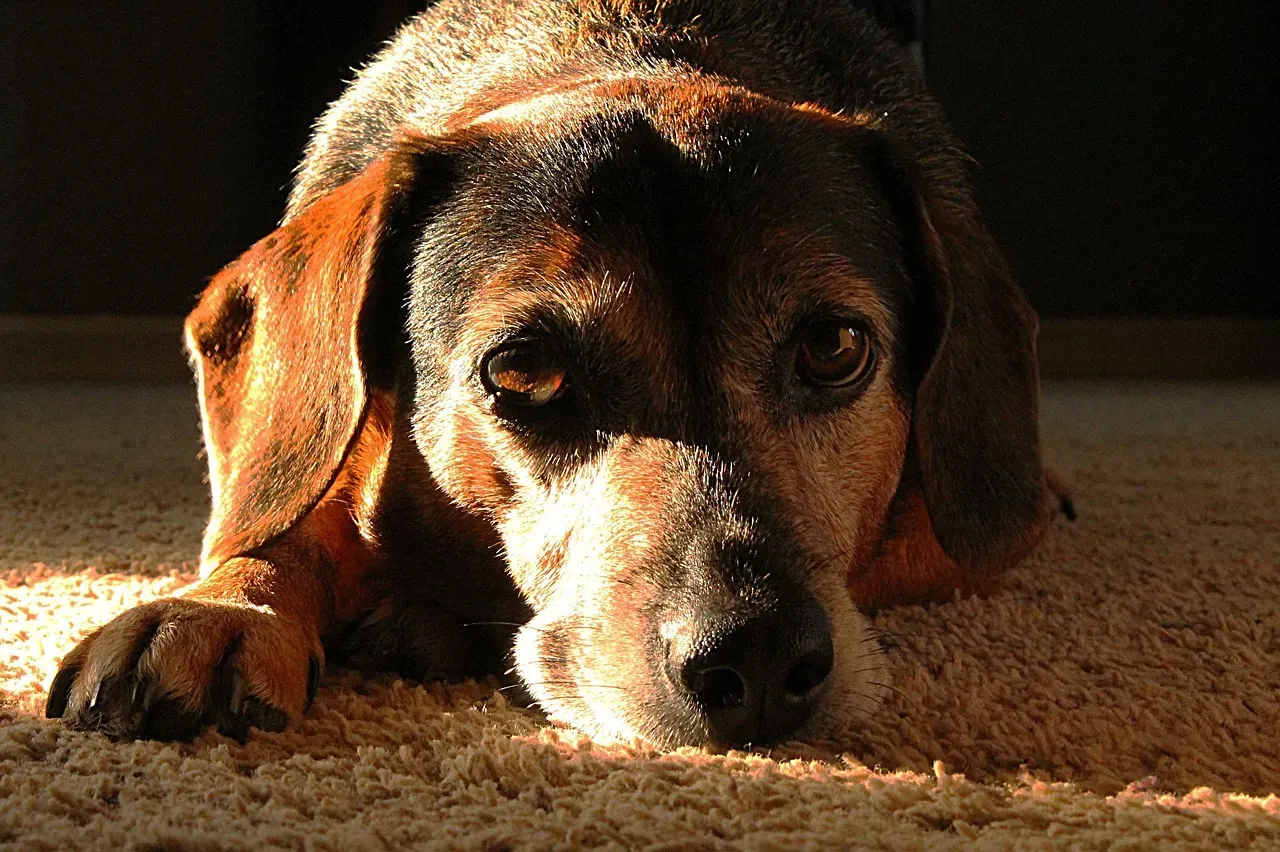
Spending as much time as possible with your dog gives them the emotional support and comfort they need while also allowing you to watch for signs of discomfort or anxiety. Being present with your dog during their final days is likely the most important thing you can do. Your physical presence provides enormous comfort, even if you’re simply sitting quietly beside them.
Depending on your pet’s personality, spend their final days with only close family or invite friends and other loved ones over to say goodbye, watching your pet closely and allowing plenty of time to rest to ensure they do not become tired or stressed. Many dogs are in pain at the end of their lives so comforting them is vital, and you can play soothing music, dim the lights, consider letting them cuddle on your bed for extra closeness, and give them a gentle massage focusing on their paws, ears, and back using light pressure to help ease any tension or pain. Small gestures of affection communicate volumes to your dog.
Deciding Between Home Euthanasia And Natural Passing
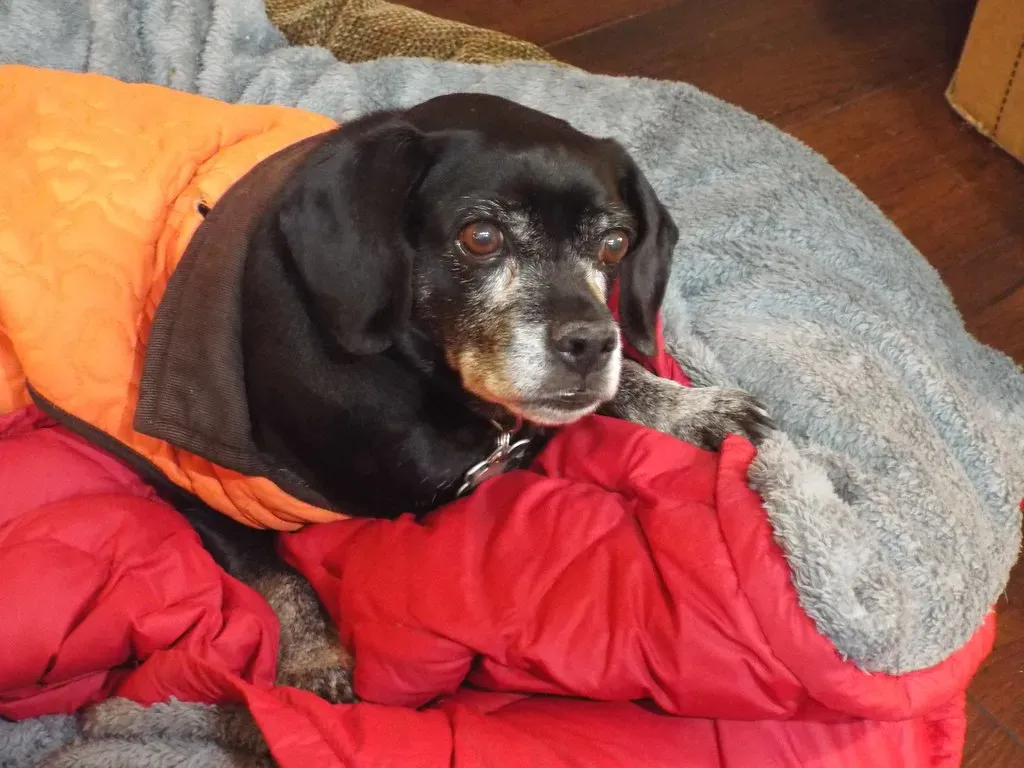
This is perhaps the most agonizing decision any dog owner faces. Natural death is not usually peaceful, and dogs with terminal illnesses could suffer for days from pain, nausea, and anxiety as their bodies begin to shut down, which is why the standard is for veterinarians to offer painless, humane euthanasia to end a pet’s suffering. Veterinarians can release their patients from unmanageable suffering with the gift of humane euthanasia, recognizing that we do not need to allow animals to endure pain and discomfort to death, and we have the opportunity, obligation, and responsibility to use palliative care techniques to allow pets to live until they die, and when living becomes unbearable to provide them with a peaceful pain-free passage.
Veterinary practices can be chaotic and noisy making it difficult to create a peaceful quiet place for euthanasia, so request the first or last appointment of the day or ask whether they offer at-home euthanasia services, and many pet owners prefer a planned euthanasia in the comfort and familiarity of home for their pet. There’s something profoundly gentle about allowing your dog to pass in their own bed, surrounded by familiar smells and the people they love most. It removes the stress of a final car ride and clinic visit.
Honoring Their Memory And Finding Closure
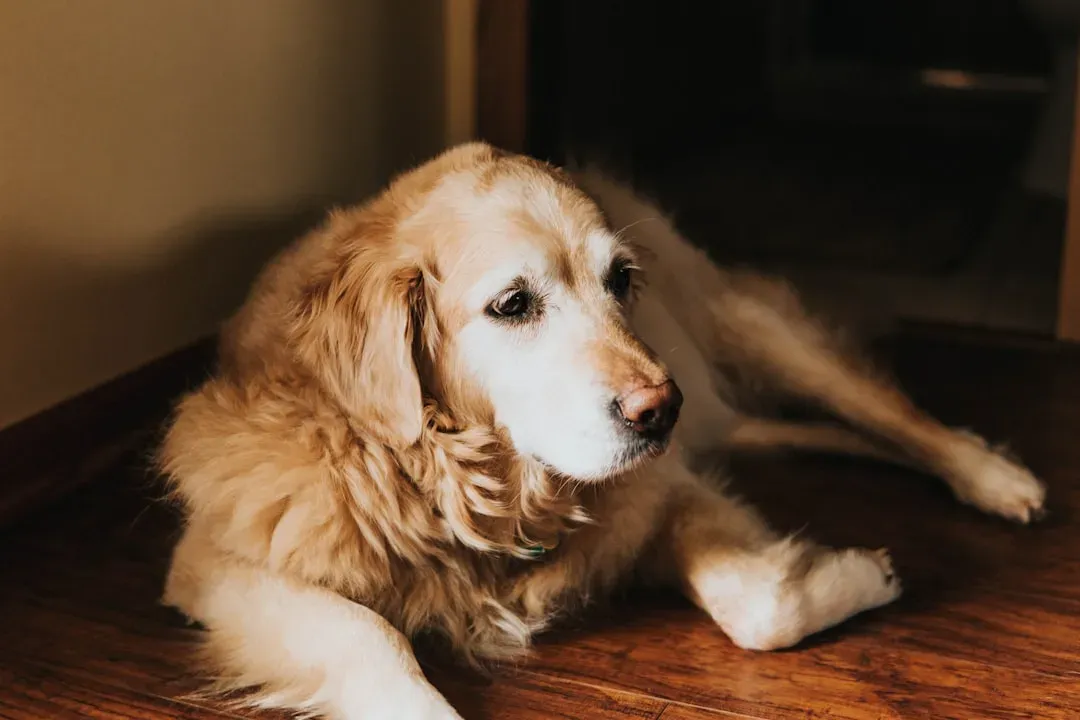
Bring comforting items to your dog like their bed or blanket as familiar smells and textures soothe them and help them feel comfortable, and feed your dog their favorite meal the day before the appointment. Create memorial items or keepsakes like imprints of their paw print, compile a memory book with photos spanning your dog’s life as these mementos will be treasured, and gathering their collar, leash, bowls, and toys to keep can provide solace.
Reminisce out loud about your favorite memories and the special bond you shared as this brings you both comfort, let your pain show through tears as your dog knows how much you love them and there is no need to hide emotions. The grief you feel is a testament to the love you shared. Life won’t be the same without your beloved pet but they never truly leave you, and even after your dog dies little things will continue to remind you of them for years to come ensuring they will always be a part of you.
Making the last days of your senior dog’s life filled with love and comfort isn’t about perfection. It’s about presence, compassion, and doing everything within your power to ease their transition. Whether you choose hospice care, in-home euthanasia, or simply create a peaceful space for them to rest, your dog will feel your love surrounding them. That’s what matters most in the end. What will you remember most about your time together?
Worried about unexpected vet bills?
Pet insurance can cover thousands in unexpected vet costs. Get a free quote from Lemonade in under 2 minutes.
Get My Free Quote →Sponsored · Opens Lemonade.com
