
There’s something almost magical about being around horses. The first time you stand next to one, you realize just how massive and powerful these animals truly are. They can weigh over a thousand pounds, and when they move, you feel it. Yet despite their size and strength, horses can be gentle, responsive partners if you know how to interact with them properly. The key to enjoying horseback riding isn’t just about learning to sit in the saddle; it’s about understanding how to stay safe every step of the way, from your very first approach to the moment you dismount.
Let’s be real: riding horses isn’t without risk. Falls happen, even to experienced riders. Horses can spook at unexpected things, and sometimes their reactions are faster than ours. That’s exactly why safety precautions matter so much. When you take the time to learn proper techniques, wear the right gear, and develop good habits, you’re setting yourself up for countless hours of enjoyment without unnecessary danger. This isn’t about being scared; it’s about being smart and prepared so you can focus on the incredible experience of connecting with these magnificent creatures.
Getting The Right Safety Equipment Before You Mount Up
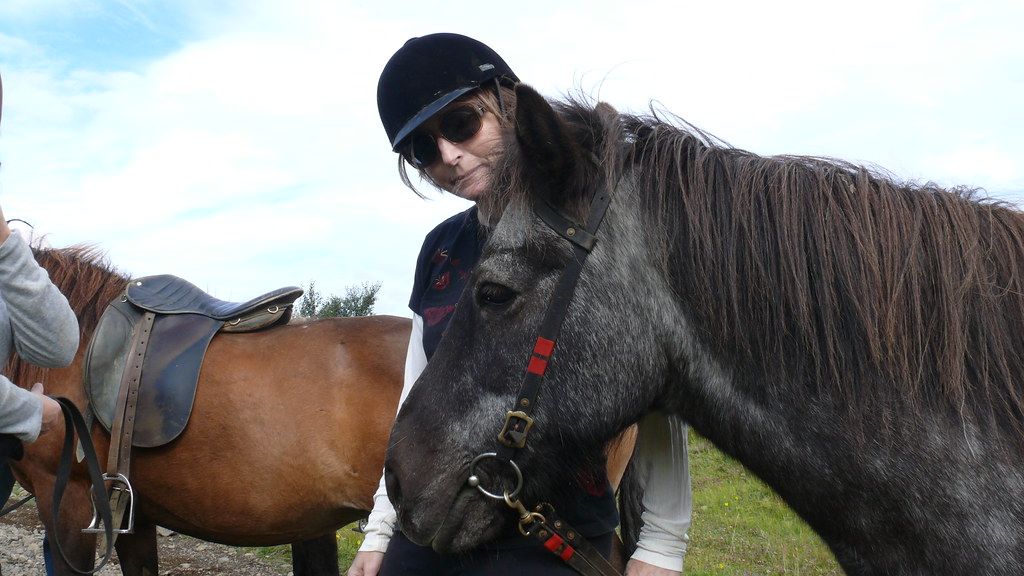
Proper footwear with hard toes and a heel, along with a properly fitted helmet that meets current safety standards, are essential safety gear. Honestly, a helmet is the single most important piece of equipment you’ll ever wear when riding. Wearing a riding helmet reduces the risk of fatality from a horse riding accident by 80%, which is a staggering number when you think about it.
Your helmet needs to fit snugly without shifting around on your head. Helmets should meet safety standards like PAS015 (UK) or ASTM/SEI (US). Don’t use a bike helmet or any other type; they’re not designed for the height and type of fall you might experience from a horse. Replace your helmet after any fall or impact, even if it looks fine on the outside, because the internal foam may have compressed.
Riding boots should have a sturdy toe and a prominent heel to prevent your foot from sliding through the stirrup. Getting your foot caught in a stirrup during a fall is one of the most dangerous situations you can face. The heel keeps your foot positioned correctly and stops it from slipping all the way through, which could result in being dragged.
Consider investing in a safety vest, especially if you’re a beginner. Safety vests absorb shock in case of falls and kicks while protecting your ribs, internal organs, and spine from impact. Some vests even use air technology that inflates upon separation from the saddle, similar to a car airbag.
Riding gloves might seem optional, but they’re incredibly helpful. Gloves protect your hands and increase grip upon the rein, preventing blisters if a horse pulls and stopping reins from slipping. They’re especially useful during longer rides when your hands might get sweaty or tired.
Approaching And Handling Horses With Confidence
Always speak to a horse to alert him to your presence before walking near to avoid provoking his startle reflex. Horses are prey animals by nature, which means they’re wired to react quickly to potential threats. Sudden movements or approaches can trigger that instinct, even in the calmest horse.
Approach from the side to avoid blind spots directly in front of and behind the horse, then touch first on the neck or shoulder with a firm but gentle stroking motion. I think this is something many new riders don’t fully appreciate. Horses can’t see directly in front of their faces or directly behind them, so appearing suddenly in those zones can genuinely startle them.
Horses are sensitive animals that react strongly to body language, so approach calmly, speak softly, and avoid fast or loud movements as sudden actions can startle the horse and cause dangerous reactions. Your energy matters more than you might expect. When you’re nervous, horses can sense it through your body language and tone of voice. Taking a few deep breaths before approaching helps both you and the horse stay calm.
Never walk directly behind a horse, even if you think it knows you’re there. If you must move behind a horse, either stay far enough away that a kick couldn’t reach you, or stay very close with a hand on the horse so it’s aware of your position. The danger zone is that middle distance where a kick has full force.
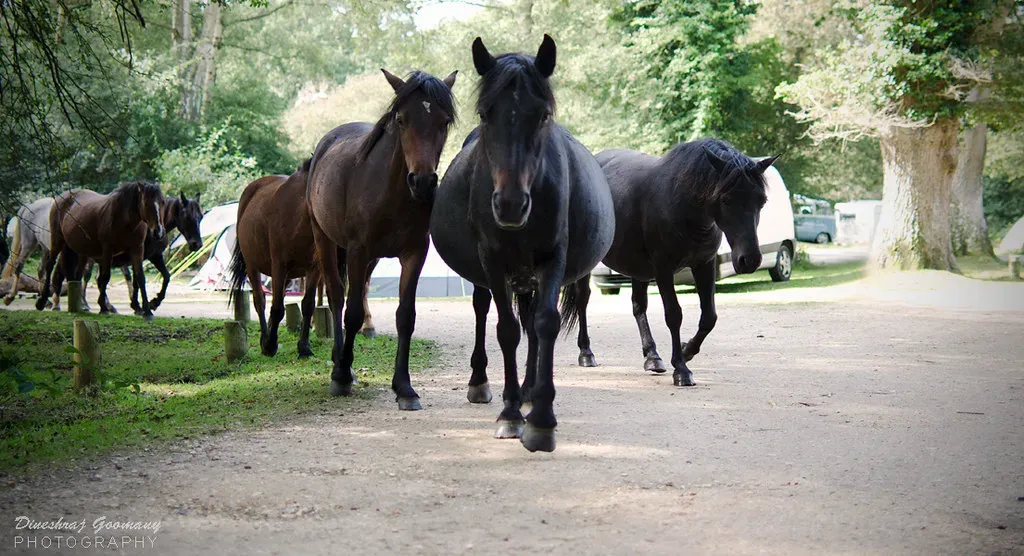
When entering a pasture with multiple horses, be extra cautious. Multiple horses can inadvertently jostle or step on you or even kick, and taking grain or food into a group can entice them to crowd and incite a food fight with you caught in the middle.
Checking Your Tack And Equipment Every Single Time
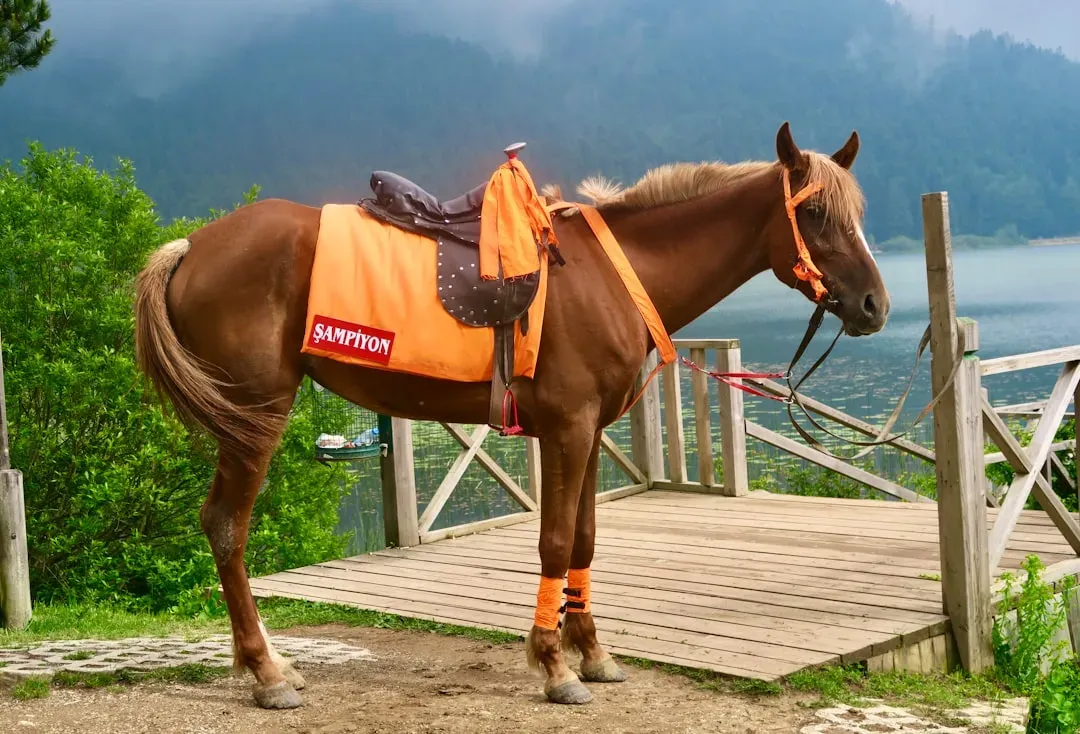
Before every ride, check your saddle, girth, bridle, reins, and stirrups for cracks, loose stitching, or broken leather that can break during the ride, as a loose girth can cause the saddle to slip leading to falls. This might feel tedious when you’re eager to ride, but it takes just a few minutes and could prevent a serious accident.
Run your hands along all the leather straps, checking for weak spots or fraying. Pay special attention to the girth or cinch, which keeps your saddle in place. Your girth should be so snug that only three fingers can fit between your horse and the girth. A loose girth is one of the most common causes of saddle slippage, which can throw you off balance or cause you to fall.
Inspect the bit to make sure it’s properly positioned in the horse’s mouth and not causing discomfort. Check that the bridle fits comfortably without pinching or rubbing. The stirrup leathers should be in good condition without cracks, and the stirrups themselves should be the right size for your feet.
Make sure the saddle pad is clean, smooth, and positioned correctly. Any wrinkles or debris under the pad can cause discomfort or even sores on your horse’s back. A uncomfortable horse is more likely to act unpredictably.
Some riders use safety stirrups designed to release your foot in case of a fall. Safety stirrups help prevent getting dragged by your stirrup by releasing your foot in an accident. These can be particularly valuable for beginners or anyone doing jumping.
Mounting Your Horse Without Causing Problems
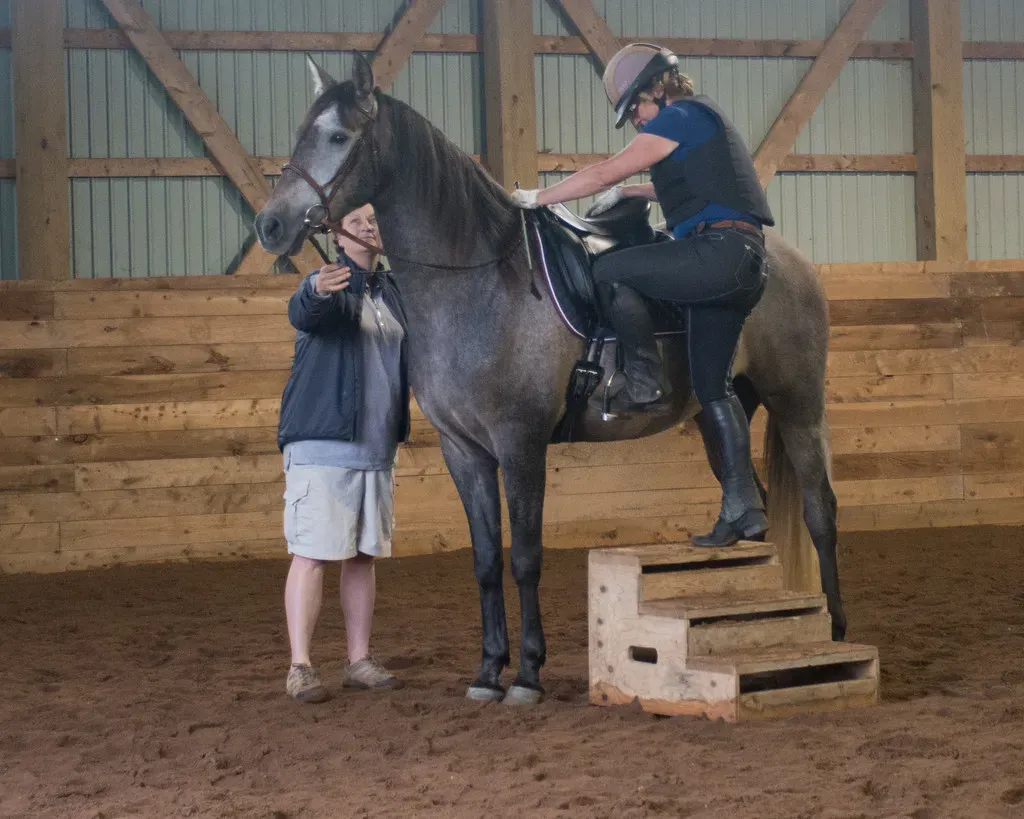
Always mount and dismount your horse from the left side, known as the near side, and using a mounting block helps prevent excessive strain on the horse’s back. The left-side tradition goes back centuries, but there’s actually a practical reason for using a mounting block beyond tradition. Mounting from the ground places pressure on your horse’s back, while a mounting block reduces this strain.
Position your mounting block just underneath the stirrup. Make sure your horse is standing calmly on level ground before you attempt to get on. Hold your reins in your left hand, keeping them short enough that you can stop the horse if it starts to move.
Place your foot in the left stirrup and bring your knee in close to the saddle for support, grab some mane with your left hand along with the reins and the cantle with your right hand, then stand up and lean over without bringing your leg over. This pausing position lets you assess how the horse is feeling before you commit to swinging your leg over.
Swing your right leg over and settle gently into the saddle, being careful not to accidentally kick your horse or thump down hard on its back. I know it sounds crazy, but some horses will react strongly if you land too heavily. Think of it as lowering yourself down rather than dropping.
Take a moment once you’re seated to adjust your stirrups if needed and ensure the girth is still tight. Horses sometimes “blow up” their bellies when first saddled, then relax later, which can loosen the girth. Always check before you start riding.
Staying Safe And In Control While Riding
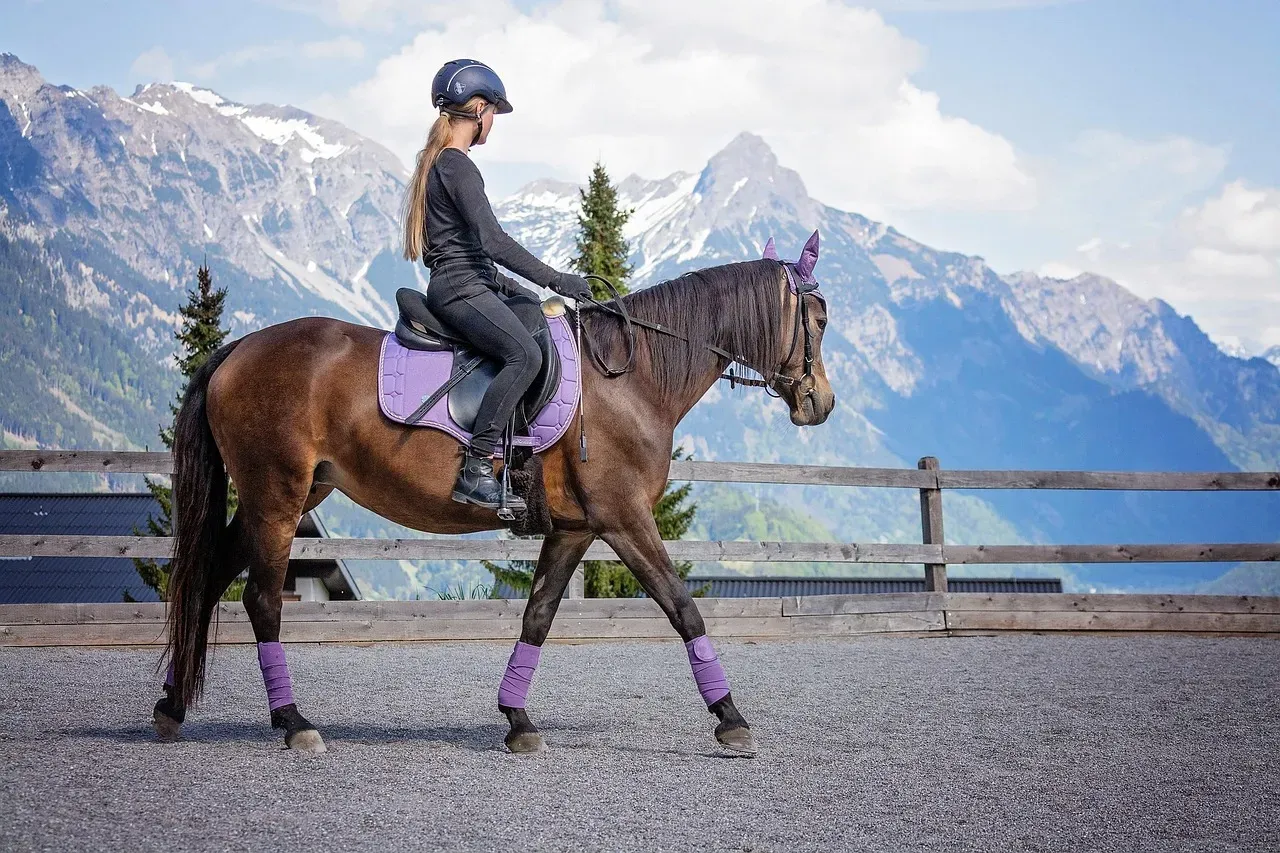
Staying calm, focused, and alert in the saddle at all times is a key safeguard. This might sound obvious, but it’s easy to let your mind wander once you’re comfortable. The moment you stop paying attention is often when something unexpected happens.
Maintain proper posture with your heels down, shoulders back, and eyes looking forward where you want to go. Good posture isn’t just about looking correct; it keeps you balanced and helps you stay in the saddle if your horse makes a sudden movement. Your heels should be lower than your toes, creating a secure base of support.
Keep consistent contact with the reins without pulling harshly, using your seat and legs to communicate your intentions and recognizing signs of tension or resistance before they escalate into dangerous situations. Horses respond to subtle cues, and harsh yanking on the reins usually just creates more problems.
Beginners and especially children should ride under supervision, and jumping and work with cattle should be supervised at all times. There’s no shame in needing guidance. Even experienced riders can benefit from having someone watching who can point out what they might be missing.
Always ride at the speed that is comfortable and safe for the least experienced rider in the group. Group rides should accommodate everyone’s skill level, not push beyond it. Rushing past other riders at faster gaits startles both horses and riders and frequently causes accidents.
When riding on trails, stay alert to your surroundings. Watch for other horses acting up or situations that may frighten your horse. Wildlife, strange objects, or even unexpected sounds can spook a horse, so keeping your attention on what’s ahead gives you time to prepare.
Dismounting Properly And Ending Your Ride
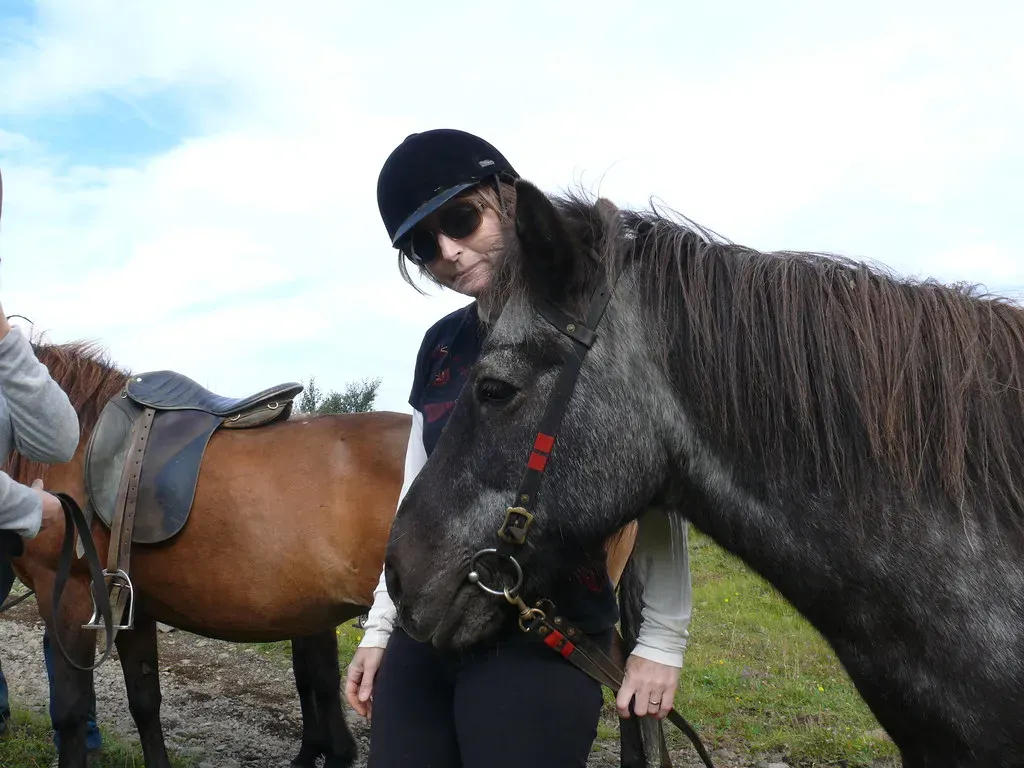
When dismounting, remove your feet from the stirrups and hold both reins in your left hand, lean forward and swing your right leg over, then turn and slide down facing forward with your side against the horse. Just like mounting, dismounting requires smooth, deliberate movements that don’t startle or unbalance the horse.
Make sure your horse is standing completely still before you begin to dismount. A horse that’s moving, even just shifting weight, makes dismounting more difficult and dangerous. If your horse tends to walk off as soon as you dismount, work on training them to stand still or have someone hold them.
Swing your right leg over the horse’s back keeping your weight balanced and controlled, aiming to clear the horse’s back and saddle without kicking or startling the horse, using your left hand to maintain balance and grip the mane and reins while sliding down the horse’s side and landing lightly on your feet. Land with your knees slightly bent to absorb the impact, which is easier on your joints and helps you maintain balance.
After dismounting, don’t immediately walk away or drop the reins. Keep hold of your horse and take a moment to praise them for good behavior. Horses respond well to positive reinforcement, and a pat or kind word goes a long way toward building trust for your next ride.
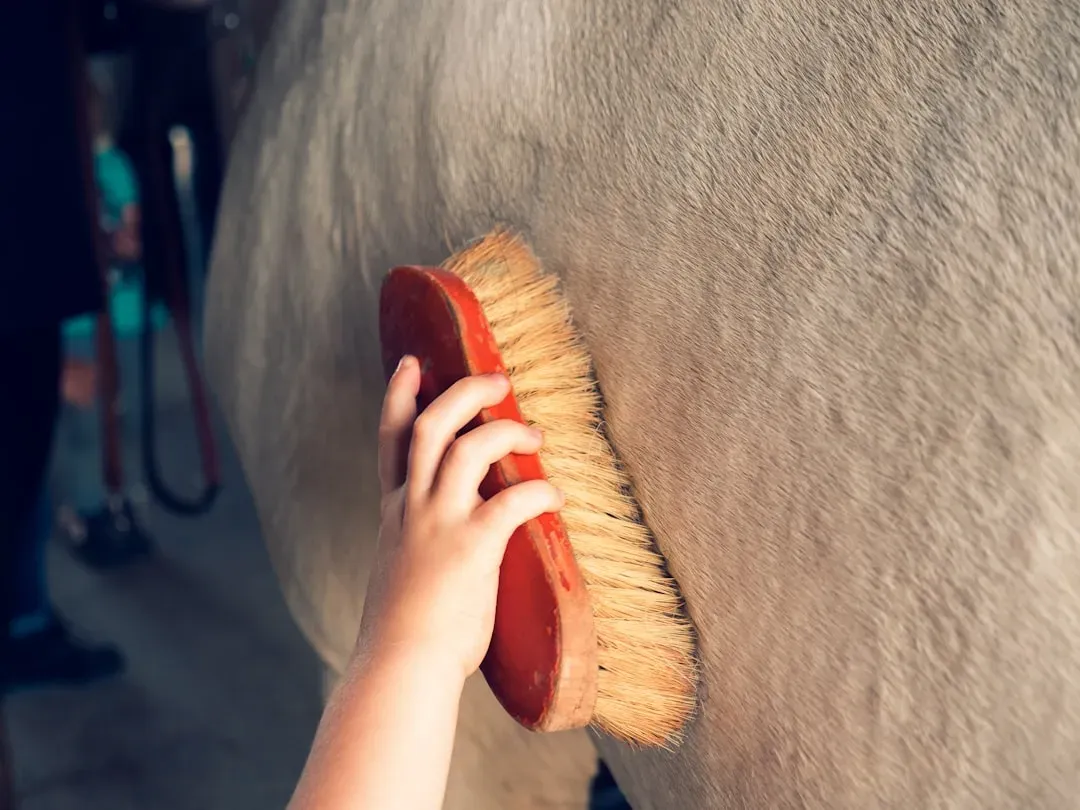
Check your horse over for any signs of discomfort, injuries, or unusual swelling. Run your hands down their legs, check the saddle area for any rubs or sores, and make sure they’re moving normally. Catching small issues early prevents them from becoming bigger problems.
Conclusion: Building A Safe Foundation For Years Of Riding
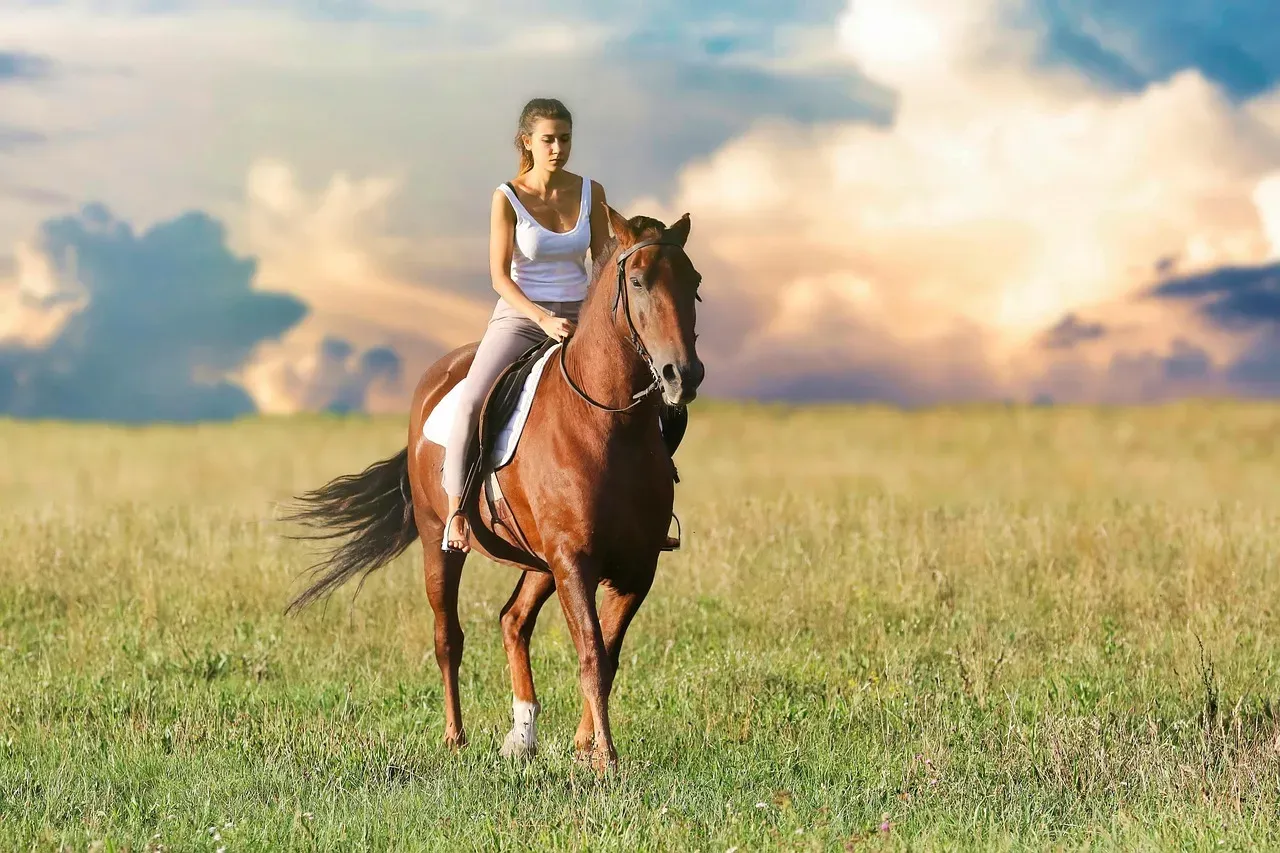
Riding horses isn’t about memorizing a list of rules and never breaking them. It’s about developing good habits, staying aware of your surroundings, and respecting the fact that you’re working with a powerful living animal. Every ride is different, and even the most well-trained horse can have an off day or react to something unexpected.
The riders who enjoy horses for years without serious injury are usually the ones who never get complacent. They check their equipment every time, wear their helmets without exception, and stay mentally present while riding. They understand that safety gear isn’t about being scared; it’s about being prepared so you can relax and enjoy the experience.
As you gain experience, these safety practices will become second nature. You’ll automatically check the girth, position your feet correctly in the stirrups, and read your horse’s body language without consciously thinking about it. That’s when riding becomes truly enjoyable, because you’re not worried about what might go wrong.
What’s your biggest concern about horse riding safety? Share your thoughts in the comments below.
