

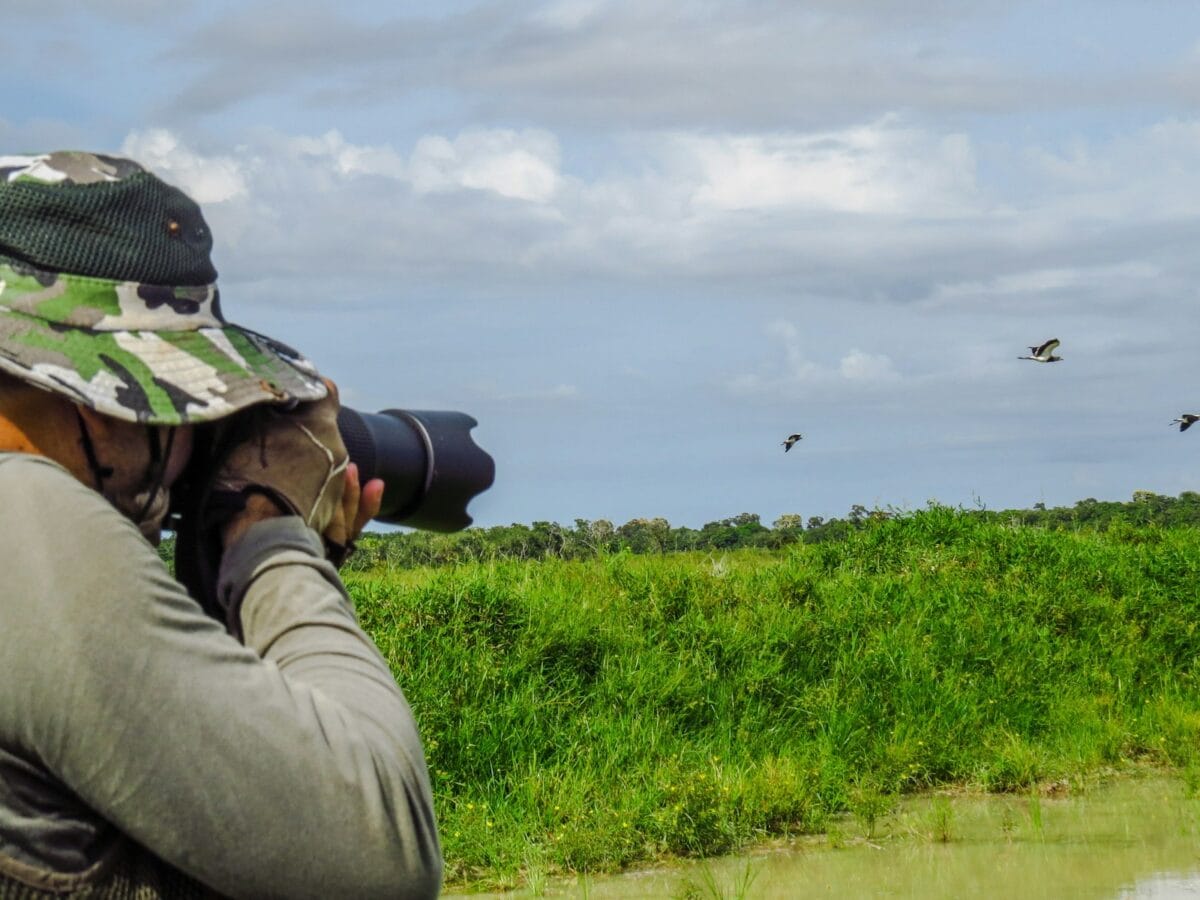
The world of birdwatching opens up a universe that’s been around us all along, yet often goes unnoticed in our busy lives. Every chirp, flutter, and soar tells a story of nature’s incredible diversity. Birdwatching, or “birding” as enthusiasts call it, is more than just a hobby—it’s a gateway to connecting with the natural world, a meditative practice, and a lifelong pursuit that never stops giving. From the moment you identify your first backyard visitor to planning trips specifically to spot rare species, birding evolves from casual interest to passionate pursuit for many. Let’s explore how to begin this rewarding journey and understand why so many find themselves happily “caught” in its embrace.
The Remarkable Growth of Birdwatching

Birdwatching has seen extraordinary growth in recent years, with the pandemic further accelerating interest as people sought outdoor activities. According to the U.S. Fish and Wildlife Service, there are now over 45 million birdwatchers in the United States alone. The activity crosses all demographic boundaries, with participants ranging from children to seniors, urban dwellers to rural residents. The Cornell Lab of Ornithology’s eBird platform—a citizen science project where birders log their sightings—has collected over 1 billion bird observations globally since its launch. This surge reflects not just a casual interest but a growing movement of people reconnecting with nature through birds. The activity’s accessibility—you can start right from your window—makes it one of the easiest nature-based hobbies to begin, while its depth ensures you’ll never run out of new experiences.
Essential Gear for the Beginning Birder

Starting birdwatching requires surprisingly little equipment. The absolute essentials include a pair of binoculars, a field guide (book or app), and comfortable clothing suited to outdoor conditions. For binoculars, look for a pair with 7x to 10x magnification and 30-42mm objective lens diameter (often written as “8×42” for example). Brands like Nikon, Celestron, and Vortex offer good entry-level options between $100-200. For field guides, the Sibley Guide to Birds, National Geographic Field Guide, or apps like Merlin Bird ID and Audubon Bird Guide provide excellent visual references and sound recordings. A notebook for recording observations, a comfortable daypack, and weather-appropriate clothing round out your starter kit. While there’s always fancier gear available (spotting scopes, specialized cameras), these basics will serve you well for years. Remember, the best equipment is whatever gets you outdoors observing birds regularly.
Starting in Your Own Backyard
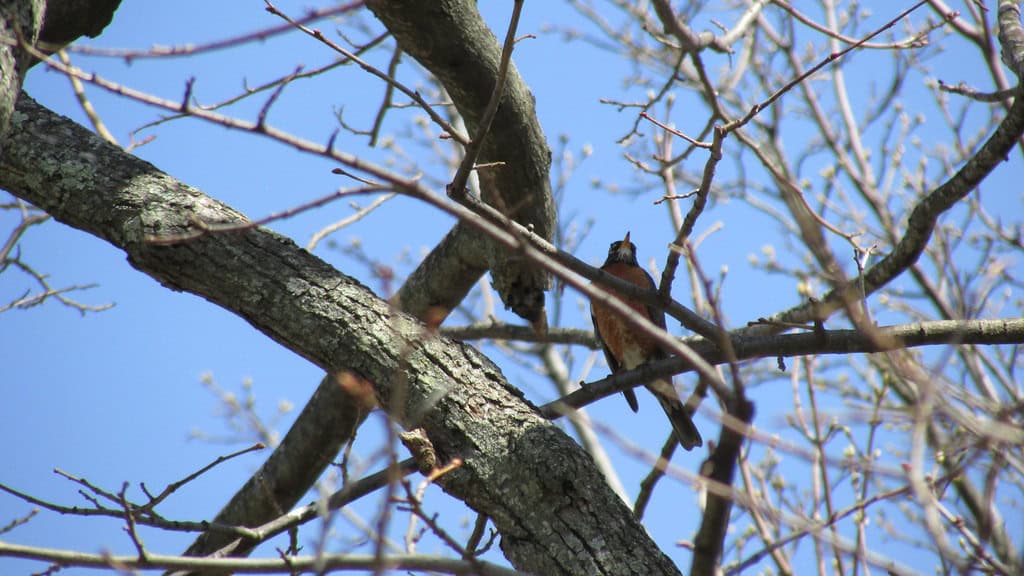
The journey of birdwatching begins closest to home. Your backyard, neighborhood park, or even the view from your apartment window offers the perfect starting point. Begin by simply observing the birds that already visit your immediate surroundings. Notice their behaviors, colors, sizes, and songs. Setting up a bird feeder dramatically increases activity—black oil sunflower seeds attract the widest variety of species. Add a birdbath for even more visitors, especially during hot or dry periods. Spend 15-20 minutes each morning with your coffee watching the visitors, and you’ll quickly learn to recognize the regulars. Create a “yard list” of species you’ve observed, which might surprise you by growing to 20-30 species even in urban settings. This familiar starting ground allows you to build identification skills without the pressure of unfamiliar environments, creating a solid foundation for broader exploration.
Mastering Bird Identification
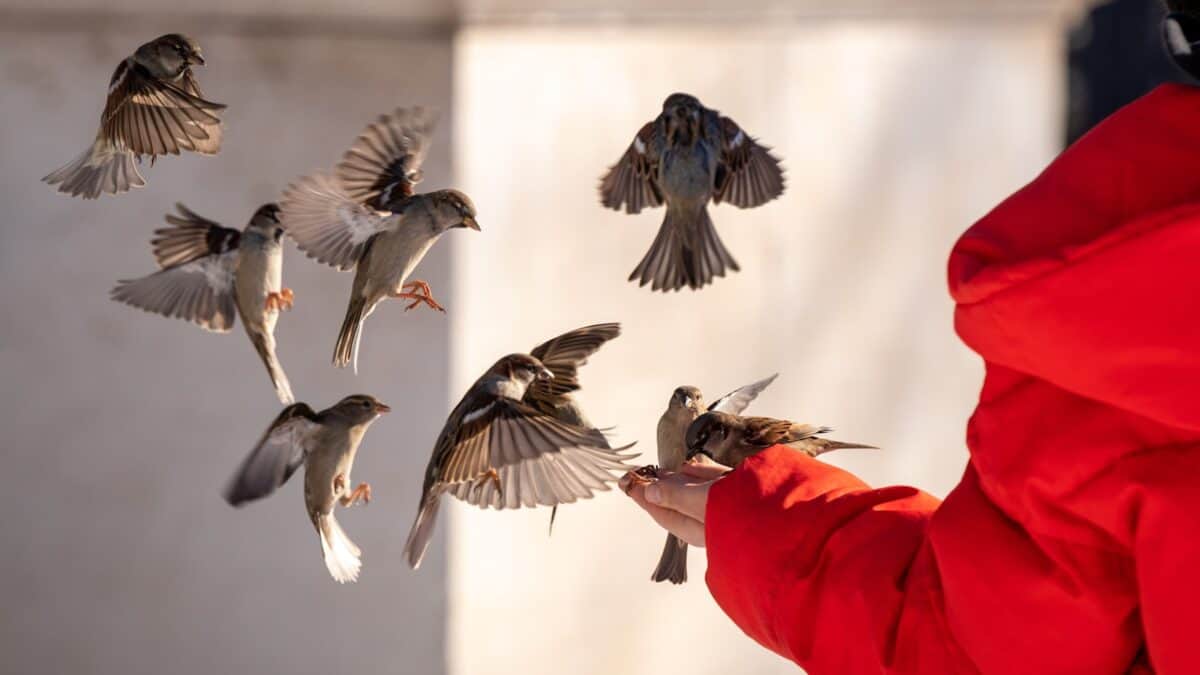
Identifying birds becomes increasingly intuitive with practice, but follows specific methodologies that birders develop over time. Start by noting the bird’s size (comparing to familiar birds like robins or sparrows), overall shape, bill type, and distinctive markings. Color patterns are important but can vary based on lighting, season, and the bird’s age or sex. Location also provides crucial context—knowing which species are likely in your region during specific seasons narrows possibilities significantly. Bird behavior offers additional clues: does it walk or hop? Feed on the ground or in trees? Travel in flocks or alone? Songs and calls are perhaps the most distinctive identifiers, though they take time to learn. The GISS method (General Impression, Size and Shape) helps birders make quick identifications even in challenging conditions. Most importantly, don’t get discouraged—even experienced birders regularly encounter identification challenges, and the learning process is part of the joy.
Finding Bird Hotspots Near You

Once comfortable with backyard birding, expanding to local hotspots dramatically increases the variety of species you’ll encounter. Wildlife refuges, nature centers, lakes, wetlands, and forest preserves all offer rich birding opportunities. The eBird website and app by Cornell Lab of Ornithology provides an invaluable resource for finding hotspots near you, complete with recent sightings and species lists. Local Audubon chapters often maintain guides to regional birding locations on their websites. Many nature centers offer guided bird walks—an excellent way to learn both locations and identification tips from experienced birders. Dawn and dusk typically provide the most active bird viewing, though mid-day can be productive in winter. When visiting new locations, a quick check with park rangers or nature center staff often yields current information about notable sightings. Seasonal migrations create especially productive birding periods, with spring and fall bringing waves of species through even ordinary locations.
The Social Side of Birding

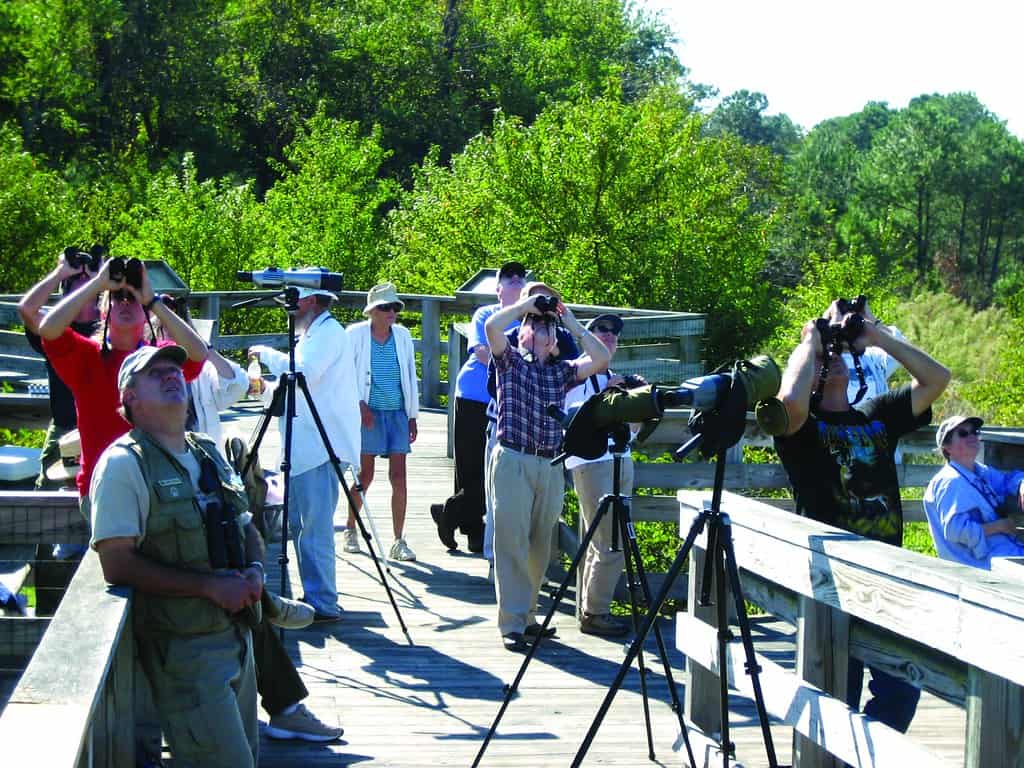
Though often portrayed as a solitary pursuit, birdwatching has a vibrant community aspect that enhances the experience significantly. Local Audubon societies, ornithological clubs, and nature centers frequently organize group outings, workshops, and speaking events. These gatherings provide opportunities to learn from experienced birders, discover new locations, and share in the excitement of unusual sightings. Online communities through Facebook groups, forums, and the eBird platform connect birders globally, allowing instant sharing of rare finds and identification help. Many beginners find that joining guided bird walks accelerates their learning curve dramatically, as experienced leaders point out easily-missed species and share identification tricks. Annual traditions like Christmas Bird Counts and Global Big Days create community events around citizen science. The birding community typically welcomes newcomers enthusiastically, recognizing that expanded interest supports conservation efforts. For many long-term birders, these social connections become as valuable as the hobby itself.
Keeping a Life List: The Collector’s Joy

The practice of maintaining a “life list”—a record of all bird species you’ve identified—adds a collecting dimension to birdwatching that many find irresistibly compelling. Each new species becomes a small victory, with the 100th, 500th, or 1000th species representing significant milestones in a birder’s journey. Beyond the simple count, most birders record the date and location of first sightings, creating a personal natural history and travel journal. Digital platforms like eBird automatically compile life lists while contributing valuable scientific data. Many birders maintain multiple lists: life lists, year lists, state lists, backyard lists, or even “green lists” (species seen while using environmentally-friendly transportation). This listing aspect introduces a gentle competitive element—both with oneself and sometimes with others—that motivates continued learning and exploration. While some criticize listing as reducing birds to checkmarks, most find it enhances their appreciation of each species’ uniqueness and builds environmental awareness across diverse habitats.
The Psychological Benefits of Birdwatching

The profound psychological benefits of birdwatching help explain its addictive nature. Research published in BioScience found that bird diversity in one’s environment correlates directly with lower levels of depression, anxiety, and stress. The activity combines several well-established therapeutic elements: mindfulness (through focused attention), physical activity, exposure to nature, and social connection. Birding requires presence in the moment—you must quiet internal chatter to notice subtle movements and sounds—creating a natural mindfulness practice. The University of Exeter found that people who can identify more bird species report significantly higher levels of life satisfaction. The hobby provides continuous small rewards (successful identifications) while maintaining long-term goals (finding rare species or reaching list milestones). Perhaps most importantly, birdwatching creates a sense of connection to something larger than ourselves—the ancient, ongoing rhythms of nature that transcend human concerns. Many birders report that their hobby provides perspective during difficult times and a reliable source of joy regardless of life’s other circumstances.
Birding Travel: From Local to Global
As the birdwatching bug takes hold, many enthusiasts find their travel plans increasingly influenced by birding opportunities. This evolution often begins with day trips to nearby wildlife refuges or state parks, then expands to weekend excursions to ecological zones different from one’s home region. Eventually, many birders plan vacations specifically around bird diversity—coastal areas during migration, tropical locations for species richness, or specific destinations to see iconic species. The Rio Grande Valley, Cape May, Point Pelee, and the Everglades become familiar names in American birding circles, while international destinations like Costa Rica, Ecuador, Kenya, and Australia represent bucket-list journeys for their extraordinary avian diversity. Specialized tour companies now offer guided birding trips on every continent, with expert leaders who maximize species encounters. Many birders discover that their hobby provides a unique lens through which to experience new places—leading them to explore areas tourists typically miss and connect with local communities through shared interest. The pursuit of birds ultimately becomes not just a reason to travel, but a different way of experiencing the world.
Citizen Science: Making Your Observations Count

Birdwatching offers the unique satisfaction of contributing to scientific understanding through citizen science projects. Programs like the Great Backyard Bird Count, Project FeederWatch, and eBird transform recreational observations into valuable scientific data tracking bird populations, migration patterns, and responses to climate change. The Cornell Lab of Ornithology’s eBird platform has revolutionized ornithological research by collecting over 100 million bird sightings annually from volunteers worldwide. These observations help scientists identify critical habitats, document range expansions or contractions, and monitor species of concern. During migration seasons, thousands of volunteers at hawk watch sites count raptors moving along flyways, creating long-term datasets impossible for professional scientists to collect alone. The Christmas Bird Count, running since 1900, represents one of the oldest and largest citizen science projects globally. Knowing their hobby contributes meaningful data adds purpose to many birders’ pursuits and deepens their connection to conservation efforts. For beginning birders, these structured projects also provide excellent frameworks for developing observation skills while participating in something larger than themselves.
Developing Advanced Birding Skills
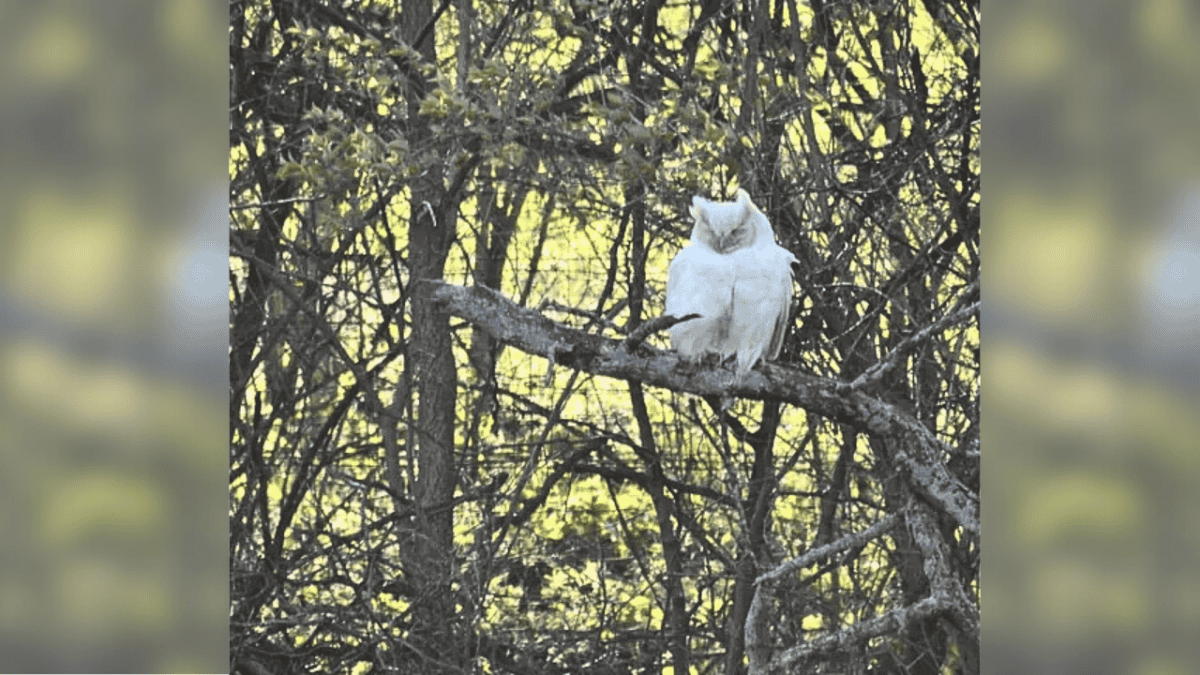
As beginners evolve into experienced birders, many develop specialized skills that deepen their connection to the activity. Ear birding—identifying species by sound alone—becomes increasingly important, with many experts able to recognize hundreds of songs and calls instantly. Understanding subtle differences in flight patterns allows identification of distant birds based solely on how they move through air. Seasonal plumage variations, regional subspecies differences, and aging/sexing criteria become fascinating areas of study. Photography skills often develop alongside birding, with techniques for capturing birds in flight or in low light presenting rewarding challenges. Many advanced birders learn to recognize habitat preferences so precisely they can predict which species might appear in specific microenvironments. Weather patterns and their effects on bird movements become important knowledge, particularly during migration. Some birders specialize in pelagic (open ocean) birding, nocturnal observation, or tracking rare vagrants. Each of these advanced skills opens new dimensions of the hobby, ensuring that even after decades, there remain new challenges and discoveries.
Conservation Through Appreciation

Perhaps the most profound aspect of birdwatching is how it transforms casual observers into passionate conservationists. By developing intimate knowledge of birds and their habitats, birders naturally become advocates for environmental protection. Studies show that birdwatchers are significantly more likely than the general public to donate to conservation organizations, volunteer for habitat restoration, and engage politically on environmental issues. The economic impact is substantial—the U.S. Fish and Wildlife Service estimates that birders contribute over $41 billion annually to the U.S. economy through equipment purchases, travel, and other expenditures. This economic argument helps protect habitats that might otherwise face development pressure. On personal levels, many birders create bird-friendly yards by planting native species, eliminating pesticides, and maintaining water features—creating microhabitats that support biodiversity far beyond birds. Birding organizations like the American Bird Conservancy and National Audubon Society harness this passionate constituency to advocate for policies protecting migratory bird treaties, endangered species protection, and habitat conservation. What begins as simple curiosity about backyard visitors often evolves into a lifelong commitment to environmental stewardship.
Birdwatching stands unique among hobbies for its capacity to grow with you throughout life, continuously offering new dimensions and rewards. The learning curve never truly flattens—there are always more species to discover, behaviors to understand, and locations to explore. Many birders in their eighties and nineties continue to find joy and challenge in the pursuit they began decades earlier. The physical aspects can adapt to changing abilities, from high-energy hiking in youth to peaceful observation from accessible locations in later years. The accumulation of knowledge becomes increasingly rewarding over time, as patterns emerge across years of observation. Seasonal rhythms become personally meaningful markers of time’s passage. For many lifelong birders, the activity provides both constancy and novelty—familiar species return year after year while unexpected sightings create moments of discovery. This combination of reliable pleasure and unpredictable excitement creates a uniquely satisfying long-term pursuit. Perhaps most importantly, birdwatching connects us to something ancient and enduring—the remarkable evolutionary story of birds that preceded humanity and will continue long after us, a perspective that grows more valuable with each passing year.

- Owls and Other Forest Dwellers of the Cascades - July 19, 2026
- What Happens When a Python Eats Something Too Big? - July 19, 2026
- Baby Koalas Hug Their Moms for Safety and Comfort - July 19, 2026