
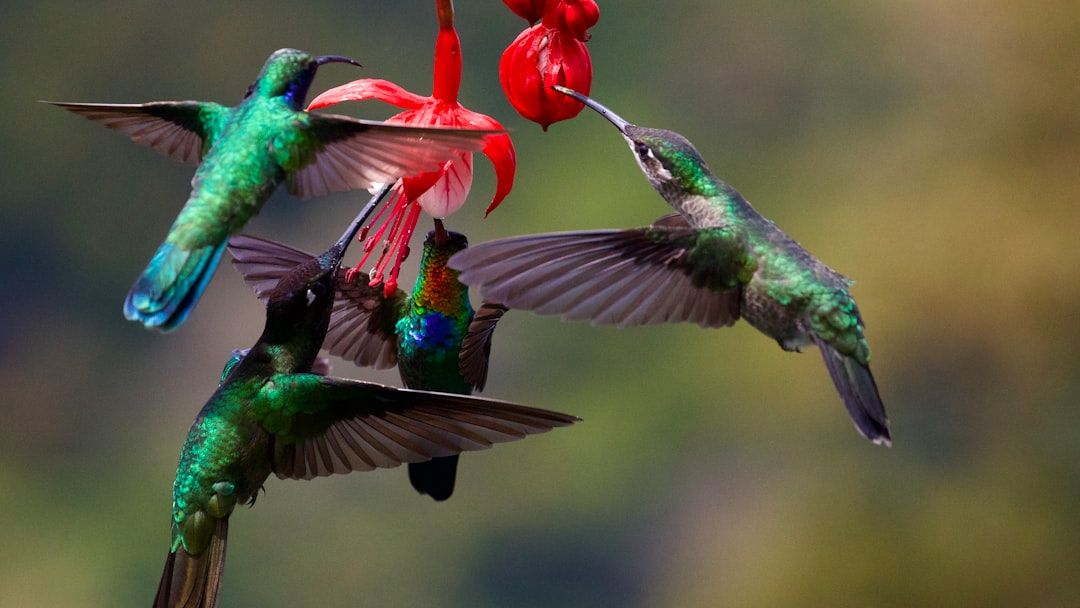
One morning you’re watching a blur of iridescent wings at your feeder, and the next day, silence. No hovering. No high-pitched chittering. Just an untouched feeder swaying gently in the breeze. It’s one of the more quietly baffling experiences for backyard bird enthusiasts, and it happens to thousands of people every season.
The disappearance is rarely random. Hummingbirds are creatures driven by instinct, memory, and a surprisingly sharp awareness of their surroundings. Beyond simply refusing the odd feeder, hummingbirds tend to stop coming to certain yards and gardens for reasons relating to migration, nesting, predator behavior, or finding better food elsewhere. Understanding what’s actually going on is the first step to welcoming them back.
#1: The Pull of Migration Is Stronger Than Any Feeder
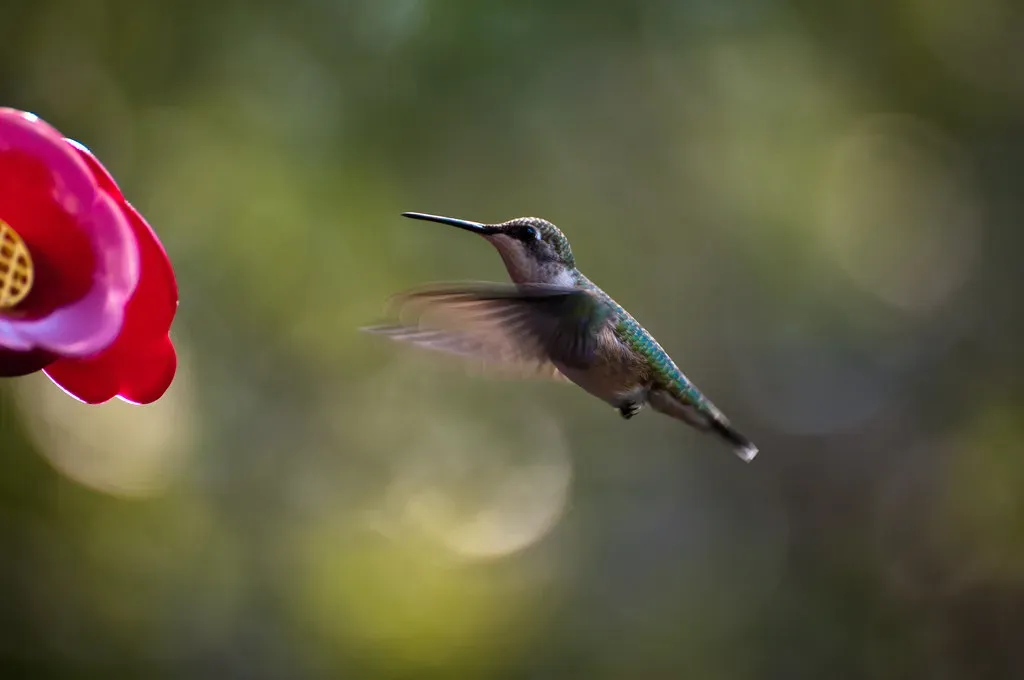
Of all the reasons hummingbirds vanish, migration is the most powerful and the least personal. Migration, beginning in late summer, is one of the biggest reasons for a sudden decline in the hummingbirds visiting your feeder. Typically, the disappearance isn’t actually sudden: male birds leave first, then females, then the youngest birds. The whole process unfolds in quiet stages, which is why it can feel so abrupt to someone who wasn’t watching closely.
Ruby-throated hummingbirds migrate to and from their summer breeding grounds in waves. The migration period for their trip south to their wintering grounds begins in late July or early August. Mature male hummingbirds are the first to leave, as they aren’t involved in raising their offspring, so they depart before the females and young birds. By the time you notice the feeder going untouched, the whole local population may already be several hundred miles south.
Hummingbirds know to migrate when days are shorter, and sugar water feeders can be an important food source as the birds head south. That’s worth remembering. Leaving your feeder up isn’t a mistake. Keeping feeders up will not delay their migration; their internal clocks are driven by daylight length. The birds are not waiting for an excuse to stay. Their biology simply overrides everything else.
#2: Spoiled Nectar Is Quietly Driving Them Away
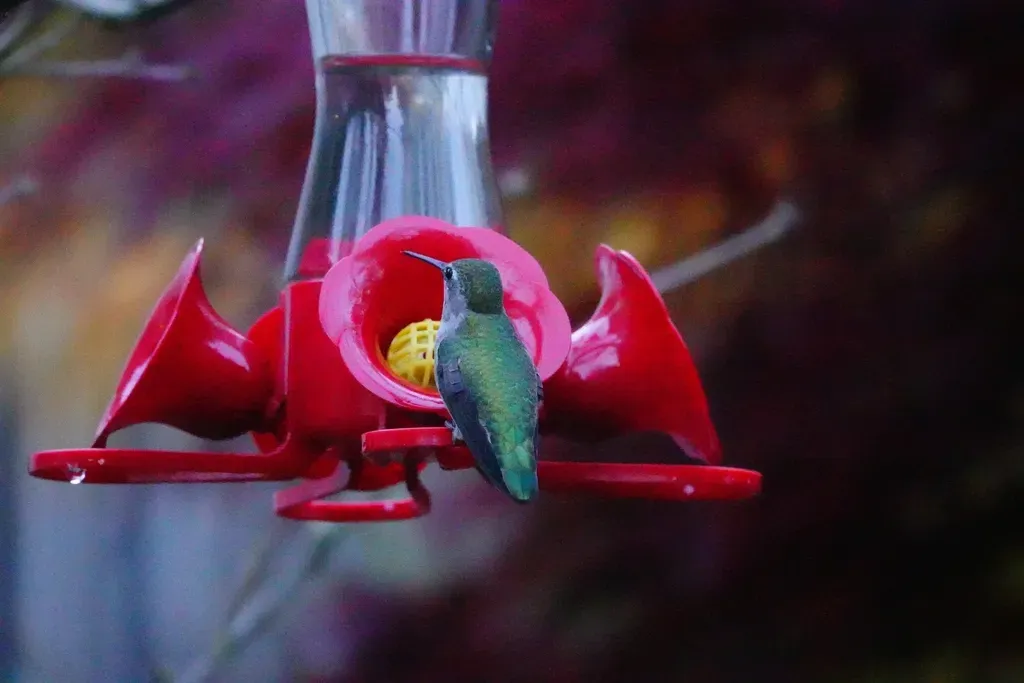
This one catches a lot of people off guard. You put out fresh nectar, life gets busy, and a week passes. What’s sitting in that feeder by then isn’t food anymore. Because of the high sugar content of nectar, it spoils rather quickly. It can easily grow mold, fungus, and bacteria, all of which are harmful to the hummingbirds. Hummingbirds are pretty savvy about this, and if they sense your nectar has gone bad, they will likely stay away.
Old nectar is the number one reason hummingbirds stop visiting. Nectar ferments in heat and can make birds sick. Once a bird gets sick from a feeder, it won’t forget. Hummingbirds are very sensitive to spoiled food. If your feeder has gone empty for a period, even a day or two, hummingbirds will quickly learn it’s unreliable and move on. That memory sticks across visits and sometimes across seasons.
Change sugar water every three to five days to prevent mold and deadly fermentation, and more frequently when it’s over 90 degrees outside. Clean feeders at least once a week with hot water and a bottle brush. Don’t use soap or a detergent. Because mold readily grows in sugar water and can attach to feeders, make sure to take the feeder apart when cleaning. The standard is straightforward once you know it. The issue is simply that most people don’t realize how quickly the clock runs out.
#3: Nature Offered Them Something Better Nearby
A feeder full of sugar water is a convenient option, not necessarily a preferred one. If a nearby garden, park, or natural area suddenly bursts into bloom with nectar-rich flowers, especially native ones, hummingbirds will naturally gravitate towards these abundant food sources. Your feeder becomes less necessary when there’s a buffet of natural nectar available. It’s not that your feeder did something wrong. The competition simply became too good.
Some studies have also found that a good wildflower crop will reduce the number of hummingbird visits to feeders. This isn’t a permanent loss. When the flowers in a garden are in full bloom, traffic to hummingbird feeders diminishes noticeably. The hummingbirds are still around, but they visit the feeders less when they have more menu options. Think of it less as abandonment and more as a temporary upgrade in dining options.
Studies also show that local hummingbirds love local produce. They appear to prefer eating from flowers and plants that they recognize, sticking to what they know and what they expect. This is why native plantings in your yard matter so much. By planting native flowering shrubs and plants, making your garden more like those where the hummingbirds have disappeared to, may well bring them back. Your feeder and a well-planted yard together create a combination that’s genuinely hard for a hummingbird to pass up.
#4: Territorial Males and Nesting Females Change the Whole Dynamic
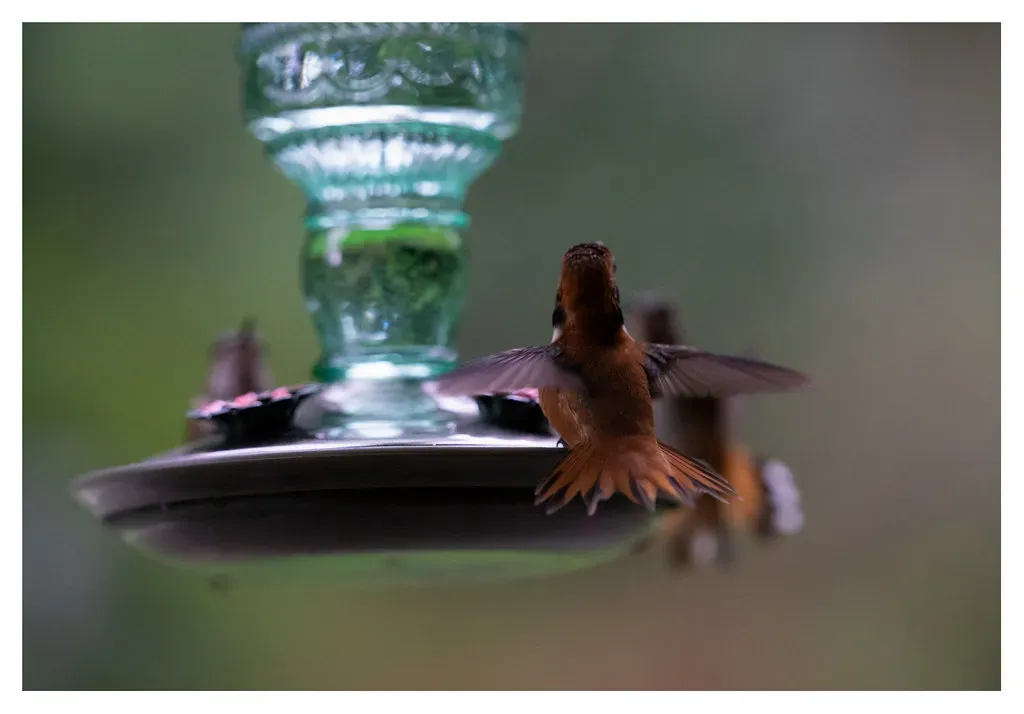
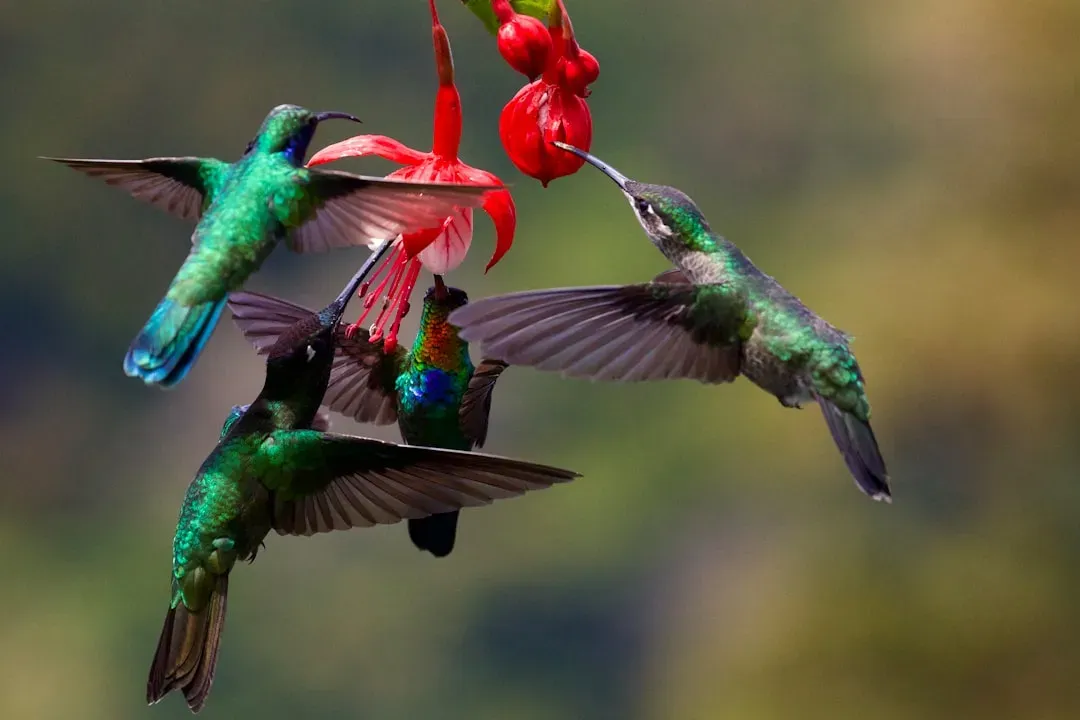
What looks like a disappearance is sometimes something more complicated happening within the hummingbird community itself. Adult male hummingbirds are fiercely territorial and may drive all other male hummingbirds away during the spring nesting season. One dominant bird can effectively control access to a feeder, giving the impression that the population has thinned when in reality it’s been locked out by a single aggressive individual.
High-ranking males may exclude other males and even females from prime feeding spots, reducing the overall number of hummingbirds visiting feeders. Territorial disputes can result in males spending more time defending than feeding, leading to a decline in feeder visits and activity. Meanwhile, females tell a different story during nesting season. The nesting behavior changes observed in female hummingbirds play a significant role in their reduced visits to feeders during this time. By prioritizing the health and safety of their offspring, females become more selective in their foraging habits, relying less on artificial sugar water provided in feeders. This natural instinct to find food sources rich in nutrients supports the female hummingbirds’ ability to sustain themselves and their young during the demanding nesting period.
In most cases, the female hummingbird will incubate the eggs for around 18 days before they hatch. Once they do, it will take anywhere between 15 and 28 days before the hummingbirds are able to leave the nest on their own. So, for up to six weeks, you might notice a reduction in the number of hummingbirds flying around the feeders. Patience here pays off. Once the chicks fledge, feeder activity often rebounds noticeably.
#5: Predators and Environmental Changes Have Made Your Yard Feel Unsafe
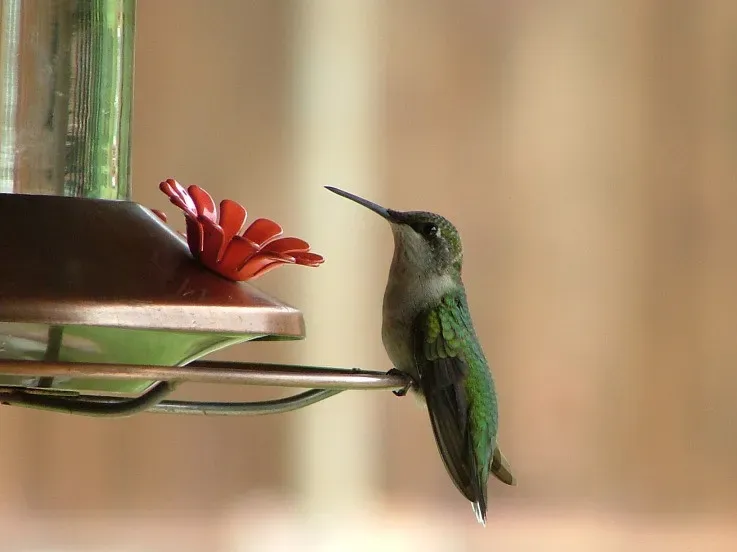
Hummingbirds may be tiny, but their survival instincts are sharp. Free-roaming domestic cats are a significant threat to hummingbirds. If a cat is lurking near your feeder, hummingbirds will quickly learn to avoid it. A single frightening encounter near a feeder is often enough to remove that location from a bird’s trusted list of stops, sometimes permanently within a season.
Larger predatory birds like Sharp-shinned Hawks or Cooper’s Hawks can prey on hummingbirds. If they’ve been spotted near your feeder, hummers will take cover. Hawks don’t even need to make a kill to cause lasting damage to your feeder’s reputation. The shadow alone is enough. If there has been an increase in predator presence in the area, hummingbirds may become more cautious and visit feeders less frequently. Even something as seemingly minor as alterations in your backyard landscaping, like the removal of sheltering trees or shrubs, could deter hummingbirds from frequenting your feeders.
Hummingbirds refusing feeders may also be scared away by other animals. In particular, both ants and bees are likely to flock to sugary treats, and while hummingbirds can be aggressive, getting on the bad side of some insects is likely to hurt. The feeder’s surroundings matter as much as the feeder itself. Hummingbirds migrate early and remember reliable food spots. If your feeder wasn’t up when they passed by, they might have chosen another territory. Reliability and safety, together, are what keep these birds coming back year after year.
What You Can Actually Do to Bring Them Back
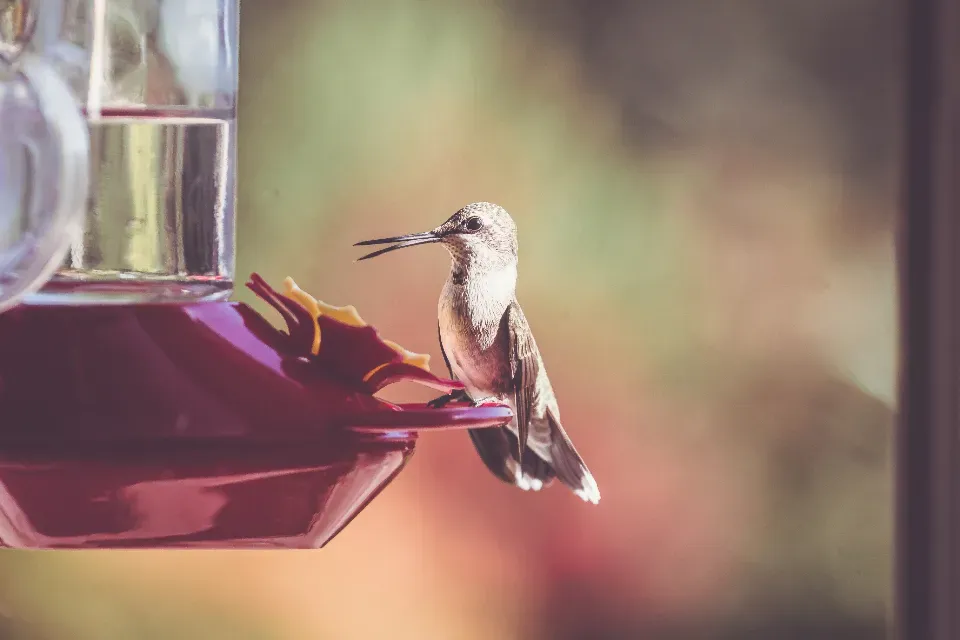
The good news is that most of the reasons hummingbirds abandon feeders are fixable. When hummingbirds go missing from the feeder, it is most often just part of the natural seasonal cycle. The best thing you can do is keep your feeders out and keep the nectar fresh and ready, because in almost all cases they will return. Consistency is the single most powerful thing you can offer.
Providing multiple feeding stations can help reduce conflicts among males by offering alternative feeding spots, encouraging more hummingbirds to visit feeders and ensuring a steady supply of nectar. Spreading feeders out and keeping them out of each other’s line of sight removes the temptation for any one bird to claim the whole yard. Hummingbirds are creatures of habit. They typically follow the same migration pattern each year, and often breed and feed in the same yards. Give them a reason to add yours to that mental map, and they will.
The relationship between a hummingbird and a backyard feeder is surprisingly reciprocal. These birds are not passive visitors. They assess, remember, and decide. Keep the nectar fresh, the environment safe, and the native flowers growing, and the odds shift significantly in your favor. Most departures aren’t final. They’re just the natural world doing what it does, running on its own schedule, mostly indifferent to ours.

- The Dog Breed That Mirrors Your Zodiac Sign - July 19, 2026
- 7 Ways Cats Show They're Secretly Annoyed With You - July 19, 2026
- 10 Animals That Don’t Fear Fire - July 19, 2026