


Timber Rattlesnakes, with their distinctive appearance and potent venom, inhabit various regions of North America. While encounters with these reptiles are rare, knowing how to respond in the event of a bite is crucial. This article guides you through the essential steps of treating a Timber Rattlesnake bite, ensuring a swift and informed response to this potentially dangerous situation.
Understanding Timber Rattlesnakes
🔥 Would you like to save this?
We'll email this post to you, so you can come back to it later!
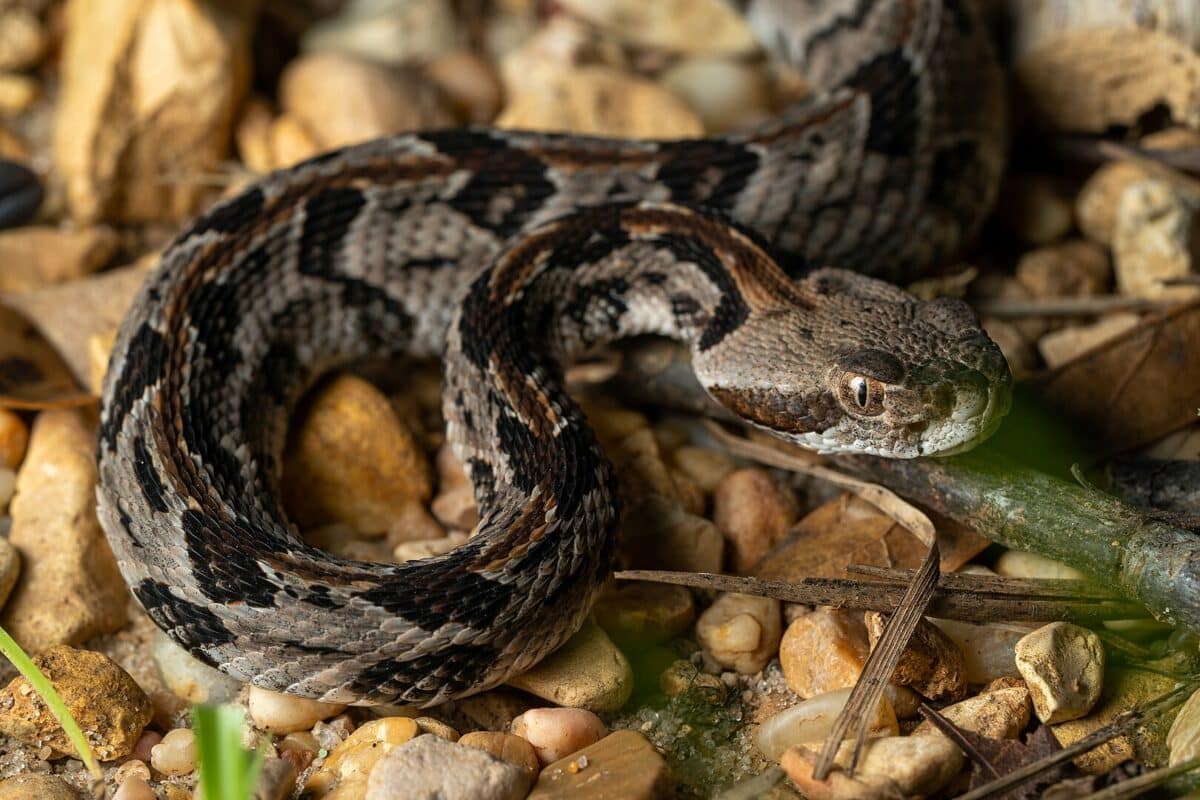
Timber Rattlesnakes (Crotalus horridus) are a venomous pit viper species found in eastern North America. Recognizable by their timber-like pattern, these snakes play a vital role in the ecosystem by controlling rodent populations.
Recognizing a Timber Rattlesnake Bite

🔥 Would you like to save this?
We'll email this post to you, so you can come back to it later!
Timber Rattlesnakes deliver venom through their fangs when biting. Bites are characterized by two puncture wounds, localized pain, swelling, and potential discoloration. Immediate recognition is essential for swift response.
Prioritize Personal Safety

🔥 Would you like to save this?
We'll email this post to you, so you can come back to it later!
If bitten, prioritize your safety. Move away from the snake to prevent further bites and keep a safe distance. Stay calm to slow the spread of venom through the lymphatic system.
Call for Emergency Assistance

🔥 Would you like to save this?
We'll email this post to you, so you can come back to it later!
Dial emergency services immediately. Timber Rattlesnake bites can be severe, and professional medical attention is crucial. Provide your location, remain calm, and follow dispatcher instructions.
Immobilize the Bite Area

🔥 Would you like to save this?
We'll email this post to you, so you can come back to it later!
Keep the bitten limb immobilized and at or slightly below the level of the heart. This helps reduce the spread of venom. Avoid using a tourniquet, as it can worsen tissue damage.
Remove Constrictive Items

🔥 Would you like to save this?
We'll email this post to you, so you can come back to it later!
Remove tight clothing, jewelry, or accessories near the bite site. Swelling may occur, and constrictive items can exacerbate the situation.
Clean the Bite Area

🔥 Would you like to save this?
We'll email this post to you, so you can come back to it later!
Clean the bite area with mild soap and water. Avoid applying ice or a cold pack directly to the wound, as this can cause additional tissue damage.
Monitor Vital Signs

🔥 Would you like to save this?
We'll email this post to you, so you can come back to it later!
Monitor vital signs, such as breathing, pulse, and consciousness. Be prepared to administer CPR if necessary. Keep the victim calm and reassured.
Do Not Suck or Cut the Wound

🔥 Would you like to save this?
We'll email this post to you, so you can come back to it later!
Contrary to popular myths, never attempt to suck out the venom or cut the wound. These actions can worsen tissue damage and do not effectively remove the venom.
Seek Medical Evaluation

🔥 Would you like to save this?
We'll email this post to you, so you can come back to it later!
Even if initial symptoms are mild, seek medical evaluation promptly. Timber Rattlesnake venom can cause systemic effects, and antivenom may be required for severe cases.
Wrap Up

🔥 Would you like to save this?
We'll email this post to you, so you can come back to it later!
Encountering a Timber Rattlesnake is a rare occurrence, but understanding how to treat a bite is essential for personal safety. By recognizing the signs, prioritizing emergency assistance, and following these crucial steps, individuals can navigate this potentially perilous situation with a well-informed and measured response. Remember, professional medical care is paramount in ensuring the best outcome after a Timber Rattlesnake bite.
If you enjoyed this article, check out our related article links below for more!
Next up:

For any feedback please message Feedback@animalsaroundtheglobe.com
- Venomous Spiders Found in America - November 5, 2026
- Top 10 Best Spots for Whale Watching in the US - November 4, 2026
- Alaskan Malamute Vs. Bearded Collie - November 2, 2026