


Transforming your garden into a mini wildlife sanctuary not only elevates the beauty of your outdoor space but also supports biodiversity and conservation efforts. By making small changes, you can create a haven for local fauna, encouraging them to visit and thrive. This guide will walk you through the process of setting up your garden to welcome a variety of wildlife.
Understanding the Importance of Wildlife Gardens
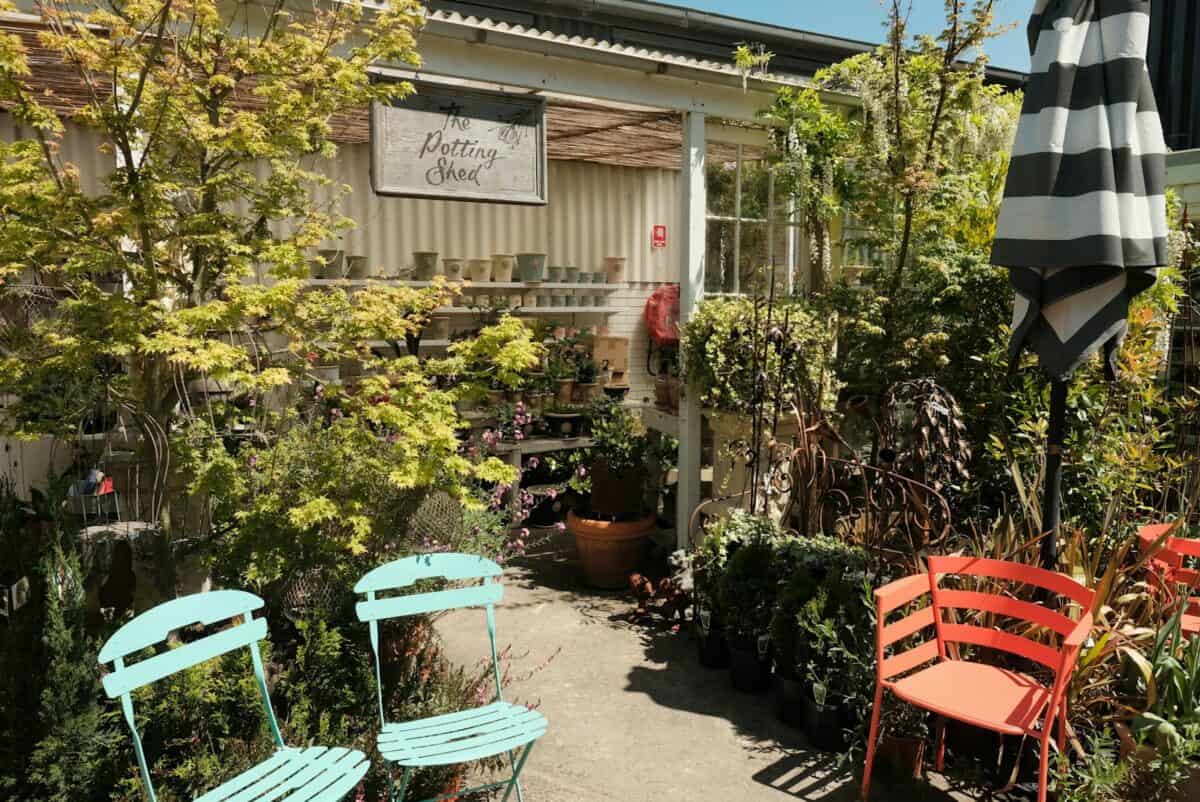
Gardens play a critical role in connecting fragmented habitats, providing vital resources for wildlife. These green spaces can serve as stepping stones that link larger natural landscapes, enabling species to move, feed, and breed successfully. By nurturing a diverse ecosystem within your garden, you contribute to the conservation of local flora and fauna, enhancing the ecological balance in your area.
Native Plants Are Key
Choosing native plants for your garden is essential in supporting local wildlife. Native species have evolved alongside indigenous fauna and provide better nourishment and habitat compared to non-native plants. They are adapted to the local climate, requiring less maintenance and resources. Research plants that are native to your region and incorporate a variety of species to attract different types of wildlife.
Create a Water Source
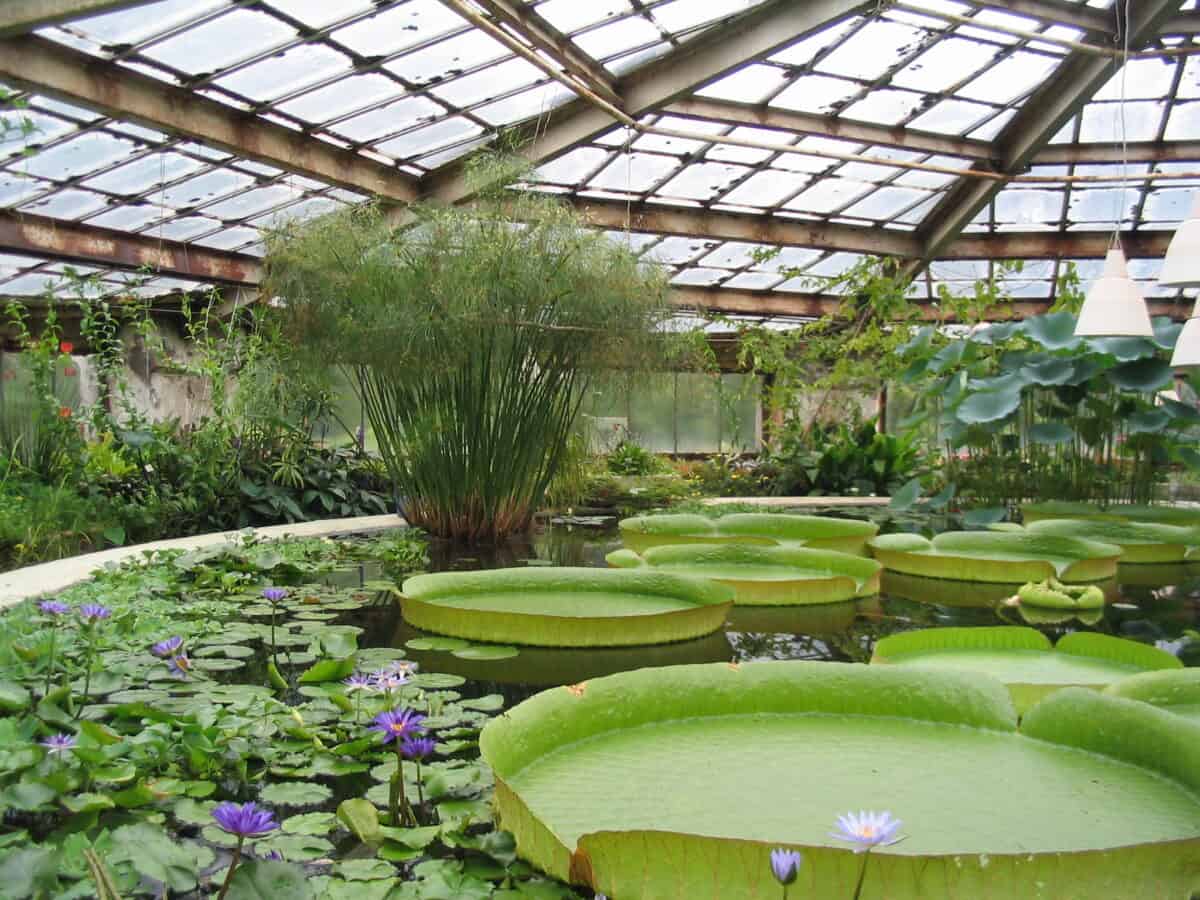
Water is a magnet for wildlife, serving as a drinking resource and habitat for many species. Installing a small pond or birdbath will attract birds, insects, and amphibians to your garden. Ensure that water features are easily accessible and maintained to avoid algae buildup. Adding aquatic plants can enhance the attraction by providing shelter and breeding grounds.
Incorporate Diverse Habitats

Different species require various structures and spaces for shelter, nesting, and hibernation. Introduce a mix of trees, shrubs, logs, and rocks to mimic natural habitats. For example, install birdhouses at different heights for nesting, or leave a pile of logs in a corner for hedgehogs and insects. These additions can significantly enhance the biodiversity of your garden.
Opt for Organic Gardening Practices
Using organic gardening methods reduces the presence of harmful chemicals, providing a healthier environment for wildlife. Avoid pesticides and herbicides, which can poison and deter beneficial insects and animals. Instead, choose natural alternatives or encourage predatory species, like ladybugs and birds, to manage pest populations.
Encourage Pollinators with Flowers

Pollinators such as bees, butterflies, and hoverflies play an essential role in the ecosystem by facilitating plant reproduction. Plant a variety of flowering plants that bloom at different times of the year to provide a continuous food source. Brightly colored and fragrant flowers are particularly attractive to pollinators.
Minimize Lawn Space

While a lawn can be aesthetically pleasing, it often offers little ecological value. Consider reducing the size of your lawn or replacing portions with wildflower meadows or shrubbery. These alternatives require less water and maintenance and offer more resources to wildlife.
Create Shelter with Hedges and Borders

Dense hedges and borders provide excellent shelter and nesting sites for small mammals, birds, and insects. Choose species that offer dense foliage and berries for additional food sources. Mixed hedgerows can also serve as natural windbreaks, protecting your garden and its inhabitants from harsh weather.
Additional Tips for Winter Wildlife

During winter, food and shelter become scarce for many animals. Leave seed heads on plants like sunflowers and thistles to provide nourishment. Similarly, avoid tidying up all leaf litter as it can act as insulation for hibernating creatures. By making these considerations, you ensure continued support for wildlife throughout the cold months.
The Role of Composting

Composting not only reduces garden waste but also enriches soil with nutrients, encouraging plant growth. The decomposition process attracts earthworms and microorganisms, which serve as food for birds and other wildlife. Place a compost bin in a discreet area of your garden to maintain aesthetics while supporting the ecosystem.
Educate and Engage with Your Community

A wildlife-friendly garden can inspire and educate others in your community. Share your knowledge and experiences with neighbors to promote the adoption of similar practices. Community involvement can amplify the impact, creating larger wildlife corridors and fostering a supportive environment for local species.
Monitoring and Adapting Your Garden

Regular observation will help you understand the effectiveness of your garden’s features and identify areas for improvement. Take note of visiting species and any changes over time. Adapt your practices to ensure your garden continues to meet the needs of local wildlife.
Conclusion
Turning your garden into a mini wildlife sanctuary is a rewarding endeavor that supports biodiversity and conservation. By incorporating native plants, diverse habitats, and organic practices, you create a welcoming environment for local fauna. Engaging with your community further amplifies your positive impact. With continued effort and adaptation, your garden can thrive as a vibrant and essential part of the ecosystem.

As a little kid, I fell in love with nature, wildlife, and animals. Living in the USA, South Africa, Italy, China and Germany gave me the opportunity to discover the world's Wildlife. My favorite animals are Mountain Gorillas, Siberian Tigers, and Great White Sharks.
I'm a certified PADI Open Water Diver, went to Everest Base Camp and Trekked Gorillas in Uganda. I hold a Master of Science in Economics and Finance.
Please send any feedback to feedback@animalsaroundtheglobe.com
- Top 10 Endangered Animals in Scotland - June 4, 2026
- 10 Weird Things Dogs Do and What They Really Mean - June 4, 2026
- Top 10 Fiercest Animal Predators on the Planet - June 4, 2026