

There’s something deeply unsettling about discovering uninvited creatures skittering across your kitchen floor at midnight. You flip on the lights, and suddenly they scatter like they own the place. The truth is, household pests are persistent, sneaky, and can multiply faster than you can keep up. Chemical sprays work, sure, but they come with their own list of concerns. What if I told you there’s an ancient solution that’s been hiding in plain sight for millions of years? It’s a powder made from fossilized algae, and insects absolutely despise it. Ready to see how something as simple as ancient sea creatures can reclaim your home from unwanted intruders?
What Exactly Is Diatomaceous Earth?
Diatomaceous earth comes from the fossilized remains of diatoms, tiny aquatic organisms that piled on top of each other over eons until their exoskeletons compressed into a crumbly sedimentary rock that’s ground into a soft powder. The diatom skeletons are made up of silicon dioxide, a combination of silica and oxygen. Let’s be real, when you first hear about using fossilized sea creatures to kill bugs, it sounds bizarre. Yet this off-white, talc-like substance has been used for decades in everything from dynamite to toothpaste.
Under a microscope, food-grade diatomaceous earth looks like a multitude of tiny hollow cylinders covered in barbs, which make a very effective deterrent against a broad spectrum of insects. As an insect treads across the powder, the tiny barbed cylinders penetrate the waxy coating that covers the insect’s body, creating wounds that let body fluid out. This mechanical action is what makes it so effective. Diatomaceous earth is not poisonous and doesn’t have to be eaten to be effective, as it causes insects to dry out and die by absorbing the oils and fats from the cuticle of the insect’s exoskeleton, with its sharp edges speeding up the process.
Understanding the Two Types: Food-Grade vs Pool-Grade
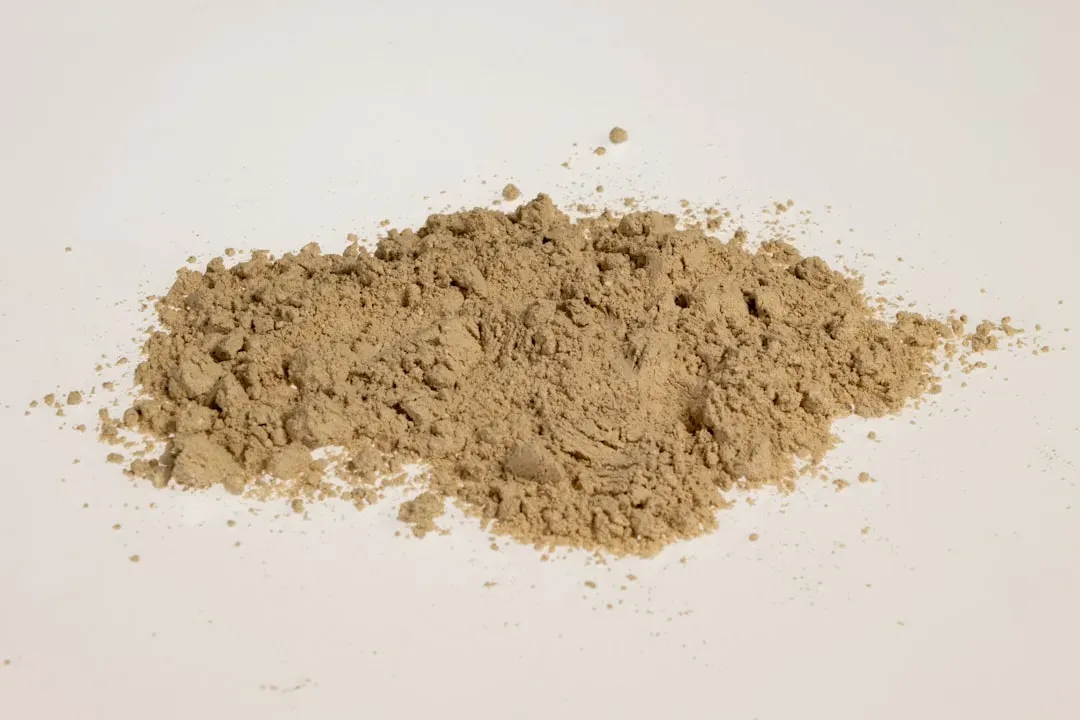
Here’s the thing: not all diatomaceous earth is created equal. There are two main types of diatomaceous earth, pool-grade and food-grade, and both are considered pesticides. Pool-grade diatomaceous earth is treated in ways that make it more hazardous to touch or breathe for humans and other large animals, which is why food-grade diatomaceous earth is usually recommended for pest control solutions. Pool-grade versions are heated at extreme temperatures, transforming the silica into a crystalline form that can seriously damage your lungs if inhaled.
You should buy diatomaceous earth labeled as feed-grade or food-grade, not pool-grade, as there’s another type that isn’t as safe. It’s essential to use food-grade diatomaceous earth for any insect control application, as other commercial grades may contain harmful additives, and DE works best when used as part of an integrated pest management strategy. I know it sounds crazy, but using the wrong type can lead to respiratory problems, so always check the label before purchasing.
How Diatomaceous Earth Kills Pests in Your Home
Diatomaceous earth is not a poison, but a naturally occurring product that works through mechanical means to kill pests through desiccation. Think of it like this: imagine walking barefoot across broken glass while wearing a coat made of sponges. When used as an insecticide, the sharp edges of the DE particles pierce the protective outer layer of pests, causing them to lose essential body fluids, and as a result, the insects ultimately dehydrate and die.
When applied as a fine powder, it can be highly effective in controlling pest problems, including ants, fleas, roaches, and slugs, among other home and garden pests. The beauty of this method is that insects can’t develop resistance to it. This process can take a few hours to a few days depending on the insect and conditions, with some studies finding that some insects die within four hours of contact while others may take a full day. It’s not instant, but patience pays off when you’re dealing with an infestation that keeps coming back despite chemical treatments.
Proper Application Methods for Maximum Effectiveness

Diatomaceous earth is most effective in dry environments, as moisture like rain can reduce its efficacy. This is absolutely critical to understand. Pests tend to avoid thick layers of diatomaceous earth powder and it’s much less effective in moist or wet environments. You want to apply a thin, barely visible layer, not dump it in thick piles like you’re making a sandcastle.
Using a dust applicator, spread DE along the foundation of your home and entry points like windows, doors, and vents, as this barrier deters insects from entering the premises and is especially effective for crawling pests like ants and ticks. Just apply the powder in cracks and crevices and other areas where insects are found, and powder dusters are included with some products for easy application on surfaces or into cracks and crevices where insects hide. Think baseboards, behind appliances, under sinks, and anywhere you’ve spotted those unwelcome guests. It’s recommended that you reapply diatomaceous earth once a week for a full month and use it in strict compliance with the product label.
Safety Precautions When Using Diatomaceous Earth
Even though it’s natural, diatomaceous earth isn’t without concerns. If too much diatomaceous earth is inhaled, it can irritate the nose and nasal passages or cause coughing and shortness of breath, and on the skin it can also cause irritation and dryness, plus it may irritate the eyes due to its abrasive nature. When used properly, it poses minimal health risks to humans, but inhalation of the fine particles in large amounts can potentially cause silicosis, a lung disease resulting from long-term exposure to crystalline silica, with symptoms including shortness of breath, coughing, and chest pain.
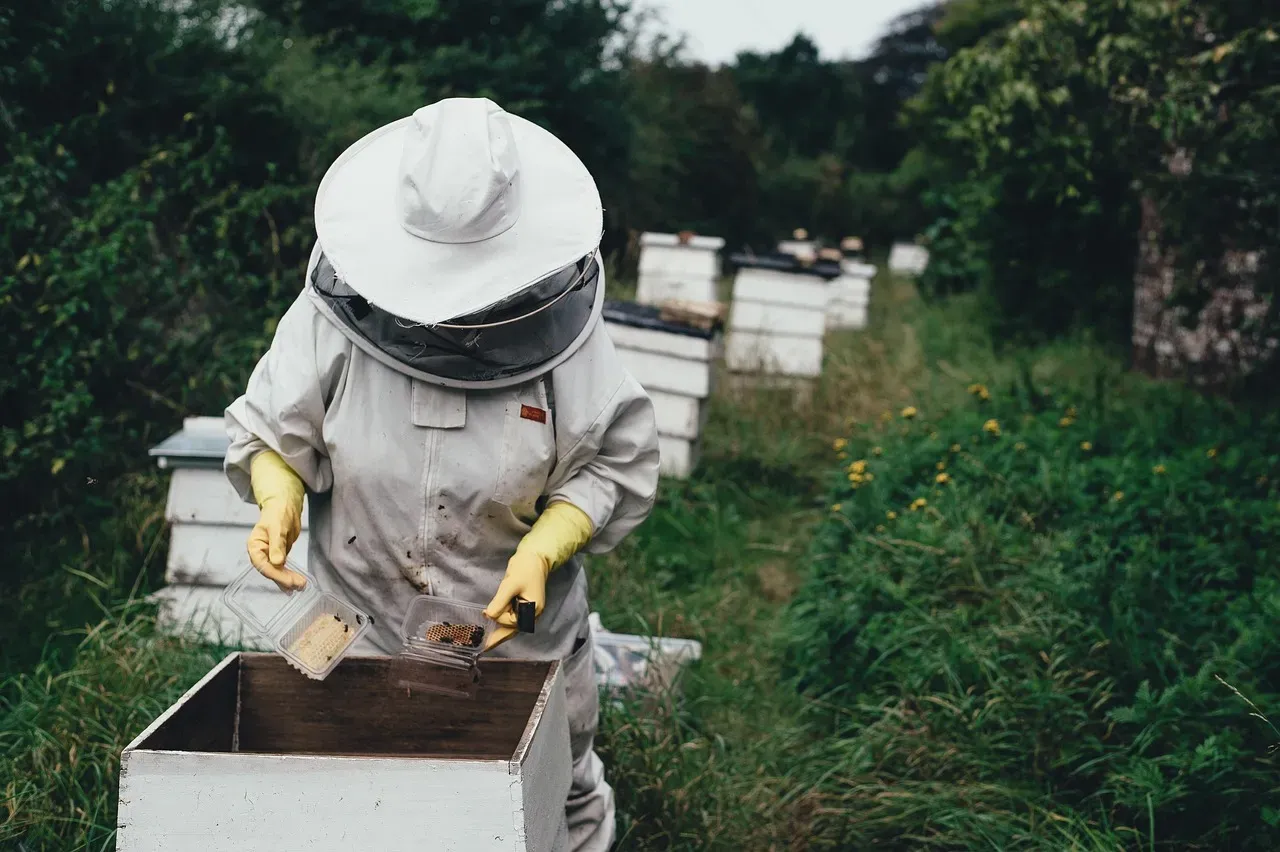
Wear protective clothing before handling DE, including a dust mask, safety goggles, long-sleeved clothing, and gloves when using it, even if it’s food-grade, to prevent yourself from inhaling it, and keep children and pets out of the area until the dust has settled completely. Honestly, it’s hard to say for sure whether people take these precautions seriously enough, but treating it with respect is important. If you use diatomaceous earth inside your home, make sure it’s in a place where the fan, air conditioning, or heater aren’t going to kick it up into the air, and you need to make sure to just treat the cracks and crevices to do the trick.
Targeting Specific Pests: From Fleas to Cockroaches
The majority of the flea population lies in wait mostly on pet beds and carpets, so it’s essential to vacuum regularly around the places that fleas frequent to disrupt the lifecycle by eliminating the developing juveniles and eggs, and dispose of the vacuum contents after each clean. Using diatomaceous earth between vacuuming provides ongoing flea control for those pests missed in cleaning, and after application, DE remains viable in fabric or carpet for months to come in case eggs hatch. This is where diatomaceous earth really shines compared to traditional treatments.
Apply DE anywhere you have seen cockroaches including around the house along the foundation, dusting lightly since cockroaches won’t step on diatomaceous earth if the dusting is too heavy, and apply anywhere cockroaches can hide, enter your home, and where food is commonly dropped. You can use diatomaceous earth to control ants, bedbugs, box elder bugs, carpet beetles, centipedes, crickets, cockroaches, earwigs, fleas, grasshoppers, millipedes, slugs and silverfish. The list is impressively long, making this one of the most versatile pest control options available. Did you expect that a simple powder could tackle so many different types of pests? What’s your biggest household pest challenge?

- 10 Mind Blowing Facts About The Great White Shark - July 26, 2026
- Elephants Communicate With Each Other Using Sounds We Cannot Hear - July 26, 2026
- 10 Surprising Foods That Are Actually Good For Your Dog’s Health - July 26, 2026