

There’s something quietly remarkable happening along the river corridors and coastal marshes of South Carolina. Landscapes that were drained, diked, and written off as wastelands for generations are slowly coming back to life. Birds that hadn’t nested in certain areas for decades are reappearing. Fish are reclaiming stretches of river that had lost them. The recovery is not dramatic in the way a single news headline captures, but it is real, measurable, and building.
It’s estimated that over half of North and South Carolina’s wetlands have been drained, filled, or converted to other land uses since early European settlement. That history of loss makes what’s happening now all the more worth paying attention to. Wetlands, including swamps, marshes, and bogs, are areas of land saturated with moisture seasonally or permanently, and they are believed to be among the most diverse ecosystems in the world, home to various species of plants, amphibians, reptiles, birds, and mammals, including many threatened and endangered species. Getting them back isn’t simple. But across the state, the work is underway.
The Scale of What Was Lost and What Remains
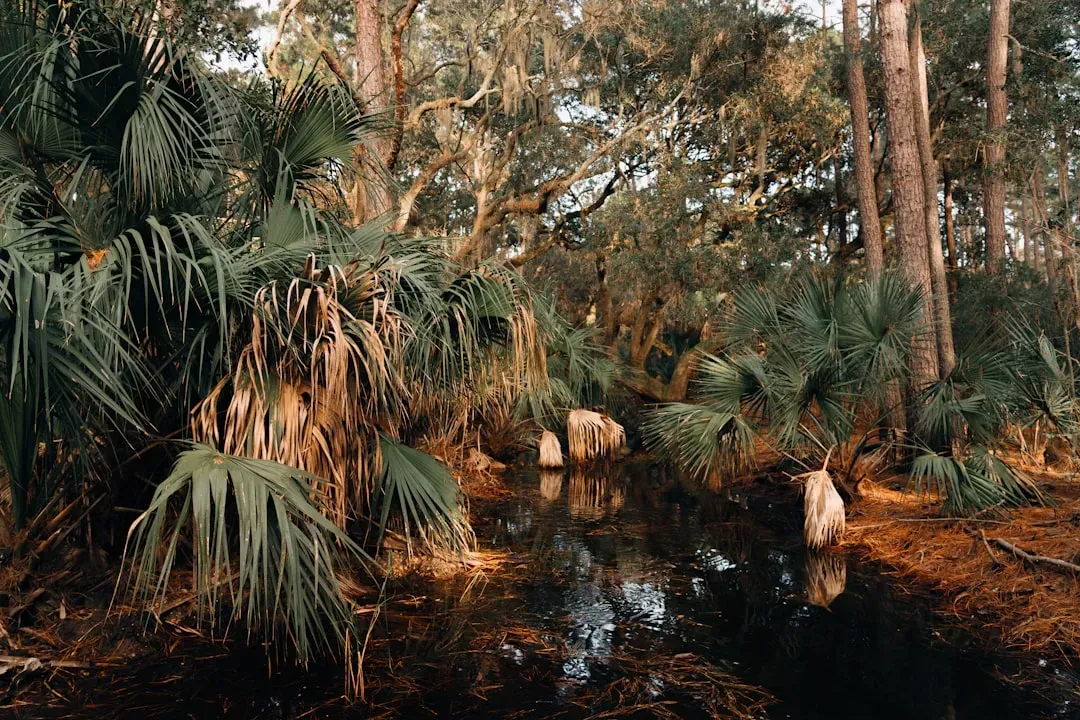
South Carolina has fared somewhat better than many states when it comes to wetland loss, though the damage has still been significant. A report to Congress estimated that more than half of the original wetlands in the country have been destroyed over the past two hundred years, with a number of states losing at least seventy percent or more of their original wetland acreage, while South Carolina has lost around twenty-eight percent of its original wetland cover.
According to the National Wetlands Inventory, there are an estimated 3.8 million acres of wetlands remaining in South Carolina alone, which means wetlands account for nearly twenty percent of the state’s land area. That’s a substantial foundation to build on.
Most of these wetlands are found in the coastal plain, with only a small fraction in the Piedmont and even less in the mountains, making them critically important hydrological components of the watershed and vital habitat for threatened and endangered species. The diversity of what survives, from forested swamps to tidal marshes, is itself a source of ecological resilience.
The ACE Basin: A Landmark for Wildlife Recovery
The Ernest F. Hollings ACE Basin National Wildlife Refuge sits within the larger 350,000-acre Ashepoo-Combahee-Edisto system, which represents one of the largest undeveloped wetland ecosystems remaining on the Atlantic Coast. It’s a genuinely rare thing to find at this scale anywhere on the Eastern Seaboard.
The lands surrounding South Carolina’s Ashepoo, Combahee, and Edisto rivers make up one of the largest areas of undeveloped wetlands remaining on the Atlantic Coast, and the area now supports important habitats for waterfowl, migratory birds, and endangered species, as well as thirty-three types of natural plant communities.
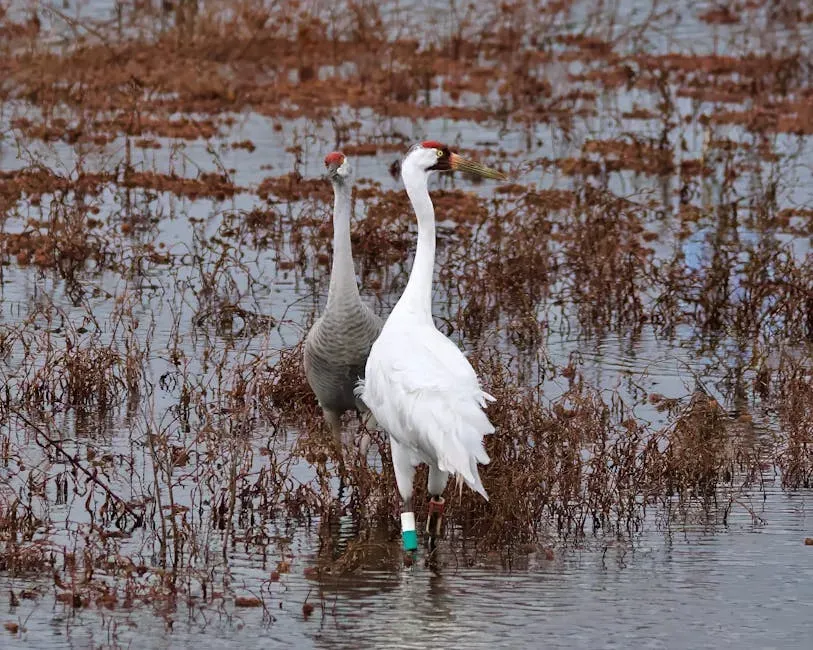
The site protects many endangered or threatened species, such as short-nose sturgeon, wood storks, loggerhead sea turtles, and bald eagles. Prothonotary warblers, painted buntings, and ruby-throated hummingbirds are among the species that use the refuge to nest, raise their young, and replenish their energy reserves before fall migration. The range of species finding viable habitat here reflects just how intact this system remains.
Migratory shorebirds, raptors, and neotropical landbirds use this area in great numbers, and up to roughly half of all dabbling ducks in the Atlantic Flyway winter here. That single statistic speaks to how critical the Lowcountry’s wetlands are, not just for South Carolina, but for the entire eastern migration corridor.
Species Coming Back: Birds, Fish, and Amphibians
When natural hydrology is restored, species like Prothonotary Warblers, Wood Ducks, Swallowtail Kites, Northern Waterthrushes, and Belted Kingfishers are expected to return. This is not wishful thinking. It’s a pattern that conservation ecologists have observed at restored sites across the state.
The ACE Basin refuge provides critical marsh habitat for the secretive Black rail, the smallest North American rail, listed as a high priority species in the Atlantic Coast Joint Venture’s South Atlantic Migratory Bird Initiative. Although the rail is widespread, its population is sparse, and the loss and degradation of wetland habitat remains a significant threat to this small marsh bird. The protected wetlands on the refuge and the management programs underway to enhance these areas are considered crucial for the Black rail’s survival.
In the forested watershed of South Carolina, native vegetation and aquatic wildlife are beginning to flourish again, with threatened and rare species like the tricolored bat, the northern long-eared bat, and the robust redhorse fish now able to travel across much wider expanses of protected land. These are creatures that require large, connected habitats to sustain viable populations.
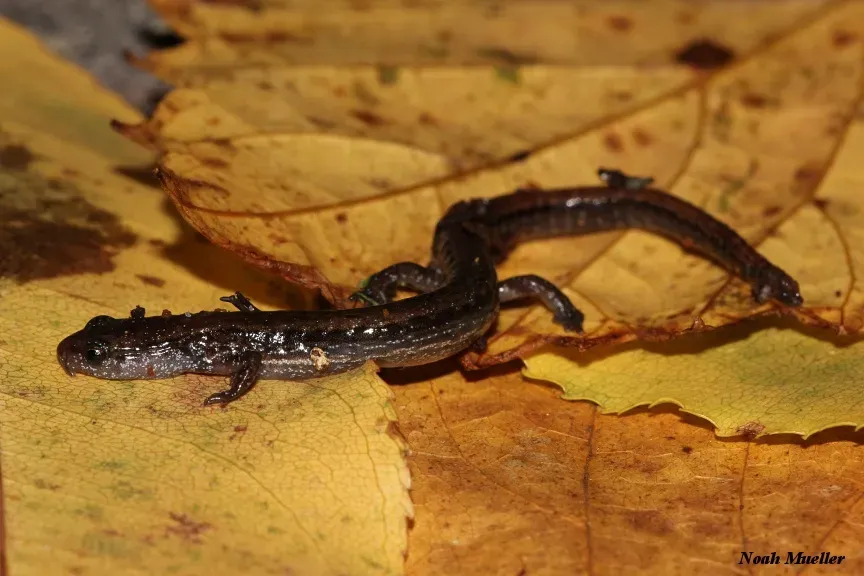
In the wetlands along the Edisto River and its tributaries, Chamberlain’s dwarf salamander, a tiny, secretive amphibian found in sphagnum moss, represents one of the rare species that depends on forested wetland habitat. Its presence is a useful indicator of overall wetland health, and protection efforts in Aiken County are helping to keep those habitats intact.
Conservation Strategies Driving the Return
In April 2024, the Open Space Institute announced the protection of 5,000 acres of wetlands along the Congaree and Broad rivers in Richland County, highlighting ongoing commitment to protecting vital ecosystems for both wildlife and public enjoyment. These kinds of large-scale protections are what make species recovery possible over the long term.
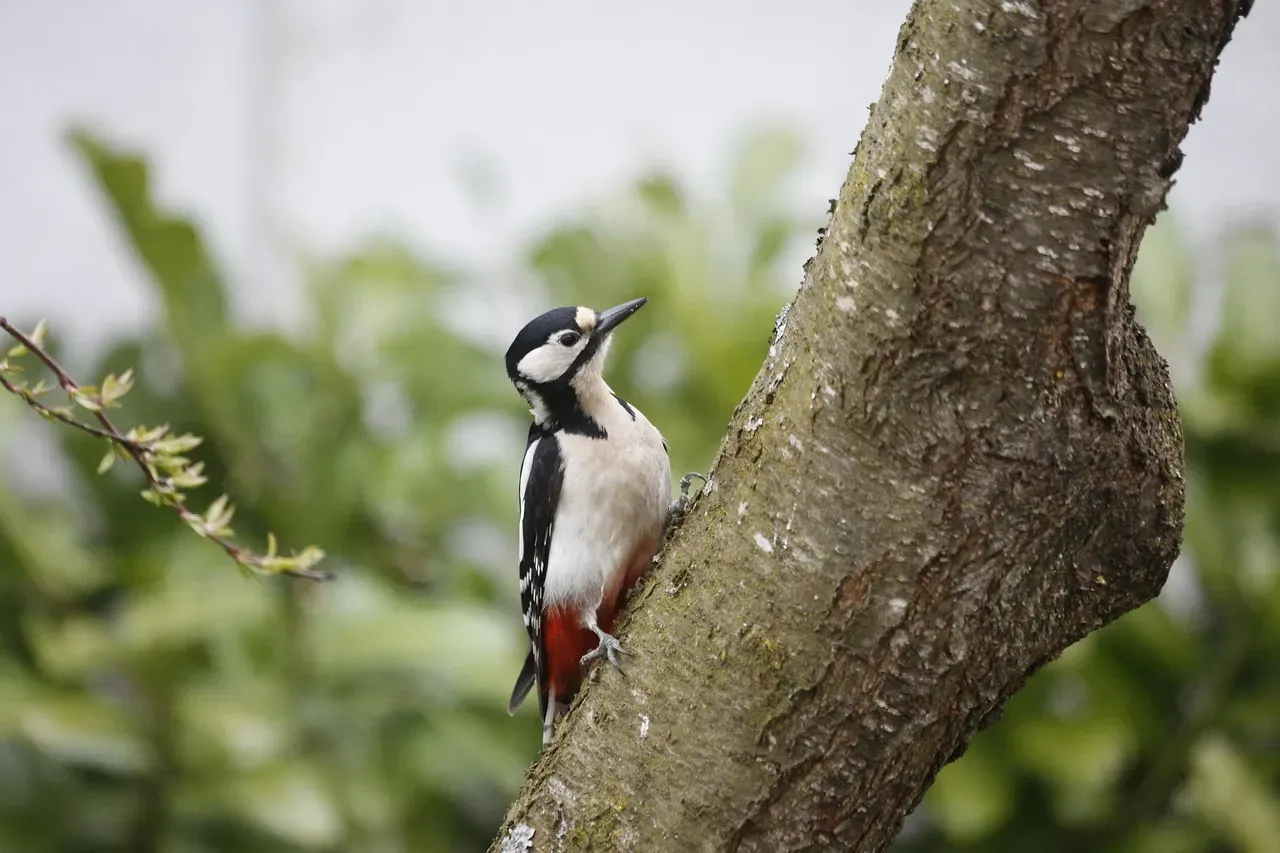
Situated just upstream of Congaree National Park, the newly protected tracts comprise forested wetlands that are home to abundant and diverse wildlife, including river otters and the endangered Red-Cockaded Woodpecker, with restoration efforts aimed at reconnecting the Congaree River with its tributaries to revitalize critical habitats and enhance food sources for local wildlife.
Priority bird species recovery drives habitat work on the ground in South Carolina, with Audubon South Carolina restoring grasslands, bottomland hardwood forests, wetlands, and Longleaf Pine savannas across the state using bird-friendly forestry techniques. Over the years, Audubon South Carolina has protected nearly 7,000 acres of wetlands using federal mitigation funds.
Established in 1995, the South Carolina Coastal Program works across coastal South Carolina and Georgia, with two strategic focus areas developed along several major river watersheds, key conservation areas, and vital wildlife corridors. The program funds restoration projects that improve habitat for wildlife species, including oyster reef establishment, wetland restoration, native wildflower meadows, longleaf pine habitat enhancement, and invasive species control.
Community Action and the Road Ahead
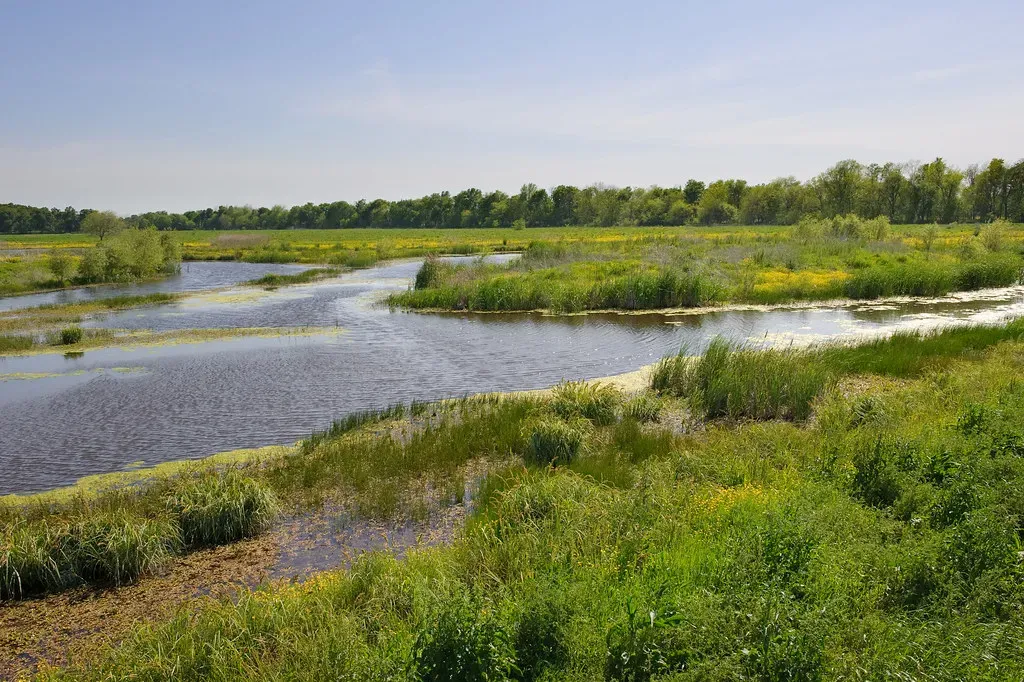
Restoration work carried out by community groups fits into a growing public appreciation over the last decade or so for how wetlands help absorb floodwater. That shift in perception, from viewing wetlands as wasted space to recognizing them as essential infrastructure, has been one of the more significant changes in how South Carolinians relate to these landscapes.
With fewer wetlands, there are fewer fish, fewer plants, fewer insects and birds, dirtier water, and less protection against floods, a special concern in hurricane-prone Charleston where storm threats are compounded further by sea level rise driven by climate change. The stakes for getting restoration right are practical as well as ecological.
Returning degraded sites to more natural ecosystems creates a ripple effect well beyond any single site boundary, with restored areas serving as natural bridges between protected land sections, offering environmental continuity and increased connectivity for wildlife. That connectivity is what allows species populations to grow rather than simply persist.
Wetland protection is becoming more important as both state and federal regulations face erosion through policy shifts, though citizens and conservation organizations remain active protectors of wetlands and their vital role where the water and the land meet. That combination of institutional effort and community engagement remains the most durable kind of conservation.
Conclusion
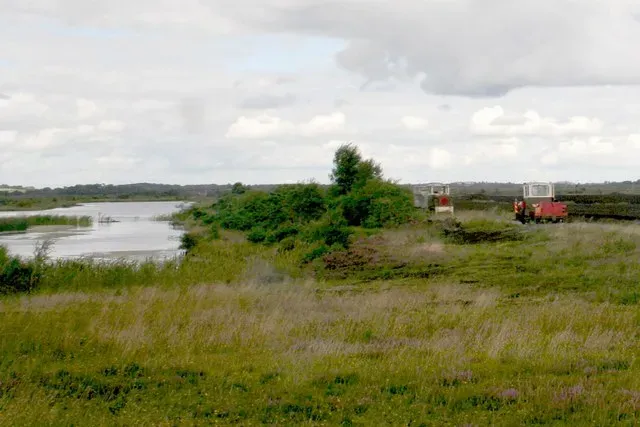
South Carolina’s wetland recovery story is not a finished chapter. It’s a process measured in seasons, not announcements. Species return when the water comes back, when the plants re-establish, and when the land is simply left alone long enough to remember what it once was.
The science is consistent: restore the hydrology and native vegetation, protect the habitat corridors, and the animals follow. What’s happening across South Carolina’s coastal plains, river systems, and forested swamps is proof of that. The wood stork nesting again in the ACE Basin, the sturgeon moving through the Edisto, the warbler returning to flooded bottomlands, each of these is a small but verifiable act of recovery.
What makes it all possible isn’t any single project or policy. It’s the sustained, overlapping work of federal agencies, state programs, land trusts, private landowners, and neighbors who decided that the creek behind their street was worth saving. In the end, the wetlands that return are the ones that people chose to fight for.
