

When you think of Yellowstone’s comeback story, wolves usually steal the spotlight. The 1995 reintroduction made headlines and sparked countless documentaries about ecosystem recovery. Yet hiding in the shadows of those famous wolf packs is another story, one that’s equally fascinating and perhaps even more surprising. Cougars, those ghost cats of the Rockies, have undergone their own transformation in Yellowstone, and their behavioral shifts are rippling across the entire American West in ways scientists are only beginning to understand.
These solitary hunters quietly reestablished themselves in northern Yellowstone during the 1980s, a time when elk were abundant and wolves were still absent, leading to relatively rapid population growth. What makes their story remarkable isn’t just their return, but how they’ve adapted to sharing the landscape with an entire guild of apex predators. Let’s dive into this hidden narrative of survival, adaptation, and ecological intrigue.
The Silent Return Nobody Noticed
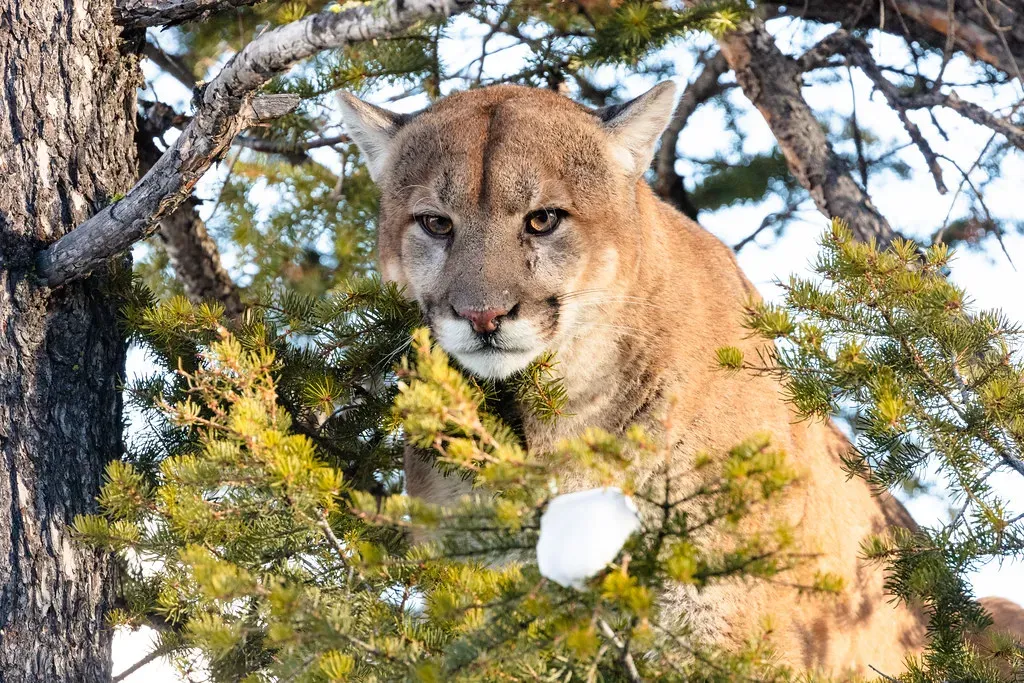
Cougars were eliminated from Yellowstone around the same time wolves were in the 1930s, but unlike wolves, the species overall survived in the West. Their secretive nature became their salvation. While conservationists fought legal battles to bring wolves back, cougars simply showed up on their own.
Working in their favor were the large cat’s secretive nature and preference for rugged terrain where they are difficult to detect. The difference between cougar and wolf recovery tells you everything about these animals. Wolves announced their return with howls that echoed across valleys. Cougars? They slipped back into the ecosystem without so much as a press release.
Yellowstone now maintains a resident year-round population of about thirty to forty cougars in Northern Yellowstone, though what makes these cougars unique is that they interact with so many of the native species that existed here prior to European settlement. Honestly, it’s hard to say for sure, but this might be one of the few places left on Earth where you can study what a truly intact predator community looks like. Let’s be real, we messed up most ecosystems pretty badly, so Yellowstone gives us a rare window into how things actually worked before we arrived.
Competition Forced Them Into the Shadows
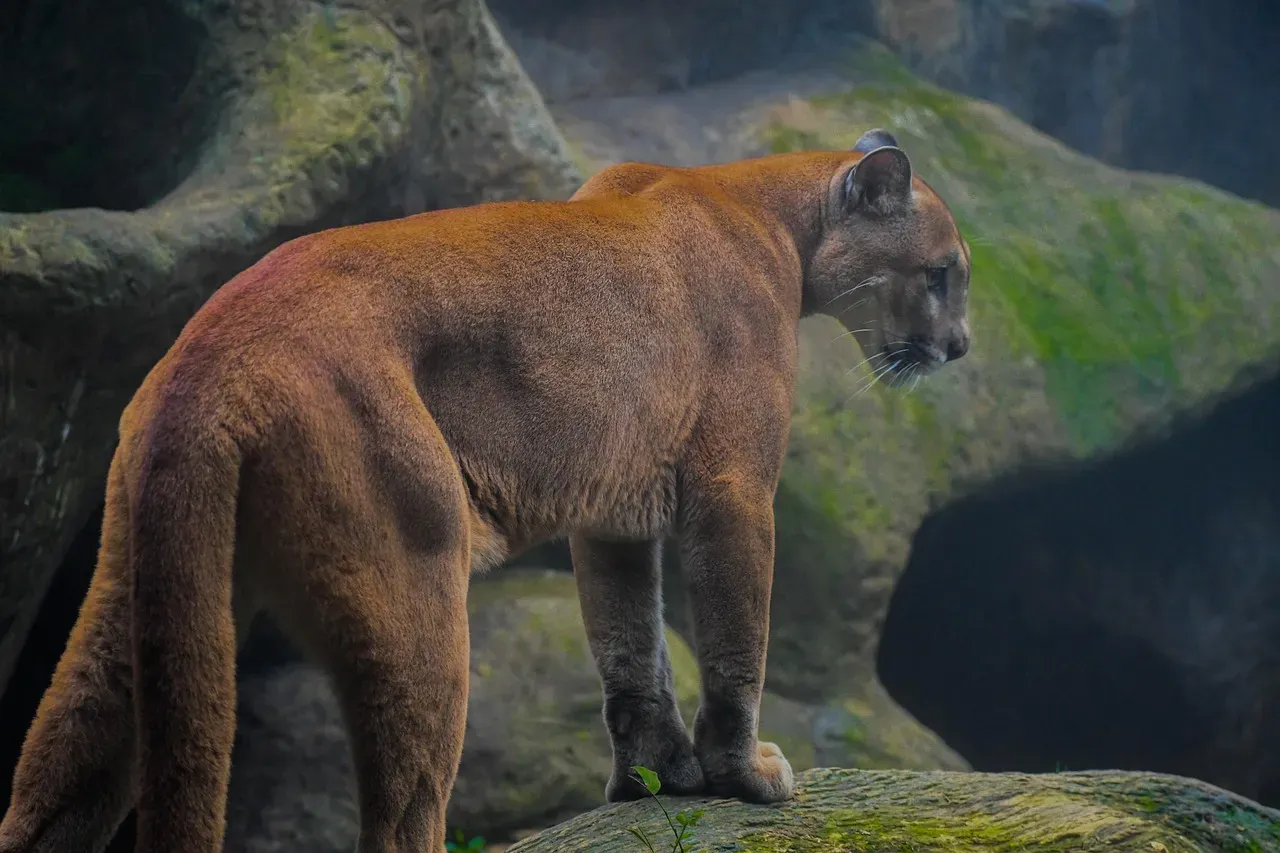
The wolves’ return in the mid-1990s changed everything for cougars. Suddenly, these cats weren’t the only major predator stalking elk through Yellowstone’s valleys. Wolf packs often claim kills made by cougars, which has driven that species back out of valley hunting grounds to their more traditional mountainside territory.
Data collected before, during, and after wolf reintroduction showed that cougars shrunk their home ranges as wolves expanded in the park, selecting areas that were craggier, steeper, and more densely forested. Picture being pushed out of your favorite grocery store and having to shop somewhere more inconvenient. That’s essentially what happened to Yellowstone’s cougars, except the stakes were life and death.
Wolves reduced the mountain lion population by nearly half in the Greater Yellowstone ecosystem by killing kittens and pushing adults away from prey. Here’s the thing: this wasn’t just about wolves being aggressive. It was about fundamental differences in how these predators operate. Wolves hunt in packs, dominating open terrain. Cougars hunt alone, relying on ambush tactics in complex landscapes.
Bears Made Everything More Complicated
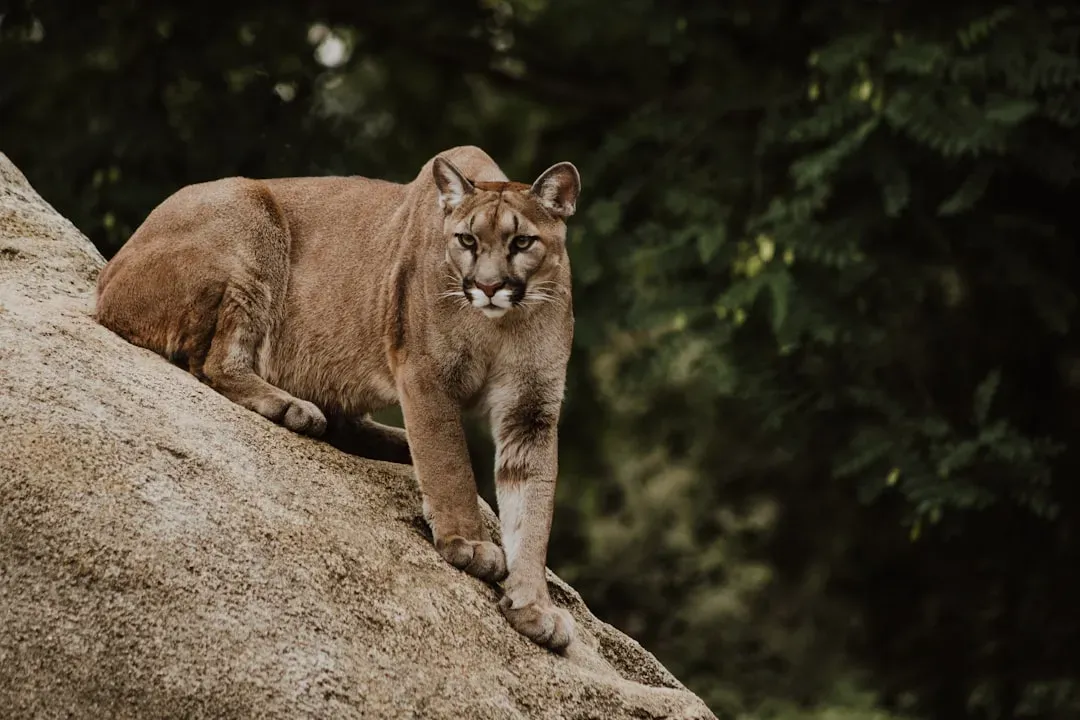
If dealing with wolves wasn’t challenging enough, cougars also had to contend with Yellowstone’s recovering bear populations. Bears were likely displacing cougars from roughly half of their kills. Imagine successfully hunting a massive elk, only to have a grizzly show up and claim your hard-earned meal. That’s the reality for Yellowstone cougars.
One tracked male cougar made seventeen kills over just two months, nearly double what’s common for lions like him. Why such a dramatic increase? Because he couldn’t finish eating most of his kills before bears or wolves arrived to steal them. The math is brutal but simple: lose half your meals, hunt twice as often.
This competition fundamentally reshaped cougar behavior across multiple dimensions. Cougars are all about concealment and they have a lot of competition on the landscape, so their strategy became to get somewhere safe away from the kill site and come back only to feed. They became more cautious, more vigilant, and far more selective about where they hunted.
A Surprising Shift in Prey Selection
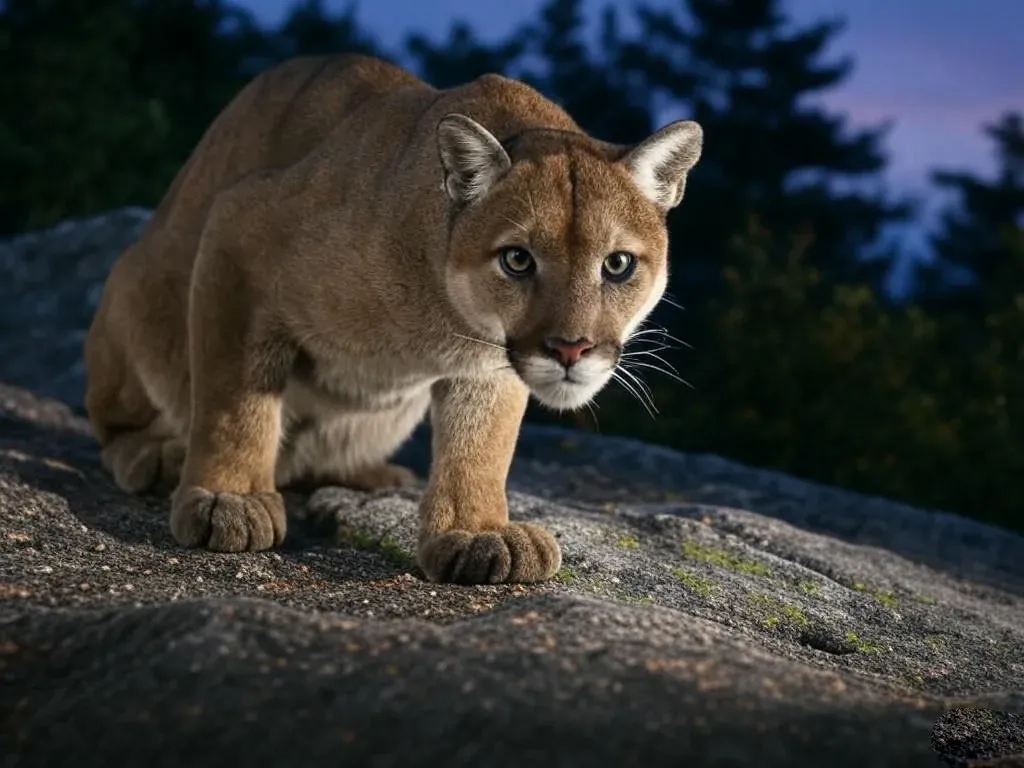
As the availability of larger prey like elk declined over the past few decades, cougars in Yellowstone began targeting smaller animals like deer, which are easier to hunt and can be killed and consumed more quickly while attracting less attention from more dominant predators. This shift wasn’t just about convenience. It was strategic genius.
When cougars hunt smaller prey, wolves and bears are less likely to steal their kills, and as cougars shifted to hunting smaller animals, the frequency with which wolves and bears displaced them from their kills decreased. Think of it as switching from cooking elaborate meals that everyone wants to steal to grabbing quick snacks you can finish before anyone notices. I know it sounds crazy, but this behavioral flexibility might be the key to their survival.
Deer composed over forty percent of summer cougar diets but only a tiny fraction of winter diets, while males and females selected different proportions of prey, with males taking more elk and moose, and females killing greater proportions of bighorn sheep, pronghorn, mule deer and small prey. The diversity in prey selection reveals just how adaptable these cats really are. They’re not picky eaters when survival demands flexibility.
The Landscape of Fear Redefined
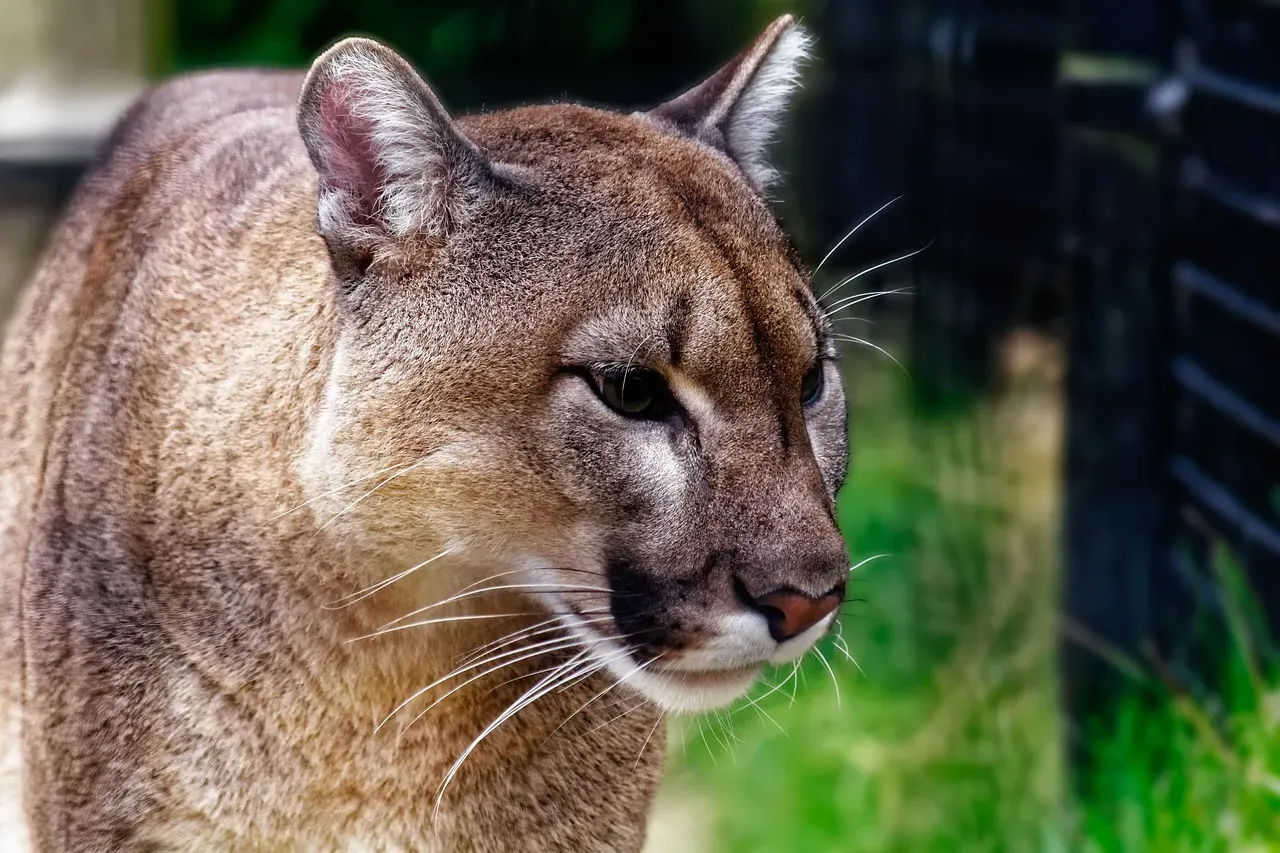
The secretive cougar is actually the main predator influencing the movement of elk across the winter range of northern Yellowstone National Park. Wait, more than wolves? That surprised even the scientists. Wolves get all the press, but elk seem to fear cougars more deeply.
Recognizing that cougars and wolves hunted in different places and at different times allowed researchers to see how elk could simultaneously minimize threats from both predators, with movement into forested, rugged areas to avoid wolves not resulting in greater risk from cougars because these predators were active at different times of the day. Elk became masters of time management, essentially creating schedules to avoid different predators during different shifts.
This temporal and spatial partitioning fundamentally changed how the entire ecosystem functions. Prey animals didn’t just respond to one predator anymore. They had to develop sophisticated strategies to avoid multiple threats operating on different schedules in different habitats. Increasing influences of grizzly bears, cougars, and bison are making what initially was predominantly an elk-wolf interaction into an increasingly complex system.
Ecosystem Engineers in Disguise
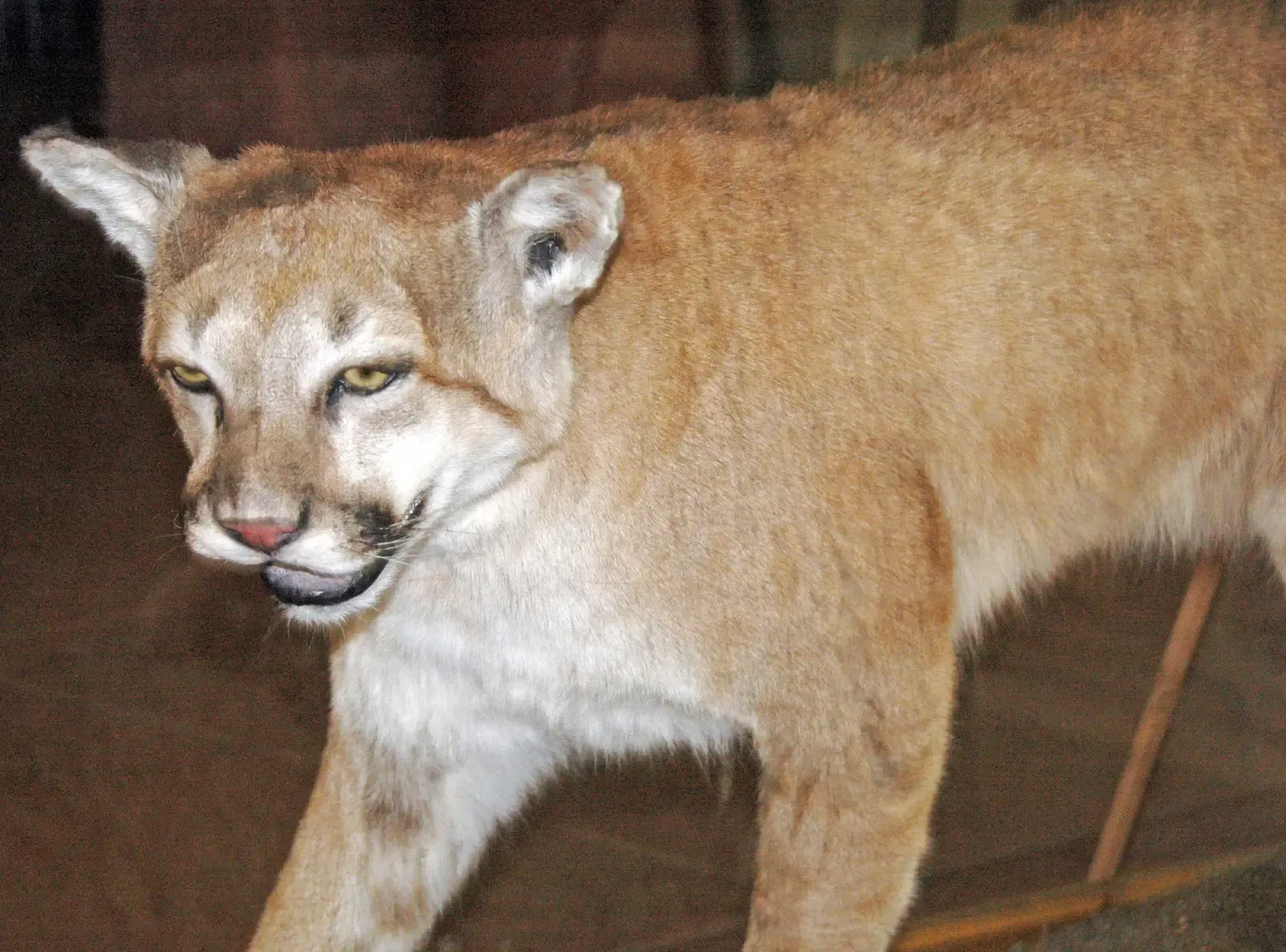
While scientists focused on wolves changing river courses and vegetation patterns, cougars were quietly performing their own ecological magic. There is a greater diversity of bird and mammal scavengers feeding on mountain lion kills than any other kind of carrion or meat resource ever documented in the world. Let that sink in. Of all the predators scientists have studied globally, cougar kills support the most diverse scavenger communities.
Over two hundred species of beetles feed off the carcasses, along with hundreds of other species, from surprising things like flying squirrels, mice, chickadees and woodpeckers to what you might expect, like bears, wolves, vultures and eagles, with mountain lions leaving kills intact and only eating about a third. Wolves dismember everything. Cougars leave ecological treasure chests.
While cougars can range over an enormous area, their kills were concentrated to a tiny fraction of habitat, just four percent, but in those areas, the cats’ repeated deposits of nitrogen-rich carcasses have created vibrant habitats. They’re essentially gardening without knowing it, creating nutrient hotspots that transform soil chemistry and plant growth. The implications extend far beyond Yellowstone, suggesting that cougar conservation efforts across the West might benefit entire ecosystems in ways we’re only beginning to appreciate.
What do you think about the cougar’s hidden role in shaping western ecosystems? Did you expect these solitary hunters to be such powerful ecological architects?

- 9 Cat Breeds That Love Kids (And 9 That Prefer Adult Company) - June 30, 2026
- Which Zodiac Signs Would Choose Pit Bull For Their Pet - June 30, 2026
- Gardening Is Becoming More Popular Among Older Americans - June 30, 2026