

Picture this: you spent the perfect autumn weekend picking out the most beautiful pumpkins at the local farm. You carefully arranged them on your front porch, maybe even carved a few into spectacular jack-o’-lanterns. The next morning, you wake up excited to admire your Halloween display, only to find your precious pumpkins completely destroyed, with orange chunks scattered across your yard.
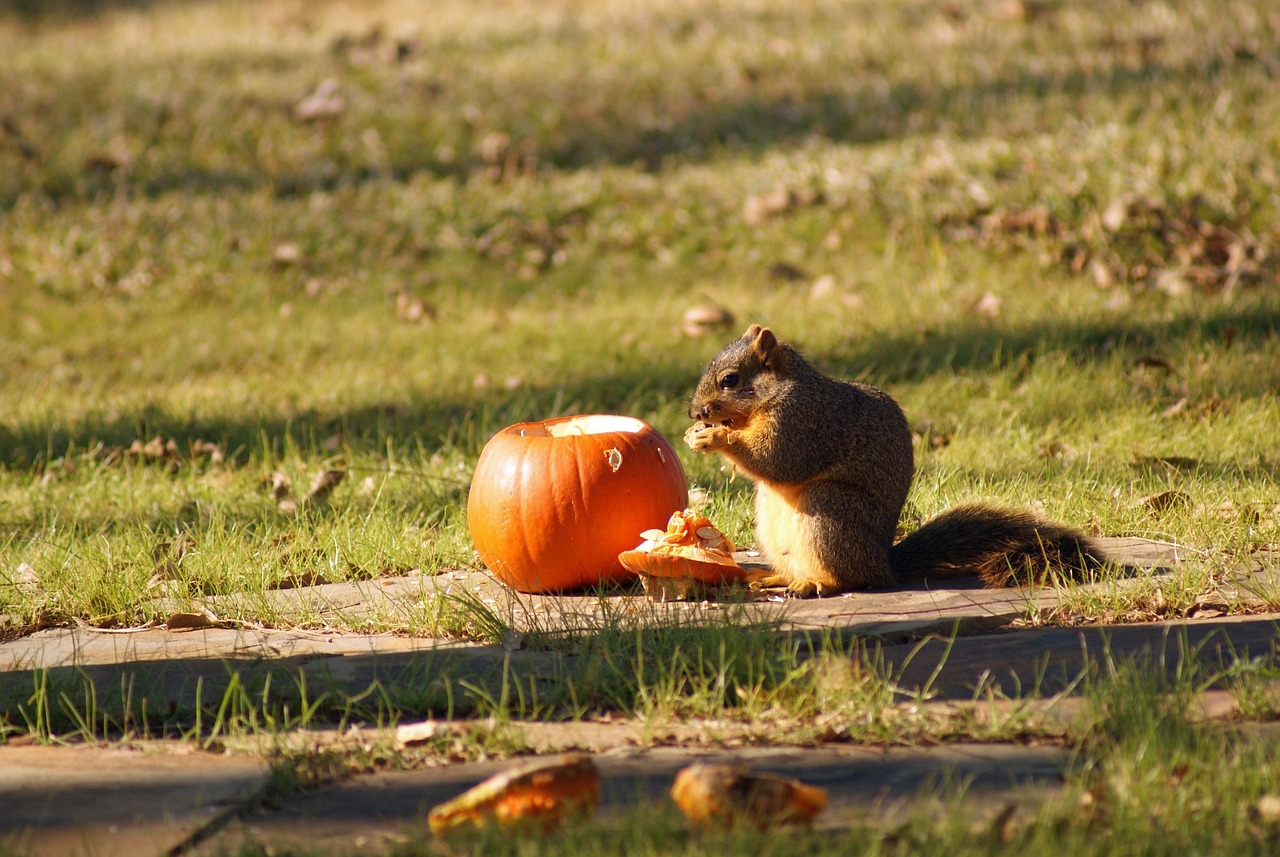
Sound familiar? You’re definitely not alone in this seasonal battle against nature’s most persistent little bandits. Squirrels are drawn to pumpkins because they instinctively know that “these nutritional powerhouses provide hydration, vitamins, minerals, and antioxidants that benefit squirrels”. While we can appreciate their nutritional wisdom, it doesn’t make the sight of our ruined Halloween decorations any less frustrating.
The Science Behind Squirrel Taste Buds
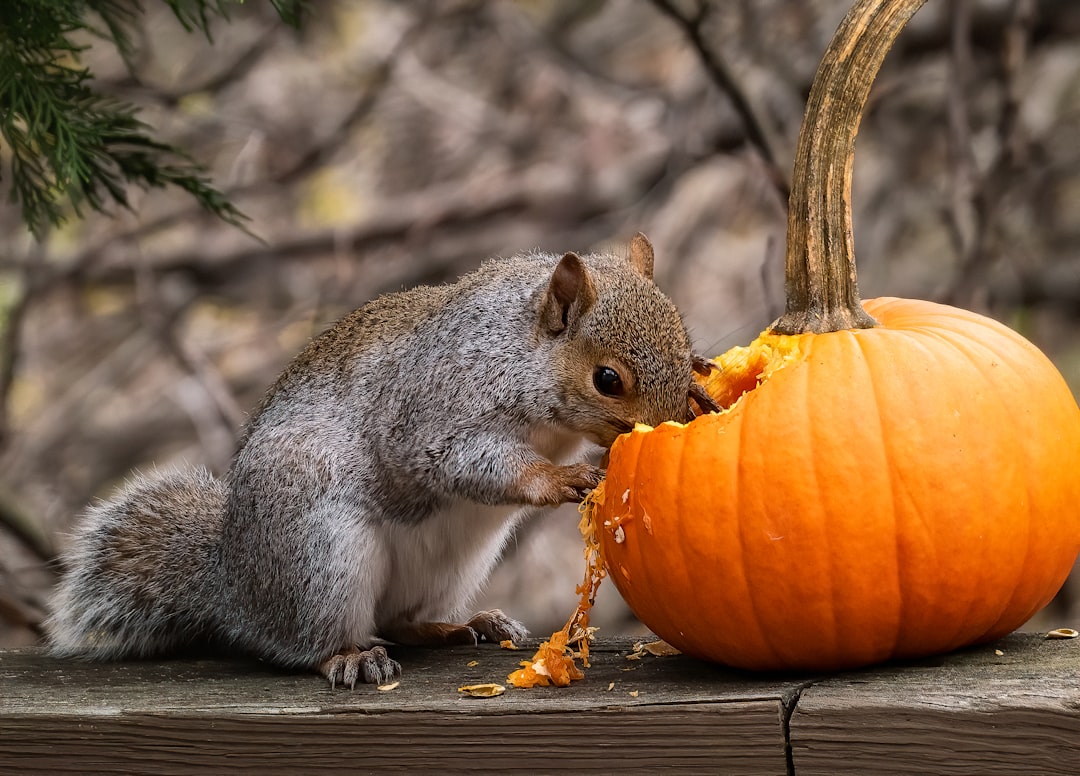
Before we dive into battle strategies, it’s worth understanding your enemy. Squirrels have nerve receptors that get irritated by spice, such as capsaicin in red pepper. This biological fact becomes your secret weapon in the war against pumpkin thieves.
Think of it like this: while you might enjoy a spicy taco, squirrels experience heat completely differently. Their little mouths simply can’t handle what we consider mild seasonings. This sensitivity opens up a whole world of natural deterrent possibilities.
The Hot Sauce Defense System

Here’s where things get interesting. The most popular natural deterrent of squirrels is capsaicin, which is the hot component found in chili peppers. You can sprinkle red pepper flakes inside a carved pumpkin, rub bottled hot sauce on the outside, or create your own spray.
For a DIY approach, simply add some crushed red pepper flakes or cayenne to a spray bottle full of water, add a few drops of dish detergent to make it sticky, and spray all over the pumpkin. The dish soap acts as a binding agent, helping your spicy solution stick even through light rain. Just remember to wear gloves when handling your treated pumpkins, unless you want a nasty surprise next time you rub your eyes.
Strategic Pumpkin Placement
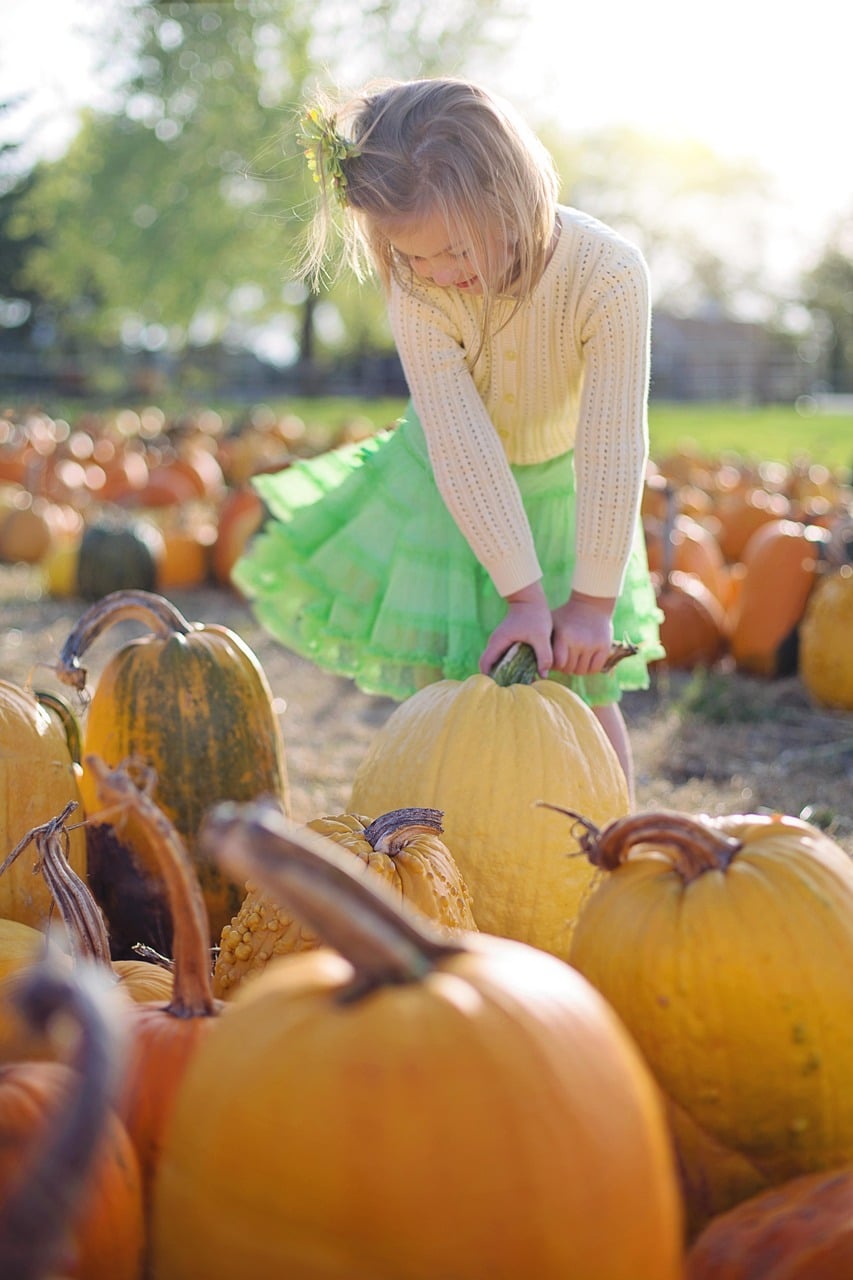
Sometimes the simplest solutions are the most effective. “Put them on a surface that cannot be climbed or jumped onto from a nearby surface or tree branch”, suggests wildlife expert Jason Burkhart.
Think: tall porch railings, sturdy plant stands, outdoor tables and shelving units intended for outdoor use. The key is making sure squirrels can’t use nearby trees, fences, or structures as launching pads. It’s like creating a moat around your castle, except your castle is filled with pumpkins and your enemy has a fluffy tail.
The Petroleum Jelly Trick
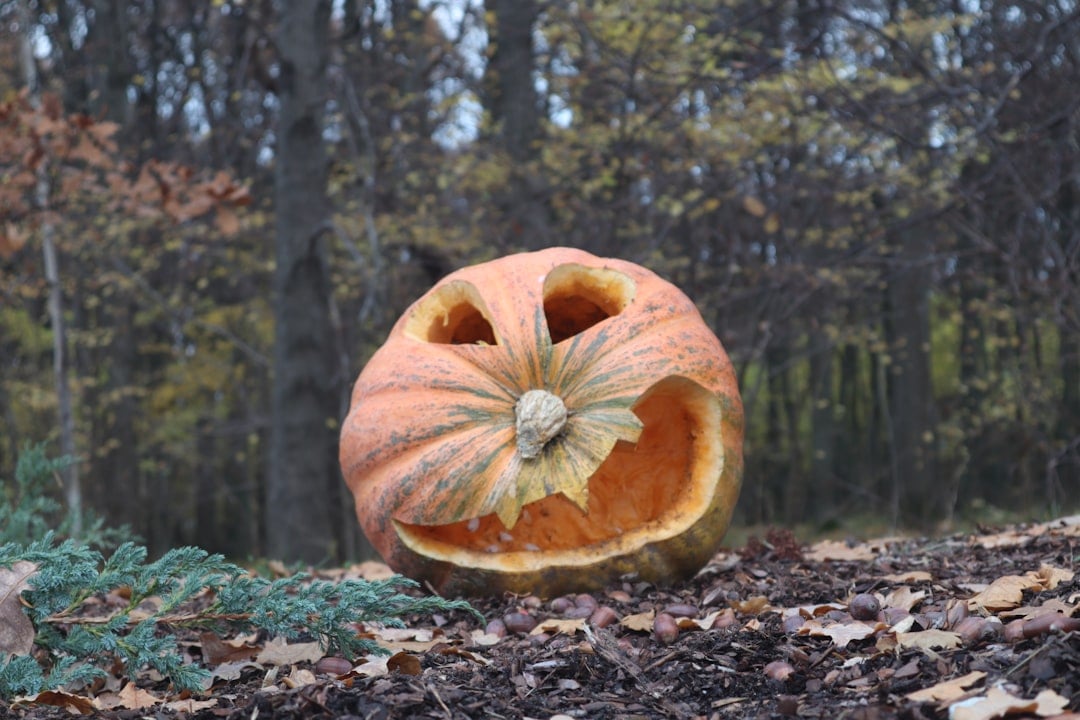
This method might sound strange, but it’s surprisingly effective. You can also cover your gourd in a thick layer of petroleum jelly which will create a sticky surface that will deter squirrels. That will also prevent the carved edges of a jack-o’-lantern from rotting faster, FYI.
The slippery coating makes it nearly impossible for squirrels to get a good grip on your pumpkins. Some people use hairspray instead, but that needs to be reapplied frequently, while the petroleum jelly can last the season. Plus, you get the added bonus of extending your pumpkin’s lifespan.
Vinegar: The Multipurpose Repellent
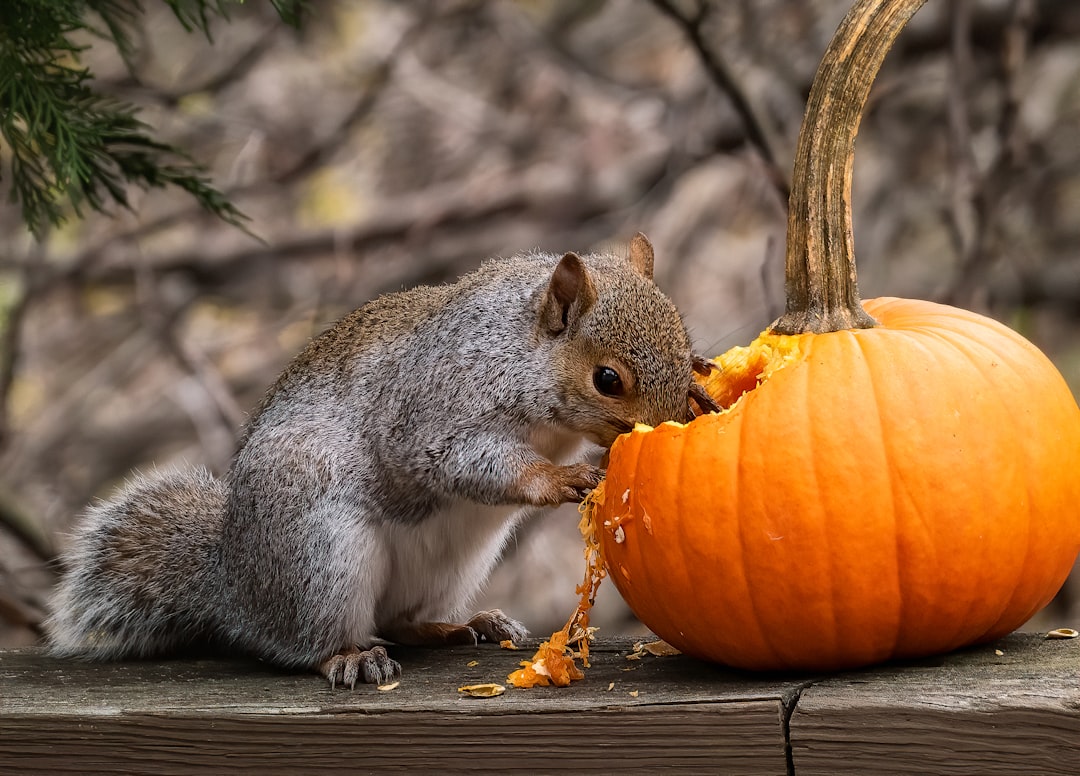
White vinegar proves to be surprisingly versatile in pumpkin protection. Vinegar can do double duty, as it also deters ants and insects. Its potent smell can be too much for squirrels and their sensitive noses.
Recent testing shows impressive results: What’s extra impressive is that I stopped spraying the pumpkin after day 7, to see if the vinegar would fade or if the squirrels would return. Despite the lack of reapplications, it was largely untouched. The key is applying it around your pumpkin rather than directly on the surface to avoid damage.
Creating Alternative Food Sources
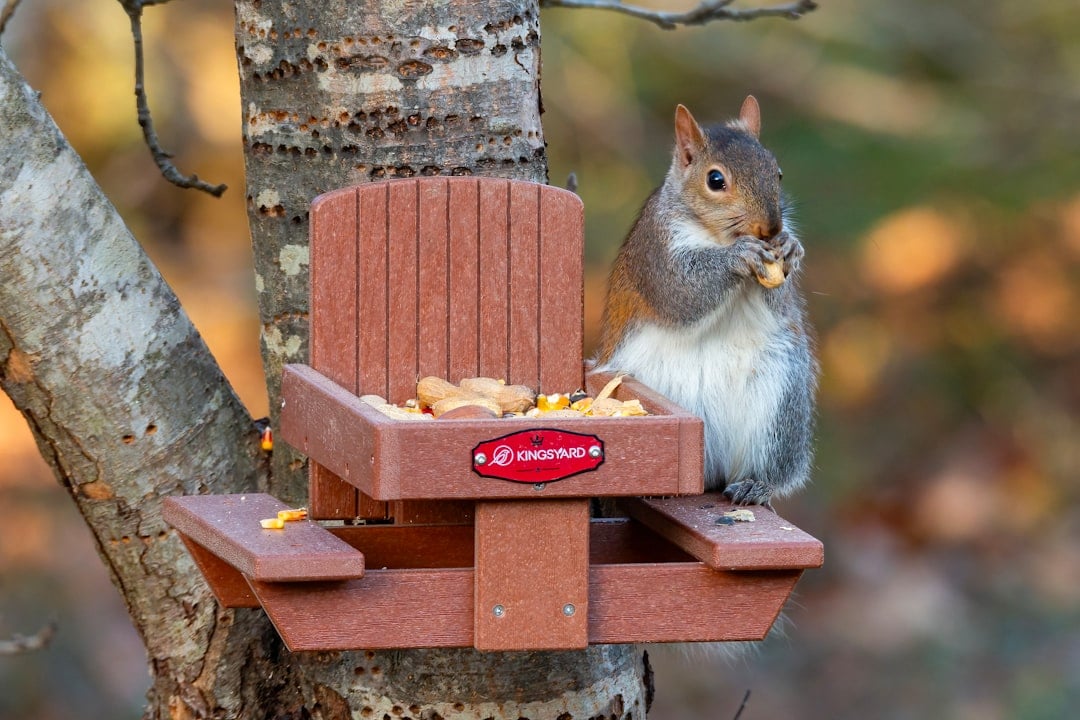
Here’s a surprisingly effective strategy that appeals to your generous side. To keep squirrels otherwise occupied and away from your pumpkins, give them something else to eat. You can buy a squirrel feeder like a mini picnic bench and fill it with nuts and seeds. Some options to consider that you might have in your pantry already are sunflower seeds and walnuts.
If you give them tastier fare – say, peanuts, sunflower seeds, stale bread, crackers – they’ll have their fill without spilling pumpkin guts all over the yard. Just remember to place the feeding station away from your house and stop feeding once Halloween passes.
Scare Tactics That Actually Work
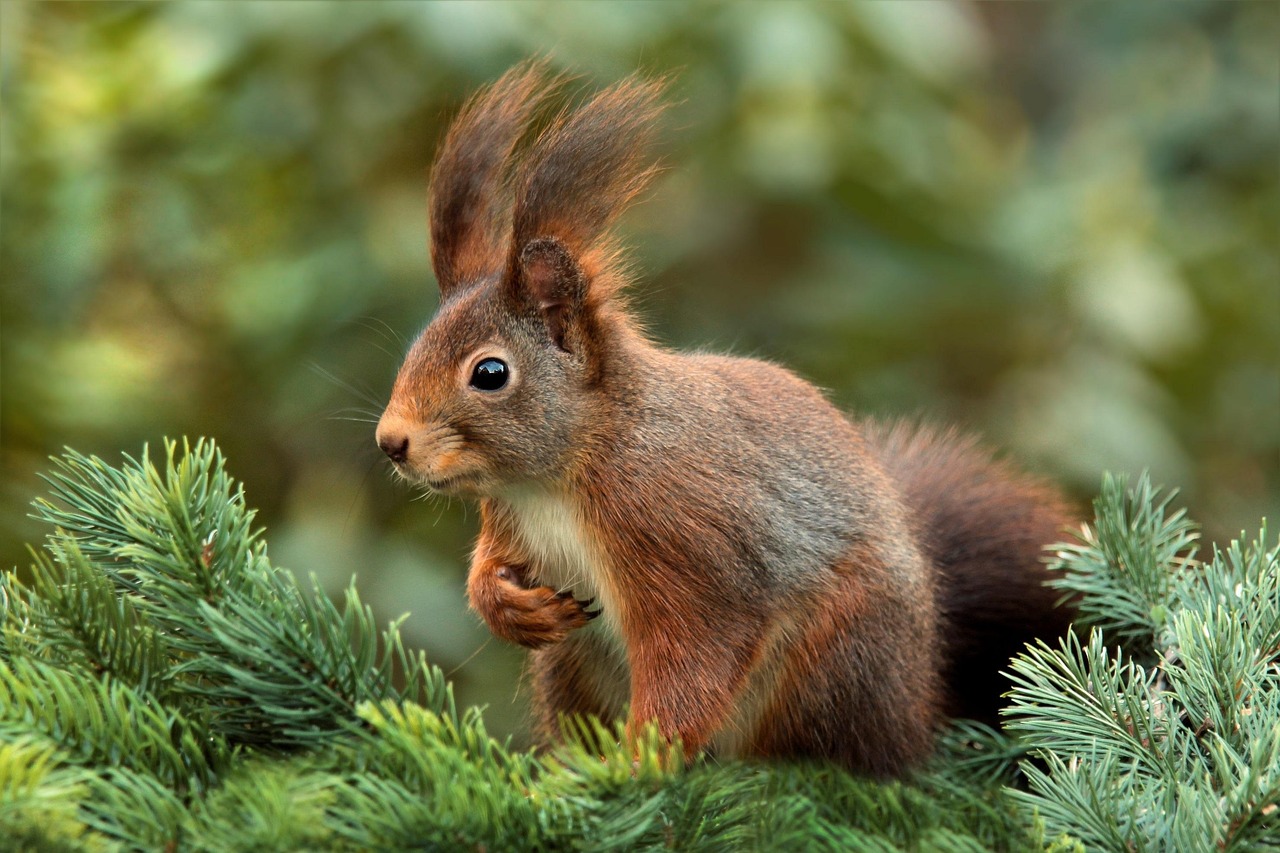
Motion-activated devices can be game-changers in your anti-squirrel campaign. The most effective kinds are motion-sensored decoys that continually trick them. Squirrels can be quite smart, so if the decoys don’t move, they’ll get used to them and won’t be scared.
Motion-activated devices like this sprinkler from Amazon can startle squirrels. Put it on a timer or turn it on when you see them nearby. For a more Halloween-appropriate approach, consider motion-controlled decorations that jump and scream. They’ll protect your pumpkins while adding to your spooky display.
The Predator Hair Method
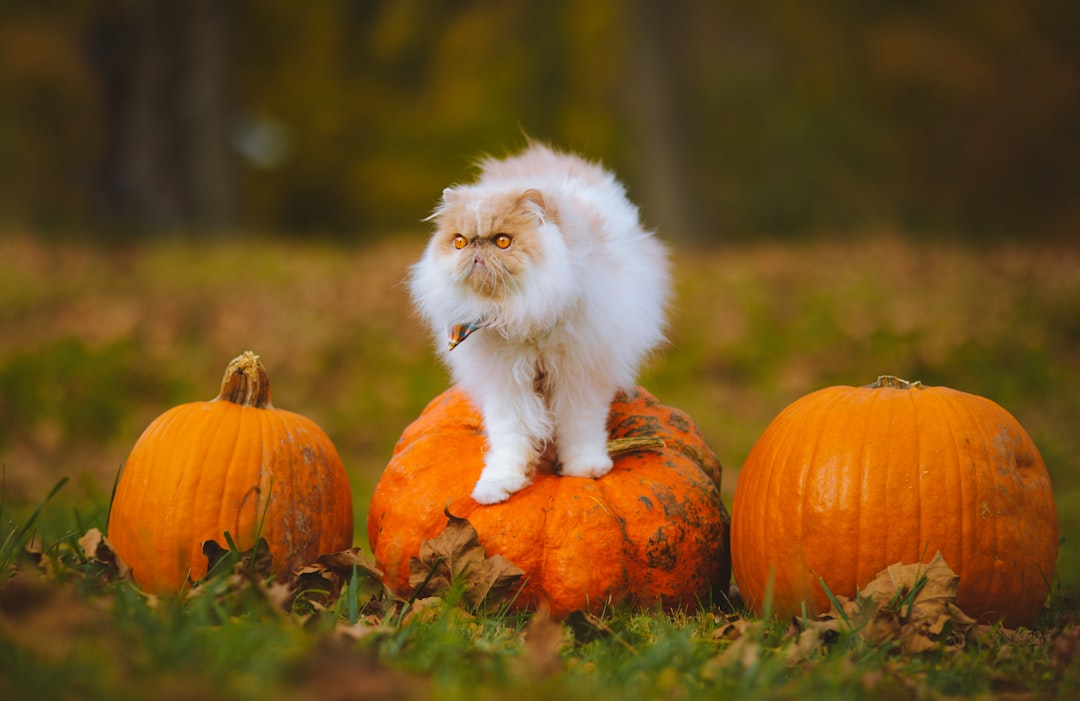
This technique taps into squirrels’ natural fear responses. Cats and dogs are natural predators of squirrels, so you can put their fur or something covered in their fur around the base of your pumpkin to try and keep pests away.
“Sprinkle pet hair around pumpkins,” says Factor, “because it functions as a natural warning sign.” Squirrels will be alarmed, worried that there may be a potential enemy nearby. Placing your pumpkins on a blanket your cat or dog has slept and snuggled on might also trick the squirrels. Though honestly, recent field testing suggests this method has mixed results.
Physical Barriers and Wire Cages
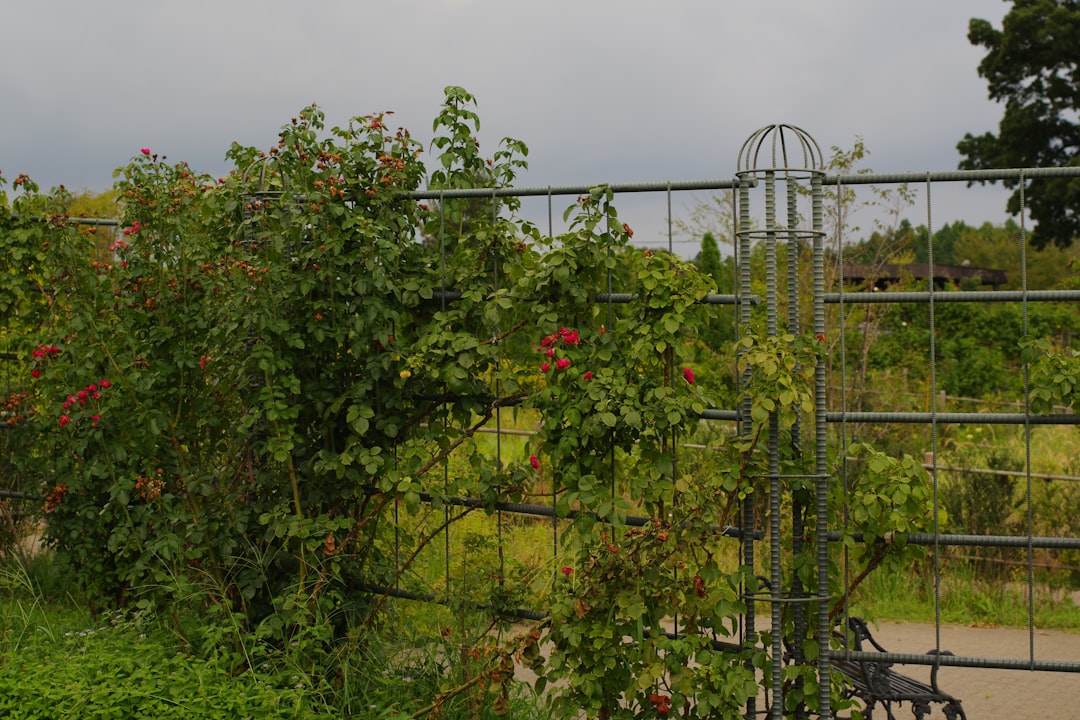
When all else fails, sometimes you need to build a fortress. “If the pumpkins are in a small garden and there are only a handful, they could build cages out of a woven wire mesh and secure it over the pumpkins”, suggests horticulture expert David Hillock.
This cool new Chicken Wire Super Dome is an extra-large plant protection cage made from galvanized chicken wire that’s designed to keep hungry squirrels, birds, deer, rabbits, pets, neighbors, and other annoying pests from getting into the taller plants in your vegetable garden, garden bed, or container garden. While it might not be the most aesthetically pleasing solution, it’s virtually foolproof.
What NOT to Do
Before we wrap up, let’s talk about methods that simply don’t work. Hillock said things like human or pet hair, soap and other household products are not likely to be effective in keeping squirrels away. Despite popular internet advice, these old wives’ tales rarely deliver results.
Also, never resort to harmful chemicals or methods that could hurt the squirrels or contaminate your yard. The goal is deterrence, not elimination. These clever little creatures are just trying to fatten up for winter, even if their timing couldn’t be worse for your Halloween plans.
Conclusion
Protecting from squirrels doesn’t have to be an impossible mission. Whether you choose the spicy spray method, strategic placement, or physical barriers, consistency is key. Remember to reapply treatments after rain and don’t give up if the first method doesn’t work perfectly.
The most successful approach often combines multiple strategies. Try elevated placement with a vinegar spray, or pair motion-activated devices with alternative food sources. Your perfect pumpkin display is achievable with a little creativity and persistence. What method do you think you’ll try first? Tell us in the comments.
