
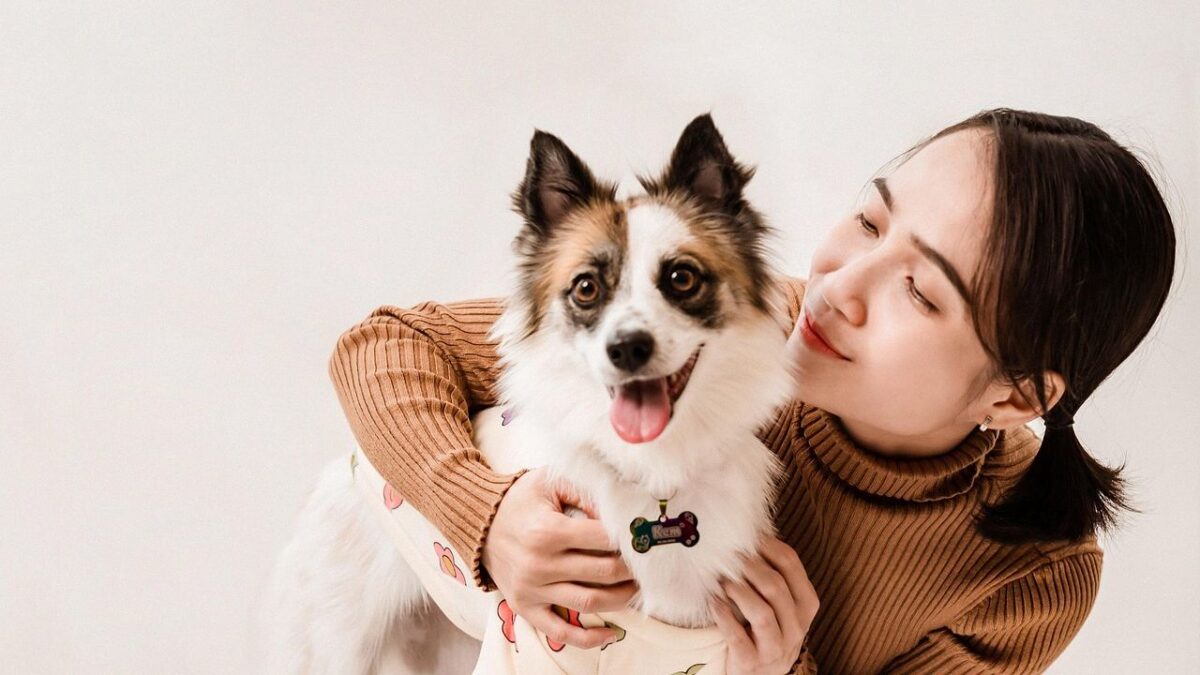
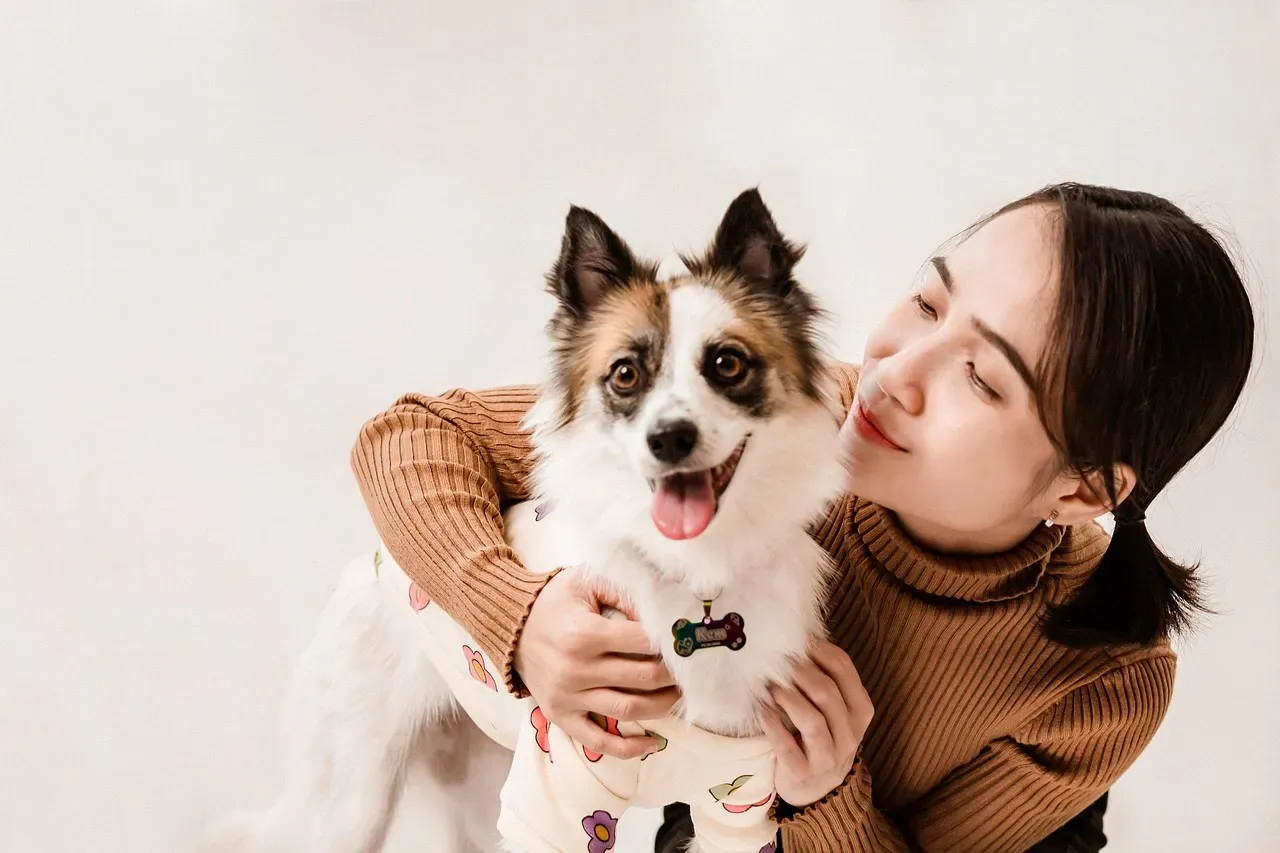
You wrap your arms around your dog, squeezing tight with all the love in the world. Your face presses against their fur, and you feel that incredible warmth of connection. It’s pure affection, right? Well, here’s the thing: your dog might not see it that way at all. In fact, they could be experiencing something totally different from the loving moment you think you’re sharing.
Recent research has uncovered something pretty unsettling about one of our most common ways of showing affection to our furry friends. One study of 250 photographs of people hugging their dogs found that 82% showed at least one sign of stress. That’s a staggering number when you think about it. What we perceive as a gesture of love might actually be causing our dogs significant discomfort, yet most of us remain completely oblivious to their silent signals. Let’s dive into why your beloved pooch might secretly dread your embraces.
The Science Behind the Stress Signals
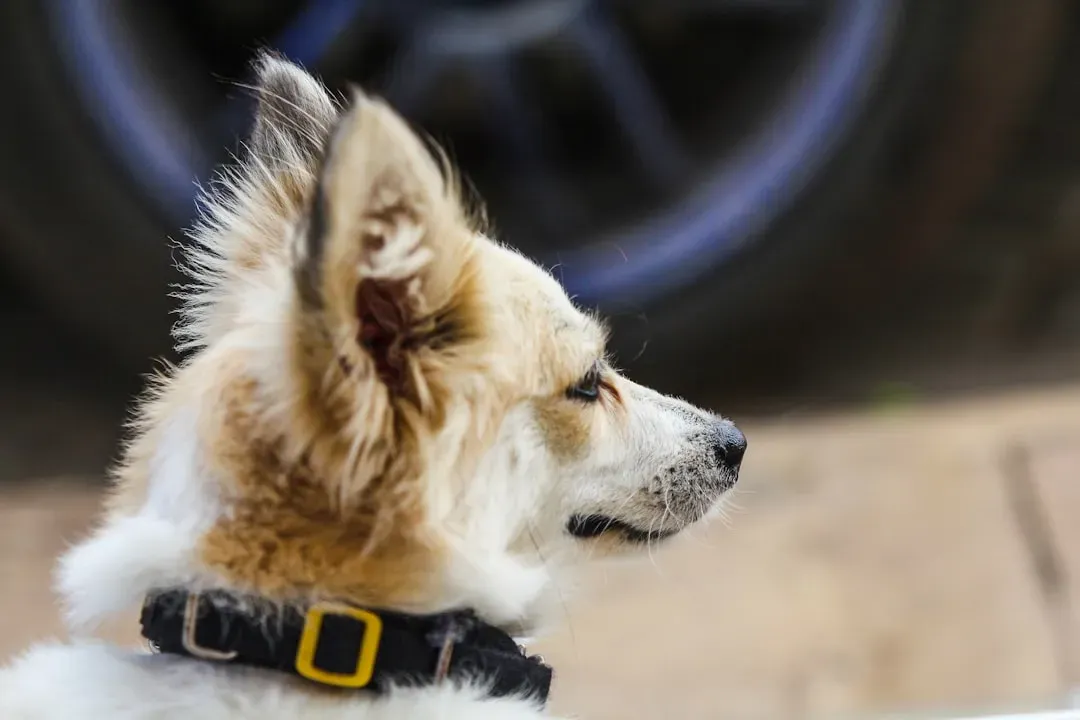
In all, 81.6 percent of the photographs showed dogs giving off at least one sign of discomfort, stress, or anxiety. This research, which analyzed hundreds of images of people hugging their dogs, revealed something most pet owners never noticed. The dogs weren’t smiling back. Only 7.6 percent of the photographs were rated as showing dogs that were comfortable with being hugged.
Think about that for a second. Nearly every photo posted by loving owners who wanted to showcase their bond actually captured their pets in distress. When we hug our dogs we aren’t making them happy; we simply aren’t noticing the signs and signals which indicate that our affectionate hugs are causing them stress and anxiety. It’s not that we’re cruel or uncaring. We’re just speaking an entirely different language.
The researchers didn’t stop at still photos either. A study of videos found that two-thirds of dogs who were hugged responded by trying to nip or bite. That’s a sobering statistic. Even more concerning is the fact that these reactions happen while owners smile and laugh, completely unaware of the distress they’re causing.
Why Dogs Find Hugs So Uncomfortable
Dogs are technically cursorial animals, which means that they are designed for swift running. That implies that in times of stress or threat the first line of defense that a dog uses is not his teeth, but rather his ability to run away. So when you wrap your arms around your dog, you’re essentially taking away their primary survival mechanism.
Imagine being in a situation where you feel uncomfortable but someone physically prevents you from leaving. That’s essentially what a hug feels like to many dogs. Behaviorists believe that depriving a dog of that course of action by immobilizing him with a hug can increase his stress level and, if the dog’s anxiety becomes significantly intense, he may even be driven to bite.
If you watch dogs interact, you’ll notice they don’t embrace each other. They might pin each other to the ground, but it’s in only one of two contexts: play fighting or real fighting. So, when you hug a dog, they don’t understand what you’re trying to say. From their perspective, being restrained by someone looming over them might feel threatening rather than affectionate. It’s just not part of their natural communication toolkit.
The Subtle Signs Your Dog Is Stressed
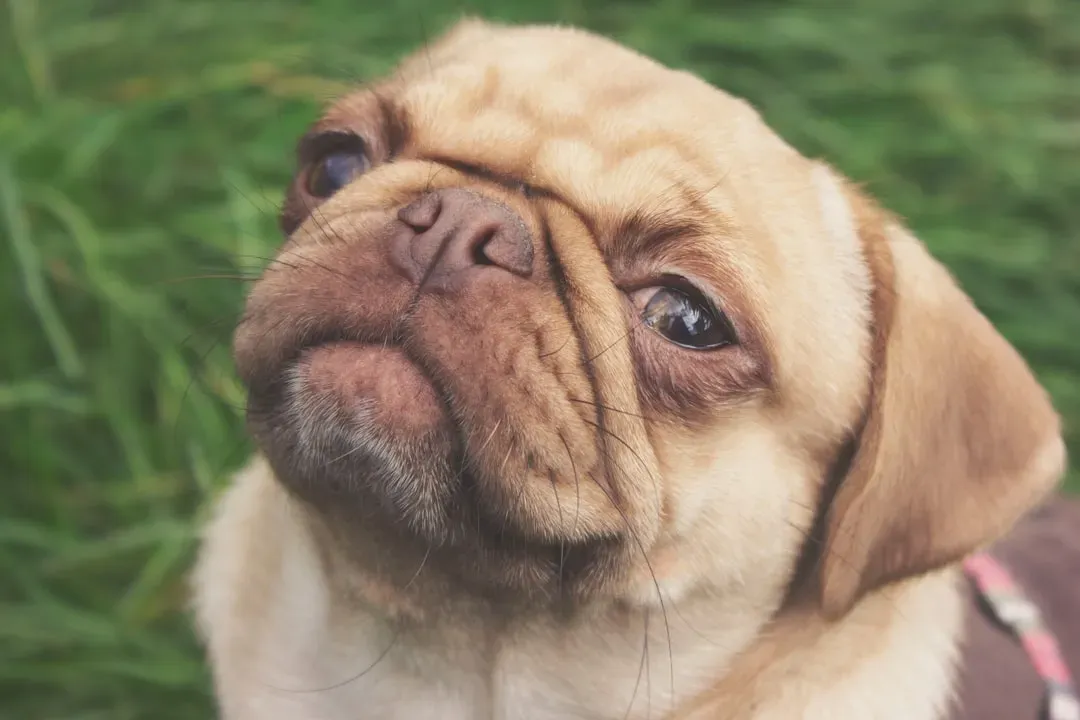
The most common sign of anxiety is when the dog turns his head away from whatever is bothering or worrying him, sometimes also closing his eyes, at least partially. Alternatively, dogs will often show what is commonly called a “half-moon eye” or “whale eye” which is where you can see the white portion of the eyes at the corner or the rim. These are the signals most of us completely miss.
Other indicators are equally subtle. One common visible sign of stress or anxiety is when the dog’s ears are lowered or slicked against the side of his head. Lip licking or licking a person’s face can also be signs of anxiety, as can yawning or raising one paw. Many people actually find these behaviors adorable, mistaking stress signals for affection.
They found that 68 percent of the dogs avoided eye contact and turned their heads, 44 percent licked their lips or nose, 60 percent flattened their eyes, 81 percent blinked, and 43 percent panted. When you see your dog yawning during a hug, they’re not relaxed and sleepy. They’re signaling discomfort. Some of the body language that humans find cute in dogs, such as yawning and lip-smacking, are actually calming signals.
The Risk Factor You Need to Know About
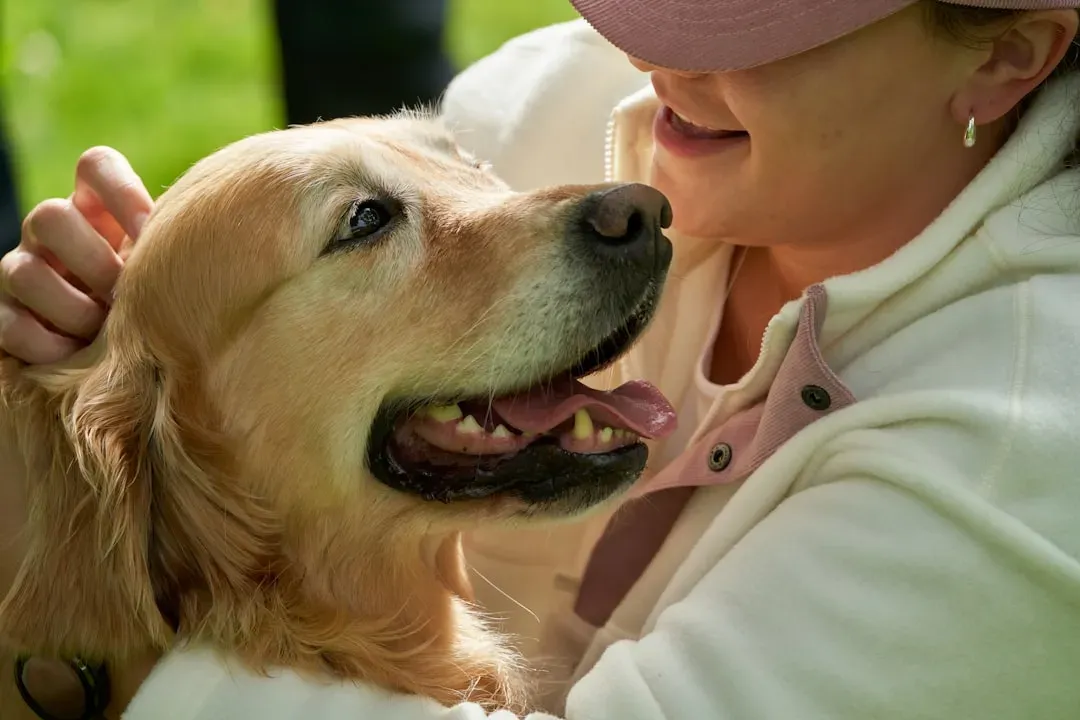
If the dog’s stress level from a hug is high enough, the dog can bite. And the hugger’s face is right next to the dog’s face and therefore their teeth. That puts whoever is hugging the dog at risk of serious injury. This is particularly concerning when children are involved.
Although children and their pets can have strong bonds, the researchers highlighted that children are the most at-risk of being bitten because of their unpredictable, loud and uninhibited behavior. Kids naturally want to squeeze and cuddle animals, making them especially vulnerable to misunderstanding a dog’s stress signals.
He says data about dog bites and children show “facial bites most often occur right after the kid had been hugging the dog.” These injuries can be severe precisely because during a hug, the child’s face is at the perfect height for a stressed dog to snap. Even a normally gentle dog can react defensively when they feel trapped and anxious.
Your Dog Might Just Be Tolerating You
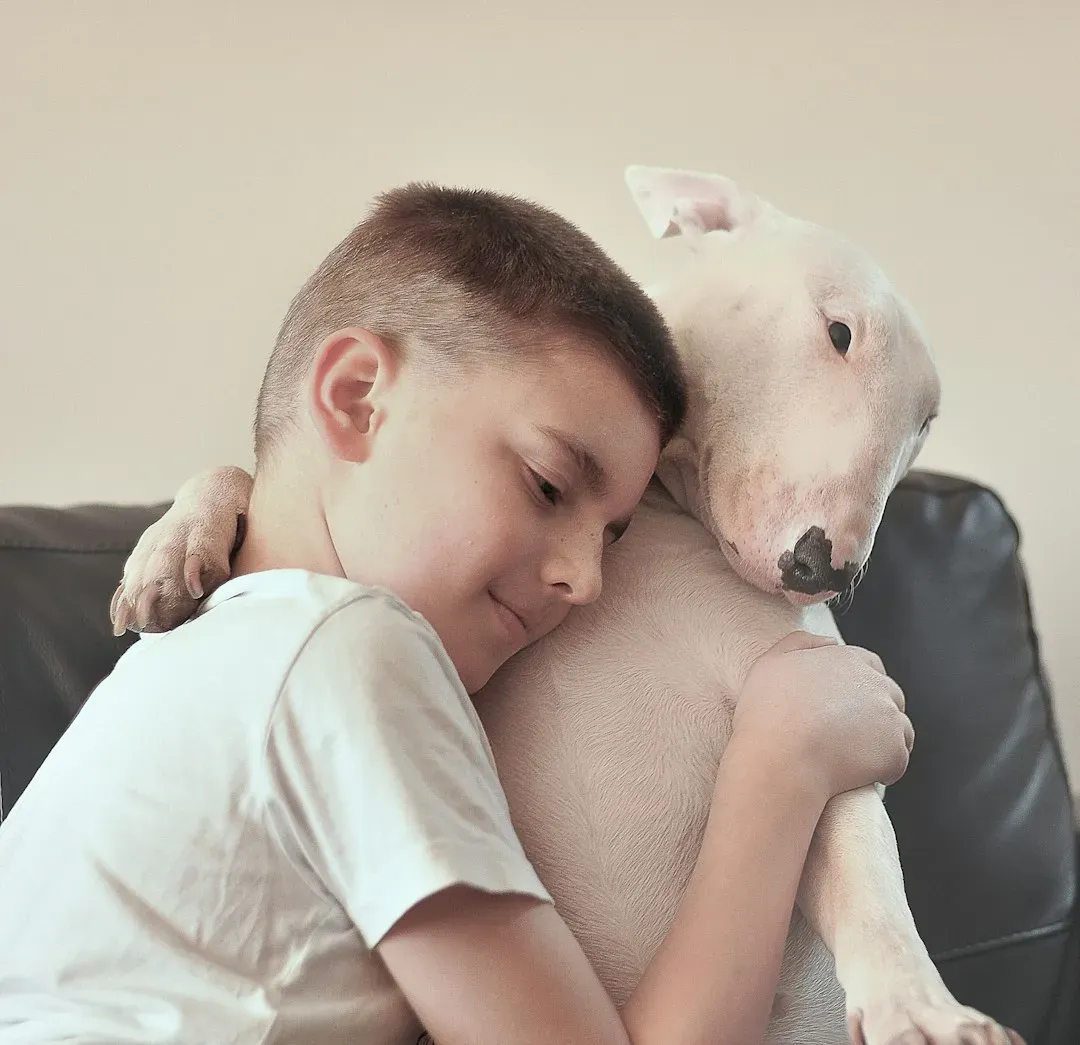
You might believe your dog adores your hugs. After all, you do it all the time and your dog doesn’t complain. But it’s far more likely your dog is simply tolerating your behavior. Let that sink in for a moment. Your dog might be enduring something uncomfortable just to please you.
Your instinct might be to argue that your dog isn’t stressed out by hugs. It’s possible they’re not – all pups are different, and as both studies found, not all dogs appear uncomfortable when hugged. But it’s also true that humans aren’t super great at recognizing signs of puppy stress. We project our own feelings onto our pets, assuming they experience affection the same way we do.
The reality is more complex. Some dogs may learn to tolerate hugs over time, especially from their trusted family members. Yet tolerance isn’t the same as enjoyment. It’s far more likely your dog is simply tolerating your behavior. Although the odd dog doesn’t seem to mind, most dogs display stress signals when hugged, and their owners are oblivious.
Better Ways to Show Your Dog Love
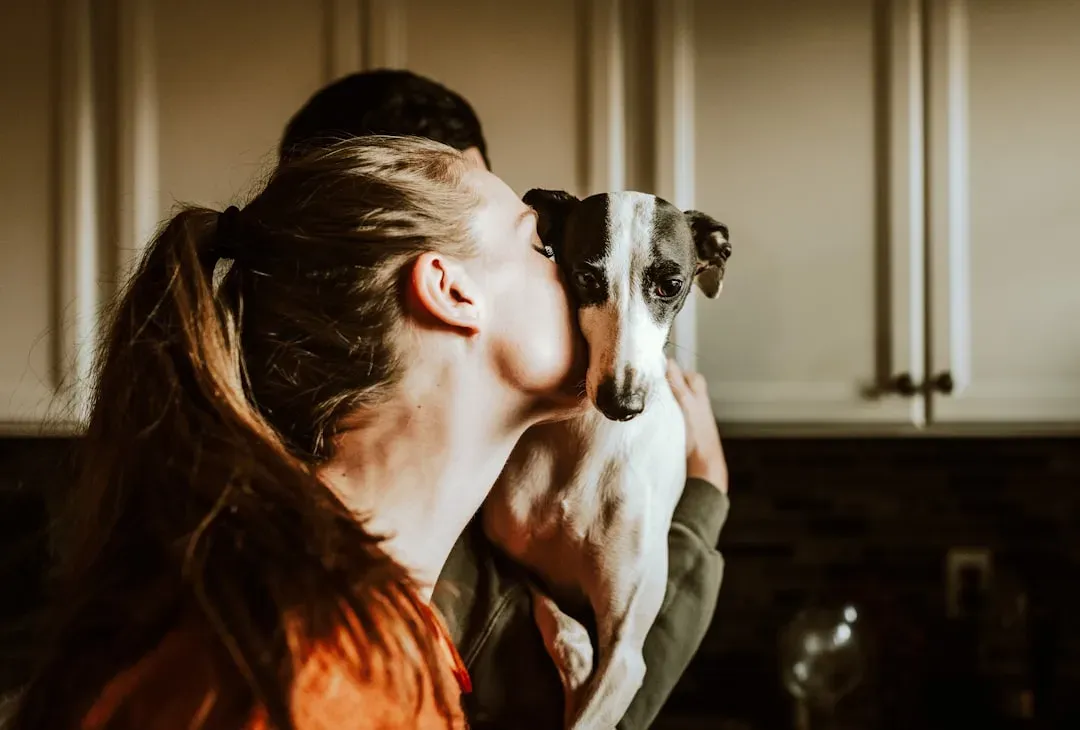
So what should you do instead? There are plenty of ways to express affection that actually make sense to your dog. The touches the dogs liked included having their chests and shoulders petted and getting a nice scratch at the end of the spine just in front of the tail. These areas feel good to dogs and don’t trigger the same stress response as being restrained.
You can also play games with your dog, like fetch, tug-of-war, or hide-and-seek. And if you use positive reinforcement training, time spent learning a new behavior is fun and mentally stimulating for your dog. Quality time doesn’t require physical restraint. Your dog would probably much rather chase a ball or work on learning a new trick than be squeezed.
Pet [your dog] for a bit,” she suggests, “and then stop and wait and see what they do. And if they walk off or they go away, then you say, ‘okay, that’s fine, they didn’t want be petted.’ But if they liked what you were doing, they will make it obvious that they want more of it; maybe they will lean into you, or they will paw at you for more.” This “consent test” respects your dog’s boundaries and helps you understand what they actually enjoy. It’s about listening to what your dog is telling you, not just imposing your own preferences on them.
Conclusion
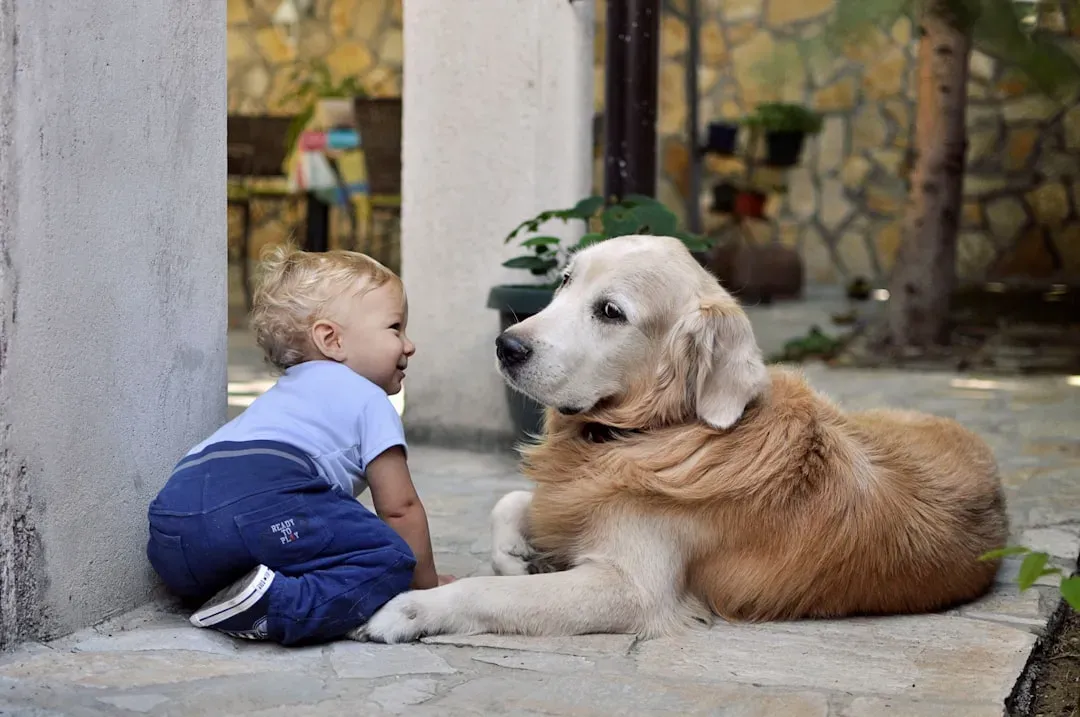
The evidence is pretty clear. While we humans find hugs comforting and loving, the vast majority of dogs experience them as stressful and confining. It doesn’t mean you love your dog any less if you stop hugging them. In fact, it means you’re paying attention to their needs and respecting how they actually communicate. Learning to read your dog’s body language and finding alternative ways to show affection can strengthen your bond in ways that work for both of you.
So next time you feel that urge to wrap your arms around your furry friend, maybe offer them a chest scratch instead. What do you think about it? Does your dog show any of these stress signals when you hug them? Tell us in the comments.

- 6 Exotic Bird Species You Can Spot in U.S. National Parks - July 19, 2026
- 11 Iconic American Birds Facing New Challenges and How You Can Help - July 19, 2026
- 10 Friendliest Animals in the World - July 19, 2026