

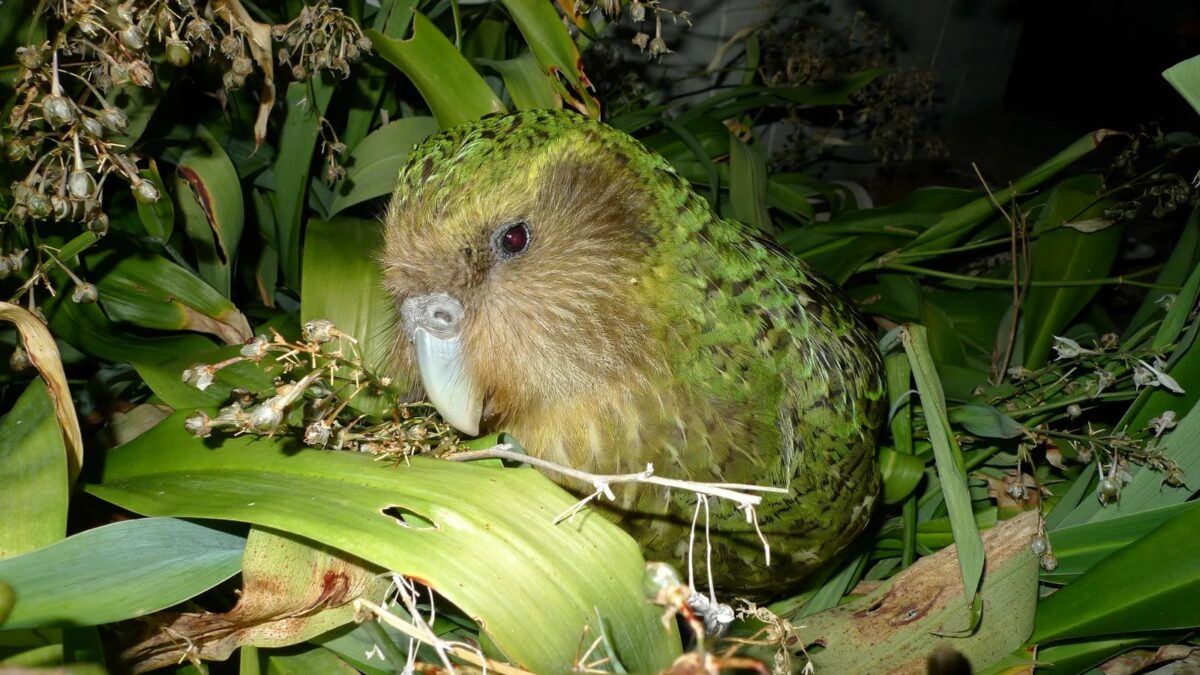
There’s something almost magical about a bird that only comes out at night, can’t fly, and has somehow survived on Earth for millions of years. The kākāpō is that bird. Ancient, peculiar, and desperately endangered, this rotund green parrot is unlike anything else on the planet – and right now, something extraordinary is happening in New Zealand.
For the first time in four years, kākāpō are breeding again. It’s a moment conservationists have been waiting for, watching for, and honestly, hoping for with everything they’ve got. What triggered this rare event? What does it mean for the species? Let’s dive in.
Meet the Kākāpō: The World’s Most Unusual Parrot
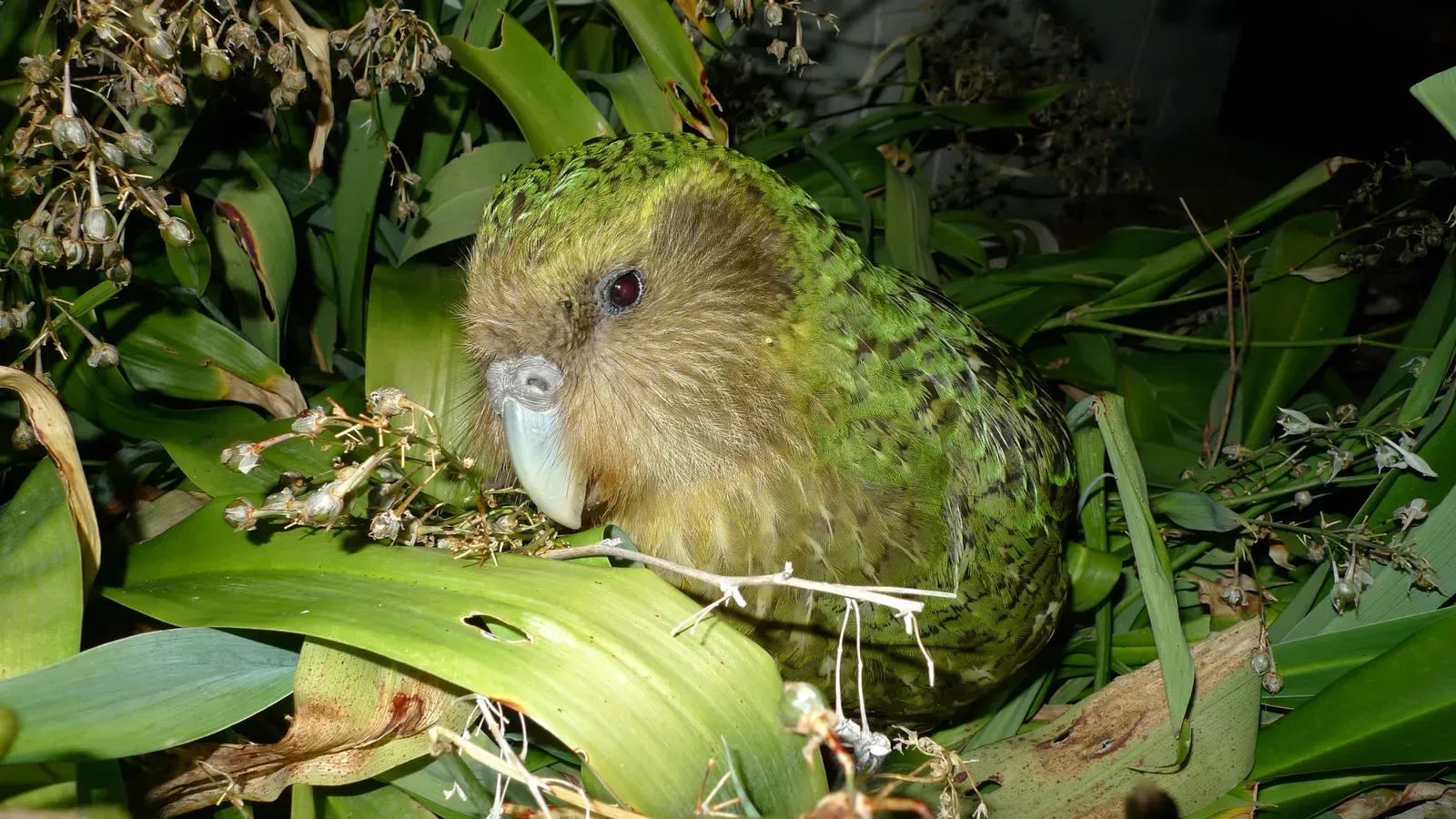
Let’s be real – if you designed a parrot from scratch and decided to break every rule, you’d probably end up with something like the kākāpō. It’s nocturnal. It’s flightless. It’s the heaviest parrot in the world, sometimes tipping the scales at nearly nine pounds. Oh, and it smells like flowers and honey, which is just wonderfully strange.
Native to New Zealand, this species has been around for an extraordinarily long time, evolving in an environment that had no land mammals for millions of years. That meant it had no real reason to fly or hide from predators. When humans and invasive animals arrived, the kākāpō was devastatingly unprepared.
Today, the entire global population of kākāpō consists of just over 200 individuals. Every single one of them has a name, a tracker, and a dedicated team of people watching over them. That’s how close to extinction this species actually is.
Why Kākāpō Only Breed During Certain Years
Here’s the thing about kākāpō reproduction – it doesn’t happen on a schedule you can predict with a calendar. These birds are what scientists call “mast-event breeders,” meaning they only breed when specific trees produce an unusually large crop of fruit and seeds. It’s a feast-triggered phenomenon.
In New Zealand, the rimu tree plays the starring role in this process. When rimu trees produce an exceptional abundance of fruit, kākāpō sense the nutritional windfall and begin their elaborate breeding rituals. The males gather at traditional calling sites known as “leks” and boom loudly through the night, sometimes for months, to attract females.
The last breeding season before this one occurred in 2021 to 2022. Four years of silence, so to speak. So when rimu trees in the birds’ island sanctuaries began showing signs of a major fruiting event in early 2025, rangers and scientists knew something exciting was coming.
The 2025 Breeding Season: What’s Actually Happening
By early 2025, confirmed signs of active breeding began emerging from Codfish Island, also known as Whenua Hou, one of the two main predator-free sanctuaries where kākāpō live. Males were booming. Females were visiting leks. Nests were being found. The whole remarkable chain of events was set in motion.
Ranger teams on the island reported finding eggs in nests, which is an enormous deal when you’re talking about a species this rare. Each egg represents a real, tangible possibility of pushing that global population number upward. Given how few of these birds exist, even a handful of new chicks is genuinely significant.
The New Zealand Department of Conservation, which runs the Kākāpō Recovery Programme, was actively monitoring every nest and every bird in real time. It’s an operation that involves nest cameras, supplementary feeding stations, and round-the-clock human presence on the island. The level of care here is honestly astonishing.
The Role of Predator-Free Islands in Saving the Species
Without New Zealand’s island sanctuaries, this story wouldn’t exist. Kākāpō were once found across the entire country but were driven to near extinction by introduced predators like stoats, rats, and cats. By the 1990s, the population had crashed to fewer than 50 birds. It was a catastrophe.
The recovery effort that followed involved relocating every remaining kākāpō to specially managed, predator-free islands – primarily Codfish Island and Anchor Island in Fiordland. These islands were meticulously cleared of invasive species and are now strictly controlled environments. Getting to either island requires permission, and human visitors are kept to an absolute minimum.
It’s worth appreciating just how radical and labor-intensive this conservation model is. Think of it as building a fortress for a species, brick by brick, year after year. Without that fortress, the 2025 breeding season simply couldn’t happen.
Supplementary Feeding and Human Intervention
One of the more fascinating – and slightly controversial – aspects of kākāpō conservation is the use of supplementary feeding. Because breeding is triggered by food abundance, conservation managers actively provide extra high-calorie food to females during mast years to boost their body condition and reproductive success.
This isn’t just tossing seeds out casually. Feeding stations are carefully calibrated, individually monitored, and adjusted based on each bird’s health metrics. Females who are in better nutritional shape tend to lay more eggs and raise chicks more successfully. The human fingerprint on this species’ survival is enormous, and honestly, that’s both inspiring and a little sobering.
It’s hard to say for sure where the line between “conservation” and “managed captivity” really sits with kākāpō at this point. But given the alternative – extinction – most scientists and wildlife managers seem comfortable with that level of intervention. And I think most people, when they understand the stakes, would agree.
The Genetic Puzzle: Every Bird Matters
With only around 200 birds alive globally, genetic diversity is one of the biggest long-term concerns for the species. A population this small risks inbreeding, which can lead to reduced fertility, weaker immune systems, and developmental problems over generations. It’s a slow-moving threat, but a serious one.
The Kākāpō Recovery Programme actively manages breeding pairings with genetics in mind. When possible, they encourage pairings between individuals who are less closely related. This is another layer of hands-on management that would seem extraordinary for wild animals but is entirely normal in the world of kākāpō conservation.
Each new chick born isn’t just a number added to the total count. It’s a potential carrier of rare genetic lineages, a new branch on a fragile family tree. That’s why researchers analyze the genetics of every egg, every hatchling, and every adult in the program.
What This Breeding Season Means for the Future of the Kākāpō
A successful breeding season doesn’t guarantee the kākāpō’s survival. Let’s be honest about that. Climate change, the unpredictability of mast events, disease risk, and the sheer logistical challenge of managing such a tiny global population mean the road ahead is still steep. But every chick matters. Every egg matters.
What the 2025 season represents is momentum. It’s proof that the model works, that the investment of time, money, and human dedication is producing real results. The population has more than quadrupled since the darkest days of the 1990s, and that trajectory is genuinely cause for optimism.
The kākāpō story is, above all else, a story about what’s possible when people decide a species is worth saving. Not in a passive, hopeful way, but in a boots-on-the-ground, camera-in-the-nest, round-the-clock kind of way. It’s messy, expensive, and uncertain. Still, here we are in 2026, and the kākāpō is still here too.
Conclusion: A Rare Reason to Feel Hopeful
Conservation news is often grim. Species lists shrink. Habitats disappear. Funding gets cut. So when a story like this one surfaces, it genuinely stands out. A bird that shouldn’t still exist, on islands it was relocated to by humans, eating food provided by rangers, is making babies. That is extraordinary.
The kākāpō’s survival is arguably one of the most hands-on, labor-intensive wildlife success stories in the world. It raises real questions about what “wild” even means anymore, and whether that distinction matters when the alternative is extinction.
Honestly, I find the whole thing deeply moving. There’s something profound about a species that has outlasted dinosaurs, weathered ice ages, and somehow made it to 2026 because a group of dedicated humans decided it deserved to. What would our natural world look like if we applied that same commitment more broadly? That’s a question worth sitting with.

- Urban Coyotes Show Remarkable Adaptability, Learning to Thrive in City Environments - July 22, 2026
- Beavers Are Nature’s Engineers, Creating Vital Habitats for Other Wildlife Species - July 21, 2026
- The Recovery of the California Condor Offers Hope for Other Critically Endangered Birds - July 21, 2026