

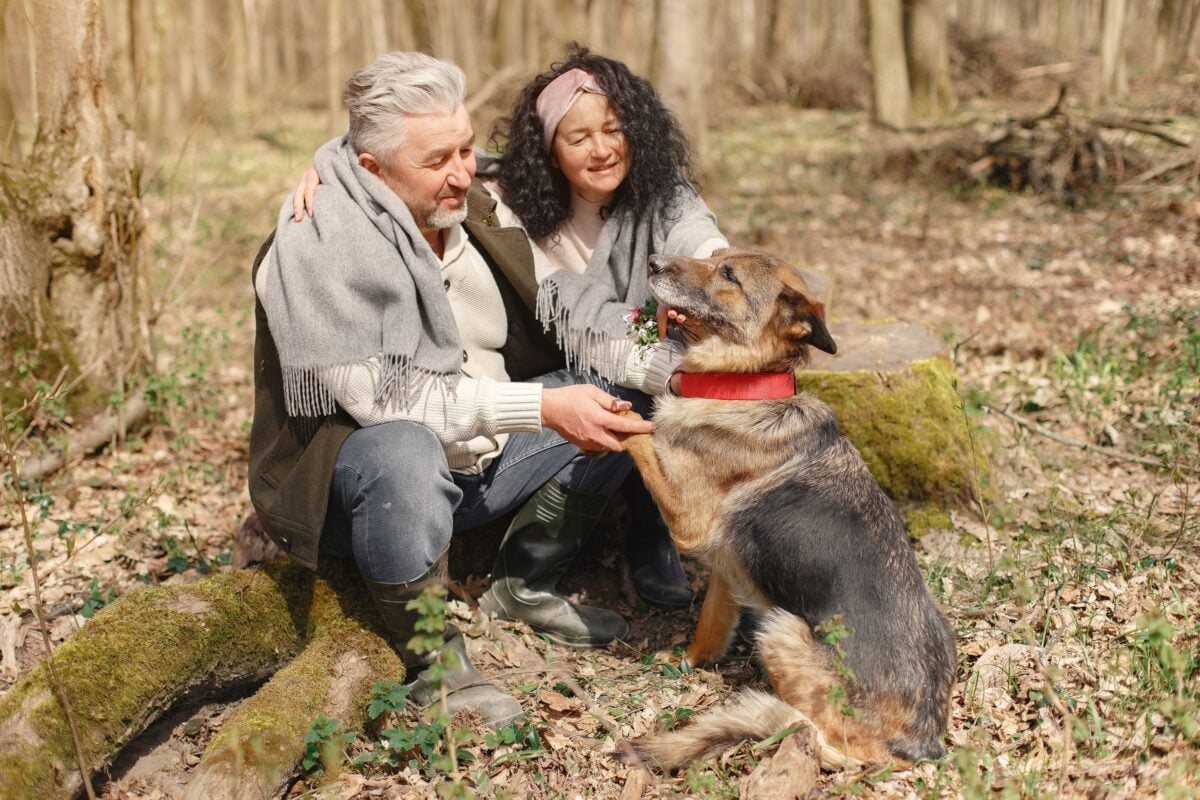
You picture autumn as sweater photos, crunchy leaves, and a slower pace for your gray-muzzled best friend. What you don’t picture is the quiet chain reaction happening inside their joints, lungs, and brain the moment the temperature drops and the light starts fading earlier.
Most owners never connect a sudden limp, a new burst of nighttime pacing, or an out-of-nowhere grumpiness to the season at all. They blame “old age” and move on. But vets and behaviorists see the same pattern every single fall, and once you know what to look for, you can’t unsee it. Here are the 16 changes that matter far more than most senior-dog owners realize.
#1 – Colder Mornings Can Turn Mild Arthritis Into Real Pain
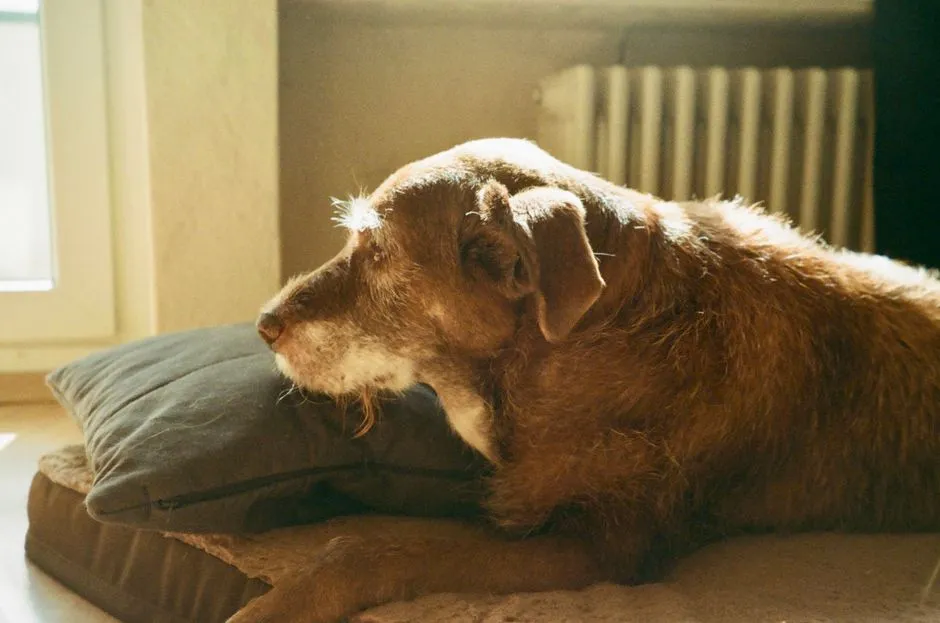
That crisp, frosty walk you love? For an older dog, it can feel like stepping outside with sandpaper packed into their joints. Cold thickens the fluid that cushions their bones, and arthritis pain genuinely spikes when temperature drops or humidity rises.
Most owners assume their senior is “just slowing down,” but that hesitation on the stairs or reluctance to jump in the car is often cold-triggered pain, not age doing its thing quietly in the background. If your dog seems stiff for the first 10 to 15 minutes of any morning, that’s a flag, not a quirk.
- Warm them up indoors with a few minutes of gentle pacing before heading out
- Add a warm, non-slip mat wherever they first stand up in the morning
Some vets quietly call autumn the “arthritic reveal” season, because it’s when so many mild, easy-to-ignore cases finally become impossible to miss.
#2 – Slippery Wet Leaves Are a Hidden Fall-Hazard for Senior Dogs
You see crunchy leaves. An older dog’s joints see a booby trap. Wet leaves create slick, uneven ground that’s brutal for dogs with weak hind ends, hip dysplasia, or an old cruciate injury nobody thinks about anymore.
One bad slip can undo months of careful joint management and set off brand-new back or knee pain overnight. If your dog already bunny-hops, knuckles their paws, or struggles on hardwood floors, a pile of damp leaves is exactly the kind of surprise that turns a good day bad fast.
You don’t need to bubble-wrap them, but you do need to adjust the routine. Shorten fetch on leaf-covered lawns, skip steep leaf-strewn hills, and stick to flatter, drier paths. Booties with grip or a harness with a sturdy handle can turn a scary patch into a non-event.
#3 – Earlier Sunsets Can Wreck a Senior Dog’s Routine and Mood
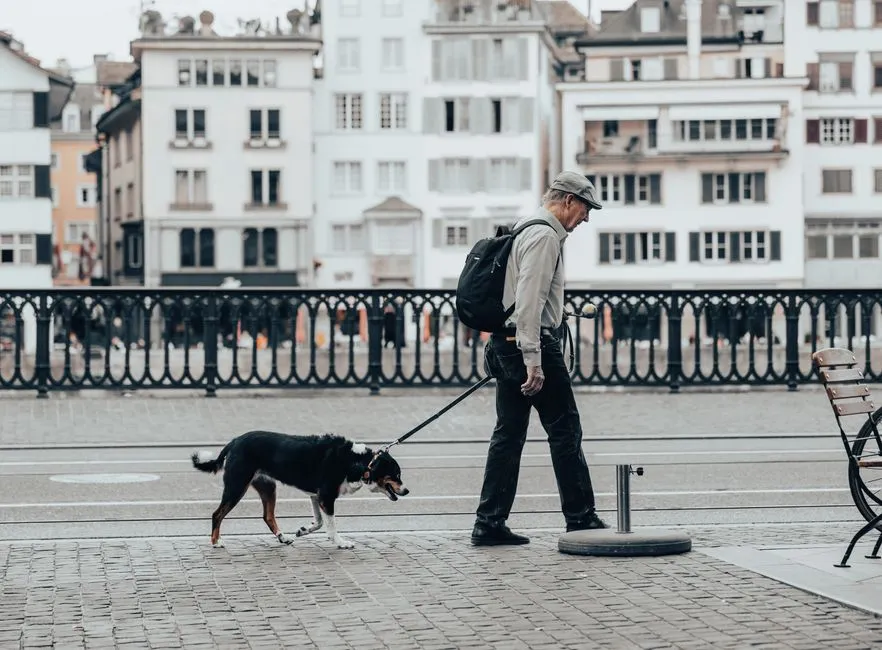
We grumble about “losing daylight.” Older dogs feel it on a much deeper level. As evenings darken earlier, their entire internal clock gets nudged sideways, walks move, dinner slides, bedtime shifts, and a senior brain doesn’t bend the way it used to.
Sudden changes in light and schedule can spike anxiety and wreck sleep. That restless pacing after dinner once the clocks change isn’t random, it’s confusion. This hits even harder for dogs already showing early cognitive decline, since they lean hard on predictable light and routine to feel safe.
- Keep mealtimes and walk windows as consistent as you possibly can
- Use warm indoor lighting and soft background noise once it gets dark early
A lot of owners reach for anxiety medication before they ever try fixing the routine first. Often, the routine is the actual problem.
#4 – Damp, Chilly Air Can Flare Up Hidden Heart and Lung Issues
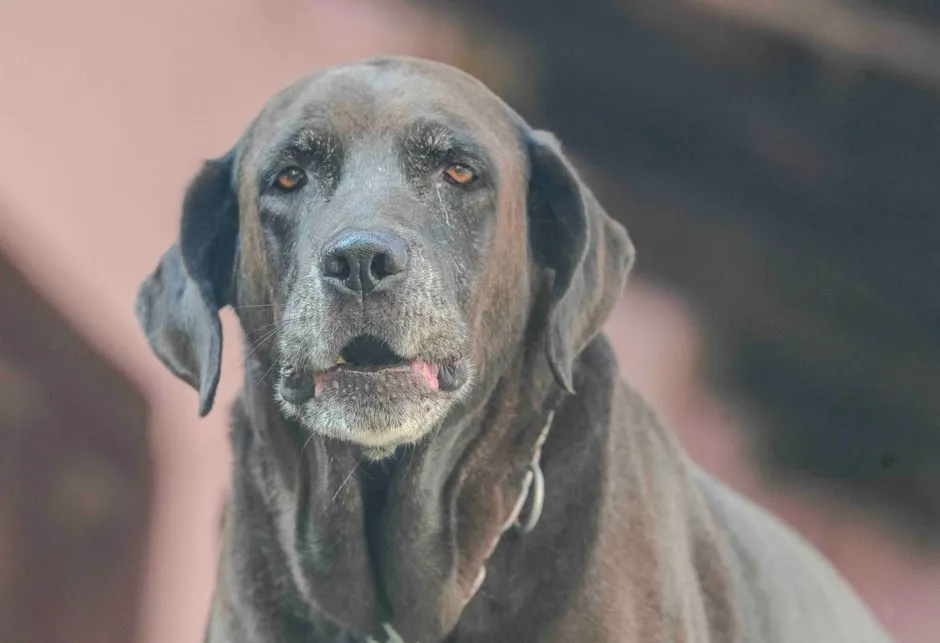
Autumn air feels clean and refreshing to us. For a senior dog with a heart murmur, chronic bronchitis, or a collapsing trachea, it can act like a stress test on organs already working overtime. Cooler, wetter air irritates airways and can unmask problems that were hiding just under the surface all summer.
That “funny little cough” after playtime in the yard might be the first visible sign of something deeper. Watch for coughing at night, faster breathing at rest, or getting tired much earlier on walks than they used to.
Fast Facts
- Cooler, damp air can aggravate chronic bronchitis and collapsing trachea in senior dogs
- A new nighttime cough is often the first visible sign of heart or lung strain
- A faster resting breathing rate is worth a same-week call to the vet
- An early-fall check-up can catch a heart murmur before it progresses
Owners often chalk this up to “he’s just tired because it’s cooler out.” Sometimes that’s true. Sometimes it’s a dog quietly struggling to breathe. A vet re-check in early fall for any dog with a known heart or lung issue isn’t overkill, it’s the smart move that buys comfortable years later.
#5 – Seasonal Allergies Don’t Fade in Fall, They Often Shift
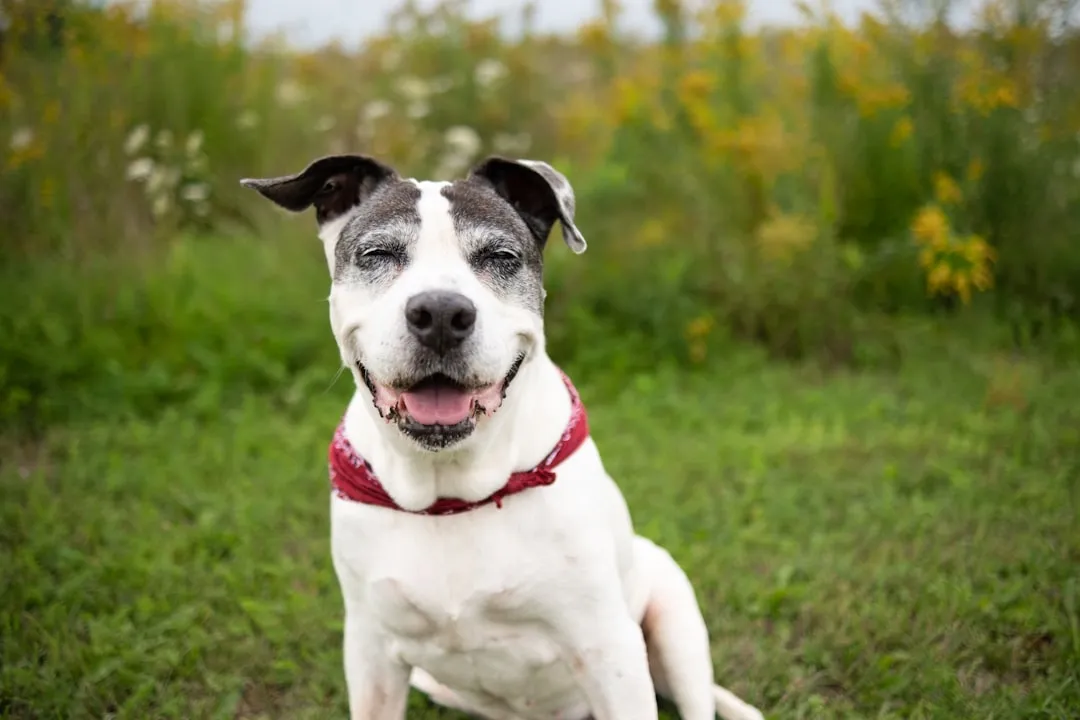
Most owners assume allergy season packs up with summer. It doesn’t. Mold spores from wet leaves, late-season weeds, and dust kicked up by indoor heating can all trigger fresh flare-ups, and older dogs with thin skin or chronic ear issues often have their worst itching of the entire year in autumn.
The scary part is that seniors are more prone to secondary infections, because their skin barrier is already weaker than it used to be. Watch for licking or chewing paws after walks, a reddish yeasty smell from the ears, or thinning hair on the belly and tail base.
Instead of endless baths or random food swaps, talk to your vet about targeted autumn management: wipes after walks, controlling indoor humidity, a specific anti-itch plan. People blame “age” for a rough coat and funky smell when it’s actually mismanaged allergies making a dog miserable for months.
#6 – Heaters and Fireplaces Can Quietly Dehydrate and Overheat Seniors
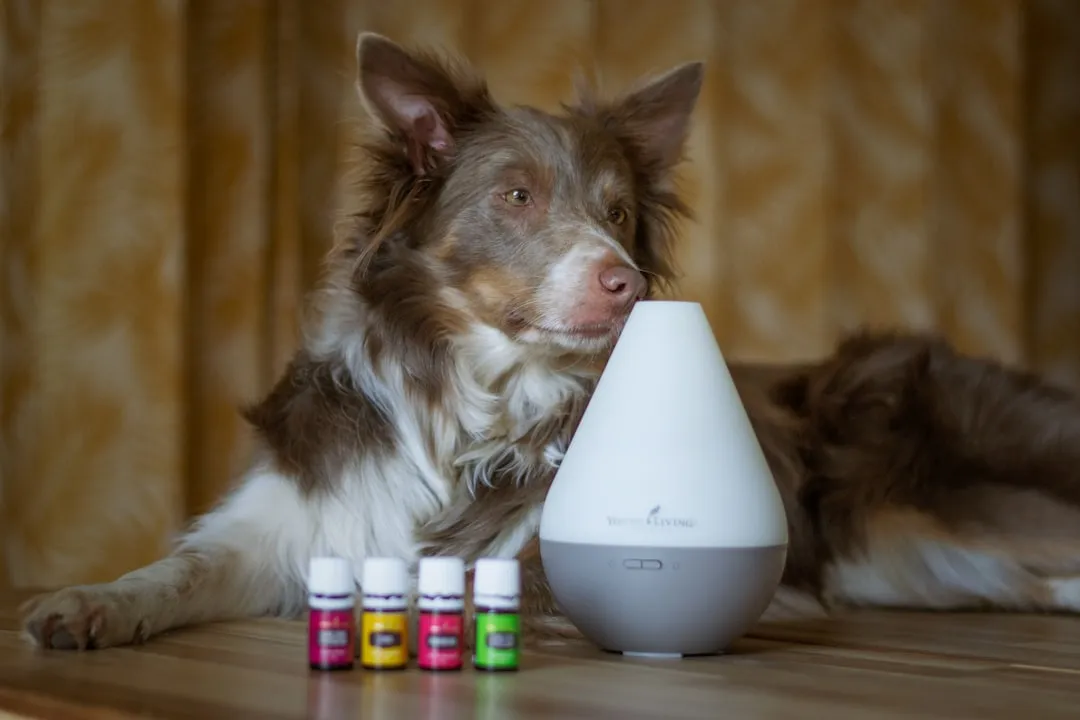
The heat clicks on and everyone in the house relaxes, except your older dog’s skin and organs. Indoor heating and fireplaces drop humidity fast, and dehydration and dry skin hit senior dogs harder, especially ones on diuretics, arthritis meds, or kidney-support diets.
Owners notice a dull coat or extra dandruff and chalk it up to “old dog skin,” completely missing the environmental cause sitting right there in the living room. You might see them drinking more water yet still seeming dry-nosed and flaky, or panting near the heat vent but refusing to leave that spot.
Set cozy beds a safe distance from direct heat, run a humidifier if your air turns desert-dry, and keep fresh water in at least two easy spots. People obsess over cute fall sweaters and completely ignore the invisible drying effect of the furnace, and that oversight is a real quality-of-life killer.
#7 – Changing Daylight Can Trigger Early Cognitive Decline
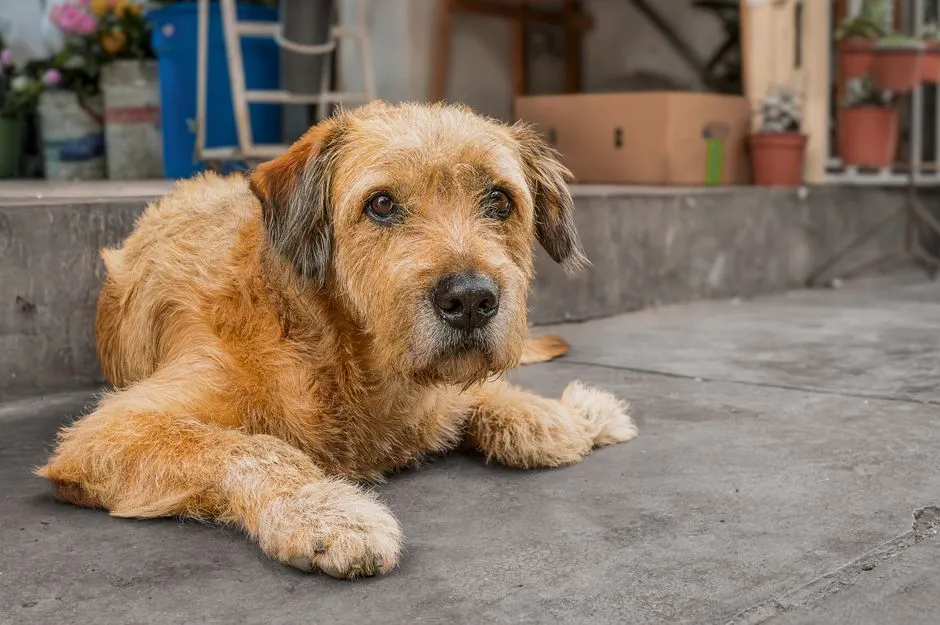
This is the one almost every owner misses. Autumn’s shorter days and longer stretches of darkness can unmask early canine cognitive dysfunction, the dog version of dementia. A dog who seemed merely “quirky” in July can suddenly start pacing, staring, or getting lost in their own home once evenings lengthen.
The brain relies on light cues to organize sleep and wake cycles, and an aging brain is already running on a thinner margin. Watch for nighttime restlessness or random barking, confusion about doors or corners, and forgetting routines they’ve known for years.
Worth Knowing
- Canine cognitive dysfunction is often described as the dog version of dementia
- Shorter days can unmask symptoms that stayed hidden all summer
- Nighttime pacing, wall-staring, and getting stuck in corners are classic early signs
- Consistent light and routine can meaningfully ease symptoms once they appear
Consistent bedtime rituals, gentle night lights in hallways, and low-key mental enrichment in the early evening can genuinely help. Some people write this off as “he’s just old and weird.” Others are finally realizing that fall behavior changes are often an early red flag waving right in front of them.
#8 – Cooler Weather Tempts Owners to Push Exercise Too Hard
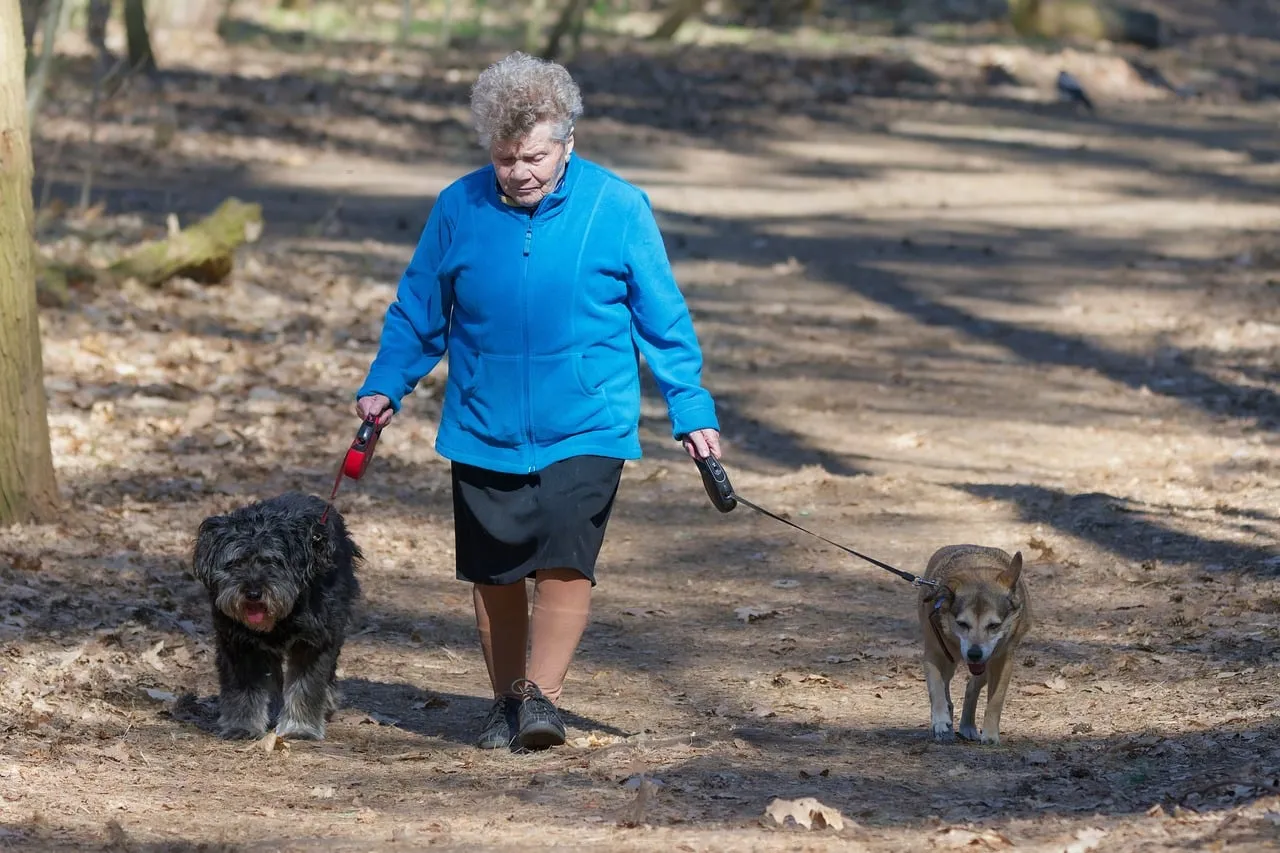
There’s a dangerous myth floating around: “he does better in the cold, so we can go longer.” Cooler air does make exercise feel easier, but older joints and hearts don’t magically reset just because the thermometer drops.
Ironically, many senior dogs overdo it in autumn precisely because they’re not held back by heat exhaustion anymore. That extra burst of energy masks their real physical limits, leading to next-day limping, muscle strain, or heart stress that shows up hours after the fun is over.
Weekend warrior outings are often worse for senior dogs than slightly under-exercising them.
Common wisdom among veterinary rehabilitation specialists
If your dog sleeps excessively or seems sore the day after a big outing, or needs help getting up after “adventure days,” you’re overshooting. Think shorter, more frequent, gentler walks instead of one heroic hike before winter, since that “one last big hike” is often the exact thing that tips a borderline joint into permanent lameness.
#9 – Holiday Food Creep Quietly Starts in Autumn
The weight problem doesn’t begin at Christmas dinner, it starts with the first pumpkin spice party and tailgate spread. Guests slip snacks under the table, neighbors offer treats at the fence, and older dogs with slowed metabolisms quietly pack on weight all season long.
An extra pound or two doesn’t look like much, but on arthritic joints or a borderline heart, it’s a genuinely heavy load to carry. Vets see more pancreatitis and GI upsets in the “pre-holiday” stretch than most people would ever guess.
Set clear house rules now: no table scraps, especially fatty meats, gravy, or cheesy dips, and designate one family member as the official treat gatekeeper. Senior meds often don’t mix well with high-fat binges either. One “cute” plate of leftovers can land an older dog in the emergency clinic on a holiday weekend when your regular vet isn’t even open.
#10 – Colder Floors Make Orthopedic Beds Non-Negotiable
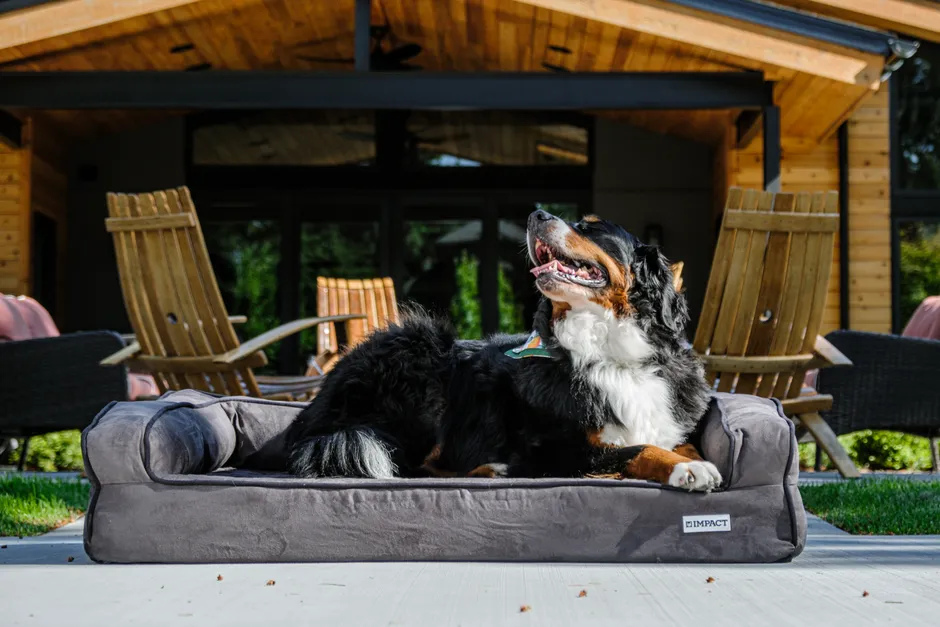
In summer, stretching out on cool tile or hardwood might have been your dog’s own choice. In autumn, those same surfaces turn into ice packs pressed against aging joints for hours at a time. Long stretches on cold, hard floors amplify stiffness and pressure sores, especially in bony or under-muscled seniors.
If your dog groans when standing up, or licks their elbows and hips more than usual, their bed might simply be wrong for this time of year. At minimum, older dogs deserve a supportive orthopedic-style bed off the bare floor, plus non-slip rugs or runners along their main walking paths.
This isn’t spoiling, it’s basic pain management. Plenty of people will spend hundreds of dollars on joint supplements while their dog still sleeps on a thin mat over cold tile every night. That’s backwards. A better bed and some traction often beat the tenth joint product you saw in an ad.
#11 – Seasonal Mood Shifts Hit Dogs in Multi-Pet Homes Harder
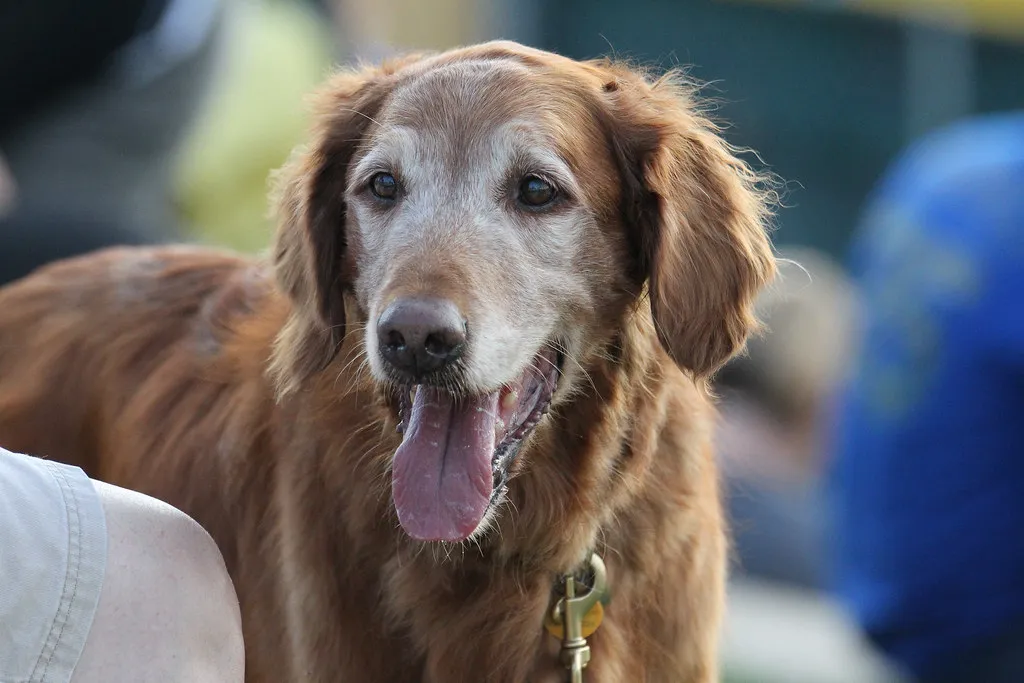
Autumn usually means routine upheaval: kids back in school, humans out later, fewer mid-day check-ins. In multi-dog households, the whole social dynamic can quietly shift underneath everyone’s feet. Older dogs frequently slide from “central family member” to “background fixture” once schedules ramp up, and yes, they absolutely feel that loss.
Some seniors become clingier, others withdraw entirely. A few get snappy when a younger dog crowds their shrinking comfort zone. Watch for the senior leaving the room more often, irritation at play they used to tolerate fine, or less enthusiasm when visitors show up at the door.
At a Glance
- Senior dogs may leave the room more often once routines shift
- Irritability toward playful younger housemates can spike
- Less enthusiasm for visitors can signal an emotional, not just physical, change
- Short one-on-one rituals can help a senior feel secure again
Schedule small rituals just for them: a five-minute solo sniff walk, dedicated couch time, a slow grooming session. “Resentment” is a strong word, but plenty of behaviorists quietly admit they see versions of it in older dogs every single fall. Ignoring that emotional shift is a mistake nobody talks about enough.
#12 – Autumn Travel Can Be Brutal If You Don’t Adjust for Age
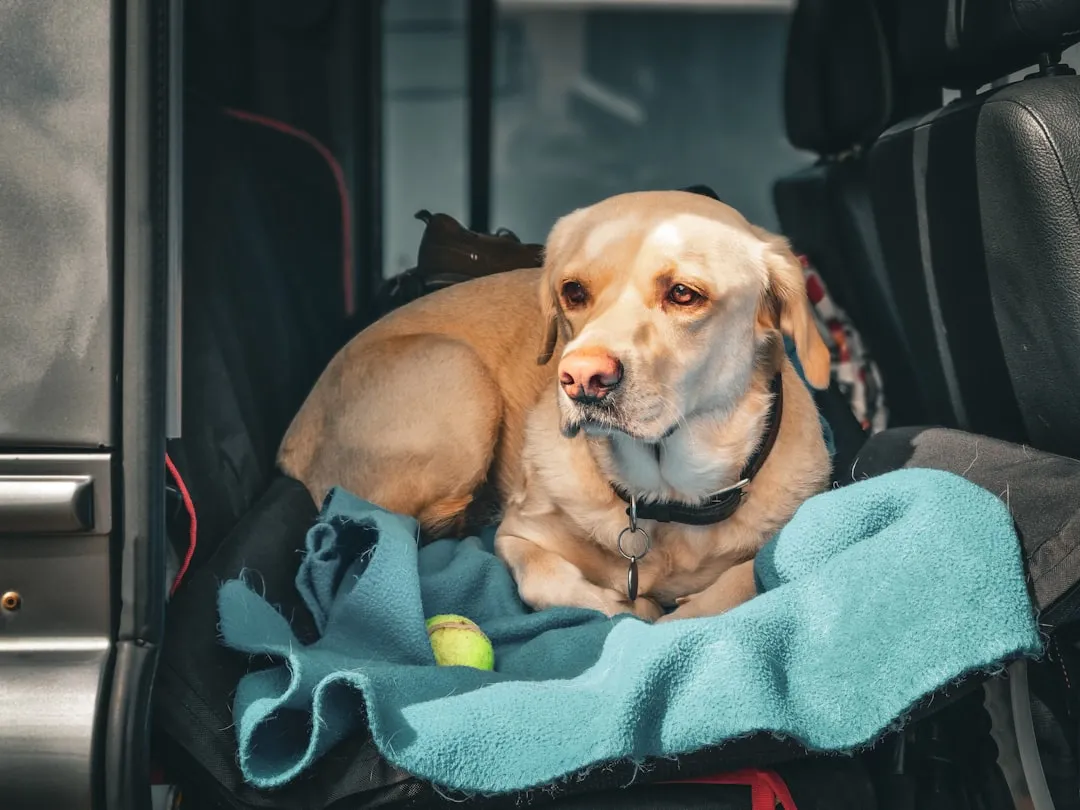
Fall is road-trip season, football weekends, cabin getaways. Great for us, not automatically great for a senior dog. Long car rides, strange beds, and cold cabins can trigger stiffness, GI upsets, and real anxiety spikes in older dogs who used to travel just fine.
Many owners cling to “he’s always loved coming with us,” forgetting that “always” applied to a younger, more resilient body than the one lying in the back seat now. If you do bring them, plan breaks every 60 to 90 minutes for gentle stretching, and pack their own bed, familiar bowls, and a backup supply of every medication.
Sometimes the most loving choice is actually leaving your senior home with a trusted sitter in a stable environment. People will insist “dogs live for adventure,” and sure, some do. But for a thirteen-year-old with arthritis and a heart murmur, stability quietly wins almost every time.
#13 – Fleas, Ticks, and Parasites Don’t Magically Disappear in Fall
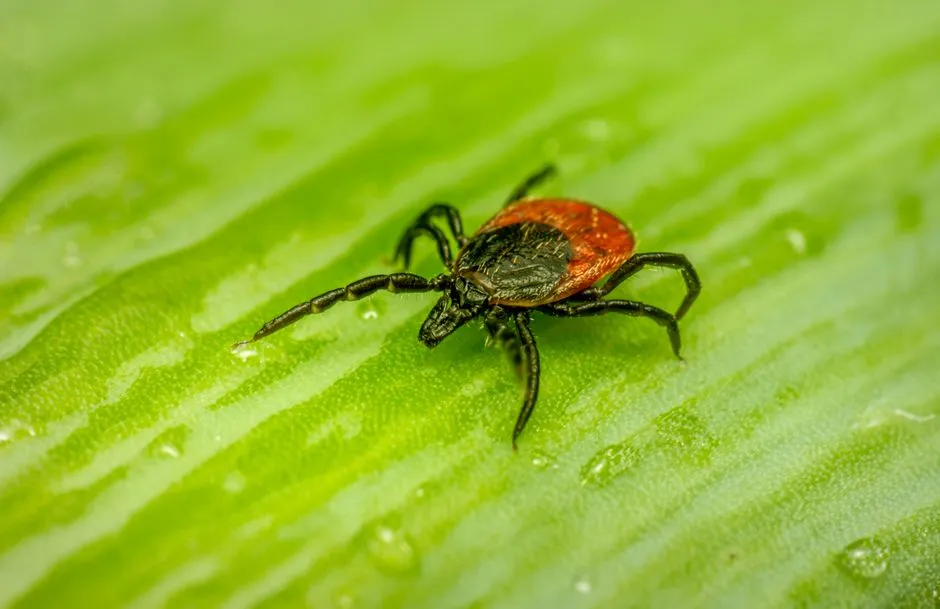
There’s a dangerous belief that parasite season ends the moment summer does. In plenty of regions, ticks and fleas stay active deep into autumn, and older dogs have far less resilience against the anemia, skin infections, and blood-borne diseases they carry. A senior with kidney or liver issues has almost no reserve left if a tick-borne disease joins the party.
Yet lots of owners quietly taper off prevention right when leaf litter and mild days keep parasites thriving longer than expected. Keep preventives going on your vet’s schedule, not on the temperature of your morning coffee.
Do fingertip body checks after every hike, behind the ears, between the toes, under the collar. If your dog suddenly seems more lethargic or lame a few weeks after a big autumn hike, don’t just blame age, rule out tick disease first. Treating autumn as “safe season” is an outdated and genuinely risky shortcut.
#14 – Diminished Senses Make Dark Walks Way More Stressful
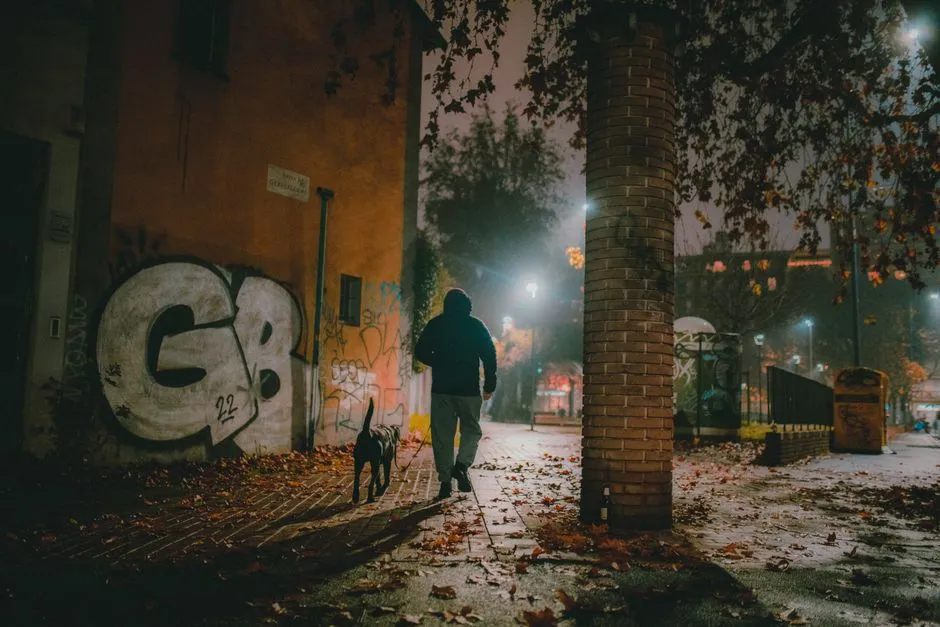
We love a cozy evening walk under an early sunset. Older dogs often don’t. Aging eyes struggle more in low light, and dogs with hearing loss or fading vision can feel genuinely vulnerable on a dark sidewalk they used to know like the back of their paw. Sudden headlights, bikes, or fast joggers startle them harder now, which can lead to spooking, leash reactivity, or clingy behavior on the walk home.
Use well-lit routes and avoid chaotic traffic spots when you can. A reflective harness and a slower, more predictable pace go a long way toward making dark walks feel safe again.
If your dog lags, freezes, or keeps checking in with you, that’s communication, not stubbornness. Some trainers argue seniors “need to push through” fear. But forcing a fragile dog through frightening night walks can backfire into full-blown anxiety. Switching to daylight hours or indoor sniff games isn’t giving up, it’s adapting to what’s true now.
#15 – Autumn Is Prime Time to Catch Subtle Age-Related Decline
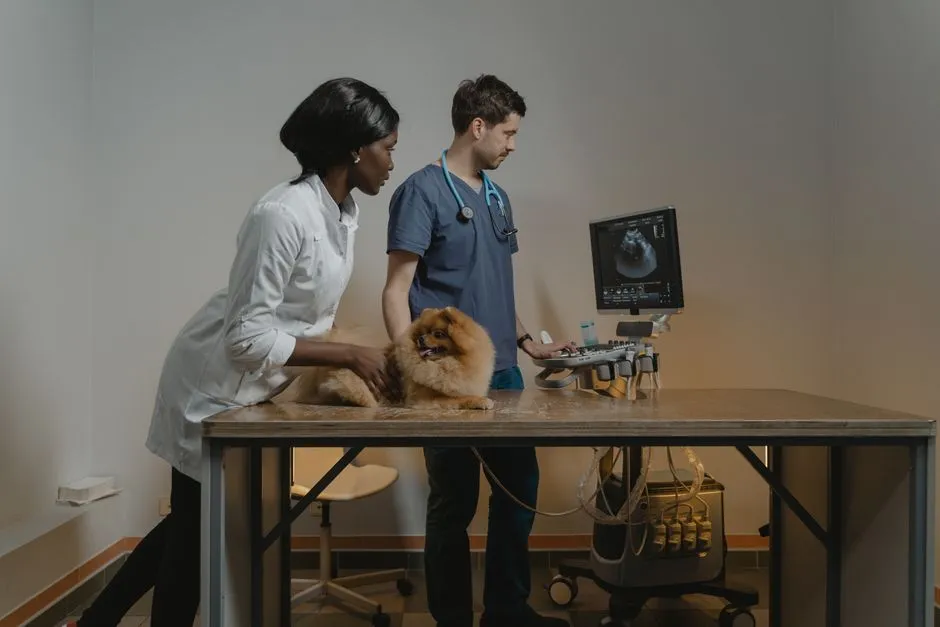
Here’s the uncomfortable truth: autumn is when a lot of “just old” dogs finally get properly diagnosed. Cooler weather, schedule shifts, and less distraction all combine to make subtle problems suddenly visible, weight loss under the fluff, a new lump under a thicker coat, real struggle on hills, hesitation to jump into the car they used to leap into without thinking.
This isn’t bad luck. It’s a signal. Use fall as your annual big-picture check: full senior bloodwork, a thorough physical, and an honest conversation with your vet about pain, mobility, and sleep.
Quick Compare
- Wait until winter: subtle weight loss, lumps, and mobility issues often worsen unnoticed
- Act this fall: bloodwork and a full physical catch problems while they’re still easy to treat
Waiting until winter “because he seems okay” wastes a critical window. Many early kidney, liver, thyroid, and joint issues respond far better to changes made now, not after a crisis forces your hand. Pretending nothing has changed because you don’t want bad news is human and understandable, but it’s your dog who quietly pays for that denial.
#16 – Autumn Might Be the Season Your Dog Quietly Asks for a Slower Life
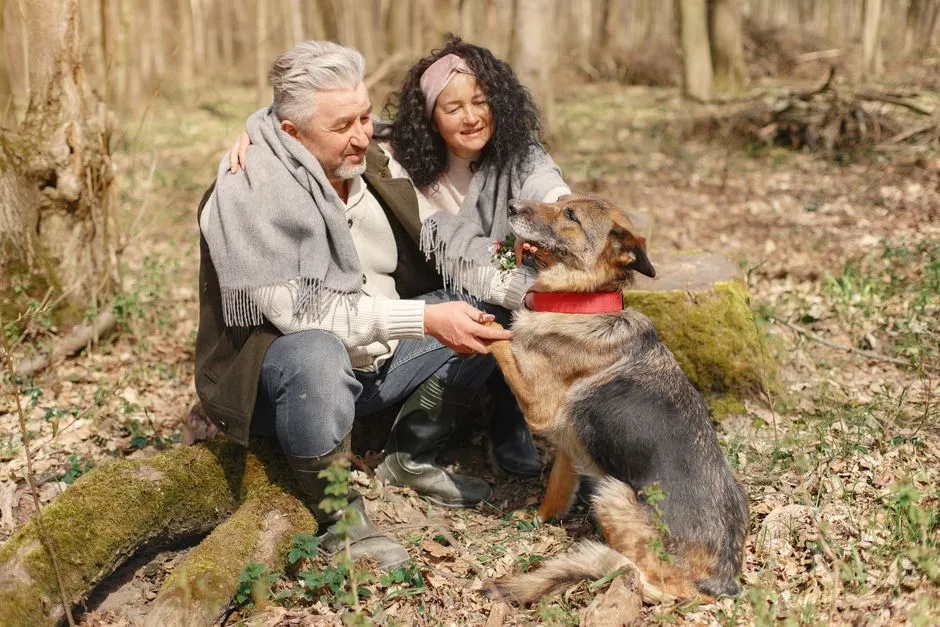
This is the emotional one most people sidestep. Somewhere in these cooler months, many older dogs start to gently opt out. They hang back when you reach for the leash. They choose the quiet room over the front door when guests arrive. They nap through what used to be their favorite game in the yard.
It isn’t always illness. Sometimes it’s your dog clearly saying, in the only language they have, “I need life to be softer now.” You don’t have to fight that, and honoring it is one of the deepest kindnesses you can offer a dog who has given you years of loyalty.
Dogs are not our whole life, but they make our lives whole.
Roger Caras
Shift from “keeping them young” to “keeping them comfortable.” That might mean shorter walks, fewer chaotic outings, and more boring, beautiful routines at home. Some owners see this as giving up. Others finally recognize it as listening.
The Bottom Line
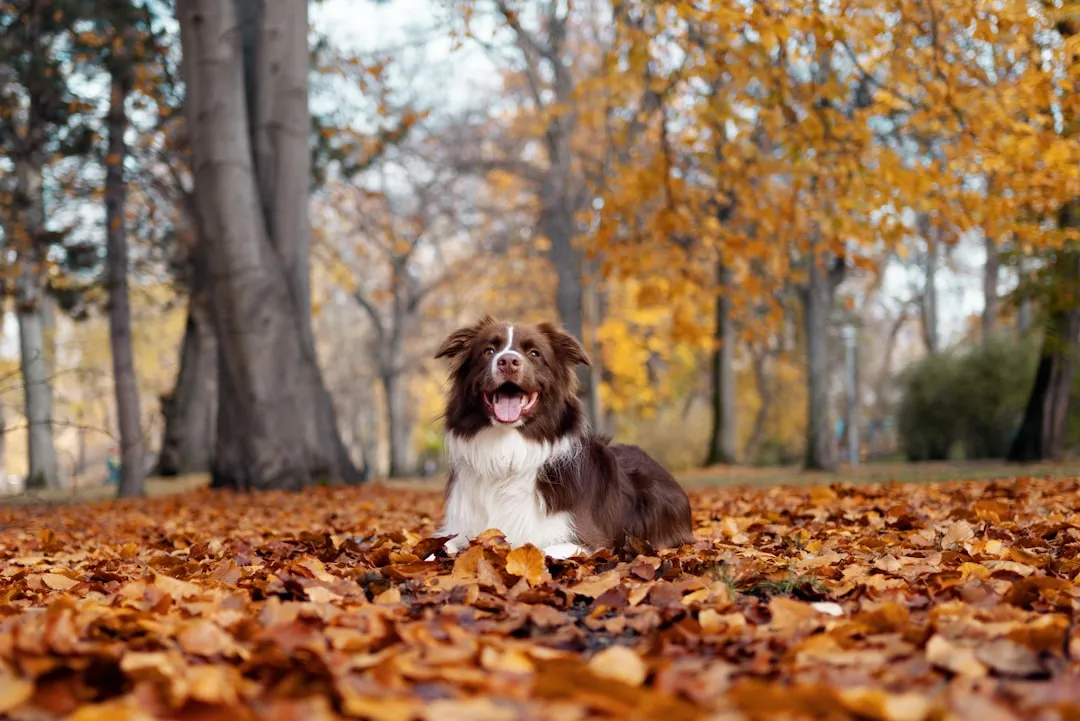
Autumn exposes what summer quietly hides. Cold mornings amplify arthritis, damp air stresses hearts and lungs, darker evenings rattle aging brains, and heaters, travel, and holiday food pile on pressure your older dog can’t always absorb.
Most of what gets brushed off as “just getting old” in fall is actually a cluster of fixable, manageable seasonal pressures. The uncomfortable truth is that owners often cause more suffering through inattention than any weather pattern ever could on its own.
If you share your home with a senior dog, autumn should be your most intentional season of the year: better beds, smarter walks, stricter food rules, more honesty with your vet, and real respect for your dog’s changing limits. Not everyone will agree, some will still insist “he’s fine, he’s tough.” But your dog doesn’t need toughness right now. He needs you to pay attention, before the season decides for you.

As a little kid, I fell in love with nature, wildlife, and animals. Living in the USA, South Africa, Italy, China and Germany gave me the opportunity to discover the world's Wildlife. My favorite animals are Mountain Gorillas, Siberian Tigers, and Great White Sharks.
I'm a certified PADI Open Water Diver, went to Everest Base Camp and Trekked Gorillas in Uganda. I hold a Master of Science in Economics and Finance.
Please send any feedback to feedback@animalsaroundtheglobe.com
- If You Have an Older Dog These 16 Autumn Changes Matter More Than Owners Realise - August 14, 2026
- The 15 Scariest Marine Animals Ever - August 13, 2026
- Hawksbill Turtles The Guardians of Coral Reefs Need Help - August 13, 2026