

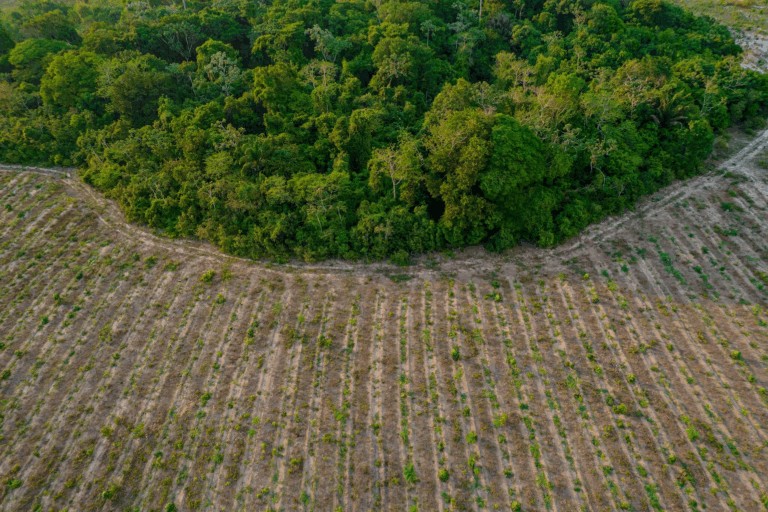
A History of Loss in the Atlantic Forest (Image Credits: Imgs.mongabay.com)
Eunápolis, Bahia, Brazil – Initiatives to plant trees for carbon credits are transforming patches of worn-out farmland into budding forests, addressing centuries of environmental strain.
A History of Loss in the Atlantic Forest
The Atlantic Forest once blanketed much of Brazil’s coast, but agricultural expansion centuries ago carved it into fragments. In southern Bahia, cattle pastures and monoculture fields now dominate, interspersed with severely degraded soils. Deforestation has left between 11% and 25% of the nation’s native vegetation in decline. Pasturelands fare no better, with 22% rated as severely degraded.
This patchwork emerged from relentless clearing that prioritized short-term gains over long-term sustainability. Farmers faced pressures to convert forests into productive land, accelerating erosion and biodiversity loss. Today, these areas struggle with low fertility and vulnerability to droughts. Restoration efforts now seek to reverse this trend through innovative financing.
How Carbon Credits Drive Reforestation
Carbon credit programs reward landowners for planting trees that sequester CO2, creating a market-based incentive for restoration. In Bahia, projects target degraded pastures, planting native species to rebuild ecosystems while generating revenue. Participants earn credits sold to companies offsetting emissions, funding further expansion.
Such schemes align economic needs with environmental goals. Farmers receive upfront payments and ongoing income, making reforestation viable where cattle ranching faltered. Early plantings already show improved soil health and water retention. Governments and NGOs support these efforts, scaling them across Bahia’s fragmented landscapes.
Key Benefits for Ecosystems and Communities
Restored forests bolster wildlife habitats, drawing back species displaced by agriculture. Native trees enhance carbon storage, combat climate change, and stabilize soils against erosion. Local communities gain from diversified income streams beyond traditional farming.
Here are primary advantages observed in Bahia projects:
- Improved biodiversity through native species reintroduction.
- Enhanced water cycles, reducing flood risks in rainy seasons.
- Soil regeneration, boosting future agricultural potential.
- Carbon sequestration rates that rival intact forests within years.
- Job creation in planting and monitoring activities.
Challenges on the Path Forward
Scaling these initiatives faces hurdles like securing land rights and ensuring long-term monitoring. Pests and irregular rainfall test young plantations, demanding adaptive management. Market fluctuations for carbon credits also pose risks to financial stability.
Yet, partnerships between landowners, verifiers, and buyers mitigate these issues. Strict certification standards verify sequestration claims, building trust. Brazil’s vast degraded areas – millions of hectares – offer immense potential if policies evolve to prioritize restoration.
- Carbon credits provide essential funding for Brazil’s ecosystem recovery.
- Degraded lands in Bahia respond well to native forest planting.
- Sustainable models balance profit with planetary health.
Brazil’s experiment with carbon-funded forests signals a scalable model for global restoration, proving that economic incentives can heal scarred landscapes. What steps should your region take to replicate this success? Share your thoughts in the comments.
