

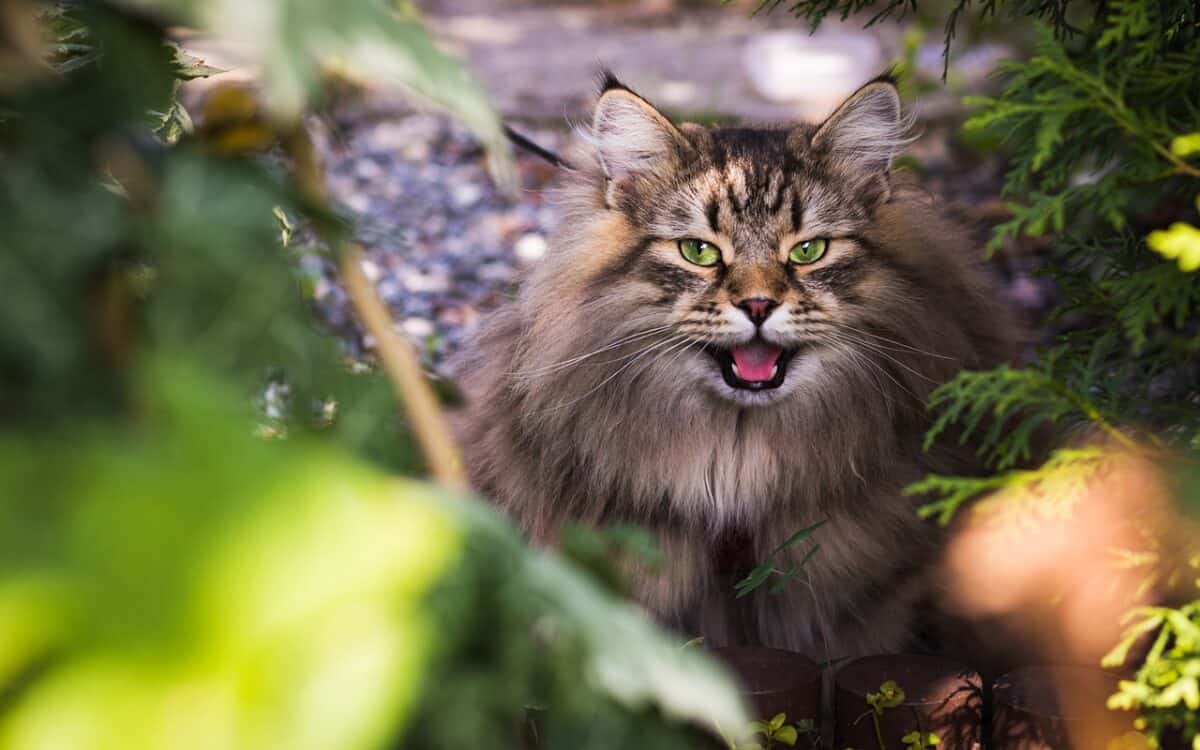
Cats have long captured the hearts of humans with their enchanting behavior and unique personalities. As feline companions remain beloved in many households across America, a lingering debate persists among cat owners: Should their furry friends live exclusively indoors or have the freedom to roam outside? To offer clarity on this topic, we delve into veterinary recommendations and considerations for both indoor and outdoor lifestyles for cats.
Understanding Feline Behavior
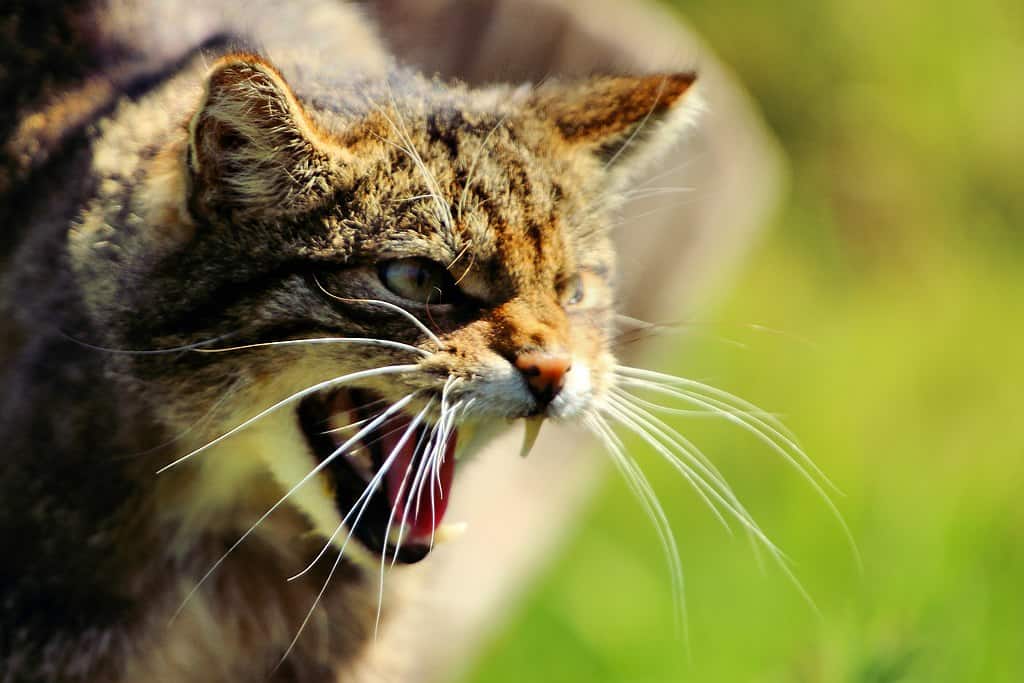
Cats are instinctually driven creatures with behaviors rooted in their ancestry. As natural predators, they possess a strong hunting instinct, influencing their desire to explore and chase. This understanding of feline behavior can help inform the decision of whether a cat would be more suited to an indoor or outdoor lifestyle.
The Benefits of Indoor Living

Vets often advocate for keeping cats indoors for their safety and health. Indoor cats are protected from various hazards, such as vehicular accidents, predators, and exposure to toxins. Moreover, indoor environments dramatically reduce the chance of disease transmission from other animals.
Hazards Facing Outdoor Cats

Outdoor cats encounter numerous dangers that may shorten their lifespan and impact their well-being. Traffic accidents, attacks from other animals, and the threat of theft or abuse by humans are significant concerns. Additionally, outdoor cats are more susceptible to contracting diseases like feline leukemia virus (FeLV) and feline immunodeficiency virus (FIV).
Health Considerations for Indoor Cats

While indoor living shields cats from external threats, it can lead to other health issues if not appropriately managed. Indoor cats are more prone to obesity due to lack of physical activity. Mental stimulation is also crucial, as boredom can lead to stress and behavioral problems. Thus, interactive play and environmental enrichment are essential.
Enrichment Solutions for Indoor Cats

To maintain the physical and mental health of indoor cats, pet owners are encouraged to provide a stimulating environment. This can include toys that mimic prey, scratching posts, climbing structures, and interactive play sessions. Additionally, windows or safe outdoor enclosures can offer visual stimulation and fresh air.
The Appeal of Outdoor Exploration
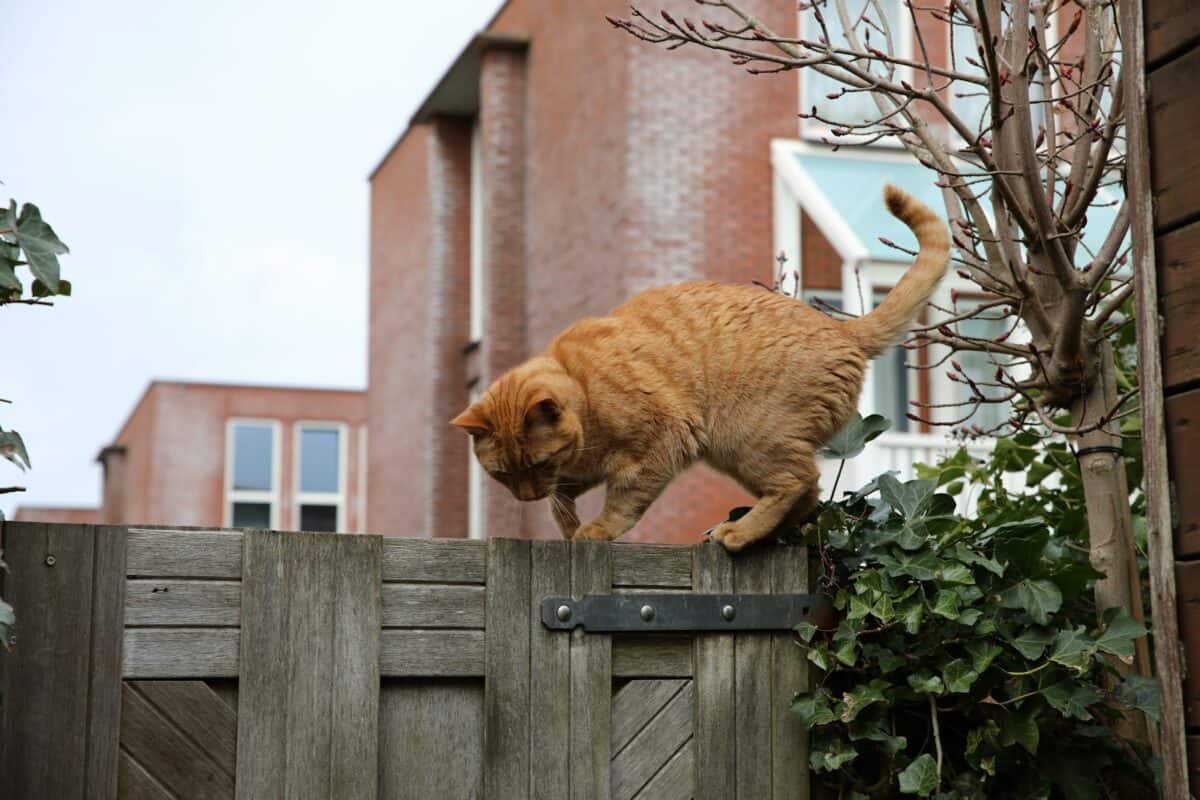
Freedom to explore the outdoors allows cats to express natural behaviors like hunting, climbing, and territory marking. For some feline personalities, the outdoor environment can offer a fulfilling and enriching experience, providing a balance between mental engagement and physical exercise.
The Middle Ground: Supervised Outdoor Time

For owners who wish to offer their cat the benefits of outdoor exploration while minimizing risks, supervised outdoor time can be a viable compromise. Harness training is a popular option, allowing cats to safely explore under direct supervision. Alternatively, building a “catio” enables outdoor experience within a secure enclosure.
Personalities and Lifestyles

The decision between an indoor and outdoor lifestyle may depend on an individual cat’s personality and energy level. Some cats are content with a more sedentary indoor life, while others may thrive with the enrichment that outdoor environments provide. Owners should assess their cat’s needs and natural inclinations.
Environmental Impact of Outdoor Cats

Outdoor cats can have a significant impact on local wildlife, as they often hunt small mammals, birds, and insects. This predation can negatively affect ecosystems, especially when domestic cats inhabit areas with vulnerable wildlife populations. Responsible pet ownership involves considering these ecological impacts.
Vaccination and Health Checks

Regardless of indoor or outdoor living, regular veterinary care is essential for all cats. Outdoor cats require more frequent vaccinations and deworming to protect them from diseases and parasites. Routine health checkups ensure overall well-being and early detection of potential health issues.
Sheltering and Weather Considerations

If opting for an outdoor lifestyle, it’s crucial to provide access to shelters that protect cats from harsh weather conditions. Adequate shelter helps ensure safety during extreme temperatures and harsh weather, and also provides a place for the cat to retreat for security.
Ultimately, the decision between an indoor and outdoor lifestyle should be tailored to each cat’s needs, personality, and the environment in which they live. Safety, health, and enrichment must all be considered to ensure a happy and healthy life for feline companions. While vets often lean towards indoor living for its safety benefits, providing secure outdoor access with supervision and containment can offer the best of both worlds. Responsible pet ownership encompasses creating a balanced lifestyle that meets the needs of our cherished feline friends.

- What’s Hiding in the Forests of the Pacific Northwest - July 21, 2026
- Tarsiers: The Tiny Primates with Giant Eyes - July 21, 2026
- Are Zoos Still Ethical in 2025? - July 21, 2026