


When exploring the wetlands, swamps, and waterways of the southeastern United States, encounters with American alligators (Alligator mississippiensis) are always a possibility. These prehistoric predators have inhabited our planet for over 84 million years, perfecting their hunting and defensive behaviors across millennia. While alligator attacks on humans are relatively rare—with Florida recording just 26 unprovoked bites from 2012 to 2022—knowing when you’re in the danger zone is crucial for wilderness safety. Recognizing the warning signs that you’re too close to an alligator could mean the difference between an amazing wildlife viewing experience and a dangerous confrontation. Here are sixteen unmistakable indicators that you should increase your distance from these powerful reptiles immediately.
15. The Alligator Has Raised Its Body Off the Ground
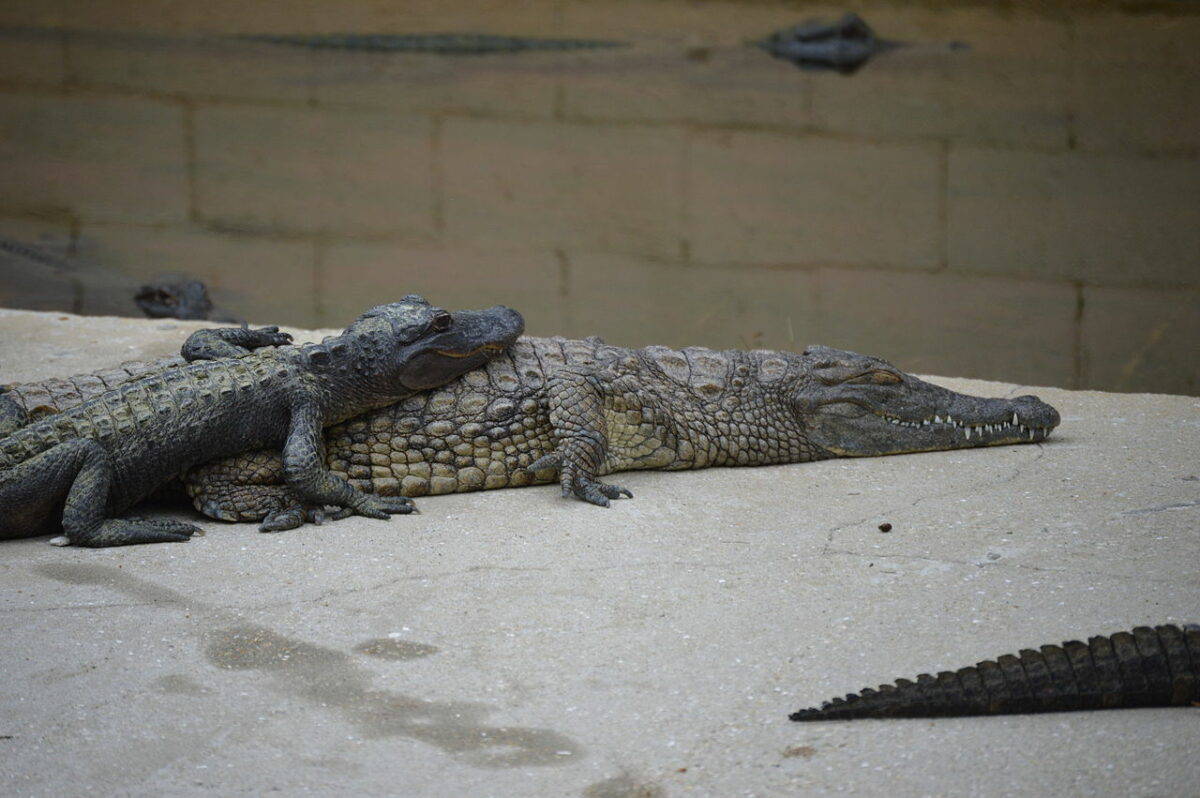
When an alligator elevates its body off the ground by straightening its legs, it’s a clear defensive posture indicating you’ve entered its comfort zone. This position, known as the “high walk,” allows the alligator to appear larger and prepare for quick movement. Wildlife biologists note that this behavior signals the animal is alert, aware of your presence, and possibly feeling threatened. In nature, alligators typically conserve energy by keeping their bodies low to the ground when relaxed. If you observe this raised posture, you should immediately back away slowly and create substantial distance between yourself and the animal.
14. You Can Hear Hissing or Growling Sounds
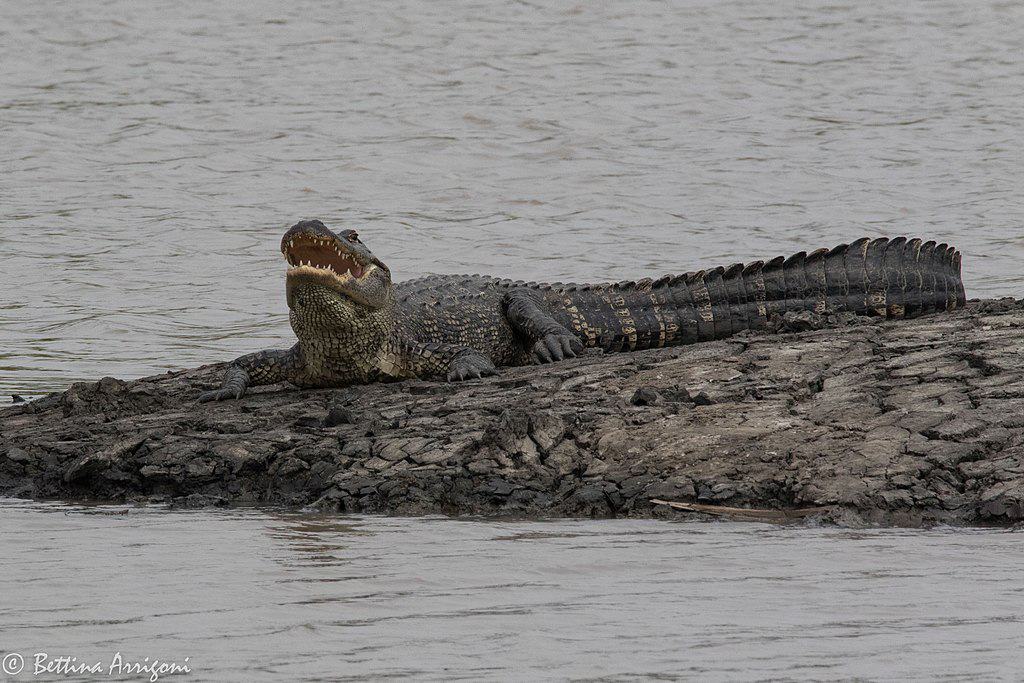
Alligators are not typically vocal animals, so any audible sounds should be taken as serious warning signals. A threatened alligator will produce a distinct hissing sound by forcing air through its nostrils and throat, similar to but deeper than a snake’s hiss. As the threat level increases in the alligator’s perception, this may escalate to a deep, rumbling growl. According to herpetologists, these vocalizations are unambiguous warnings that you’ve crossed into the animal’s defensive perimeter. The sounds may be particularly prominent during breeding season (April through June) when territorial behaviors are heightened. If you hear these warning sounds, cease all movement toward the alligator and begin backing away immediately.
13. The Alligator’s Mouth Is Open in a Threatening Display

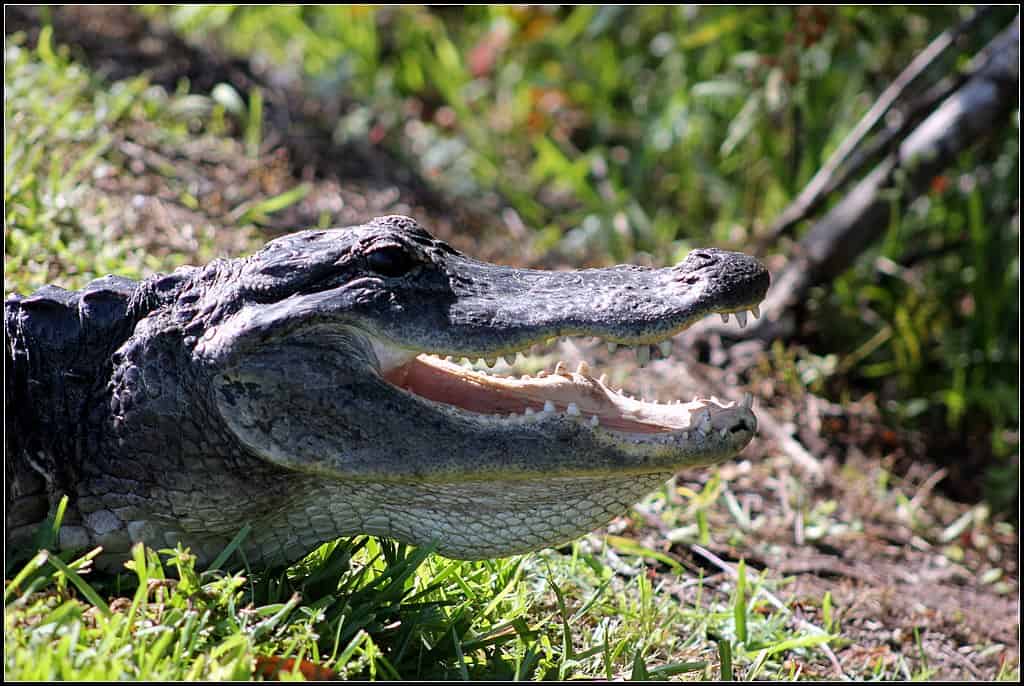
An open-mouthed display from an alligator is one of the most recognizable warning signs and should never be ignored. This behavior, sometimes called “gaping,” serves multiple purposes for the reptile. First, it’s an intimidation tactic designed to make the alligator appear more threatening. Second, it prepares the animal for a potential defensive bite. Third, during hot weather, this behavior can help regulate the alligator’s body temperature. However, in the presence of humans, it should always be interpreted as a warning. Research from the University of Florida indicates that this display typically occurs when a person has approached within 10-15 feet of the animal—a distance well within the alligator’s striking range. At this point, you’re too close for safety and should retreat without turning your back on the animal.
12. You Notice a Head Slap on the Water’s Surface
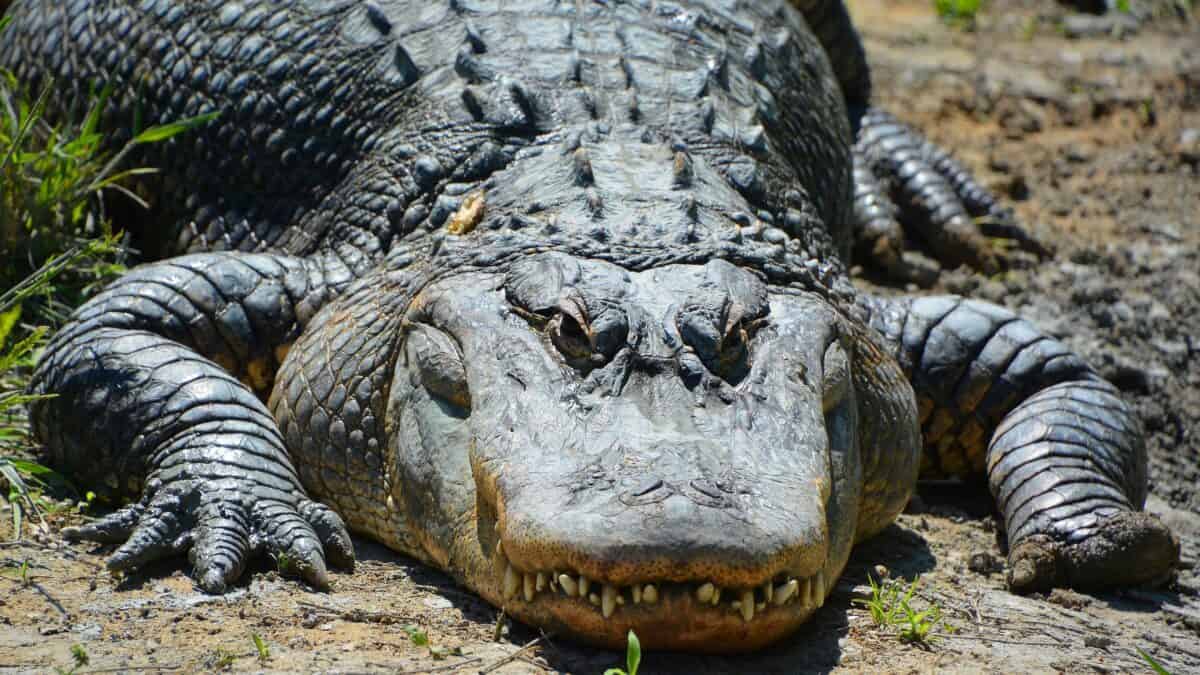
A head slap occurs when an alligator forcefully slaps its snout against the water’s surface, creating a loud splash and often a booming sound that can be heard from considerable distances. This territorial display is commonly observed during mating season but can occur whenever an alligator feels its space is being invaded. The behavior serves as both a warning to potential threats and a communication signal to other alligators in the area. Studies from the Savannah River Ecology Laboratory have documented that this behavior often precedes more aggressive defensive actions. If you witness this behavior while approaching or passing an alligator, you should consider yourself at risk and increase your distance from the water’s edge immediately.
11. The Alligator Is Rapidly Closing Distance Toward You

While alligators may appear sluggish when sunning themselves, they can move with surprising speed when motivated. On land, an alligator can achieve burst speeds of up to 35 miles per hour over short distances—faster than Olympic sprinters. In water, they are even more agile and can sustain higher speeds for longer periods. Any deliberate movement of an alligator in your direction should be taken as an immediate threat. Unlike some defensive behaviors which may be warnings, direct approach behavior indicates the alligator has moved beyond warning to active defense or potential aggression. This situation demands immediate but controlled retreat to a safe location, preferably elevated or behind a substantial barrier.
10. You’re Standing Between an Alligator and Water

Alligators consider water their safe zone and primary escape route. When they feel threatened on land, their instinct is to retreat to water where they have the advantage. If you find yourself positioned between an alligator and its watery refuge, you’ve created a potentially dangerous situation. The alligator may perceive you as blocking its escape path, which can trigger defensive aggression rather than avoidance behavior. Research from wildlife management agencies indicates that many aggressive encounters occur in precisely this scenario. The proper response is to move away perpendicularly, creating a clear path between the alligator and the water while increasing your own distance from the animal.
9. The Tail Is Arched or Thrashing

An alligator’s powerful tail comprises nearly half its body length and serves as both a propulsion mechanism in water and a formidable weapon on land. When an alligator arches its tail or begins thrashing it side to side, it’s displaying pre-aggressive behavior. The arched tail position allows the alligator to spring forward with remarkable force if it decides to charge. Tail thrashing can generate enough force to break bones if contact is made. According to the Florida Fish and Wildlife Conservation Commission, these tail movements often precede a lunge or charge by seconds, giving very little reaction time. Observing either of these tail movements indicates you are within the alligator’s strike range and action threshold—retreat is urgently needed.
8. You’re Approaching a Nest or Young Alligators

Female alligators are notably protective of their nests and young offspring. Nesting season typically runs from late spring through early summer, with eggs hatching in late August or September. During this period, mother alligators remain close to their nests, which are usually constructed from vegetation in marshy areas. The protective instinct of a mother alligator is powerful—studies have documented females rushing from water bodies 50 feet away when their nests are approached. Additionally, the distress calls of baby alligators can trigger aggressive responses from adults in the vicinity. If you notice small alligators (typically under 2 feet in length) or a mound of vegetation near a shoreline that could be a nest, maintain a minimum distance of 100 feet. Wildlife experts recommend even greater distances during breeding season.
7. The Alligator Is Displaying a Defensive Posture
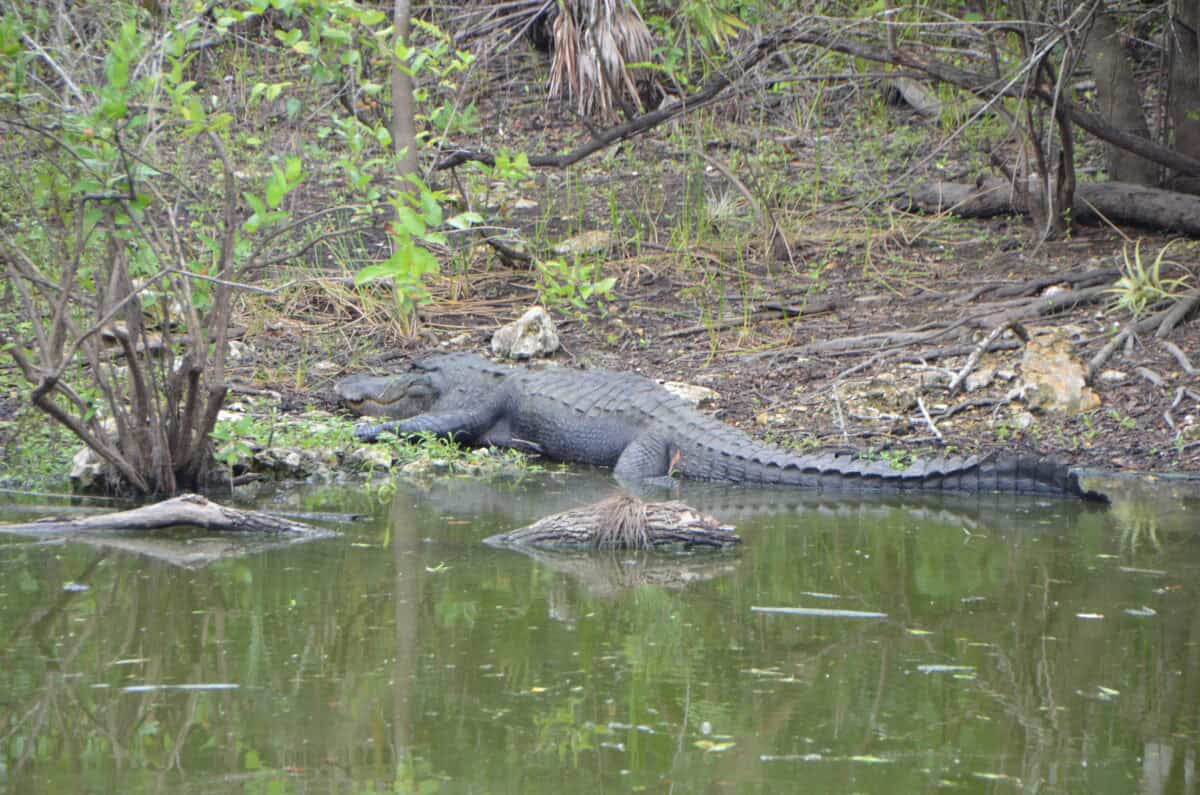
A defensive posture in alligators involves several combined behaviors that indicate the animal feels threatened and is preparing to defend itself. This posture typically includes the animal facing directly toward the perceived threat, lowering its head, raising the back slightly, and often includes partially opening the mouth. This stance allows the alligator to lunge forward with maximum efficiency if it determines an attack is necessary. Research from the American Alligator Conservation Center indicates that this posture is assumed when the animal has determined it cannot escape the situation and must prepare for confrontation. At this point, the alligator has moved beyond warning behaviors to pre-attack positioning. This situation requires immediate, careful retreat while maintaining visual contact with the animal.
6. You Notice Bubble Trails Moving Toward You in Water
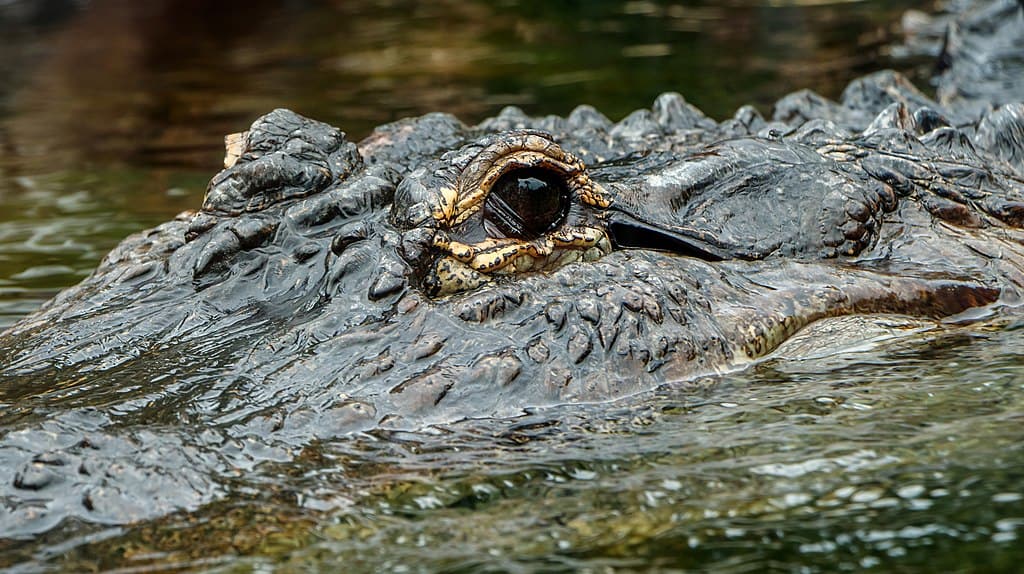
Alligators are masters of stealthy water movement, often revealing their presence only through subtle signs like bubble trails on the water’s surface. These trails form as air escapes from the alligator’s nostrils while it swims just below the surface. When these bubble trails appear to be moving directly toward you while you’re swimming, fishing, or standing near the water’s edge, it indicates an alligator is approaching underwater. Researchers from the University of Georgia’s Odum School of Ecology have documented that alligators often investigate potential prey items in this manner before deciding whether to approach closer. This investigative behavior can quickly transition to predatory behavior, particularly if the person is in the water. The appropriate response is to exit the water immediately or move well back from the shoreline.
5. The Alligator Performs a “Gular Flutter”

The gular flutter is a less commonly known but significant warning behavior in alligators. This display involves the rapid vibration of the gular (throat) region, creating a visible fluttering effect and sometimes producing a subtle buzzing sound. Herpetologists have identified this behavior as part of the alligator’s threat display sequence, often occurring between initial awareness and more aggressive actions. The behavior is similar to what’s observed in certain bird species but serves a different purpose in alligators—it’s a stress response indicating the animal feels threatened. Studies published in the Journal of Herpetology suggest this behavior is most common when the alligator feels cornered or when retreat options are limited. Witnessing this behavior means you’ve already stressed the animal significantly and should remove yourself from the situation.
4. The Alligator Makes a Sudden Movement After Being Still
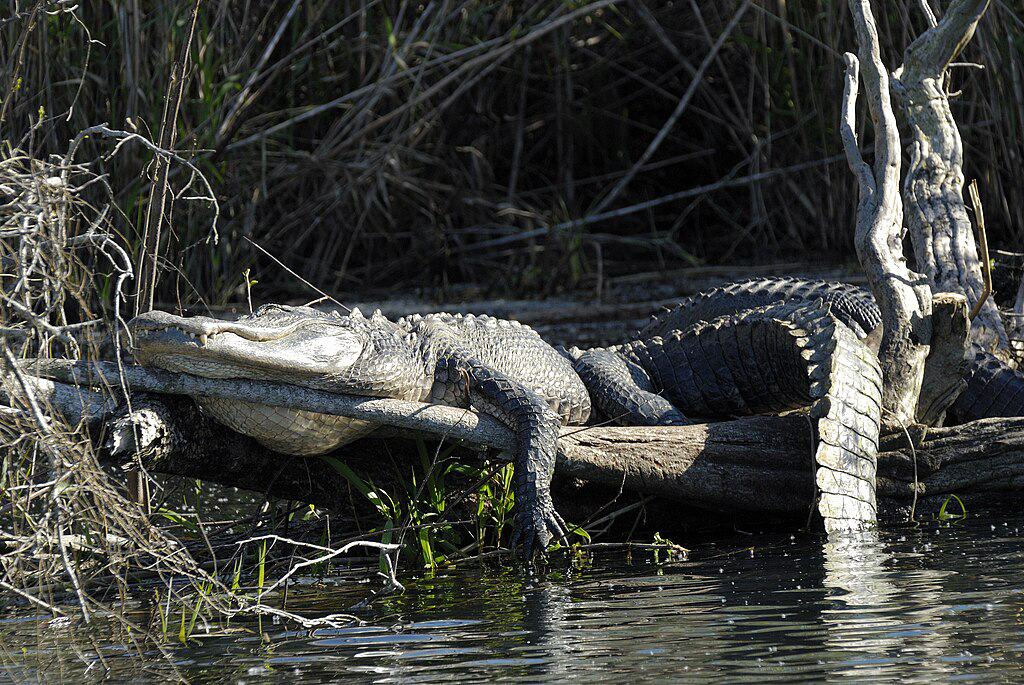
Alligators are ambush predators that rely on patience and explosive movement. They can remain virtually motionless for hours before acting with surprising speed. A common hunting strategy involves appearing completely inactive to lull prey into a false sense of security. When an alligator that has been still suddenly makes a quick movement in your direction—even a seemingly small one like a head turn or slight body shift—it may be recalculating its response to your presence. According to wildlife behaviorists, these sudden movements after prolonged stillness often indicate the animal is transitioning from passive observation to active interest. This change in behavior should be treated as a warning that you’ve been under observation and the alligator is now making decisions about how to respond to your proximity.
3. You’re Approaching During Dusk or Dawn Hours
Alligators are most active during the transitional light periods of dawn and dusk, times biologists refer to as crepuscular hours. During these periods, alligators typically engage in more active hunting behaviors and territorial movements. Their vision is well-adapted to low-light conditions, giving them a significant advantage over humans during these times. Research from the Southeastern Naturalist journal indicates that approximately 72% of alligator feeding behaviors occur during these transition periods or at night. If you find yourself near alligator habitat during these high-activity times, you should exercise heightened caution and maintain greater distances than you would during daylight hours. The combination of reduced visibility for humans and increased activity for alligators creates a particularly dangerous scenario that demands extra precaution.
2. Multiple Alligators Are Present in Close Proximity
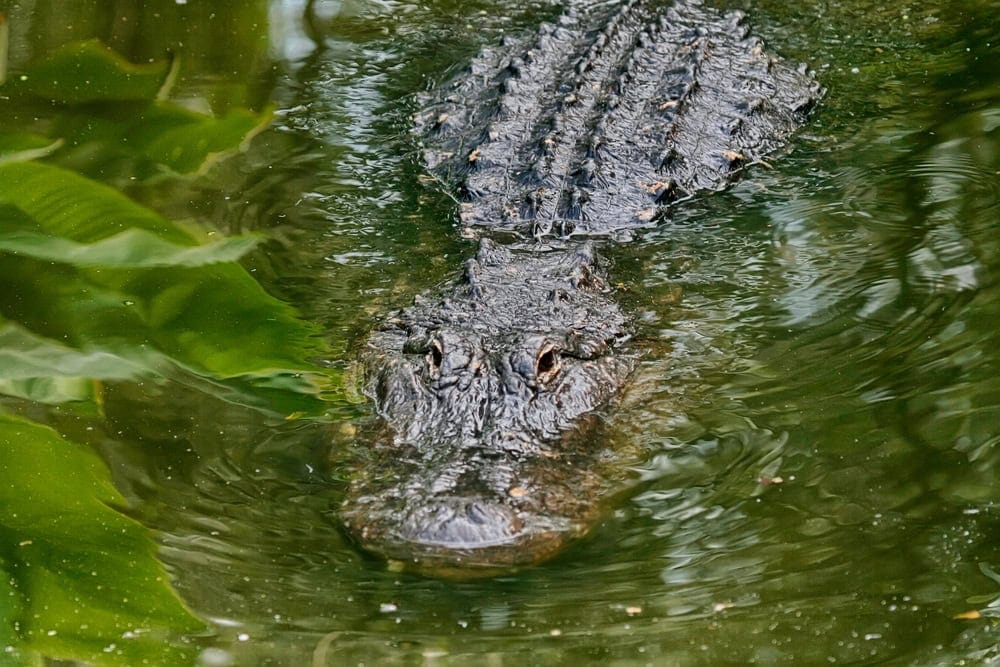
While alligators are not typically social animals outside of mating season, certain conditions can lead to congregations—particularly around food sources, during cold weather when they gather in deeper, warmer water, or during drought conditions when water bodies shrink. The presence of multiple alligators increases risk factors considerably. First, it indicates you’ve encountered a prime alligator habitat rather than a passing individual. Second, competitive behaviors between alligators can be unpredictable and potentially dangerous for bystanders. Third, your escape options may be limited if multiple animals are positioned in different directions. Wildlife management experts recommend a minimum safe viewing distance of 100 feet for single alligators, but this should be at least doubled when multiple animals are present.
1. You’re Wading in Murky Water in Alligator Territory

Entering murky or vegetation-filled water in regions where alligators are known to live is perhaps one of the most dangerous behaviors a person can engage in. Alligators are perfectly adapted for aquatic ambush, with only their eyes and nostrils breaking the surface when they’re in hunting mode. The opacity of murky water provides perfect concealment for these predators, who rely primarily on surprise attacks. Statistics from the Florida Department of Environmental Protection show that a significant percentage of serious alligator incidents involve people wading in water with limited visibility. Even shallow water presents risks, as alligators can navigate effectively in depths of just a few inches. Wildlife safety experts universally advise against entering any body of water where visibility is compromised in alligator country.
Conclusion: Respecting Alligator Space for Mutual Safety

Understanding and recognizing these warning signs is essential for anyone living in or visiting alligator country. While alligators generally prefer to avoid human interaction, they will defend themselves when they perceive a threat to their safety, territory, or young. The Florida Fish and Wildlife Conservation Commission recommends maintaining a minimum distance of 30 feet from any alligator, with greater distances needed for larger specimens or during sensitive seasons. Remember that alligators play a vital ecological role in their native habitats, helping maintain healthy wetland ecosystems through population control of various species. By learning to recognize these warning signs and responding appropriately, we can share these natural spaces safely, respecting the ancient predators that have called these waters home for millions of years before human arrival.

As a little kid, I fell in love with nature, wildlife, and animals. Living in the USA, South Africa, Italy, China and Germany gave me the opportunity to discover the world's Wildlife. My favorite animals are Mountain Gorillas, Siberian Tigers, and Great White Sharks.
I'm a certified PADI Open Water Diver, went to Everest Base Camp and Trekked Gorillas in Uganda. I hold a Master of Science in Economics and Finance.
Please send any feedback to feedback@animalsaroundtheglobe.com
- 10 Most Unique Reptiles You will See in the US - July 21, 2026
- 3 Dangerous Invasive Species the USA Must Eradicate - July 21, 2026
- 10 Things That Calm Cats And 4 That Make Them Nervous - July 21, 2026