

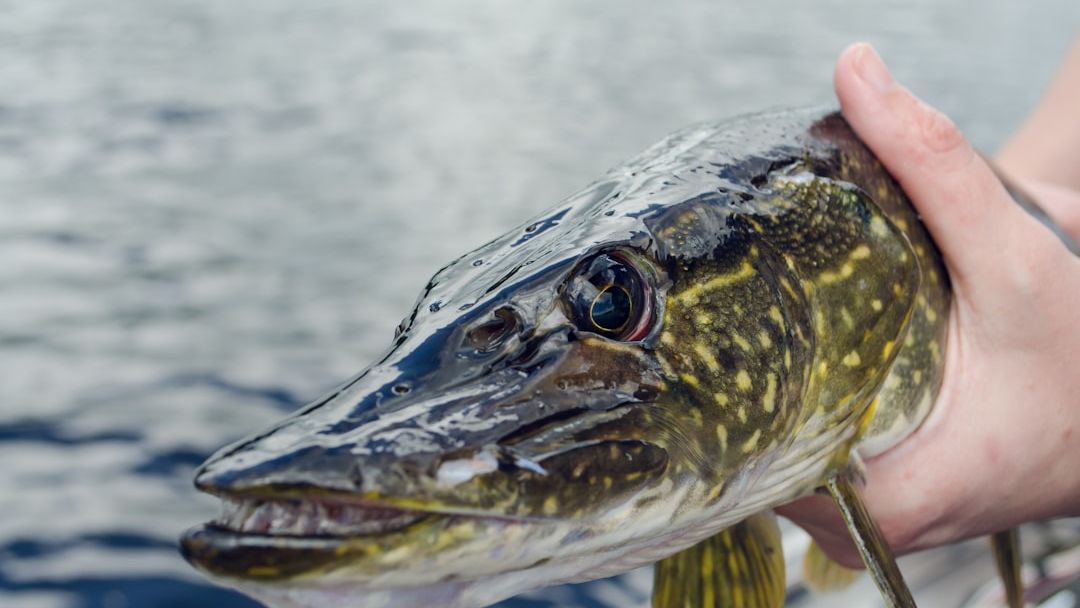
Struggling salmon populations in Alaska face a mounting challenge as climate-driven warming transforms rivers into ideal hunting grounds for invasive northern pike. Researchers have observed these predators ramping up their fish consumption across all age groups, with the shift linked directly to higher water temperatures. This development arrives at a critical moment, as salmon stocks already contend with habitat loss and overfishing, potentially tipping fragile ecosystems further off balance.
Metabolism Boost from Warmer Waters
Northern pike, introduced to Alaskan waters decades ago, now exhibit heightened feeding rates as river temperatures climb. Warmer conditions accelerate their metabolic processes, compelling the fish to consume more energy-rich prey to sustain themselves. Scientists noted this pattern through detailed studies tracking pike diets over time.
The effect proves consistent regardless of pike size or maturity. Even subtle temperature increases trigger measurable changes in behavior, underscoring how climate shifts amplify invasive species impacts. Such metabolic responses occur naturally in many fish, but in pike, they manifest aggressively in new environments.
Young Pike Lead the Feeding Frenzy
Juvenile pike show the most dramatic uptick, boosting their fish intake by more than 60% compared to cooler conditions. This surge positions young predators to grow faster and dominate local food webs sooner than anticipated. Researchers documented these shifts by analyzing stomach contents and growth records from affected rivers.
Adult pike also increased consumption, though at a slightly lower rate. The across-the-board rise signals a broader ecological ripple, as more prey vanishes from the system. While the exact mechanisms remain under study, the data points to temperature as the primary driver.
Threat to Alaska’s Iconic Salmon
Salmon runs, vital to Alaskan fisheries and wildlife, suffer directly from pike predation. These native fish already navigate stressors like warming oceans and dammed rivers, leaving them vulnerable to intensified attacks. Pike target juvenile salmon particularly, disrupting recruitment into adult populations.
Conservation efforts historically focused on habitat restoration and harvest limits, but invasive predators add a new layer of complexity. Officials monitor pike spread through surveys, yet eradication proves challenging in expansive river networks. The combination of warming and predation could accelerate declines in key salmon species.
- Temperature-driven metabolism changes affect pike of all ages.
- Young pike consumption rises over 60%, heightening pressure on salmon.
- Broader salmon declines risk fisheries and ecosystems.
- Ongoing research tracks pike diets and river conditions.
Pathways for Management and Research
Addressing the pike surge requires targeted strategies, from enhanced monitoring to potential removal efforts in high-risk areas. Scientists advocate for integrating climate models with predation data to predict future hotspots. Collaborative work between agencies and local communities aims to safeguard salmon while managing invasives.
Though uncertainties persist around long-term trends, the findings emphasize urgency. River temperature trajectories will shape predator-prey dynamics for years ahead. Balanced approaches, informed by continued observation, offer the best chance to protect Alaska’s aquatic heritage.

- Urban Coyotes Show Remarkable Adaptability, Learning to Thrive in City Environments - July 22, 2026
- Beavers Are Nature’s Engineers, Creating Vital Habitats for Other Wildlife Species - July 21, 2026
- The Recovery of the California Condor Offers Hope for Other Critically Endangered Birds - July 21, 2026