


Disney’s “The Lion King” captured the hearts of millions worldwide with its dramatic story of Simba’s journey from exiled cub to rightful king. Beyond its compelling narrative and memorable songs, the film presents a stylized version of life in the African savanna. Many viewers wonder just how accurately the movie portrays actual lion behavior and the social dynamics of wildlife. This article explores the scientific reality behind the animated classic, examining where the filmmakers took creative liberties and where they surprisingly adhered to natural animal behaviors. From pride structures to interspecies relationships, we’ll separate fact from fiction in one of Disney’s most beloved animal-centered films.
The Structure of Lion Prides in Reality vs. Fiction
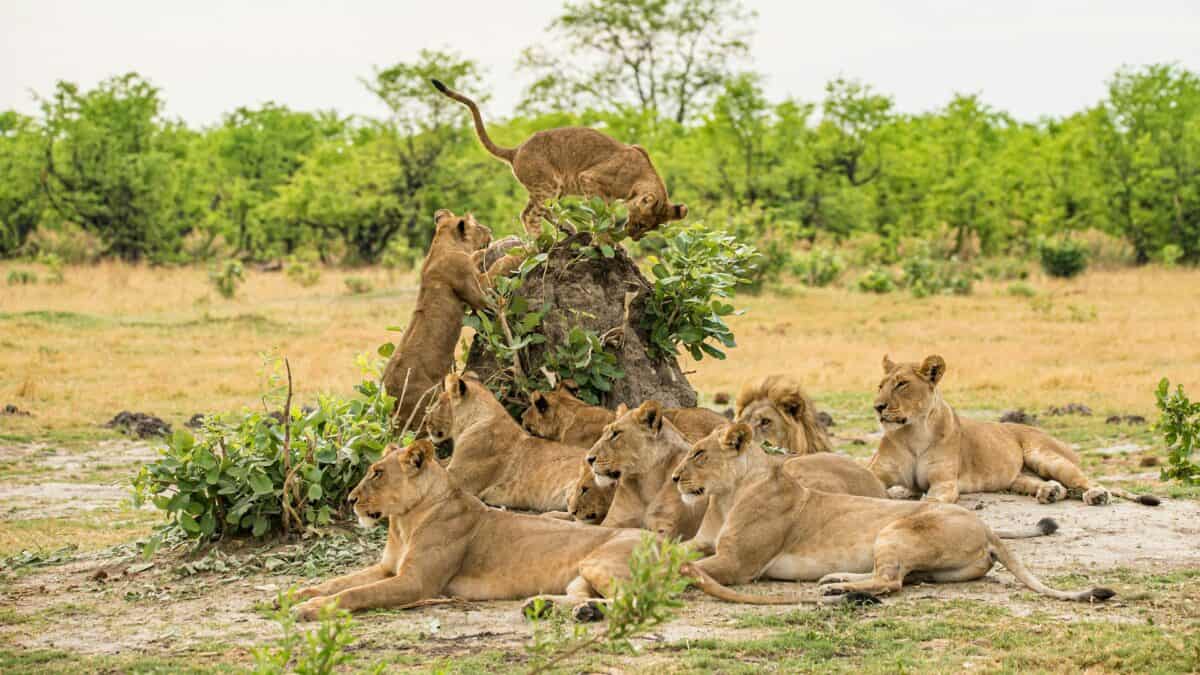
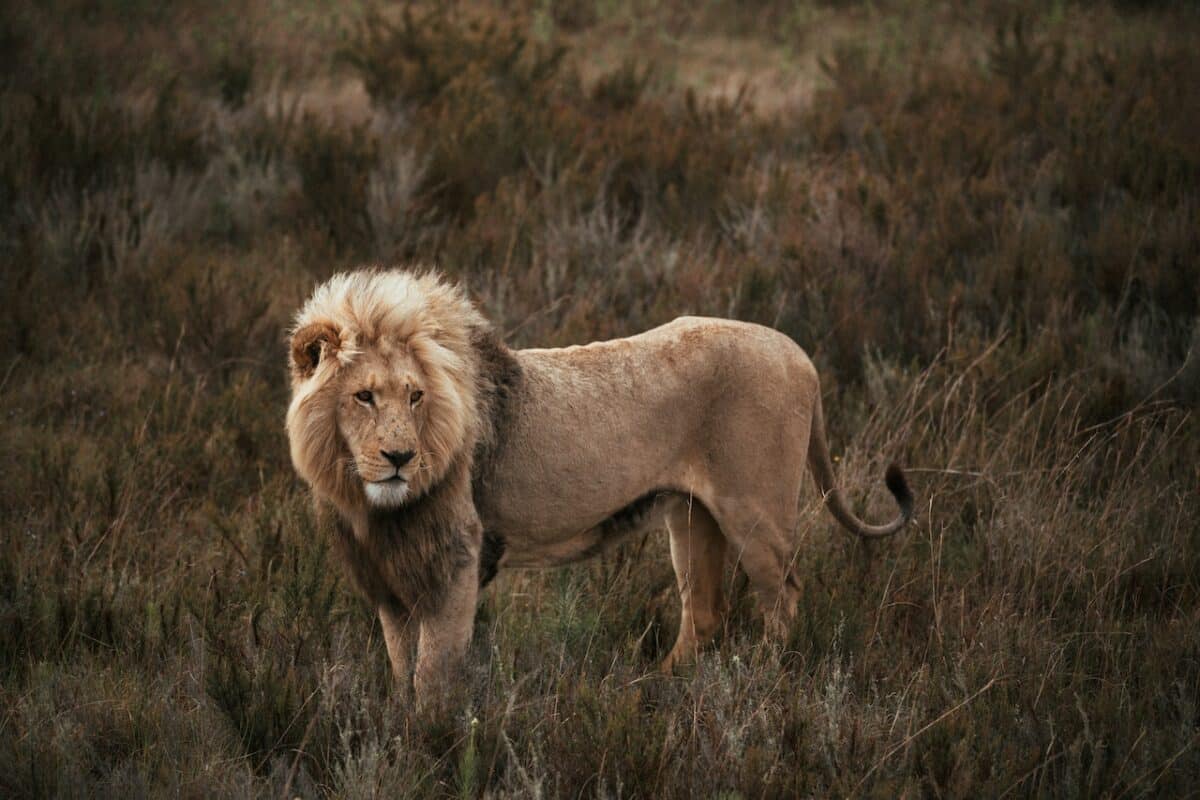
In “The Lion King,” Pride Rock serves as the central kingdom ruled by a single male lion who maintains control over the territory and its lionesses. While this basic structure has some truth, real lion prides are more complex. In nature, prides typically consist of related females who form the stable core of the group, along with their cubs and a coalition of 2-4 adult males who have taken over the pride. Unlike Mufasa’s solo reign, male lions in the wild rarely rule alone, as coalitions provide better defense against challenger males.
The film also simplifies the territorial aspect of pride life. Rather than a single pride controlling an entire ecosystem as depicted in the movie, the African savanna typically hosts multiple lion prides with overlapping territories. These territories are constantly defended and occasionally shift as prides gain or lose strength. The theatrical coronation ceremony where animals gather to celebrate Simba’s birth is purely fictional—in reality, other animals generally avoid lions rather than worship them as monarchs of the savanna.
Male Takeovers and Succession

One of the most dramatic plot points in “The Lion King” involves Scar’s treacherous overthrow of Mufasa and seizure of the throne. While the movie portrays this as an aberrant act of villainy, male takeovers are actually a natural part of lion society. In the wild, younger or outside males regularly challenge and attempt to defeat the ruling males of a pride. When successful, they often do kill or drive away cubs fathered by the previous males—a behavior that, while seemingly cruel, serves evolutionary purposes by bringing the females back into estrus sooner.
Where the film diverges significantly from reality is in the idea of rightful succession from father to son. In nature, young male lions like Simba are typically forced to leave their birth pride around 2-3 years of age, either departing voluntarily or being driven out by the adult males. These young males then wander as nomads or form bachelor groups until they’re strong enough to challenge for control of their own pride. The notion of a prince waiting to inherit his father’s throne is a human construct applied to lion society for storytelling purposes.
The Role of Lionesses in Pride Life

While “The Lion King” acknowledges that lionesses do the hunting—shown briefly in scenes with Sarabi and other females—it significantly downplays their crucial role in pride structure. In reality, lionesses are the backbone of lion society. They work cooperatively to hunt, defend territory, and raise cubs collectively. The film’s focus on male lions as the decision-makers and protectors simplifies the complex social dynamics where lionesses actually make many of the day-to-day decisions about hunting grounds and cub protection.
Additionally, the movie depicts Nala as the only significant female character of Simba’s generation, creating a convenient romantic pairing. In natural lion prides, there would be multiple female cubs who would likely remain with the pride into adulthood. These females would be Simba’s relatives, and in fact, breeding typically occurs between the ruling males and the adult females of the pride, regardless of familial relationship. Disney understandably avoided this aspect of lion behavior for its family audience, opting instead for a more human-like monogamous pairing between Simba and Nala.
Hyenas: Villains or Misunderstood?

Perhaps no animals get a worse portrayal in “The Lion King” than the hyenas. Depicted as dim-witted, mangy scavengers who ally with Scar, the film’s hyenas reinforce long-standing misconceptions about these animals. In reality, spotted hyenas are intelligent, socially complex predators with fascinating behaviors. They’re not simply scavengers but skilled hunters who obtain up to 70% of their food through their own kills. Hyena clans are actually matriarchal societies led by alpha females—a fact completely absent from the male-dominated hyena group in the film.
The antagonistic relationship between lions and hyenas does have some basis in fact. These species are competitors who sometimes steal kills from each other and may engage in deadly confrontations. However, the movie’s portrayal of hyenas as blindly subservient to a lion goes against their natural behavior. In the wild, hyenas would never follow a lion’s orders or work as minions. This creative choice serves the film’s narrative needs but perpetuates unfortunate stereotypes about these remarkable animals that have hampered conservation efforts.
Rafiki: Shamanic Baboon or Hollywood Creation?

The wise, mystical Rafiki serves as a spiritual guide and advisor in “The Lion King,” bridging the natural and supernatural worlds. While mandrill baboons do exist in Africa, they don’t naturally occur in the savanna habitats where lions live, instead preferring forested areas primarily in central and western Africa. The film takes significant liberties with Rafiki’s behavior, as real mandrills are primarily frugivorous (fruit-eating) and aren’t known to interact meaningfully with lions or other large predators.
The shamanistic role given to Rafiki reflects human cultural practices more than actual primate behavior. Real mandrills live in large troops and have complex social hierarchies, but they don’t function as spiritual leaders or healers for other species. The character’s ability to communicate across species, perform rituals, and seemingly possess mystical knowledge is entirely fictional. However, Rafiki’s physical appearance is reasonably accurate to real mandrills, with their distinctive colorful facial features and long snouts, though his bipedal movement and tool use are exaggerated for anthropomorphic effect.
Timon and Pumbaa: Unlikely Friends?
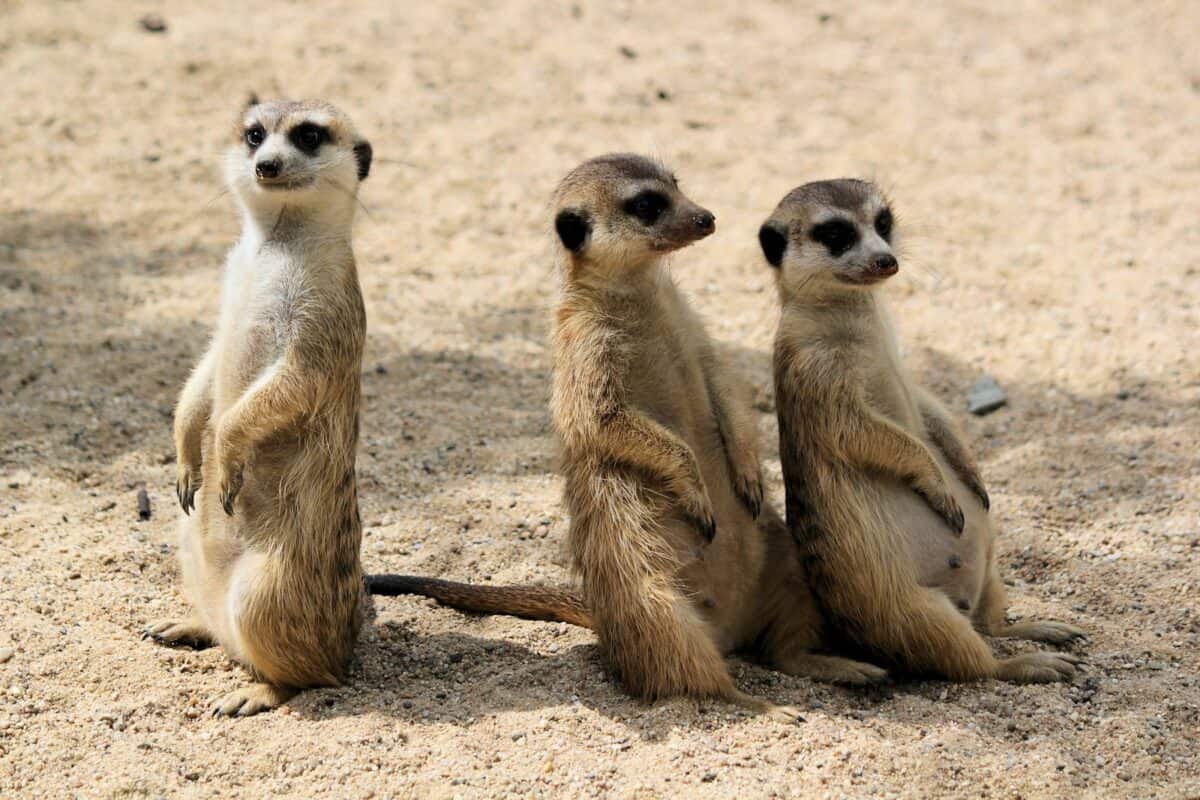
The comedic duo of Timon the meerkat and Pumbaa the warthog provides much of the film’s comic relief while introducing the carefree “Hakuna Matata” philosophy. Their close friendship, while heartwarming, is highly improbable in nature. Meerkats are small, social animals that live in colonies called “mobs” or “gangs” in southern African deserts and grasslands. They rarely venture far from their group, as their survival depends on their cooperative vigilance against predators. Warthogs, meanwhile, are much larger omnivores that typically associate with other warthogs or exist in small family groups.
The diet shown in the film—primarily insects and grubs—is somewhat accurate for meerkats but would be insufficient for a warthog, which requires more substantial vegetation in its diet. The idea that these species would form a close bond and adopt a lion cub is pure fantasy. In reality, a warthog would be a potential prey animal for lions, while meerkats would avoid all larger predators. The “Hakuna Matata” lifestyle also contradicts the reality that both species in the wild must remain constantly vigilant against numerous predators, including but not limited to lions.
Predator-Prey Relationships and the “Circle of Life”
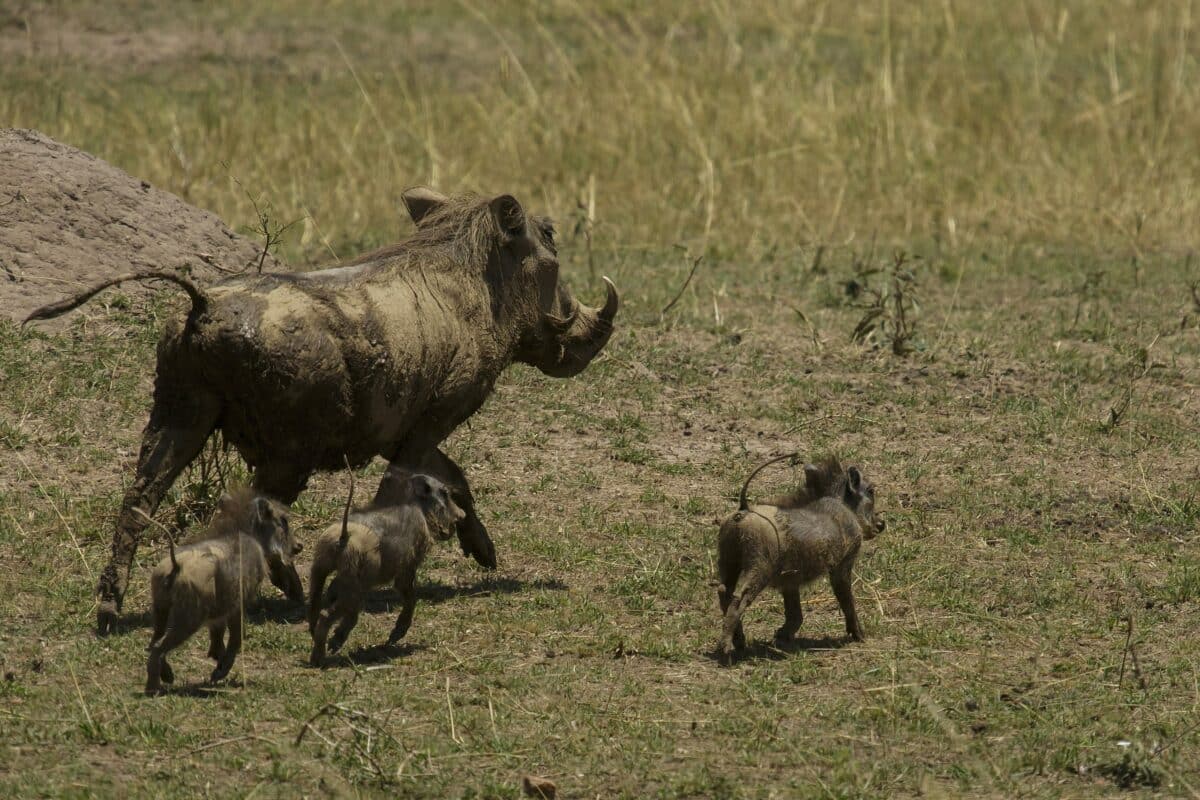
The “Circle of Life” philosophy central to “The Lion King” presents a simplified but fundamentally sound understanding of ecosystem dynamics. The film correctly portrays the concept that energy flows through an ecosystem, with primary producers (plants) being consumed by herbivores, which are in turn eaten by predators. When these animals die, their bodies decompose, returning nutrients to the soil for plants. This basic ecological principle is captured in Mufasa’s explanation to young Simba about respecting all creatures in the kingdom.
However, the movie takes artistic license in how predator-prey relationships are portrayed. The opening sequence shows various prey animals seemingly accepting or even celebrating the birth of a predator who will eventually hunt them. In reality, prey species have evolved specific behaviors to avoid predators, not to revere them. The film also glosses over the more brutal aspects of predation. When Simba returns as an adult, he appears to subsist primarily on insects rather than hunting larger animals, which would be necessary for a real lion’s survival. This sanitization of nature’s harsher realities makes the story more palatable for younger audiences but presents an idealized version of natural predator-prey dynamics.
Coming of Age and Exile

Simba’s exile and eventual return to challenge for his birthright makes for compelling drama but diverges from typical lion behavior in several ways. As mentioned earlier, young male lions do leave their birth prides, but this is a natural part of development rather than the result of trauma or deception as portrayed in the film. In the wild, these adolescent males typically form bachelor groups with other young males, often their brothers or cousins, rather than adopting the solitary lifestyle Simba initially embraces with Timon and Pumbaa.
The physical transformation Simba undergoes, developing from cub to full-grown lion with a magnificent mane, is one aspect the film portrays fairly accurately. Male lions do develop their distinctive manes as they mature, though the timing and fullness can vary based on genetics, nutrition, and testosterone levels. What’s less realistic is the idea that Simba could develop into a physically imposing lion while subsisting on the “Hakuna Matata” diet of bugs. In reality, a young male lion requires substantial protein intake from meat to develop the muscle mass needed to challenge other males and survive in the competitive savanna environment.
Communication and Vocalization Among Lions

While “The Lion King” obviously takes creative license by having its animals speak English, the film does incorporate some realistic aspects of lion communication. The powerful roars that feature prominently throughout the movie—particularly in iconic scenes like Mufasa’s ghost appearing in the clouds—do reflect the impressive vocalizations of real lions. Adult male lions can roar so loudly they can be heard up to five miles away, and these roars serve important functions in territorial marking and pride communication.
However, lions communicate in many other ways the film doesn’t explore. They use a complex repertoire of sounds including grunts, growls, moans, and puffs to communicate different messages to pride members. Body language is equally important, with tail positions, ear movements, and facial expressions conveying mood and intent. Scent marking through urine spraying and rubbing behavior also plays a crucial role in real lion communication. These subtler forms of lion “language” are understandably omitted or simplified in favor of human dialogue and more dramatic roaring scenes that serve the narrative.
The Ecological Impact of Pride Leadership
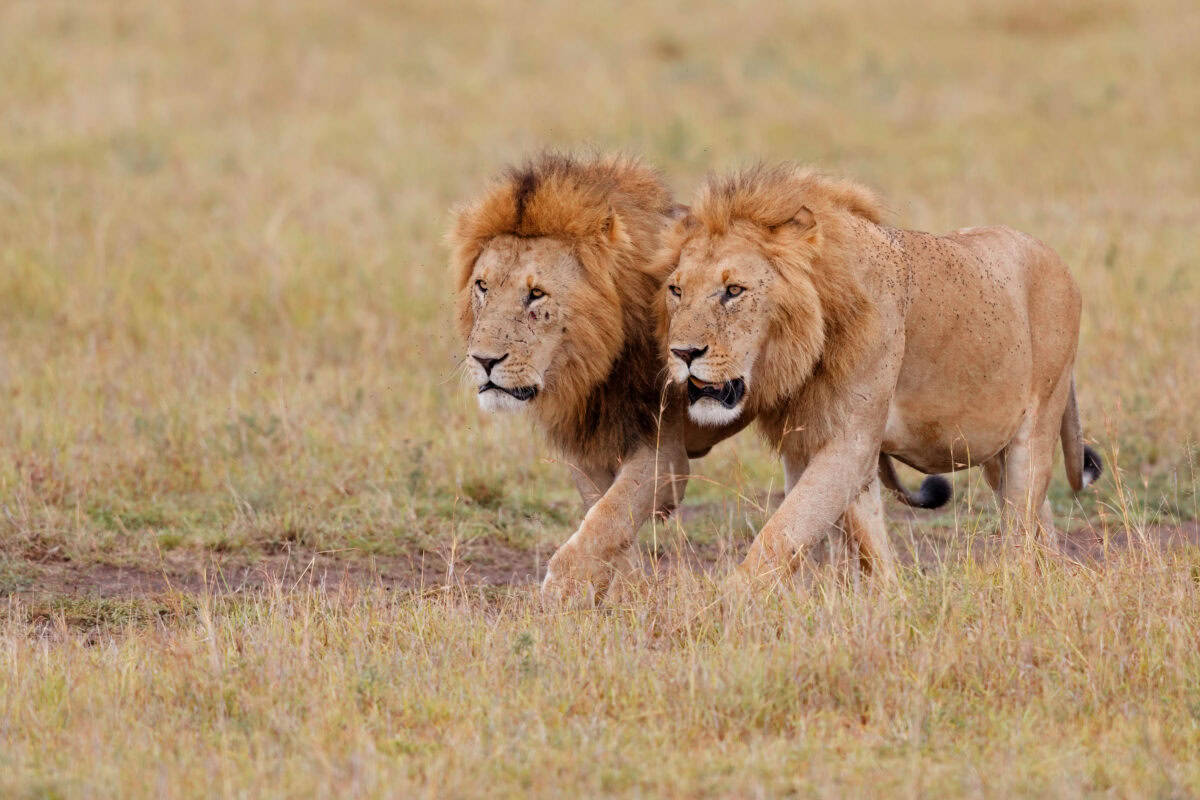
One of the more interesting scientific aspects touched upon in “The Lion King” is how the leadership of a pride can affect the wider ecosystem. When Scar takes over and allows the hyenas to overhunt, the Pride Lands become barren and depleted. While dramatically exaggerated for the film, this actually contains ecological truth. Top predators like lions do help maintain ecosystem balance by controlling herbivore populations, preventing overgrazing that can lead to habitat degradation. Research in places like Yellowstone National Park with wolves has demonstrated how apex predators create “trophic cascades” that ultimately affect everything from prey populations to vegetation patterns.
The rapid recovery of the Pride Lands once Simba returns is where the film takes its greatest ecological liberty. In reality, ecosystem recovery following such degradation would take many years or even decades, not the seemingly instantaneous rejuvenation depicted as rain falls on Pride Rock. Still, the basic premise that balanced predator-prey relationships contribute to healthier ecosystems is scientifically sound, making this aspect of the film a simplified but meaningful ecological lesson for audiences.
The Portrayal of Scavengers and Decomposers
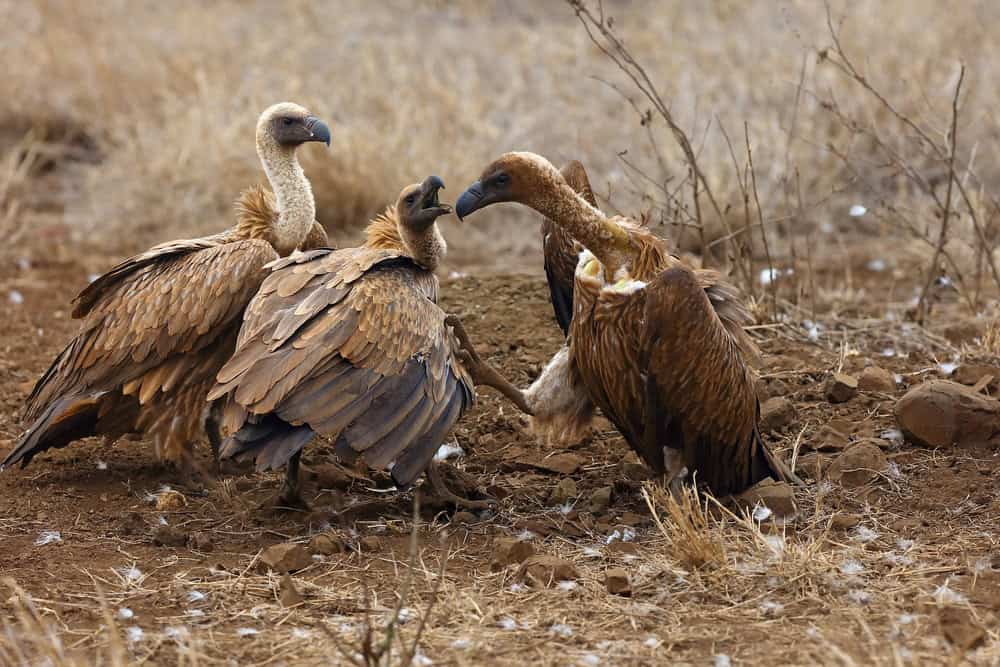
Beyond the maligned hyenas, “The Lion King” largely overlooks the crucial role of scavengers and decomposers in the actual “circle of life.” In natural ecosystems, animals like vultures, certain insects, and microorganisms play essential roles in breaking down dead organic matter and recycling nutrients. These creatures are either absent from the film or, in the case of buzzards, briefly shown as ominous symbols rather than valuable ecosystem contributors. Real African ecosystems depend heavily on vultures and other scavengers to clean up carcasses, prevent disease spread, and return nutrients to the soil.
This omission likely stems from Western cultural perceptions of scavengers as unsavory or unimportant, but it represents a missed opportunity to showcase the complete ecological cycle. In nature, decomposers are the closing link that truly makes the “circle of life” circular, converting dead organisms back into nutrients that plants can absorb. Without them, nutrients would remain locked in dead bodies, unavailable for new growth. While perhaps less visually appealing for an animated feature, these decomposers are equally important members of the savanna community as the charismatic lions the film celebrates.
Conclusion: Balancing Entertainment with Education
“The Lion King” succeeds brilliantly as entertainment while offering a mixed portrayal of actual animal behavior and ecology. The film captures certain aspects of lion society accurately—the importance of pride structure, the role of lionesses as hunters, and the drama of male competition. However, it significantly anthropomorphizes its characters, simplifies complex ecological relationships, and perpetuates some misconceptions, particularly about hyenas and predator-prey dynamics. These creative choices serve the narrative but sometimes at the expense of zoological accuracy.
Despite these liberties, the film’s core ecological message about interconnectedness and balance in nature resonates with scientific understanding. “The Lion King” has introduced millions of children to concepts of ecosystem dynamics and the importance of conservation, potentially sparking interest in wildlife that extends beyond the screen. By presenting a version of nature that, while romanticized, still contains elements of truth, the film serves as an entry point for deeper learning about real animal behavior.
For viewers seeking to understand actual lion behavior, “The Lion King” should be appreciated as an artistic interpretation rather than a documentary. The film’s lasting value lies not in its scientific accuracy but in how it uses animal characters to explore universal themes of responsibility, courage, and finding one’s place in the world. In this light, the movie succeeds in making us care about wildlife and the ecosystems they inhabit, even if the real savanna contains fewer musical numbers and more complex relationships than those portrayed on Pride Rock.
Ultimately, “The Lion King” reminds us that stories about animals need not be perfectly accurate to inspire wonder and respect for the natural world. By blending fact with fiction, the film creates a memorable fable that continues to enchant audiences while subtly educating them about the delicate balance of life in one of Earth’s most magnificent ecosystems.

From exploring the marine wonders in the Azores and witnessing the vast savannas of Kenya, to delving deep into the rich biodiversity of South Africa and traversing iconic landscapes in Australia and the US like Yellowstone, Chris's experiences are vast.
With a penchant for diving alongside sharks, the ocean holds a special place in his heart.
Through his academic insights, he champions wildlife conservation, striving with 'Animals Around The Globe' to cultivate a profound connection between humans and animals, enhancing our mutual appreciation.
Connect with him at Feedback@animalsaroundtheglobe.com.
- Is the Lion King Based on Real Animal Behavior? - August 11, 2026
- Could Artificial Reefs Save the Most Endangered Fish? - August 11, 2026
- Where To See Black Widow Spider? - August 11, 2026
Leave a comment
You must be logged in to post a comment.