
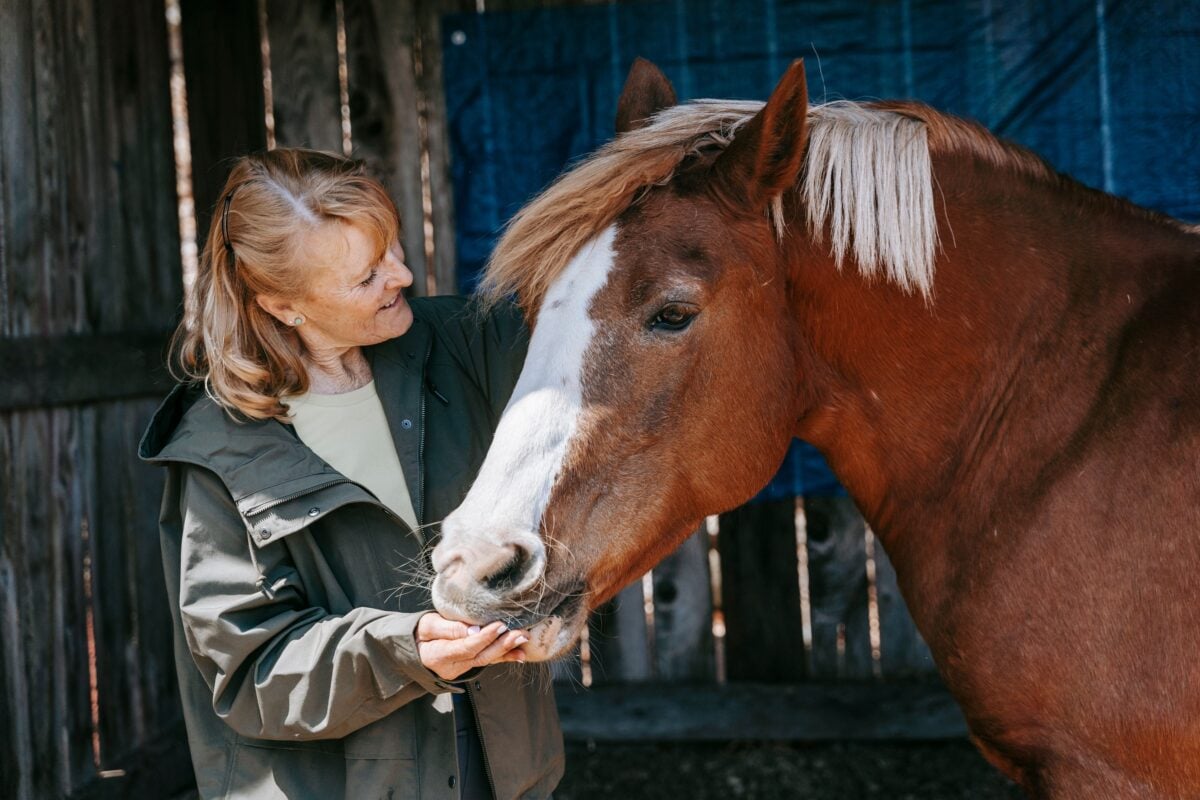
Your horse walks out to the paddock, eats his hay, nickers at you over the fence. Everything looks normal. So he must be fine, right?
Equine vets will tell you that’s exactly the assumption that lets pain hide in plain sight for years. Many “healthy-looking” senior horses are quietly living with low-grade discomfort every single day, and it rarely announces itself with a limp or a dramatic collapse. It shows up in tiny, easy-to-explain-away details – the way a horse stands, chews, or chooses to stand alone. Here are the 17 specific things vets actually look for before they’ll call a horse genuinely comfortable, not just “getting by.”
#1 – Changes in Posture and How They Stand
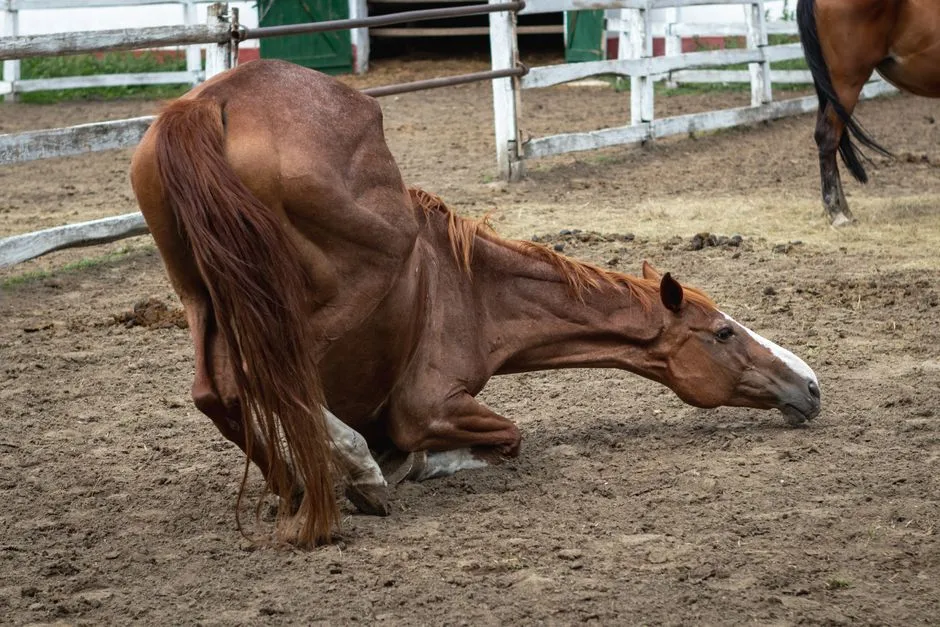
Vets will tell you: an old horse’s stance can scream “I hurt” long before he ever takes a lame step. A comfortable senior usually stands square more often than not, weight fairly even, shifting occasionally but not constantly.
If you start seeing your horse standing camped under, parked out, or always resting one particular leg, that’s a red flag. Many arthritic horses subtly “fake” comfort by quietly unloading a sore joint, and vets catch it in seconds while owners chalk it up to “just old age.”
#2 – Lying Down, Getting Up, and Actual Sleep
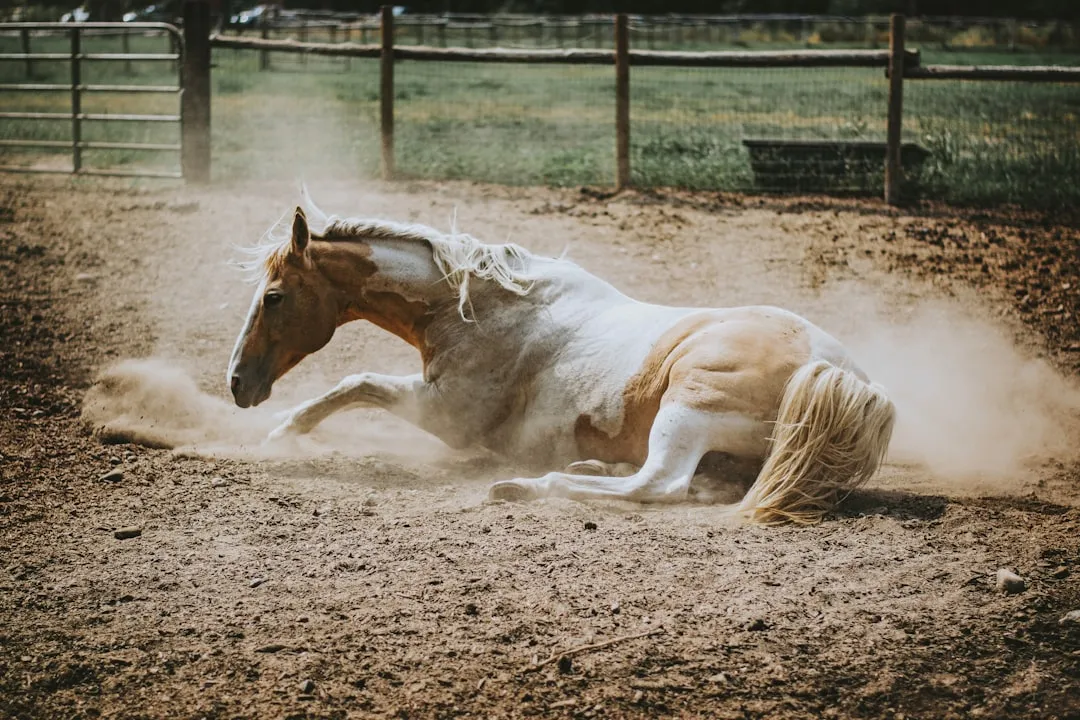
Most owners focus on how often an old horse lies down. Vets focus on how easily he gets back up. A comfortable senior can still fold down, roll, and rise without a long, struggling sequence.
If your horse hesitates to lie down, or you catch him trying repeatedly to stand, front end up while the hind stays stuck, that often signals real pain in the hind end, stifles, or back. Horses only get deep REM sleep lying down – and an uncomfortable senior will stay upright, “dozing” but never truly resting. Over time that shows up as scuffed knees from collapsing microsleeps, or a horse who seems dull, cranky, or oddly spooky. Those aren’t age quirks; they’re often signs of a horse literally too sore to lie down enough to sleep.
#3 – Subtle Weight Loss and a Melting Topline
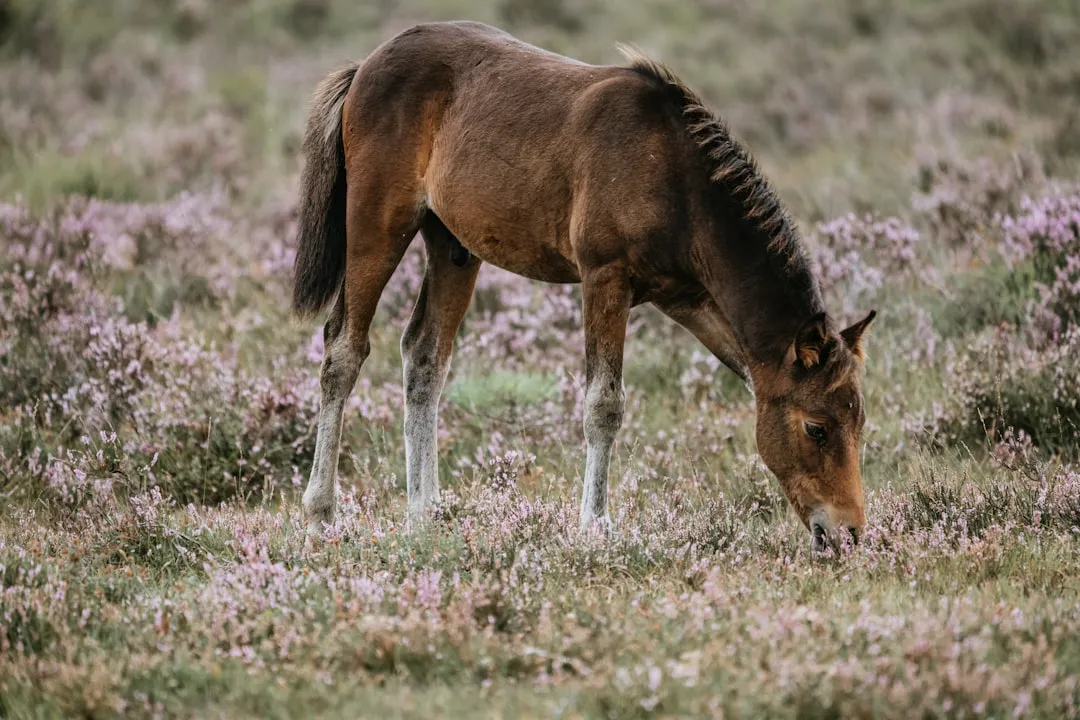
Everyone watches the ribs. Vets watch the topline. An ageing horse can be nicely rib-covered but melting over the back and hindquarters, and that’s a comfort clue, not just a nutrition one.
Chronic pain horses lose muscle first along the spine, rump, and shoulders because they’re moving rigidly and not using those muscles properly. Owners call it “old horse swayback”; vets call it a history of guarded, uncomfortable movement. Unexplained thinning over the croup, even with a solid feeding program, often points toward chronic discomfort, low-grade laminitis, or organ disease – pain simply burns calories a horse can’t afford to lose.
Fast Facts
- The Henneke Body Condition Scale (1-9) is the standard vets use to track weight and topline changes over time.
- Chronic pain burns extra calories through muscle guarding, tension, and reduced movement.
- Topline loss over the spine and hindquarters can show up weeks before ribs become visible.
- A senior can hold a “normal” body condition score while still losing real muscle mass.
#4 – Facial Expression, Eyes, and the “Pain Face”
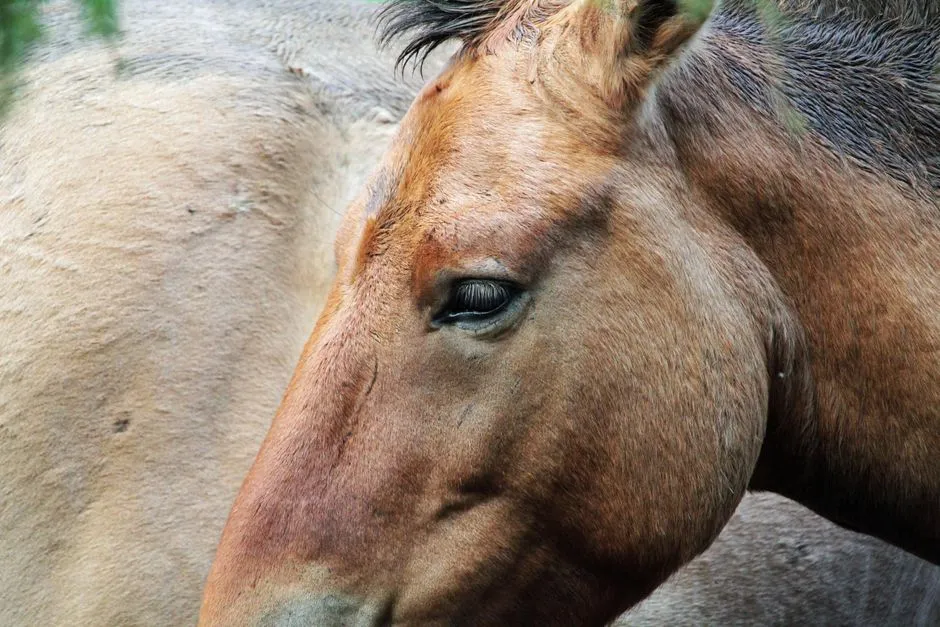
Equine vets are borderline obsessed with the “pain face” – and once you learn to see it, you can’t unsee it. A comfortable horse has a soft, open expression, mobile ears, and a relaxed muzzle.
An uncomfortable senior often develops tension around the eyes, a tight mouth, and a fixed, withdrawn look – flared nostrils at rest, wrinkling above the eyes, a once-expressive face gone quiet. Owners write that off as “getting grumpy with age.” Vets read it as a horse quietly enduring something, because chronic pain physically rewrites a horse’s baseline expression.
#5 – Changes in Appetite, Chewing, and Dropping Feed
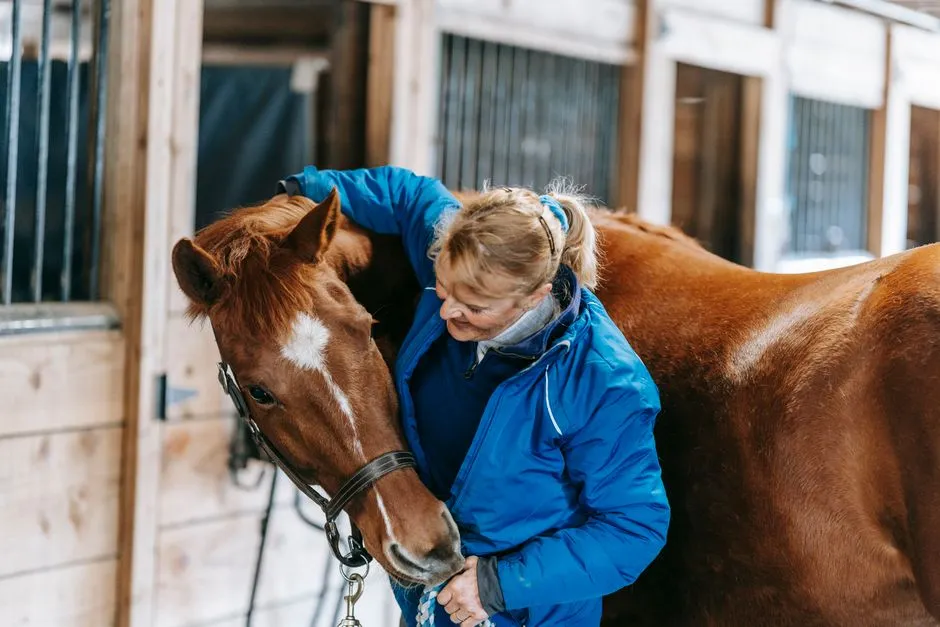
“Still cleaning up the feed” is not the whole story. Vets look closely at how your older horse eats. Packing food in the cheeks, quidding hay, slow chewing, or soaking hay in the water bucket all point to dental pain or TMJ discomfort – and a truly comfortable horse doesn’t wince through every mouthful.
Small shifts matter too: the grain-lover who now picks, the hay left behind overnight. Chronic gut discomfort – ulcers, hindgut issues, low-grade colic – is extremely common in seniors and often disguises itself as “fussy eating.” When a vet spots dropped pellets scattered around a veteran’s feeder, they don’t shrug it off as a quirk; they start checking mouths, guts, and comfort.
#6 – Willingness to Move Forward and Gait Quality
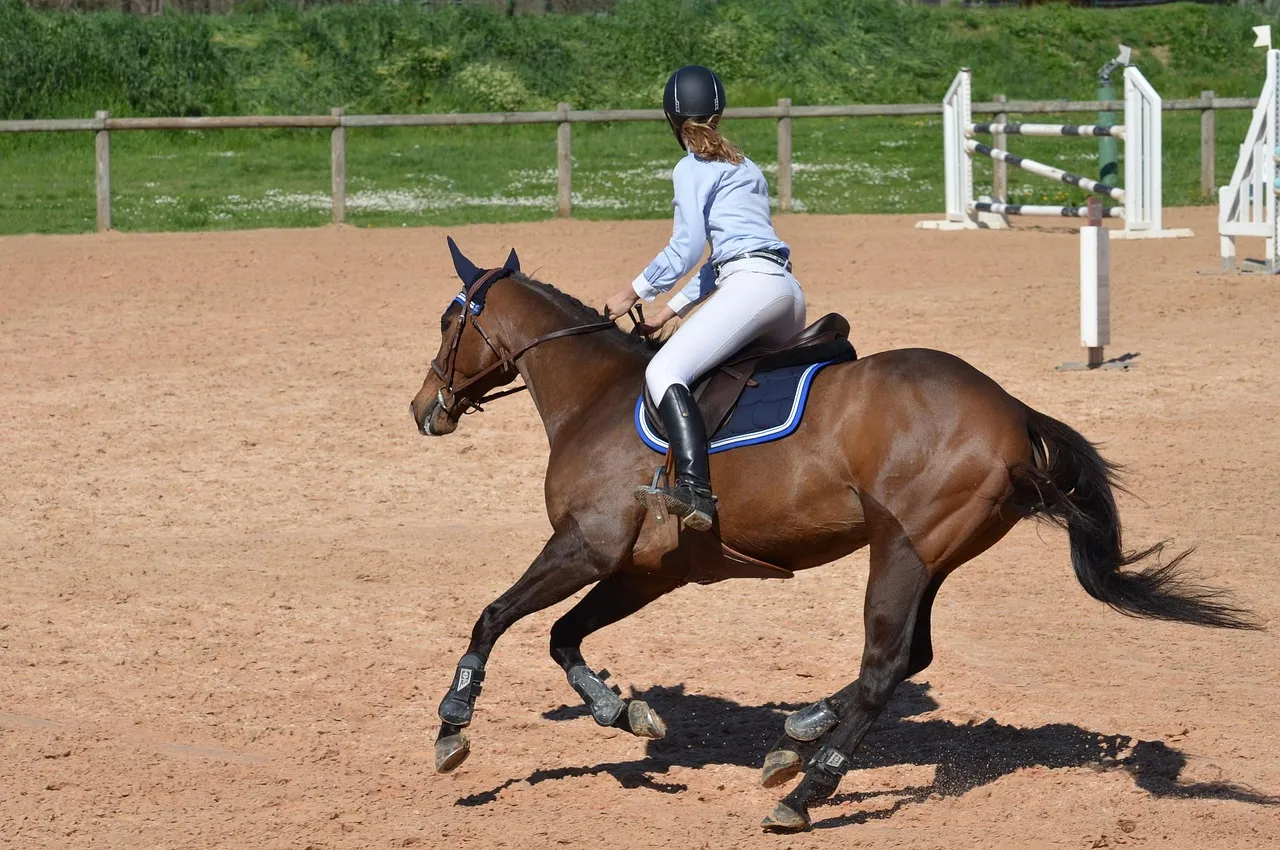
Most owners only call it lameness once a horse is visibly “off.” Vets are interested long before that. They watch how a horse leaves the stall – does he march out willingly, or shuffle and warm up like an old man with bad knees? A comfortable horse might take a few stiff steps but should loosen quickly and move with some swing.
Watch for a shortened stride up front, toe-dragging or uneven hoof wear, or a reluctance to trot when he used to offer it freely. “Just a bit arthritic” is often code for “this horse is sore every day.” Gait changes are one of the earliest, clearest signs comfort is slipping, even in a horse who seems to power through.
#7 – Hoof Heat, Digital Pulse, and Tiny Laminitis Clues
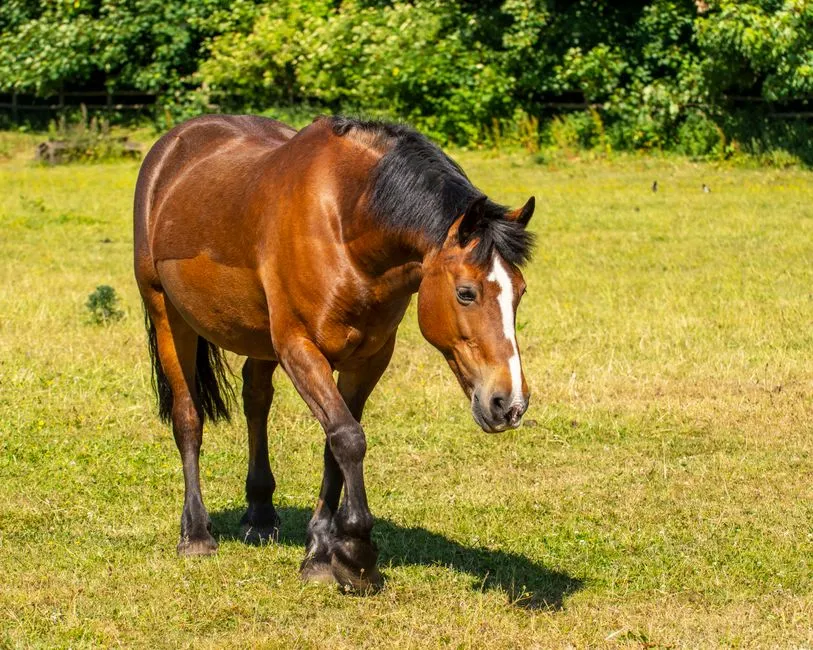
Far more ageing horses live with low-grade laminitis than most owners realize. Vets almost obsessively check hoof temperature and digital pulses, because a mildly elevated pulse or warmth can mean a horse is walking on inflamed laminae long before obvious lameness shows. Seniors with PPID or metabolic issues are especially at risk, even when they’re not overweight.
Subtle tells include short, choppy steps on hard ground, awkward tight turns, or a “rocked back” stance that quietly unloads the front feet. Owners shrug it off as “he doesn’t like gravel anymore.” Vets hear “my horse’s feet hurt every single step” – and catching it early can decide whether those later years are comfortable or spent fighting chronic foot pain.
Worth Knowing
- A normal digital pulse is faint and hard to find; a strong, bounding pulse is never “just how he is.”
- Warm hooves alone aren’t diagnostic, but warmth paired with a bounding pulse is a genuine laminitis red flag.
- PPID (Cushing’s) becomes increasingly common as horses move into their late teens and twenties, raising laminitis risk even in lean horses.
- Short, choppy steps on gravel are often the very first visible sign of sore feet, well before a limp appears.
#8 – Back Sensitivity and Reaction to Grooming or Saddling
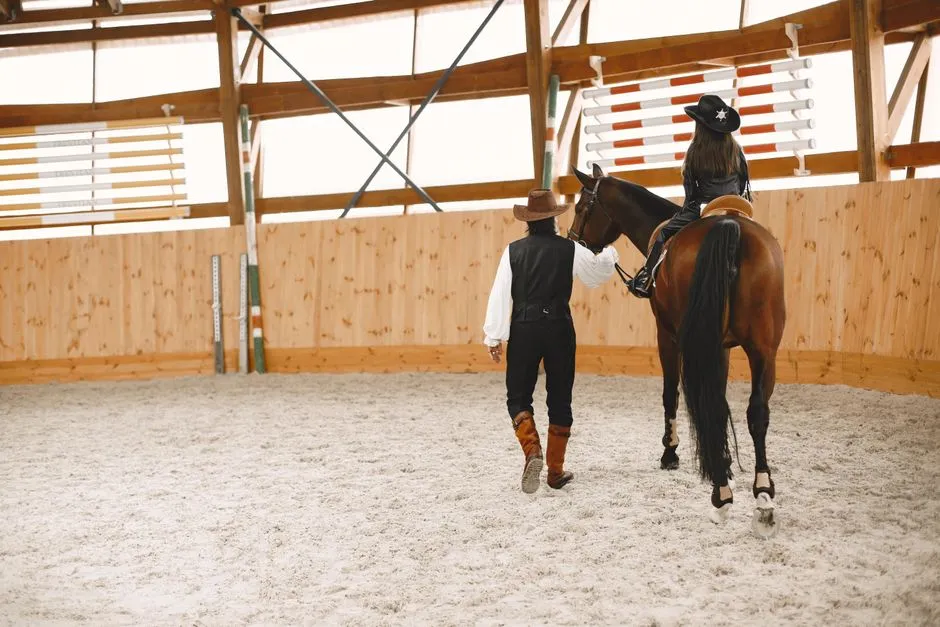
If grooming used to be your horse’s spa time and now it’s a negotiation, pay attention. Vets constantly test for back and sacroiliac pain by watching reactions to touch – flinching, dipping away, tail swishing, or pinned ears when a curry runs over the back or loin. That’s not “being fresh.” That’s data.
Under saddle the tells get more honest still: sudden hollowing or rushing, bucking at canter transitions, resisting bend on one side. Ageing horses quietly accumulate spinal arthritis, kissing spines, or SI strain, and owners often blame the saddle alone. Chronic back pain is one of the most under-recognized quality-of-life killers in senior horses, and vets treat it as a reason to rethink the whole workload, not just re-check the tack.
#9 – Respiratory Effort and “Just a Little Heavey”
Many older horses develop asthma-like conditions (RAO, heaves) that quietly become their new normal. Owners say, “He just coughs a bit at the start.” Vets hear, “this horse is probably breathing harder than he should, every single day.”
Watch the flanks when your senior is standing quietly – is he working harder than the younger horses beside him? Flared nostrils at light exercise, wheezing, chronic nasal discharge, or needing extra breaks on the trail all count. A horse who can’t breathe comfortably isn’t comfortable, full stop – vets rank respiratory effort high on the comfort checklist because oxygen is never optional.
#10 – Water Intake, Urination, and Manure Changes
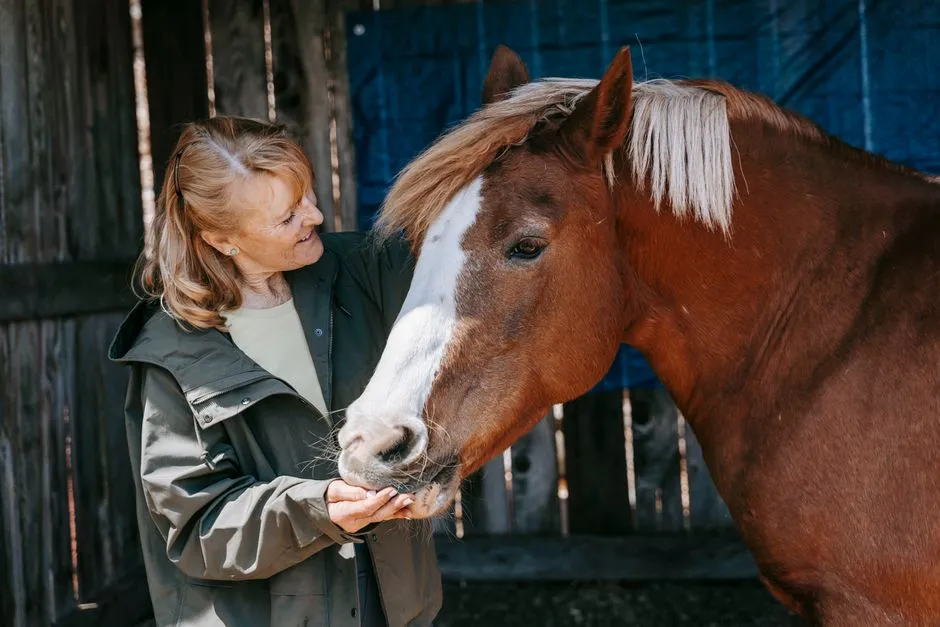
Senior horses don’t just get “quirky” with their water buckets. Vets watch drinking habits, urination, and manure consistency as early flags for kidney strain, PPID, metabolic disease, or chronic low-grade gut discomfort. Drinking noticeably more or less than usual, out of step with weather or workload, matters.
Watch for drier or smaller manure balls, straining, dribbling urine, or a stall that’s suddenly much wetter or oddly dry. A horse teetering on the edge of impaction or hindgut inflammation can look “fine” right up until the crisis hits. Vets treat these small changes as whispers before the scream.
#11 – Social Behavior and Herd Position Shifts
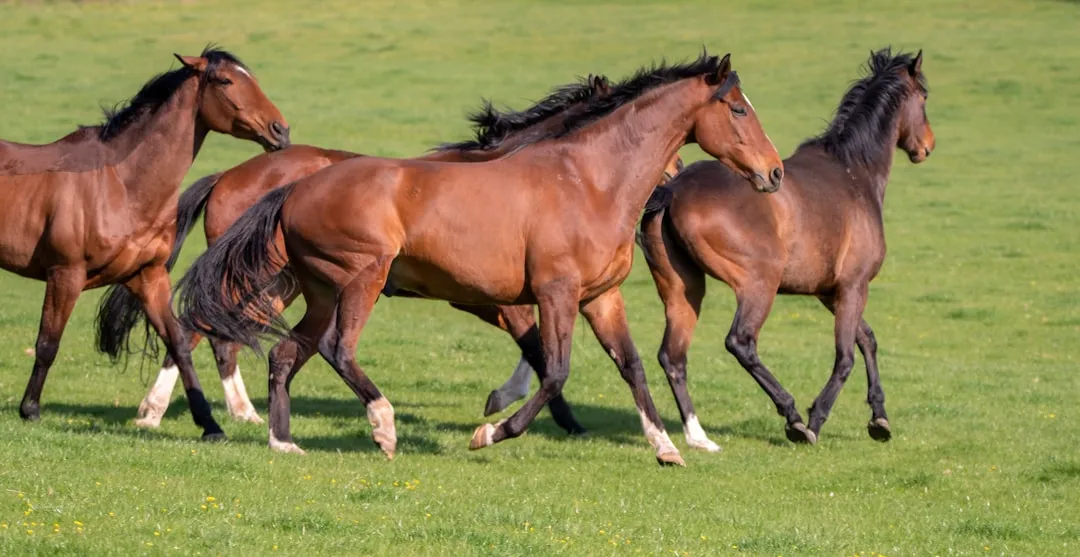
Most people underestimate how brutally honest herd dynamics are. A comfortable horse usually keeps roughly the same social role over time – playful buddy, mid-rank, boss. An uncomfortable senior often slides down the hierarchy, gets pushed off the hay, or starts choosing to stand alone.
Vets quietly clock it when the old gelding who used to play at the round bale is suddenly lurking at the edge of the herd. Increased irritability, a once-friendly horse avoiding touch, or a companion who starts “guarding” him are all signals. Owners call it “getting cranky with age.” Behavior is one of the most honest comfort barometers vets have, and when personality shifts, they assume a physical cause until proven otherwise.
#12 – Reaction to Touch: Ears, Poll, and Legs
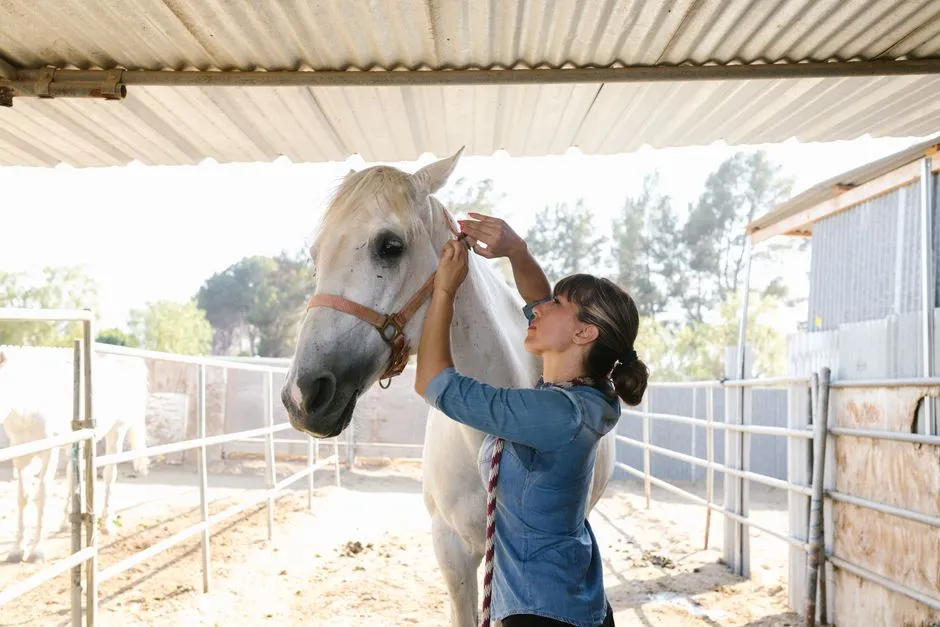
Many ageing horses develop ear plaques, poll tension, or arthritic knees and hocks that make handling quietly miserable. Vets pay close attention when a previously easy horse starts resisting haltering, bridling, or having a leg picked up. That’s rarely bad manners. It’s self-preservation.
Pulling away from the poll, snatching a leg during hoof care, or a sudden aversion to fly masks and headcollars often reflect real pain in the neck, jaw, or joints. A comfortable horse may dislike restraint but doesn’t panic at every routine touch. When every interaction feels like a threat to your senior, vets go looking for the body part that hurts each time you ask.
#13 – Stumbling, Tripping, and Coordination Changes
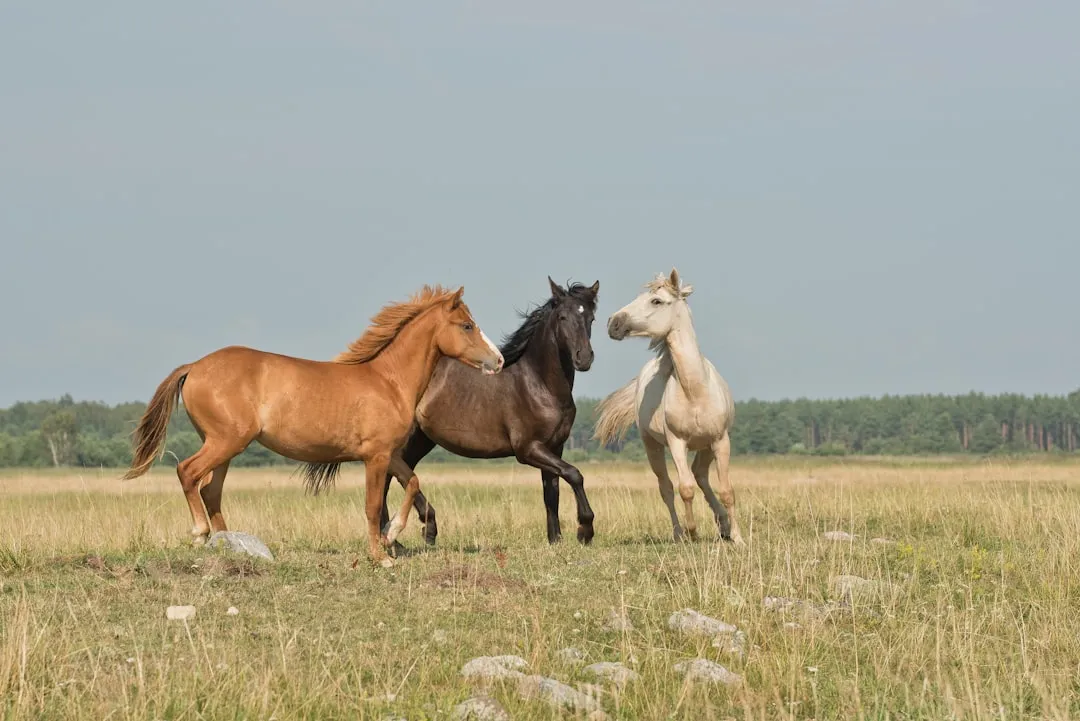
Owners often shrug off stumbling as clumsiness or laziness. Vets are far less casual – in older horses, repeated tripping can mean neurological issues, hoof pain, or serious joint degeneration. A comfortable horse should cross normal terrain without repeatedly catching a toe or nearly going to his knees.
Watch for tripping that favors one front foot, long skid marks from dragged toes, or a wobbly feeling behind on turns or downhill ground. Some vets quietly test this by backing a horse or walking tight circles. Loss of coordination is a major welfare flag, not a harmless quirk – many “he’s just lazy” seniors are actually working hard just to stay upright.
Quick Compare
- Comfortable senior: Crosses uneven ground steadily, occasionally catches a toe without drama.
- Struggling senior: Repeatedly stumbles on the same foot, drags a toe, or nearly goes to his knees.
- Comfortable senior: Backs up straight and turns tight circles without hesitation.
- Struggling senior: Resists backing, wobbles on turns, or plants his feet to avoid moving at all.
#14 – Heat, Swelling, and “Old Windpuffs”
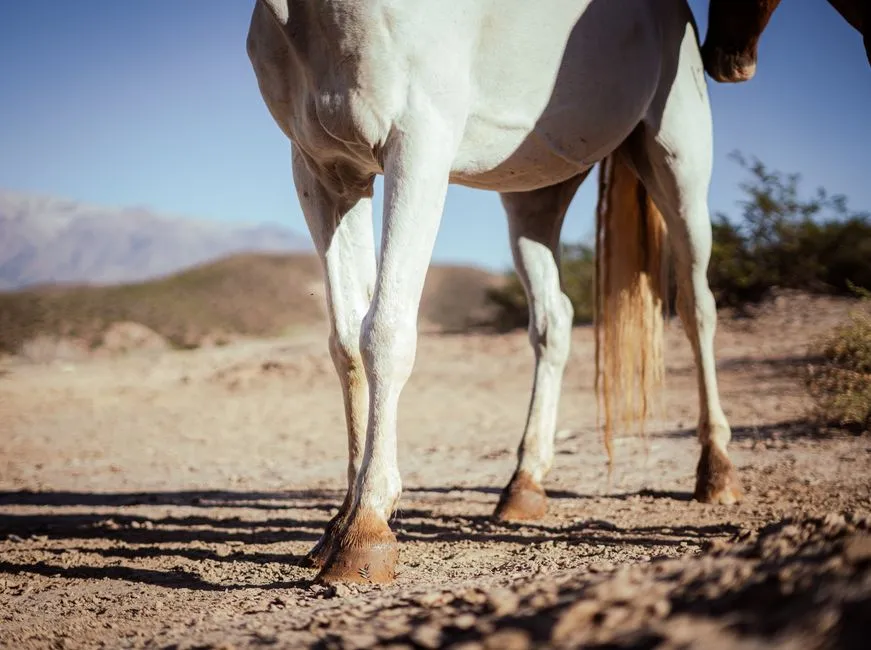
Many older horses carry some fill in their lower legs, and owners file it under “old windpuffs, nothing to see here.” Vets disagree. They differentiate between stable, cool fluid and anything warm, asymmetric, or changing over time. A comfortable horse may have cosmetic puffs; he shouldn’t have hot, tight tendons or joints that blow up after light work.
New swelling, a leg that’s consistently thicker or warmer, or small fill that grows after a short ride are all worth flagging. Chronic low-grade inflammation is pain, period. Vets don’t dismiss it just because the horse is old – if anything, they get more aggressive about managing it so he stays genuinely comfortable, not merely “serviceable.”
#15 – Energy Level, “Spark,” and Interest in Life
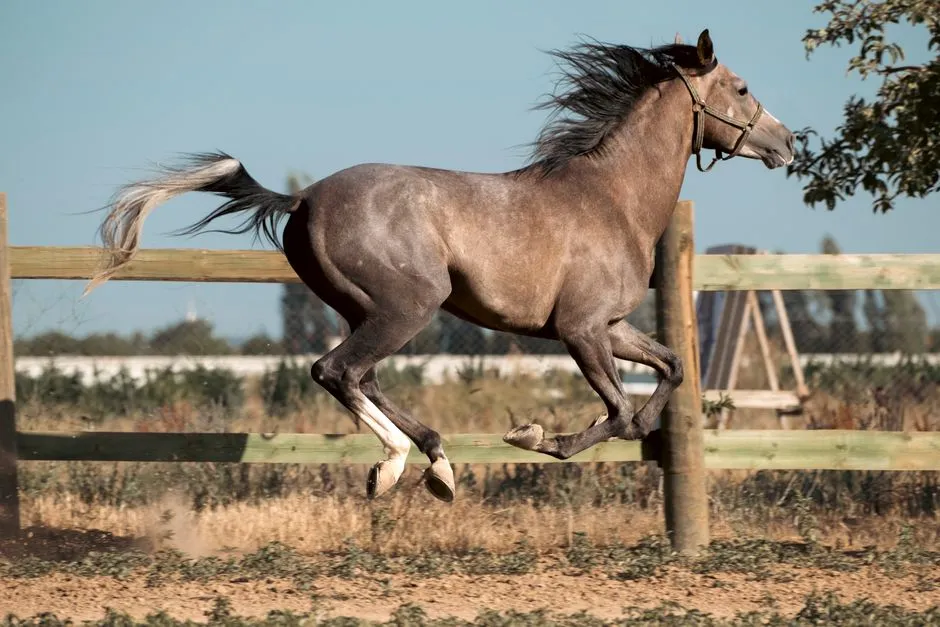
This is the one many owners quietly worry about but can’t quite name: has your horse’s spark faded? Vets absolutely factor in how bright, engaged, and interested a senior seems in daily life. A comfortable older horse may be slower, sure – but still curious, ears pricked at the gate, hunting for food, friends, or fun.
A horse who no longer comes to greet you, shows less interest in treats or grooming, or stands with his head low and eyes half-closed while everyone else is active is telling you something. We love to romanticize “old and wise,” when sometimes what we’re actually looking at is old, tired, and hurting. Loss of enthusiasm isn’t a character flaw – it’s often a pain symptom.
#16 – Response to a Trial of Appropriate Pain Management
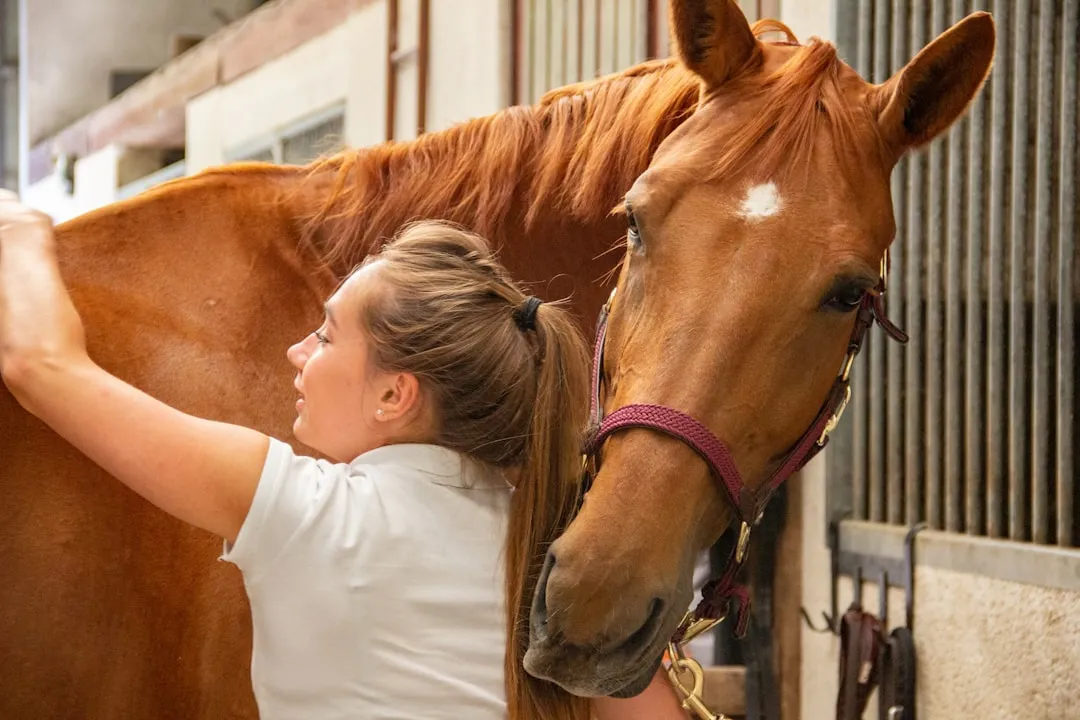
This is the uncomfortable part no one likes to talk about, because it tells the truth fast. Many equine vets will suggest a short, carefully monitored trial of pain relief – NSAIDs or other vet-approved options – just to see what changes. If your “just slowing down with age” horse suddenly moves freely, brightens up, or finally lies down to sleep properly, that’s incredibly telling.
The harsh reality: if a few days of proper pain control produce a newer, happier version of your horse, he wasn’t ageing – he was suffering. That doesn’t necessarily mean medication forever, but it does mean you now know exactly what “comfortable” looks like on him. Ignoring that knowledge afterward is a choice, and it’s one vets quietly notice owners make.
#17 – The Pattern Over Time: Bad Days vs. a Bad Life
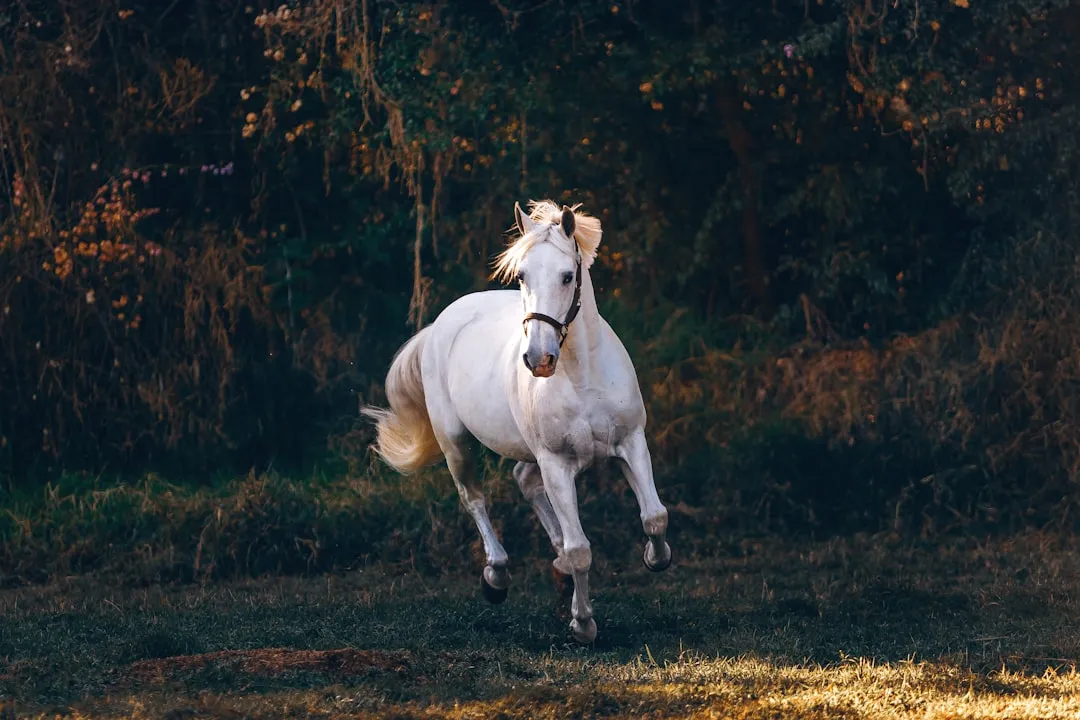
This is the sign equine vets weigh the heaviest, and the one owners tend to avoid: how many truly good days does your horse still have? Not “okay” days. Not “he’s coping” days. Days where he moves, eats, interacts, and rests like a creature reasonably at ease in his own body.
A comfortable ageing horse can absolutely have an off day or a bad-weather day – the overall pattern just stays more good than bad. Vets will ask hard questions: how many days this month felt clearly good? Are the bad days creeping closer together, or getting more intense? Would you want to live in that body, at that level of pain? When the balance of good versus bad tips the wrong way, continuing becomes about us, not them – and that’s the line professionals watch most closely when they talk about genuine comfort.
At a Glance
- Good day: Moves out to graze, interacts with herdmates, lies down and rests properly.
- Bad day: Stands rigid, avoids lying down, shows little interest in food or friends.
- Warning pattern: Bad days start outnumbering good ones, or the bad days grow more severe.
- Green light: Good days still consistently outnumber bad ones, even with normal senior slowing down.
Most people assume old age itself is the enemy, but equine vets quietly know the truth: unmanaged pain is. A grey muzzle and a hollow topline don’t automatically mean a horse is miserable – but ignoring the signs you’ve just read absolutely can.
Comfort in an ageing horse isn’t a feeling, it’s a pattern – of posture, movement, behavior, and response to pain relief – that either adds up to “still okay” or doesn’t. The hardest, most loving part is being honest the moment that pattern shifts.
Some owners insist their horses are “tough” and “still eating, so they’re fine.” Others hang on longer than they should, for reasons that have more to do with us than the horse. In the end there’s really only one honest standard: would you accept this level of daily discomfort for yourself, or for a child you loved? If the answer is no, it’s too much for your horse too. Did we miss a sign you’ve seen in your own senior? Say it plainly in the comments.

- Is Your Ageing Horse Still Genuinely Comfortable? 17 Signs Equine Vets Always Check First - August 11, 2026
- 19 Garden Changes in September That Decide Which Birds Return to Your Yard Next Spring - August 11, 2026
- Top 10 Animals and Wildlife in Illinois - August 11, 2026