
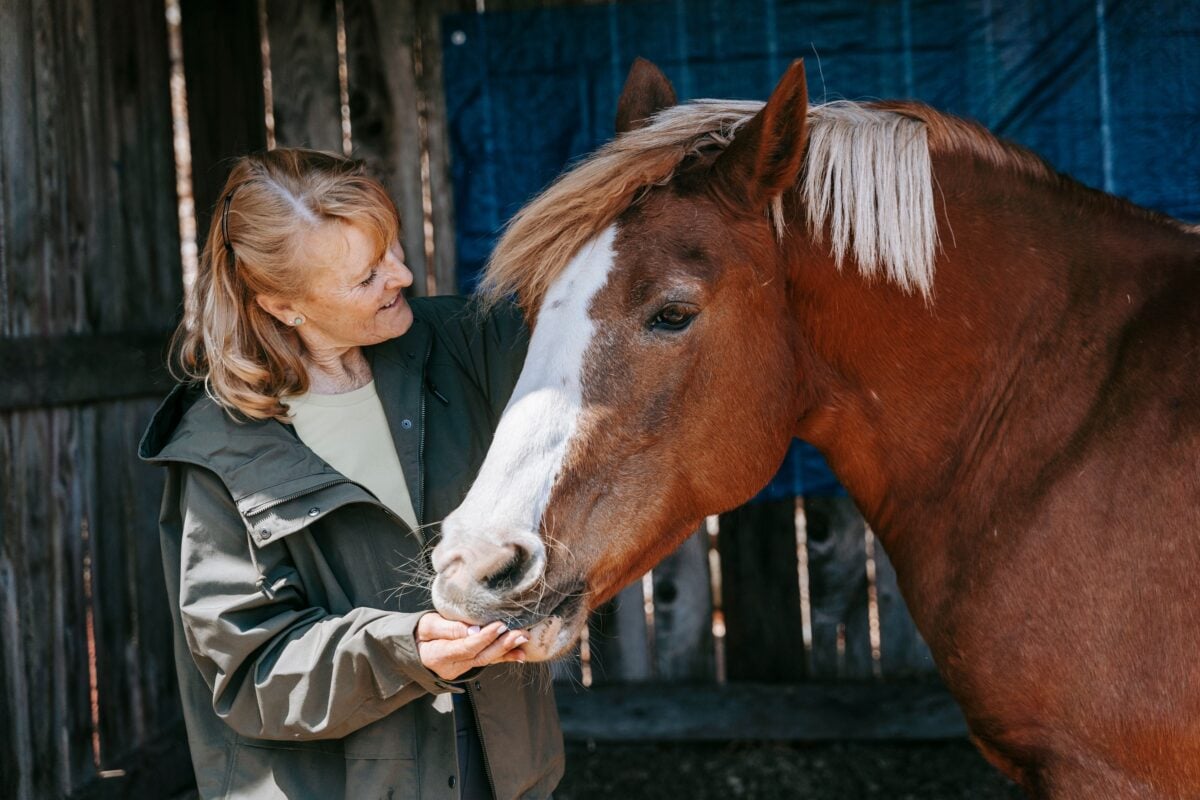
Walk into almost any barn and you’ll hear the same claim about the resident senior horse: “Oh, he’s totally settled now.” He stands quietly. He doesn’t spook at the wheelbarrow anymore. He looks half-asleep in the crossties. Case closed, right?
Here’s the uncomfortable part – a lot of those “settled” seniors are actually shut down, sore, or quietly anxious, and the owner has no idea. Long-time horse people, the ones who’ve lived through 10, 15, even 20 years with the same animal, don’t read stillness the way beginners do. They’re watching for a completely different set of clues, and once you see them, you can’t unsee them.
#1 – The “Default” Relaxed Body, Even in Mild Chaos
🔥 Would you like to save this?
We'll email this post to you, so you can come back to it later!
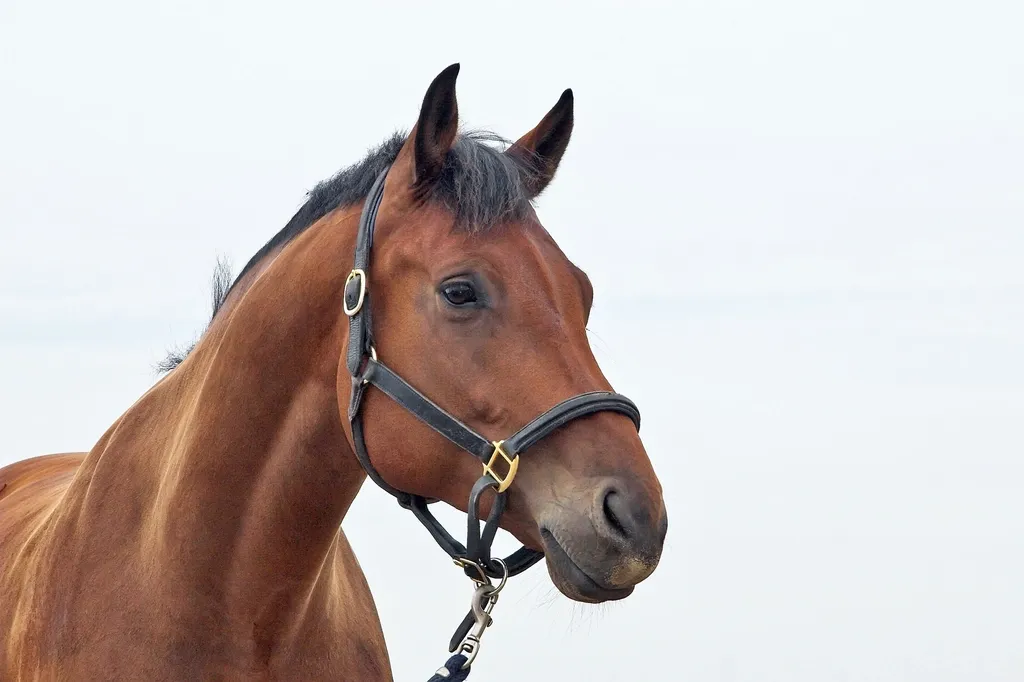
A truly settled old horse doesn’t just look calm in its stall – it bounces back to a relaxed baseline fast after small disruptions. Long-time owners watch the *default* posture, not the dramatic moments. Is the neck soft, the head level with the withers, one hind leg cocked, eyes half-lidded? That “resting chill” is one of the strongest signs the nervous system actually feels safe.
Experienced owners also clock what happens when something briefly spikes the horse’s alertness – a gate banging, another horse calling out. A genuinely settled senior might raise its head, look once, maybe snort, then sigh and go right back to eating or dozing. Horses who only *look* calm often stay quietly braced underneath: tight lips, rigid back, always ready to move. Watch this pattern over days, not minutes – it never lies.
#2 – Soft Eyes and “Honest Ears,” Not a Blank Stare
🔥 Would you like to save this?
We'll email this post to you, so you can come back to it later!
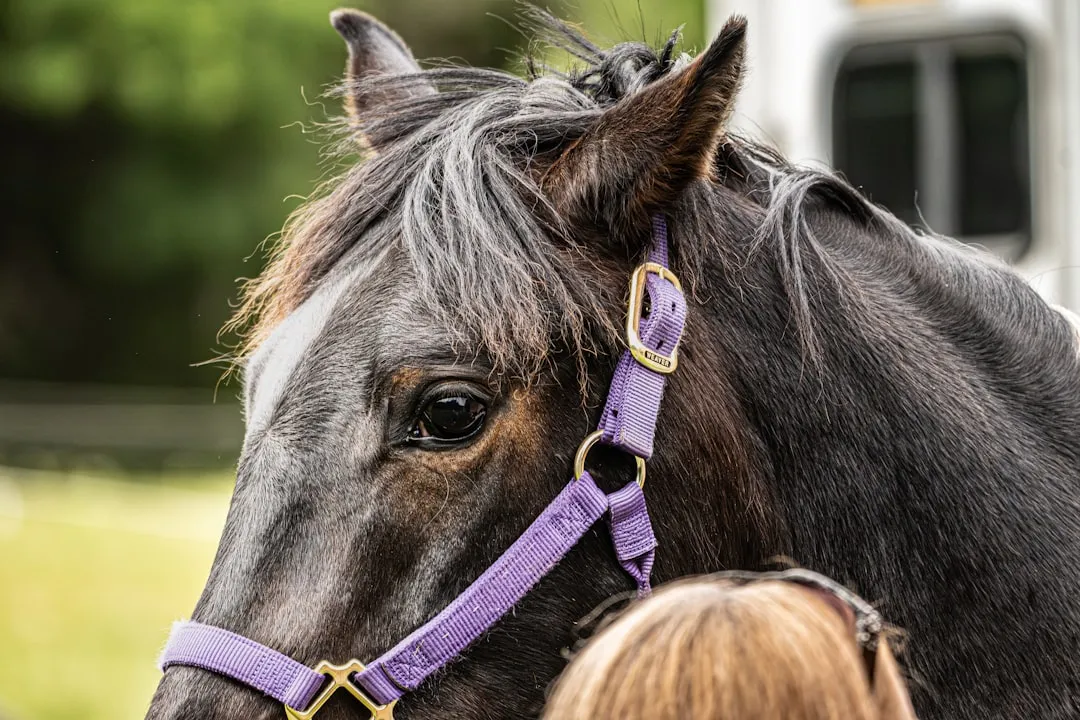
Most people confuse “shut down” with “relaxed,” and it’s an easy mistake to make. Long-time owners go straight to the eyes and ears instead of the overall vibe. A settled old horse usually has ears that move, check in, and return to neutral, plus eyes that stay soft and blink regularly instead of going glassy.
When a horse has truly let down, the eyelids soften, the facial muscles slacken, and you’ll catch frequent blinks or tiny ear flicks toward familiar sounds. If the eyes look dull, distant, or checked out, that’s not serenity – that’s often learned helplessness or pain hiding behind good behavior. “Honest ears” tell the same story: a veteran who feels safe will pin at a rude pasture mate, perk at a friend, and swivel toward the barn at feeding time. A horse that never changes ear position hasn’t necessarily gone calm. It may have simply given up on being heard.
Quick Compare
- Eyes: Soft, blinking, alert – not glassy, fixed, or distant
- Ears: Mobile, checking in, returning to neutral – not locked forward or pinned back
- Face: Slack lips and jaw – not a tight muzzle or clenched chin
- Response to sound: A quick ear flick – not a frozen, unmoving stare
#3 – Predictable Startle, Fast Recovery
🔥 Would you like to save this?
We'll email this post to you, so you can come back to it later!
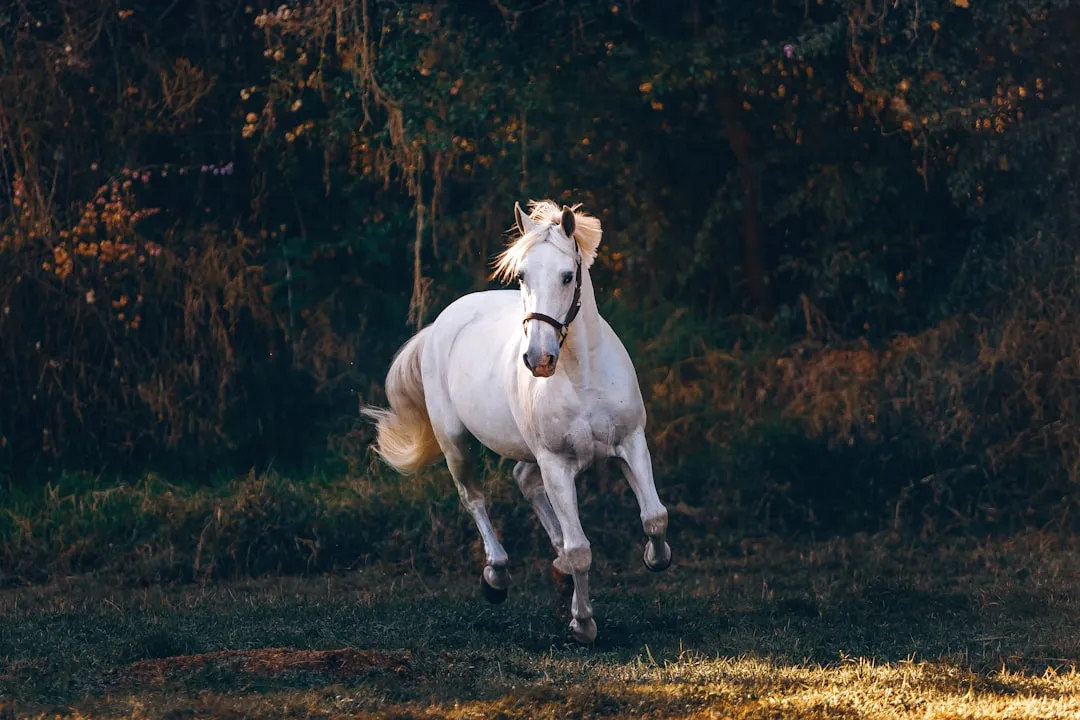
No horse is bombproof, and anyone who insists theirs “never spooks” is either lucky, lying, or not paying close attention. Settled seniors still startle – the difference is in the shape of the reaction, not the absence of one. A genuinely settled horse spooks in place or takes a small step, not a blind bolt, then exhales or snorts and reorients within seconds.
Long-time owners know recovery time is one of the most honest nervous-system clues there is. A tense, insecure horse gets “stuck on,” staying wired long after the leaf blows by. Many people misread a frozen, tight neck as bravery, but that rigid stance and shallow breathing can actually signal a horse quietly panicking while holding still. A quick spook followed by a yawn, a lick, or a head shake is usually far healthier than fake statue-calm.
#4 – The “Clockwork” Routine: Eating, Drinking, and Pooping
🔥 Would you like to save this?
We'll email this post to you, so you can come back to it later!
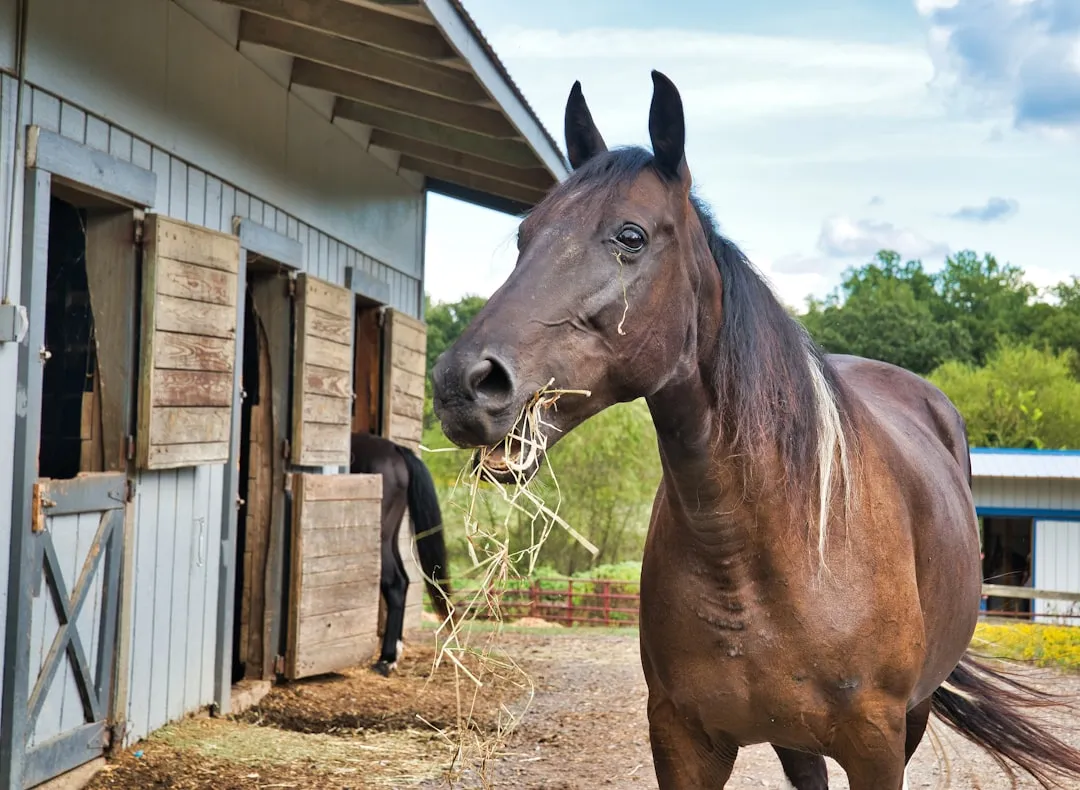
Settled horses are boringly consistent, and long-time owners obsess over that boredom more than they obsess over big behaviors. They know roughly how long the horse takes to finish a hay net, when it usually drinks or naps, and which corner it treats as its personal bathroom. That level of detail isn’t neurotic – it’s how they catch trouble early.
A genuinely settled senior has a steady appetite, regular manure, and predictable water intake, with only tiny shifts from feed changes or weather. That’s a nervous system that has stopped living in threat mode. Picking at grain, leaving hay, drinking heavily all at once, or suddenly pooping less in a new environment are the quiet red flags casual observers miss completely. Long-time owners will say “he’s off his pattern, something’s wrong” long before any dramatic blowup happens.
#5 – Choosing Rest, Not Just Standing Still
🔥 Would you like to save this?
We'll email this post to you, so you can come back to it later!
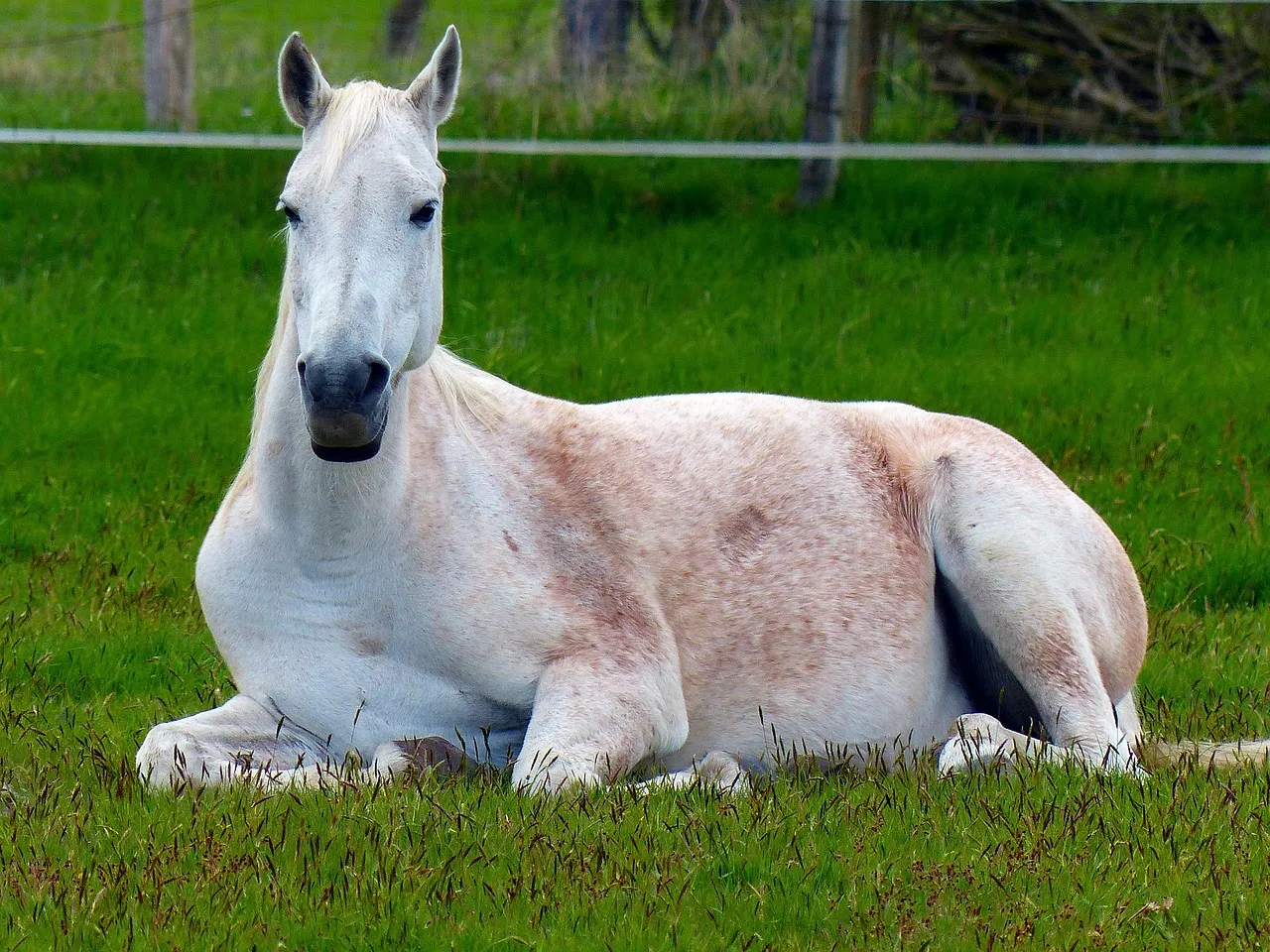
An older horse that’s genuinely at ease will actively *choose* to rest deeply – lying down to sleep, especially in familiar turnout, or taking micro-naps beside a trusted buddy with eyes nearly closed. Many horses in new barns or stressful setups go months, even years, rarely lying down at all. They simply never feel safe enough to risk it.
If a senior horse regularly stretches out flat on its side for a proper REM sleep session, that’s one of the strongest signs it trusts its surroundings. Long-time owners track this quietly – hoof prints in the bedding, flattened “nests” in the paddock, shavings stuck to a coat in the morning. Meanwhile, a horse that stands twenty hours a day can look easy on the surface while being chronically wired, sleep-deprived, or physically uncomfortable. The absence of rest is a huge red flag that casual observers almost always miss.
Fast Facts
- Horses need only about 30 to 60 minutes of true REM sleep a day, and they can only get it lying down
- A horse that never lies down for weeks at a time is often too anxious, sore, or low in the herd to risk it
- Adult horses typically spend many hours a day grazing or resting standing up, using far less deep sleep overall
- Flattened, dry patches in a paddock or shavings clinging to a coat are classic signs a horse has been lying down
#6 – Calm, Not Clingy, About Herd and Humans
🔥 Would you like to save this?
We'll email this post to you, so you can come back to it later!
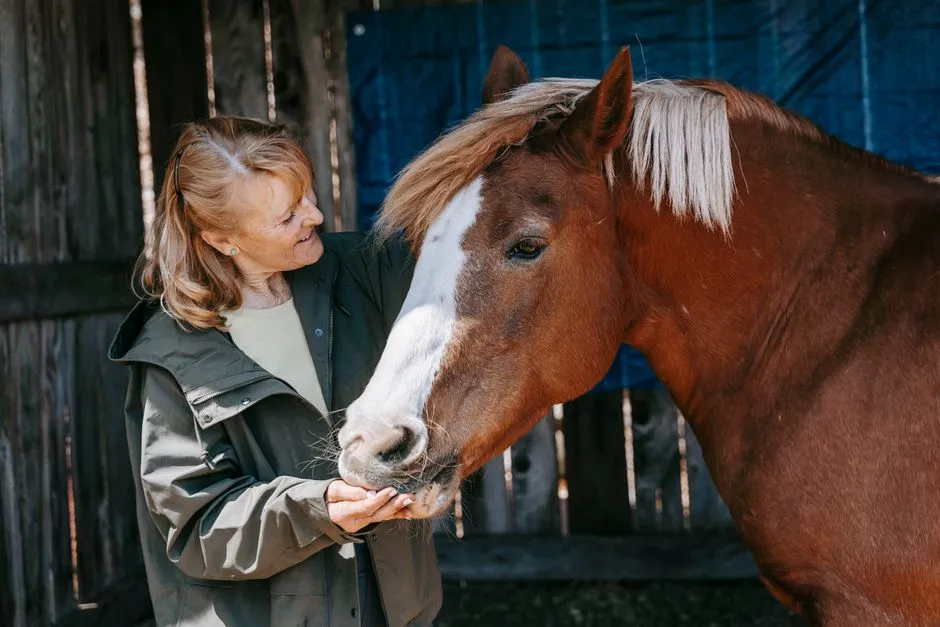
People love to brag, “he follows me everywhere, he just loves me,” but long-time owners are more skeptical of that story. There’s a real difference between affection and anxiety. A genuinely settled old horse notices when you or a herd mate leaves, but doesn’t spiral – it may call once, look, then go straight back to eating.
Over-attached, frantic behavior is often separation anxiety wearing a costume of devotion. A quiet, confident senior is usually fine when its favorite human skips a day or its best paddock buddy heads out on a trail ride. It may greet you at the gate with relaxed curiosity instead of frantic pacing. The more grounded a horse becomes, the more it can be alone without panicking – and the more it can enjoy you as a choice, not a lifeline.
#7 – Willing, Not Robotically Obedient, Under Saddle
🔥 Would you like to save this?
We'll email this post to you, so you can come back to it later!
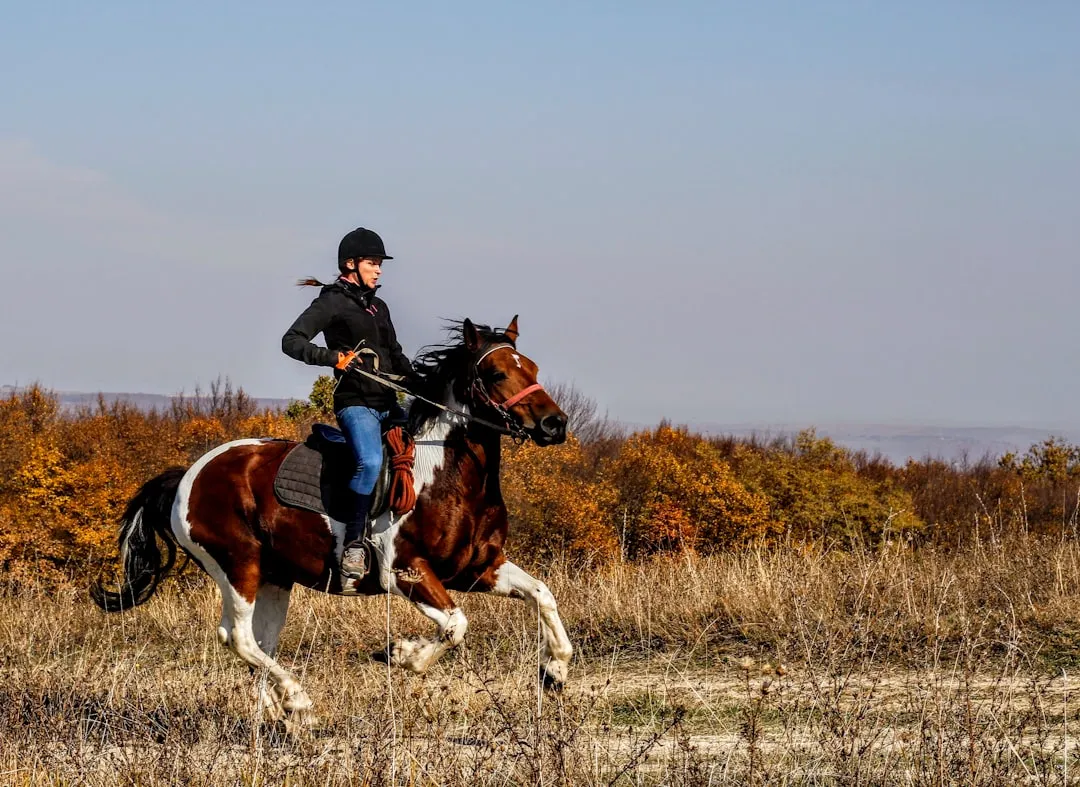
One of the most dangerous myths in the horse world is that an animal who never says “no” is perfectly settled. Long-time riders of older horses actually expect a bit of opinion – ears flicking back at a too-tight girth, a moment of hesitation at a new obstacle before trying anyway. True emotional stability shows up as willing participation, not mechanical compliance.
A settled veteran may offer the same rhythm ride after ride, but it still shows micro-adjustments: stretching into the contact, breathing audible sighs, swinging through the back. It responds instead of just reacting. A horse that’s zoned out can feel “safe” right up until the day it silently overloads and explodes. Long-time owners value the small, honest feedback – a tail swish that says “my back is sore,” a sluggish transition that says “this footing is deep” – because that feedback is what keeps the partnership fair.
#8 – Relaxed Handling in the “Unfair” Places: Ears, Legs, Tail
🔥 Would you like to save this?
We'll email this post to you, so you can come back to it later!
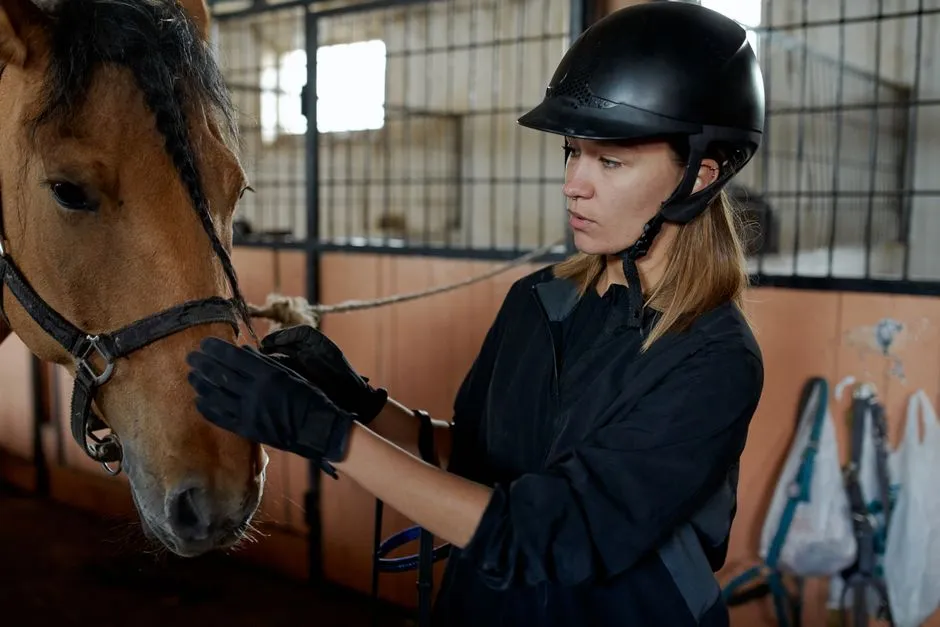
Anyone can teach a horse to *tolerate* grooming. What long-time owners actually watch is the tension level when you touch historically unpopular spots – ears, sheath or udder, under the tail, hind legs picked up on uneven ground. A genuinely settled horse may not love every second of it, but it doesn’t flinch hard, swing its head, or clamp down out of fear.
It accepts necessary handling with low drama because it has a long memory of being touched without being hurt. Pain changes this equation, of course – a horse with arthritis or past trauma may react strongly even while mentally trusting you completely. That’s why veteran owners look at the whole pattern: is the horse defensive everywhere, or just when one specific joint is flexed or one sore spot is pressed? A globally easygoing horse that flags a single area is usually saying “something hurts,” not “I’m anxious.”
Worth Knowing
- Arthritis and other joint issues become far more common as horses move into their teens and twenties
- A horse that’s defensive in one specific spot, like a single hind leg, is usually flagging pain, not fear
- Global tension everywhere it’s touched points more toward an emotional or trust issue than a physical one
- Tracking reactions over months, not one appointment, helps separate a bad day from a real pattern
#9 – Eating in New Places: Curiosity Beats Shutdown
🔥 Would you like to save this?
We'll email this post to you, so you can come back to it later!
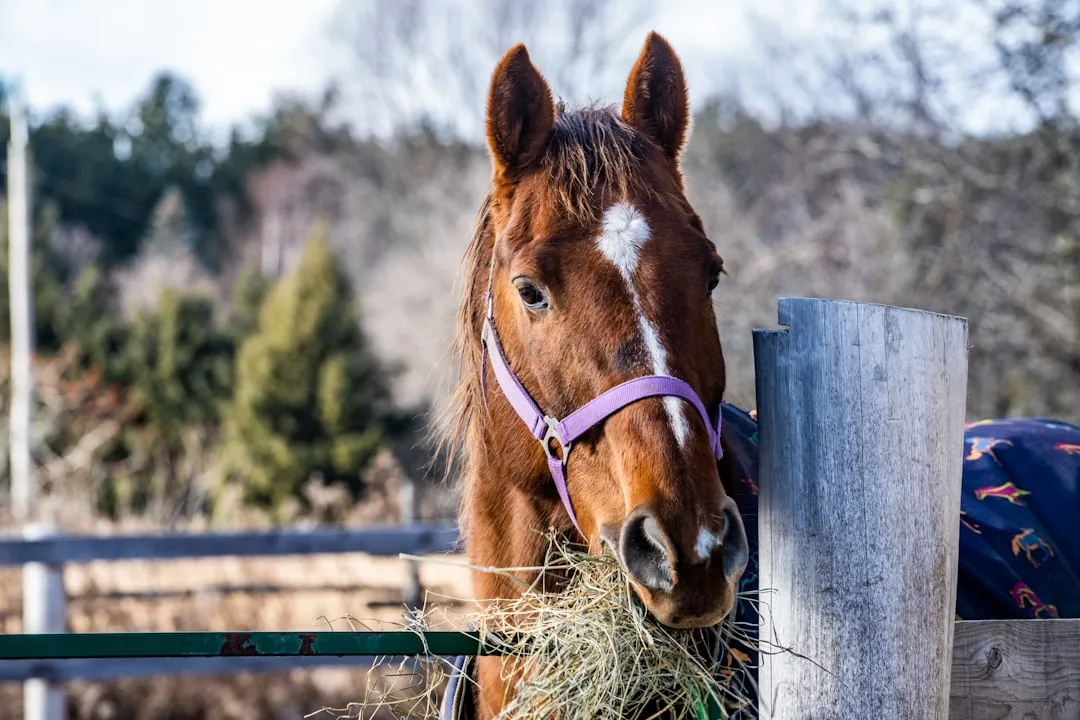
Watch what happens when you trailer an older horse to a new arena, clinic, or show. Many riders assume a horse that won’t touch its hay is just “focused.” Long-time owners know better – a truly settled senior will sniff, look around, and eventually start picking at hay or grass, taking treats even if a bit more thoughtfully than it would at home.
Horses who feel fundamentally safe almost always return to food once the first wave of uncertainty passes. A horse that stays locked up, head high, jaws tight, for hours isn’t okay, even if it stands perfectly still. Veteran owners use this “will he eat” test constantly, and they don’t panic over the first twenty minutes. But if a horse never relaxes into dozing or munching by mid-day at a quiet showground, they don’t call that a good temperament – they call it a management problem to fix.
#10 – Asking Questions Instead of Going Blank
🔥 Would you like to save this?
We'll email this post to you, so you can come back to it later!
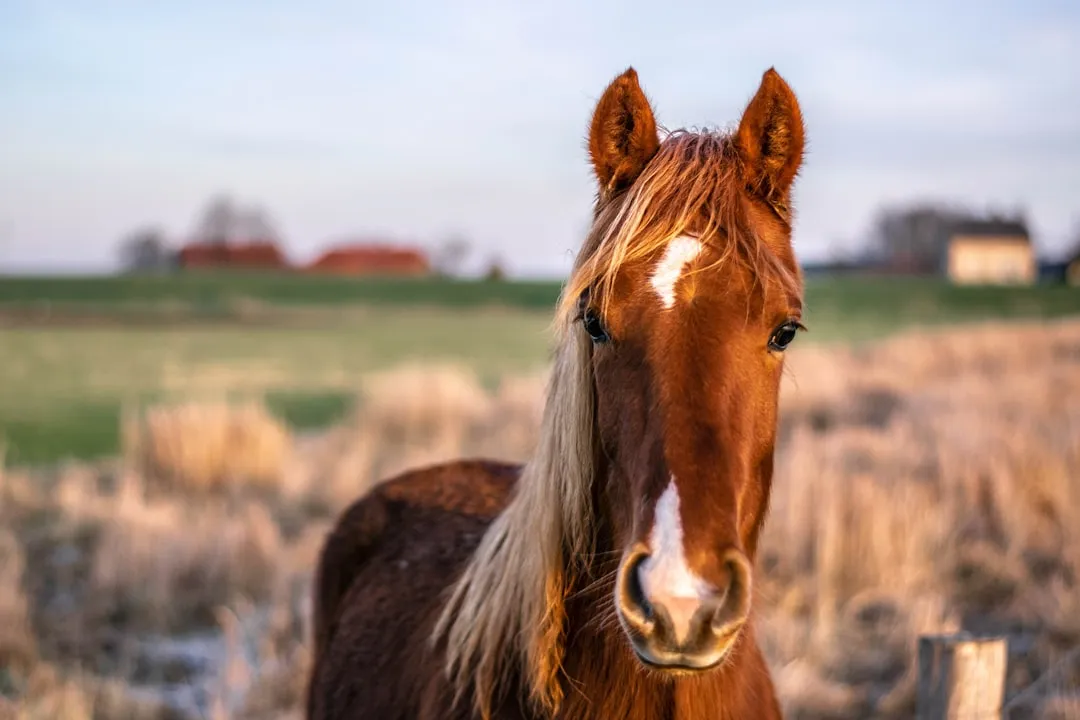
Here’s a subtle one most people miss entirely: does your older horse still ask questions? That might look like pausing at a new obstacle and lowering its nose to sniff, or offering a small sidestep to see around something instead of slamming on the brakes. Curiosity is one of the clearest signs a horse feels safe enough to think.
Shut-down horses go straight from ignore to panic, with nothing in between. Settled horses live in a middle zone – they notice, investigate, then relax. Long-time owners cherish this “thinking” response and would rather see a horse take one careful step sideways to assess a tarp than march blindly through on pure obedience. Over the years, these tiny negotiations build real trust: the horse learns “I can question, and my human will answer, not punish.”
#11 – No Drastic Personality Swings With Weather or Feed
🔥 Would you like to save this?
We'll email this post to you, so you can come back to it later!
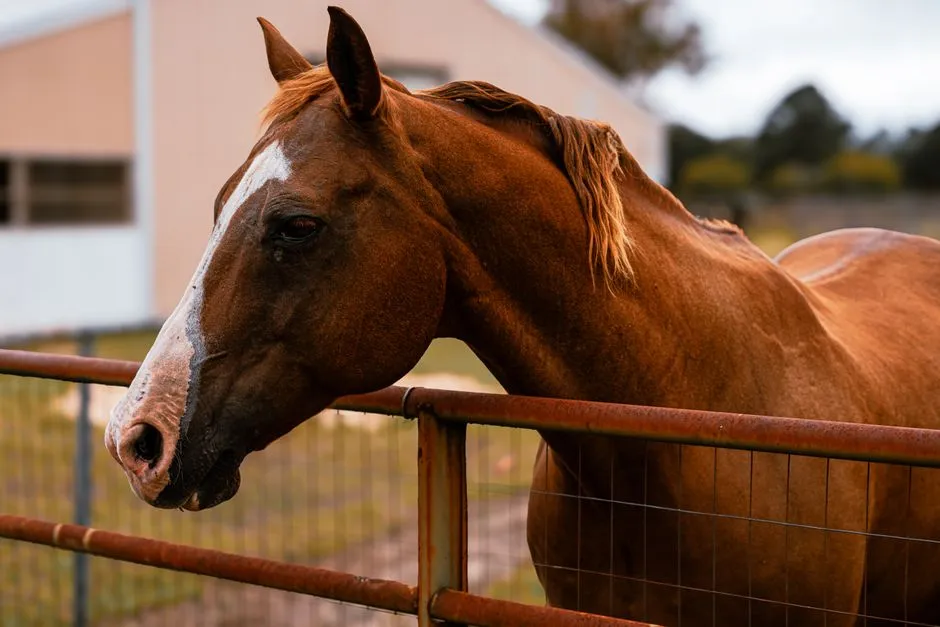
Most casual observers shrug when a horse is a kite in the wind one day and dead quiet the next. Long-time owners pay closer attention to whether those swings are extreme or manageable. A truly settled senior may get a bit fresher on cold, windy days, but it doesn’t completely abandon its manners and still responds to familiar cues once moving.
Huge mood swings triggered by minor environmental changes can signal underlying tension or a metabolic issue, not just “he’s feeling good today.” The same logic applies to feed – adding a small amount of grain shouldn’t flip a mentally grounded, physically healthy horse into a different animal. Experienced owners watch for seasonal patterns too: does the horse turn into a basket case every spring, or does it stay essentially itself with only mild variation? Consistency over years, not a single good day, is what earns the label “genuinely settled.”
#12 – Standing for Vet and Farrier Without Going “Somewhere Else”
🔥 Would you like to save this?
We'll email this post to you, so you can come back to it later!
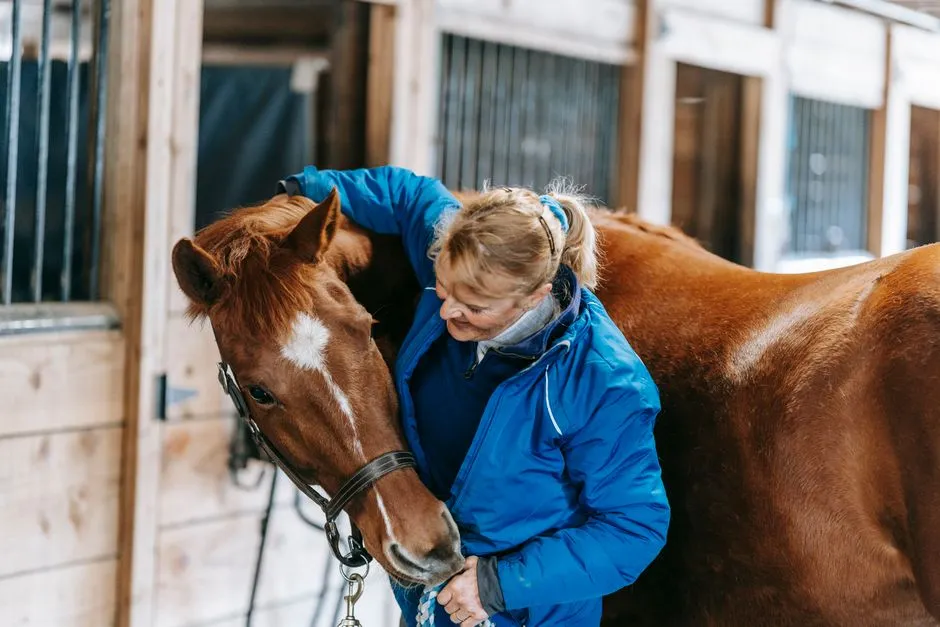
A lot of people mistake stillness during vet or farrier visits for cooperation. Long-time owners look at *how* the horse is standing still. A settled veteran shifts weight occasionally, breathes normally, and stays mentally present, sometimes lowering its head when reassured or leaning into a familiar scratch.
If the horse’s muscles are rock-hard, its eyes wide, and its breathing shallow, that’s not peace – that’s freeze, even if the feet never move an inch. A genuinely settled horse might object briefly, tugging a leg or tossing its head at a needle, then choose to stand because it trusts the pattern: “this ends, I’m okay.” Owners who’ve had the same farrier and vet for years watch the arc over time – a senior who used to dance around but now stands with a soft lip and half-closed eyes under the same professional tells you more than any single appointment ever could.
At a Glance
- Weight shifting occasionally and breathing evenly – not locked rigid on all four feet
- A brief objection followed by settling – not constant, escalating resistance
- Softening over repeated visits with the same professional – not staying equally tense every time
- Lowering the head when reassured – not keeping the head high and eyes wide throughout
#13 – Returning to Baseline After Big Life Changes
🔥 Would you like to save this?
We'll email this post to you, so you can come back to it later!
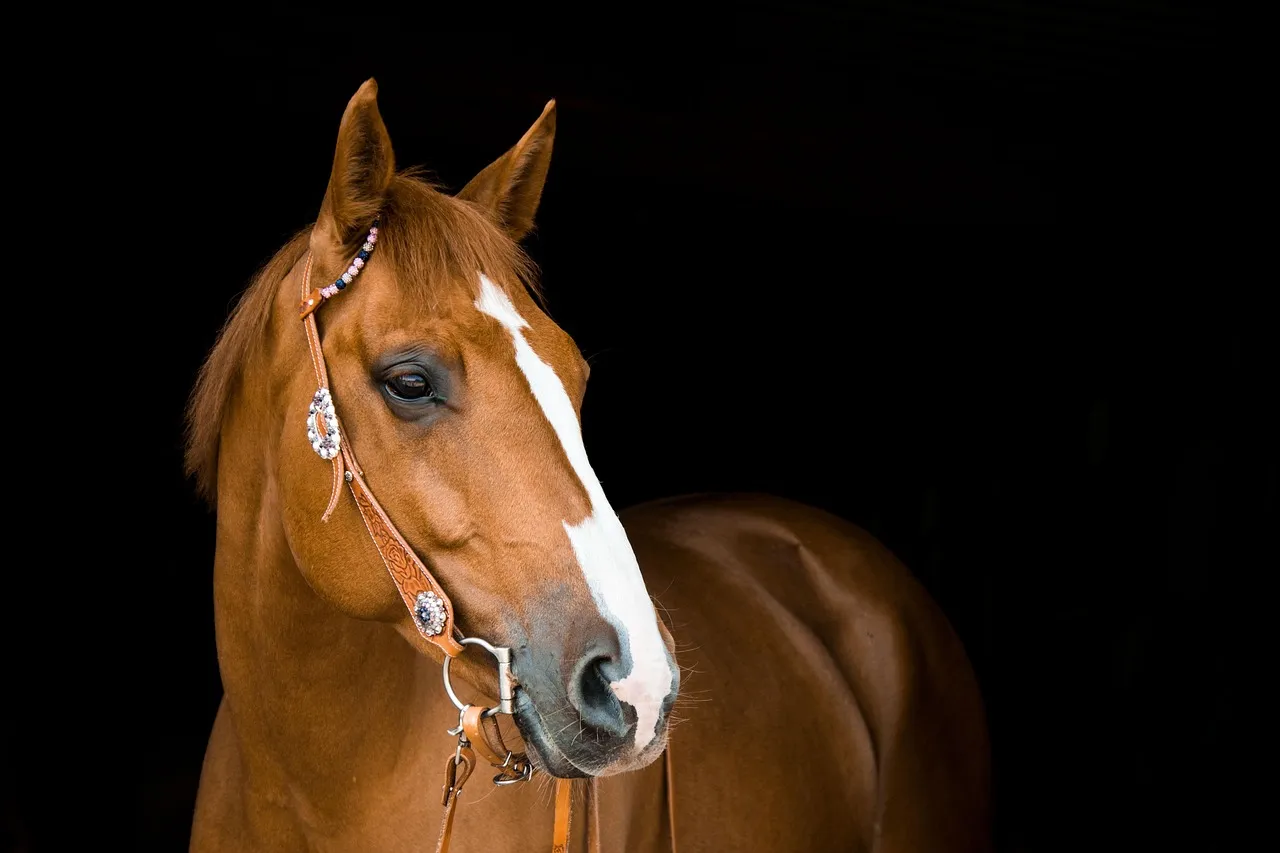
Every horse gets rocked by major upheaval eventually – moving barns, losing a long-time herd mate, a rider’s extended absence, a serious illness. The question long-time owners ask isn’t “did he react?” It’s “did he eventually come back to himself?” A genuinely settled old horse will show grief, confusion, or clinginess in the short term, then gradually rebuild a new routine, appetite, and social pattern.
Resilience – the ability to return to a familiar personality – is one of the deepest signs of true emotional security a horse can show. Some horses never fully recover from big disruptions and turn permanently anxious, aloof, or aggressive. Others adjust, find new friends, and go back to napping in the sun like nothing happened.
There is no secret so close as that between a rider and his horse.
Robert Smith Surtees
If, six months after a big change, your horse is eating, resting, socializing, and interacting much like its old self, that’s a powerful mark in favor of genuine settlement – not just surface-level coping.
#14 – The Quiet “Welcome Back” After Time Off
🔥 Would you like to save this?
We'll email this post to you, so you can come back to it later!
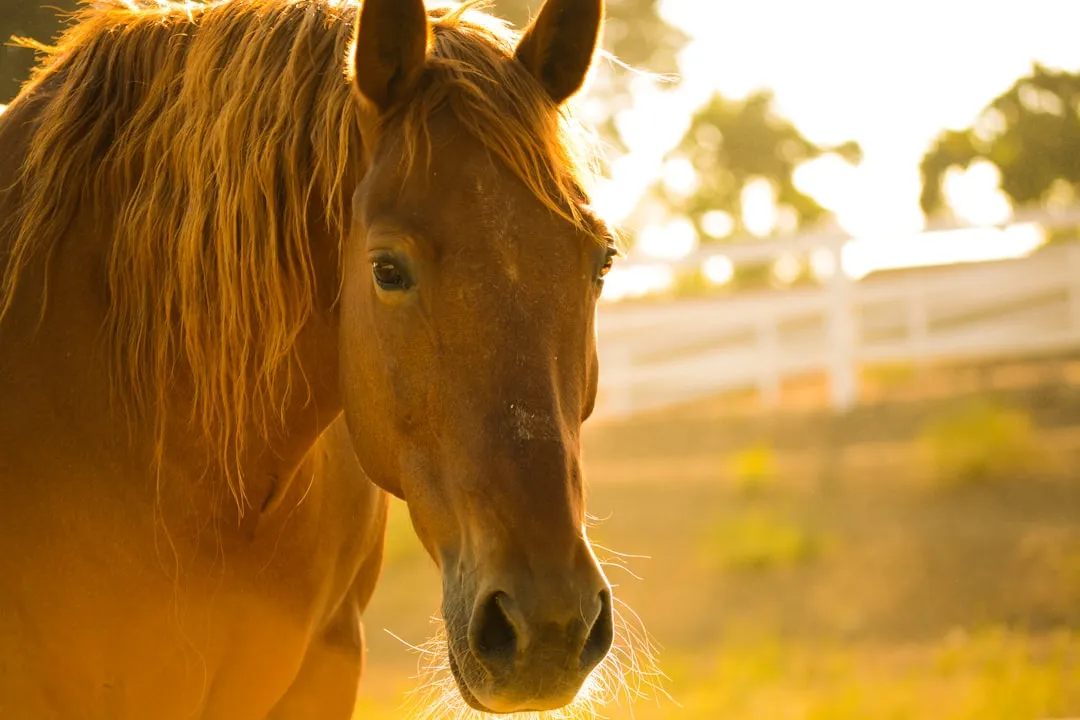
Long-time owners will tell you their favorite signal isn’t flashy at all. It’s what happens after they’ve been gone – really gone. Maybe weeks in the hospital, a long work trip, or a winter layoff spent away from the barn entirely. When they finally walk back up to the pasture gate, a truly settled old horse lifts its head, pricks its ears, and walks over at a medium, unhurried pace.
It greets with a soft eye and loose lips, then… goes back to grazing. No frantic whinnying, no crowding the space, no cold shoulder either. It’s a simple, grounded “oh, it’s you, good, life is normal.” That response only comes after years of fair handling, consistent boundaries, and a stable environment – and it says more about genuine settlement than any dramatic reunion ever could.
The Bottom Line
🔥 Would you like to save this?
We'll email this post to you, so you can come back to it later!
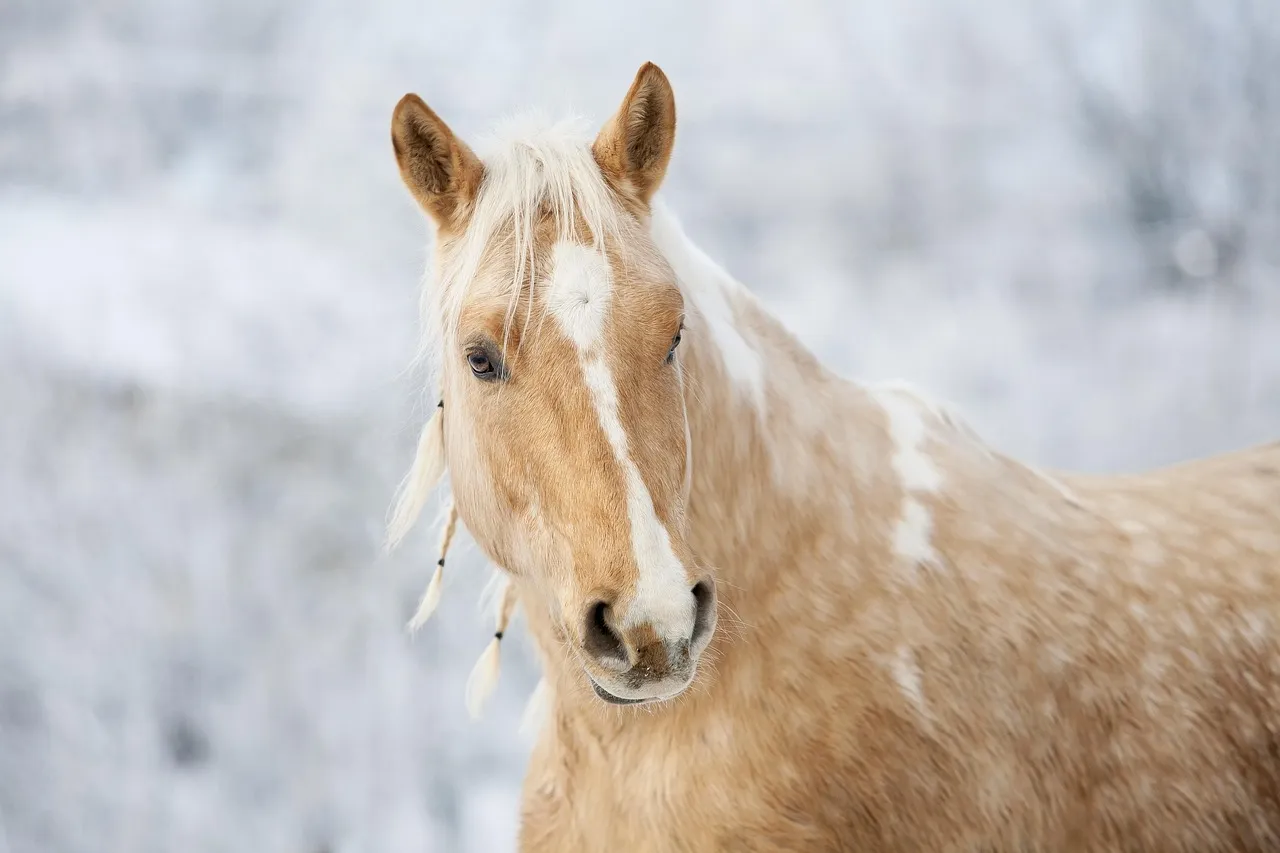
Strip away the barn gossip and the social-media bragging, and a genuinely settled old horse isn’t the one that never spooks, never questions, or stands like a statue. It’s the one with soft eyes, predictable routines, honest reactions, and a nervous system that can flex and then come back to center on its own.
Long-time owners don’t chase “perfect behavior” – they chase consistency, curiosity, and recovery, because those are the things that actually hold up over decades. The uncomfortable truth is that plenty of “quiet” seniors are actually sore, shut down, or silently anxious, and calling that a good temperament is doing the horse a real disservice. If your veteran is eating well, choosing to rest, staying curious, and returning to itself after stress, you’re probably doing more right than you realize. If not, the good news is that genuine settlement can still be built with time, fairness, and better management – it’s never too late to earn that quiet welcome back at the gate.

- 23 Warm Corners an Elderly Cat Keeps Returning To All Winter - October 29, 2026
- 16 Behaviours Showing a Cat Considers a House Permanent Now - October 29, 2026
- 15 Wildlife Programmes a Lifetime Pass Holder Over 62 Can Join Free - October 29, 2026