
When Steven Spielberg’s “Jurassic Park” roared into theaters in 1993, it captivated audiences with its breathtaking portrayal of resurrected dinosaurs. The film’s premise—extracting dinosaur DNA from prehistoric mosquitoes preserved in amber—sparked worldwide fascination with the concept of de-extinction. For many viewers, the movie blurred the line between science fiction and scientific possibility. Nearly three decades later, as genetic technologies advance at an unprecedented pace, scientists are indeed pursuing de-extinction projects, albeit with approaches and expectations quite different from those depicted in the blockbuster franchise. This article explores the reality behind de-extinction efforts, comparing Hollywood’s dramatic portrayal with the methodical, complex work of today’s scientists who are attempting to bring back extinct species—not for entertainment or profit, but for ecological restoration and conservation.
The Science Behind Jurassic Park’s Fiction
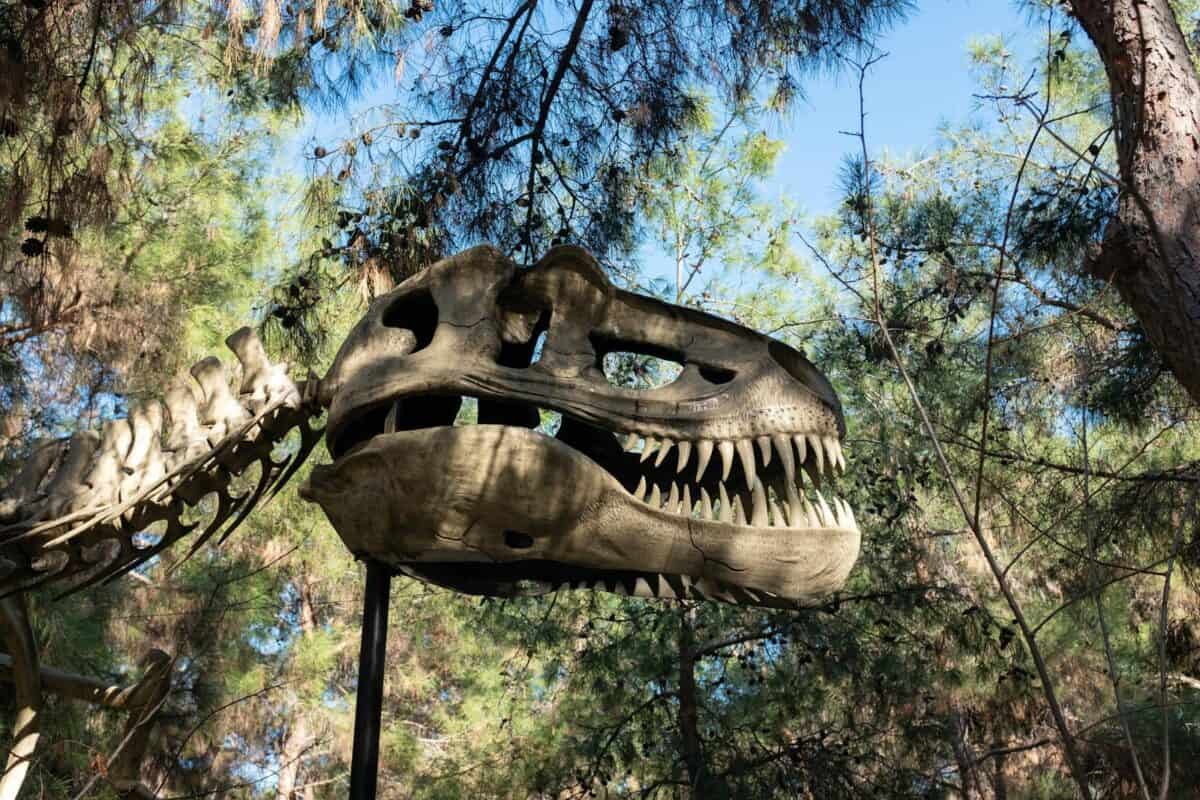
Jurassic Park’s premise relies on the extraction of dinosaur DNA from mosquitoes preserved in amber. In the film, scientists fill in missing genetic sequences with frog DNA, ultimately creating viable dinosaur embryos. This approach makes for compelling storytelling but falls apart under scientific scrutiny. DNA degrades significantly over time, with a half-life of approximately 521 years, meaning that after 6.8 million years, every retrievable bond would be broken. Given that dinosaurs went extinct roughly 65 million years ago, recovering intact dinosaur DNA is virtually impossible, even from the best-preserved specimens.
Additionally, the film’s method of filling genetic gaps with frog DNA represents a dramatic oversimplification of genetic engineering. Modern scientists understand that genomes are incredibly complex and species-specific. Inserting random sections from a distantly related species wouldn’t result in a functional genome but rather a genetic mosaic unlikely to develop properly. While Jurassic Park succeeded in introducing concepts like genetic engineering and cloning to mainstream audiences, its scientific approach remains firmly in the realm of fiction.
What De-Extinction Actually Means
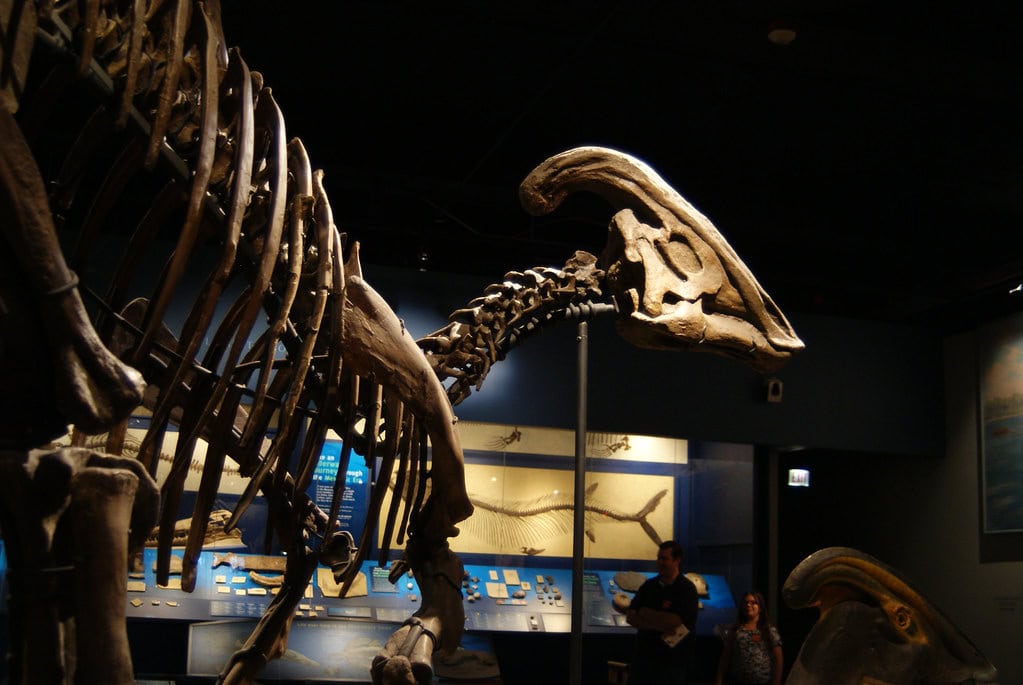
De-extinction, also known as resurrection biology or species revivalism, refers to the process of generating an organism that either resembles or is an extinct species. Unlike Jurassic Park’s focus on bringing back long-extinct dinosaurs, real-world de-extinction efforts primarily target recently extinct species—typically those that disappeared within the last few thousand years, often due to human activities. This focus on recent extinctions is both practical and purposeful: more recent extinctions mean better-preserved DNA samples and clearer ecological niches that might benefit from the species’ reintroduction.
Scientists approach de-extinction through several methodologies, including back-breeding (selectively breeding descendants to restore extinct traits), genetic engineering (editing genes of related living species), and cloning (using preserved cells from extinct organisms). Rather than perfect recreations of extinct species, the goal is often to create functional proxies—organisms that can fulfill similar ecological roles to their extinct counterparts. This more nuanced understanding of de-extinction aims not for identical restorations but for ecological revitalization through the reintroduction of lost functional traits.
Current De-Extinction Projects
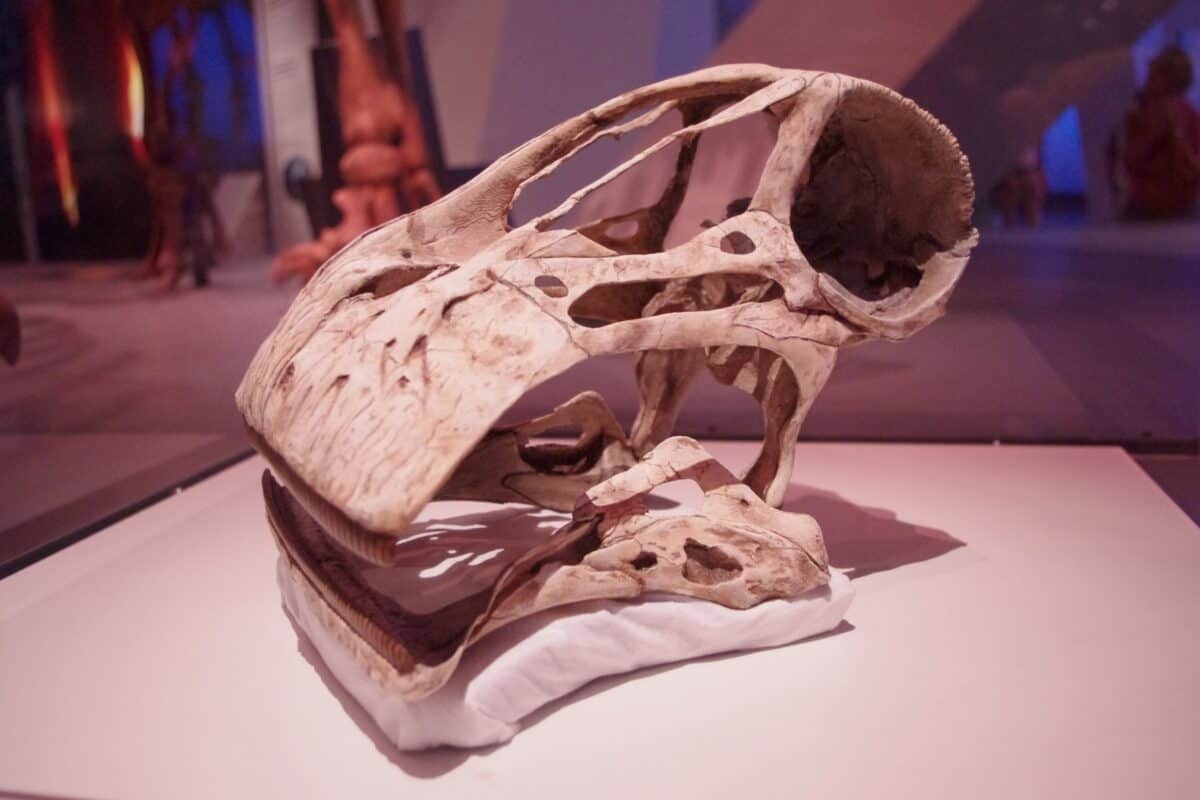
Several noteworthy de-extinction projects are currently underway, each employing different methodologies based on the target species and available genetic material. Perhaps the most well-known is Colossal Biosciences’ effort to resurrect the woolly mammoth, or more accurately, to create an elephant-mammoth hybrid with cold-resistant traits. Using CRISPR gene-editing technology, scientists are working to edit Asian elephant genomes to express mammoth-like characteristics such as cold resistance, smaller ears, and thicker hair. The company envisions these creatures helping to restore Arctic grasslands and potentially mitigate climate change through carbon sequestration.
Other significant projects include attempts to revive the passenger pigeon through genetic modification of band-tailed pigeons, restoration of the aurochs (ancient wild cattle) through back-breeding programs, and ongoing work with the bucardo (Pyrenean ibex) which briefly became the first de-extinct animal in 2003 when a cloned individual survived for seven minutes after birth. The Tasmanian tiger or thylacine is another focus, with researchers at the University of Melbourne analyzing the creature’s genome to potentially engineer a similar animal. Each project faces unique challenges but contributes valuable insights to the broader field of genetic conservation.
The Technological Limitations
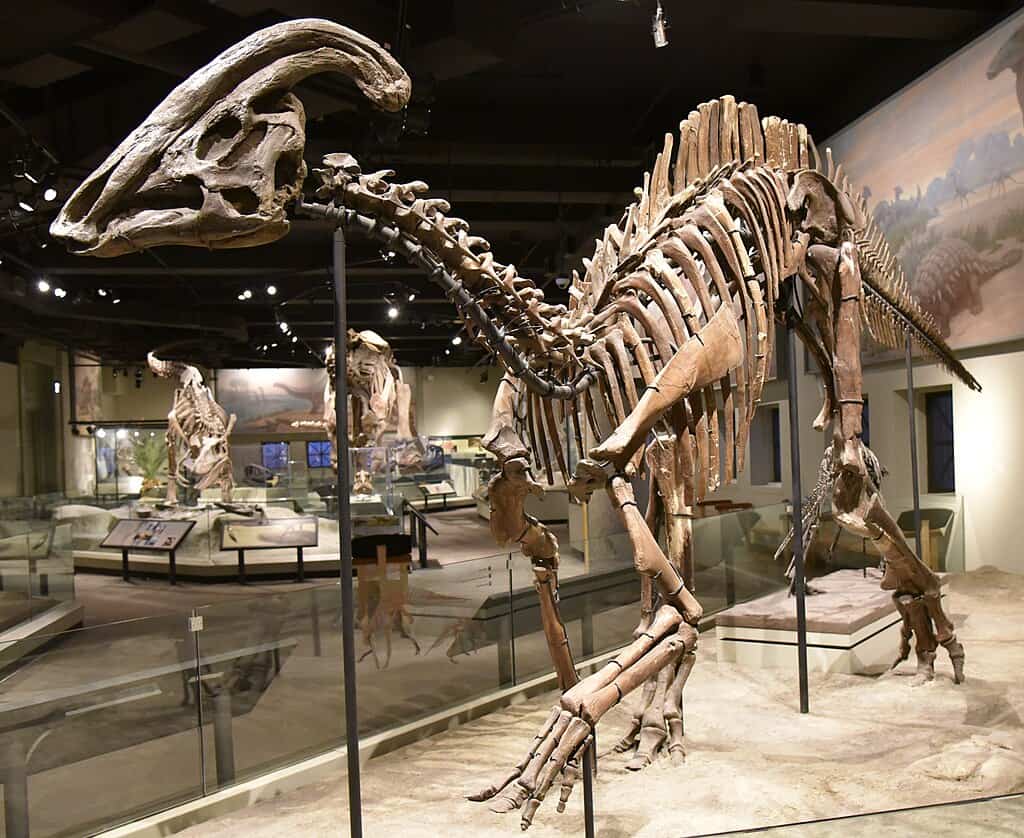
Despite significant advances in genetic technology, de-extinction faces substantial technical hurdles that Jurassic Park conveniently glossed over. DNA degradation remains a fundamental challenge—even in relatively recent extinctions, genetic material often survives only in fragments. Scientists must sequence these fragments and assemble them into a complete genome, a process fraught with potential errors and gaps. For species extinct for thousands of years, like the woolly mammoth, researchers rely on samples preserved in permafrost, which provide better but still incomplete genetic information.
Reproductive challenges present another significant barrier. Even with a complete genome, scientists need appropriate surrogate mothers from closely related species. The surrogate must be capable of gestating the embryo, which may have different developmental requirements. Epigenetic factors—non-genetic influences on gene expression—present additional complications, as these patterns aren’t preserved in ancient DNA samples. Finally, the microbiome (gut bacteria) and learned behaviors critical to survival in the wild would be missing in de-extinct animals, potentially limiting their viability. These technological limitations help explain why current de-extinction efforts focus on creating functional approximations rather than perfect resurrections.
Ethical Considerations in De-Extinction
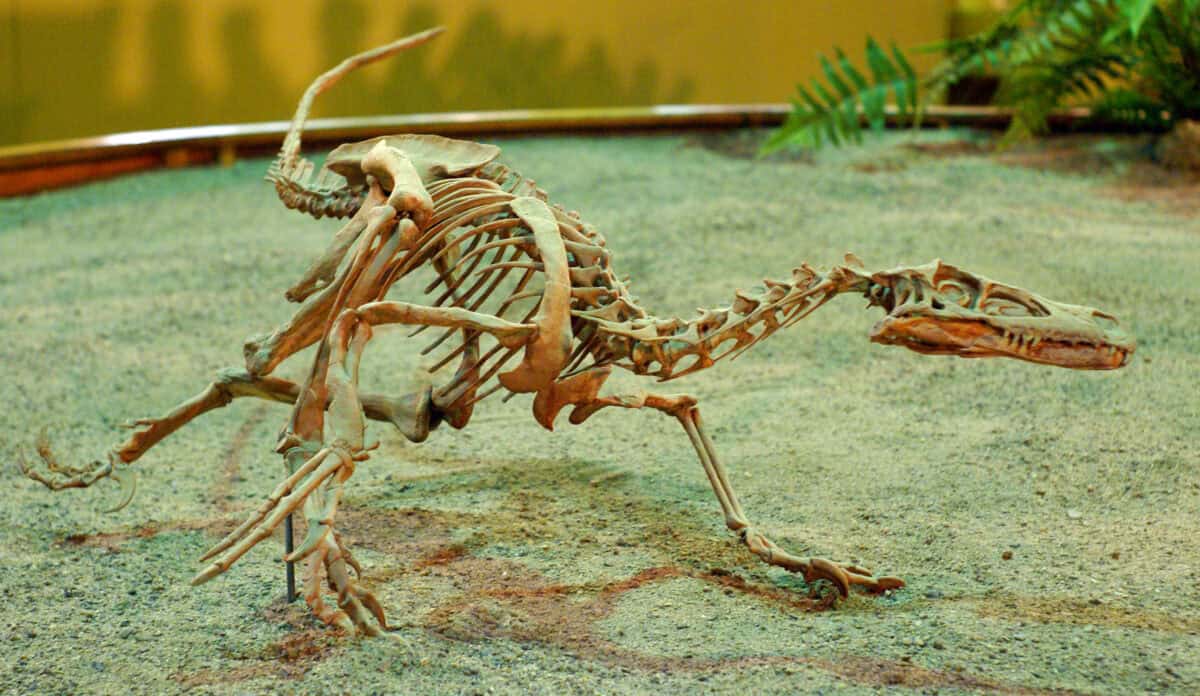
The pursuit of de-extinction raises profound ethical questions absent from Jurassic Park’s adventure narrative. Critics question whether resources devoted to resurreecting extinct species might be better directed toward conserving endangered ones. With limited conservation funding available, some argue that preventing imminent extinctions should take priority over reversing past ones. Others worry about animal welfare implications—the cloning and genetic engineering processes often involve high failure rates and potential suffering for the animals involved, as demonstrated by the many unsuccessful attempts preceding successful clones.
Questions of ecological responsibility also loom large. Reintroducing extinct species could disrupt current ecosystems that have adapted to their absence. Additionally, there’s debate about whether de-extinction represents a form of technological hubris that might diminish society’s sense of responsibility toward preventing extinctions in the first place. Some indigenous communities have also raised concerns about proper consultation regarding species significant to their cultural heritage. Unlike Jurassic Park’s simplified ethical framing of “should we play god?”, real-world de-extinction ethics involve complex considerations of resource allocation, animal welfare, ecological impact, and cultural respect.
The Woolly Mammoth Revival
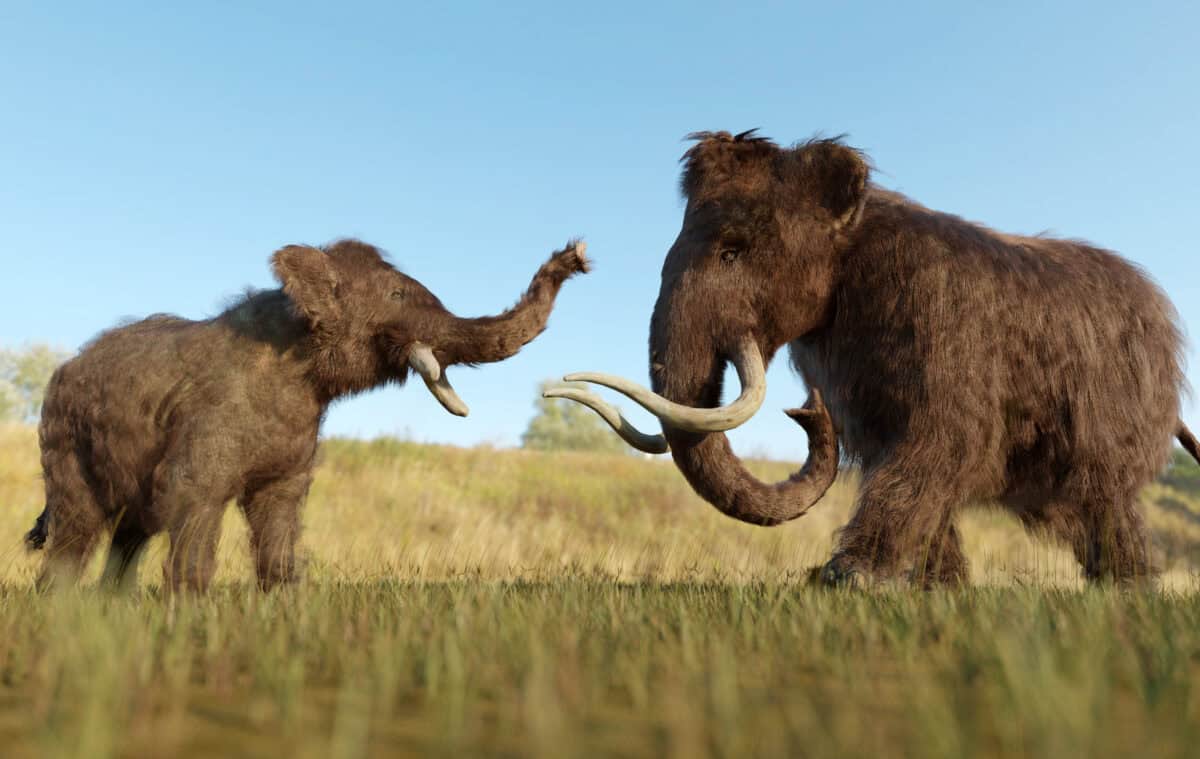
The woolly mammoth revival project represents perhaps the most ambitious and well-funded de-extinction effort to date. Colossal Biosciences, founded by Harvard geneticist George Church and entrepreneur Ben Lamm, has raised over $75 million to create a cold-resistant elephant with mammoth traits. Rather than producing an exact mammoth replica, scientists are engineering an elephant-mammoth hybrid by identifying and inserting key mammoth genes associated with cold tolerance, including those for smaller ears, subcutaneous fat, and thick hair. This approach acknowledges the impossibility of perfect resurrection while focusing on ecologically significant traits.
The project’s ecological motivation centers on restoring the mammoth steppe ecosystem in the Arctic. Researchers theorize that mammoths played a crucial role in maintaining grasslands by knocking down trees, compacting soil, and recycling nutrients through their dung. Reintroducing mammoth-like creatures could potentially revitalize these grasslands, supporting biodiversity and even helping to prevent permafrost thaw that releases greenhouse gases. While skeptics question whether the modified elephants would fulfill the same ecological functions, the project has advanced our understanding of both mammoth genetics and Arctic ecology, regardless of whether it ultimately produces living animals.
De-Extinction of Birds: The Passenger Pigeon Case

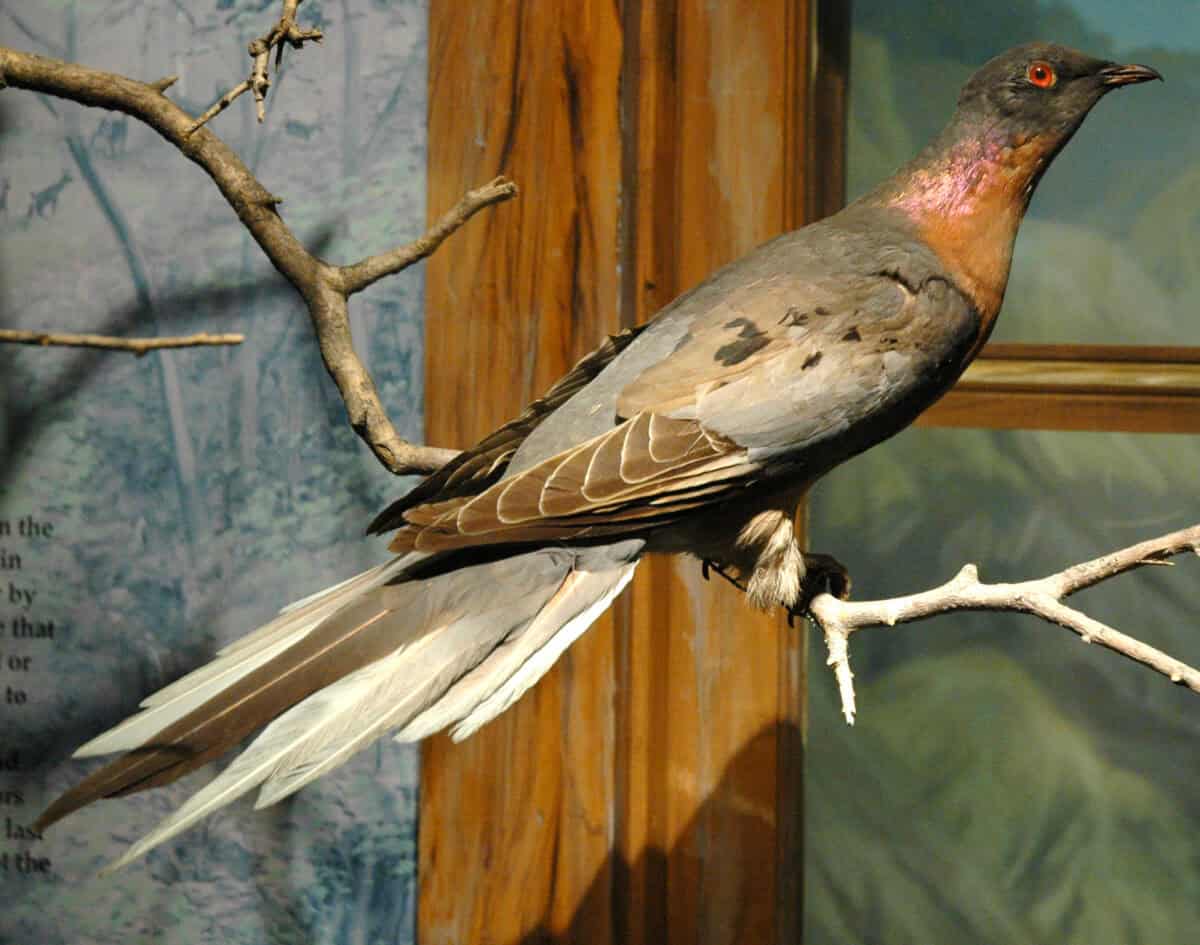
The passenger pigeon, once the most abundant bird in North America with flocks darkening skies for days, was hunted to extinction by 1914. Its de-extinction represents a different challenge than mammalian projects because birds reproduce differently than mammals. The nonprofit Revive & Restore is leading efforts to bring back this iconic species by editing the genome of the band-tailed pigeon, the passenger pigeon’s closest living relative. Scientists are sequencing DNA from museum specimens to identify key genetic differences between the two species and using CRISPR technology to edit band-tailed pigeon genes accordingly.
Unlike the relatively straightforward surrogate approach for mammals, bird de-extinction requires manipulating the germline cells that will become eggs and sperm. Researchers must create chimeric birds (with cells from different species) that can produce eggs or sperm carrying the edited genome. This process is technically challenging but has advanced significantly in recent years with successful germline transmission demonstrated in chickens. Beyond the technical aspects, passenger pigeon restoration faces ecological questions about whether modern forests could support their once-massive flocks and whether their ecological role in seed dispersal and forest disturbance could be effectively restored after more than a century of absence.
The Role of CRISPR and Advanced Genetic Tools
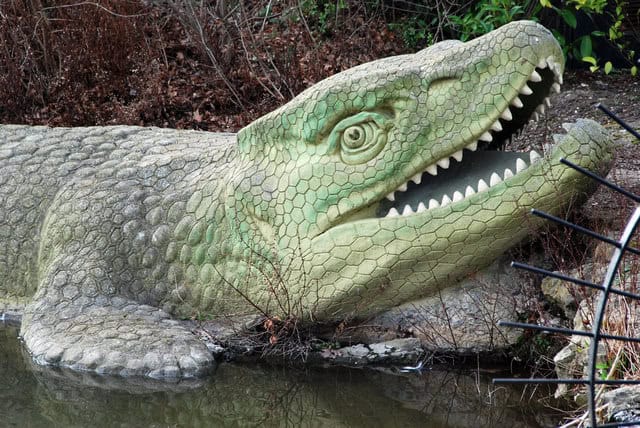
The revolutionary CRISPR-Cas9 gene editing system has transformed de-extinction from theoretical possibility to practical pursuit. Unlike Jurassic Park’s fictional genetic engineering, CRISPR provides researchers with unprecedented precision in modifying genomes. This technology functions as a genetic “cut and paste” tool, allowing scientists to remove specific DNA segments and replace them with new sequences. For de-extinction, this means researchers can potentially edit the genome of a closely related living species to express traits characteristic of the extinct target species.
Beyond CRISPR, other advanced technologies are accelerating de-extinction efforts. Next-generation DNA sequencing enables scientists to read ancient DNA more effectively, while synthetic biology techniques allow for the creation of artificial DNA sequences to fill gaps in fragmented ancient genomes. Advances in reproductive technologies, including artificial insemination, in vitro fertilization, and somatic cell nuclear transfer (cloning), provide multiple pathways for turning edited genomes into living organisms. These technologies, developed primarily for medical and agricultural applications, are being repurposed for conservation in ways that make de-extinction increasingly feasible, though still extraordinarily complex.
Ecological Implications of Reintroduction

Unlike Jurassic Park’s theme-park containment scenario, real de-extinction aims to reintroduce species into natural habitats. This approach raises complex ecological questions about how modern ecosystems would respond to previously extinct species. In some cases, the ecological niche once occupied by the extinct species may still exist and remain unfilled, potentially allowing for successful reintegration. For example, the extinction of the Tasmanian tiger left Australia without a large marsupial predator, a role that remains vacant. Its reintroduction might help control overabundant prey species and restore ecological balance.
However, ecosystems are dynamic and may have evolved significantly since the species’ extinction. New species interactions, changed landscapes, introduced pathogens, and climate shifts could create challenges for de-extinct species. The passenger pigeon, for instance, relied on vast, contiguous forests that have been largely fragmented by human development. Additionally, species reintroductions must consider human-wildlife conflict potential, especially for predators or species requiring large territories. These ecological considerations highlight why de-extinction scientists increasingly focus on species with clear ecological functions and recent extinctions, where ecosystem changes may be less dramatic and historical ecological relationships better understood.
The Regulatory Landscape for De-Extinction

The regulatory framework for de-extinct species remains largely undeveloped, creating uncertainty for researchers and conservation planners. Current wildlife regulations typically classify species as either endangered (subject to protection) or not listed (minimally regulated), with no clear category for de-extinct organisms. In the United States, agencies like the Fish and Wildlife Service and Department of Agriculture would likely have jurisdiction, but might classify de-extinct animals as genetically modified organisms rather than wildlife, potentially limiting their release into natural habitats. Internationally, the Convention on Biological Diversity might consider de-extinct species as analogous to invasive species, requiring risk assessments before reintroduction.
This regulatory ambiguity creates practical challenges for de-extinction projects. Without clear pathways for approval, researchers face uncertainty about whether their work could ever result in actual reintroductions. Some conservation scientists advocate for proactive policy development, suggesting frameworks that would assess de-extinction candidates based on ecological function, feasibility, and potential risks. Unlike the dramatic regulatory failures portrayed in Jurassic Park, real-world de-extinction will likely proceed under cautious, incremental regulatory oversight that balances scientific innovation with ecological protection and public safety considerations.
Public Perception and the “Jurassic Park Effect”

The “Jurassic Park effect” has significantly shaped public perception of de-extinction, creating both opportunities and challenges for scientists in the field. On one hand, the franchise sparked widespread interest in genetic technologies and extinct species, generating public engagement that might not otherwise exist. This awareness has helped attract funding and attention to legitimate de-extinction research. On the other hand, the films established unrealistic expectations about what de-extinction can achieve and how quickly results might appear. The dramatic portrayal of resurrected dinosaurs running amok reinforces fears about unintended consequences that may not apply to carefully managed restoration of recently extinct species.
Scientists working on de-extinction must regularly address misconceptions stemming from the films. They emphasize that their work targets ecological restoration rather than entertainment, focuses on recently extinct species rather than dinosaurs, and proceeds with careful risk assessment rather than the reckless commercialization depicted in the movies. Public education efforts often begin by explaining what de-extinction is not—it’s not creating theme park attractions, not resurrecting dinosaurs, and not proceeding without ecological purpose. This constant need to distinguish science fact from science fiction demonstrates how powerful cultural narratives like Jurassic Park can both inspire and complicate scientific advancement in related fields.
Conclusion: The Future of De-Extinction

De-extinction represents one of humanity’s most profound attempts to reverse our impact on biodiversity, yet it bears little resemblance to its portrayal in popular culture. Unlike Jurassic Park’s dramatic narrative of resurrected dinosaurs as entertainment attractions, real de-extinction efforts focus on recently lost species with clear ecological roles and the potential to restore damaged ecosystems. The science is proceeding methodically, with researchers acknowledging limitations and setting realistic expectations for creating functional proxies rather than perfect reproductions of extinct species.
As genetic technologies continue to advance, de-extinction may become an increasingly viable conservation tool, complementing traditional approaches like habitat protection and captive breeding. The field is moving toward a more nuanced understanding that views de-extinction not as a technological spectacle but as ecological restoration through genetic means. Future progress will likely depend not only on technical breakthroughs but also on developing appropriate regulatory frameworks, securing public support, and integrating de-extinction into broader conservation strategies.
The greatest legacy of de-extinction research may ultimately be in advancing genetic tools for preventing extinctions in the first place. Techniques developed for resurrection projects could help preserve genetic diversity in endangered populations, facilitate adaptation to changing environments, and enable recovery from severe population bottlenecks. While we may never see herds of woolly mammoths roaming the Arctic as in prehistoric times, the pursuit of de-extinction is already yielding valuable insights and technologies that could help ensure the survival of countless species facing threats today. In this way, the reality of de-extinction may prove more valuable than the fiction that popularized it.
For now, de-extinction remains in its early stages—a promising frontier of conservation science that balances ambition with humility, technological power with ecological wisdom, and the desire to correct past losses with responsibility toward present and future ecosystems. This measured approach may lack the cinematic drama of Jurassic Park, but it offers something potentially more meaningful: a path toward healing humanity’s relationship with the natural world we have so profoundly altered.

- The Secret Language of Dolphins Decoded by Researchers - July 20, 2026
- 7 Animals That Can Survive Extreme Environments You Couldn’t - July 20, 2026
- The Longest Snake Ever Found in the U.S. - July 20, 2026