
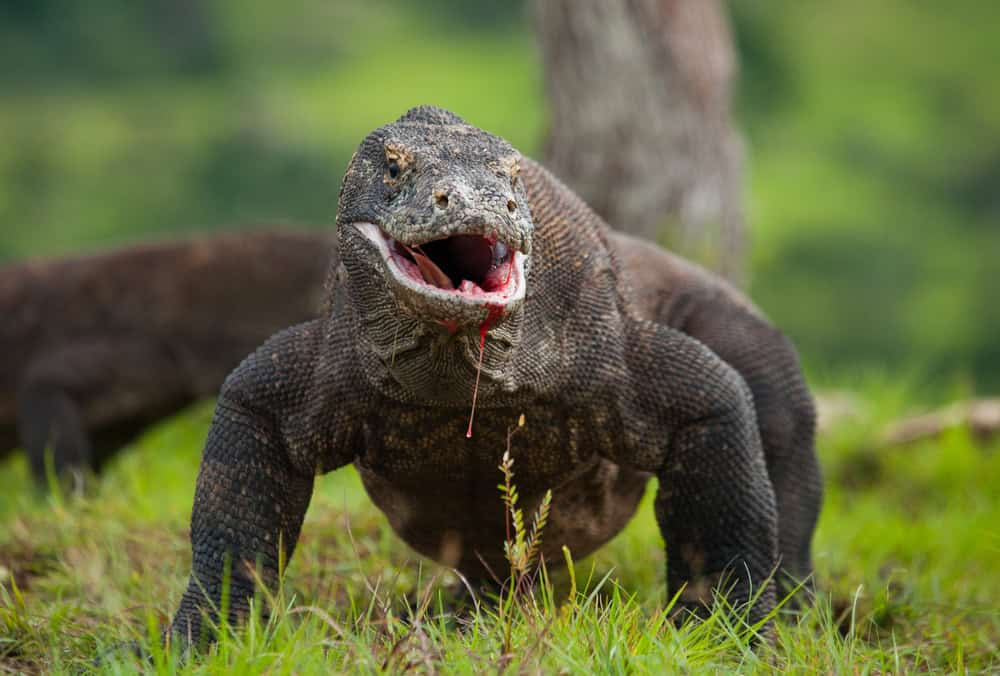
The Komodo dragon, a creature both astonishing and formidable, has long captivated the imagination of wildlife enthusiasts. As the largest living lizard, these dragons offer a rare and insightful window into the world of reptiles, a world that thrives in a delicate balance within the Indonesian islands. With their fearsome reputation and fascinating behavior, Komodo dragons present a unique opportunity to study apex predator dynamics in the wild. Let’s delve further into the remarkable world of Komodo dragons, exploring their daily lives and the intricate ecosystems they inhabit.
The Origins of Komodo Dragons

The Komodo dragon (Varanus komodoensis) has a fascinating evolutionary history. Belonging to the monitor lizard family, these apex predators are believed to have evolved around four million years ago. Their current habitat, the Indonesian archipelago, serves as a living museum showcasing their ancient lineage. Fossils suggest that these lizards once roamed vast stretches of Australia, further emphasizing their prehistoric origins.
Physical Characteristics

Komodo dragons are renowned for their impressive size, with adults reaching up to 10 feet in length and weighing over 150 pounds. Their robust build, muscular tails, and powerful limbs enable them to dominate their habitat. With clusters of armored scales and a long, forked tongue constantly flicking the air, these dragons are both intimidating and mesmerizing to observe.
Habitats of the Komodo Dragon

The natural habitat of the Komodo dragon is limited to a handful of Indonesian islands, including Komodo, Rinca, Flores, and Gili Motang. These islands offer a mixture of savannahs, forests, and rugged terrain. The dragons thrive in this environment, taking advantage of the diverse landscapes to hunt prey, bask in the sun, and evade potential threats from other predators or competing dragons.
The Komodo Dragon’s Diet

True to their reputation, Komodo dragons are formidable carnivores. Their diet primarily consists of large mammals such as deer, pigs, and water buffalo. These predators utilize a combination of stealth, speed, and their powerful bite to subdue prey. Interestingly, they are also scavengers, often consuming carrion to sustain themselves when hunting becomes challenging.
Hunting and Feeding Behavior

Hunting for a Komodo dragon involves a strategy of patience and surprise. With their keen sense of smell, they can detect rotting flesh from over a mile away, guiding them to potential meals. When hunting live prey, Komodo dragons may lie in ambush and subsequently undertake a swift and aggressive attack. The dragons’ saliva is loaded with bacteria, making even minor bites potential death sentences for prey due to subsequent infections.
Social Dynamics and Territoriality

Komodo dragons exhibit fascinating social behaviors, particularly in relation to territoriality and hierarchy. Although they are solitary creatures, certain feeding events bring multiple dragons together, establishing a clear pecking order among them. Dominance is determined through displays of strength and wrestling matches, frequently occurring near carcasses.
Reproduction and Lifespan

Reproductive strategies of Komodo dragons are unique and fascinating. Mating season typically occurs from May to August, during which males engage in combat to win the favor of females. Females lay clutches of up to 30 eggs in September, often in burrows or mound nests. Remarkably, through a process known as parthenogenesis, female dragons can reproduce without males, ensuring the continuation of the species in isolated conditions.
The Varanus’ Role in Biodiversity

As apex predators, Komodo dragons play a critical role in maintaining the biodiversity of their ecosystems. They help to control populations of herbivores and carrion, ensuring that the ecological balance remains intact. The presence of these dragons is key to the health of the island ecosystems, regulating competition among other species and contributing to the nutrient cycle.
Adaptations for Survival

Adaptations such as acute vision, a formidable sense of smell, and swift agility contribute greatly to the survival of Komodo dragons in harsh environments. Their natural resilience and ability to thrive with limited resources make them exceptional survivors, handling fluctuations in prey availability and climatic conditions with remarkable efficiency.
Conservation Efforts and Challenges

The Komodo dragon faces conservation challenges including habitat loss, poaching, and climate change. Efforts to protect them involve establishing nature reserves and regulated national parks across their native islands. International collaboration and local involvement are crucial for ensuring long-term conservation success for the Komodo dragon and their habitats.
Human Interaction and Perception

Human interactions with Komodo dragons have been limited, largely due to their remote habitats. While generally avoiding humans, Komodo dragons have occasionally been known to investigate settlements when food is scarce. Education and awareness campaigns are vital for promoting coexistence and minimizing potential conflicts.
Komodo Dragons in Popular Culture

The mystique of Komodo dragons has infiltrated popular culture, inspiring books, films, and documentaries. Often portrayed as mythical creatures, these lizards captivate audiences worldwide, sparking curiosity and interest in their mysterious, real-life feats and intriguing behaviors that speak to the primordial world they represent.
The Future of Komodo Dragons

Despite the challenges they face, the future of Komodo dragons depends on effective conservation strategies and awareness campaigns to ensure their survival. Continuous research and monitoring programs provide valuable insight into their behavior and ecology, allowing for informed decisions to preserve this unique species for generations to come.
As we explore the incredible world of Komodo dragons, it’s clear that these majestic creatures are not just survivors from a bygone era but are vital members of their ecosystems. Their daily lives offer insights into the complexities of nature, underscoring the importance of preserving biodiversity and understanding the intricate web of life that sustains our planet.

- The World’s Smallest Vertebrate Was Discovered in a U.S. Forest - July 30, 2026
- How Tigers Are Reclaiming Lost Ground in Nepal - July 30, 2026
- The Animal That Drinks Fog - July 30, 2026