

Picture this. A bird that’s been missing for years, almost written off as another extinction statistic, suddenly reappears in one of the most remote corners of the South Pacific. The manumea, a critically endangered ground pigeon and one of the closest living dodo relatives, has been spotted multiple times in a remote Samoan rainforest. For those of us who still believe in second chances, this is exactly what conservation dreams are made of.
This isn’t just about spotting a rare bird. The manumea is the national bird of Samoa, an island nation in the South Pacific Ocean. It’s a symbol hanging by a thread, and honestly, finding it again feels like discovering hope in the last place anyone expected to look.
The Little Dodo Makes an Appearance
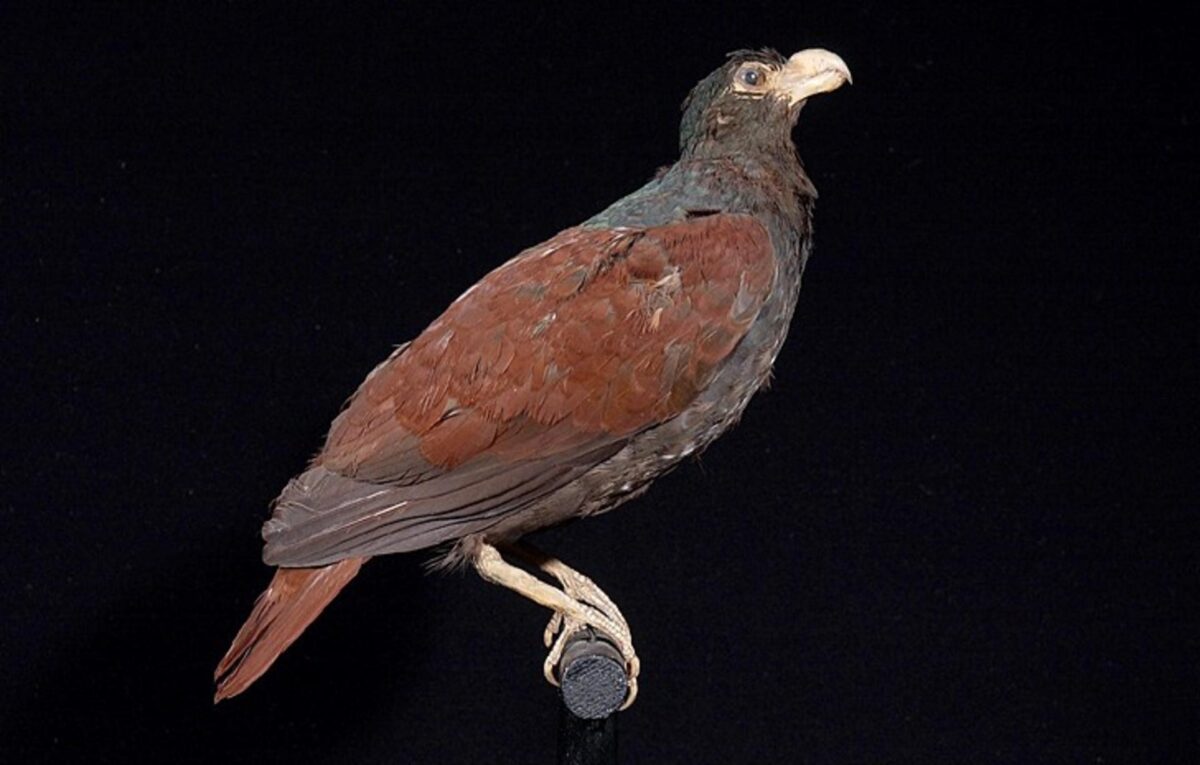
The chicken-sized bird with an unusually thick, curved beak that bears tooth-like serrations is the only living species of the genus Didunculus, meaning “little dodo”. About the size of a small chicken, the manumea has a distinctive red, hooked bill with tooth-like features on the lower structure, or mandible. It has dark, reddish-brown feathers on its wings and dusky gray-blue plumage on its head and chest.
Previous surveys only yielded a single sighting, if any. During that period, experts documented five total sightings of the bird. During one instance, the expedition team was finishing up lunch when a manumea flew past. Let’s be real, spotting this bird is like winning the conservation lottery.
A Population in Freefall
The numbers tell a grim story. Surveys in the early 1990s indicated there were some 7,000 manumeas in Samoa. But rampant habitat destruction decimated the species, with only 50-150 thought to exist as of 2024.
Think about that for a second. From thousands to barely over a hundred in just three decades. The last photograph of the cryptic species in the wild was taken in 2013. That’s more than a decade of silence, more than a decade of uncertainty about whether this bird would follow its famous cousin into oblivion. The most recent known evidence of breeding was in December 2013, when a juvenile was spotted and photographed in a tree.
When Invasive Species Become Executioners
Here’s the thing about island ecosystems. They’re fragile, almost heartbreakingly so. Hunting has been outlawed and subject to fines, so it’s imperative to focus on the current main threat – invasive species, particularly feral cats and rats, experts said. Cats hunt living birds and chicks, while rats eat the eggs and chicks.
The threats facing the manumea mirror those that drove the dodo to extinction centuries ago. dodo went extinct due to habitat loss, hunting and predators – the same threats to the manumea’s survival. It’s like watching history try to repeat itself in slow motion. Manumea populations have declined in recent decades because of habitat loss, hunting bycatch and predation. Currently, conservationists are highly concerned about the impact of invasive rats and feral cats, which prey on the adult birds, chicks and eggs.
The Race Against Time in Uafato
In this fall’s latest survey, Uili’s team focused on the remote coastal rainforest of Uafato, but manumea potentially live in six additional forests in Samoa. The dodo-like bird was known to exist in the Samoan rainforest but had proved difficult to photograph due to its quick movement and rainy conditions.
Finding these birds requires patience, determination, and honestly, a bit of luck. They’re hopeful they can still save the elusive bird from extinction. The terrain is brutal, the conditions challenging, and the birds themselves are masters of staying hidden. It’s no wonder previous surveys came up empty handed.
Why Saving This Bird Matters Beyond Samoa
As a tooth-billed pigeon it uses its large beak to feed on large native seeds that cannot be eaten by other birds. By doing this, it acts as a crucial seed disperser, naturally restoring the native forest. This bird isn’t just a pretty face with an unusual beak.
Losing the manumea would mean losing an entire ecological function that took millions of years to evolve. The forests depend on this bird just as much as the bird depends on the forests. Efforts to spot and track the bird highlight the challenges in protecting wildlife species from extinction, particularly in fragile island ecosystems, where they are vulnerable to invasive predators like feral cats and rats. Island conservation is tough, there’s no sugarcoating it.
What Happens Next Could Change Everything
The recent sightings are encouraging, no question about it. Still, five sightings don’t guarantee survival. The work ahead is monumental and requires resources, commitment, and community involvement on a scale that’s hard to sustain.
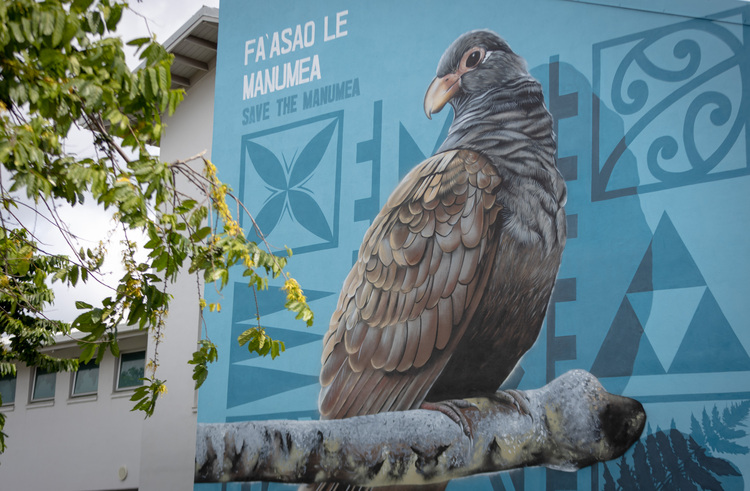
Several key communities are now mobilizing efforts to Save the Manumea before it is too late. One of the main threats to the Manumea is from hunting another bird, the Lupe. Villages like Uafato and Falease’ela have now banned the hunting of Lupe to try and protect the Manumea from extinction. Local action matters, perhaps more than anything else. When communities take ownership of conservation, real change becomes possible.
The manumea stands at a crossroads between extinction and recovery. Unlike the dodo, this story hasn’t ended yet. Whether we’re witnessing the final chapter or the beginning of a comeback depends entirely on what happens in the next few years. This isn’t just about saving one bird. It’s about proving we’ve learned something from the mistakes that erased the dodo from existence. What do you think? Can humanity get it right this time, or are we destined to repeat our past failures?

- Beavers Are Nature’s Engineers, Creating Vital Habitats for Other Wildlife Species - July 21, 2026
- The Recovery of the California Condor Offers Hope for Other Critically Endangered Birds - July 21, 2026
- Bats Play a Crucial Role in Controlling Insect Populations Across the United States - July 21, 2026