

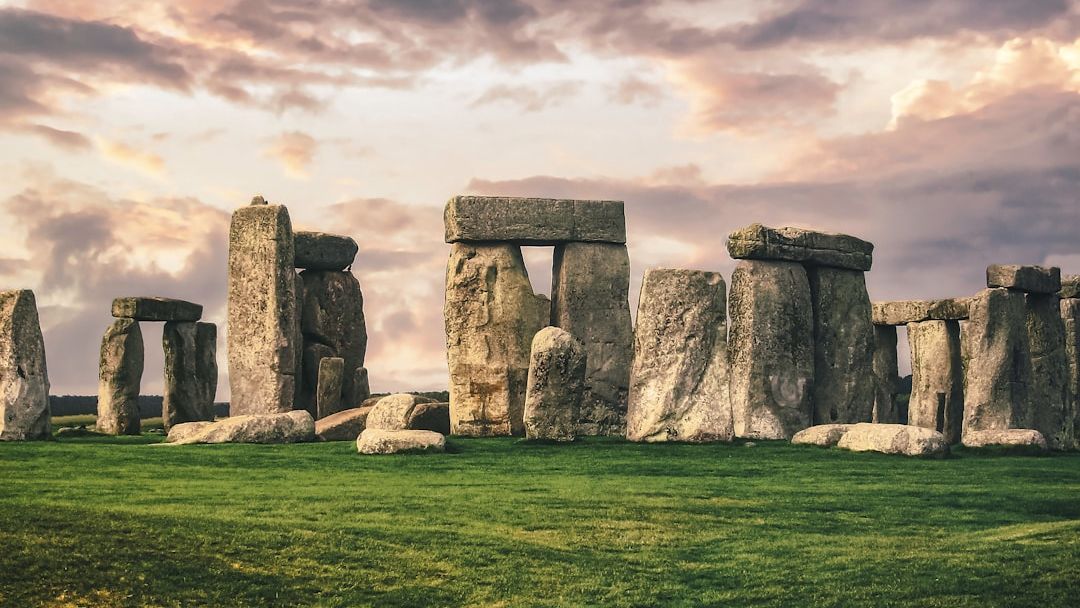
Let’s be honest, the debate about how Stonehenge got its massive stones has been swirling for what feels like forever. Some people love the idea of ancient humans hauling multi-ton rocks across Britain with nothing but ropes and determination. Others prefer the less dramatic theory that glaciers simply dropped them off like a prehistoric delivery service. It’s a classic case of human effort versus nature’s convenience, right?
Here’s the thing, though. A new study published in Communications Earth and Environment provides the first clear evidence glacial material never reached the area. That’s pretty definitive. The research team from Curtin University in Australia took a microscopic approach to settle this centuries-old question, and what they found in tiny grains of sand might finally put this mystery to rest. Intrigued yet? You should be.
The Microscopic Detective Work That Changed Everything
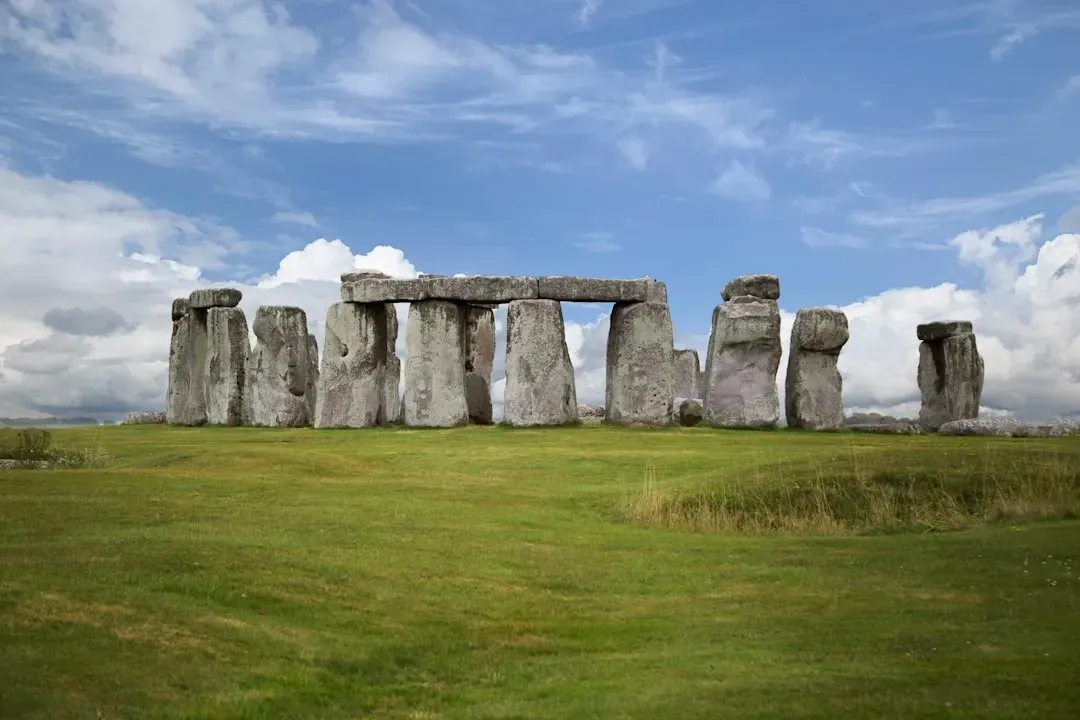
Scientists examining sand from rivers around Stonehenge analyzed 550 zircon crystals, each smaller than a grain of table salt. Think about that for a second. The answer to one of archaeology’s biggest puzzles was hiding in particles you’d need a microscope to see properly.
These nearly indestructible minerals act as geological fingerprints, preserving evidence of where sediments originated millions of years ago. Zircon and apatite grains are like nature’s time capsules. They survive almost everything and tell stories about where they’ve been and how old they are.
What Glaciers Should Have Left Behind
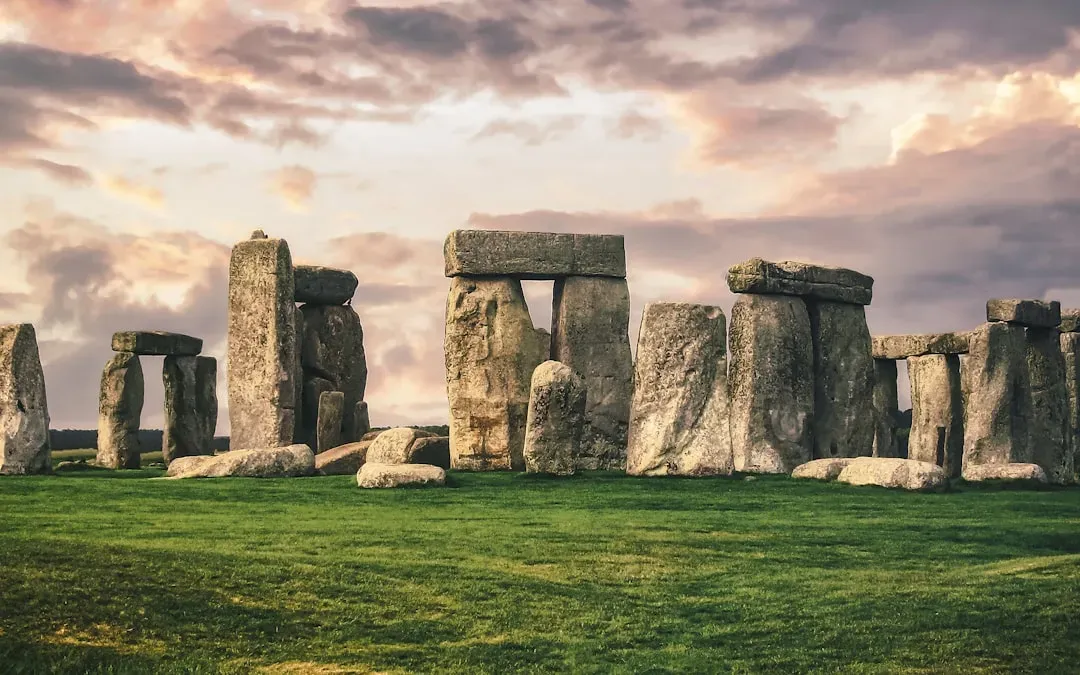
The logic here is beautifully simple. If glaciers had carried the stones all the way from Wales or Scotland, they would also have left behind millions of microscopic mineral grains, such as zircon and apatite, from those regions. Ice sheets don’t just move massive rocks. They drag along countless smaller particles too.
When both minerals form, they trap small amounts of radioactive uranium – which, at a known rate, will decay into lead. By measuring the ratios of both elements using a technique called U–Pb dating, we can measure the age of each zircon and apatite grain. This technique essentially gives each grain a unique birthday stamp that reveals where it came from originally.
The Shocking Results From River Sand Analysis
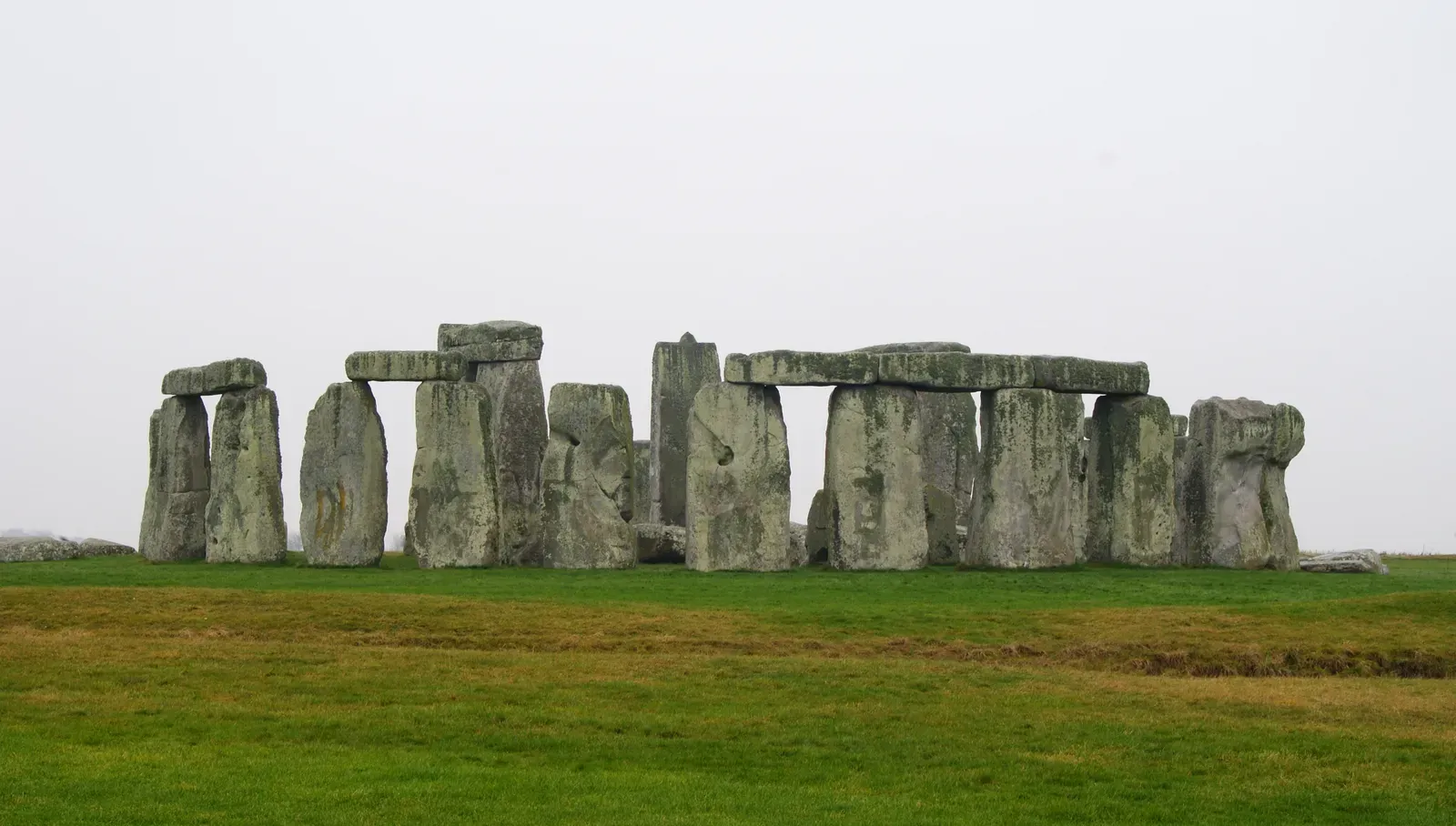
So what did researchers Anthony Clarke and Christopher Kirkland from Curtin University actually find? Out of 550 grains examined, only one matched the age signature of Welsh rocks. If glaciers had carried Stonehenge’s stones, many more of those grains should be present. Just one grain out of 550. That’s less than two tenths of one percent.
Despite analysing more than seven hundred zircon and apatite grains, we found virtually no mineral ages that matched the bluestone sources in Wales or the Altar Stone’s Scottish source. The numbers don’t lie, and they’re telling us something pretty clear. No glaciers reached Salisbury Plain carrying Welsh or Scottish rock fragments during the Ice Age.
Where the Sand Actually Came From
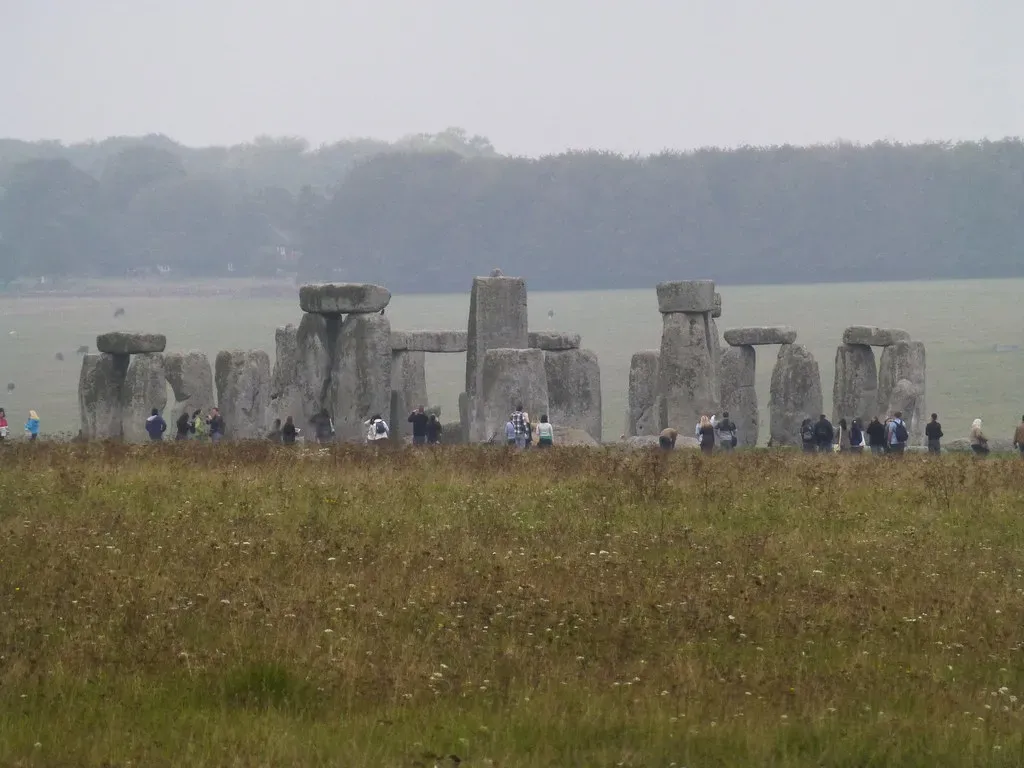
Instead of revealing evidence of glacial transport, the mineral analysis told a completely different story. Salisbury Plain detrital zircon ages match those of southern British rocks sourced from the London Basin, implying local sediment recycling rather than glaciogenic transport. The grains came from much older sedimentary layers that once covered southern England millions of years ago.
Salisbury River zircon ages match those from the Thanet Formation, a blanket of loosely compacted sand that covered much of southern England millions of years ago before being eroded. This means the minerals washing through rivers near Stonehenge today are actually ancient leftovers from geological layers that predated human civilization by an unimaginable span of time.
What This Means for the Human Transport Theory
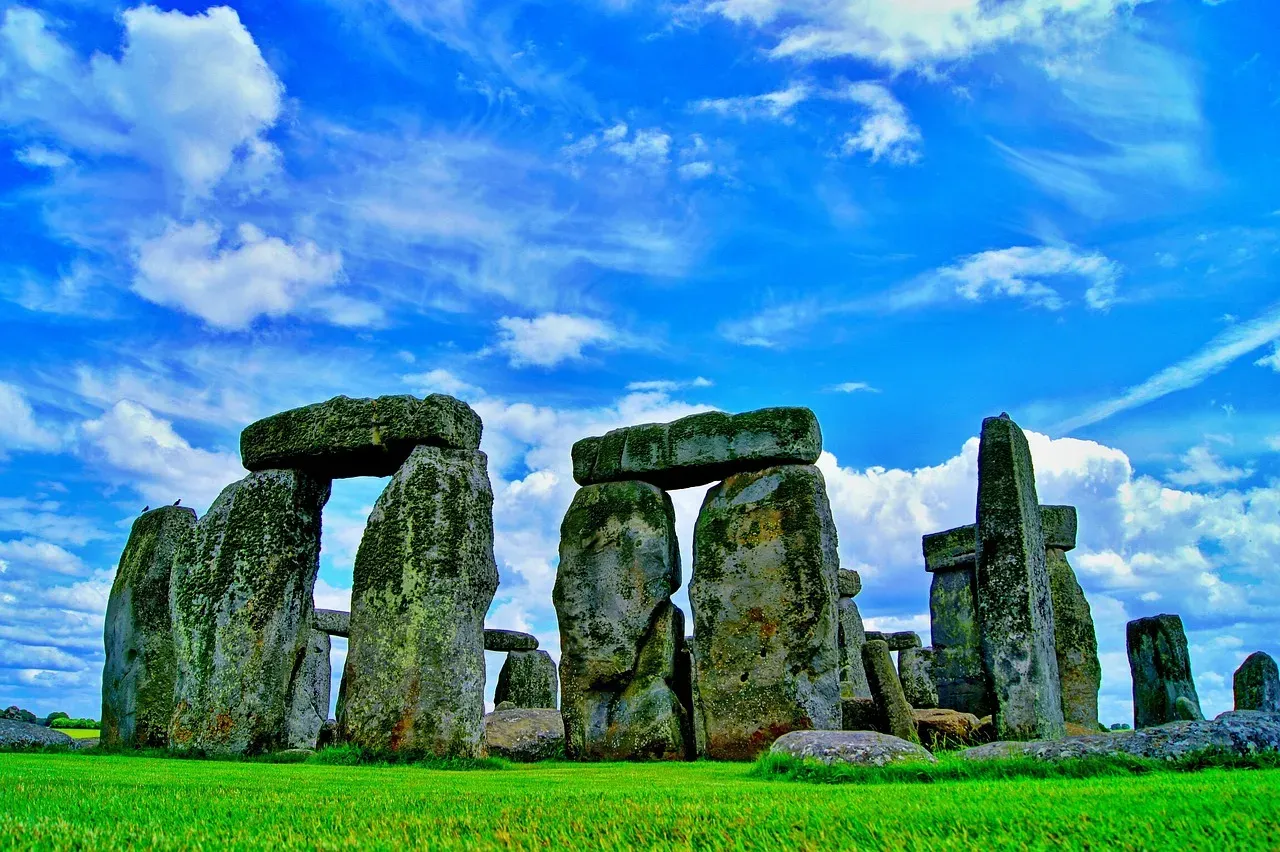
With the glacial theory effectively demolished, that leaves us with the more awe-inspiring explanation. The monument’s most exotic stones did not arrive by chance but were instead deliberately selected and transported. Imagine the planning and coordination required for such a feat roughly about five thousand years ago.
Stonehenge’s bluestones, volcanic rocks weighing between two and five tons each, came from Mynydd Preseli hills in Wales, about 230 kilometers away. That’s a journey of around 140 miles for stones that weighed as much as small cars. No tractors. No heavy machinery. Just Neolithic ingenuity and incredible determination.
The Bigger Picture About Ancient Britain
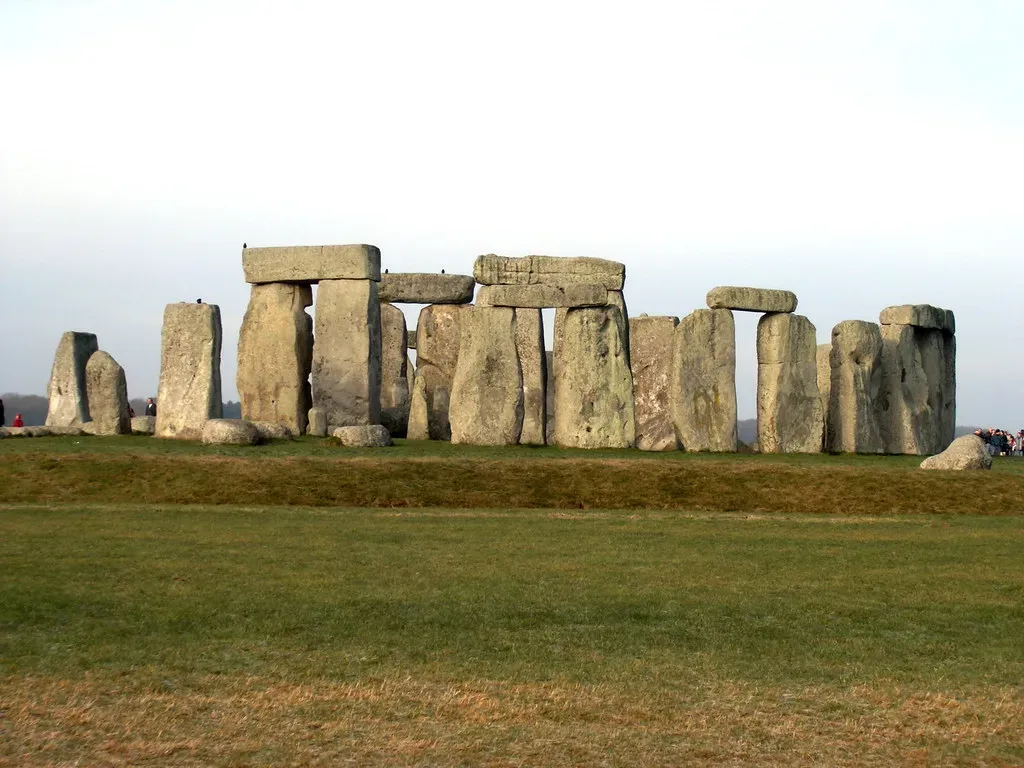
Stonehenge sits at the crossroads of myth, ancient engineering and deep-time geology. The ages of microscopic grains in river sand have now added a new piece to its story. This gives us further evidence the monument’s most exotic stones did not arrive by chance but were instead deliberately selected and transported. It really makes you think differently about our ancestors, doesn’t it?
Bluestone has not been found anywhere else on Salisbury Plain with the exception of the immediate surroundings of Stonehenge itself. Had they been moved there by glaciers, there would be a much more dispersed distribution of similar stones across the region. The concentrated presence of these special stones at one specific monument site screams intentional placement rather than random glacial deposit.
Conclusion
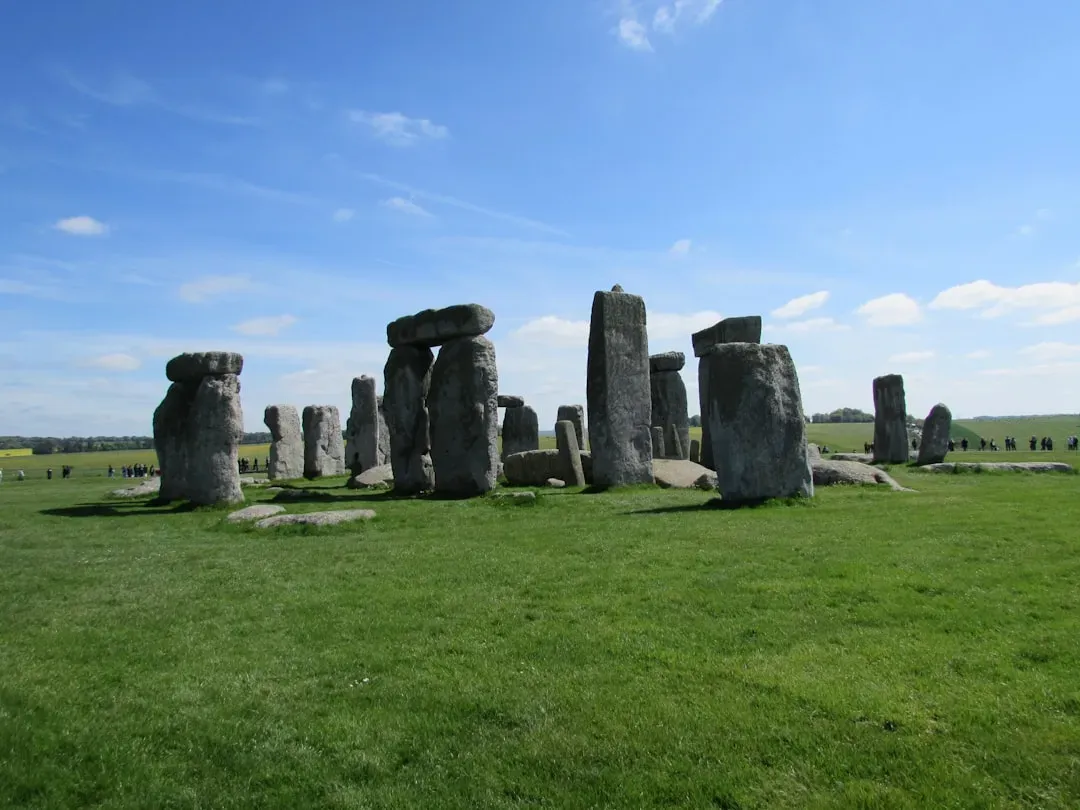
Sometimes the smallest evidence provides the biggest answers. Microscopic grains of sand have accomplished what decades of larger-scale archaeological investigation couldn’t quite nail down definitively. The glacial transport theory, popular in documentaries and casual speculation, has been firmly debunked by rigorous scientific analysis.
What we’re left with is actually more impressive than the alternative. Ancient communities in Britain possessed the organizational skills, technological knowledge, and sheer willpower to move massive stones across hundreds of miles of challenging terrain. They weren’t passively using materials that nature conveniently dropped nearby. They were actively seeking out specific rocks from distant places and bringing them home to create something extraordinary.
The monument stands today not just as an architectural wonder, but as testament to deliberate human achievement. What do you think drove them to such incredible efforts? Was it religious belief, astronomical knowledge, or something else entirely? Share your thoughts in the comments below.

- Beavers Are Nature’s Engineers, Creating Vital Habitats for Other Wildlife Species - July 21, 2026
- The Recovery of the California Condor Offers Hope for Other Critically Endangered Birds - July 21, 2026
- Bats Play a Crucial Role in Controlling Insect Populations Across the United States - July 21, 2026