

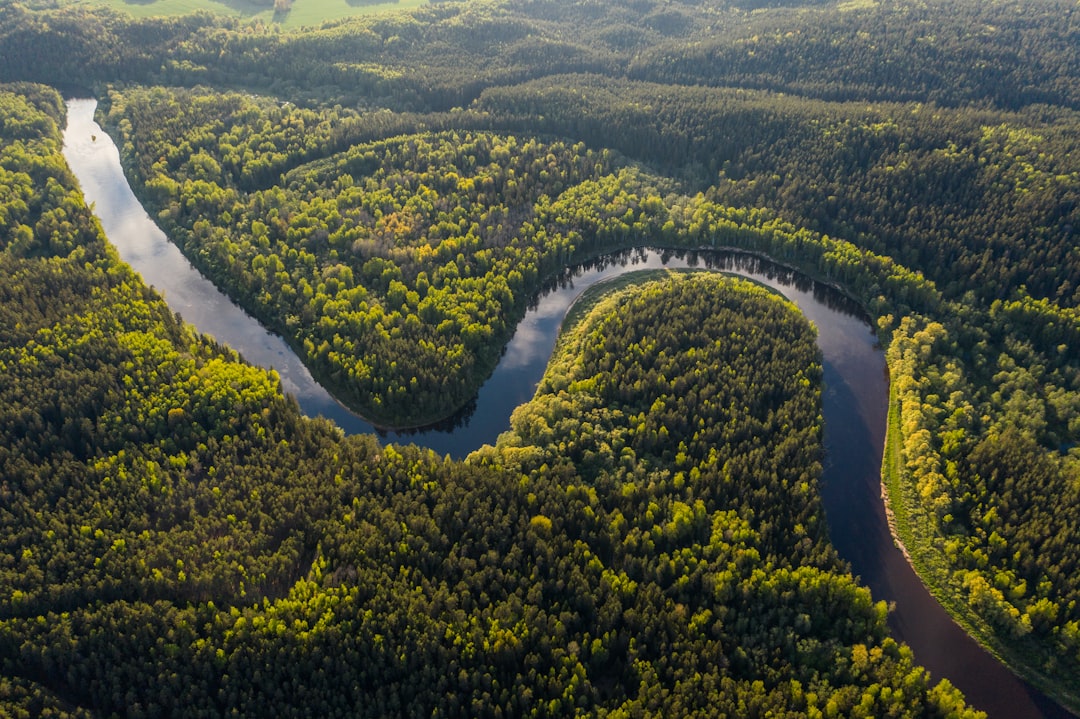
New Protected Areas Mark Major Victories for Wildlife and People (Image Credits: Unsplash)
The Amazon rainforest spans nine countries and supports over 40 million people along with unparalleled biodiversity. Deforestation from agriculture, mining, and development has pushed the ecosystem toward a potential tipping point. Local communities, in partnership with Conservation International, have stepped up to protect intact forests, restore damaged areas, and explore the natural dynamics that keep this vital region thriving.[1][2]
New Protected Areas Mark Major Victories for Wildlife and People
In Bolivia, four small towns recently established expansive conservation zones totaling more than 900,000 hectares, equivalent to the size of Yellowstone National Park. Gran Paitití created a municipal park spanning 83,825 hectares as a vital corridor between the Andes and Amazon lowlands. Villa Nueva protected 190,000 hectares rich in Brazil nut forests, while Pacahuara and Palos Blancos safeguarded 540,000 and 88,000 hectares respectively, preserving watersheds and ancestral lands.[3]
These initiatives emerged from years of collaboration between local governments, Indigenous groups, and rural leaders, countering intense deforestation pressures. Conservation International provided technical support to connect wildlife corridors for jaguars, giant otters, and spectacled bears. The areas now sustain over 2,400 species and bolster community incomes through sustainable harvesting of nuts and fruits.[3]
Reforestation Projects Plant Seeds of Recovery
Brazil’s arc of deforestation has seen ambitious restoration take hold through an initiative to plant 73 million trees across 30,000 hectares. This marks the largest tropical forest restoration effort worldwide, targeting both high-risk edges and central heartlands where natural regeneration remains viable. The project aligns with Brazil’s pledge to reforest 12 million hectares by 2030 and supports Paris Agreement climate goals.[4]
Teams employed the innovative “muvuca” method, scattering diverse native seeds to achieve higher yields at lower costs. Results exceeded expectations, with tree counts tripling initial projections in test areas – from 3 million to 9.6 million across 1,200 hectares. Partners including Instituto Socioambiental helped scale this approach, restoring carbon sinks and diverse habitats essential for regional stability.[4]
Expeditions Reveal Biodiversity in Unexpected Places
Researchers in Peru’s Alto Mayo region documented over 2,000 species during a rapid assessment, including 27 new to science and four previously unknown mammals. Findings highlighted how small forest patches amid farms and recovering lands sustain threatened species like the harlequin frog. Awajún community guides played key roles in navigating swamps, coffee fields, and logged zones.[2]
These discoveries underscored the Amazon’s resilience when humans integrate sustainable practices. Conservation International’s work there has promoted forest-friendly agriculture, preventing further clearing while revealing ecological connections. Such insights guide protection strategies and demonstrate that biodiversity persists even in human-modified landscapes.[2]
Sustainable Farms Demonstrate Viable Alternatives
In northern Peru, the González family transformed former cattle pastures and rice paddies into a thriving aquaculture operation at Pucayagro farm. They now cultivate paiche fish alongside native trees like aguaje and açaí, creating a closed-loop system where pond water irrigates crops and waste feeds fish. This revival brought back wetlands, streams, and over 90 bird species.[2]
The model has inspired neighbors and supplies premium markets, proving economic viability without deforestation. Meanwhile, 16 Indigenous communities in the Medio Putumayo-Algodón area gained legal rights to manage 283,000 hectares established last June. This protected zone links existing reserves into an 18,000-square-kilometer corridor, shielding pink dolphins, woolly monkeys, and carbon stores from illegal activities.[5][2]
| Country | Key Initiative | Area (hectares) |
|---|---|---|
| Bolivia | Four municipal parks | 901,825 |
| Brazil | Reforestation | 30,000 |
| Peru | Medio Putumayo-Algodón | 283,000 |
Key Takeaways
- Conservation International aims to protect 12 million new hectares, strengthen 100 million existing ones, and restore 115,000 hectares by 2025.[1]
- Community partnerships deliver rapid wins, from legal recognitions to innovative farming.
- These efforts preserve biodiversity hotspots while enhancing local prosperity.
Conservation International’s three-pronged strategy – protect, strengthen, restore – gains momentum through grassroots collaboration, offering a blueprint against the tipping point. As forests rebound and communities thrive, the Amazon’s role as Earth’s lungs strengthens. What steps can we take to support these vital efforts? Share your thoughts in the comments.

- Urban Coyotes Show Remarkable Adaptability, Learning to Thrive in City Environments - July 22, 2026
- Beavers Are Nature’s Engineers, Creating Vital Habitats for Other Wildlife Species - July 21, 2026
- The Recovery of the California Condor Offers Hope for Other Critically Endangered Birds - July 21, 2026