

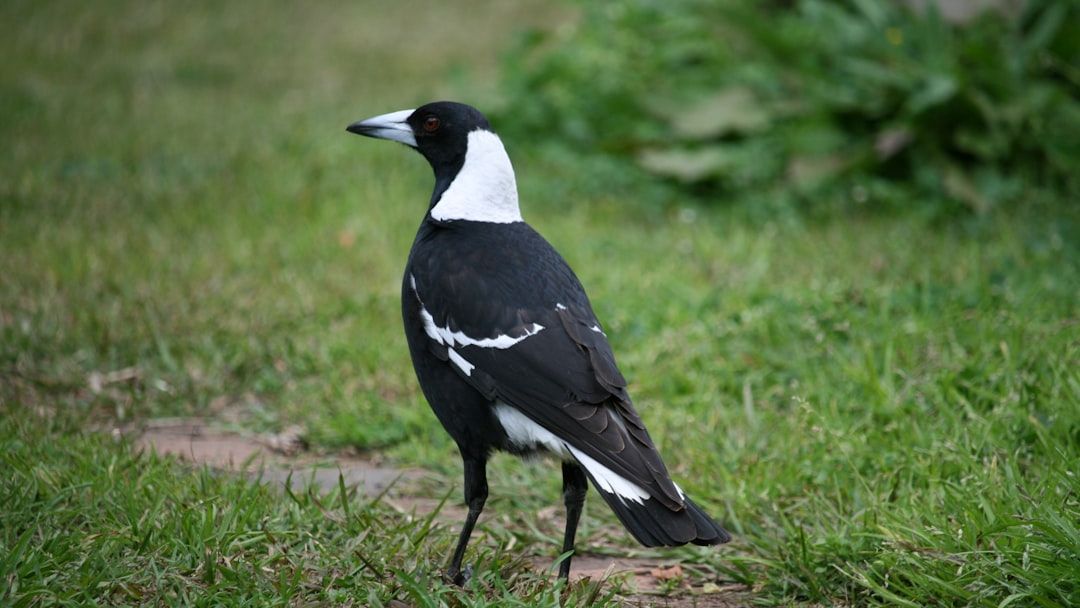
A magpie can recognise you – and four other fun facts about Australia’s most often-spotted bird – Image for illustrative purposes only (Image credits: Unsplash)
The latest results from BirdLife Australia’s annual citizen-science project confirm what many backyard observers have long suspected. The Australian magpie appeared in half of all submitted surveys, outpacing every other species once again. With tens of thousands of people taking part, the count offers a clear snapshot of which birds remain most visible across the country.
Scale of Participation Drives Reliable Picture
More than 64,000 observers contributed to the effort, filing a total of 153,000 individual surveys. That volume of data provides a broad national view rather than isolated local reports. The consistent methodology year after year allows direct comparison with previous counts and helps track longer-term trends in bird visibility.
Participants record every bird seen or heard during a fixed 20-minute period in a chosen location. The approach keeps entries standardised while still capturing the everyday encounters people have with common species. Such widespread involvement turns routine observations into a meaningful dataset for researchers.
Clear Leader Emerges From the Numbers
The magpie’s presence in 50 percent of surveys placed it comfortably ahead of the next most recorded species. The rainbow lorikeet followed at 42 percent, while the noisy miner appeared in 34 percent of counts. These percentages reflect how often each bird crossed paths with observers during the survey window.
Because the magpie is both widespread and active during daylight hours, its high ranking aligns with its known behaviour and habitat range. The gap between first and second place underscores the species’ dominance in many suburban and rural settings. Observers in different states contributed to the same overall pattern.
Context for Ongoing Monitoring Efforts
Regular counts like this one supply baseline information that conservation groups use to assess changes in bird populations over time. When a species appears consistently at the top, it signals stable visibility in human-modified landscapes. Declines in other species can also surface more quickly when large numbers of surveys are compared across years.
The project encourages people to notice birds they might otherwise overlook during daily routines. Repeated participation builds familiarity with local wildlife and supports broader awareness of habitat needs. Data collected this way complements more targeted scientific studies that focus on specific regions or threatened species.
What Matters Now
The continued high ranking of familiar birds highlights the value of everyday green spaces in supporting visible wildlife. Maintaining gardens, parks, and street trees helps sustain the conditions that allow these species to remain common. Future counts will show whether current patterns hold or shift in response to environmental changes.
Public involvement remains central to keeping the dataset robust and representative. Each additional survey adds detail to the national picture and strengthens the evidence base used by researchers and land managers. The results serve as a reminder that widespread species still depend on the same habitats people share.
