

Climate change is rapidly emerging as one of the most significant threats to biodiversity worldwide, with impacts extending far beyond the commonly discussed effects on habitat loss and range shifts. Recent scientific research has uncovered a more subtle but equally concerning consequence: alterations to animal cognition, particularly memory and instinctual behaviors. As global temperatures rise, seasonal patterns shift, and extreme weather events become more frequent, animals across ecosystems are experiencing disruptions to the cognitive processes that have evolved over thousands of years. These changes to memory formation, retrieval, and instinctual responses are creating ripple effects through food webs and ecosystems, often with unpredictable outcomes. Understanding how climate change affects animal cognition is crucial not only for conservation efforts but also for predicting ecological changes and developing effective mitigation strategies.
The Neurobiological Basis of Climate-Induced Cognitive Changes
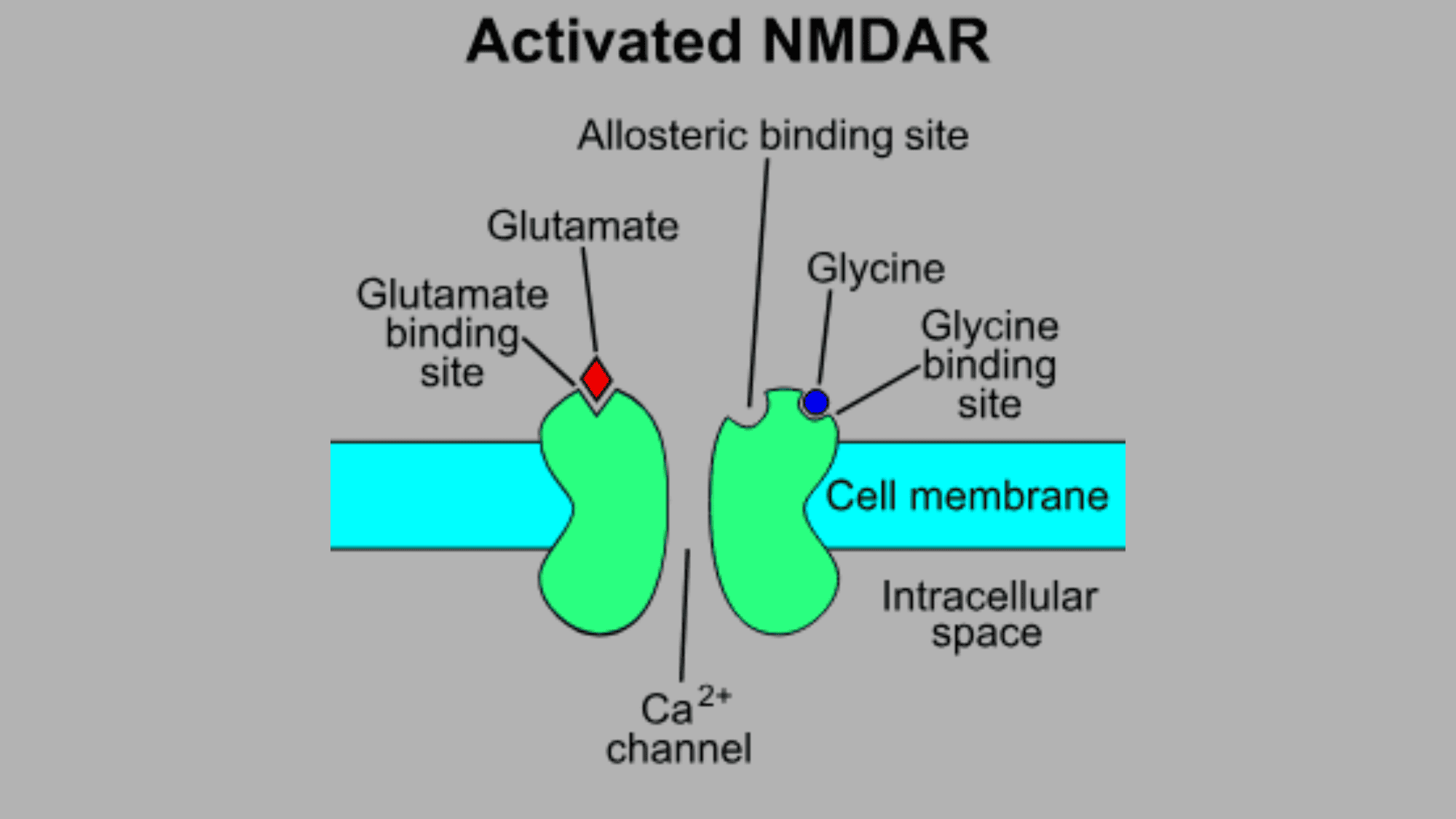
The brain’s remarkable plasticity makes it responsive to environmental conditions, but this adaptability has limits when faced with rapid climate change. Temperature plays a critical role in neural function across animal species, particularly in ectotherms (cold-blooded animals) whose body temperature fluctuates with their surroundings. Research has shown that elevated temperatures can affect neurotransmitter function, synaptic transmission, and overall neural network activity. For instance, studies on fish have demonstrated that warming waters can impair memory formation by disrupting the function of NMDA receptors, which are crucial for learning and memory processes. Even in endotherms (warm-blooded animals), chronic heat stress can elevate cortisol levels, which may impair hippocampal function—a brain region essential for spatial memory and navigation. These neurobiological mechanisms help explain why climate change can have such profound effects on animal cognition, creating a direct physiological link between environmental conditions and behavioral adaptations.
Migratory Birds: When Traditional Routes Become Obsolete

Migratory birds provide some of the most compelling examples of how climate change disrupts memory-based behaviors. Many species rely on a combination of genetic programming and learned information to navigate thousands of miles between breeding and wintering grounds. Climate change is altering the reliability of environmental cues these birds have evolved to use. For example, the white stork (Ciconia ciconia) traditionally migrated from Europe to Africa, but warming European winters have led some populations to remain year-round, abandoning their migratory instinct. Similarly, studies of pied flycatchers (Ficedula hypoleuca) show that their arrival at breeding grounds no longer synchronizes with peak food availability due to earlier springs. The cognitive mismatch occurs because their migration timing is largely determined by day length—a stable cue—while their food sources (insects) respond to temperature—a changing cue. This desynchronization represents a failure of traditional memory-based navigation systems to adapt to rapidly changing conditions, leading to population declines of over 60% in some migratory species over the past decades.
Hibernation Disruptions: When to Sleep, When to Wake
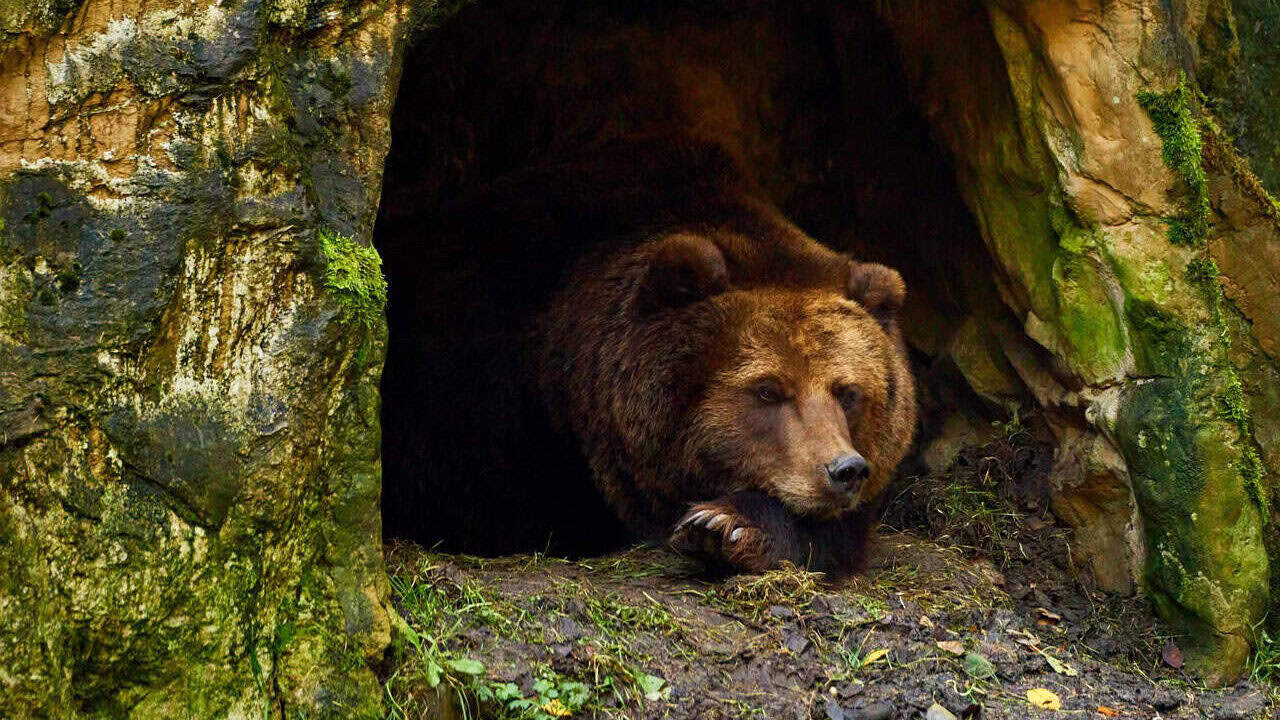
Hibernation represents one of nature’s most remarkable adaptive behaviors, one that relies heavily on both instinct and environmental memory. Climate change is now disrupting these finely tuned processes across multiple species. Black bears (Ursus americanus) in some regions are entering hibernation later and emerging earlier as winters shorten, disrupting a cycle that evolved over millennia. This altered hibernation pattern can have severe consequences, as premature awakening may lead bears to emerge when food sources are still scarce. In ground squirrels, research has documented physiological changes in hibernation patterns correlated with warming temperatures, including shorter torpor bouts and higher metabolic rates during hibernation. Perhaps most concerning are observations in marmots, where warmer springs have led to earlier emergence from hibernation by approximately 38 days over the past four decades. These timing shifts represent a fundamental disruption to the instinctual rhythms that govern these animals’ lives, with potential consequences for survival, reproduction, and ecosystem function as predator-prey relationships are thrown out of balance.
Marine Life: Cognitive Challenges in Changing Oceans
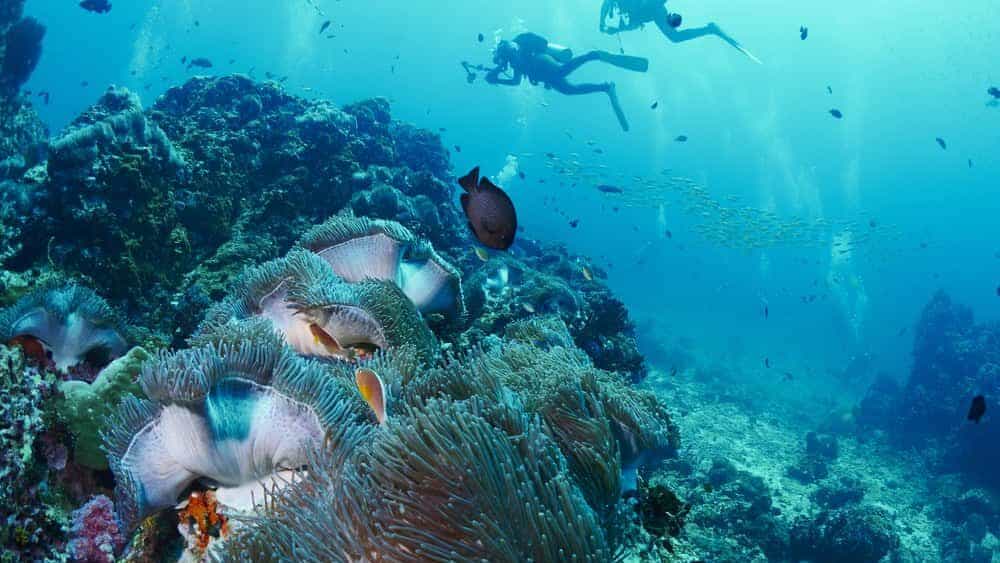
Ocean acidification, warming sea temperatures, and changing current patterns present multiple stressors that impact cognitive function in marine species. Laboratory studies have shown that elevated CO₂ levels—a direct consequence of increasing atmospheric carbon dioxide—can impair learning and memory in reef fish. For example, clownfish (Amphiprion ocellaris) exposed to acidified water show diminished ability to recognize predator odors, a cognitive deficit that significantly increases predation risk. In a more complex example, salmon rely on olfactory memory to navigate back to their natal streams for spawning. Climate-driven changes in water chemistry are interfering with this process, as documented in studies showing that salmon exposed to acidified water conditions exhibit a 56% reduction in olfactory sensitivity. Ocean warming also affects marine mammals, with documented changes in the timing and routes of whale migrations that have followed stable patterns for centuries. These shifts suggest that even the sophisticated cognitive maps of large-brained marine mammals are struggling to adapt to rapidly changing oceanic conditions.
Timing Mismatches: When Instinct No Longer Serves
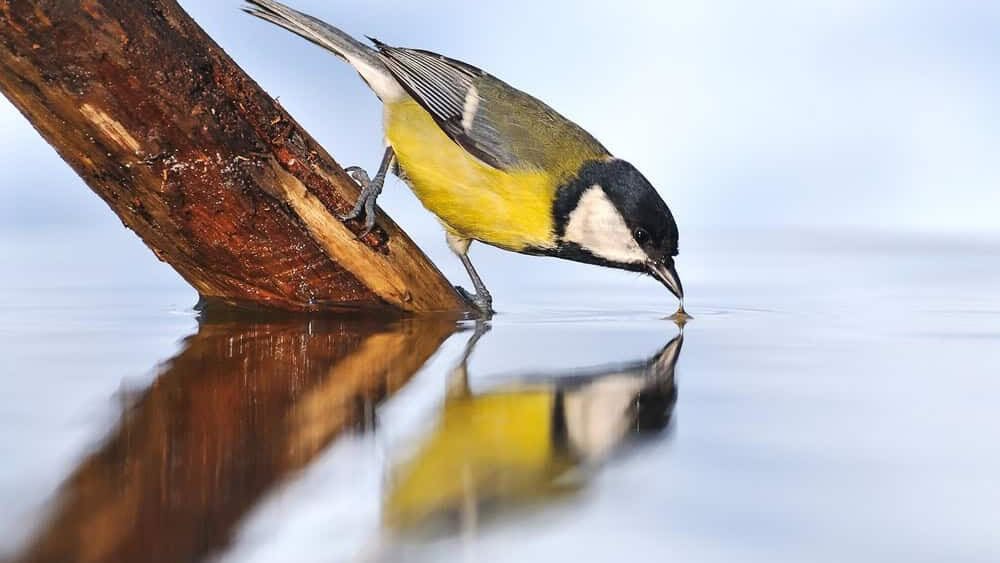
Many animals rely on environmental cues like day length, temperature, or precipitation patterns to time crucial life events such as reproduction, migration, or hibernation. Climate change is creating phenological mismatches—situations where these instinctually timed behaviors no longer align with optimal environmental conditions. A classic example involves great tits (Parus major), whose breeding timing historically synchronized perfectly with the peak abundance of caterpillars to feed their young. As springs have warmed, caterpillar emergence has advanced by up to two weeks in some locations, while the birds’ breeding timing has not kept pace. This mismatch occurs because while caterpillars respond primarily to temperature, birds rely partly on day length—an unchanging cue in a changing world—resulting in a cognitive trap where their traditional instincts lead them astray. Similar mismatches have been documented in numerous species, from butterflies to amphibians, revealing how climate change can transform adaptive instincts into maladaptive behaviors when environmental change outpaces evolutionary adaptation.
Insect Navigation: Tiny Brains Facing Big Changes

Despite their small brains, insects demonstrate remarkable navigational abilities that rely on complex memory systems and instinctual behaviors—capabilities now threatened by climate change. Honeybees (Apis mellifera) use a sophisticated combination of sun position, polarized light patterns, and landscape memory to navigate between flowers and their hive. Research has shown that heat stress impairs their spatial memory and learning abilities. At temperatures above 37°C (98.6°F), which are becoming increasingly common during summer heat waves, bees show a 63% reduction in learning performance compared to their optimal temperature range. Monarch butterflies (Danaus plexippus) face similar challenges, as their multi-generational migration relies on a combination of celestial navigation and magnetic sensing. Climate-driven changes in weather patterns and flowering times along their migration route disrupt the environmental cues they’ve evolved to follow. The cognitive demands of adapting to these changing conditions may exceed the capacity of these small-brained organisms, contributing to the documented declines in insect populations worldwide—estimated at 45% in some regions over the past four decades.
Reptiles and Temperature-Dependent Cognition
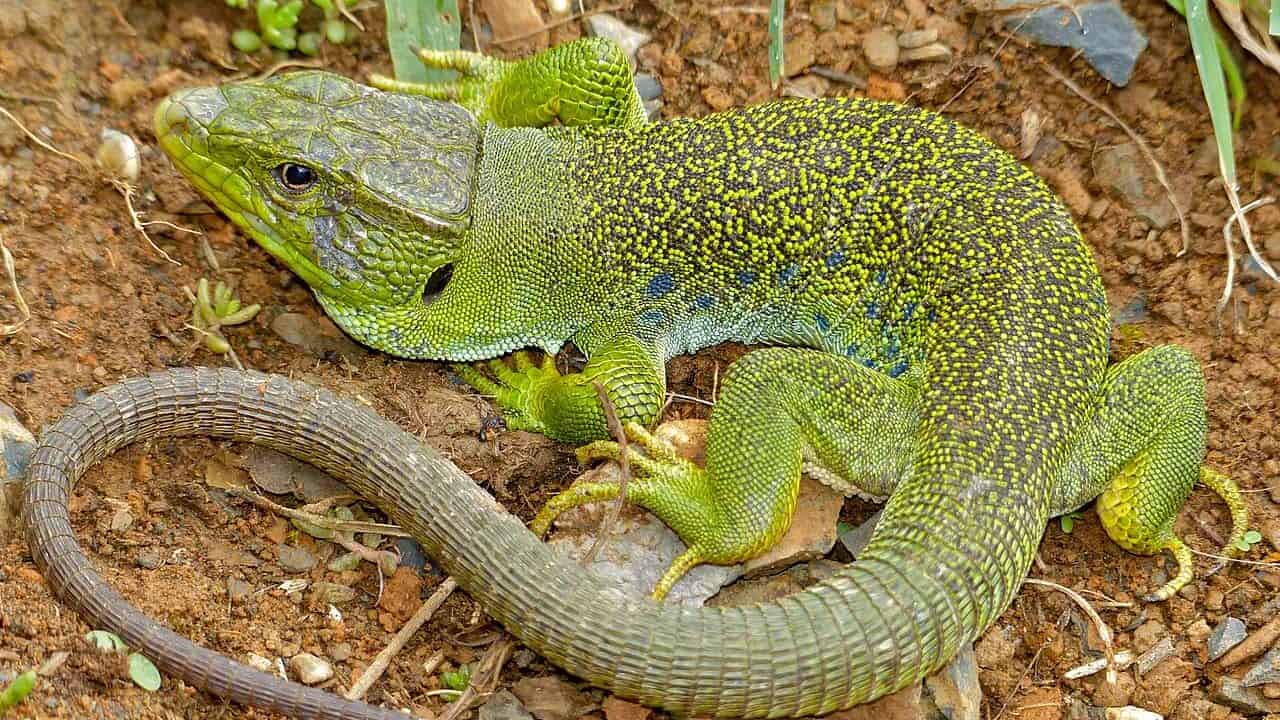
Reptiles offer a unique window into how climate change affects cognition, as their cognitive function is directly tied to environmental temperature. As ectotherms, their neural processing speed, learning capacity, and memory retrieval all vary with body temperature. Laboratory studies with lizards have demonstrated an inverted U-shaped relationship between temperature and cognitive performance—performance improves as temperature rises to an optimal point, then declines as temperatures continue to increase. Field research on Puerto Rican anole lizards (Anolis cristatellus) has shown that populations experiencing temperatures near their upper thermal limits exhibit diminished problem-solving abilities and spatial memory. Of particular concern is how rising temperatures might affect temperature-dependent sex determination in many reptile species. For example, in some turtle species, eggs incubated at higher temperatures produce females, while cooler temperatures produce males. Beyond simply skewing sex ratios, recent research suggests these temperature differences during development may also affect cognitive traits differently in males versus females, potentially disrupting instinctual behaviors related to mating, territory defense, and predator avoidance in ways that could threaten population viability.
Mammalian Foraging Patterns and Food Memory
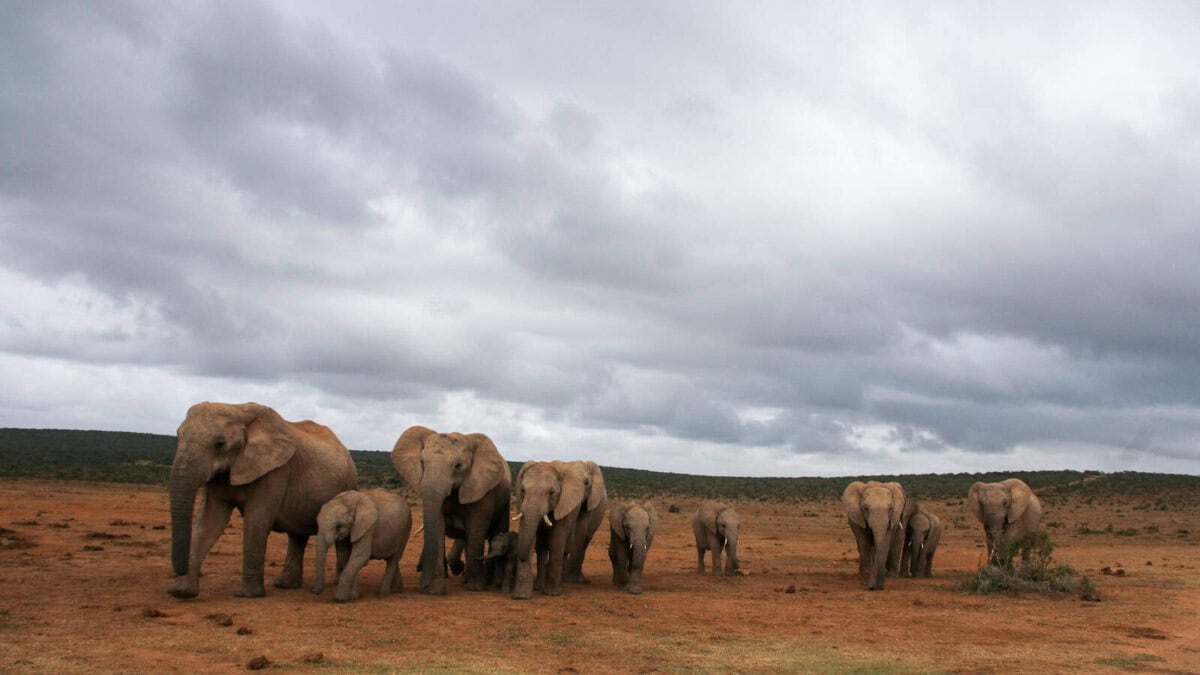
Many mammals rely on spatial memory to locate food resources that vary seasonally or are patchily distributed across landscapes. Climate change is disrupting these memory-based foraging strategies in multiple ways. For instance, elephants in Africa rely on matriarchs’ decades-long memories of water source locations during droughts. As climate change makes drought patterns more severe and less predictable, these memorized maps become less reliable, forcing herds to explore unfamiliar territories with unknown risks. North American pikas (Ochotona princeps), small alpine mammals, traditionally collect and store specific plants for winter consumption—a behavior guided by instinct refined through experience. As alpine plant communities shift due to warming temperatures, pikas must adjust their foraging preferences and techniques, challenging their cognitive flexibility. Perhaps most dramatically, polar bears (Ursus maritimus) face a fundamental disruption to their hunting strategy as Arctic sea ice diminishes. Their instinctual hunting techniques evolved for capturing seals at breathing holes in sea ice—an environment that is literally melting away. This forces bears to attempt new hunting strategies or switch to less nutritious terrestrial foods, creating evolutionary pressure for rapid cognitive adaptation that may exceed their capabilities.
Climate Extremes and Stress-Induced Cognitive Impairment

Beyond gradual warming, climate change is increasing the frequency and intensity of extreme weather events, creating acute stressors that can impair animal cognition. Prolonged drought, extreme heat waves, and intense storms trigger stress responses that elevate glucocorticoid hormones in wildlife. Chronic elevation of these stress hormones has been linked to impaired memory formation and retrieval across various species. For example, studies on songbirds exposed to experimental heat stress show reduced performance in spatial memory tasks and decreased neurogenesis in the hippocampus. Similarly, research on laboratory rodents demonstrates that heat stress impairs working memory and cognitive flexibility. These findings have concerning implications for wild animals experiencing increasingly frequent and severe climate extremes. Australian research following severe bushfires found that surviving mammals showed signs of post-traumatic stress, including heightened anxiety and altered foraging patterns that persisted long after the immediate threat had passed. As extreme weather events become more common, these acute cognitive impairments may become chronic, affecting animals’ ability to respond appropriately to environmental challenges and potentially leading to population-level consequences.
Evolutionary Mismatch: When Instincts Become Maladaptive

Animal instincts represent evolutionary adaptations to historical environmental conditions—adaptations that climate change may render maladaptive. This creates an evolutionary mismatch where behaviors that once enhanced survival now potentially reduce fitness. For example, many amphibian species have an instinctual drive to breed in temporary ponds following specific rainfall patterns. As climate change alters precipitation timing and intensity, these breeding instincts can lead amphibians to lay eggs in locations that dry out before tadpoles can metamorphose. Similarly, many birds have an instinctual drive to migrate at specific calendar dates determined by daylight hours, regardless of temperature conditions. As climate zones shift poleward, birds following these rigid instinctual programs may arrive at breeding grounds when conditions are still unsuitable. The concept of ecological traps—situations where animals prefer habitats that reduce their fitness—is increasingly relevant in the context of climate change. When animals continue to follow instinctual preferences based on cues that no longer reliably indicate habitat quality, they essentially fall into cognitive traps created by rapidly changing environments, highlighting the challenges of adaptation when instinctual behaviors become misaligned with ecological realities.
Transgenerational Effects: Altered Inheritance of Behaviors
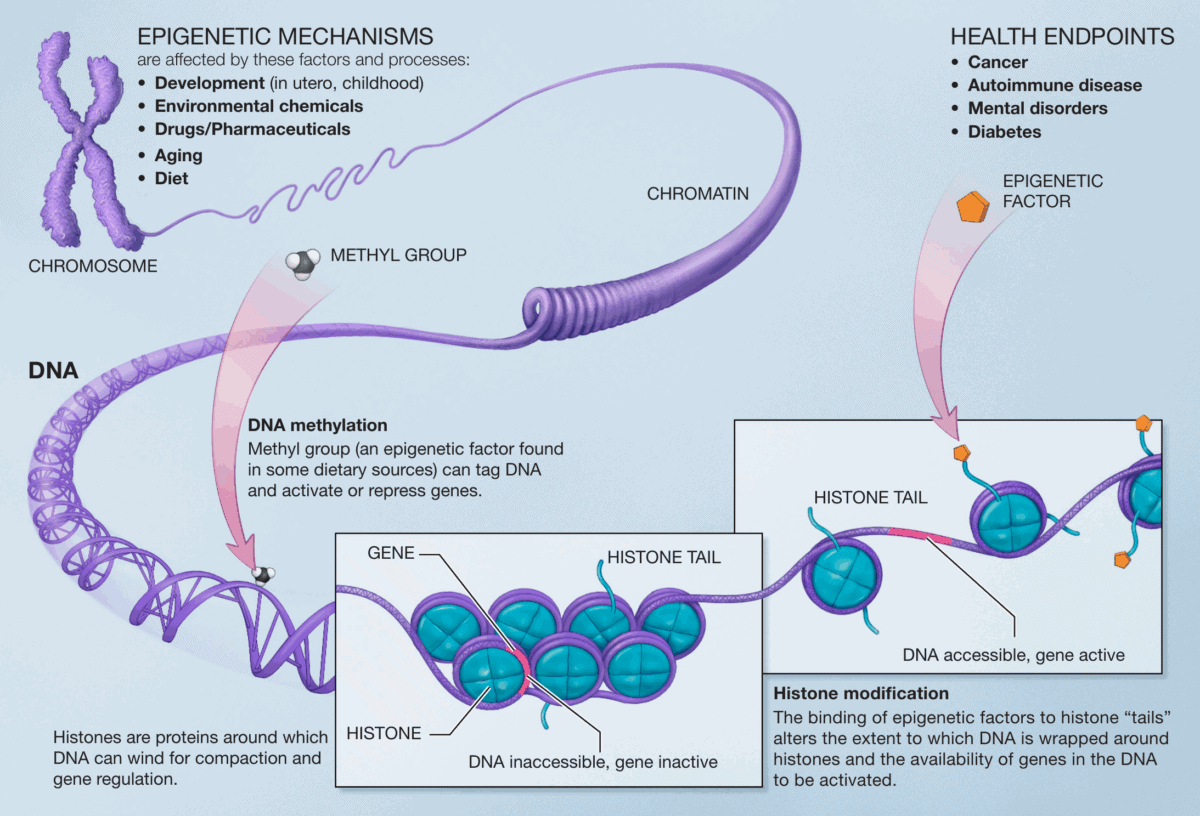
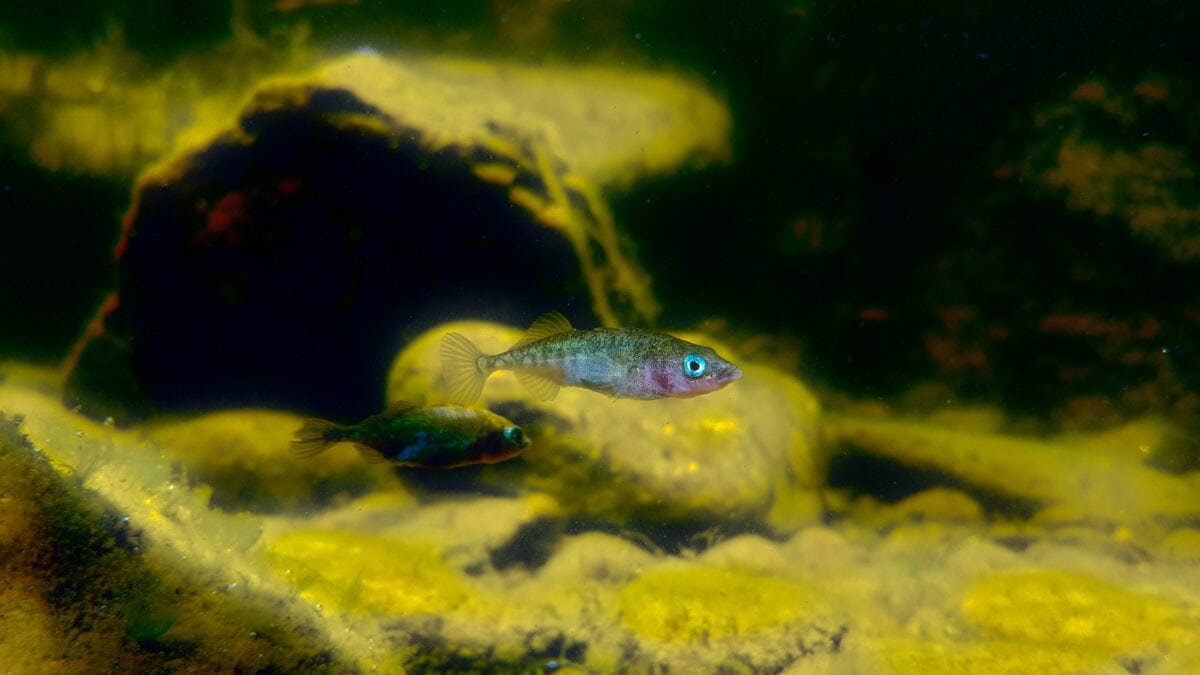
Emerging research suggests that climate-induced stress can affect not only an animal’s own cognitive function but also that of its offspring through epigenetic mechanisms—changes in gene expression without alterations to the underlying DNA sequence. Studies in multiple species have demonstrated that parental exposure to stressors, including heat stress and food scarcity, can modify offspring development through epigenetic changes that affect brain development and behavior. For example, research with three-spined sticklebacks (Gasterosteus aculeatus) found that fish exposed to elevated temperatures produced offspring with altered stress responses and learning abilities, even when the offspring themselves developed under normal conditions. Similarly, studies with birds have shown that maternal heat stress can affect offspring cognitive development, potentially through changes in hormone deposition in eggs. These transgenerational effects create the possibility for climate change to have cascading impacts across generations, as altered cognitive traits are “inherited” through non-genetic mechanisms. This dimension adds complexity to predicting how animal populations will respond to climate change, as behavioral adaptations—or maladaptations—may persist even after direct environmental pressures change.
Adaptation or Extinction: Cognitive Flexibility in a Changing World

While climate change presents significant challenges to animal cognition, species vary widely in their capacity for cognitive flexibility—the ability to modify behavior in response to changing conditions. Species with larger brains relative to body size, longer lifespans, and social learning capabilities may be better positioned to adapt their behavior to changing conditions. Ravens, for instance, demonstrate remarkable problem-solving abilities and can adjust their caching behavior in response to changing environmental conditions. Similarly, some primates show the ability to adopt new foraging techniques when traditional food sources become scarce. However, this cognitive flexibility has limits, particularly when environmental change outpaces the capacity for behavioral adaptation. Species with highly specialized cognition tied to specific environmental conditions may be particularly vulnerable. For example, Clark’s nutcrackers (Nucifraga columbiana) can remember the locations of thousands of seed caches, but this specialized memory is of little use if climate change prevents the pines they depend on from producing seeds. The relationship between cognitive flexibility and climate resilience represents an emerging frontier in conservation biology, with implications for predicting which species may adapt and which may face extinction as climate change accelerates.
The impacts of climate change on animal memory and instinct represent a hidden dimension of the biodiversity crisis—one that demands increased scientific attention and conservation concern. As we’ve explored, from the neurobiological mechanisms disrupted by warming temperatures to the evolutionary mismatches created by rapidly changing environments, climate change is fundamentally challenging the cognitive systems that animals rely on to survive and reproduce. The evidence points to widespread effects across taxonomic groups and ecosystems, suggesting that cognitive disruption may be an underappreciated driver of population declines. Moving forward, conservation strategies must consider not only the physical habitat needs of species but also the preservation of the environmental conditions necessary for normal cognitive function. This might include creating climate refugia, enhancing habitat connectivity to facilitate behavioral adaptation, and considering assisted migration for species whose cognitive systems cannot keep pace with environmental change. Ultimately, the most effective solution remains the rapid reduction of greenhouse gas emissions to slow climate change and give animal cognition the time it needs to adapt to our changing world.

- How Crickets Chirp Using Their Wings - July 20, 2026
- The Largest Sea Turtle Ever Rescued Off North Carolina - July 20, 2026
- The Ocean’s Escape Artist: Why Octopuses Outsmart Us All - July 20, 2026