


Welcome to the incredible story of Paul Rosolie and the large Anaconda.
Paul Rosolie’s Dangerous Stunt: Getting Swallowed by an Anaconda

Imagine standing in a jungle and encountering an anaconda. The thought is indeed the stuff of nightmares. Now imagine trying to get yourself eaten alive by the reptile—yes, willingly. While most people would probably shake their heads and say “no,” Paul Rosolie made headlines for doing just that. In 2014, he performed this daring stunt for a reality show. Clad in a specialized suit, he let himself get swallowed by a giant anaconda. A decade later, he has opened up about how it felt during the stunt, including recalling how, at one point, he thought his ribcage would explode.
The Stunt: A Dangerous Encounter
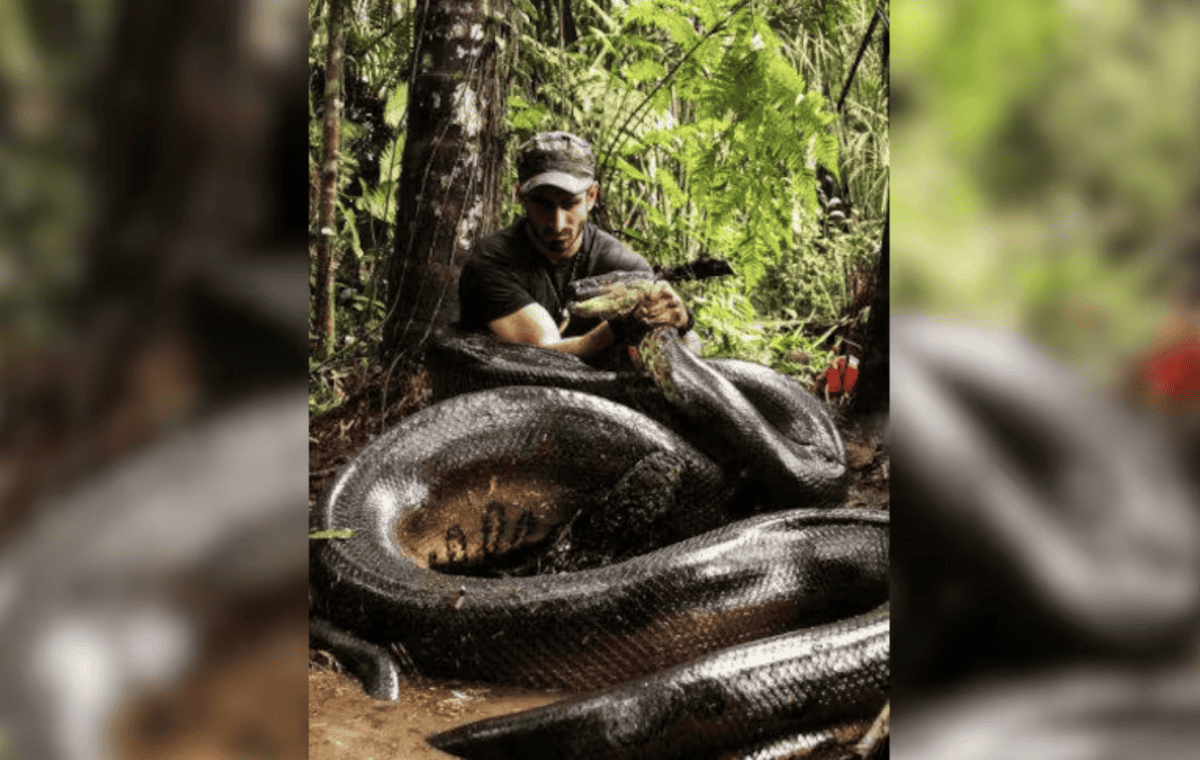
In 2014, Paul Rosolie agreed to get swallowed by a giant anaconda for an episode of Discovery Channel’s “Eaten Alive.” The goal was to raise awareness about the plight of these snakes and their habitats. However, the stunt was cut short within minutes when Rosolie called for help, fearing his ribcage would be crushed.
Recalling the Terrifying Moment

Rosolie described the experience as “terrifying.” He remembered the moment the anaconda’s mouth opened wide, everything went black, and he felt the immense pressure of the snake constricting him. “She wrapped around me, and I felt my suit cracking and my arms ripping out of their sockets,” he told the New York Post. He came dangerously close to having his ribcage explode and realized the true power of these reptiles.
The Mission Behind the Stunt
Despite the fear and pain, Rosolie’s intention was to show people the strength of anacondas and the importance of protecting their habitats. “Every time you exhale, you never get that space back,” he explained. “So you exhale and the snake squeezes, and then when you try to breathe in, there’s nothing.”
Safety Measures in Place

Although the moment was frightening, Rosolie did not feel he was in immediate danger thanks to the safety measures in place. The Discovery Channel had an ambulance, doctors, and a team ready to intervene if something went wrong. His friend JJ ultimately saved his life, ending the stunt before serious injury could occur.
Reflection on the Experience
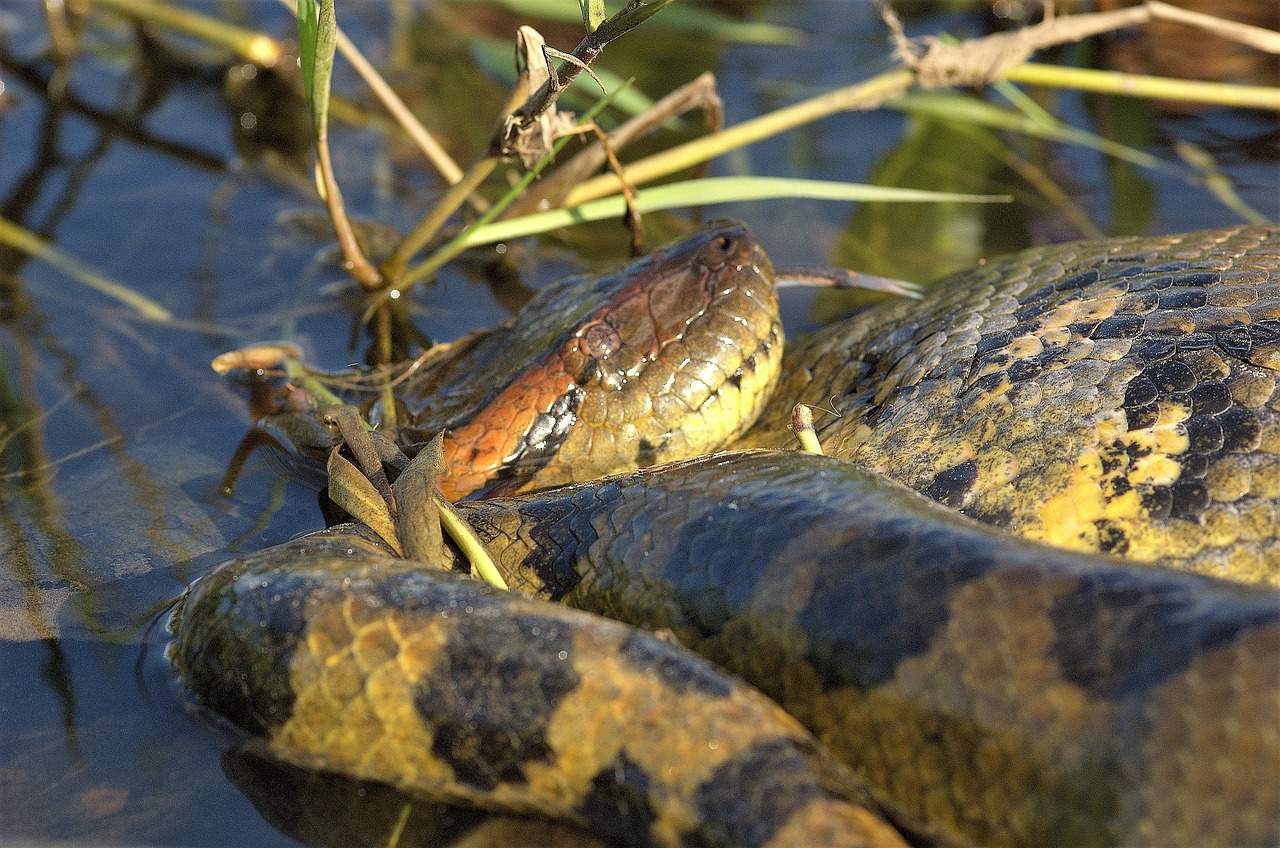
A decade later, Rosolie reflects on the experience with a mix of awe and respect for the power of nature. His stunt remains a powerful reminder of the strength and resilience of wildlife and the lengths some will go to raise awareness for conservation.
What is the average size of an anaconda?

Anacondas can grow to be between 15 to 20 feet long on average, although some individuals can exceed 30 feet.
Where do anacondas live?

Anacondas are primarily found in South America, especially in the Amazon and Orinoco river basins.
What do anacondas eat?

Anacondas are carnivorous and their diet includes fish, birds, mammals, and occasionally larger prey like caimans and capybaras.
How do anacondas hunt?

Anacondas are ambush predators, relying on their camouflage to surprise prey before constricting and suffocating it.
Are anacondas venomous?

No, anacondas are not venomous. They kill their prey through constriction.
How do anacondas reproduce?

Anacondas are ovoviviparous, meaning they give birth to live young rather than laying eggs. Females can give birth to 20 to 40 baby snakes at a time.
How long do anacondas live?

Anacondas typically live for about 10 to 12 years in the wild, but they can live up to 30 years in captivity.
What are the main threats to anacondas?

The main threats include habitat destruction, hunting for their skin, and capture for the exotic pet trade.
How do anacondas contribute to their ecosystem?

Anacondas help maintain balance in their ecosystems by controlling the populations of their prey species.
What are the different species of anacondas?

There are four species: the Green Anaconda, Yellow Anaconda, Dark-spotted Anaconda, and Bolivian Anaconda.
How fast can anacondas swim?
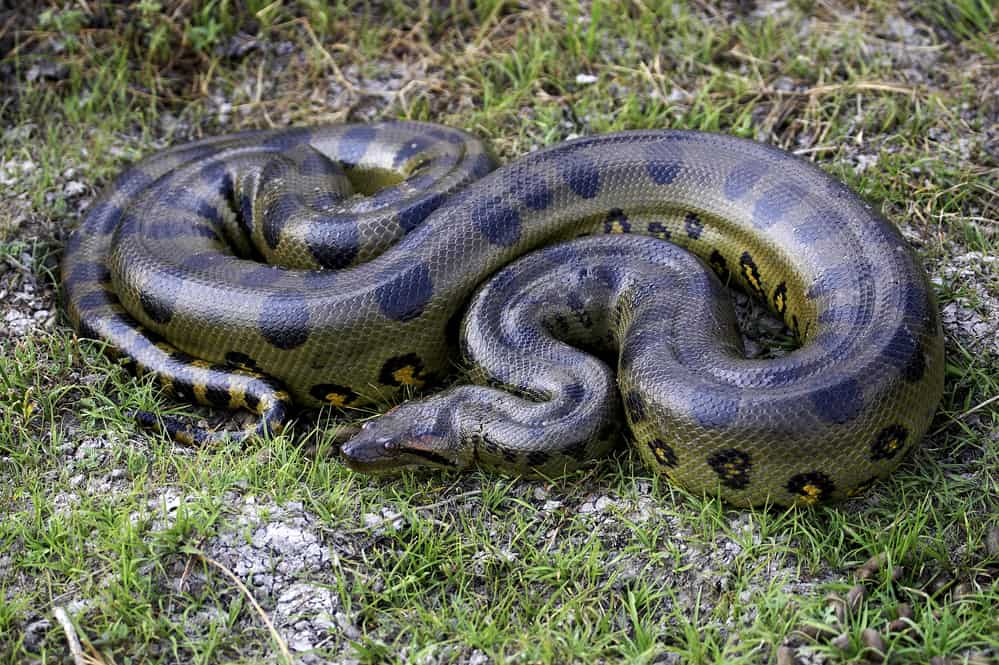
Anacondas are excellent swimmers and can move quickly in the water, though their exact speed varies.
Do anacondas pose a threat to humans?
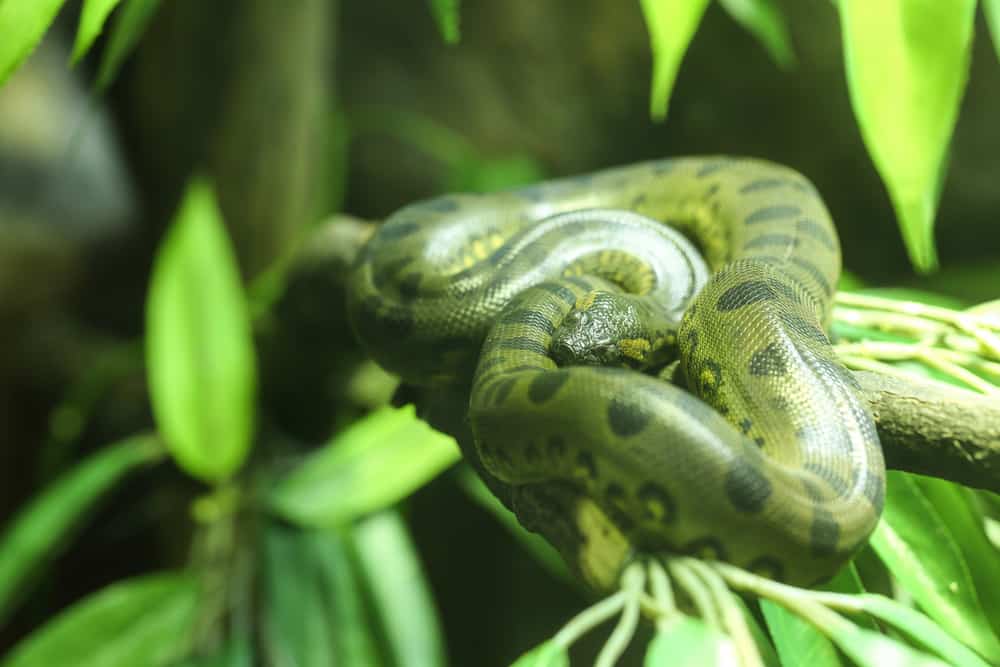
Anacondas are generally not a threat to humans and attacks are extremely rare. They prefer to avoid human contact.
How do anacondas handle large prey?

Anacondas can dislocate their jaws to swallow large prey whole, thanks to their highly flexible ligaments.
What is the role of anacondas in folklore?

Anacondas feature prominently in South American folklore and mythology, often symbolizing strength and mystery.
How do researchers study anacondas?

Researchers study anacondas through field observations, tracking devices, and ecological studies to understand their behavior and habitats.
Conclusion
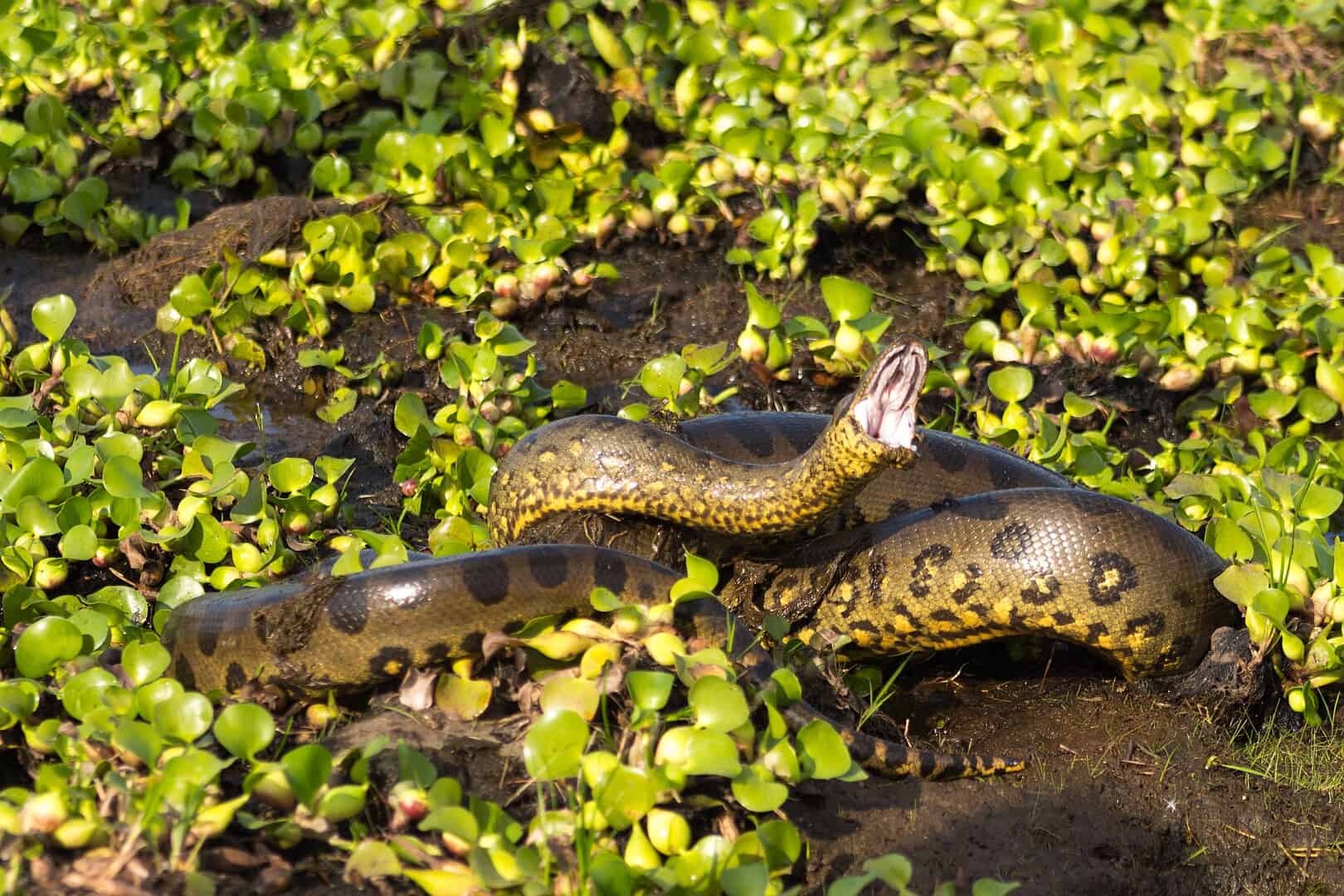
Paul Rosolie’s daring stunt of trying to get swallowed by an anaconda was a testament to his commitment to wildlife conservation. While the experience was terrifying and almost deadly, it served its purpose in highlighting the incredible power of these snakes and the need to protect their natural habitats.

As a little kid, I fell in love with nature, wildlife, and animals. Living in the USA, South Africa, Italy, China and Germany gave me the opportunity to discover the world's Wildlife. My favorite animals are Mountain Gorillas, Siberian Tigers, and Great White Sharks.
I'm a certified PADI Open Water Diver, went to Everest Base Camp and Trekked Gorillas in Uganda. I hold a Master of Science in Economics and Finance.
Please send any feedback to feedback@animalsaroundtheglobe.com
- The 12 Quietest Dog Breeds Perfect for Apartment Life - July 27, 2026
- Pet Monkey - July 27, 2026
- 11 USA Cities That Could Run Out of Water - July 27, 2026
Leave a comment
You must be logged in to post a comment.