

Right now, as you read this, an elephant on the African savannah may be sending a message to another elephant several miles away – and you would never hear a single sound. Somewhere deep in the Pacific Ocean, a humpback whale may be singing a song so vast and complex that it reaches another whale thousands of miles away. These things are not myths or science fiction. They are happening, every single day, in a world of communication that is almost entirely invisible to us.
The wild kingdom is alive with signals, codes, and transmissions. Some travel underground. Some ripple through the depths of oceans. Some are carried on the wind in the form of chemical whispers. Honestly, the more you learn about how animals talk to each other across extraordinary distances, the more humbling it becomes. We think of language as a human achievement. The animals got there long before us. Let’s dive in.
The Hidden Language of Infrasound
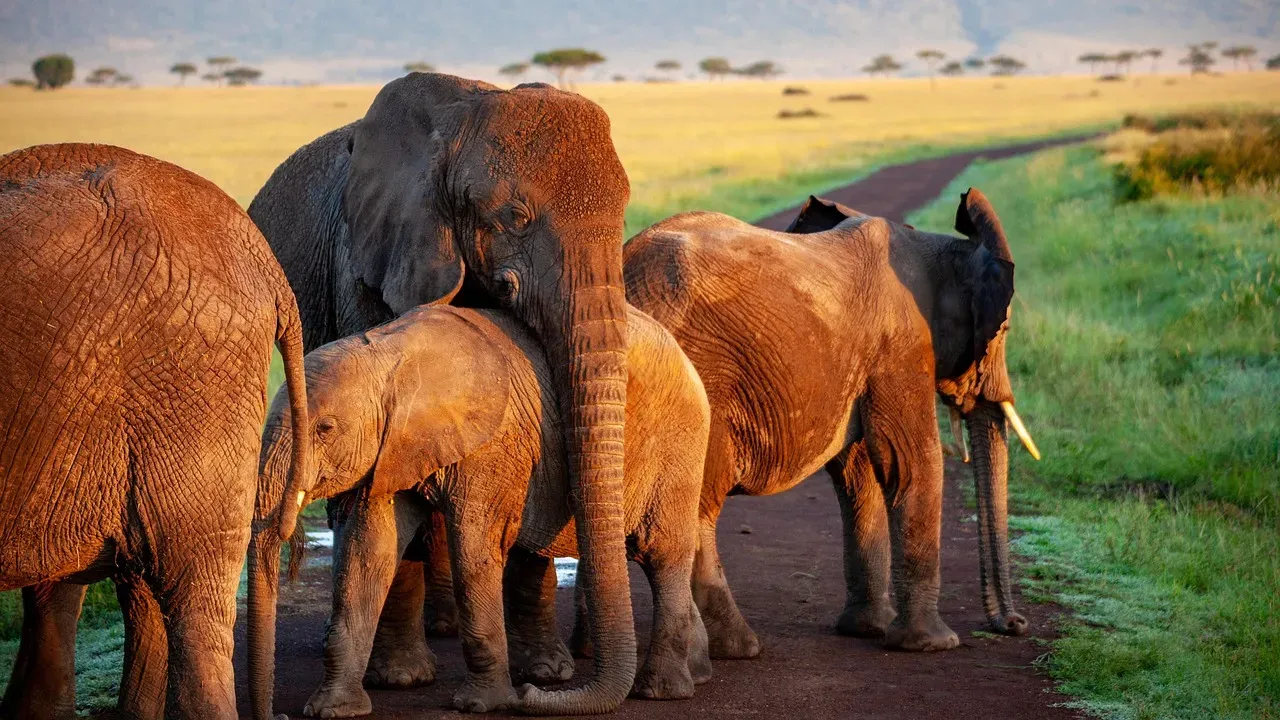
Here’s the thing most people never realize: a huge part of animal communication is completely inaudible to us. Low frequency noises, below the frequency that human ears can usually detect, are used by elephants to communicate over long distances. These are called infrasounds, and they operate in a frequency range our biology simply cannot access. Think of it like a radio station broadcasting on a channel your receiver can never tune in to.
Infrasound frequencies are ideal for long distance communication because they travel well through objects instead of being reflected, though because they travel through solid matter so effectively, it’s also hard to pinpoint what direction they’re coming from. This is a fascinating trade-off. Reach is gained, precision is lost. For an animal trying to broadcast across a vast territory rather than pin down a single rival, that’s a perfectly acceptable deal.
This also partially explains why we can’t hear infrasound but sometimes we can feel it. That mysterious vibration you might sense near a thunderstorm, or in a crowd, or at a concert? You’re feeling infrasound. Animals have been using this phenomenon as a communication tool for millions of years. We’re just now catching up.
Elephants: The Giants Who Speak Through the Earth
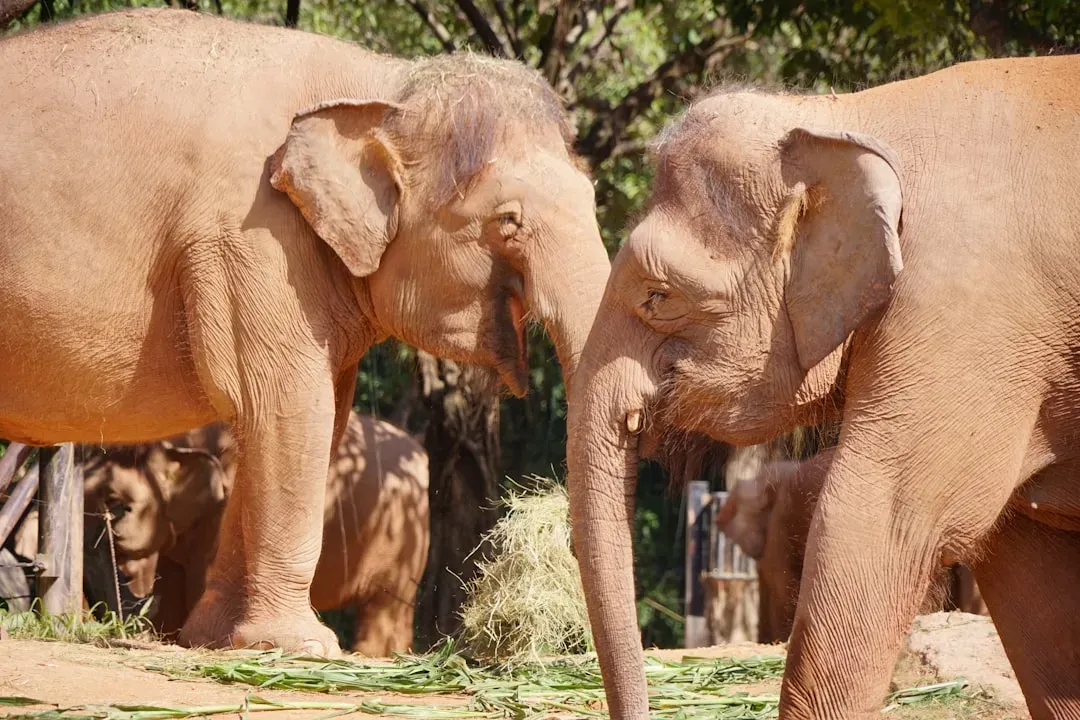
Elephants are, without question, the most astonishing long-distance communicators on land. To put this in perspective, elephants can communicate with each other at over 10 kilometres apart, making our 100-metre range of intelligible speech seem pitiful. That’s not a typo. We lose clarity in our voices within the length of a football field. Elephants send clear messages over more than six miles.
Using infrasonic sounds, elephants are able to command a somewhat private communication channel over long distances, since most other animals are unable to process sound waves below 20 Hz – they may sense or feel the energy, but not necessarily discern the nature of the source. It’s like having a private encrypted line in the middle of a jungle.
Elephants can use their sensitive feet to pick up seismic signals from dozens of miles away. When an elephant emits a low-frequency call, that sound can travel dozens of miles underground. Elephants too far away to hear this call with their ears can pick up the signal seismically through their feet. Imagine pressing your feet to the ground and reading a message sent by a friend ten miles away. That is the everyday reality for these animals.
Mating calls, alarm signals, and navigation instructions are all communication that can be sent via these incredible underground messages. The sophistication here is staggering. Their entire social coordination system operates on a frequency the rest of us can’t hear.
Humpback Whales: Songs That Cross Entire Oceans
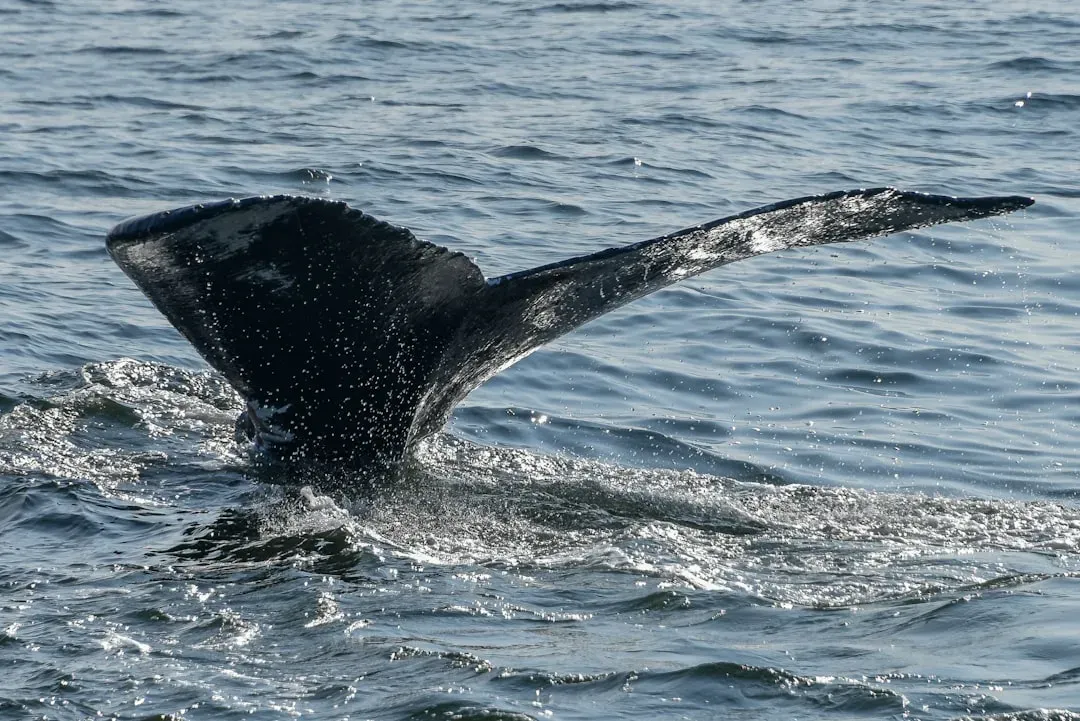
If elephants are the long-distance champions of the land, humpback whales are their oceanic equivalent – and then some. Whales are the greatest at long-distance communicators, with almost all whale species able to communicate over incredibly large distances. The ocean, it turns out, is the perfect medium for sound to travel. It’s almost as though nature designed it that way.
Some of the lowest-frequency notes in humpback songs can travel up to 10,000 miles through the ocean without losing energy. Ten thousand miles. That’s roughly the distance from New York to Beijing. And these are not random noises. The sounds they make are often referred to as ‘songs’ and are considered the longest and most intricate of all in the animal kingdom.
What makes this even more mind-bending is what researchers discovered about cultural transmission. Humpback whales throughout the entire South Pacific Ocean are connected to each other via shared song – from the east coast of Australia to French Polynesia to breeding grounds off Ecuador, a total distance of more than 14,000 kilometers, researchers have heard humpbacks trading the same viral hits.
Whale songs can change over time like cultural trends, spreading between pods similar to human music or fashion. We tend to think of culture as exclusively human. The whales would disagree.
Wolves: Masters of the Howl and the Scent Trail
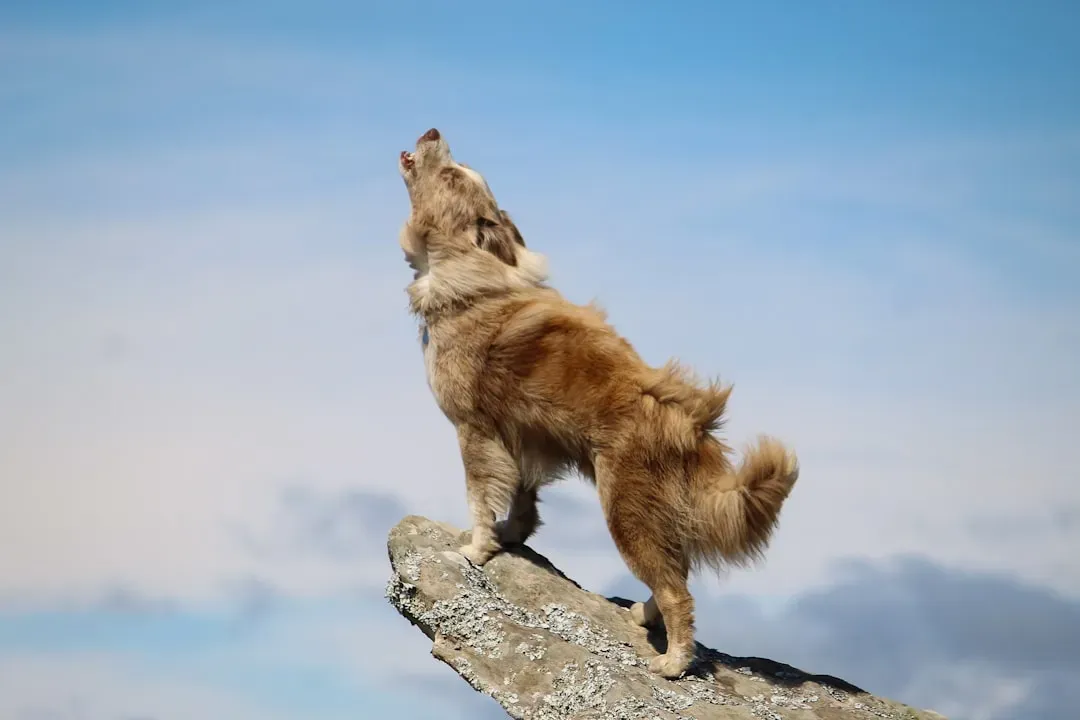
There’s something primal about a wolf howl echoing through a dark forest. It’s been romanticized for centuries. Turns out the reality is even more impressive than the myth. Gray wolves howl to assemble the pack, usually before and after hunts, to pass on an alarm particularly at a den site, to locate each other during a storm or while crossing unfamiliar territory, and to communicate across great distances. It’s not just atmosphere. It’s a functional, multi-purpose long-distance communication tool.
The howl of a wolf can be heard up to six miles away, making it the most useful means of communication given that wolves range over large distances while hunting and traveling. Six miles of acoustic reach, built into the biology of a single animal. No technology, no infrastructure, no satellites required.
When howling together, wolves harmonize rather than chorus on the same note, thus creating the illusion of there being more wolves than there actually are. This is a strategy, a deliberate sonic deception. The pack sounds bigger than it is. That’s not instinct. That’s cunning. Beyond howling, wolves also rely on scent marking, with markings generally left every 240 meters throughout the territory on regularly traveled paths, and these markers can last for two to three weeks, typically placed near prominent boulders, trees, or the bones of large animals.
Honeybees: Dancing to Decode Direction and Distance

Let’s be real – when most people think of bees, they think of honey and stings, not sophisticated communication systems. Yet honeybees pull off something genuinely extraordinary. Honeybees showcase one of nature’s most remarkable communication systems with their waggle dance. Through specific movements and vibrations, a bee conveys both the direction and distance to nectar sources, ensuring the colony thrives.
When a worker bee finds a field of flowers, she returns to the hive and performs the waggle dance. The direction of her dance shows where the flowers are relative to the sun, and the speed of her waggles reveals how far away they are. It’s a living GPS system, performed inside a dark hive, understood by thousands of colleagues. No maps. No words. Just movement.
Research has shown that honeybees may even modify their dance in response to environmental factors like wind speed and obstructions between the food source and the hive. The dance isn’t fixed. It adapts. The bee accounts for variables we would need a calculator to process. I think that’s one of the most quietly astonishing facts in all of animal biology.
Prairie Dogs: The Tiny Animals With an Enormous Vocabulary
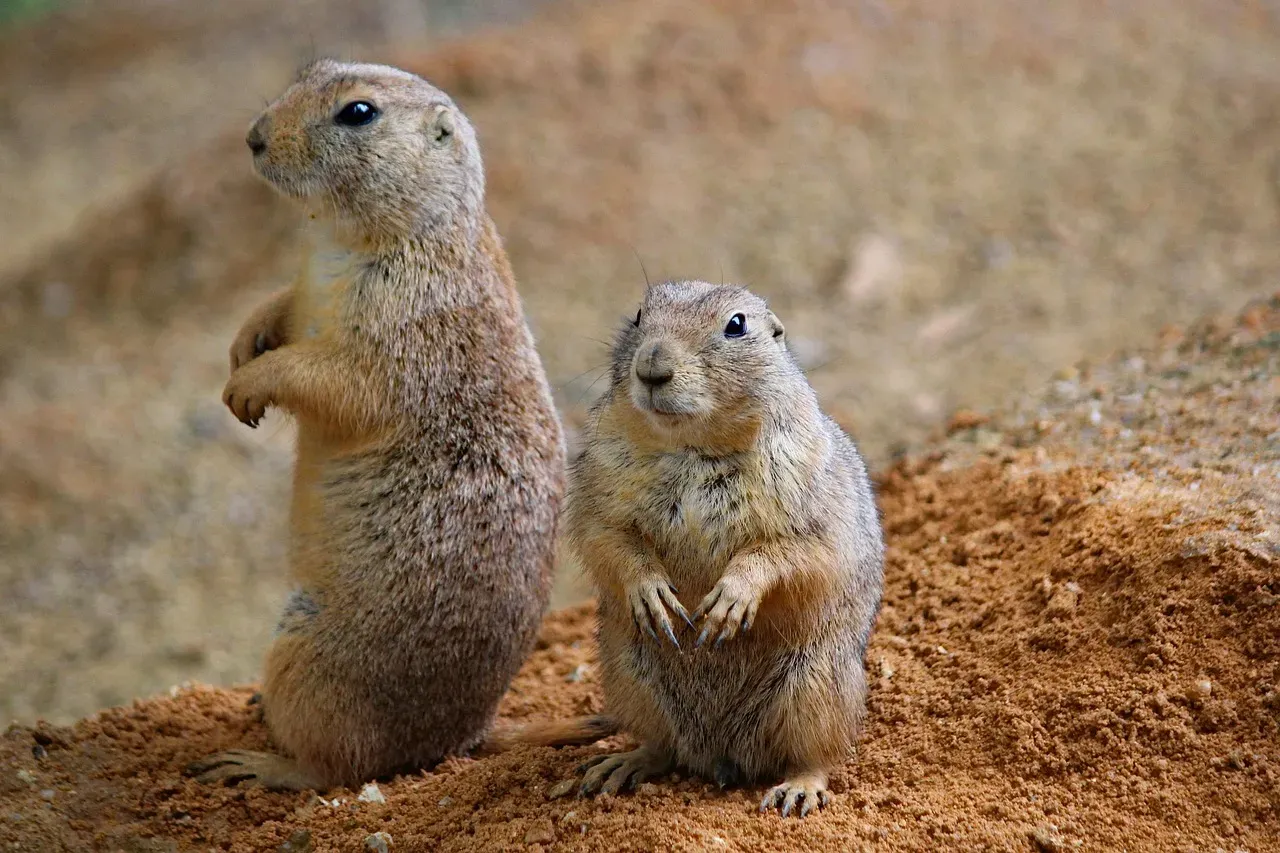
Prairie dogs look adorable and unassuming. They are anything but simple. Whistling is used by prairie dogs to communicate threats, and prairie dogs are able to communicate an animal’s speed, shape, size, species, and for humans, specific attire and even whether the human is carrying a gun. Read that again. They can describe what a specific human is wearing.
These small mammals use an intricate system of chirps and barks to alert one another about predators. Amazingly, their calls can specify not just the type of predator, but also its size, shape, and even speed, making their alarm system one of the most complex in the animal world.
This method of communication is usually done by having a sentry stand on two feet and surveying for potential threats while the rest of the pack finds food. Once a threat has been identified, the sentry sounds a whistle alarm, sometimes describing the threat, at which point the pack retreats to their burrows. That’s a working lookout system with a descriptive alert protocol. Prairie dogs didn’t just evolve a warning call. They evolved a language.
Cassowaries and Birds: Infrasound in the Forest
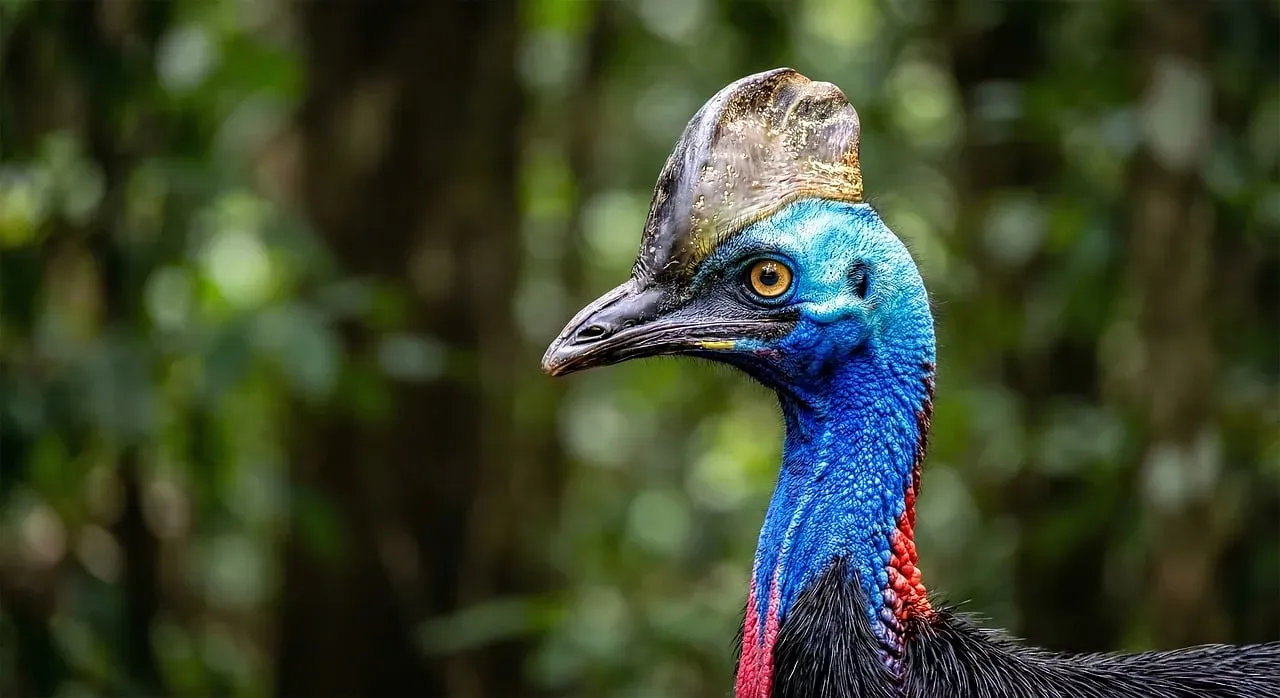
Birds are famous for their songs, but there’s a much stranger, quieter layer of bird communication that most people never know about. Research published in The Auk found that cassowaries, large flightless birds living in dense rainforests in Papua New Guinea and northern Australia, not only hear infrasound but can produce it as well. Infrasound seems like the ideal way for the birds to communicate over long distances in dense forests and rough terrain.
Infrasound seems like the ideal way for the birds to communicate over long distances in dense forests and rough terrain. It’s possible that this long-distance communication is used to warn other cassowaries away or to attract mates. In a dense rainforest, where visual range collapses to just a few meters, broadcasting on a frequency that cuts through trees and hills is a remarkable evolutionary adaptation.
Different studies show that birds can detect coming storms. Some birds apparently even use the sound of coming storms from hundreds of miles away as cues to leave an area and start their migrations. Birds aren’t just reading the sky for weather cues. They’re listening to infrasonic signals generated hundreds of miles away. The sky has a sound, and birds can hear it.
Chemical Signals: The Invisible Highways of Scent
Sound gets most of the attention when we talk about animal communication, but chemical signaling is arguably just as powerful and far more ancient. Pheromones are tiny scented molecules that are released by animals to trigger behavioural responses in other members of the same species. Think of them as invisible text messages, encoded in chemistry and carried on the wind or left on surfaces.
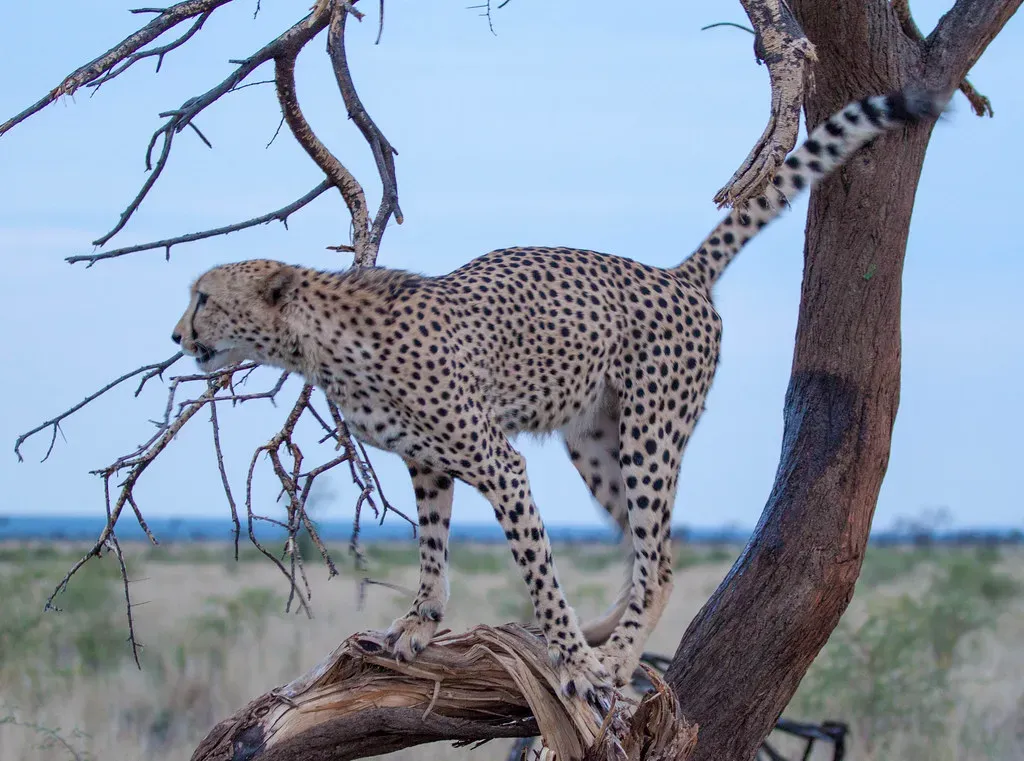
To release their scents, sloth bears rub their feet on the ground, and big cats urinate to mark their territories and ward off rivals. Leopards use scent marking by rubbing against trees, spraying urine, and leaving claw marks to claim territory and communicate with potential mates. A scent mark persists long after the animal has moved on. It’s like leaving a sticky note that lasts for days.
For wolves, this chemical highway is especially complex. During the breeding season, female wolves secrete substances from the vagina which communicate the females’ reproductive state, and can be detected by males from long distances. Scent carries biological data that even our most sophisticated laboratory tests would struggle to replicate with such subtlety and precision.
Seismic Communication: Messages Through the Ground

We’ve touched on seismic communication in elephants, but this form of ground-based messaging extends further into the animal world than most people realize. Some animals send signals not through air or scent but through the very ground beneath them. Vibrational communication is common among insects, amphibians, and even some mammals. Spiders pluck the threads of their webs, sending vibrations that can lure mates or warn rivals. Froghoppers drum on plant stems with their legs, sending coded rhythms to attract partners.
Elephants are known to communicate with seismics, vibrations produced by impacts on the earth’s surface or acoustical waves that travel through it. They appear to rely on their leg and shoulder bones to transmit the signals to the middle ear. When detecting seismic signals, the animals lean forward and put more weight on their larger front feet, which is known as the freezing behaviour.
Seismic waveforms produced by locomotion appear to travel distances of up to 32 km while those from vocalisations travel 16 km. The ground itself becomes a communication medium, a telegraph line made of earth and rock. It’s hard to say for sure how many species rely on this far more than we currently know, but research suggests we’ve barely scratched the surface.
When Human Noise Threatens Animal Conversations
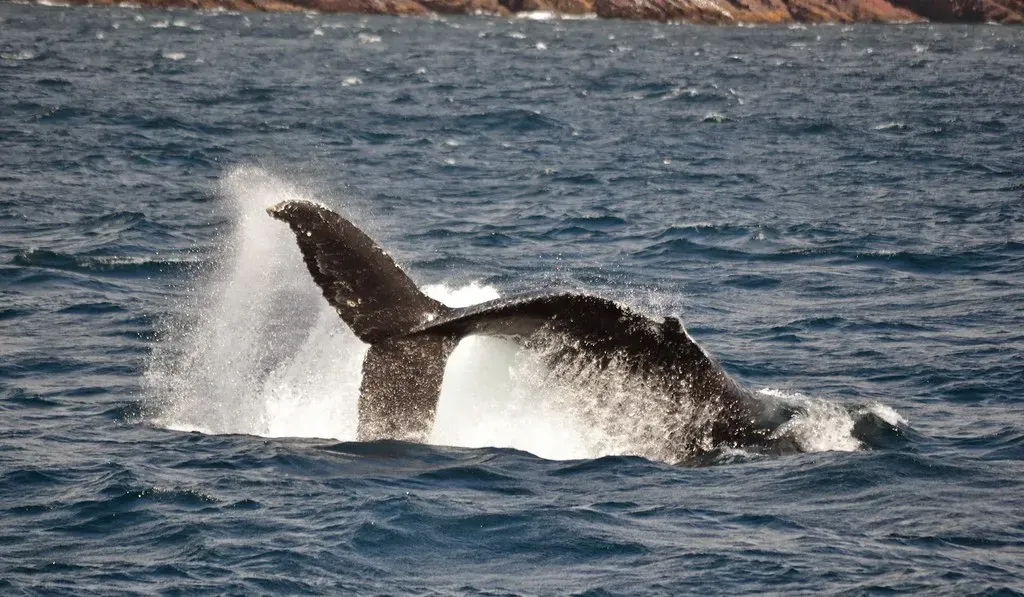
There is a deeply troubling side to all of this. As our world gets noisier, it actively dismantles these ancient systems of communication. Ship traffic, seismic surveys, military sonar, and industrial activities create a cacophony that can mask whale sounds and interfere with long-distance communication. Whales trying to sing to each other across ocean basins are increasingly drowned out by the noise of our shipping lanes.
Noise pollution from ships drowns out the songs of whales, leaving them unable to find one another across the oceans. Artificial light interferes with fireflies’ mating signals, dimming their nightly displays. Habitat destruction breaks the continuity of scent trails, vibrations, and visual cues. Each of these disruptions is, in effect, a severed communication line. Imagine your phone signal being permanently jammed. That’s what we’re doing to entire species.
Projects are now underway to decode whale songs, dolphin whistles, and even the chatter of prairie dogs. Artificial intelligence is being used to detect patterns in animal sounds that humans cannot perceive. We are at the threshold of a new era, one in which the languages of the wild may become increasingly clear to us. The race to understand is happening, but it runs in parallel with the race to damage. Which one wins matters enormously.
Conclusion: A World Alive With Voices We Couldn’t Hear

The more science uncovers about how wild animals communicate over vast distances, the more it reshapes what we think we know about intelligence, language, and connection. Elephants holding conversations through the earth beneath their feet. Whales sharing cultural songs across entire ocean basins. Prairie dogs describing the color of a stranger’s shirt. Bees dancing directions to flowers miles away.
These are not primitive survival behaviors. They are sophisticated, adaptive, and in many cases culturally transmitted systems of communication that have evolved over millions of years. We are just now building the tools sensitive enough to detect them, and what we’re finding is humbling.
The natural world has never been silent. We were simply too noisy, and too limited, to listen properly. Now that we’re beginning to hear it, the question becomes: what will we do with that knowledge?
What would you have guessed – that the most complex communications on Earth weren’t human at all?

- 7 Ways Cats Show They're Secretly Annoyed With You - July 19, 2026
- What Small Dog Breed Are you According to Your Zodiac Sign - July 19, 2026
- The Apex Predator That Reflects Each Zodiac Sign’s Power - July 19, 2026