
Illinois is, in many ways, a state of quiet reinvention. Behind the cornfields and the suburban sprawl, a remarkable ecological story has been unfolding over the past few decades. Species that were once hunted out, driven off by pesticides, or simply squeezed out by habitat loss are gradually finding their way back to the prairies, wetlands, forests, and river corridors that define this Midwestern state.
A new law in Illinois formalizes efforts to reintroduce native keystone species like bison and beavers, which advocates say will help other species recover. It’s the first time a U.S. state has explicitly included rewilding in its legislation. That kind of institutional commitment matters, and it reflects what many conservationists, landowners, and wildlife managers have been working toward for years. These ten animals are the living proof of it.
1. American Bison: The Prairie Giant Returns
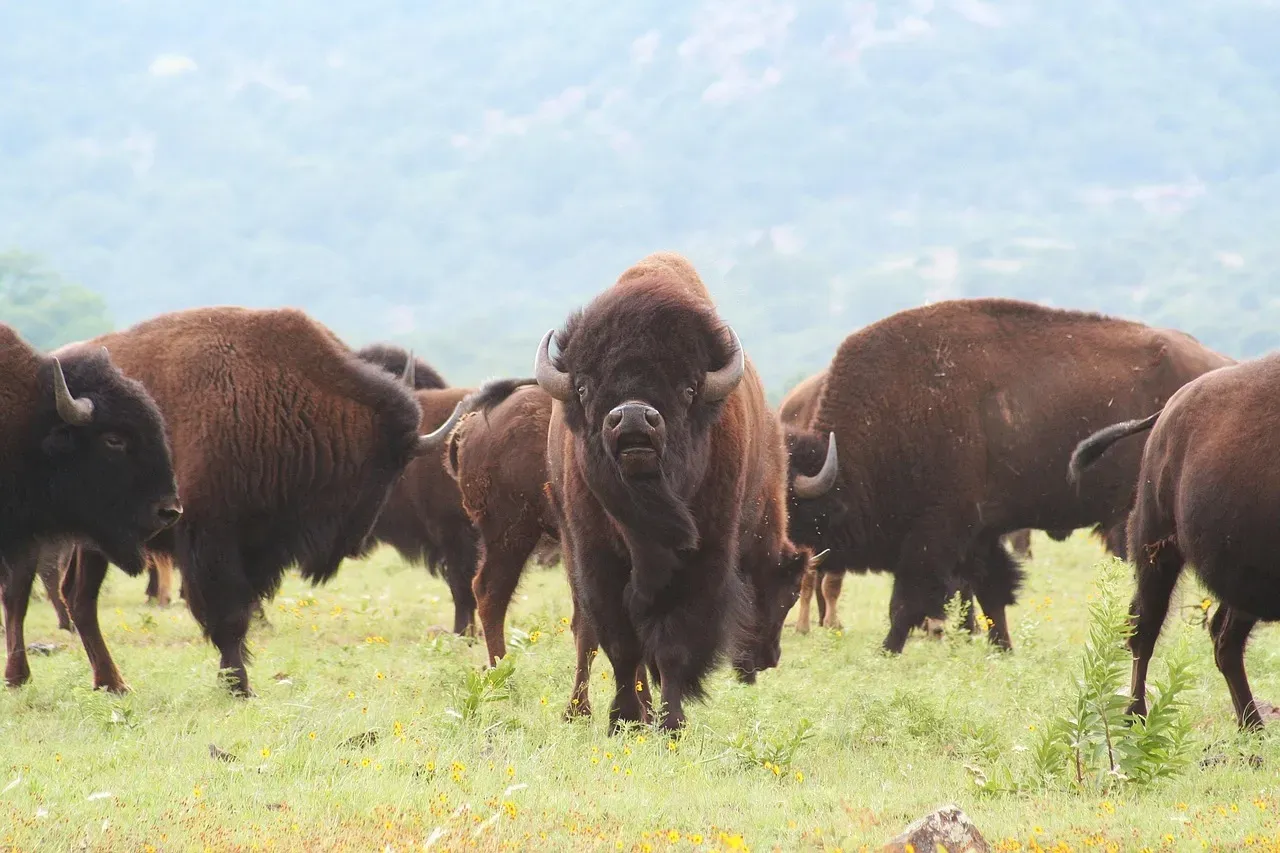
Few animals carry the weight of American ecological history quite like the bison. Once numbering in the tens of millions across the continent, they were essentially gone from Illinois within decades of European settlement.
American bison have been reintroduced to select prairie restorations in Illinois, re-establishing grazing dynamics important for tallgrass ecosystems. The results have been striking.
In Illinois, tallgrass prairie evolved with regular fire set by Indigenous people and grazing from large herbivores like American bison. Without them, the ecosystem simply doesn’t function as it should. The restored native plant communities at sites like Nachusa Grasslands attract thousands of insects, while birds, bats, and small rodents feast on those insects, and other mammals including rabbits, voles, deer, and even bison consume the plants directly.
Bison are now roaming prairies in Illinois and Iowa, and these keystone species have helped to recover native habitats in the region.
2. Bald Eagle: A National Symbol Reclaims the Skies
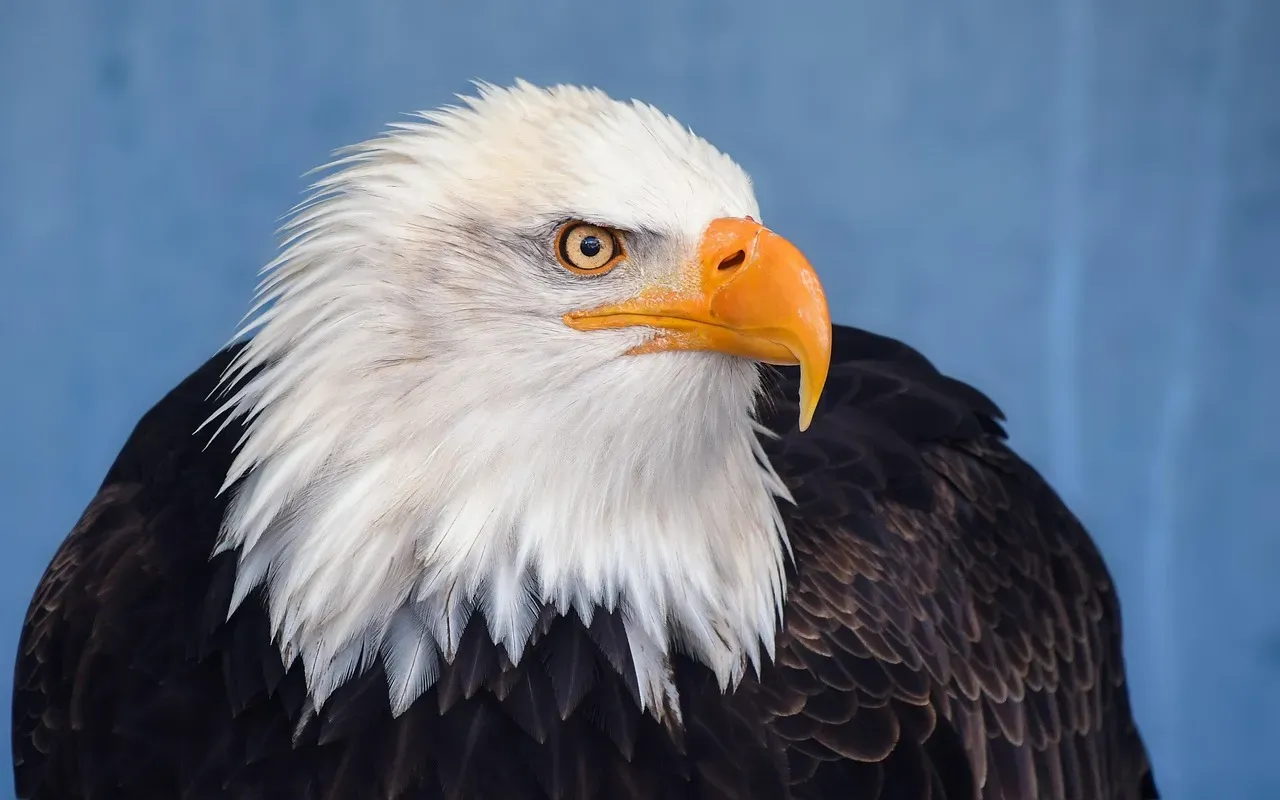
There was a point not long ago when a bald eagle sighting over an Illinois river would have been genuinely remarkable. Today, it’s become a seasonal tradition worth planning a trip around.
Every winter, Illinois presents visitors with the opportunity to see more than 3,100 bald eagles in their natural habitat, more wintering American bald eagles than in any other state outside Alaska. That number is a testament to decades of coordinated conservation work.
An insecticide caused population decline to under 500 bald eagles in the lower 48 states, but after DDT was banned in the early 1970s in the U.S. and Canada, recovery programs were able to prosper. Some of the most popular eagle-viewing locations are within reach of Chicago, including Starved Rock State Park, with the open waters of the Illinois, Des Plaines, Fox, and DuPage rivers all offering reliable sightings.
3. North American River Otter: Back in the Waterways
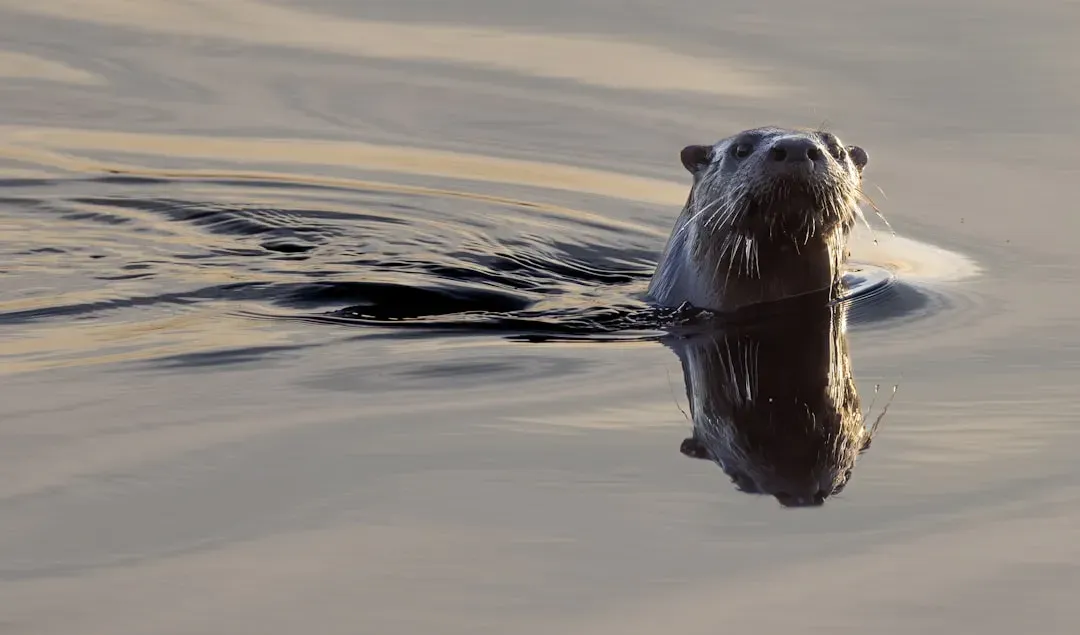
River otters were once common across Illinois’ vast network of streams and rivers. Decades of unregulated trapping and water pollution had pushed them to near-disappearance in the state by the latter half of the twentieth century.
River otters have made a successful comeback in Illinois due to reintroduction efforts and habitat improvements. These playful mammals are excellent swimmers, adapted to aquatic life with streamlined bodies and webbed feet.
North American River Otter reintroductions and expansions have been highly successful, with otters now established across many watersheds. River otters are voracious eaters, with a diet comprising fish, amphibians, crustaceans, and even small mammals, showcasing their adaptability to various aquatic ecosystems. Their return signals genuinely healthier rivers, not just a pleasant wildlife sighting.
4. Eastern Wild Turkey: A Conservation Textbook Case
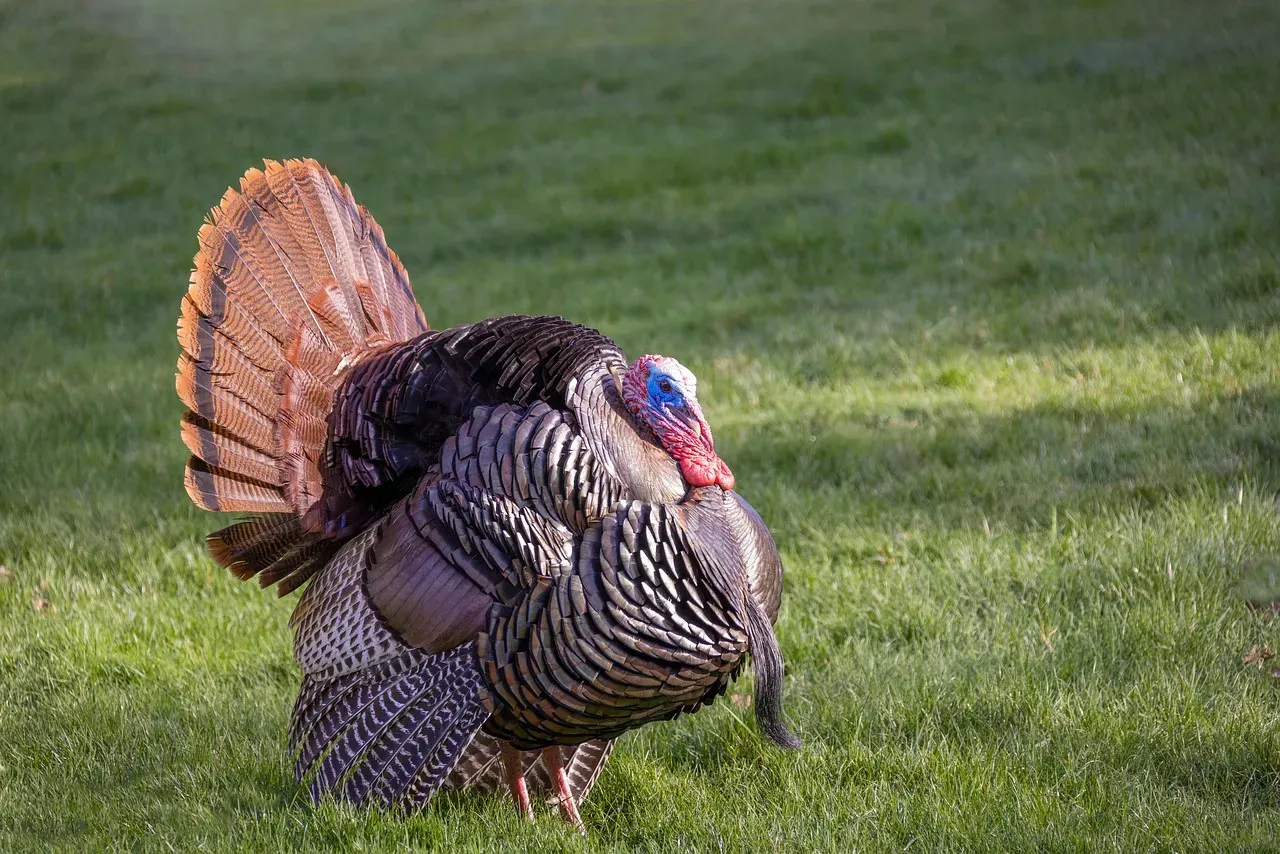
The wild turkey’s comeback in Illinois is, by any fair measure, one of the most impressive wildlife restoration stories in the Midwest. It wasn’t accidental.
Due to overhunting and habitat destruction in the early 1900s, wild turkeys were extirpated in Illinois, but habitat protection measures such as trap and release efforts and regulated hunting seasons resulted in thriving populations across all counties.
Conservationists employed rocket-propelled nets to help capture birds and move them to different areas, and even used a multi-state collaboration approach to move birds from neighboring states, trading wild turkeys for river otters in states looking to restore that population. Over time, populations expanded naturally as habitat conditions improved and birds reproduced across the state’s forests.
In Illinois, the eastern wild turkey can be found from the northernmost to southernmost tip, particularly in mixed forests with mature hardwoods for food and roosting and open areas for nesting.
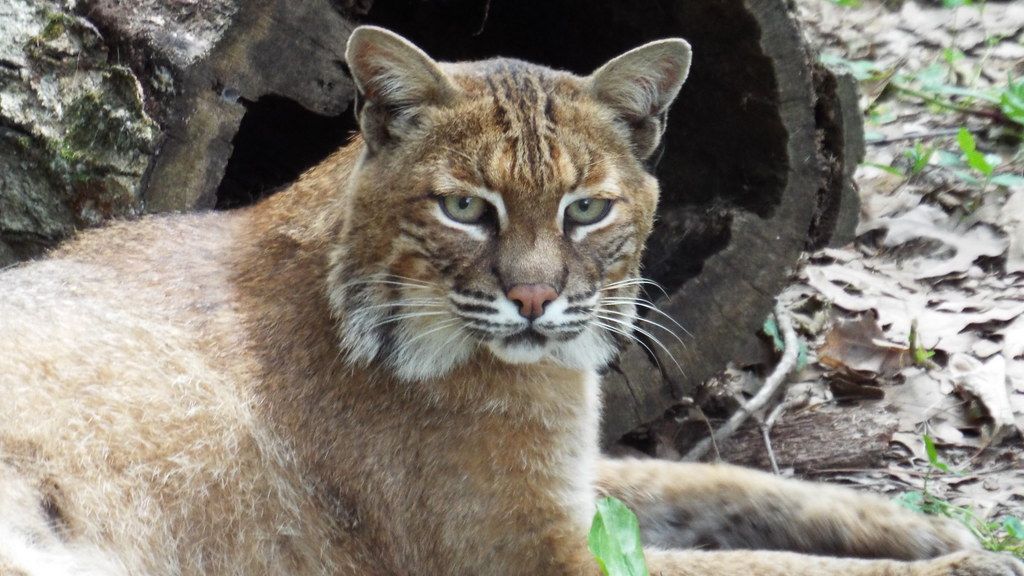
5. Bobcat: A Stealthy Wilderness Indicator
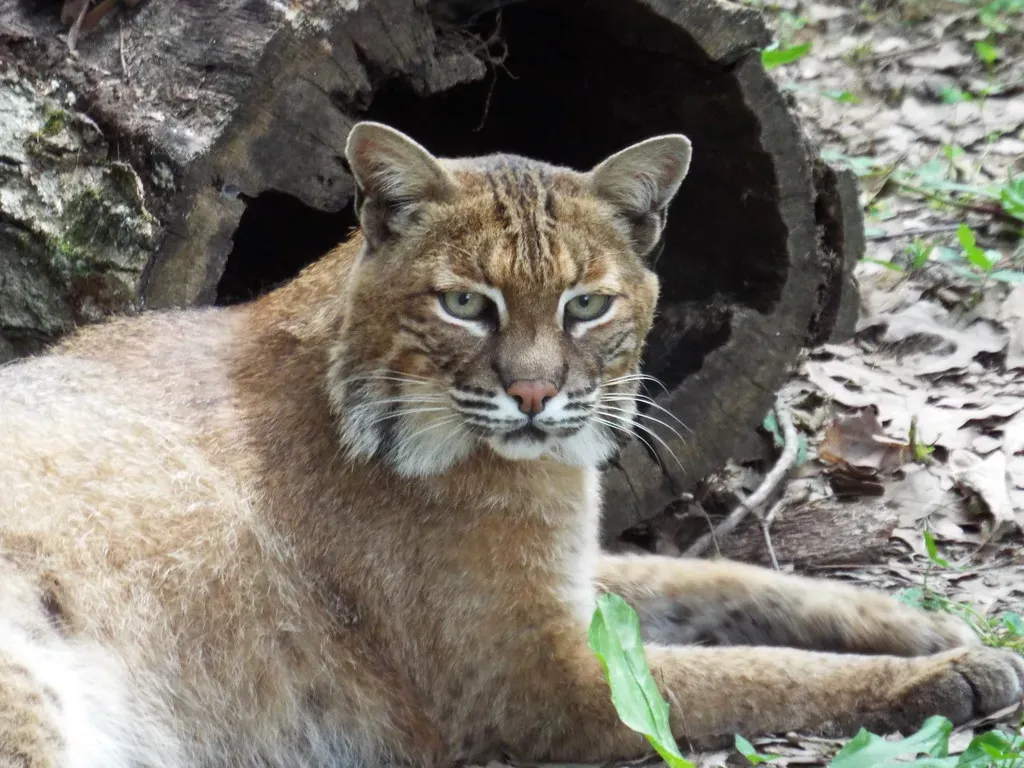
The bobcat’s return to Illinois doesn’t announce itself. You’re unlikely to see one unless you spend serious time in the right kind of country. That near-invisibility is part of what makes confirmed sightings so meaningful to wildlife biologists.
The bobcat is a notable comeback species in Illinois, where sightings are still special but increasingly possible in southern and western habitats. Bobcats have expanded and increased in number, with more confirmed sightings and a broader statewide footprint than in past decades.
Bobcats are stealthy wildcats with short bobbed tails, tufted ears, and distinctive spotted or mottled fur, with a compact and muscular build that makes them agile hunters capable of navigating forests, open lands, and even areas near human settlement. Their steady expansion across the state is a quiet but reassuring sign that larger, healthier habitat blocks are starting to hold.
6. Sandhill Crane: Ancient Wings Over the Prairie
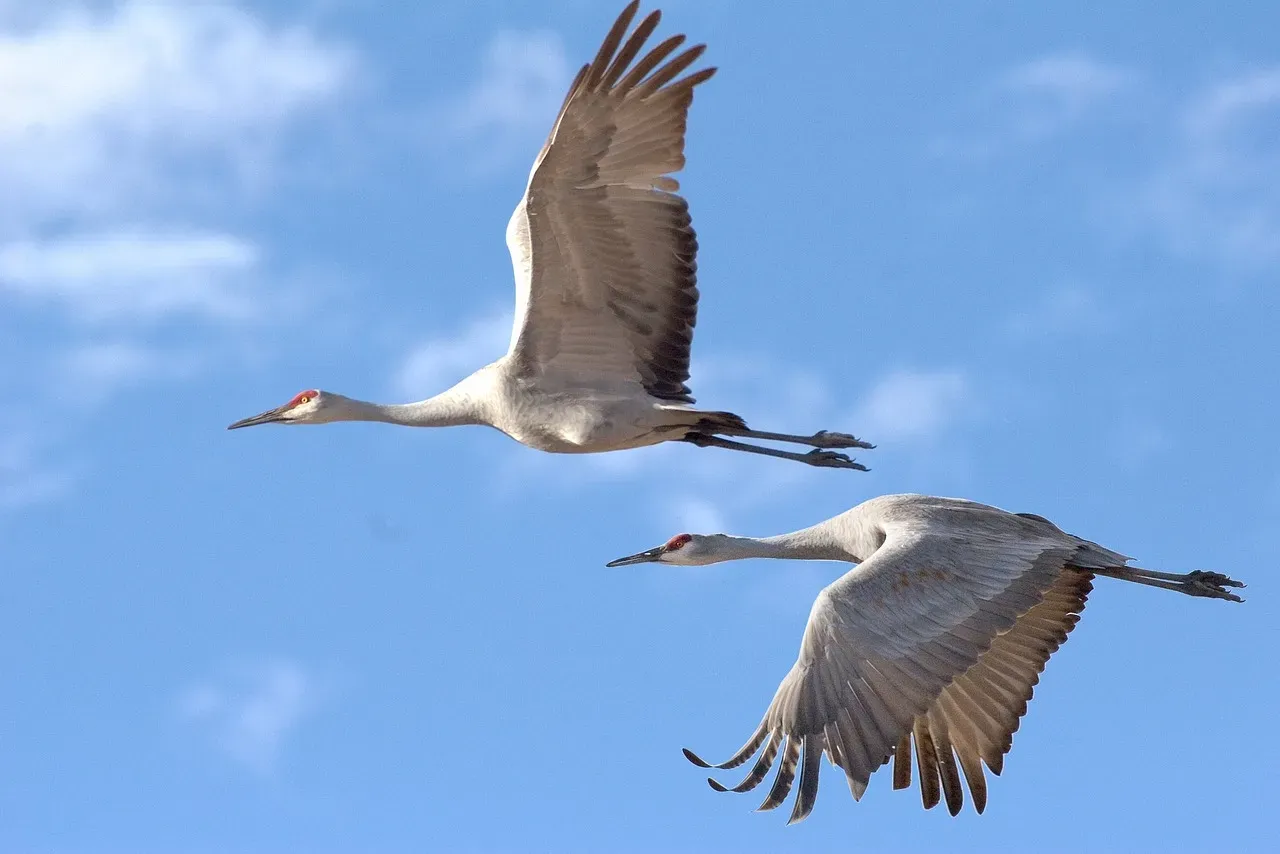
There’s something almost prehistoric about watching sandhill cranes glide into a wetland at dusk. These birds have existed in something close to their current form for millions of years, and seeing them gather over Illinois’ restored prairies and marshes feels genuinely timeless.
Around 20,000 sandhill cranes migrate through Illinois from mid-February to mid-April and again from mid-September to mid-November, with small numbers now breeding in northern Illinois, particularly in marshy areas in McHenry and Lake counties.
Sandhill cranes have generally increased in the region, with more frequent appearances noted across the state. If they survive their first year, sandhill cranes can live as long as 20 to 30 years in the wild. The habitat restoration work happening on private and public lands across Illinois has clearly benefited this ancient traveler.
7. Peregrine Falcon: Urban Skies, Wild Spirit
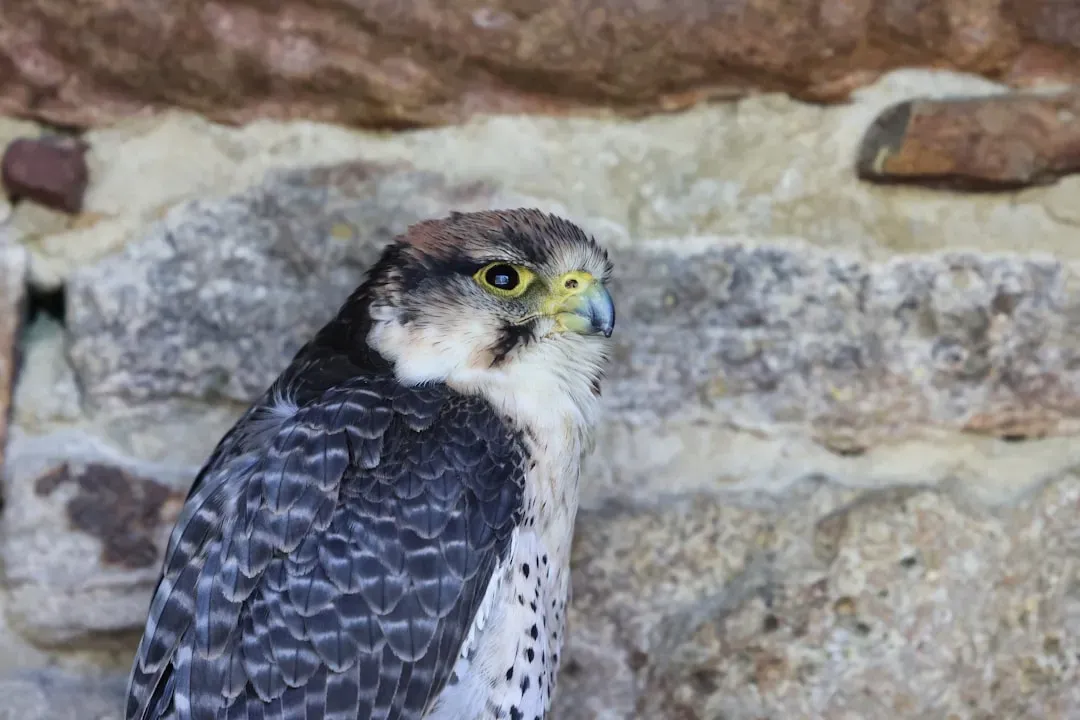
The peregrine falcon’s return to Illinois is one of those stories where the setting is unexpected. These birds, the fastest animals on the planet in a dive, are nesting on city buildings and bridge ledges rather than cliff faces.
The peregrine falcon was extirpated from the state in the mid-twentieth century due to the rampant use of pesticides, but since then they have been reintroduced and their numbers have recovered. The peregrine is now a regular in Illinois.
Peregrine falcons that make their nests in urban centers throughout the country are living proof of what dedicated conservation efforts can achieve. Chicago’s skyscrapers and river bridges have become unlikely nesting platforms for a species that, not long ago, faced extinction across the entire eastern United States.
8. American White Pelican: A Spectacular Migrant Returns
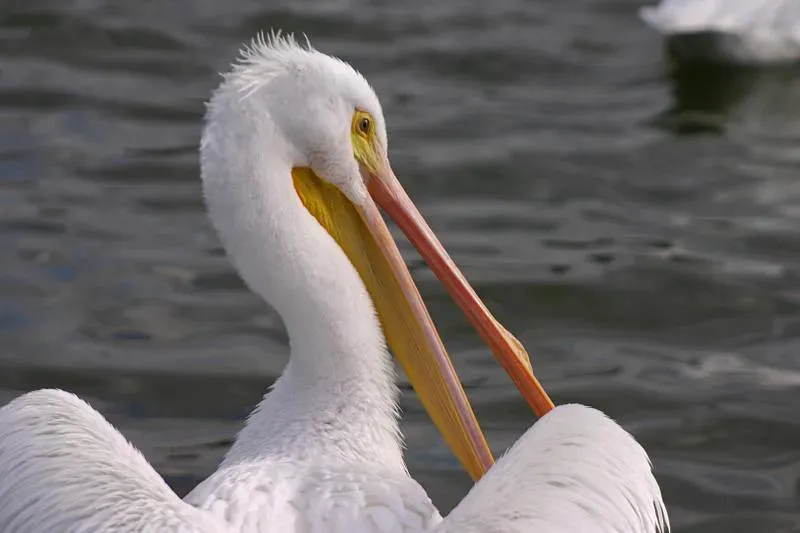
Most people associate pelicans with warm ocean coastlines. The appearance of large, broad-winged American white pelicans circling over an Illinois river or reservoir tends to stop people in their tracks.
The Banner Marsh State Fish and Wildlife Area and Rice Lake State Fish and Wildlife Area serve as vital natural habitats for hundreds of bald eagles, American white pelicans that rest during migration, great blue herons, ospreys, and other wildlife. These birds are now a regular feature of the Illinois River corridor during migration periods.
White pelicans travel in cooperative groups, herding fish together before scooping them up, which is a striking departure from the lone-diving behavior of their brown pelican cousins. Their growing presence along Illinois waterways reflects both improved water quality and the recovery of fish populations they depend on. The Illinois River, once heavily degraded, has gradually improved enough to support these large, demanding visitors.
9. Beaver: The Original Habitat Engineer
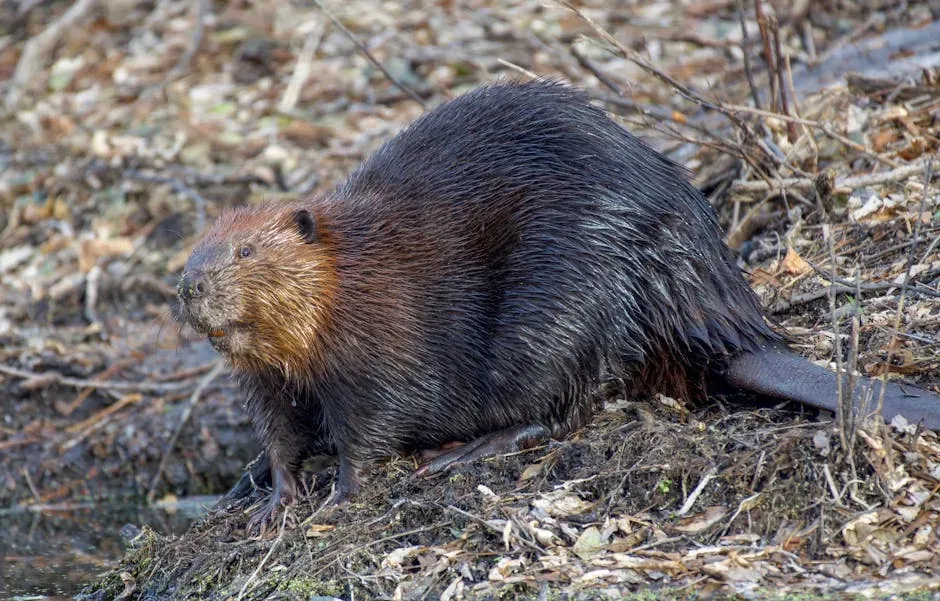
Beavers don’t just return to a landscape. They rebuild it. That distinction is why conservationists and ecologists consider the beaver’s comeback in Illinois so consequential for other species.
A new law in Illinois formalizes efforts to reintroduce native keystone species like bison and beavers, which advocates say will help other species recover. The reasoning is straightforward. When beavers dam streams, they create wetlands that benefit dozens of other animals, from wood ducks and mink to amphibians and fish.
Rewilding often focuses on repairing habitat suited for keystone species like beavers and bison. The idea is that when these species can succeed, other species will start to recover around them. Illinois wetlands that were drained for agriculture over generations are slowly being restored, and the beaver’s natural engineering abilities accelerate that process considerably.
10. Eastern Bluebird: A Small Bird With a Big Comeback
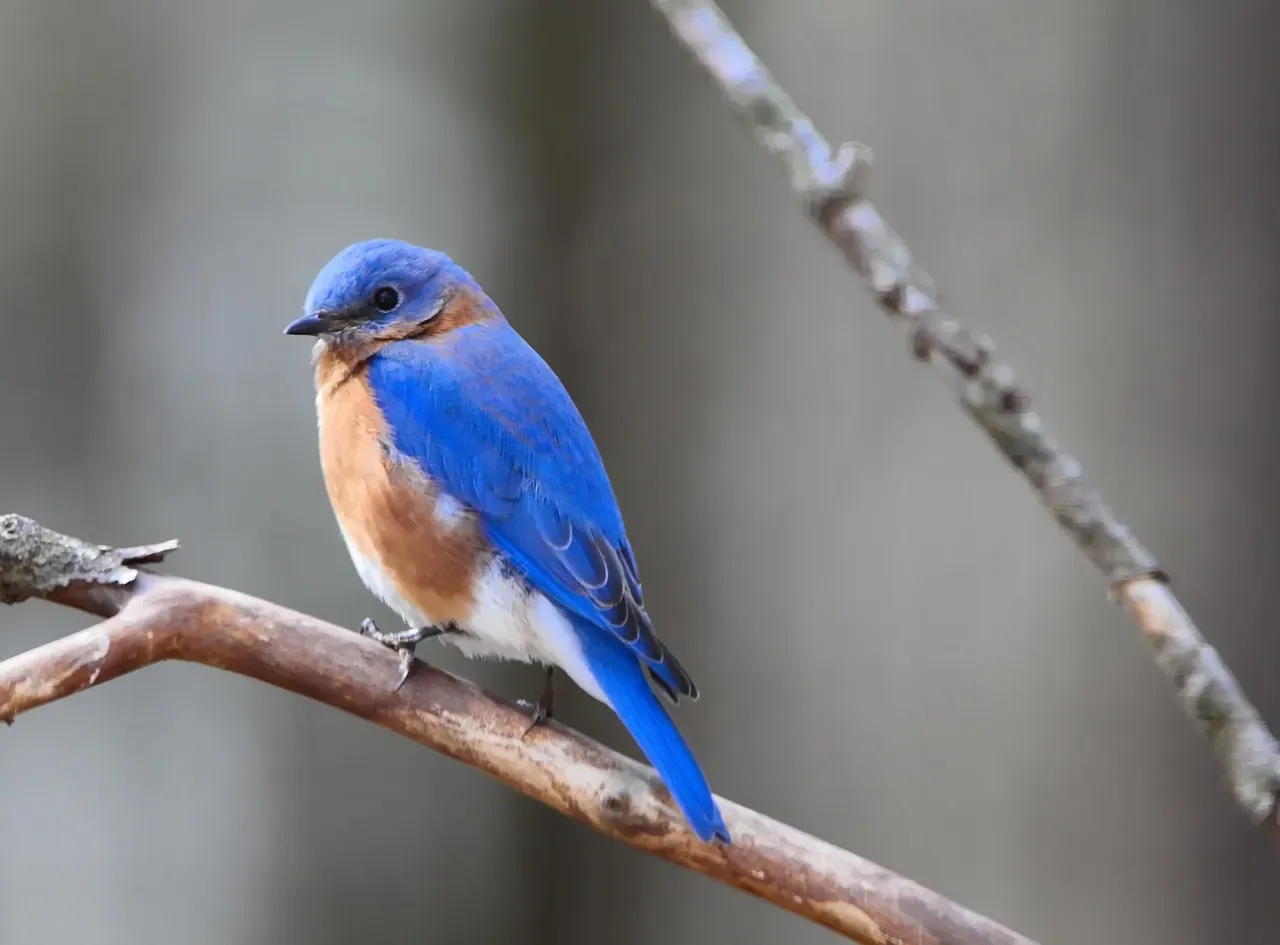
Not every wildlife comeback involves a large, charismatic predator or a sweeping herd animal. The eastern bluebird’s return to Illinois farmland and open woodland is quieter, but it speaks to how deeply habitat restoration can ripple through an ecosystem at every scale.
Committed conservation efforts over decades have led to thousands of acres of restored prairie and hundreds of acres of restored wetlands in Illinois, and wildlife populations in these areas have made a huge comeback. The bluebird is among the most visible beneficiaries of that work.
The Dassow home farm area near Chatsworth has even been coined the Bluebird Capital of Illinois, a remarkable distinction that grew directly from sustained, ground-level habitat restoration. Birds and other iconic species have returned to restored landscapes across northern Illinois, offering visible proof that long-term restoration works. The bluebird’s brilliant plumage lighting up a fence post along a restored prairie edge is, in many ways, the most honest signal that something is genuinely going right.
A Broader Comeback Still in Progress
What unites these ten animals is not just the fact of their return but the sustained human effort that made it possible. Across key restoration areas in Illinois, landscapes are now seeing the return of pheasants, quail, pollinators, waterfowl, shorebirds, sandhill cranes, and even occasional whooping cranes. That breadth of recovery doesn’t happen by accident.
Despite the richness of Illinois’ ecosystems, they have changed enormously and many wildlife populations have declined at alarming rates, with development reducing and fragmenting prairies, wetlands, and woodlands across the state. The work of reversing that is ongoing, and there are no guarantees.
Wildlife-related recreation plays a significant role in Illinois’ economy, with the state generating nearly $1.1 billion annually from wildlife watching alone. That’s not a trivial number, and it matters for sustaining public support for conservation programs and habitat funding for years to come.
The animals coming back to Illinois are doing so because of restored wetlands, cleaned-up rivers, reseeded prairies, and the kind of patient, science-based stewardship that rarely makes headlines but changes everything. What happens next in Illinois will depend on whether that work continues. The wildlife, for its part, is clearly ready.
