

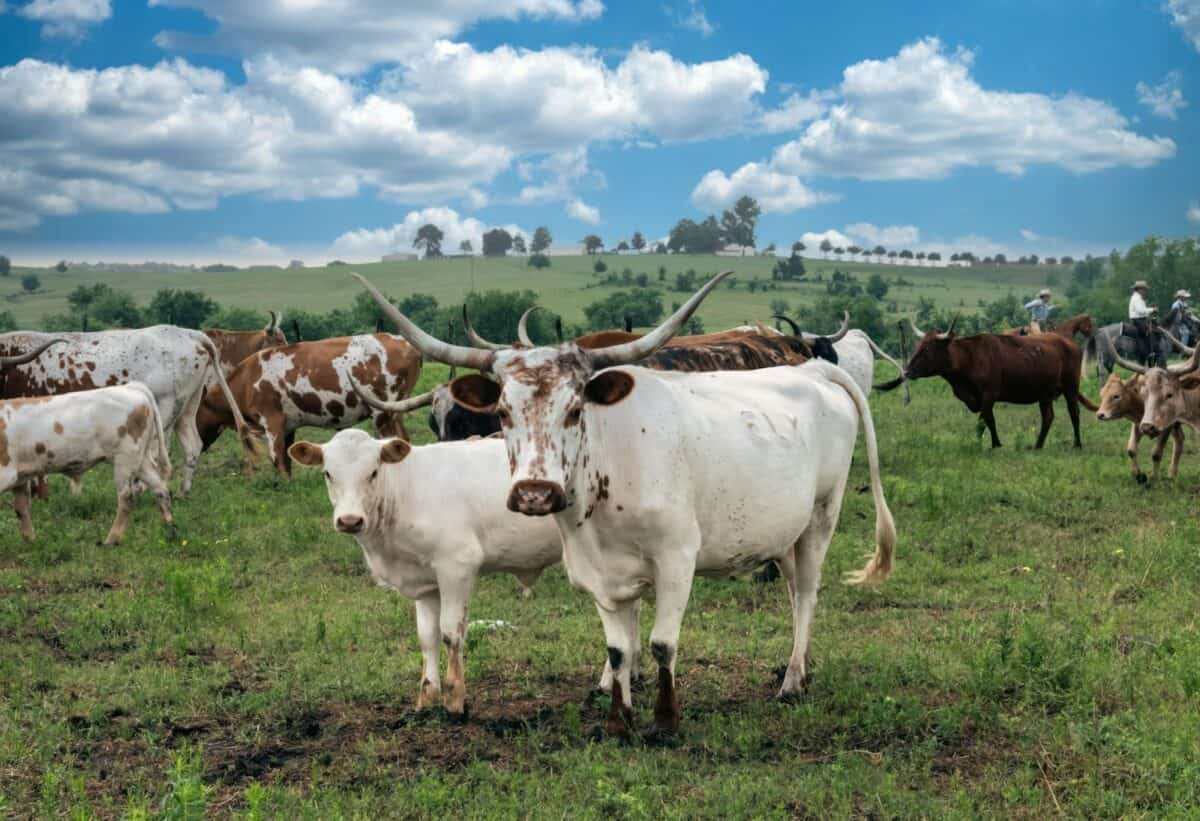
American farms are vibrant ecosystems teeming with diverse animal life, each species playing a unique and crucial role in agricultural operations. From the crack of dawn when roosters announce the day to the evening lowing of cattle returning to their barns, farm animals create the soundtrack of rural America while contributing to the nation’s food security and agricultural economy. These animals aren’t just livestock—they’re essential workers, partners, and in many cases, beloved members of the farming family. Let’s explore the fascinating world of American farm animals and discover the important jobs they perform in our agricultural landscape.
The Hard-Working Dairy Cow
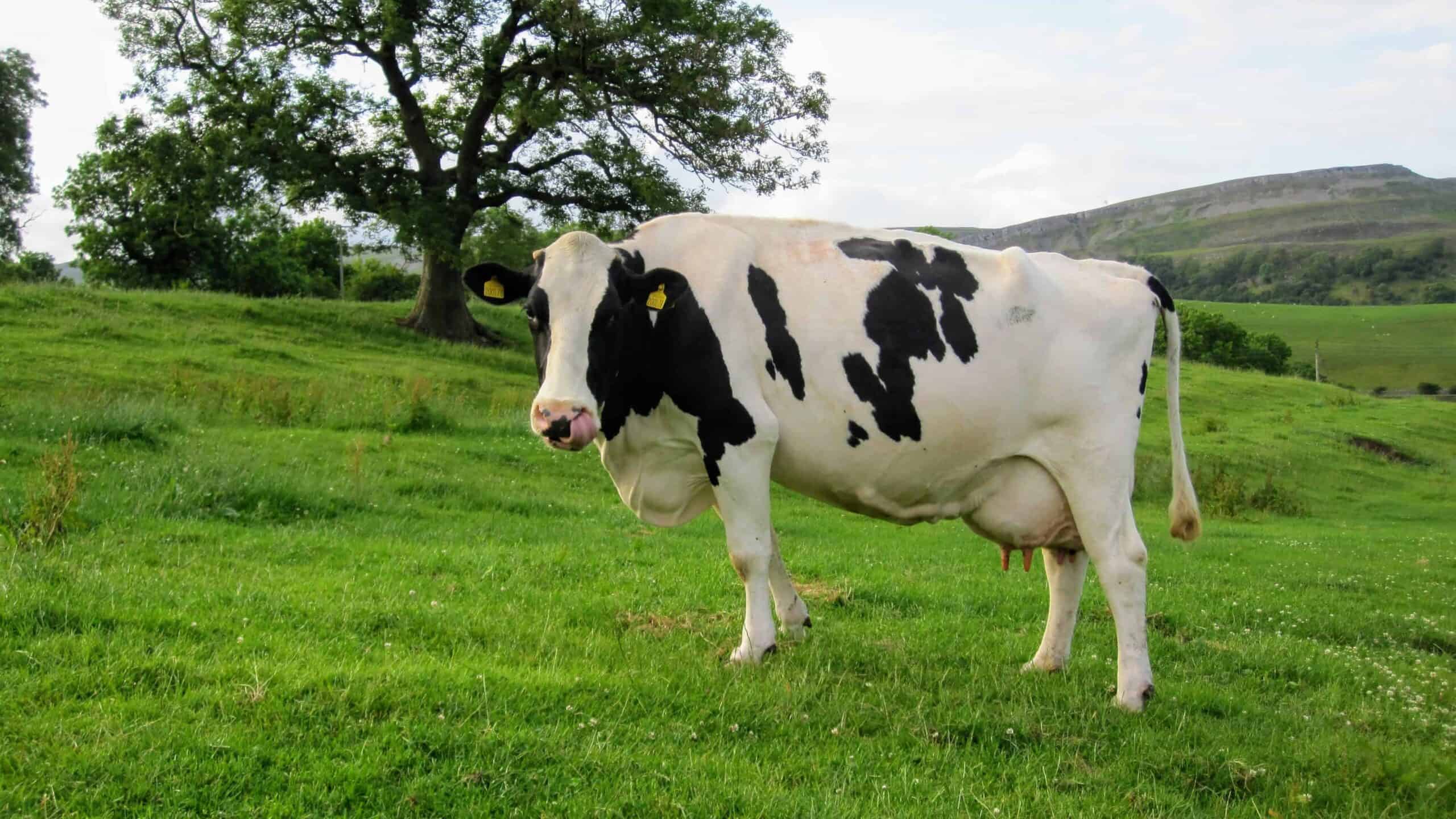
Dairy cows are the steadfast giants of American agriculture, providing the milk that forms the foundation of the dairy industry. Holstein-Friesians, with their distinctive black and white markings, are the most common dairy breed in the United States, capable of producing an impressive 9 gallons of milk per day during peak lactation. These gentle creatures follow a regimented schedule, typically being milked twice daily in modern farms equipped with automated milking systems. Beyond milk production, dairy cows contribute to the farm ecosystem by providing manure that serves as natural fertilizer for fields and pastures. The American dairy industry, supported by approximately 9.4 million dairy cows, generates $43.4 billion in annual cash receipts, making it one of the most valuable sectors of U.S. agriculture.
Beef Cattle: From Pasture to Plate
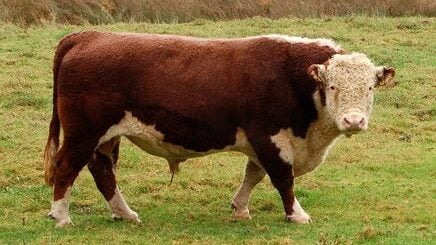
Beef cattle represent another cornerstone of American farming, raised specifically for meat production rather than milk. Breeds like Angus, Hereford, and Charolais are prized for their efficient feed conversion and high-quality meat. Unlike their dairy counterparts, beef cattle spend most of their lives grazing on pastures, converting grasses inedible to humans into high-quality protein. These animals help maintain grassland ecosystems through controlled grazing, preventing overgrowth and promoting biodiversity in pastures. The lifecycle of beef cattle typically includes a cow-calf operation where calves are born and raised until weaning, followed by growing phases before finishing at feedlots. With approximately 31.7 million beef cows in the United States, the industry contributes significantly to rural economies while providing a primary protein source for American consumers.
The Versatile American Pig

Pigs are marvels of agricultural efficiency, known for their quick growth rates and ability to convert feed to meat more efficiently than most other livestock. On American farms, breeds such as Yorkshire, Duroc, and Hampshire dominate commercial production. These intelligent animals serve multiple purposes, providing not only pork, bacon, and ham, but also valuable byproducts used in more than 40 different products, from insulin for diabetics to heart valves for cardiac patients. Modern pig farming has evolved significantly, with many operations now housing pigs in climate-controlled barns that protect them from extreme weather and predators. As natural recyclers, pigs historically played an important role in consuming food scraps and agricultural byproducts, though today’s commercial operations primarily use formulated feeds. The U.S. pork industry, with over 74 million pigs, produces more than 27 billion pounds of pork annually, supporting nearly 550,000 American jobs.
Sheep: Wool, Meat and Land Management
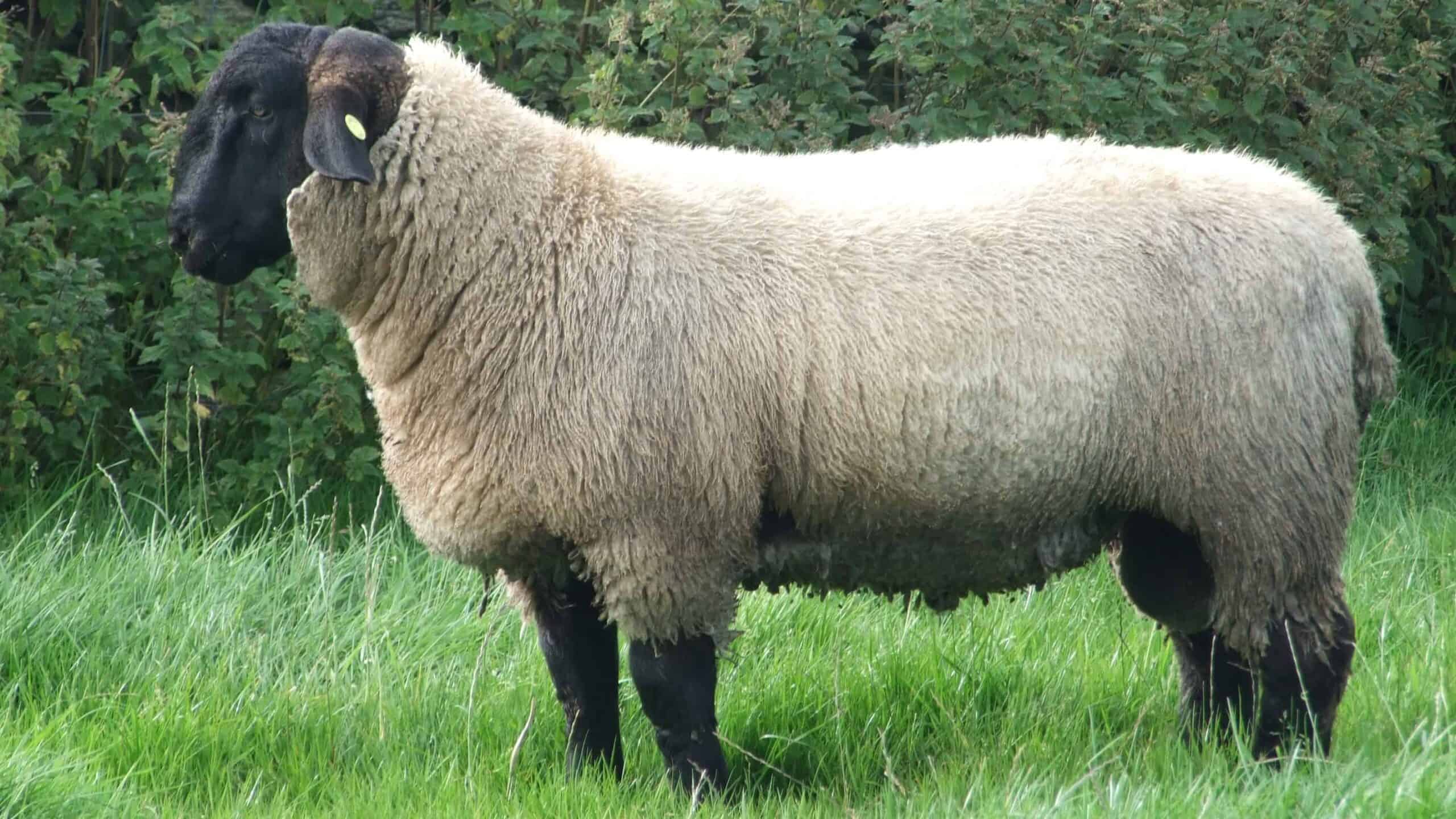
Sheep have been integral to American agriculture since colonial times, valued for their remarkable versatility. These medium-sized ruminants provide wool for textiles, meat for consumption, and milk for specialty dairy products like artisanal cheeses. Breeds vary widely based on their primary purpose—Merinos for fine wool production, Suffolk and Hampshire for meat, and East Friesian for dairy. Beyond their tangible products, sheep serve as exceptional land managers, able to graze on steep, rocky terrain unsuitable for other livestock or crops. Their grazing patterns help control invasive plant species and reduce wildfire risk by consuming dry underbrush. In vineyard operations, sheep are increasingly employed for “mowing” between grape rows, reducing the need for mechanical or chemical intervention. Though the American sheep industry has declined from its historical peak, approximately 5 million sheep and lambs still contribute to agricultural diversity, particularly in western states where they help maintain healthy rangeland ecosystems.
Chickens: The Multi-Purpose Poultry
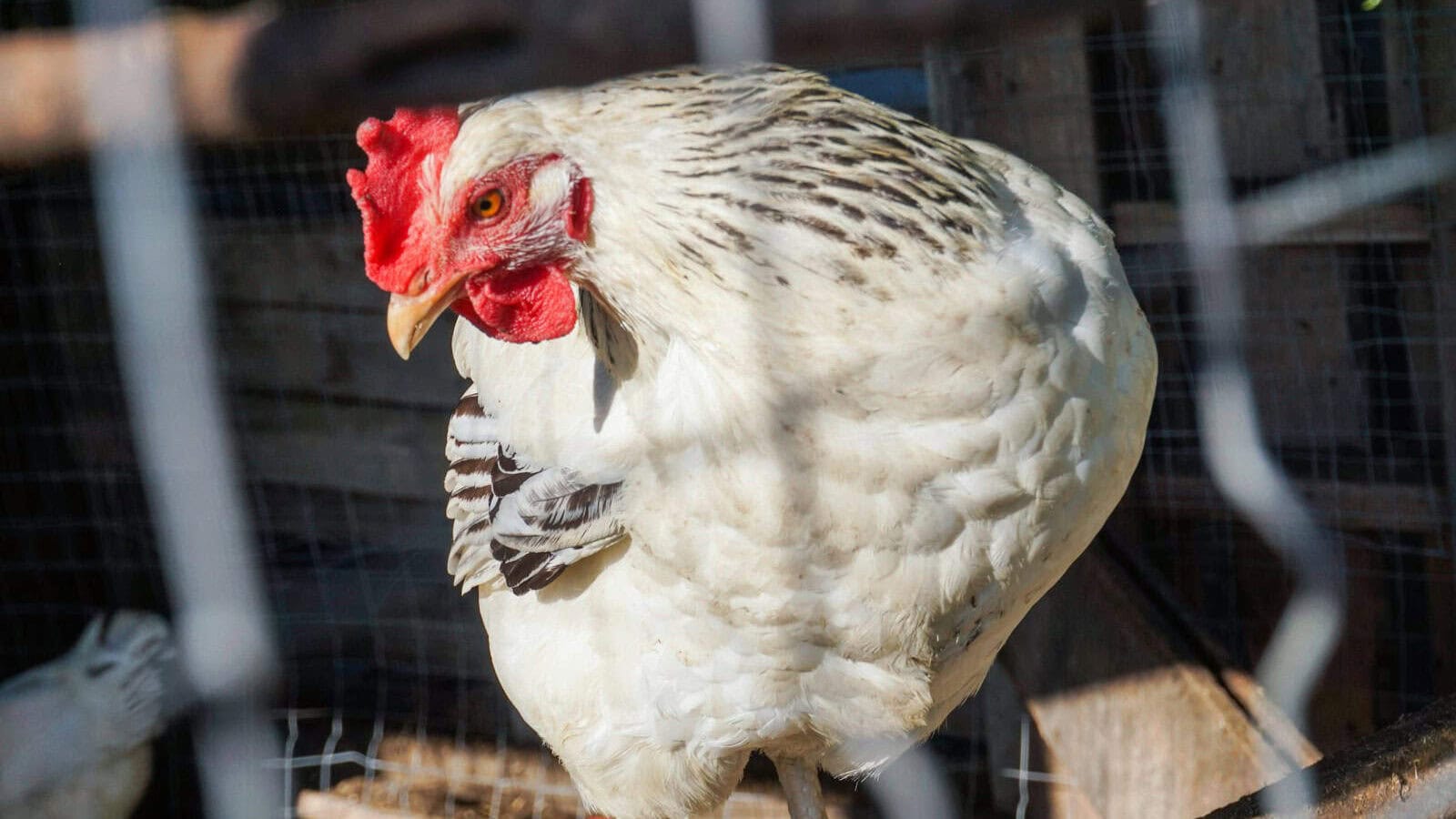
Chickens are perhaps the most numerous and versatile farm animals in America, with the domestic poultry population exceeding 518 million birds. These feathered farm inhabitants are broadly divided into layers, raised primarily for egg production, and broilers, raised for meat. Prolific laying hens can produce up to 300 eggs annually, while modern broiler chickens reach market weight in just 6-7 weeks, a testament to selective breeding and improved nutrition. Beyond commercial production, chickens perform valuable pest control services by eagerly consuming insects, ticks, and even small rodents that might otherwise damage crops or spread disease. Their scratching behavior aerates soil and their manure provides nitrogen-rich fertilizer for gardens and fields. In sustainable farming systems, chickens often follow grazing cattle in a practice called “pasture rotation,” breaking up cow patties and consuming fly larvae while spreading manure more evenly across pastures. From backyard flocks to large commercial operations, chickens remain a cornerstone of American agriculture, providing protein through both eggs and meat while contributing to on-farm pest management.
Turkeys: More Than Just Thanksgiving Dinner
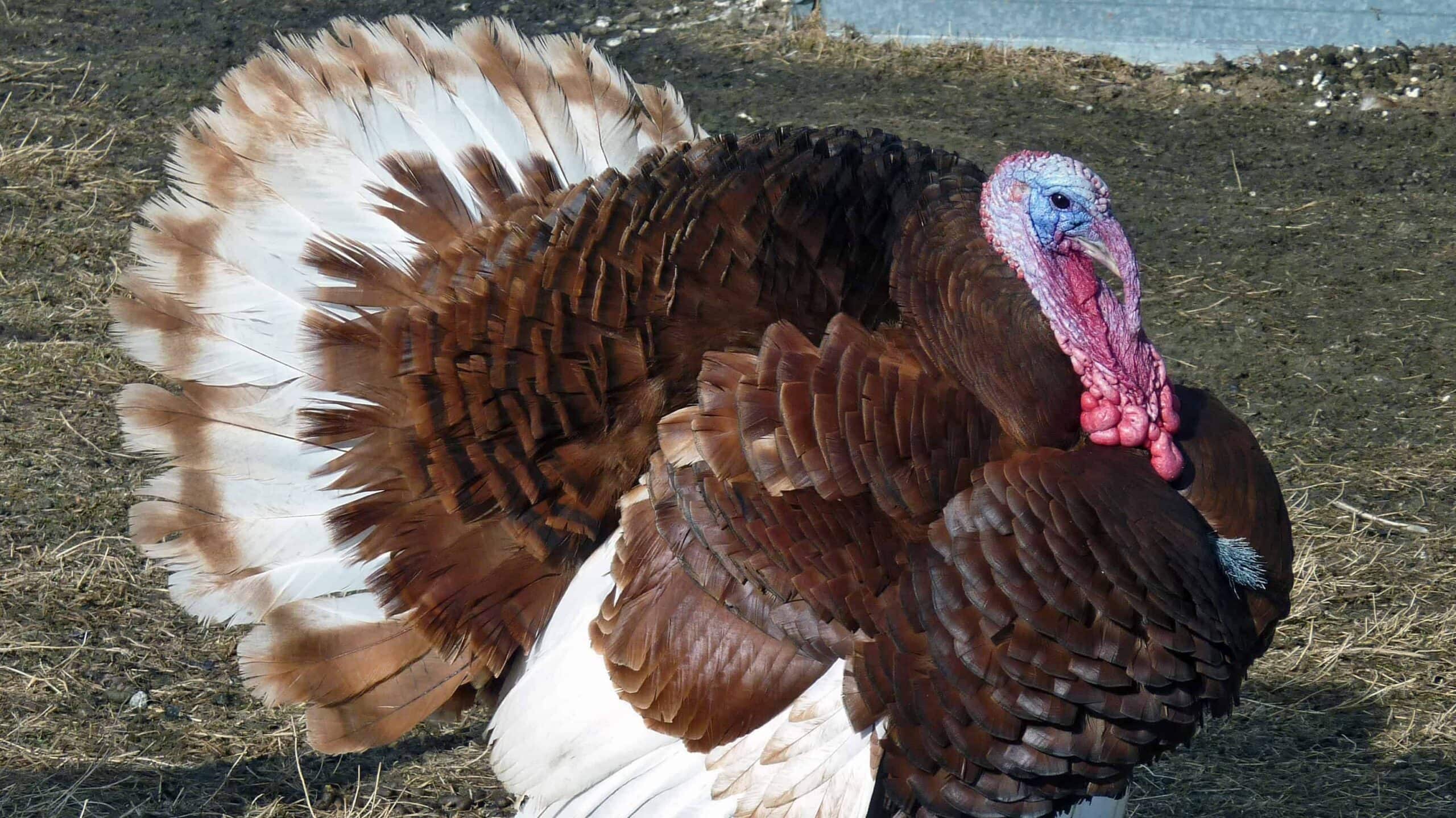
Turkeys hold a special place in American agriculture and culture, symbolizing national holidays while contributing significantly to poultry production. The modern commercial turkey is primarily the Broad-Breasted White, selectively bred for efficient meat production, though heritage breeds like Narragansett and Bourbon Red maintain important genetic diversity on small farms. These large birds serve multiple functions beyond meat production—they excel at insect control, with a single turkey capable of consuming thousands of ticks and other pests monthly, making them valuable allies in reducing Lyme disease and other tick-borne illnesses in farming communities. Turkey manure is particularly prized as fertilizer due to its high nitrogen, phosphorus, and potassium content. While wild turkeys forage independently, farm-raised turkeys require managed nutrition and protection from predators. The U.S. turkey industry produces approximately 245 million birds annually, with Minnesota, North Carolina, and Arkansas leading production. Beyond the Thanksgiving table, turkey provides year-round protein through various processed products, making these birds important contributors to American agriculture throughout the calendar year.
Horses: From Working Animals to Recreational Partners
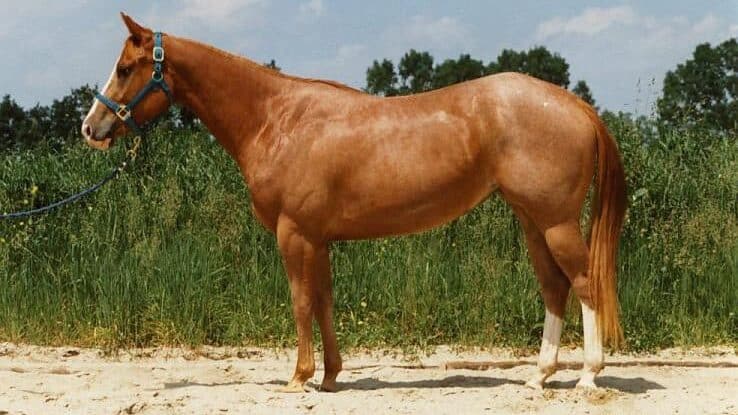
Horses have undergone perhaps the most dramatic role transformation of any farm animal in American agriculture. Once essential for plowing fields, harvesting crops, and transporting goods, these majestic animals now serve primarily recreational and specialized working roles on modern farms. Draft breeds like Belgians, Percherons, and Clydesdales—weighing up to 2,000 pounds—still work alongside Amish farmers and some sustainable agriculture operations that prefer animal power to fossil fuel-dependent machinery. On cattle ranches across the western United States, Quarter Horses and other agile breeds remain indispensable for herding, offering maneuverability in rough terrain where motorized vehicles cannot navigate. Beyond their working capacities, horses contribute to agritourism through trail riding operations, therapy programs, and educational activities that connect visitors with agricultural heritage. The approximately 7.2 million horses in America also support a substantial economic ecosystem of feed producers, equipment manufacturers, veterinarians, and other equine service providers. Though mechanization has largely replaced their historic role as the primary farm power source, horses maintain cultural significance and practical utility in specialized agricultural contexts.
Goats: The Scrappy Cleaners and Dairy Producers
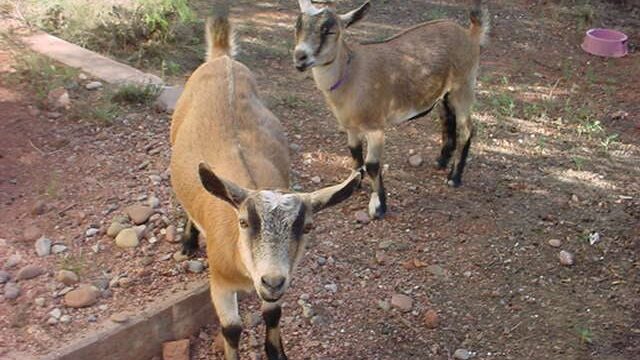
Goats are experiencing a renaissance in American agriculture, valued for their adaptability and multiple contributions to farming operations. These browsers—distinguished from grazers like sheep and cattle by their preference for leaves, twigs, and woody vegetation over grasses—excel at clearing invasive plants like kudzu, poison ivy, and multiflora rose. Their vegetation management services are increasingly commercialized through “rent-a-goat” operations that provide environmentally friendly alternatives to herbicides for clearing land. Dairy goat breeds like Nubian, Alpine, and LaMancha produce milk with unique properties that make it more digestible for some people with cow’s milk sensitivities, fueling a growing market for goat cheese, yogurt, and milk. Meat breeds such as Boer and Kiko efficiently convert browse into protein, particularly in marginal lands unsuitable for other livestock. With modest space requirements and lower investment costs compared to larger livestock, goats offer accessible entry points for beginning farmers and those with limited acreage. The U.S. goat population, now exceeding 2.5 million, reflects increasing appreciation for these versatile animals that contribute to sustainable land management while producing valuable milk and meat products.
Ducks and Geese: The Waterfowl Brigade
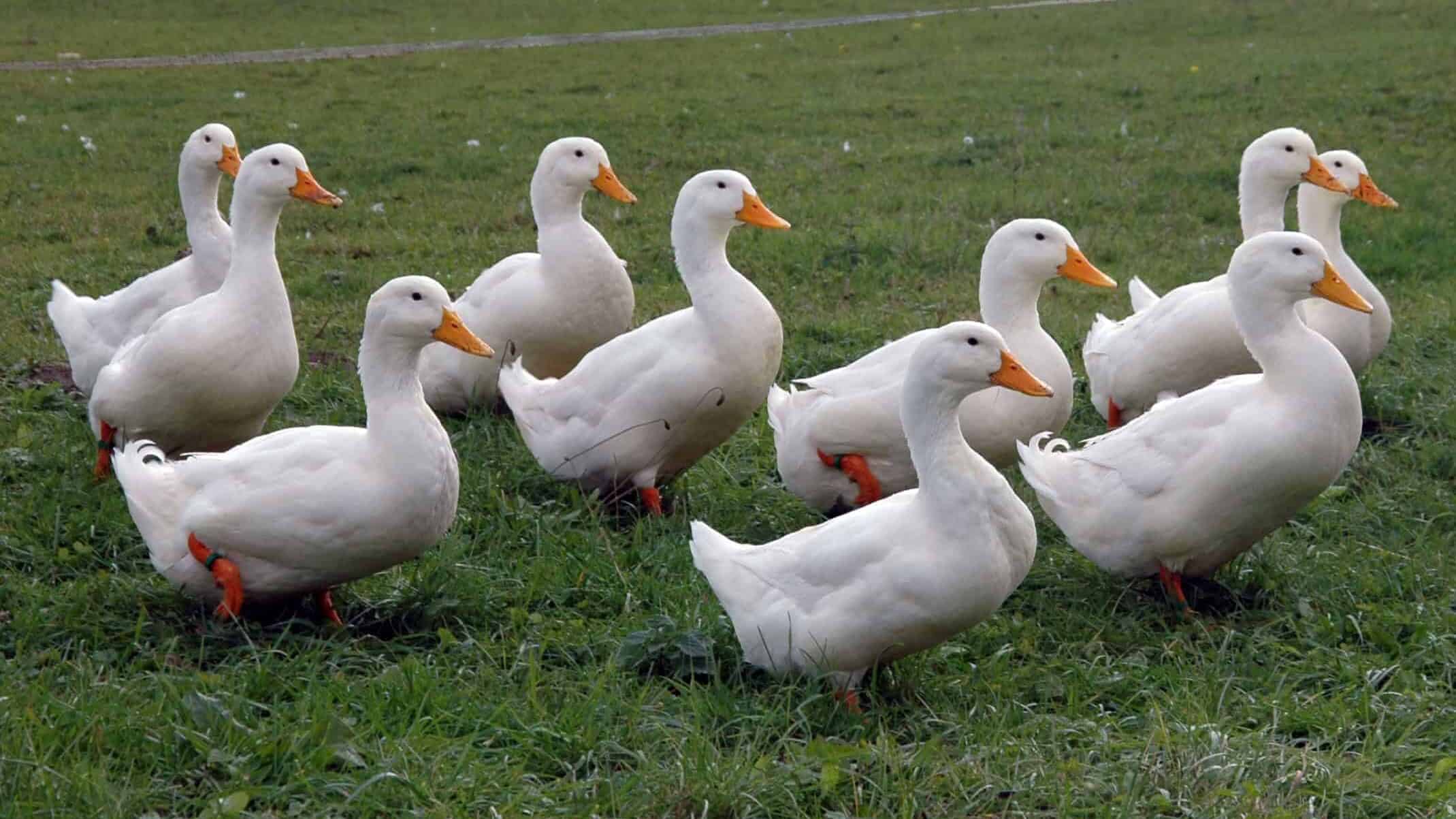
Ducks and geese represent specialized but valuable contributors to diversified American farms. These waterfowl offer multiple benefits beyond their obvious products of meat, eggs, and down feathers. In integrated pest management systems, ducks particularly excel at controlling slugs, snails, and aquatic insect larvae, making them valuable allies in vegetable gardens and orchards. Pekin, Muscovy, and Mallard ducks are commonly raised for meat, while Khaki Campbells and Indian Runners are prized for their exceptional egg-laying capacity of up to 300 eggs annually. Geese, larger and more territorial than ducks, have traditionally served as farm guardians, alerting to intruders with their characteristic honking. Their grazing behavior makes them effective “weeders” in certain crops—historically used in cotton fields and more recently in organic vineyards and berry farms where they selectively consume grass without damaging the primary crop. Both ducks and geese contribute to aquatic ecosystem management on farms with ponds, controlling algae and mosquito populations while naturally fertilizing water with their droppings. Though not as numerous as chickens in American agriculture, these waterfowl add resilience to farming systems through their unique ecological contributions and diverse products.
Working Dogs: The Farm’s Faithful Managers

Working dogs represent the unique intersection of companion animals and essential agricultural workers on American farms. These canine partners perform specialized tasks that no machine can fully replicate, often saving farmers countless hours and resources. Border Collies, Australian Shepherds, and other herding breeds demonstrate remarkable intelligence in moving livestock, responding to whistles and voice commands to precisely position cattle, sheep, or other animals. A well-trained herding dog can replace several human workers, particularly in difficult terrain or with stubborn livestock. Guardian breeds like Great Pyrenees, Anatolian Shepherds, and Maremmas protect vulnerable animals from predators, living among sheep or goat flocks and deterring coyotes, wolves, and other threats through their presence and territorial behavior. Research indicates these dogs can reduce predation losses by up to 100% in some operations. Beyond these specialized roles, farm dogs often serve as multi-purpose workers—detecting injured animals, alerting to intruders, controlling rodent populations, and providing companionship during long workdays. Though not livestock themselves, these working dogs represent crucial agricultural assets, with a well-trained herding or guardian dog often valued at several thousand dollars, reflecting their irreplaceable contributions to farm operations.
Honeybees: The Critical Pollinators
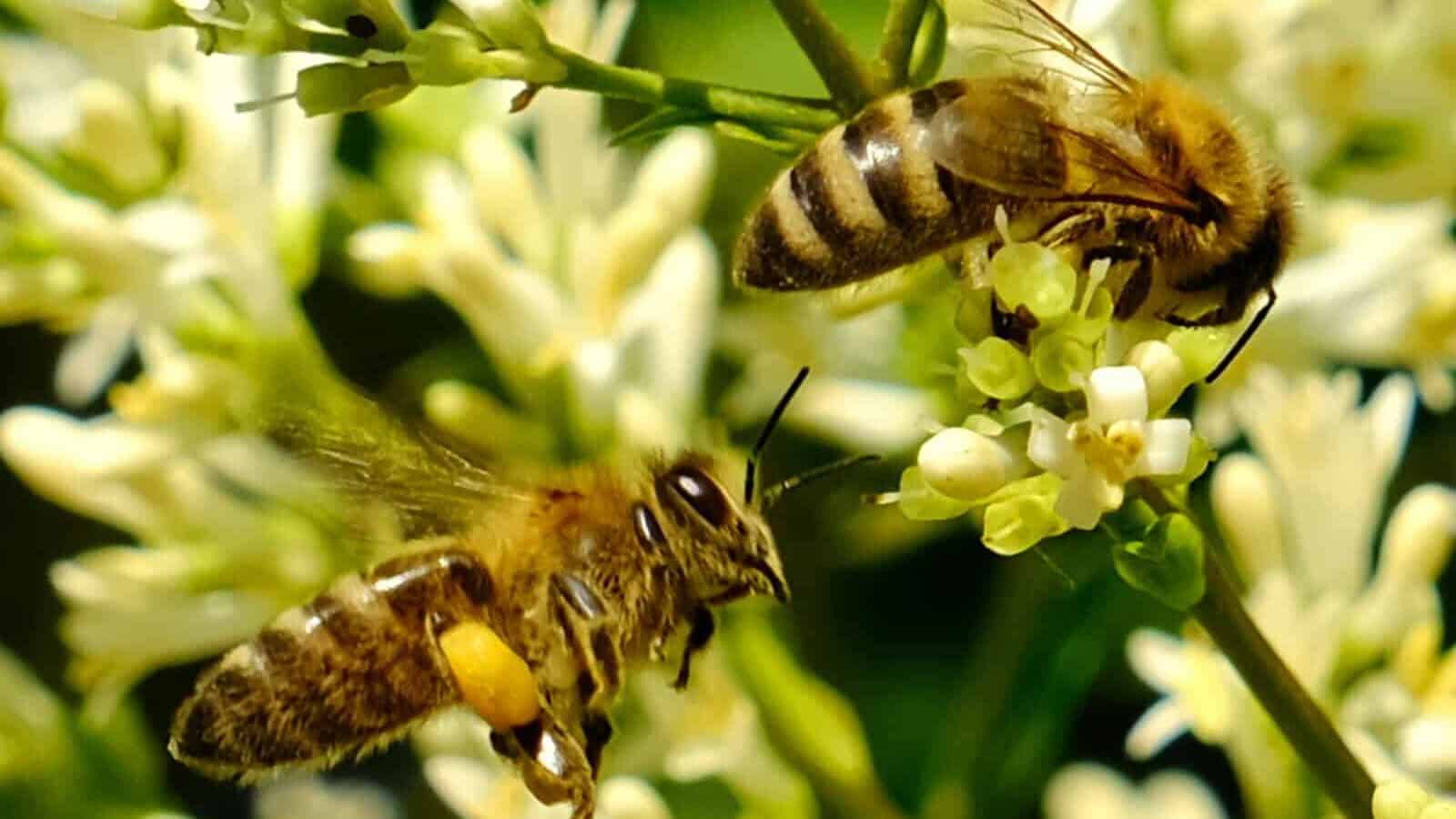
Honeybees might be the smallest animals on American farms, but their agricultural impact is immense. These industrious insects provide dual services: pollination of crops and production of honey and beeswax. As pollinators, honeybees contribute directly to the production of approximately 90 commercially grown crops in the United States, adding an estimated $15 billion in crop value annually. A single colony—typically containing 20,000 to 60,000 bees during peak season—can pollinate millions of flowers daily, making them essential partners for fruit, vegetable, nut, and seed production. Beyond pollination, each healthy hive can produce 60-100 pounds of honey annually, plus valuable beeswax used in cosmetics, candles, and food production. Beekeeping has become increasingly integrated into diversified farm operations, with apiaries strategically positioned to maximize both crop pollination and honey production. Modern agricultural beekeeping often involves migratory practices, with commercial beekeepers transporting hives across the country to follow blooming schedules—from California almonds in February to Maine blueberries in May. While technically livestock, honeybees function more as agricultural partners than traditional farm animals, foraging independently and requiring specialized management that blends animal husbandry with entomological knowledge.
The diverse animals of American farms form a complex and interdependent web that sustains our agricultural system far beyond the simple production of food. From the soil-enriching activities of grazing cattle to the precision pest management of ducks and chickens, each species contributes unique ecological services that support sustainable farming practices. These animals represent living agricultural technologies that have evolved alongside human civilization, often performing tasks that mechanical or chemical alternatives cannot match in efficiency or environmental harmony. As American agriculture continues to evolve in response to environmental challenges and changing consumer preferences, the fundamental partnership between farmers and their animals remains at the heart of food production. These creatures—whether providing milk, meat, fiber, pollination, or protection—remind us that agriculture at its best functions as a collaborative relationship between humans and the animal kingdom, working together to feed a nation.

- How Crickets Chirp Using Their Wings - July 20, 2026
- The Largest Sea Turtle Ever Rescued Off North Carolina - July 20, 2026
- The Ocean’s Escape Artist: Why Octopuses Outsmart Us All - July 20, 2026