
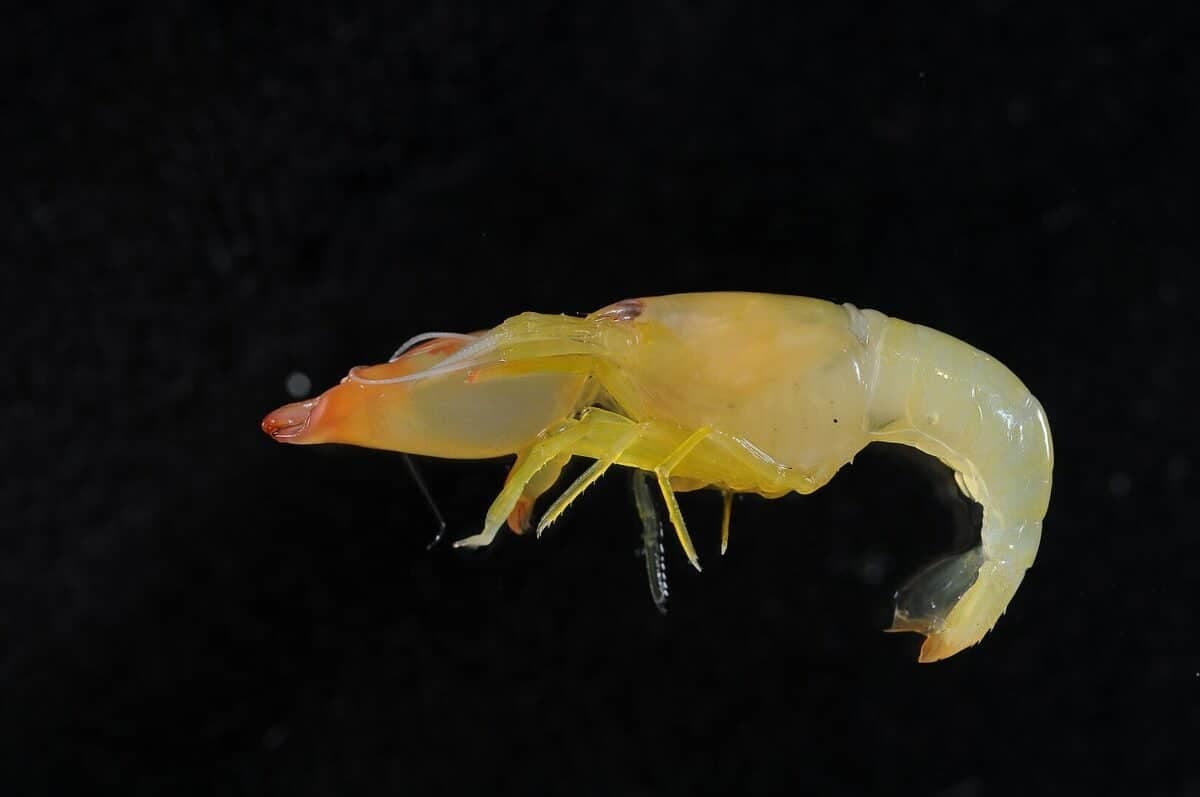
The ocean depths house some of the most fascinating creatures on our planet, from the microscopic plankton to the enormous blue whale. But among these diverse marine inhabitants, one creature stands out for its extraordinary ability to produce sound. The sperm whale (Physeter macrocephalus) – often cited as the loudest animal in the ocean – can generate clicking sounds reaching an astonishing 230 decibels underwater. However, recent scientific research has challenged this long-held belief, revealing that another, much smaller creature might actually hold the title. In this article, we’ll dive deep into the mysterious world of ocean acoustics to explore the remarkably loud creatures that call the ocean home, with special focus on the current record-holder: the pistol shrimp.
The Underwater Sound Landscape
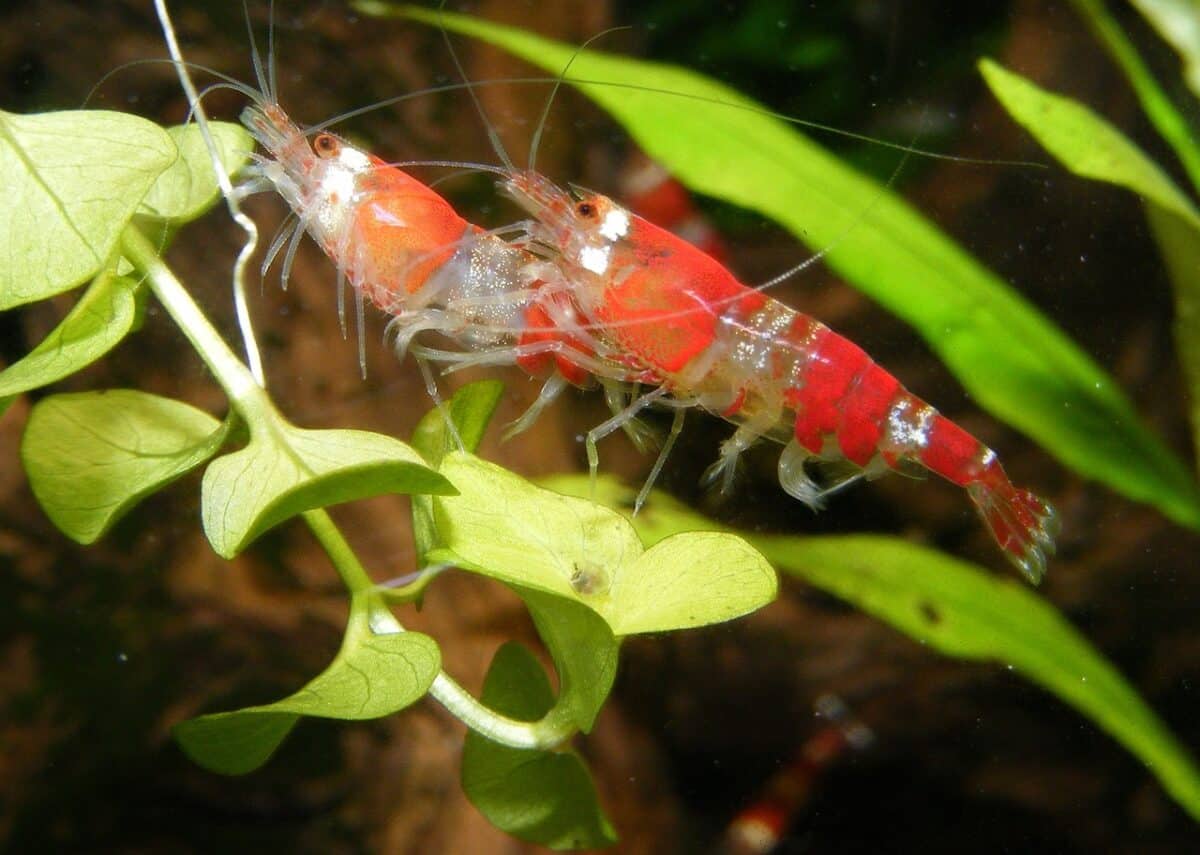
Before we identify the loudest marine creature, it’s important to understand how sound behaves differently underwater. Sound travels approximately four times faster in water than in air (about 1,500 meters per second compared to 343 meters per second in air). Additionally, sound waves travel farther in water due to lower attenuation rates, making the ocean a complex acoustic environment where marine life has evolved sophisticated methods of sound production and reception.
Marine animals use sound for various purposes, including navigation, hunting, mating, and communication. From the haunting songs of humpback whales to the clicking of dolphins, these vocalizations have fascinated scientists for decades. What makes the loudest animal particularly interesting is not just the sheer volume it produces, but how it generates such powerful sounds with a relatively small body size, demonstrating remarkable biological efficiency.
Meet the Pistol Shrimp: A Tiny Acoustic Giant
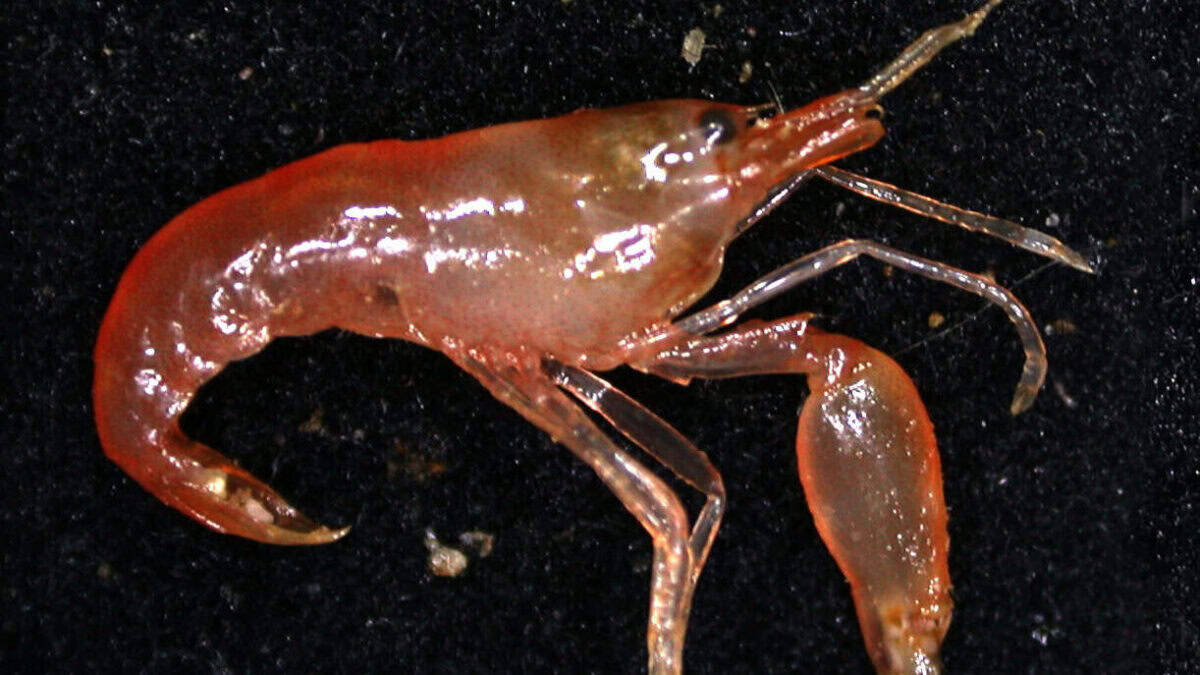
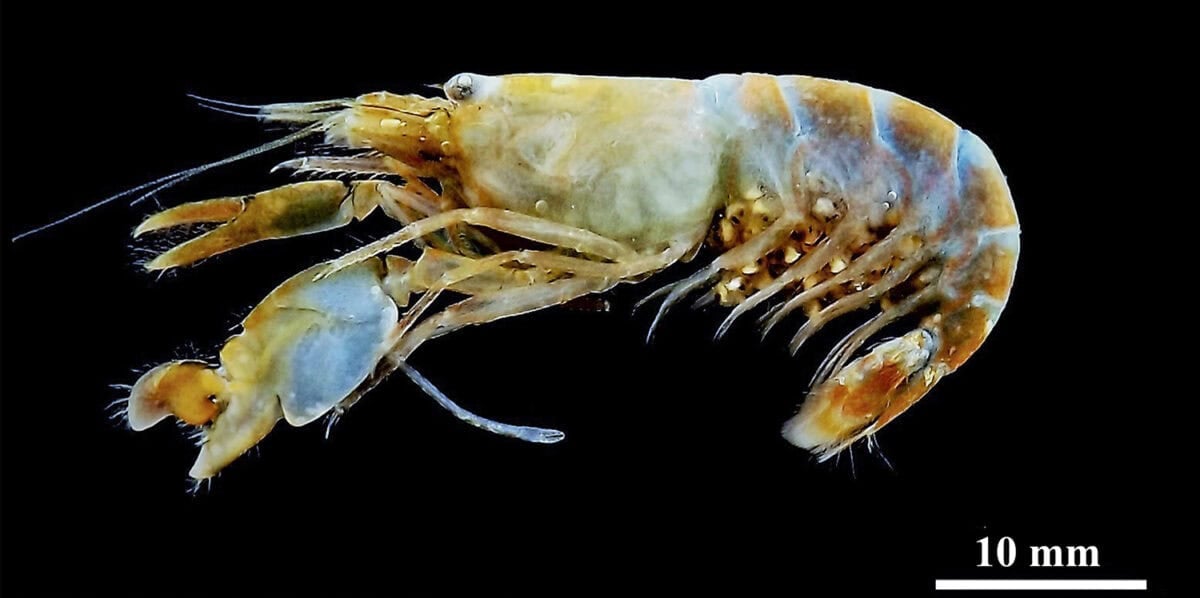
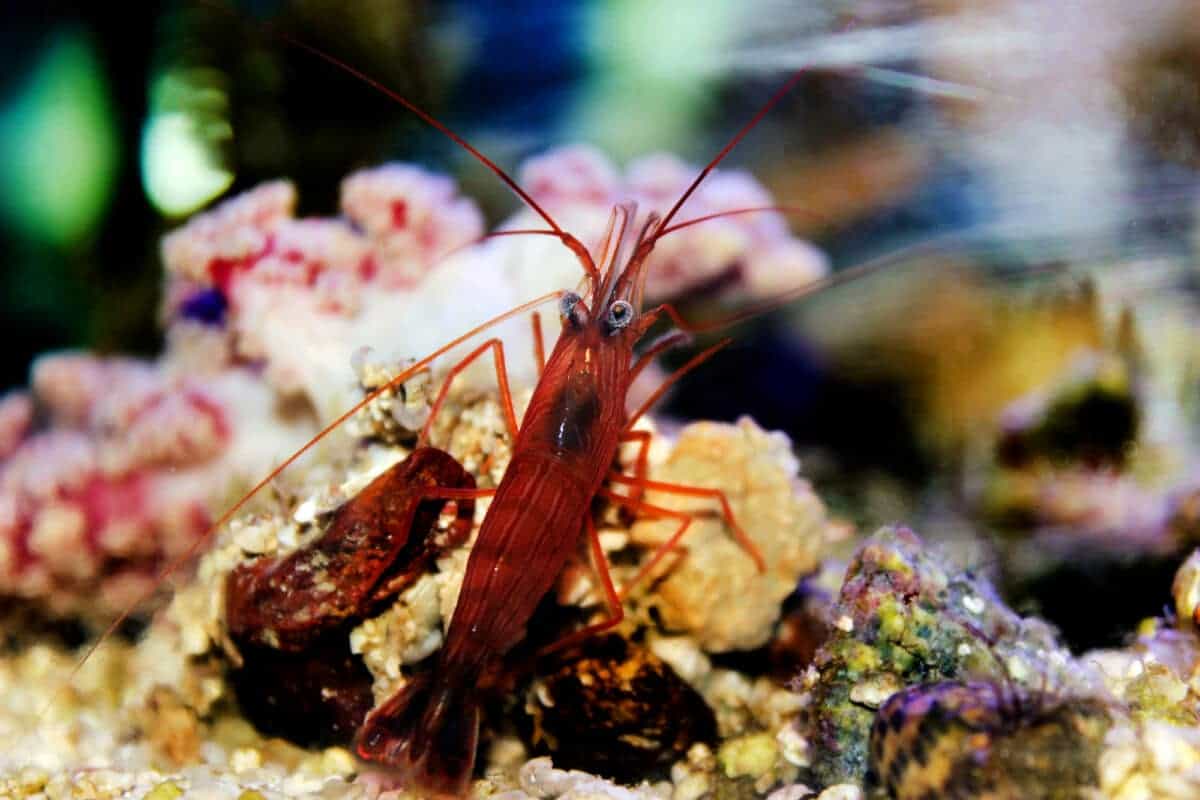
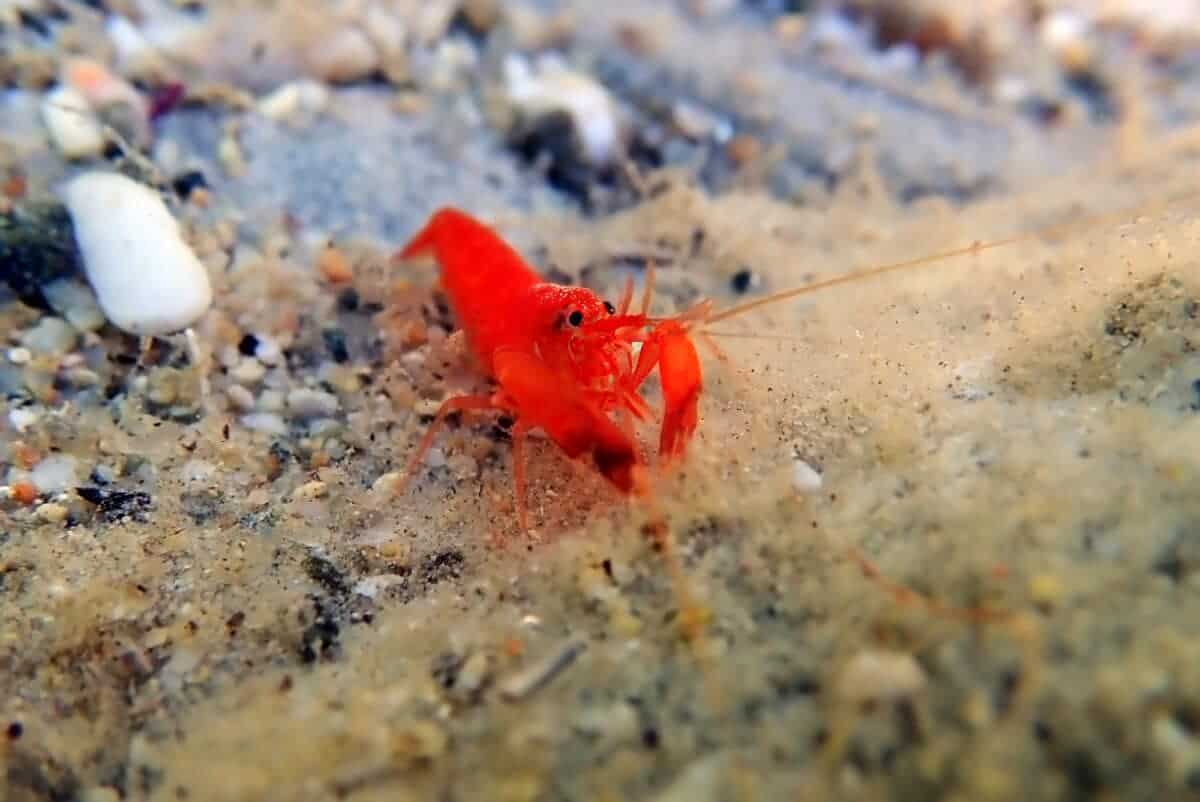
The pistol or snapping shrimp (family Alpheidae) might seem unassuming at first glance. Growing to only 1-2 inches (3-5 cm) in length, these crustaceans don’t look particularly remarkable. However, they possess one specialized claw that has evolved into a powerful sound-producing weapon. When this claw snaps shut, it creates a bubble cavitation effect that produces one of the loudest sounds in the ocean, measured at up to 218 decibels – louder than a gunshot which typically registers around 140-175 decibels in air.
There are over 600 species of pistol shrimp distributed throughout tropical and subtropical waters worldwide. They often live in colonies on coral reefs or rocky substrates, where their collective snapping creates a persistent crackling background noise that can even interfere with sonar and underwater communication equipment. Despite their tiny size, these creatures have claimed the title of the ocean’s loudest animal, demonstrating that in nature, size doesn’t always correlate with acoustic power.
The Science Behind the Snap
The pistol shrimp’s sound-generating mechanism is a marvel of evolutionary engineering. The shrimp possesses one normal claw and one oversized snapper claw that can grow to be half the animal’s body length. This specialized claw features two parts: a fixed “finger” and a movable “thumb.” When the shrimp wants to create its characteristic snap, it contracts powerful muscles to build tension in the movable part, then releases it to slam against the fixed portion at incredible speeds – over 60 miles (97 kilometers) per hour.
This rapid motion creates a low-pressure bubble in the water, a phenomenon known as cavitation. When this bubble collapses, it produces a loud snap and a flash of light through a process called sonoluminescence. The collapsing bubble also briefly generates temperatures approaching those found on the sun’s surface – around 8,000°F (4,400°C). This remarkable phenomenon helps the shrimp stun or kill prey and communicate with other shrimp. The entire process happens in less than a millisecond, making it one of the fastest biological movements in nature.
Comparing Underwater Decibels
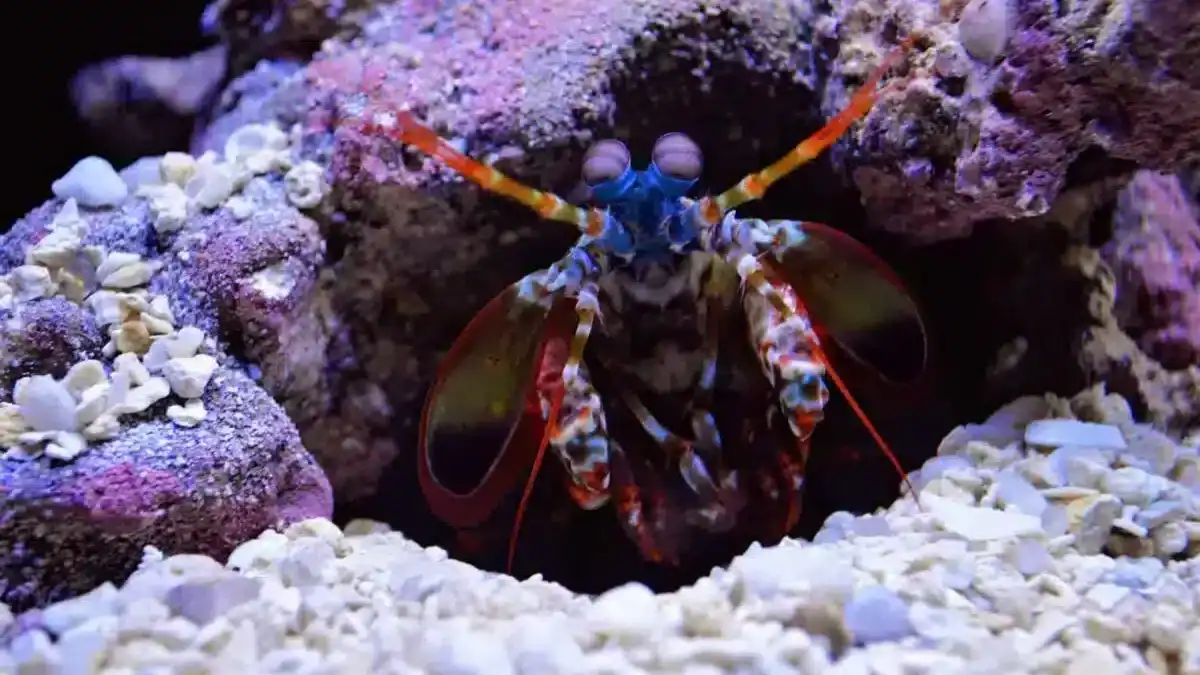
Understanding sound measurement underwater requires some context. The decibel scale is logarithmic, meaning that an increase of 10 decibels represents a tenfold increase in sound intensity. At 218 decibels, the pistol shrimp’s snap is significantly louder than many other ocean sounds. For comparison, a blue whale’s call reaches about 188 decibels, a sperm whale’s click can reach 230 decibels, and an underwater explosion might register at 240-280 decibels.
However, it’s crucial to note that underwater decibel measurements cannot be directly compared to airborne sounds. Due to the different properties of water as a medium, a sound of 218 decibels underwater would equate to approximately 160 decibels in air – still extremely loud and well above the human pain threshold of about 120-130 decibels. The pistol shrimp produces this tremendous sound despite its tiny size, making it pound-for-pound perhaps the most acoustically powerful creature on Earth.
Ecological Role and Behavior
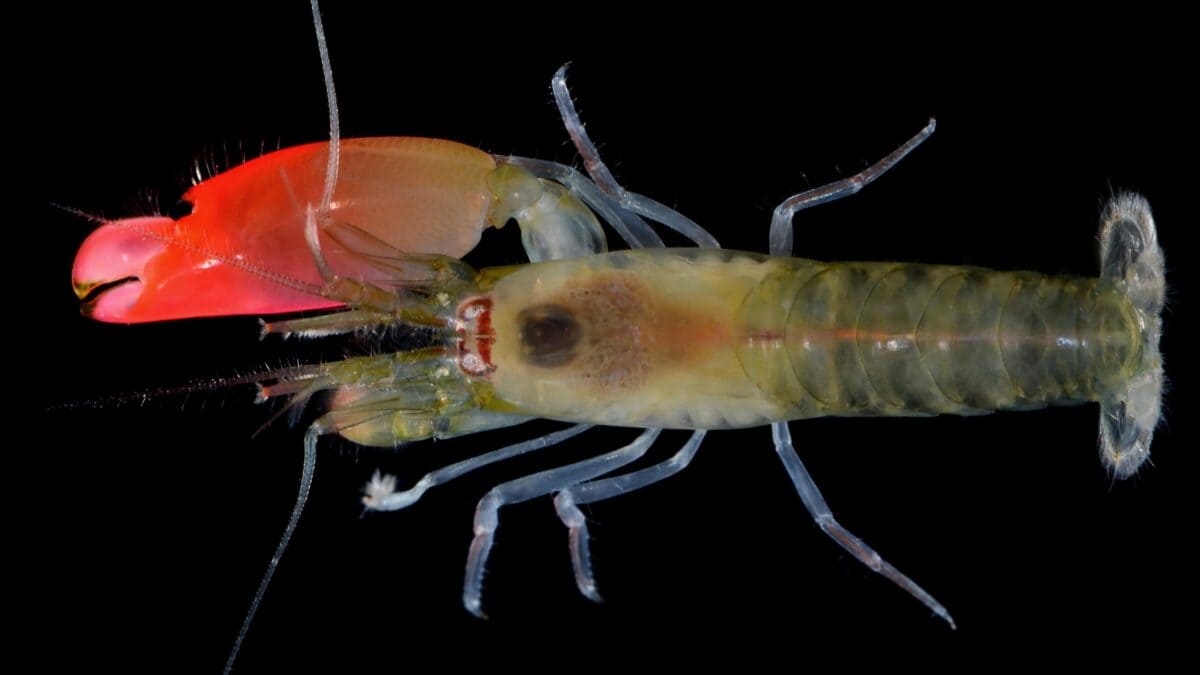
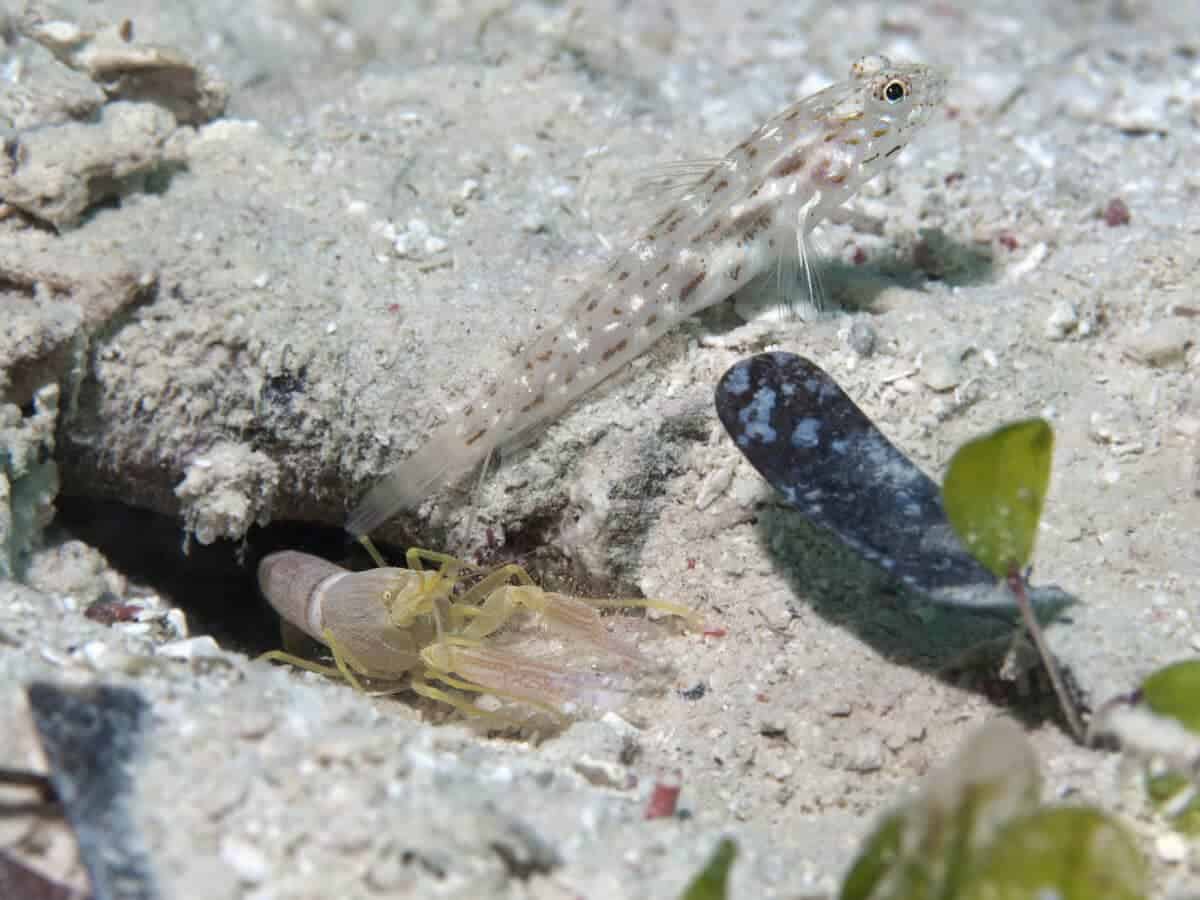
Pistol shrimp play several important roles in marine ecosystems. Their snapping serves multiple purposes: stunning or killing prey, defending territory, communicating with potential mates, and warding off predators. Many species are also known to form symbiotic relationships with goby fish, where the shrimp maintains a burrow while the fish serves as a lookout for predators. This mutually beneficial arrangement showcases the complex interdependencies that exist in coral reef ecosystems.
These remarkable crustaceans are primarily carnivorous, feeding on small fish and invertebrates that they stun with their sonic weapon. Some species are also filter feeders, using specialized appendages to collect organic particles from the water. Colonies of pistol shrimp can significantly influence the soundscape of their habitat, creating what researchers call a “snapping bed” that contributes to the overall ambient noise of tropical coastal waters. This acoustic presence makes them an important component of marine acoustic ecology studies.
Other Contenders for the Title
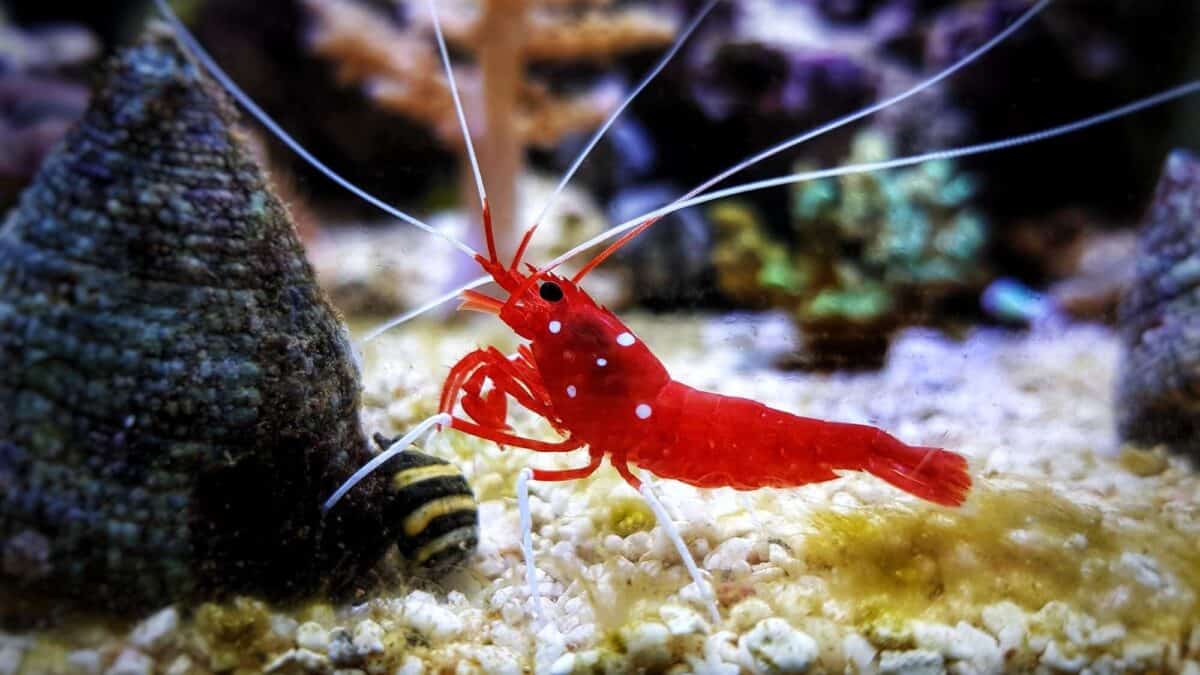
While the pistol shrimp holds the current record for the loudest animal relative to its size, several other marine creatures produce impressive sounds. The sperm whale, with its massive size and specialized sound-producing organ called the “monkey lips,” can generate clicks measured at up to 230 decibels. These clicks are used for echolocation and communication across vast oceanic distances. The blue whale, Earth’s largest animal, produces low-frequency moans and songs that can travel hundreds of miles through the ocean.
Beluga whales, nicknamed “sea canaries” for their diverse vocalizations, produce an array of clicks, whistles, and calls for communication. Other notable underwater noisemakers include the loudgill, a type of fish that can create sounds up to 137 decibels by vibrating its swim bladder, and certain species of croakers and grunts that use specialized muscles to produce drumming sounds. Each of these species has evolved unique sound-producing mechanisms adapted to their specific ecological needs and habitats.
Human Applications of Pistol Shrimp Technology

The pistol shrimp’s remarkable sound-generating mechanism has inspired various technological applications. Engineers studying the cavitation effect have developed more efficient methods for cleaning surfaces, breaking down kidney stones in medical procedures, and potentially creating new forms of renewable energy. The shrimp’s ability to generate extreme temperatures through bubble collapse has also inspired research into sonochemistry – using sound waves to drive chemical reactions.
Naval researchers have studied these creatures to better understand underwater acoustics and develop more sophisticated sonar systems. Additionally, the pistol shrimp’s specialized claw has inspired designs for miniature underwater research equipment and robotics. Biomimicry – the practice of emulating nature’s designs to solve human problems – continues to find valuable inspiration in the pistol shrimp’s remarkable adaptations, demonstrating how even the smallest creatures can offer significant technological insights.
Threats and Conservation Status

While pistol shrimp as a family are not currently listed as endangered, many species face threats from habitat degradation, particularly coral reef destruction. As climate change causes ocean warming and acidification, coral reef ecosystems where many pistol shrimp species thrive are increasingly under stress. Additionally, pollution, coastal development, and destructive fishing practices impact their habitats and can disrupt the delicate ecological balance these creatures depend on.
Conservation efforts focusing on preserving coral reef ecosystems indirectly benefit pistol shrimp populations. Marine protected areas (MPAs) provide safe havens where these creatures and their habitats can be preserved. Scientific research continues to uncover new species of pistol shrimp, highlighting the importance of biodiversity conservation in coastal marine environments. By protecting these remarkable sound-producers, we also preserve the unique underwater soundscapes they create.
The Impact of Ocean Noise Pollution

As humans increase their presence in the oceans through shipping, oil exploration, military activities, and other endeavors, the underwater acoustic environment is becoming increasingly polluted with noise. This anthropogenic noise can mask the natural sounds produced by marine life, potentially disrupting vital behaviors that depend on acoustic cues. For species like the pistol shrimp that rely heavily on sound for survival, noise pollution presents a growing concern.
Research indicates that elevated background noise levels can interfere with the ability of marine animals to detect predators, locate prey, find mates, and navigate their environment. While pistol shrimp produce extremely loud sounds, they still face challenges in increasingly noisy ocean environments. Understanding the complex interactions between natural sound producers and human-generated noise is crucial for developing effective marine conservation strategies and mitigating the impacts of acoustic pollution on ocean ecosystems.
Discovering and Studying Ocean Acoustics
Scientists use sophisticated hydrophones (underwater microphones) and other specialized equipment to record and analyze ocean sounds. These technologies have revealed a complex underwater soundscape far richer than previously imagined. Passive acoustic monitoring allows researchers to track marine animal populations, migration patterns, and behavioral changes without disturbing the creatures themselves. This non-invasive approach has revolutionized marine biology and conservation efforts.
The field of bioacoustics continues to evolve, with researchers developing more advanced methods for isolating and identifying specific sounds within the ocean’s complex acoustic environment. Machine learning algorithms can now help scientists sort through thousands of hours of underwater recordings to identify patterns and specific species vocalizations. These technological advances have greatly expanded our understanding of marine sound production and communication, including the remarkable acoustic abilities of creatures like the pistol shrimp.
Cultural Significance and Public Awareness
The pistol shrimp’s extraordinary sound-producing ability has captured public imagination since its discovery. These creatures have been featured in documentaries, science programs, and educational materials, helping to raise awareness about marine biodiversity and the wonders of evolutionary adaptation. Their remarkable sound production serves as a compelling entry point for engaging people with broader topics in marine conservation and biology.
Some cultures with strong maritime traditions have folklore surrounding mysterious ocean sounds, which in some cases may have been produced by colonies of pistol shrimp. Today, recordings of these creatures are available online, allowing people worldwide to experience their remarkable sounds. This accessibility helps connect people to the ocean environment and fosters appreciation for the incredible diversity of life beneath the waves. As public awareness grows, so does support for marine conservation efforts that protect these acoustically gifted creatures and their habitats.
Conclusion: The Ocean’s Acoustic Marvels
The pistol shrimp stands as a remarkable example of nature’s ingenuity, producing one of the most powerful sounds in the ocean from one of the smallest packages. This tiny crustacean reminds us that the marine world contains countless wonders still being discovered and understood. From the thunderous clicks of sperm whales to the dramatic snap of the pistol shrimp, the ocean’s soundscape represents a vital dimension of marine ecology often overlooked by terrestrial humans.
As we continue to explore and study the oceans, these acoustic marvels offer valuable insights into evolution, physics, and the complex interconnectedness of marine ecosystems. The pistol shrimp’s extraordinary sound-producing mechanism challenges our assumptions about the relationship between size and acoustic power, demonstrating that even the smallest creatures can make the biggest impact. Their specialized adaptations have inspired technological innovations and expanded our understanding of biological possibilities.
The preservation of marine acoustic diversity represents an important but often overlooked aspect of ocean conservation. By protecting these remarkable sound-producers and their habitats, we maintain not just the physical biodiversity of the oceans but also their rich acoustic heritage. As we face growing challenges from climate change, pollution, and habitat destruction, the distinctive snap of the pistol shrimp reminds us of what we stand to lose if we fail to protect our ocean environments.
The next time you consider the wonders of the ocean, remember that beyond its visual splendor lies an equally magnificent acoustic dimension – a world where tiny shrimp create underwater sonic booms and where sound travels across vast distances to connect marine life in complex webs of communication. In this hidden realm of sound, the pistol shrimp reigns as a testament to nature’s endless capacity for surprise and innovation.

- 10 Animals That Cheat Death in the Most Unexpected Ways - July 19, 2026
- The Shrimp That Punches Like a Bullet - July 19, 2026
- This Tiny Mammal Can Slow Its Heartbeat to One Beat Per Minute - July 19, 2026