
Every day, veterinarians sit across from well-meaning dog lovers who have already fallen in love – with a photo, a movie, a neighbor’s dog – and they have to say something that feels almost cruel: “I really wouldn’t go with that one.” Not because the breed isn’t beautiful. Not because the owner asking doesn’t have good intentions. But because these vets have seen what happens next. The surgeries. The chronic pain. The owners who remortgaged savings accounts or had to make the unbearable call far too soon. The breeds below aren’t obscure – most are wildly popular. That’s part of what makes this so hard to hear.
What follows isn’t about scaring anyone away from dogs. It’s about what practicing vets actually know and rarely say out loud until you’re already sitting in their exam room. Some of these breeds have devoted fan bases for a reason – the loyalty, the personality, the look. But there’s a gap between what owners imagine life with these dogs will look like and what it actually costs, physically and emotionally. A few of the entries near the top of this list will genuinely surprise you.
#1 – French Bulldog

If there is one breed that makes veterinarians visibly tense when a client requests it, it’s the French Bulldog. These dogs have become so popular that their genetic problems have been actively accelerated by demand. Their flattened faces cause brachycephalic obstructive airway syndrome – a condition where the dog essentially struggles to breathe through an airway that was never designed to function properly. Overheating isn’t just a summer concern; it can become a life-threatening emergency during a short walk on a warm afternoon.
The problems don’t stop at breathing. French Bulldogs suffer from spinal malformations, chronic skin allergies, and ear infections that require constant management. Their anatomy is so compressed that most females cannot give birth naturally – C-sections are practically standard practice in the breed. Vets aren’t exaggerating when they say the French Bulldog’s rise in popularity is one of the most visible examples of breeding for aesthetics at the direct expense of animal welfare. Many refuse to recommend them not out of preference, but out of genuine concern for what that dog’s daily life will actually feel like.
Fast Facts: French Bulldog Health Costs
- BOAS airway surgery: typically $1,500–$5,000; specialist cases can exceed $5,500
- Skin allergy treatment: average cost around $815 per episode, often recurring
- C-section births: more than 85% of bulldogs in the UK are born by caesarean
- Brachycephalic dogs are twice as likely to suffer heat-related illness vs. non-flat-faced breeds
- Anesthetic risk: 7% of BOAS surgery patients experience major post-operative complications
#2 – Pug
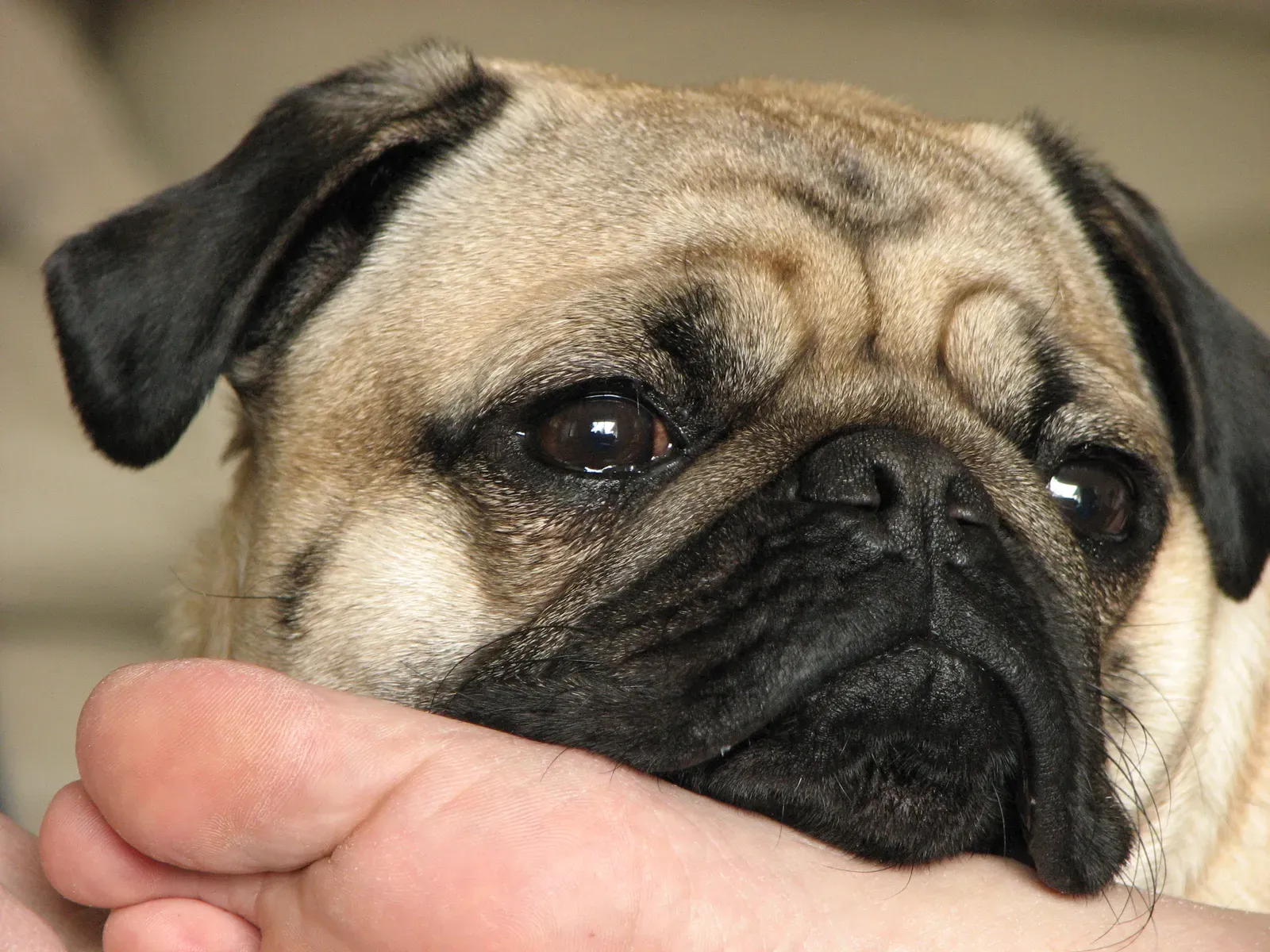
Pugs were once the companions of Chinese emperors, and somewhere along the way their flat faces became even flatter and their bodies even rounder – not because it was healthier, but because buyers kept choosing the most extreme-looking ones. The result is a dog that frequently struggles to breathe through the night, snoring so severely that owners joke about it while vets quietly note it as a symptom of real distress. Brachycephalic obstructive airway syndrome runs deep in the breed, and many Pugs require surgical correction just to have a functional airway.
Beyond the breathing, their protruding eyes are dangerously prone to corneal ulcers – sometimes from something as ordinary as running through tall grass. Skin fold infections require regular cleaning just to prevent painful sores from developing in the wrinkles owners find so charming. Add in a tendency toward obesity that strains their already-compromised frame, and vets are frequently left managing a dog whose quality of life is a constant uphill battle. The cuteness is real. So is the cost – financially and emotionally.
#3 – Cavalier King Charles Spaniel

Few breeds generate as much heartbreak in veterinary cardiology as the Cavalier King Charles Spaniel. Mitral valve disease is so prevalent in the breed that more than half will develop it by age five, and nearly all will have it by age ten. This isn’t a fringe risk – it’s practically a breed-wide guarantee. Vets who specialize in cardiology know the Cavalier well, and they’ll tell you that “managing” the disease is a kind way of saying watching it progress while adjusting medications and monitoring with regular ultrasounds.
Even more distressing is syringomyelia – a condition where the skull is too small for the brain, causing fluid-filled cavities to form along the spinal cord. Dogs with this condition may scratch at their neck constantly, cry out for no apparent reason, or become reluctant to be touched. It’s as painful as it sounds, and it’s heartbreakingly common in the breed. The Cavalier is genuinely one of the sweetest-tempered dogs alive, which is exactly what makes this so difficult. Owners fall completely in love before realizing how much medical management that love is going to require.
At a Glance: Cavalier King Charles Spaniel & Mitral Valve Disease
- MVD is the leading cause of death in the breed worldwide
- Affects more than 50% of Cavaliers by age 5; nearly 100% by age 10
- MVD is 20 times more prevalent in Cavaliers than in the average dog breed
- There is currently no genetic test and no cure — only symptom management
- Regular cardiac ultrasounds are considered standard care, not optional
#4 – Dachshund

Dachshunds were bred to hunt badgers underground – which means their long, low bodies were a functional tool, not a cosmetic feature. But over generations of selective breeding for an increasingly extreme silhouette, the intervertebral discs in their spines became one of the most vulnerable structures in the canine world. Intervertebral disc disease doesn’t just cause back pain; it can cause sudden paralysis. Owners who’ve watched their Dachshund lose the use of its hind legs overnight describe it as one of the most traumatic experiences of their lives.
Surgery can help – sometimes dramatically – but it’s expensive and not always available in time. Even dogs that recover fully often face repeat episodes, and every flight of stairs, every jump off the couch, every excited leap for a toy carries a quiet risk. Vets routinely caution families with young, active children or multi-level homes because even minor rough play can become a spinal emergency. The stubbornness and charm of the breed are legendary. So are the vet bills. Many owners wouldn’t trade them – but they wish someone had told them what they were signing up for before they brought one home.
Worth Knowing: Dachshund IVDD by the Numbers
- Surgery alone: $2,000–$4,000; total all-in treatment often $5,000–$12,000
- Emergency or severe cases can push costs toward $10,000 or more
- If the dog can still walk at time of surgery, recovery odds are close to 90%
- IVDD is a degenerative condition — surgery removes disc material but doesn’t cure the underlying disease
- Repeat episodes are common; every couch jump is a real, ongoing risk
#5 – Shar Pei
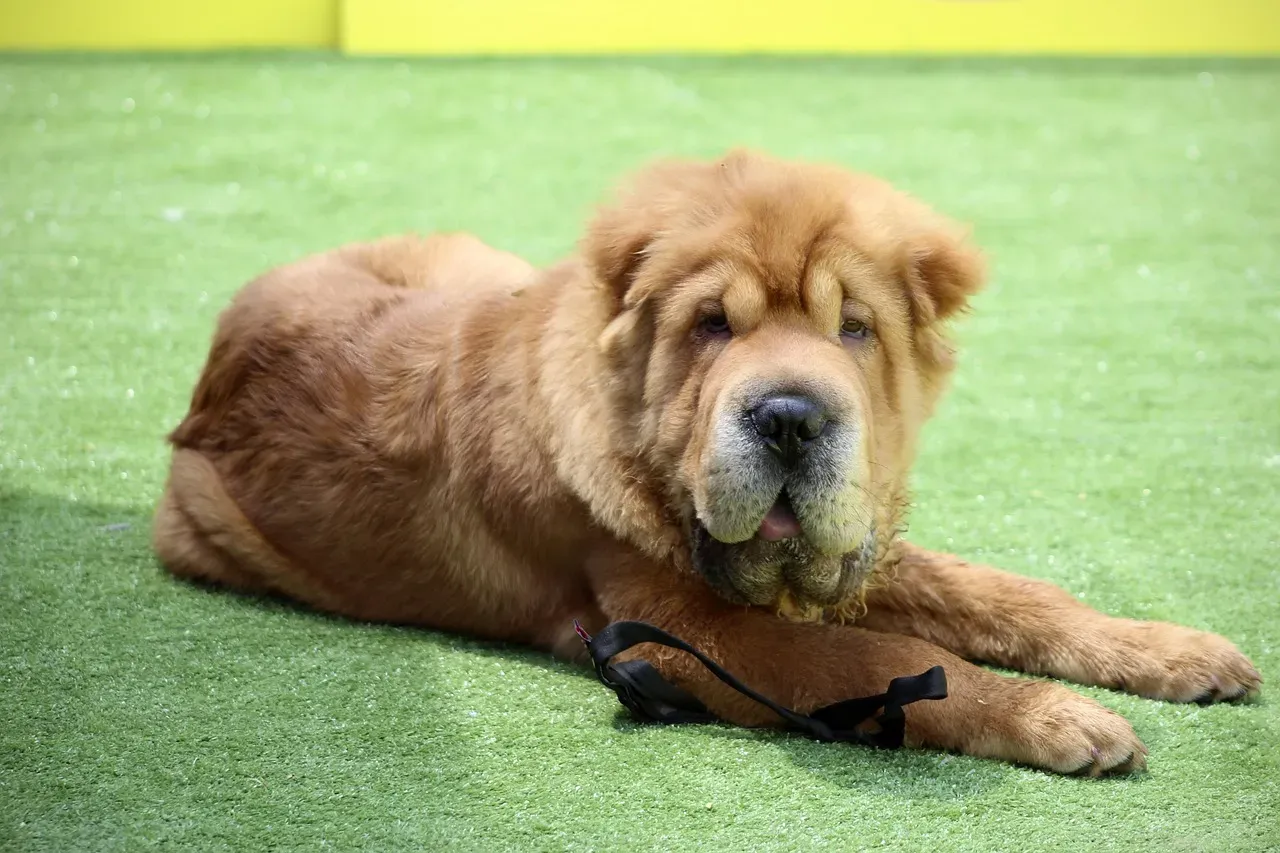
The Shar Pei looks ancient and regal, and in many ways it is – but those magnificent wrinkles are a medical liability hiding in plain sight. Every fold of skin is a potential site for infection, and staying ahead of it requires consistent, deliberate cleaning that most owners don’t anticipate when they’re first drawn to the breed’s dramatic appearance. Entropion – where the eyelids roll inward and the lashes scratch directly against the cornea – is so common that many Shar Peis require corrective surgery before they’re even a year old.
Then there’s familial Shar Pei fever, a recurring inflammatory condition that can eventually destroy kidney function through amyloidosis – a protein buildup that the kidneys simply can’t process. There’s no cure. Management can slow the progression, but vets who see this condition regularly carry a quiet sadness about it, because it tends to hit dogs in their prime years. The lifetime medical cost for a Shar Pei with the full combination of skin, eye, and kidney issues can be staggering – and the hardest part is that most of it isn’t preventable. It’s baked into the genetics.
#6 – Cocker Spaniel

Cocker Spaniels have those silky, flowing ears that make them irresistible – and those same ears are an almost perfect trap for moisture, bacteria, and yeast. Chronic ear infections are so common in the breed that many owners stop seeing them as a medical issue and start treating them as just part of the routine. Vets will tell you that’s exactly the problem. Repeated untreated or under-treated infections lead to scarring, hearing loss, and sometimes surgical removal of the ear canal. It’s a slow, avoidable tragedy that plays out one infection at a time.
Beyond the ears, Cocker Spaniels carry a higher-than-average risk of progressive retinal atrophy, cataracts, and dilated cardiomyopathy as they age. Some lines carry what breeders euphemistically call “rage syndrome” – episodes of sudden, unprovoked aggression that seem completely out of character for an otherwise gentle dog. It’s neurological in nature, terrifying when it happens, and there’s no reliable way to screen for it in a puppy. Vets aren’t trying to ruin anyone’s love of the breed – they’re trying to make sure owners walk in with their eyes open.
#7 – German Shepherd
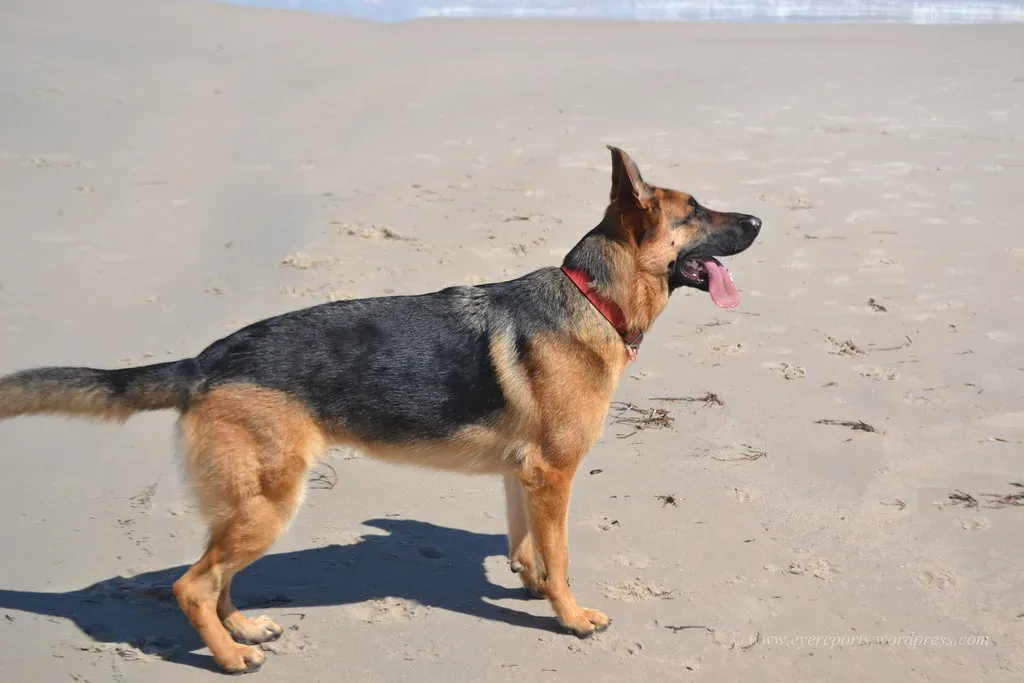
German Shepherds remain one of the most requested breeds in the world, and the request is understandable – they are intelligent, loyal, trainable, and genuinely impressive dogs. But the breeding practices that created the sloped-back, low-hindquarter show-line German Shepherd have left a trail of orthopedic damage the breed is still paying for. Hip and elbow dysplasia rates are high even in well-bred lines, and degenerative myelopathy – a progressive spinal disease that gradually paralyzes the hindquarters – haunts the breed at a rate that makes vets wince when the topic comes up.
The behavioral demands are just as significant. Without daily structured exercise, consistent training, and genuine mental engagement, German Shepherds develop anxiety, resource guarding, and territorial behavior that can escalate quickly. Vets see cruciate ligament tears regularly, and the surgeries to repair them run into thousands of dollars – sometimes multiple times in the same dog. The German Shepherd is a remarkable animal in the right hands. The honest truth vets will share is that “the right hands” describes fewer households than the breed’s popularity would suggest, and the dogs who end up in the wrong ones often suffer for it.
#8 – Belgian Malinois
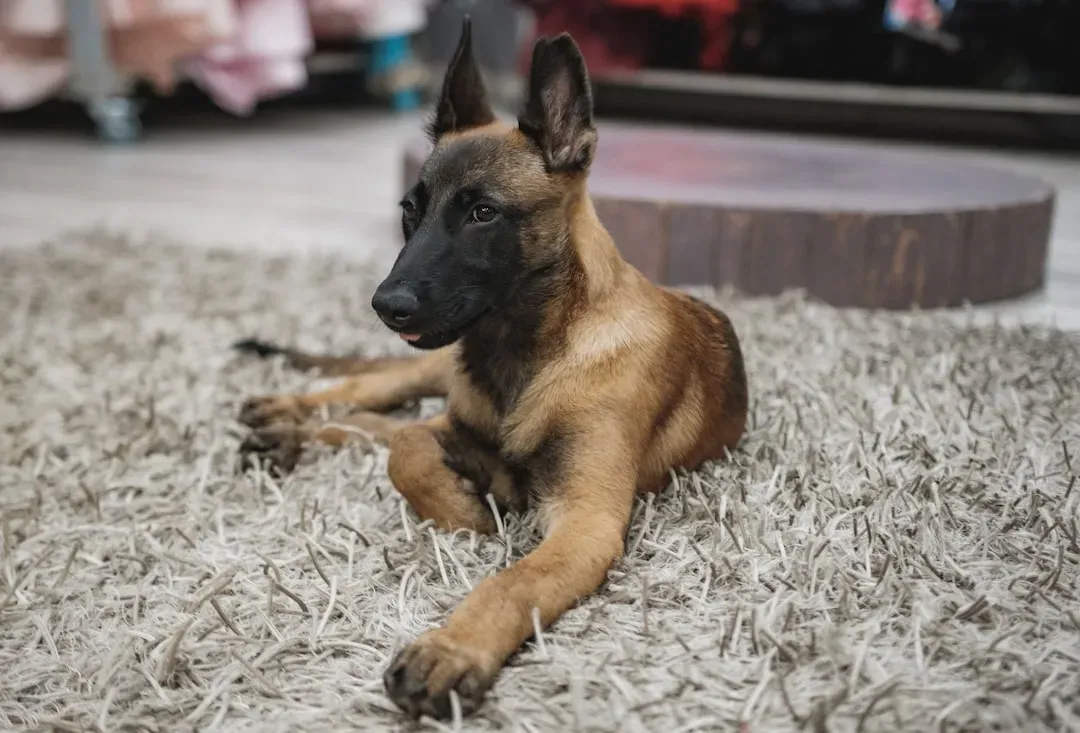
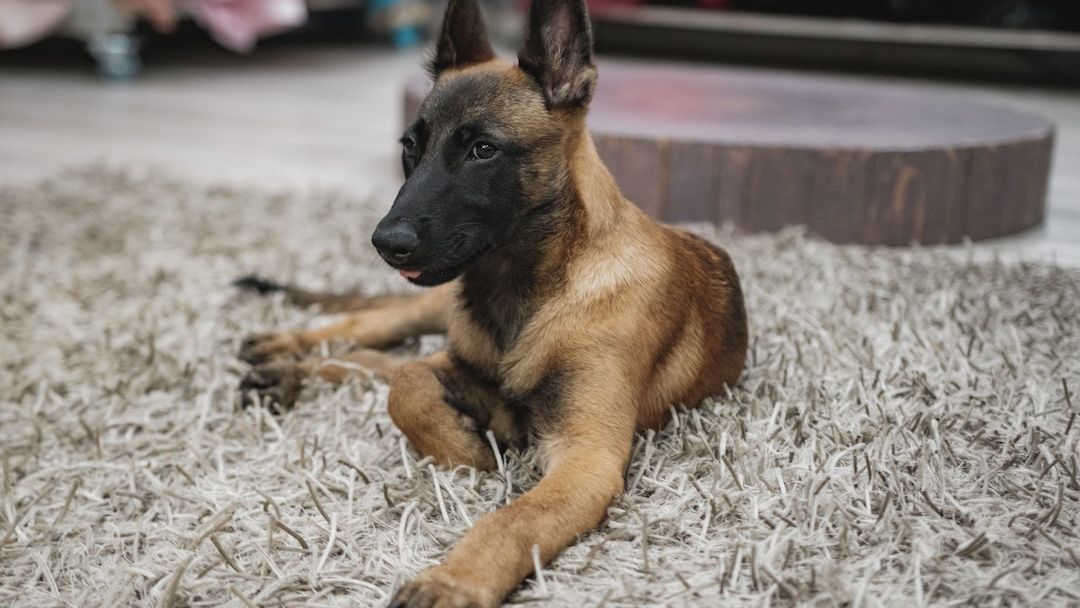
The Belgian Malinois went from military working dog to social media sensation in what felt like the span of a single news cycle, and veterinary waiting rooms are still absorbing the fallout. This is a breed that is genuinely built to work – eight or more hours a day of high-intensity activity, with a drive so powerful that inadequate stimulation doesn’t just produce a bored dog, it produces an anxious, reactive one that can become dangerous. Vets aren’t being dramatic when they say this. Bite incidents from under-stimulated Malinois owned by well-meaning, unprepared families are well-documented.
The physical health picture adds another layer. Joint issues, epilepsy, and the general wear of a body that never truly powers down create long-term management challenges. But it’s the behavioral risk that makes vets most reluctant to sign off on this breed for the average household. A Malinois that isn’t working or training at a serious level will find its own outlet – and those outlets tend to involve things being destroyed, fence lines being tested, and people being intimidated or hurt. These are extraordinary dogs. They’re just not appropriate for most of the people asking for them.
Quick Compare: Is Your Household the Right Fit?
- Belgian Malinois — Needs 4–8+ hours of structured daily work; unsuitable for most family homes
- Border Collie — Needs intense mental and physical outlets daily; develops obsessive behaviors without them
- Siberian Husky — Bred to run 50+ miles a day; apartment or low-exercise life causes severe behavioral distress
- German Shepherd — Thrives with structured training and a job; deteriorates behaviorally in passive households
- Bottom line: All four are extraordinary breeds — in the right hands. Most households aren’t those hands.
#9 – Border Collie
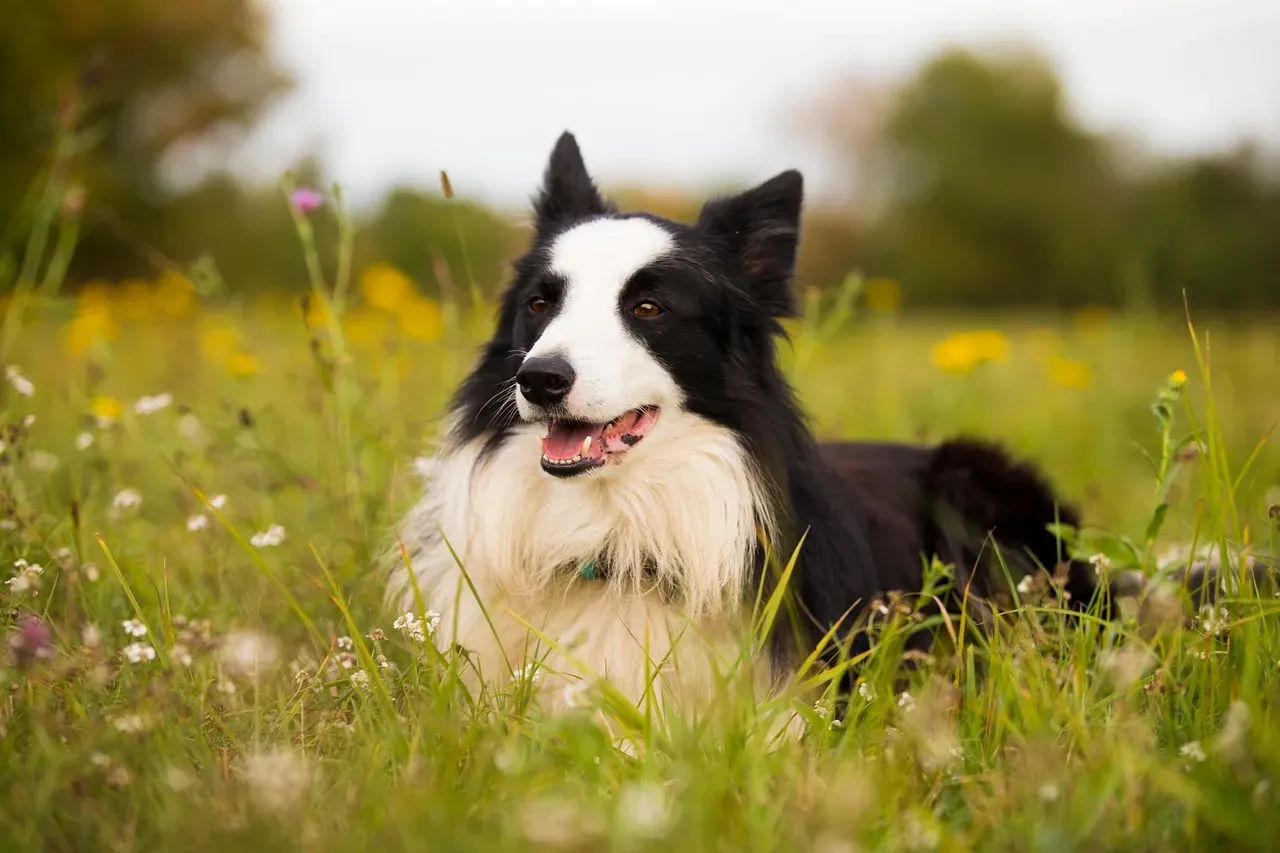
Border Collies are the most intelligent dog breed on earth by most behavioral measures, and vets know that intelligence is exactly what makes them a poor fit for the majority of homes requesting them. Intelligence without an outlet isn’t a gift in a dog – it’s a pressure cooker. Border Collies denied adequate mental and physical stimulation develop obsessive behaviors: staring, circling, chasing shadows, herding children with enough force to knock them down. These aren’t quirks. They’re expressions of a mind that was designed for relentless, complex work and isn’t getting it.
Hip dysplasia and epilepsy appear at higher rates in the breed than in many others, and the epilepsy in particular can be difficult to control. But it’s the behavioral reality that vets circle back to most. Working farms, competitive agility circuits, and serious sporting owners can give a Border Collie what it actually needs. Suburban backyards and eight-hour workdays cannot. Vets aren’t saying these dogs are unlovable – many people adore them fiercely. They’re saying the gap between what this breed requires and what most households can realistically provide is wide enough to cause genuine suffering on both sides.
#10 – Siberian Husky
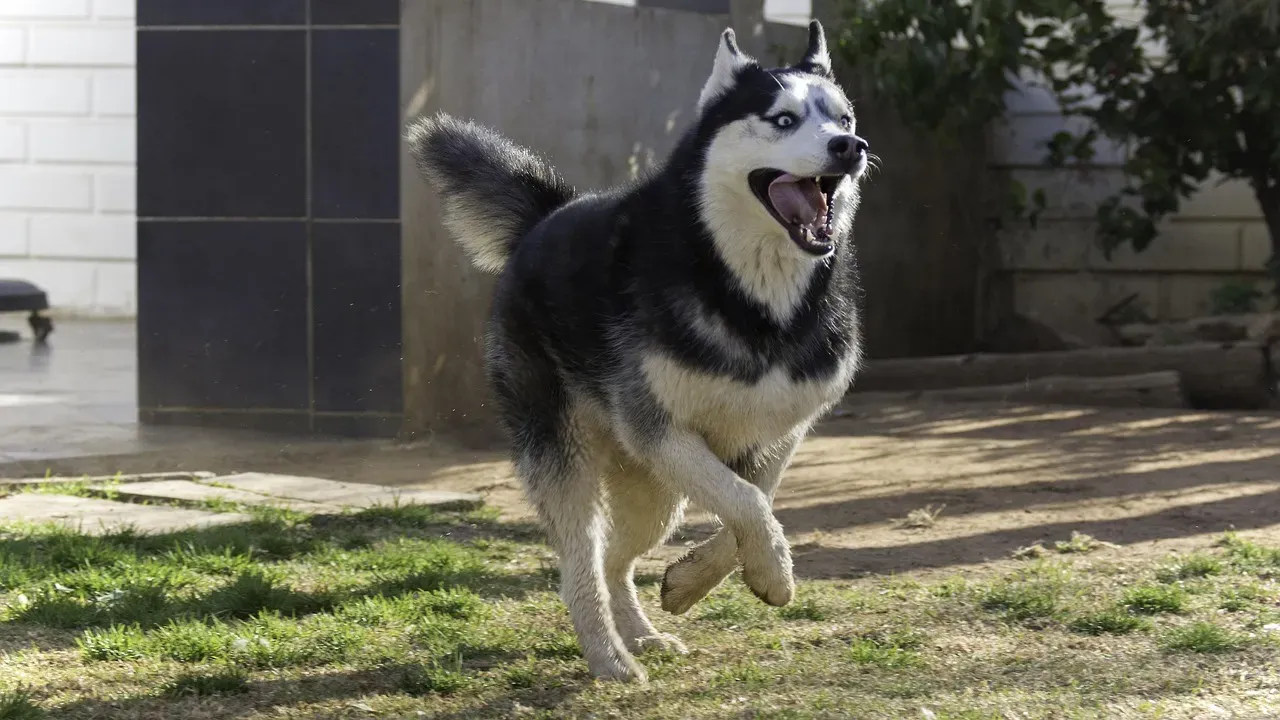
Siberian Huskies are breathtaking animals – the ice-blue eyes, the wolf-like coat, the athletic build. They also have one of the highest surrender rates of any breed, and the reasons are almost always the same: the owner didn’t understand what they were actually getting. Huskies were bred to run fifty miles a day across frozen tundra in a pack. Apartment living with a daily thirty-minute walk isn’t a lifestyle adjustment for this breed – it’s a mismatch that produces a dog that howls for hours, dismantles furniture, and engineers escapes from enclosures that seemed perfectly secure.
Vets point to a cluster of health concerns as well: cataracts and progressive retinal atrophy that can lead to blindness, zinc-responsive dermatosis that causes chronic itching and skin damage, and a coat that sheds so heavily twice a year that owners describe it as a second pet living in the house. The eye conditions in particular require regular screening and, in some cases, intervention. But the more immediate concern most vets raise is the lifestyle incompatibility. A bored Husky isn’t just inconvenient – it’s genuinely distressed. And a distressed Husky in the wrong home eventually becomes a surrendered one.
#11 – Chow Chow
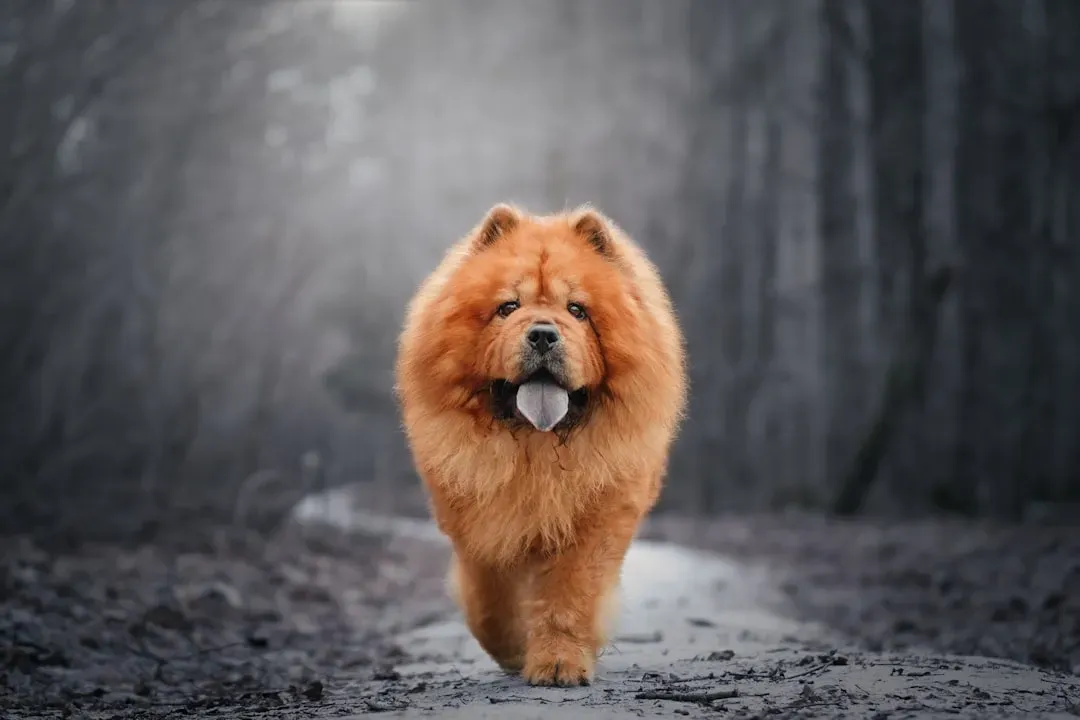
Chow Chows are ancient, dignified, and profoundly independent – and those qualities that make them fascinating to admirers are precisely what makes them difficult for most households to manage safely. Their aloof nature isn’t the same as calmness. It’s closer to a deep distrust of anyone outside their inner circle, which tends to be very small. Territorial aggression is common, and because Chows are large, powerful animals, the consequences of that aggression are not minor. Vets regularly see Chows that have bitten family members, visitors, or other animals – not out of malice, but out of a breed-deep wariness that requires expert, consistent handling from day one.
The health picture layers on top of that. Entropion, hip dysplasia, and a significantly elevated cancer risk make the Chow one of the more expensive breeds to maintain medically. Their dense double coat conceals skin conditions until they’ve already become serious, which means problems that could have been caught early often aren’t. Vets don’t dislike Chow Chows – there’s something genuinely compelling about them. But they’ve also seen enough cases to know that the combination of behavioral complexity and medical vulnerability makes them a poor recommendation for anyone who isn’t already experienced with the breed specifically.
Why It Stands Out: The Hidden Costs Most Owners Don’t See Coming
- Chow Chow: Entropion surgery often required before age 1; cancer risk is among the highest of any breed
- Shar Pei: Kidney failure from amyloidosis can strike in prime years — no cure, no warning test
- Neapolitan Mastiff: Bloat (GDV) can be fatal within hours without emergency surgery
- Akita: Autoimmune conditions require lifelong medication and monitoring
- What these breeds share: Medical costs that most pet insurance policies flag as breed-related pre-existing conditions
#12 – Neapolitan Mastiff
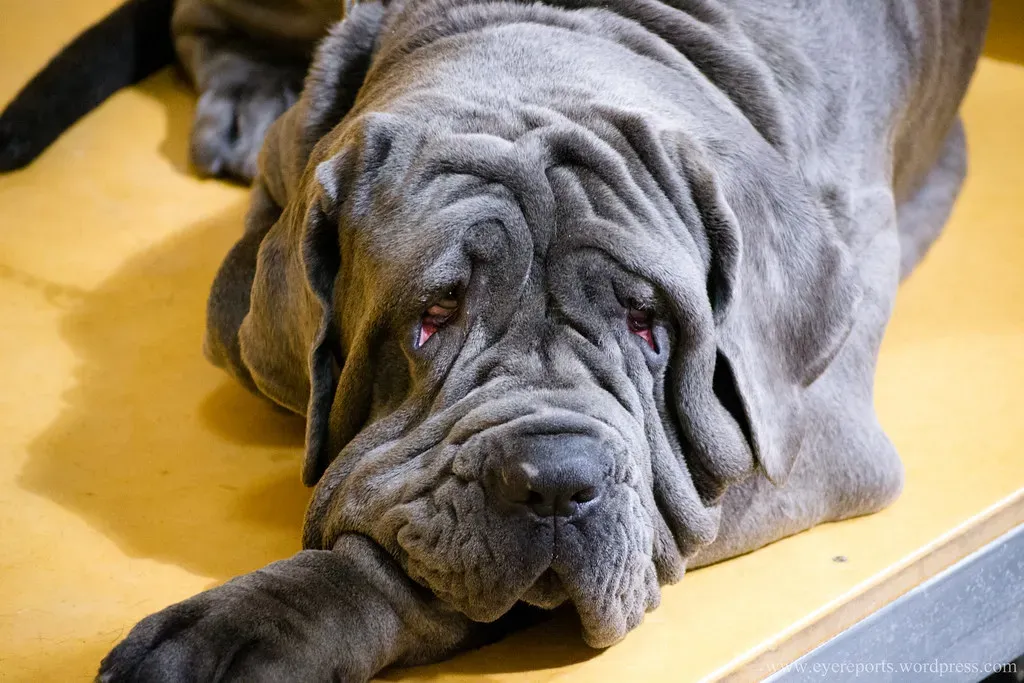
The Neapolitan Mastiff looks like something out of a Roman painting – massive, heavy-boned, draped in loose folds of skin that give it an almost prehistoric gravitas. New owners often describe falling for the breed’s imposing presence and loyal temperament. What they don’t fully anticipate is that every one of those beautiful skin folds needs to be cleaned, dried, and inspected regularly to prevent the bacterial and fungal infections that breed inside them. Neglect that routine for a week and you’re already behind. Neglect it longer and you have a dog in real discomfort.
Beyond the skin, the Neapolitan Mastiff carries the full suite of giant-breed burdens: hip and elbow dysplasia that can be crippling, entropion that requires surgical correction, and a deep chest that makes gastric dilatation-volvulus – bloat – a constant risk. Bloat can kill a dog in hours if surgery isn’t performed immediately. The breed’s lifespan is short even by giant-breed standards, and the veterinary costs across that lifespan are high. Vets who are honest about this breed will tell you the experience of owning one can be profound – and that walking into it without clear eyes about what’s coming is one of the most common mistakes they see.
[article_quiz]#13 – Akita
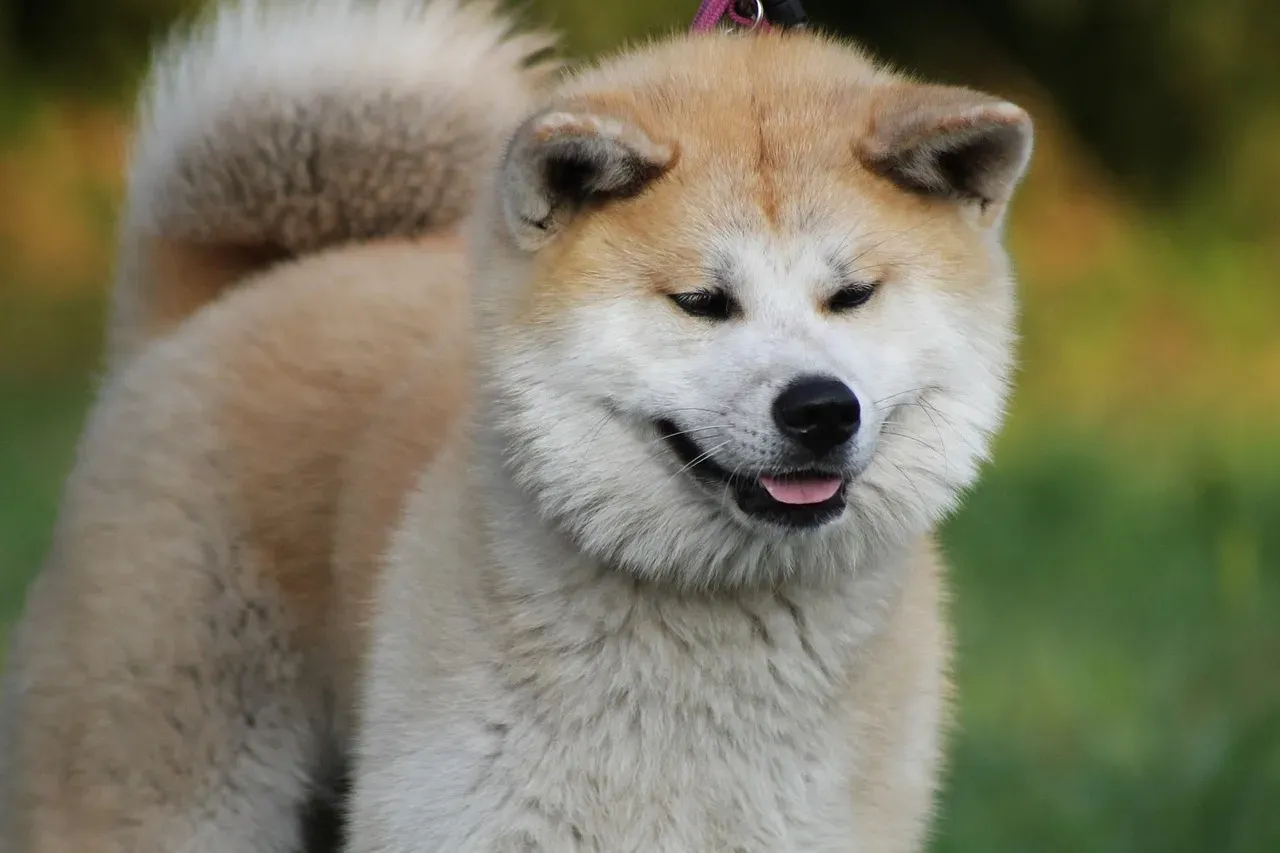
Akitas carry an almost mythological reputation in Japan – symbols of loyalty, health, and good fortune. The reality that vets encounter is more complicated. Akitas are powerfully built, deeply loyal to their family unit, and profoundly suspicious of everyone outside it. That combination requires an owner with genuine experience in working with dominant, protective breeds. In the wrong hands, an Akita’s instincts don’t just lead to behavioral problems – they lead to serious incidents that end with the dog being surrendered or worse.
On the medical side, Akitas are prone to autoimmune conditions including hypothyroidism, sebaceous adenitis, and immune-mediated diseases that require lifelong monitoring and medication. Their thick double coat hides skin issues that can become severe before owners notice anything is wrong. Multi-pet households are frequently incompatible with the breed – Akitas often don’t tolerate other dogs and can be predatory toward smaller animals. Vets don’t turn away clients who already own Akitas – they care for every patient who walks through the door. But when an owner asks whether they should get one, the honest answer, more often than not, is a careful and compassionate no.
There’s a pattern running through every breed on this list that’s hard to ignore once you see it: most of these problems were created by us. Flatter faces, more extreme wrinkles, lower hindquarters, longer backs – nearly every red flag on this list traces back to a physical trait that humans selected for because it looked a certain way, with little thought given to what it would feel like to live inside that body. Vets aren’t anti-breed. They’re pro-dog. And what they see daily – the chronic pain, the emergency surgeries, the owners sobbing at reception desks – is the downstream cost of decisions made generations before that dog was ever born. If a vet hesitates when you name the breed you want, it’s worth asking why. The answer will probably surprise you.
