

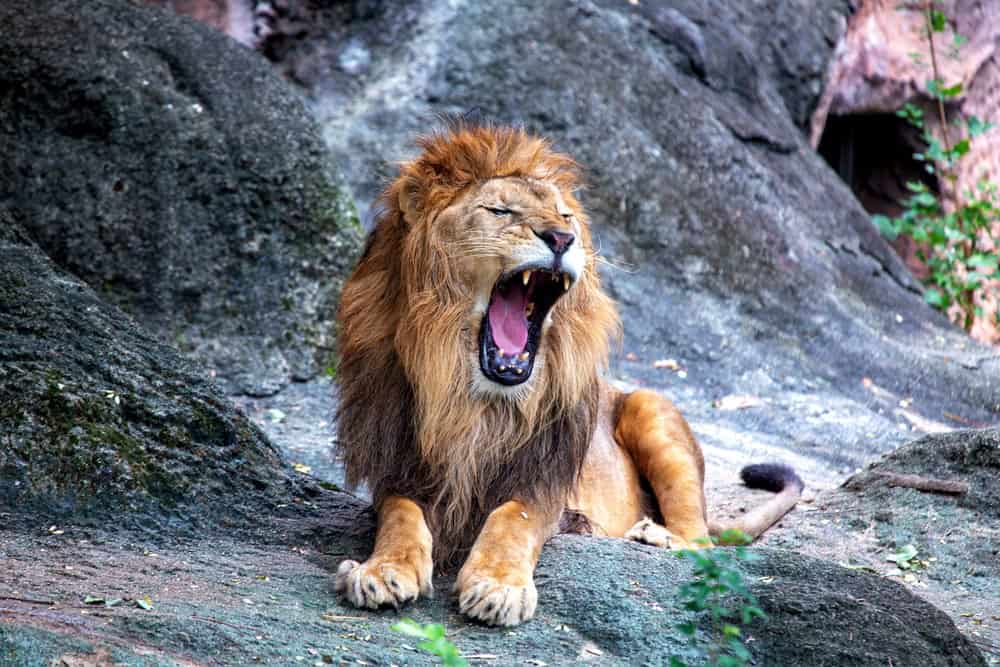
In the savannas of southern Africa, a remarkable conservation effort is underway. Teams of dedicated scientists are working tirelessly to reverse decades of lion population decline through ambitious rewilding programs. These pioneering conservationists combine cutting-edge science with traditional knowledge to restore apex predators to their rightful place in the ecosystem. Their work not only aims to protect a magnificent species from extinction but also to restore balance to fragile ecosystems. From tracking collars and genetic research to community engagement and habitat protection, these scientists are writing a new chapter in conservation history. Let’s meet the remarkable individuals behind these lion rewilding initiatives and discover how their groundbreaking work is changing the future of wildlife conservation in southern Africa.
The Critical State of Lion Conservation

African lion populations have experienced a devastating decline over the past century. Once roaming freely across much of the continent, these magnificent predators have disappeared from approximately 90% of their historic range. Current estimates suggest fewer than 25,000 lions remain in the wild, with southern African populations facing particularly severe pressures. In countries like Mozambique, Angola, and parts of South Africa, lions have been entirely eliminated from many regions they once dominated.
This precipitous decline stems from a complex web of threats. Habitat loss through agricultural expansion has fragmented lion territories, while human-wildlife conflict often results in retaliatory killings when lions prey on livestock. Poaching, both targeted at lions and affecting their prey species, further destabilizes populations. Trophy hunting, though regulated in some areas, has sometimes targeted prime breeding males, disrupting pride structures. Climate change adds additional pressure, altering habitats and prey availability in unpredictable ways.
Without intervention, many scientists believe lions could face extinction in the wild within several decades—a catastrophic loss both ecologically and culturally. It is against this backdrop that rewilding scientists are launching their ambitious conservation initiatives, recognizing that time is running out to save this iconic species.
Dr. Craig Packer: Pioneer of Lion Research
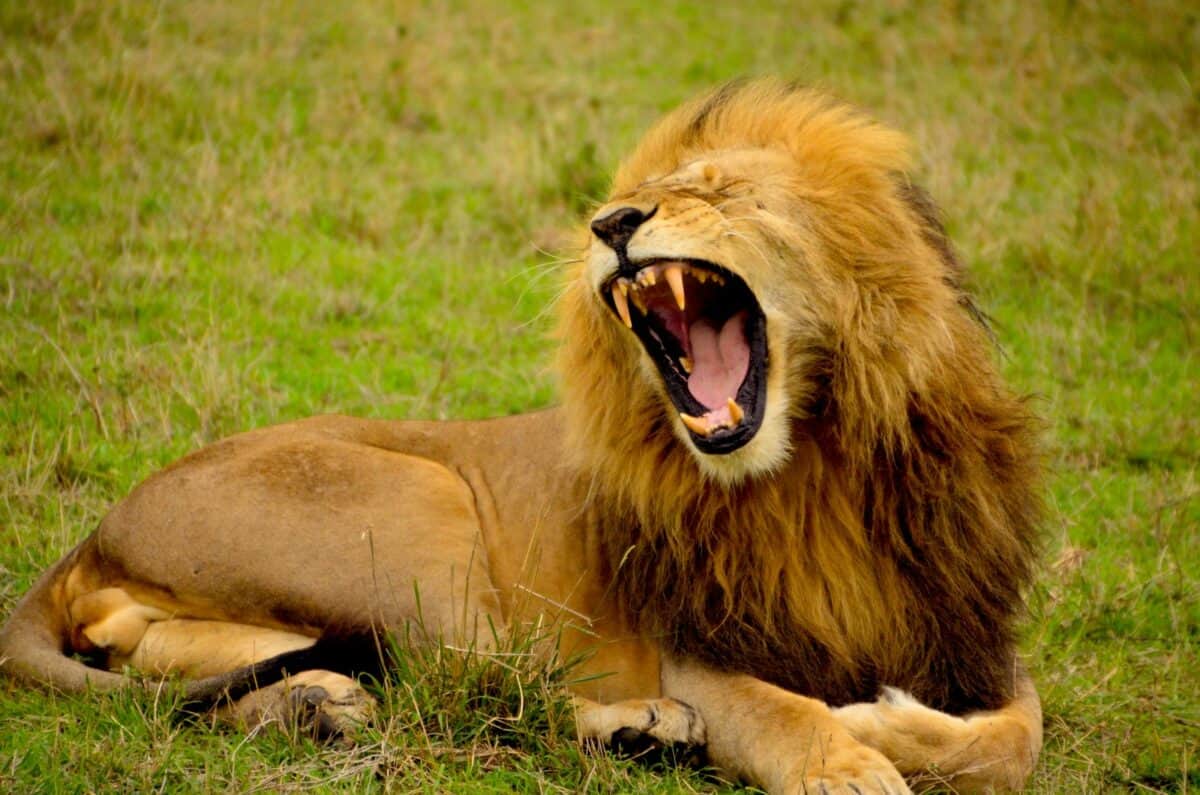
Among the most influential figures in lion conservation is Dr. Craig Packer, who has dedicated over 40 years to studying lions in Tanzania’s Serengeti ecosystem. Though his primary research site lies in East Africa, his methodologies and insights have profoundly shaped rewilding efforts throughout southern Africa. As director of the Lion Research Center at the University of Minnesota, Packer has trained countless southern African scientists who now lead rewilding programs across the region.
Packer’s groundbreaking work on lion social structures, reproductive strategies, and population dynamics created the scientific foundation upon which modern rewilding initiatives are built. His longitudinal studies revealed how pride composition affects territory maintenance and cub survival—critical knowledge for scientists attempting to establish new lion populations. Packer was among the first to document how trophy hunting disrupts pride dynamics, leading to increased infanticide and population instability.
In recent years, Packer has become directly involved in southern African rewilding efforts, serving as a scientific advisor to programs in Mozambique’s Gorongosa National Park and South Africa’s Phinda Private Game Reserve. His emphasis on evidence-based conservation strategies—carefully monitoring outcomes and adjusting approaches based on data—has transformed how rewilding projects are designed and implemented throughout the region.
The Lindsey-Funston Team: Reshaping Mozambique’s Lion Future
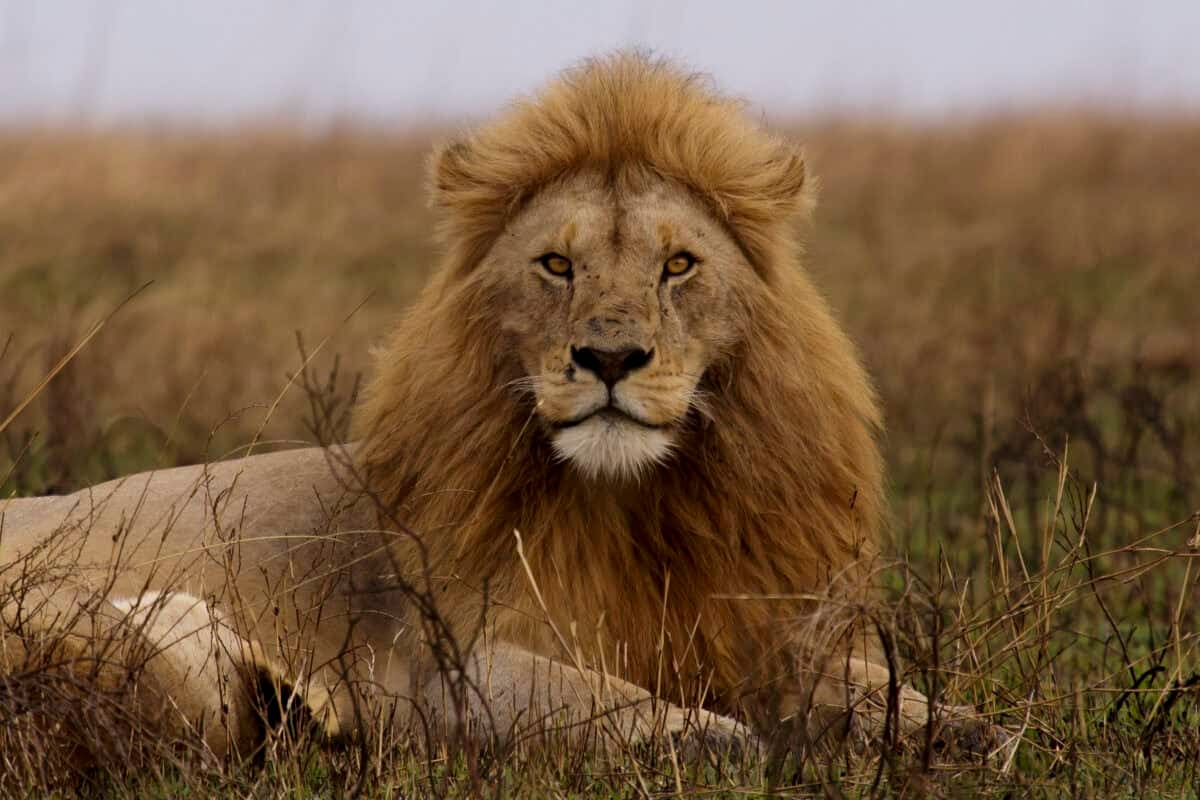
The husband-and-wife team of Dr. Peter Lindsey and Dr. Kim Young-Funston has emerged as a powerhouse in Mozambican lion conservation. Based primarily in Limpopo National Park and the Greater Lebombo Conservancy, their work focuses on restoring lions to landscapes where they were eliminated during Mozambique’s civil war (1977-1992). Their approach combines rigorous science with practical conservation solutions and deep community engagement.
Lindsey, with his background in predator ecology and conservation economics, focuses on securing habitat and developing sustainable funding models for long-term lion conservation. His research on the economic value of lion tourism has helped convince government officials that protecting lions delivers tangible benefits. Young-Funston, a veterinarian and ecologist, specializes in lion health monitoring, translocation protocols, and genetic management of small populations.
Together, they’ve pioneered innovative techniques for lion reintroductions in Mozambique. Their carefully phased approach begins with extensive preparation of release sites, including prey restoration and anti-poaching measures, followed by the introduction of young lionesses who establish territories before males are introduced. This method has significantly improved pride formation and reproductive success compared to earlier rewilding attempts. Since 2018, their projects have established three new breeding prides in areas where lions had been absent for decades, with over 30 cubs born to reintroduced lions.
Dr. Sam Ferreira: South Africa’s Lion Recovery Architect
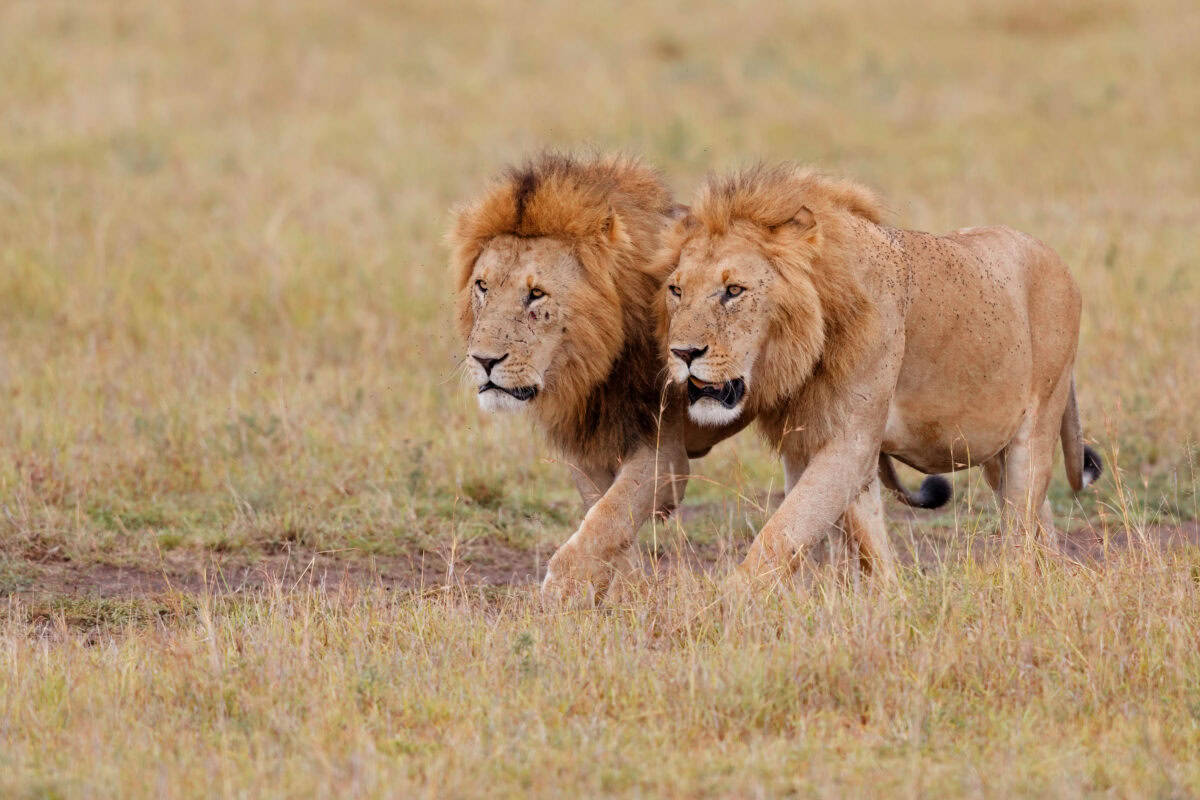
As the large mammal ecologist for South African National Parks (SANParks), Dr. Sam Ferreira has been instrumental in reshaping lion conservation across South Africa’s protected area network. His scientific leadership has transformed how lion populations are managed and restored across the country, with particular focus on establishing new populations in recently proclaimed or expanded parks.
Ferreira’s data-driven approach centers on understanding carrying capacity and genetic diversity in lion populations. His team has developed sophisticated models to determine how many lions each ecosystem can sustainably support and to guide translocation decisions. Under his direction, SANParks has implemented a metapopulation management strategy, treating separated lion populations as a single genetic unit through carefully planned translocations that mimic natural dispersal.
His most ambitious project has been the reintroduction of lions to Karoo National Park in 2010, marking the return of these apex predators to the region after an absence of approximately 170 years. Ferreira designed this reintroduction with meticulous attention to detail, selecting founding lions from genetically diverse sources and implementing intensive monitoring protocols. The project’s success—the population has grown from an initial five lions to over 25—has become a model for other rewilding initiatives. Ferreira is currently developing plans for lion reintroductions to several additional South African parks, including Mokala National Park and parts of Garden Route National Park.
The Panthera Team: Connectivity Conservation

The global wild cat conservation organization Panthera has assembled an elite team of scientists focused on one of the most challenging aspects of lion rewilding: maintaining connectivity between isolated populations. Led by Dr. Paul Funston (no relation to Dr. Young-Funston) and Dr. Lilian Painter in southern Africa, Panthera’s lion program works across national boundaries to establish and protect wildlife corridors that allow lions to move between protected areas.
This scientific team has pioneered the use of sophisticated GPS collaring and genetic analysis to understand lion movement patterns and identify critical corridors. Their research has revealed previously unknown lion dispersal routes, including a remarkable corridor connecting Botswana’s Okavango Delta with Angola’s Cuando Cubango Province—a pathway lions are naturally using to recolonize parts of Angola where they were extirpated during decades of civil war.
Panthera’s scientists have developed a standardized “corridor viability assessment” methodology now used throughout southern Africa to identify and protect these crucial habitat linkages. The team has secured protection for over 10,000 square kilometers of corridor habitat since 2016. Their most ambitious initiative, the Kavango-Zambezi Transfrontier Conservation Area (KAZA) lion project, spans five countries and aims to secure the future of approximately 30% of Africa’s remaining wild lions through coordinated conservation actions. Through sophisticated modeling, they’ve identified precisely which corridors must be protected to maintain genetic connectivity across this vast landscape.
Dr. Laly Lichtenfeld: Community-Based Conservation Pioneer

Dr. Laly Lichtenfeld has revolutionized the human dimensions of lion rewilding through her work with the African People & Wildlife organization. Operating primarily in Tanzania but with expanding programs in Namibia and Zimbabwe, Lichtenfeld has demonstrated that effective lion conservation must address the needs and concerns of local communities who share landscapes with these predators.
Trained as a lion ecologist, Lichtenfeld’s research revealed that most lion mortality in southern Africa occurs outside protected areas when lions prey on livestock. Rather than focusing solely on lion biology, she developed innovative programs to prevent human-lion conflict. Her “Living Walls” initiative—predator-proof livestock enclosures made from living thorny trees—has reduced night-time predation by over 90% in participating communities.
Lichtenfeld’s scientific contribution extends beyond technical solutions. Her longitudinal research demonstrates that when rural communities experience tangible benefits from conservation and gain effective tools to protect their livelihoods, their tolerance for living alongside lions dramatically increases. Communities that once killed lions now actively protect them. Her data show that where her programs operate, retaliatory lion killing has decreased by over 80%. These findings have transformed how rewilding scientists approach community engagement throughout southern Africa, with her methodologies now incorporated into lion reintroduction programs in Malawi, Zambia, and Mozambique.
The Technology Revolutionizing Lion Rewilding

The scientists leading lion rewilding initiatives in southern Africa are deploying an increasingly sophisticated technological toolkit that would have seemed like science fiction just a decade ago. GPS collars remain essential but have evolved dramatically, with the latest versions incorporating accelerometers that record fine-scale movement patterns and proximity sensors that detect interactions between pride members. These advanced collars transmit data through satellite uplinks, allowing scientists to monitor lions in real-time from anywhere in the world.
DNA analysis has become increasingly central to rewilding science. Researchers collect genetic samples from all reintroduced lions and many wild populations, creating comprehensive genetic databases. This information guides breeding decisions to maximize genetic diversity and resilience. The African Lion Genetic Database, maintained by the University of Pretoria, now contains profiles of over 2,000 lions from throughout southern Africa.
Perhaps most revolutionary is the integration of artificial intelligence into lion monitoring. Camera trap networks equipped with AI can identify individual lions by their whisker patterns and facial markings, generating population estimates without the need for collaring every animal. Some rewilding projects are experimenting with drone-based monitoring, using thermal imaging to locate lions in dense vegetation or at night. The WildTrack organization has even developed a footprint identification technique (FIT) that uses AI to identify individual lions from their tracks, allowing non-invasive monitoring in areas where technology is limited.
The Rewilding Process: Science in Action

Lion rewilding is a complex, multiphase process that has been refined through decades of scientific trial and error. Modern protocols, developed by the scientific teams profiled above, follow a carefully structured approach that maximizes success rates. The process typically begins years before any lions are moved, with intensive habitat preparation including prey reintroductions, anti-poaching measures, and infrastructure development.
The selection of founder lions involves detailed genetic analysis to ensure appropriate diversity. Scientists typically choose subadult lions (2-4 years old) from different source populations, avoiding animals habituated to humans or livestock. Prior to translocation, lions undergo comprehensive health assessments and are fitted with tracking collars. The actual move is meticulously planned, with veterinarians monitoring vital signs throughout the journey.
Upon arrival at the release site, lions typically spend 6-8 weeks in specialized acclimatization enclosures—large fenced areas within their new habitat. This soft-release approach allows them to adjust to local conditions while remaining under close observation. Most protocols now recommend releasing females first, allowing them to establish territories before introducing males. After release, intensive monitoring continues for at least three years, with teams tracking movements, hunting success, pride formation, and reproductive activity. The scientific data gathered throughout this process feeds directly back into improving future reintroductions, creating a continuous cycle of learning and refinement.
Success Stories: Rewilding Triumphs
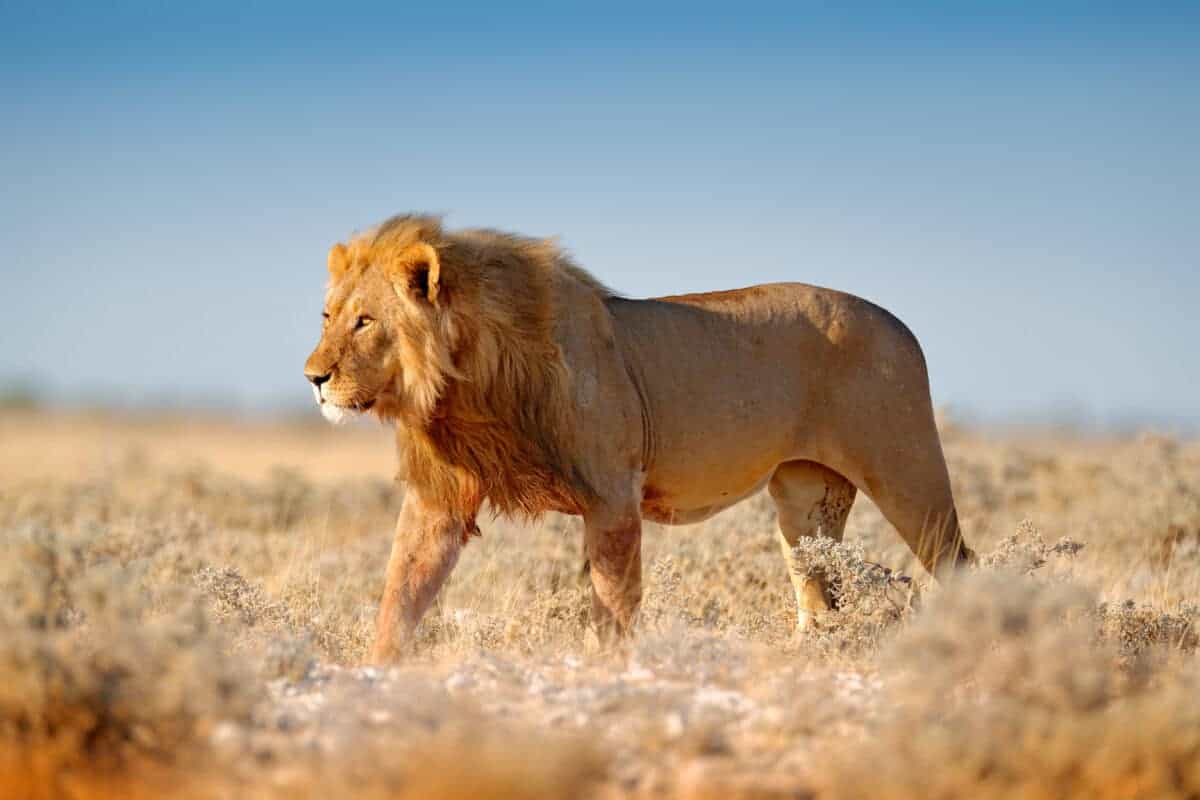
The scientific approach to lion rewilding has produced several remarkable success stories across southern Africa. Perhaps the most dramatic is the restoration of lions to Malawi’s Majete Wildlife Reserve, where scientists from African Parks reintroduced lions in 2012 after a 30-year absence. Starting with just seven founders, the population now numbers over 30 and has expanded into neighboring Liwonde National Park, where natural reproduction is now occurring.
In Rwanda’s Akagera National Park, a scientific team led by Drew Bantlin reintroduced lions in 2015 after they had been extirpated during the 1990s genocide. Careful selection of founder animals and intensive monitoring has resulted in a thriving population that grew from seven to over 40 lions in just seven years, with the predators now fulfilling their ecological role in regulating ungulate populations.
South Africa’s Phinda Private Game Reserve demonstrates the long-term success possible through scientific rewilding. Lions were reintroduced in 1992 as part of the reserve’s restoration from farmland. Researchers have documented how this population has flourished while catalyzing ecosystem recovery. Long-term studies show increased vegetation diversity and improved prey population health since the lions’ return. The Phinda population has been so successful that it now serves as a source for other reintroduction programs, with descendants of the original reintroduced lions now establishing new populations in Mozambique and Swaziland.
Challenges and Scientific Solutions
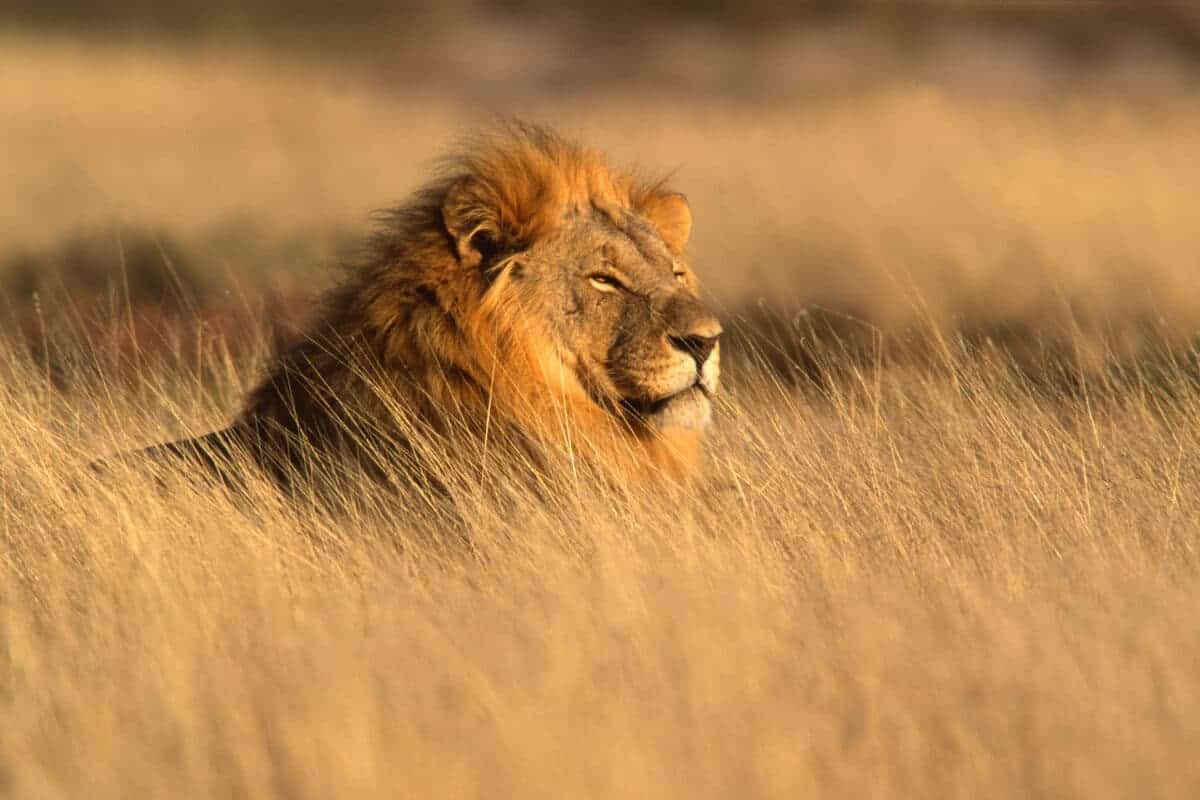
Despite impressive successes, lion rewilding scientists face persistent challenges that require innovative solutions. Disease management represents a significant concern, particularly canine distemper virus (CDV) and bovine tuberculosis, both of which can devastate lion populations. Researchers have developed comprehensive disease screening protocols for all translocated lions and are experimenting with vaccination programs in some reintroduced populations.
Human-lion conflict remains perhaps the greatest threat to rewilding success. Scientists have responded with increasingly sophisticated conflict mitigation strategies. In addition to the “Living Walls” approach pioneered by Lichtenfeld, researchers are testing various early-warning systems that alert communities when collared lions approach livestock areas. The most promising involve automated text message alerts sent to herders when GPS-collared lions cross virtual boundaries.
Genetic management of small, isolated lion populations presents another scientific challenge. With limited founder animals, inbreeding depression can threaten long-term viability. Conservation geneticists are addressing this through careful planning of periodic translocations to mimic natural gene flow. In some cases, scientists have developed “genetic rescue” interventions, introducing new breeding males to populations showing signs of inbreeding. The Lion Management Forum, a collective of southern African scientists, has established standardized genetic monitoring protocols now implemented across most rewilding projects.
The Future of Lion Restoration Science
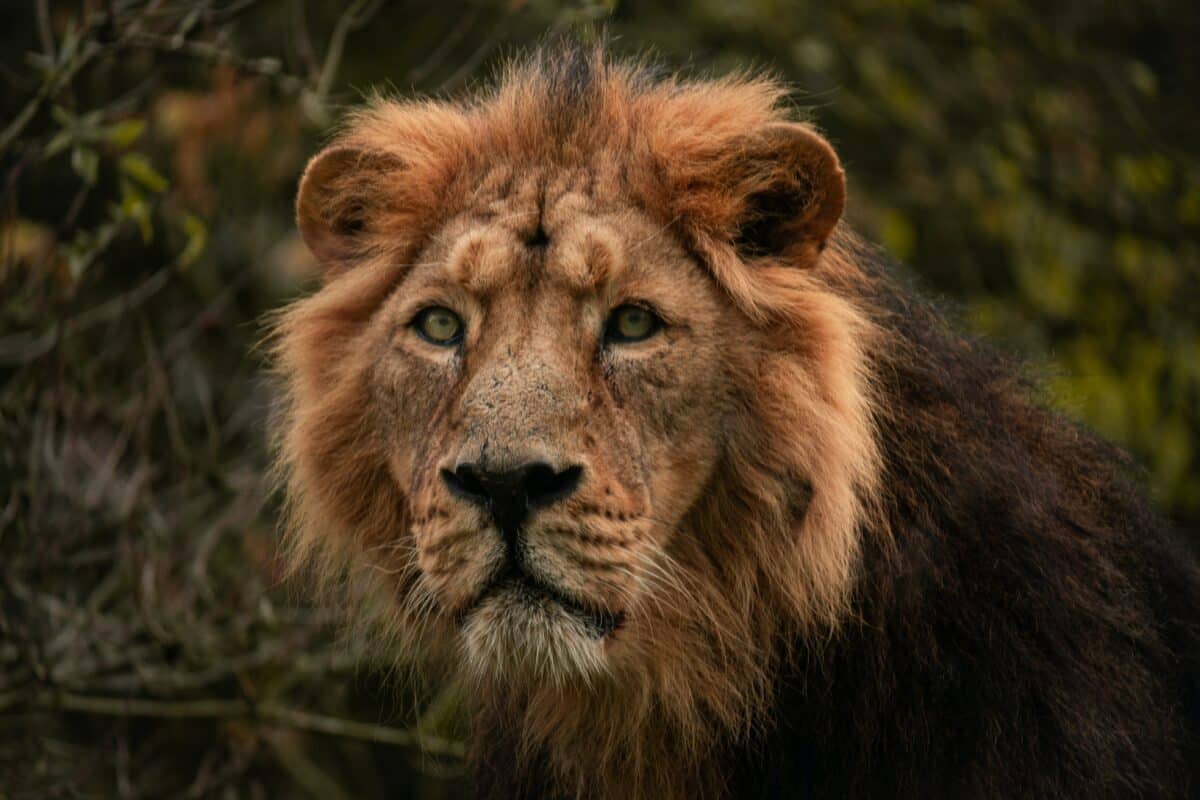
As rewilding scientists look to the future, several promising directions are emerging that could transform lion conservation. Researchers at the University of Pretoria’s Mammal Research Institute are developing assisted reproductive technologies specifically for lions, including artificial insemination and embryo transfer. These techniques could eventually allow genetic exchange between isolated populations without the risks and costs of physical translocation.
Climate change adaptation represents another frontier. Scientists are modeling how changing rainfall patterns will affect prey distribution and habitat suitability for lions across southern Africa. This research is already influencing the selection of rewilding sites, with increasing focus on areas predicted to remain suitable for lions as climates shift. Some projects are proactively creating artificial water sources and drought-resistant prey management plans to increase resilience.
Perhaps most exciting is the emergence of “rewilding ecology” as a distinct scientific discipline. Universities across southern Africa, including the University of Cape Town and University of the Witwatersrand, have established dedicated programs studying the ecosystem-wide effects of apex predator restoration. This research examines how returning lions triggers cascading effects throughout food webs, potentially restoring natural processes and increasing ecosystem resilience. Early findings suggest that successful lion rewilding benefits hundreds of other species by regulating herbivore populations and behaviors, with positive effects extending even to soil carbon sequestration and water quality.
Conclusion: The Legacy and Impact of Lion Rewilding Scientists
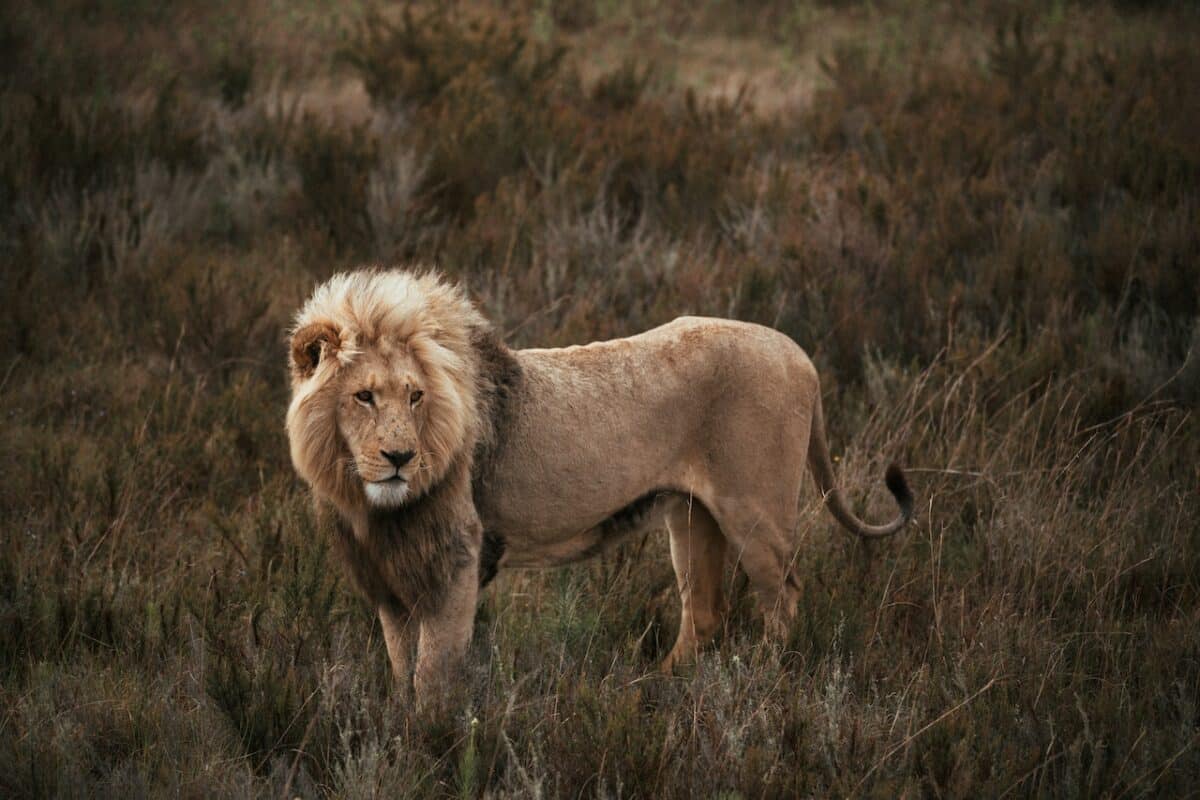
The dedicated scientists working to rewild lions across southern Africa represent the cutting edge of conservation biology in action. Their tireless efforts have not only prevented the extinction of lions in numerous regions but have pioneered methodologies that are transforming wildlife conservation globally. By combining rigorous science with practical solutions, these researchers have demonstrated that even highly threatened large carnivores can be successfully restored to landscapes where they once disappeared. Their work extends far beyond saving a single species, as the return of lions helps restore ecological processes that benefit entire ecosystems. Perhaps most importantly, these scientists have shown that conservation success depends on meaningful partnership with local communities, creating models where people and predators can coexist.

From exploring the marine wonders in the Azores and witnessing the vast savannas of Kenya, to delving deep into the rich biodiversity of South Africa and traversing iconic landscapes in Australia and the US like Yellowstone, Chris's experiences are vast.
With a penchant for diving alongside sharks, the ocean holds a special place in his heart.
Through his academic insights, he champions wildlife conservation, striving with 'Animals Around The Globe' to cultivate a profound connection between humans and animals, enhancing our mutual appreciation.
Connect with him at Feedback@animalsaroundtheglobe.com.
- Heroic Animals of WWI and WWII You’ve Never Heard Of - July 27, 2026
- The Animal That Smells the Best From the Furthest Away - July 27, 2026
- 6 Dog Breeds That Are The Most Disciplined (And 5 That Are Totally Freewheeling) - July 27, 2026
Leave a comment
You must be logged in to post a comment.