


On May 1, 2025, Michigan Senators John Cherry (D-Flint) and Jon Bumstead (R-North Muskegon) introduced a bipartisan legislative package that would raise hunting and fishing license fees for the first time since 2014. The proposal, outlined in Senate Bills 0276 and 0277, aims to provide the Michigan Department of Natural Resources (DNR) with the sustainable funding to manage wildlife habitats, maintain public lands, and enforce regulations.
The bills have already been referred to the Committee on Appropriations, where they’re expected to draw attention from both conservation groups and outdoor sports enthusiasts.
What the License Fee Increase Would Cover

The legislation would place a $5 surcharge on base, combination, and all-species fishing licenses. These additional funds would directly support several critical programs, including:
- Hunters Feeding Michigan, which donates wild game meat to local food banks
- A new education recruitment fund aimed at encouraging youth and new participants to explore hunting and fishing
- Infrastructure upgrades to boat launches, trails, and public access points
Furthermore, all license fees would be indexed to the Consumer Price Index (CPI), allowing for automatic adjustments that account for inflation in the future. This avoids the need for legislative action every time operational costs rise.
Modernizing Wildlife Management
Beyond the fee increase, the legislative package also proposes modernizing the state’s outdated deer licensing system. This could involve streamlined digital access, clearer tagging systems, and improved data collection, which would help wildlife biologists better track population health and trends.
Senators Cherry and Bumstead said the reform package was developed in collaboration with hunters, anglers, and conservationists. They emphasized that it reflects grassroots concerns about deteriorating infrastructure, underfunded wildlife programs, and the growing cost of maintaining Michigan’s vast outdoor recreation economy.
Reactions From the Outdoor Community
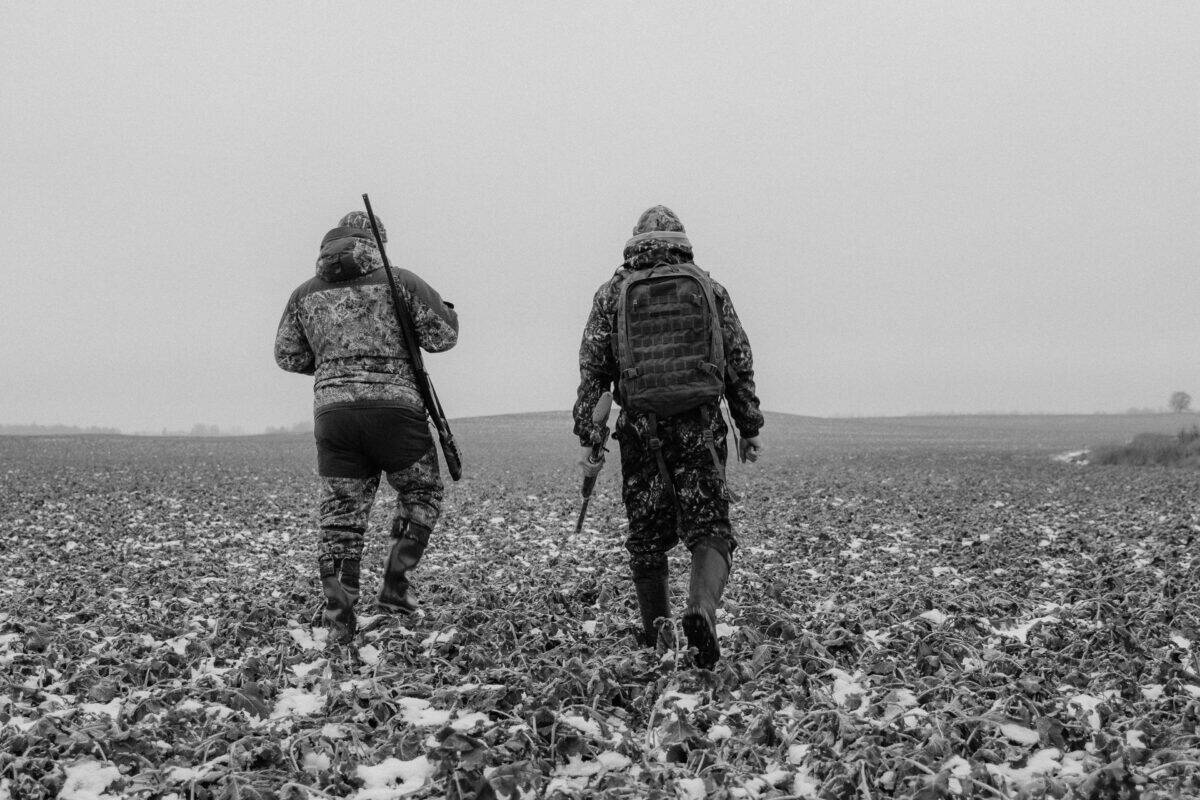
The response from the public has been largely positive among conservation-minded groups. Many hunters and anglers recognize that their license fees directly support the lands and resources they enjoy. Still, some are wary of price increases without clear accountability for spending the funds.
According to the DNR, nearly 1.8 million people purchased hunting or fishing licenses in Michigan last year. These activities contribute billions to the state’s economy each year, and keeping those traditions alive means investing in access, safety, and environmental stewardship.

- Texas Ranchers Injured and Horses Killed in Aggressive Bee Attack - July 19, 2026
- Cougar Attack on Cyclists Shakes Washington Wilderness - July 19, 2026
- Snake Found in Arizona Toilet Shocks Homeowner - July 19, 2026