

In a phenomenon that has marine biologists scratching their heads, thousands of sea turtles across multiple species have recently begun migrating in patterns never before documented in scientific literature. These ancient marine reptiles, whose migration routes have remained largely unchanged for millions of years, are suddenly altering their courses, arriving at unexpected locations, and demonstrating behaviors that contradict decades of established research. Scientists around the world are rushing to understand what’s driving this unprecedented shift in one of nature’s most reliable and well-studied migration patterns. The mystery deepens as researchers attempt to determine whether these changes represent a temporary anomaly or signal a permanent adaptation to our rapidly changing planet.
The Unprecedented Nature of the Migration

Marine scientists first noticed abnormalities in sea turtle migration patterns in late 2022, when satellite tracking data revealed that several tagged loggerhead turtles (Caretta caretta) had deviated significantly from their traditional routes in the North Atlantic. By mid-2023, the phenomenon had expanded to include green turtles (Chelonia mydas), leatherbacks (Dermochelys coriacea), and even the critically endangered Kemp’s ridley turtles (Lepidochelys kempii). Dr. Eleanor Montoya from the Global Sea Turtle Conservancy notes, “What makes this situation so extraordinary is not just that one population is behaving differently, but that we’re seeing synchronized changes across species and across oceans. It’s as if they’re all responding to the same signal, which is scientifically fascinating but also deeply concerning.”
Geographical Shifts in Migration Routes
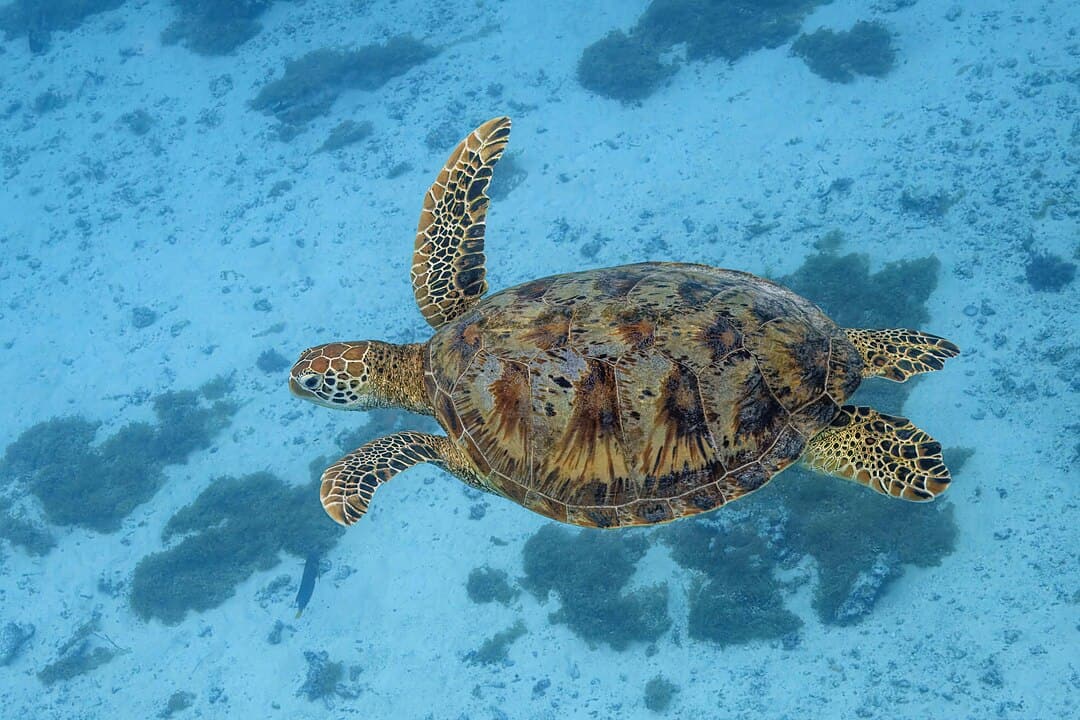
Traditional migration routes for most sea turtle species have been well-documented through decades of tagging programs and satellite tracking. Loggerheads in the North Atlantic typically travel between nesting beaches in Florida and feeding grounds near the Azores, while Pacific leatherbacks regularly migrate between Indonesia and the California coast. However, recent data shows loggerheads appearing as far north as Nova Scotia—hundreds of miles beyond their normal range—and leatherbacks have been documented in significant numbers in the southern Indian Ocean, an area where they were previously rare visitors. Perhaps most puzzling is the appearance of olive ridley turtles (Lepidochelys olivacea) along the Mediterranean coast, a sea they have rarely entered in recorded history. These geographical shifts cannot be explained by simple navigational errors, suggesting a deliberate change in behavior across multiple populations.
Timing Anomalies and Synchronized Movements

Beyond geographical changes, the timing of these migrations has experts concerned. Sea turtles typically migrate and nest at highly predictable times of year, driven by daylight cycles, water temperature, and breeding instincts. The current mass migration is occurring out of traditional seasons, with some populations arriving at nesting beaches months earlier than expected, while others are delaying their journeys significantly. Dr. Hiroshi Tanaka from Tokyo Marine University points to an alarming pattern: “We’re seeing synchronization across populations that should not be communicating with one another. Green turtles in the Caribbean are altering their migration timing in almost exactly the same way as populations in the South China Sea. This suggests they’re responding to some global signal rather than local conditions.”
Potential Environmental Triggers

Scientists are investigating several environmental factors that might explain these behavioral changes. Ocean temperature anomalies top the list of suspects. Recent data from the National Oceanic and Atmospheric Administration (NOAA) shows that global sea surface temperatures reached record highs in 2023, with some regions experiencing temperatures 2-3°C above historical averages. Sea turtles are highly sensitive to temperature, which determines everything from the sex of their offspring to the timing of their migrations. Dr. Maria Sanchez from the Oceanographic Institute of Barcelona suggests, “These animals have evolved precise temperature thresholds that trigger migration behaviors. When those thresholds are reached months early or in unexpected locations due to climate change, their internal biological calendars become scrambled.”
Changing Ocean Currents as a Factor

Ocean currents function as highways for migrating sea turtles, who often ride these natural conveyor belts to conserve energy during their long journeys. Recent research from oceanographers at the Woods Hole Oceanographic Institution has documented significant shifts in major ocean currents, including the Gulf Stream and the North Atlantic Current. Satellite tracking shows many turtles are following these altered currents, potentially explaining some of the geographical anomalies. “We’re witnessing a restructuring of ocean circulation patterns that haven’t significantly changed since we began modern oceanographic measurements,” explains Dr. James Chen, a physical oceanographer. “Sea turtles, which navigate partly by detecting subtle differences in current speed and direction, are essentially following roads that have been rerouted.”
Magnetic Field Disruptions and Navigation Issues

Perhaps the most intriguing hypothesis involves Earth’s magnetic field, which sea turtles use as a primary navigation tool. These reptiles possess magnetoreception abilities that allow them to detect the planet’s geomagnetic field and use it as a biological GPS. Recent geophysical data has shown accelerating movement of the magnetic north pole and localized magnetic anomalies in several ocean regions. Dr. Kenneth Parker, a biophysicist specializing in animal navigation, explains: “The magnetic north pole has been shifting at an accelerated rate—about 55 kilometers per year—creating a situation where the magnetic maps these turtles inherit genetically no longer match reality. It’s as if someone has reprogrammed their internal compasses.” Some researchers believe these magnetic shifts could explain not only the changed routes but also the synchronized nature of the migrations across species and ocean basins.
Food Source Redistribution Theory
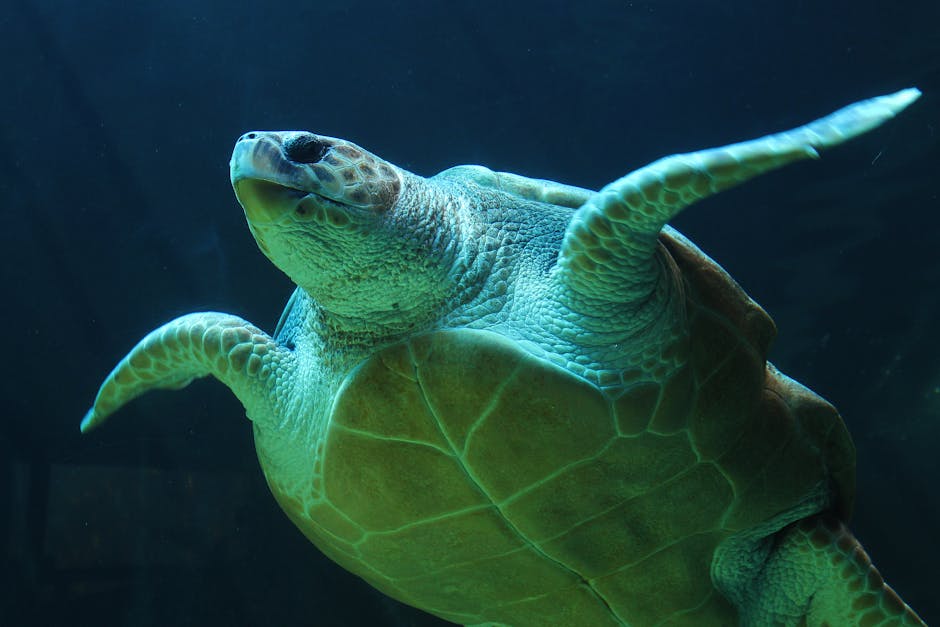
Changes in prey distribution offer another compelling explanation for the altered migration patterns. Sea turtles feed on various marine organisms, from jellyfish to seagrass, depending on the species. Marine ecologists have documented significant shifts in the distribution of these food sources in recent years. Jellyfish blooms are occurring in unprecedented locations, while seagrass meadows are declining in traditional turtle feeding grounds and appearing in new areas. Dr. Sophia Wang from the Marine Biological Laboratory in Massachusetts notes, “We’re tracking massive redistributions of marine biomass in response to changing ocean conditions. Logically, predators like sea turtles would follow their food sources, even if that means abandoning traditional migration routes established over thousands of generations.”
Ecological Consequences of the Migration Shift
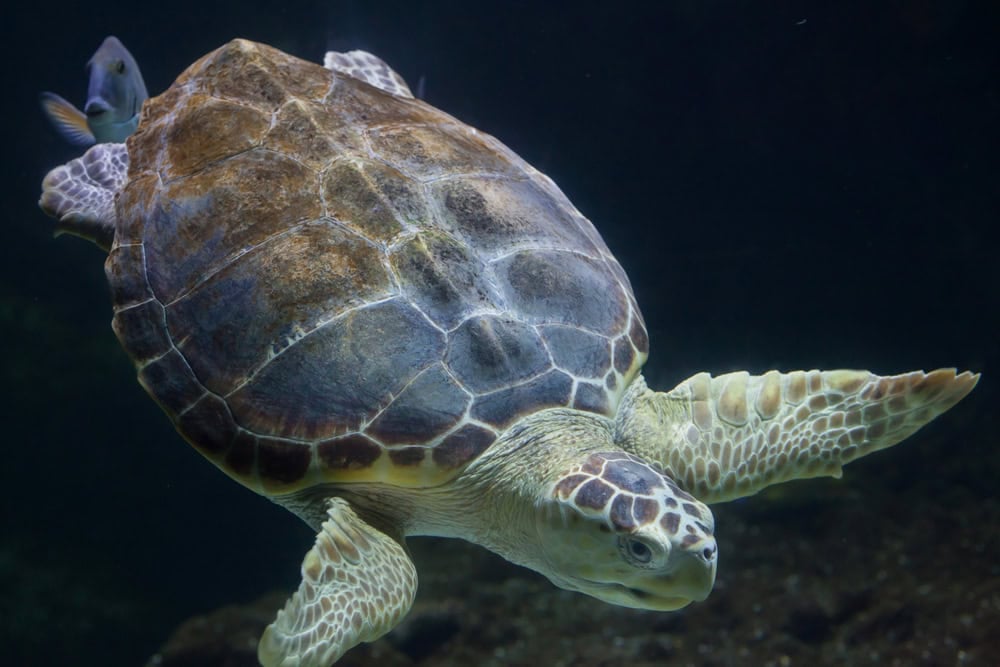
The ecological ramifications of these altered migration patterns extend far beyond the turtles themselves. Sea turtles serve as keystone species in many marine ecosystems—green turtles maintain healthy seagrass beds through grazing, while hawksbills help structure coral reef communities by feeding on sponges. Their unexpected presence in new regions is creating ripple effects throughout marine food webs. In Nova Scotia, where loggerheads have recently appeared in unprecedented numbers, scientists have documented decreasing jellyfish populations and changes in zooplankton communities. Conversely, traditional turtle habitats now experiencing reduced turtle presence are showing signs of ecological imbalance. Seagrass beds in the Caribbean without their usual green turtle grazers are becoming overgrown, while some coral reef sponge species are experiencing population explosions in areas abandoned by hawksbills.
Conservation Challenges and Legal Complications
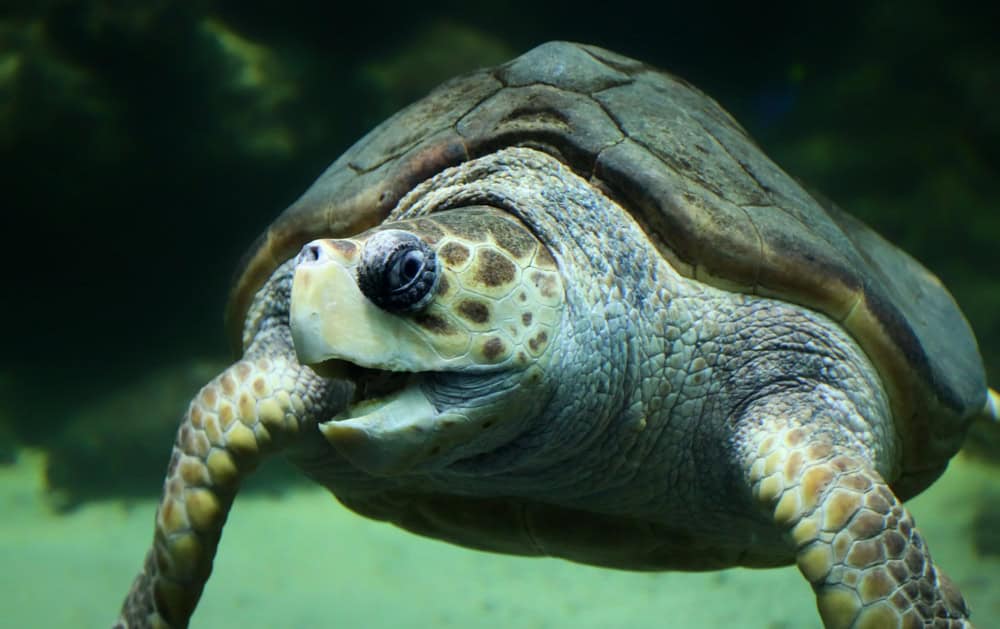
The sudden shift in turtle distributions is creating significant challenges for conservation efforts worldwide. Marine protected areas and sanctuaries designed to safeguard traditional migration routes and nesting beaches may no longer serve their intended purpose if turtles abandon these areas. Additionally, turtles moving into new regions may face unregulated fishing, pollution, and other threats in areas where protective legislation doesn’t exist or isn’t enforced. Complicating matters further are international maritime laws and fishing agreements that didn’t anticipate these species’ presence in new territories. Carlos Diaz, an international environmental law expert, explains the legal quagmire: “When endangered species protected under international agreements suddenly appear in waters where they have no historical presence, it creates jurisdictional confusion. Countries that never needed turtle conservation policies now have endangered species in their territorial waters, and the legal frameworks simply haven’t caught up.”
Technological Innovations in Tracking the Migration

To better understand this unprecedented phenomenon, scientists are deploying cutting-edge technology to track sea turtle movements with greater precision than ever before. Traditional satellite tags are being supplemented with new biologging devices that can measure not only location but also depth, acceleration, heart rate, and even brain activity. Some tags now incorporate environmental sensors that record water temperature, salinity, and even detect the presence of specific prey species through eDNA analysis. The International Sea Turtle Tracking Consortium, a newly formed collaboration of 87 research institutions, has launched a global monitoring network using these advanced tags. “We’re essentially creating a planetary-scale nervous system to monitor these animals in real-time,” explains Dr. Rachel Wilson, the consortium’s director. “The data streaming in allows us to correlate their movements with environmental parameters and potentially identify what’s triggering these behavioral changes.”
Historical Precedents and Evolutionary Implications

While the current migration shifts are unprecedented in modern scientific records, paleontological evidence suggests sea turtles have adapted to dramatic environmental changes throughout their 110-million-year history. During the Pleistocene epoch, sea level fluctuations repeatedly altered coastlines and ocean circulation, forcing turtle populations to adapt their migration routes or face extinction. Dr. Miguel Santos, a paleobiologist studying fossilized sea turtle nesting sites, provides historical context: “What we’re witnessing may be an accelerated version of processes that have occurred multiple times in the evolutionary history of these species. The difference is that previous changes typically occurred over thousands of years, not decades.” Some evolutionary biologists speculate we may be witnessing rapid adaptive evolution in action, with selection favoring turtles that can flexibly respond to changing conditions rather than those that rigidly follow traditional routes.
Predictive Models and Future Scenarios

Using sophisticated computer modeling that combines oceanographic data, climate projections, and sea turtle biology, scientists are attempting to predict how these migration patterns might continue to evolve. Early models suggest we may be experiencing just the beginning of a massive reorganization of marine migration patterns. Three main scenarios have emerged from these simulations. The first predicts a temporary disruption followed by a return to traditional patterns if environmental conditions stabilize. The second forecasts the establishment of entirely new, stable migration routes within 15-20 years as turtle populations adapt to altered ocean conditions. The most concerning model suggests ongoing disruption without stabilization, potentially leading to reproductive failures and population declines as turtles struggle to find suitable nesting and feeding grounds in an increasingly unpredictable ocean environment. Dr. Linda Harrison, who leads the modeling team at the Global Change Biology Institute, cautions: “Our models indicate a 60% probability that these disruptions will intensify before they resolve, with significant implications for sea turtle conservation over the next century.”
Conclusion: Navigating Uncharted Waters
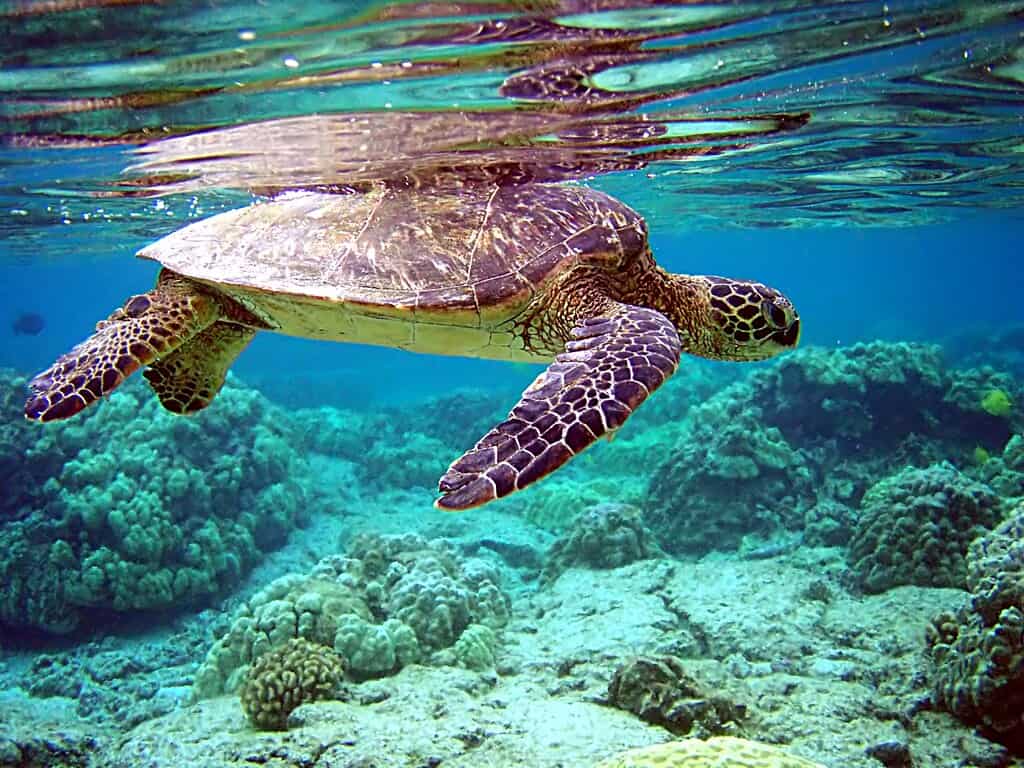
The unexpected mass migration of sea turtles represents both a scientific mystery and an urgent conservation challenge that highlights the far-reaching impacts of global environmental change. As researchers continue to gather data and refine their hypotheses, the situation serves as a powerful reminder of how much remains unknown about marine ecosystems despite decades of study. The ability of these ancient reptiles to adapt to rapidly changing conditions will likely determine their survival in the Anthropocene era, just as it has through previous periods of planetary change. For scientists, conservationists, and policy makers, the current situation demands innovative approaches, international cooperation, and a willingness to reconsider established conservation strategies in light of new realities. As these majestic creatures chart new courses across our changing oceans, they carry with them not only the genetic heritage of an ancient lineage but also vital insights into the health and future of our blue planet.

- The Secret Language of Dolphins Decoded by Researchers - July 20, 2026
- 7 Animals That Can Survive Extreme Environments You Couldn’t - July 20, 2026
- The Longest Snake Ever Found in the U.S. - July 20, 2026