

Few sights in the natural world match the spectacle of a monarch butterfly migration. Millions of orange-and-black wings moving south across the continent, navigating by sunlight and magnetic fields, completing a journey that no single individual ever makes twice. It’s one of the most astonishing feats in the insect world, and it has been quietly unraveling for decades.
Monarch butterfly populations in North America have been in dramatic decline for several decades. The numbers are sobering in both scale and speed. In the 1990s, nearly 700 million monarchs made the epic flight each fall from the northern plains of the U.S. and Canada to the oyamel fir forests north of Mexico City, and more than one million monarchs overwintered in forested groves on the California Coast. Today, that picture looks very different – though as of 2026, there are finally some cautious signs of recovery worth paying attention to.
A Tale of Two Populations: East vs. West
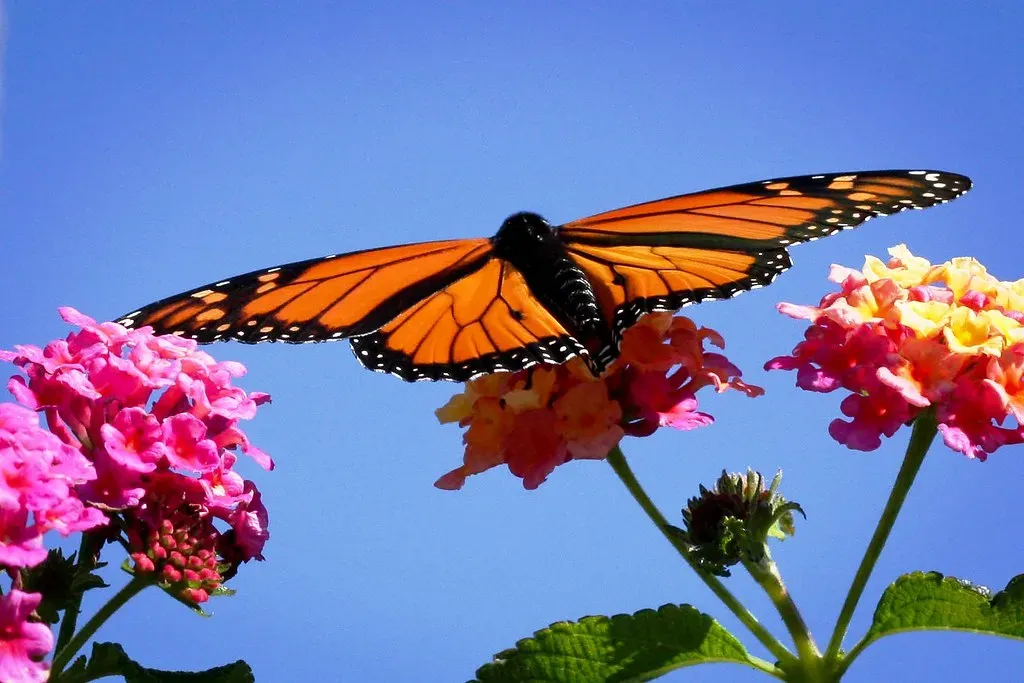
Scientists split migratory monarchs into two populations – western and eastern – depending on which side of the Rocky Mountains they fall on. Both face serious pressures, but they are not in the same condition right now, and that distinction matters enormously for how conservationists approach the problem.
For the eastern monarch population, which primarily overwinters in the oyamel fir forests of central Mexico, recent reports indicate cautious optimism. The 2024-2025 overwintering season saw a significant increase, with monarchs occupying approximately 1.79 hectares, nearly doubling from the previous year’s 0.9 hectares. Over the winter of 2025-2026, monarchs covered 2.93 hectares, which works out to more than 61 million monarchs.
In contrast, the western monarch population, which clusters along California’s coastal groves, faces more concerning trends. Mid-season counts in December 2025 tallied around 8,000 individuals, indicating another low year similar to recent seasons. The 29th annual Western Monarch Count revealed a historically low population for the second year in a row, with approximately 12,260 monarchs recorded overwintering across 249 sites, the third-lowest tally since the count began in 1997.
Eastern monarchs have declined by roughly four-fifths since the 1980s, and the western population by more than nineteen-twentieths, edging them toward extinction. One good season in Mexico doesn’t erase that long arc of loss. Scientists estimate that for long-term survival, eastern monarchs should inhabit at least 6 hectares of oyamel fir forest, which has happened just once in the last decade.
The Threats Behind the Decline

Many factors have contributed to monarch declines, including long-term habitat loss, especially milkweed and nectar plants, along with pressures from climate change, extreme weather, and other human-induced stressors and natural enemies. None of these threats act in isolation. They compound each other across a migration route that spans three countries and thousands of miles.
The monarch’s decline is inextricably linked to a decline in milkweed, the invertebrate’s only caterpillar host plant. Without milkweed, monarchs can’t complete their life cycle and populations plummet. Loss of milkweed from prime migration routes is primarily due to the dramatic increase in the use of herbicide-resistant crops – commonly known as Roundup Ready crops – which are genetically modified to be resistant to glyphosate, a broad-spectrum herbicide that kills everything other than the resistant crop, including milkweed.
Widespread pesticide use, including neonicotinoids, directly impacts larval survival by contaminating milkweed host plants. Additionally, climate change exacerbates these issues through extreme weather events, altered migration patterns, and increased parasite prevalence.
Harsher winters in monarch overwintering sites have caused larger than usual die-offs. Erratic weather may also delay the emergence of milkweed in spring and change the bloom time of flowering plants that provide resources to migrating monarchs. For a species that depends on precise seasonal timing across its entire range, even subtle shifts in climate can break the chain.
The Mystery of the Fall Migration
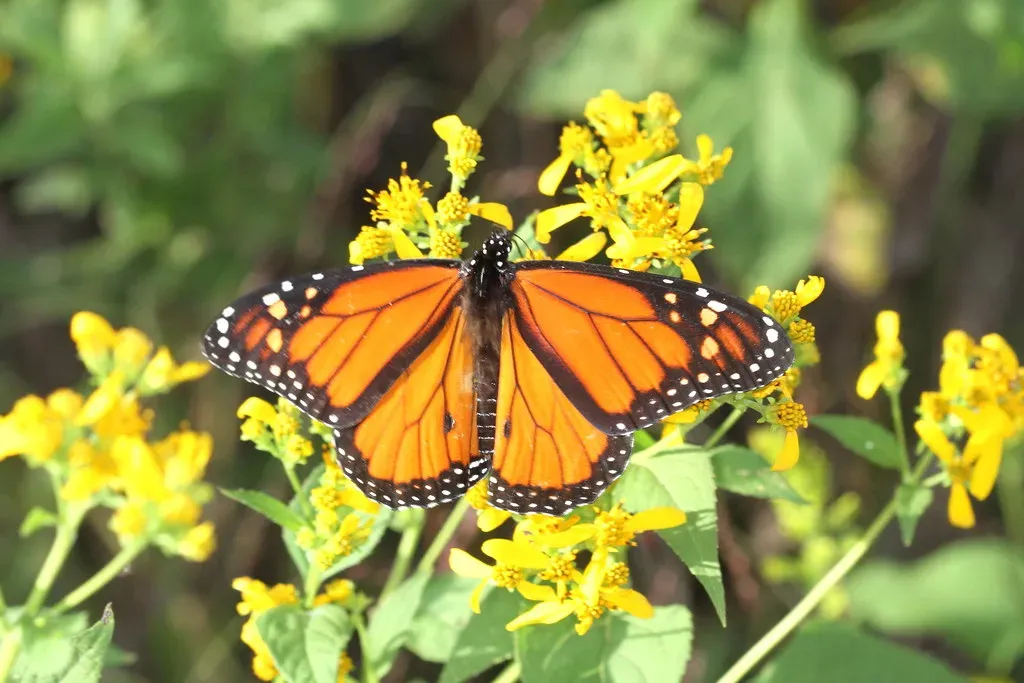
One of the more puzzling aspects of the monarch’s situation is the gap between what scientists observe in summer and what shows up in Mexico each winter. The conservation status of monarch butterflies in North America is a topic of intense scrutiny and debate. It is clear that winter colonies in Mexico are declining, yet some recent studies suggest that summer breeding populations are relatively stable and similar to historical abundances. One possible explanation is that fall migration success has been recently disrupted.
The timing of migration has remained relatively unchanged while the flyway has generally become warmer and greener. Warmer and greener conditions were associated with larger roosts, yet researchers found steady, dramatic declines in roost sizes through time that were independent of climate and landscape factors.
Roost sizes have declined by as much as four-fifths, with losses increasing from north to south along the migration route. These findings suggest that failure during the fall migration could explain the apparent drop in monarch numbers from summer breeding to overwintering populations. It’s a sobering finding that points conservation attention toward the often-overlooked corridor between the breeding grounds and Mexico.
What Conservationists Are Doing About It
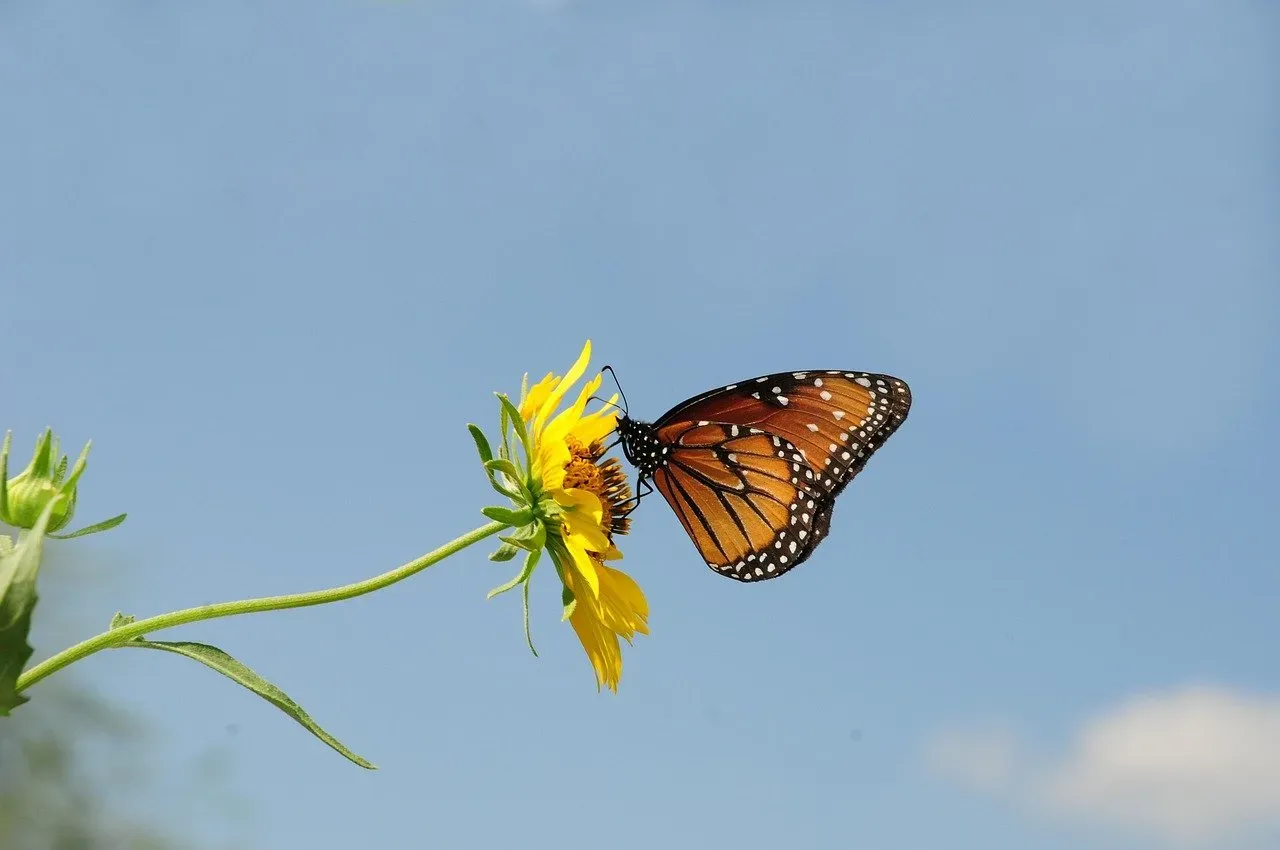
Much work has gone into protecting the monarch’s winter habitat in Mexico. One of the greatest achievements of this work is that illegal logging in the core zone of the Monarch Butterfly Biosphere Reserve has been virtually eradicated since 2008. That kind of protection took years of sustained effort, and it’s starting to show results in the forest coverage data.
By 2025, approximately 2,000 mayors and other local and tribal government chief executives took action to help save the monarch butterfly through the National Wildlife Federation’s Mayors’ Monarch Pledge, a tri-national initiative with the U.S., Mexico, and Canada. Through this pledge, communities committed to creating habitat for the monarch butterfly and other pollinators, and to educating citizens about how they can make a difference at home and in their community.
The NRCS is working with agricultural producers in the Midwest and southern Great Plains to combat the decline of monarch butterflies by planting milkweed and other nectar-rich plants on private lands. Recognizing this decline, people are stepping up to support monarchs by planting beneficial habitat in large cities, small towns, suburban neighborhoods, rural properties, and more.
Organizations like the Xerces Society and Monarch Joint Venture are actively restoring overwintering sites and promoting citizen science programs, such as the Western Monarch Count and Journey North, which enable individuals to contribute data on sightings and breeding. These programs don’t just gather information – they connect communities to the migration in a tangible, meaningful way.
The Policy Gap and the Road Ahead

The U.S. Fish and Wildlife Service proposed in December 2024 to list monarchs as threatened under the Endangered Species Act, but the U.S. Department of the Interior has delayed the listing to fall 2026 at the earliest. That delay has frustrated many in the conservation community, particularly given the condition of the western population.
In Canada, monarchs were listed as endangered under the Species at Risk Act in 2023, which grants legal protection for monarchs and their habitats in the country. In Mexico, monarchs are recognized as a species of special protection and are legally protected in the Monarch Butterfly Biosphere Reserve, a UNESCO World Heritage Site. The United States currently remains the policy outlier among the three nations that share the migration.
The Monarch Action, Recovery, and Conservation of Habitat Act of 2025, introduced in the current Congress, aims to address the most urgent gaps on the western side of the Rockies. The Monarch Action, Recovery, and Conservation of Habitat Act invests in the conservation and recovery of the threatened western migratory monarch and other native pollinators that are vital to healthy ecosystems, biodiversity and the nation’s food supply.
The monarch’s decline is a harbinger of widespread environmental change. The plummeting population of these familiar butterflies, along with the decline of other butterflies and bees, threatens people’s wellbeing too, since food security depends on the ecological services pollinators provide. That framing matters: this isn’t just about saving a beautiful insect. It’s about the health of a broader system that sustains all of us.
A Conclusion: Fragile Progress Worth Protecting
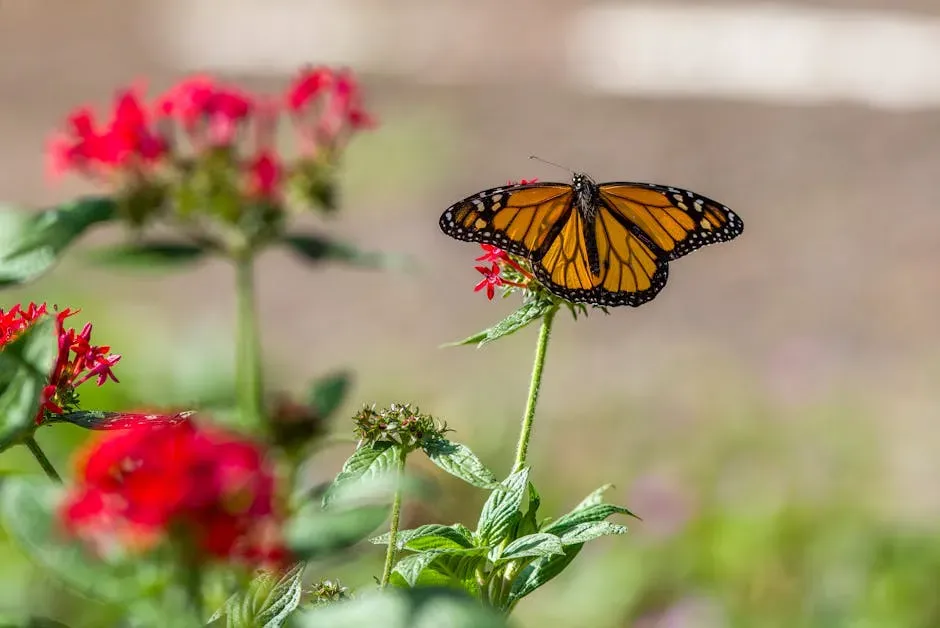
The monarch butterfly’s story in 2026 is genuinely mixed. The eastern population is showing real improvement, driven by years of habitat investment, restored forest, and the painstaking work of hundreds of organizations across three countries. The western population, meanwhile, remains in a precarious state that demands more urgent attention than it is currently receiving from federal policy.
Insect pollinator populations can vary naturally from year to year due to environmental factors such as weather patterns, food availability, and predator-prey dynamics. These natural population fluctuations are clearly different from the pollinator decline crisis driven by threats including habitat loss, pesticides, and climate change, which are making it increasingly difficult for monarchs to maintain a sustainable population.
A single good winter count can feel like a turning point. It isn’t – not yet. One year of improvement in one population of one butterfly species is great news, but that doesn’t mean the long-term trajectory isn’t showing major declines or that action isn’t needed. The fragility of this species is a reminder that conservation wins are never permanent. They have to be earned, renewed, and defended every season.
The monarch’s migration is not simply a natural spectacle. It’s an indicator, a measure of whether the continent’s landscapes can still support the intricate web of life that makes them functional. Protecting the monarch, it turns out, means protecting much more than a butterfly.
