
The ancient coastal redwoods of Northern California harbor one of America’s most diverse ecosystems. Home to towering trees whose ancestors lived more than 160 million years ago, the park also offers visitors the opportunity to explore approximately 139,000 acres of coastal mountains, prairies, and coastline. These areas are teeming with 66 documented land mammal species and many different types of birds, fish, and marine life.
Redwoods National and State Parks is rich with diverse wildlife, including 66 land mammal species, a variety of coastal and marine mammals ranging from river otters to seals to whales, 188 marine and freshwater fish species, tidepool life, and at least 280 bird species. What makes this place truly special is that you might witness something as extraordinary as watching elk graze alongside gray whales in the distance.
Roosevelt Elk: Giants of the Prairies
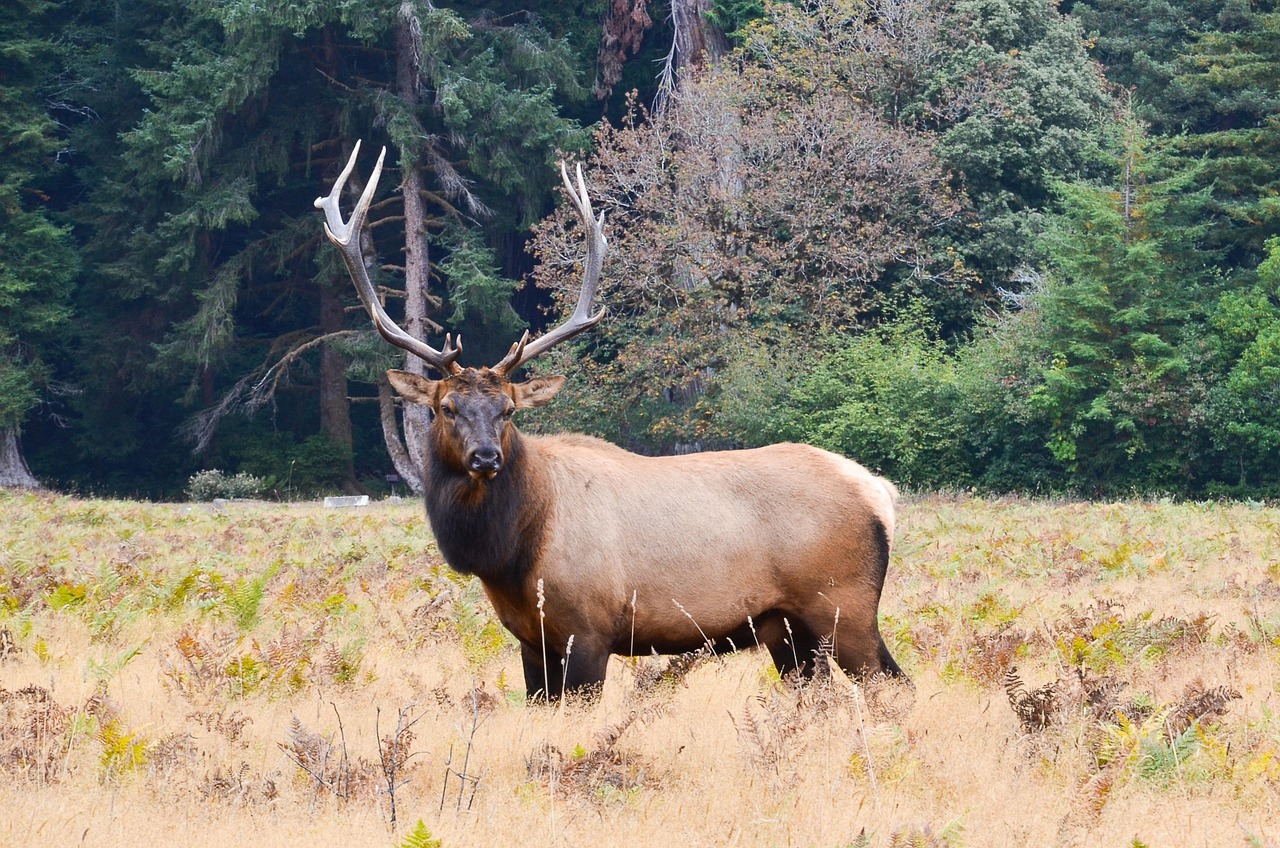
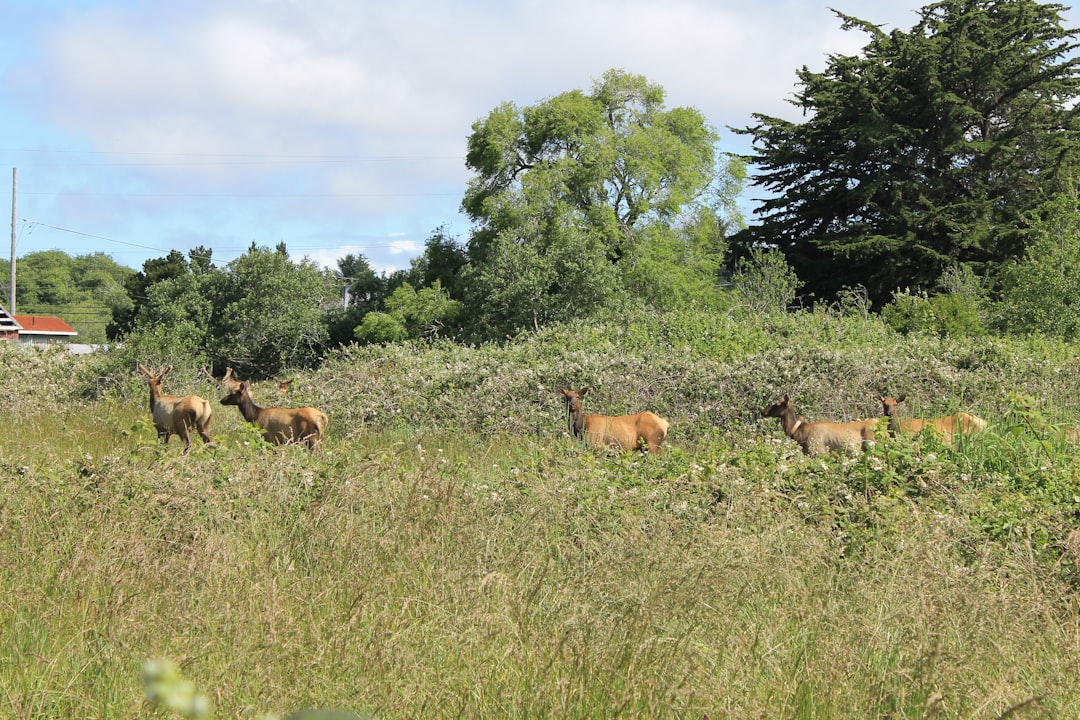
Roosevelt elk are the most readily observed of the large mammals in the park. Successful herds, brought back from the verge of extinction in the region, are now common in park areas. These magnificent creatures are truly spectacular to witness in person. Roosevelt Elk are a common sight in , particularly in the prairies and meadows. These majestic creatures are the second-largest subspecies of elk in North America and can often be seen grazing in the grasslands or crossing the roads.
Any meadow or prairie within the parks is a good place to view Roosevelt elk, one of the largest deer species on earth and the largest elk species in North America. One of the more well-known areas for possible elk sightings is the aptly-named Elk Meadow at Prairie Creek Redwoods State Park. Honestly, there’s nothing quite like witnessing a bull elk with massive antlers emerge from the morning mist. They are especially visible in the early hours of the morning and in the late evening just before sunset. During the spring, this is a popular location to see mothers with calves.
Black-Tailed Deer: Forest Wanderers
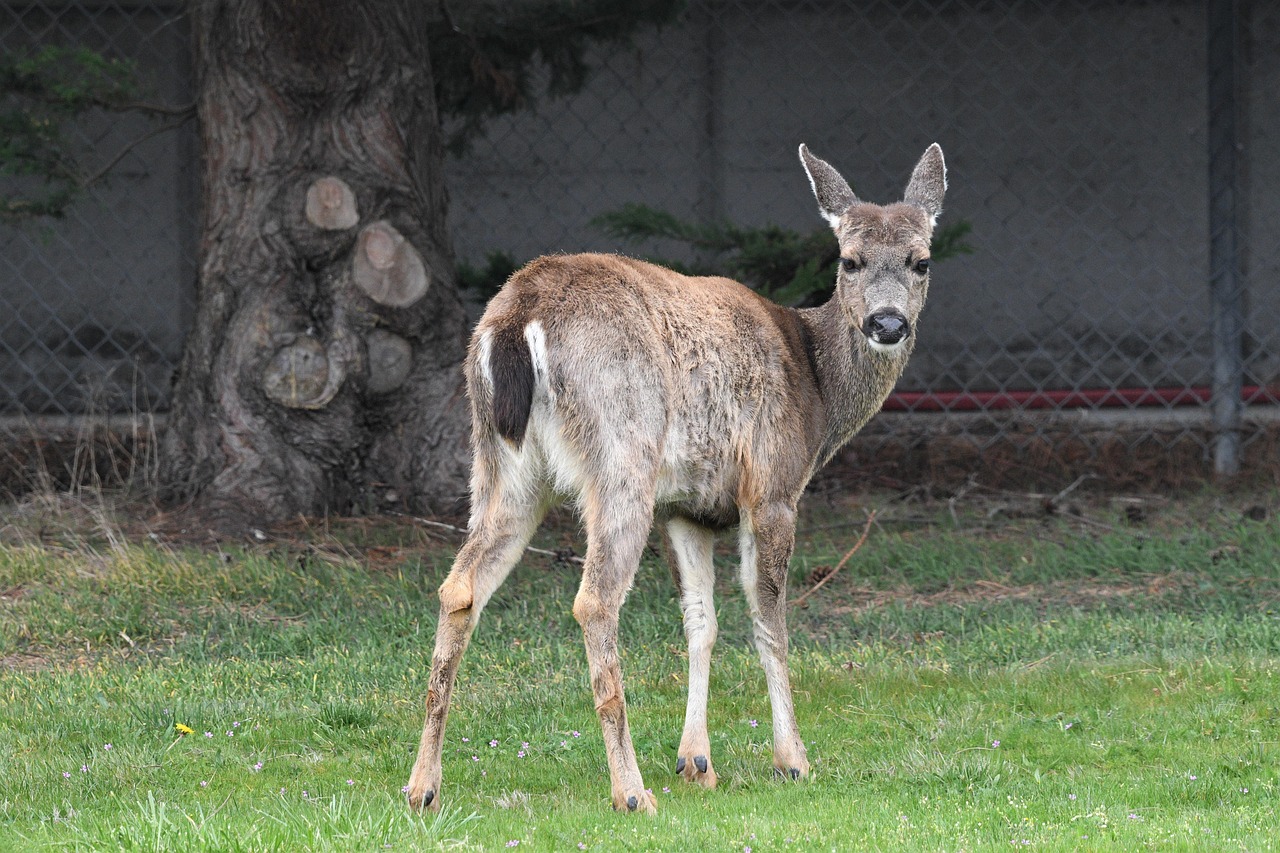
Black-tailed deer, California ground squirrels, gray fox, and raccoons can be seen throughout Humboldt Redwoods. Black-tailed deer, or mule deer, are the most frequently seen large mammals in the park. These graceful creatures have mastered the art of surviving in this complex forest ecosystem. They’ve adapted remarkably well to the park’s varied terrain, from dense redwood groves to open meadows.
In addition to elk, the more common wildlife you may spot are black-tailed deer, chipmunks, and tree squirrels. The deer often display a curious mixture of caution and boldness around humans. Their natural diet consists of seeds, berries, acorns, and bird eggs. However, they will become accustomed to human food from frequenting campgrounds and picnic areas.
American Eagle’s Marvel Twin: The Bald Eagle
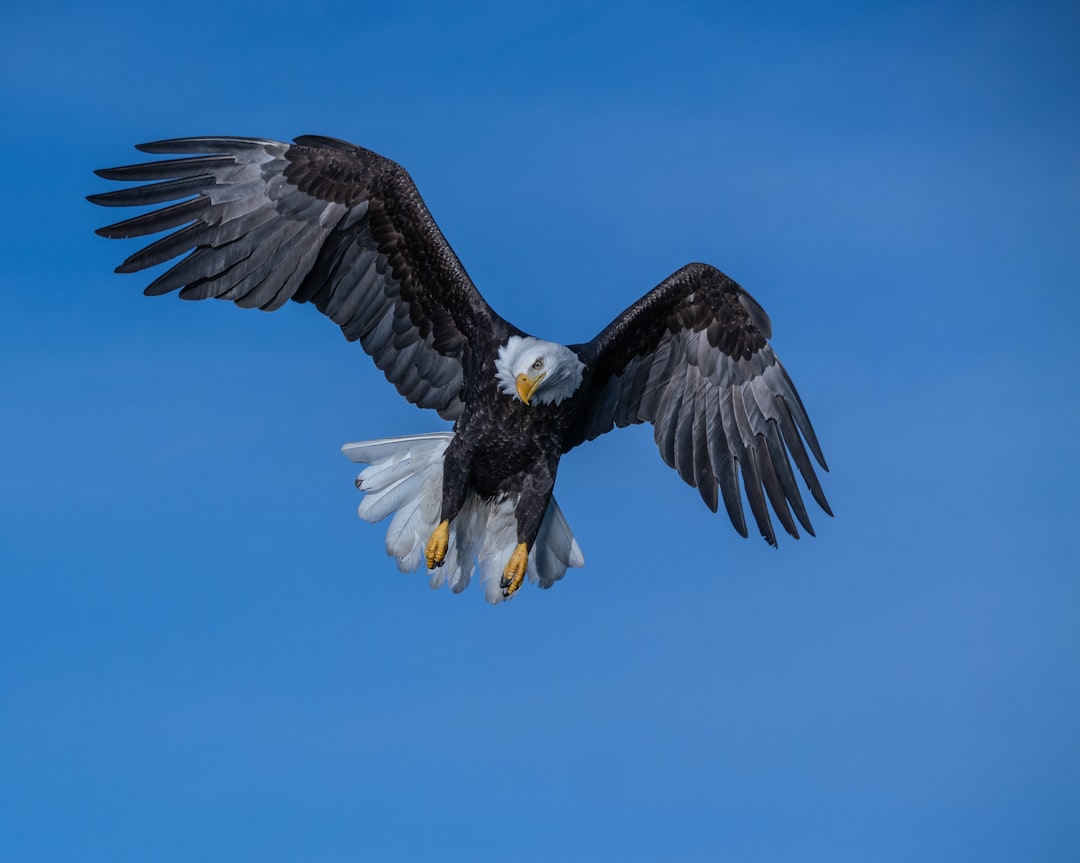
The park is also home to several predatory birds, such as the red-tailed hawk, osprey, and bald eagle. Another large raptor, the bald eagle, is not commonly seen in the park, but it is unmistakable with its brown body and white head. Now here’s where things get interesting for superhero fans. If we were to pair a bald eagle with a Marvel character, American Eagle from Marvel Comics would be the perfect match in terms of spirit and prowess.
Due to exposure to an unknown radioactive isotope, The cellular fortification of Strongbow’s bodily tissues have increased dramatically, granting him various superhuman physical attributes. Superhuman Strength: Strongbow possesses superhuman strength enabling him to lift about 15 tons, which is enough force to uproot a large tree. In one category, American Eagle is the clear winner: Enhanced Senses. This means American Eagle has a greater perception of touch, taste, smell, hearing, and sight than a normal person or even the Cap. When it comes to sight, he can see at 800 feet what Captain America sees at 20 feet.
Like the bald eagle’s incredible vision that allows it to spot prey from vast distances, Jason Strongbow possesses enhanced sensory abilities that mirror the eagle’s natural gifts. This means that they’re slightly superhuman. His night vision in particular is superhuman. He’s a top-shelf fighter with extraordinary – possibly superhuman – reflexes, and a good tactician. Both the bird and the hero embody fierce independence, unwavering determination, and the power to soar above ordinary limitations.
Black Bears: The Forest’s Gentle Giants

Black bears are another iconic species that call home. While they are generally shy and elusive, visitors may catch a glimpse of these bears foraging for food in the forests or near streams. Despite their fearsome reputation, these bears are surprisingly intelligent and adaptable creatures. Black bears have shaggy black fur, short legs, and may weigh up to several hundred pounds. They are excellent swimmers and climbers, and they can even run up to 30 mph!
Bears are usually out at night, but they are often seen during the day. They are intelligent animals and possess a great deal of curiosity. The natural diet of a black bear consists of grasses, tree bark, fruit, berries, insects, fish, and small mammals. Though they appear lumbering and slow, these bears can surprise you with their agility and speed when needed.
Banana Slugs: Nature’s Yellow Carpet Cleaners
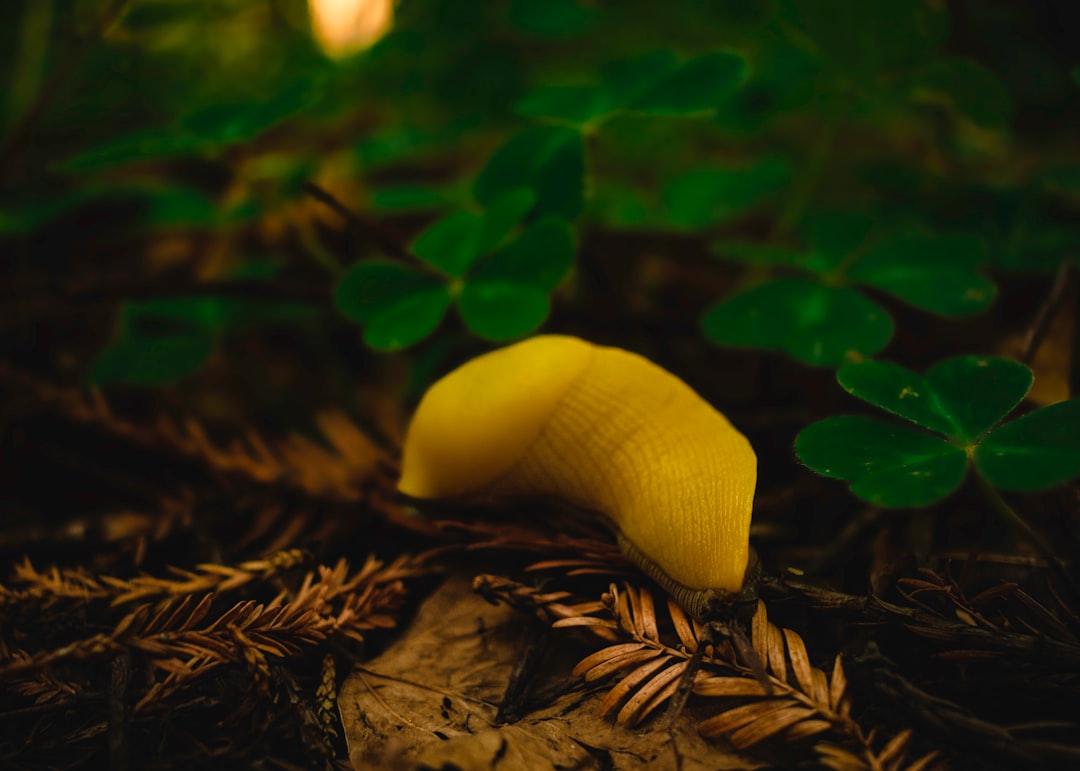
One of the most interesting creatures in the coast redwood ecosystem is the banana slug. They are mollusks and can be yellow, brown, or a combination of yellow and brown splotches. Banana slugs operate as a virtual vacuum for the forest floor, eating everything from vegetation to fungi. These aren’t your ordinary garden slugs either. One of the more unique wildlife species in is the banana slug. These bright yellow gastropods are the second-largest species of terrestrial slug in North America and play an important role in the park’s ecosystem.
These slugs grow up to 6 inches long and range in color from mustard yellow to olive gray, often with splotches of gray on a yellow body. They are prey for salamanders, newts, snakes, foxes, and raccoons. Yet for such slow-moving creatures, they’ve become iconic symbols of the Pacific Northwest’s unique biodiversity.
Gray Whales: Ocean Nomads
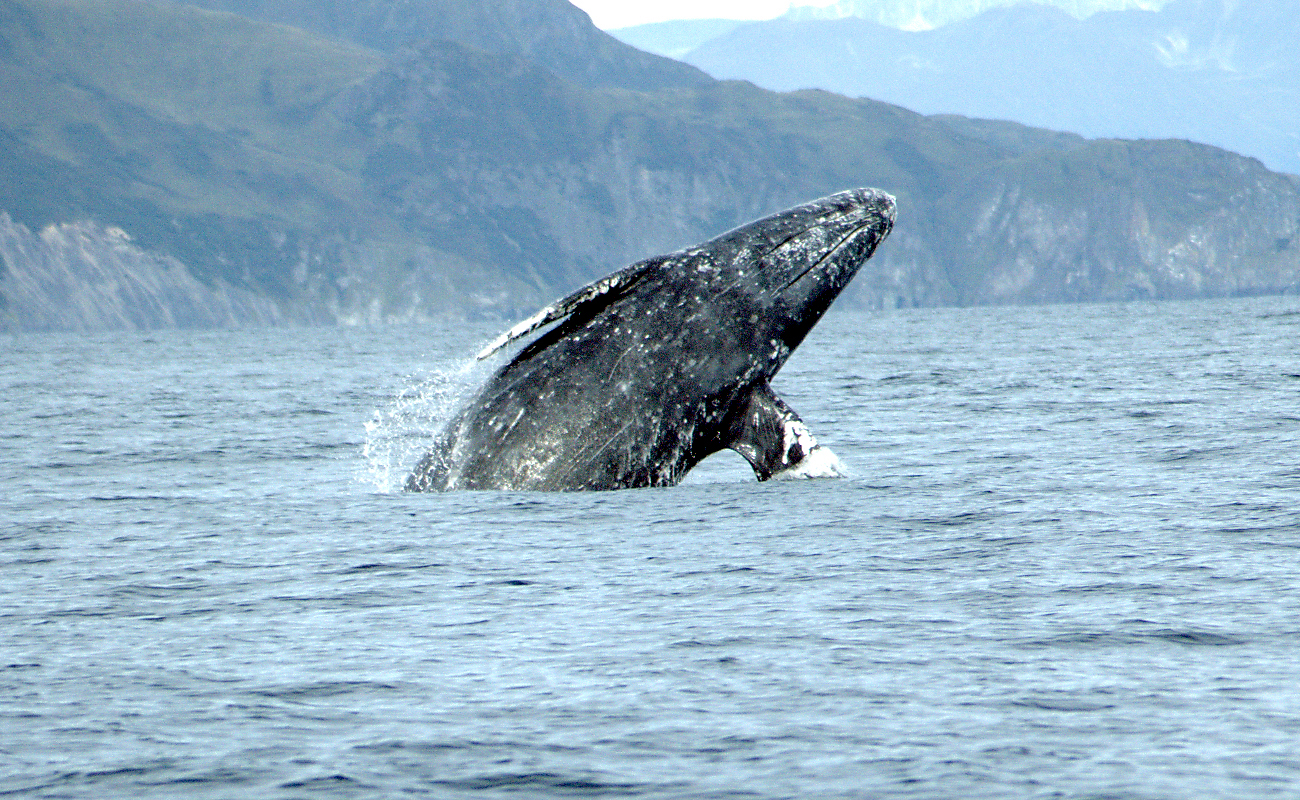
Marine mammals you might see in Prairie Creek include Pacific gray whales, dolphins, California sea lions, harbor seals, and Steller sea lions. Up to 50 feet long and 45 tons each, gray whales migrate up to 14,000 miles each year, from Alaska to Baja California and back – the longest known annual migration of any mammal. These ocean giants represent one of nature’s most incredible endurance tests. They travel in small groups 70 to 80 miles a day. They stay close to the shoreline for protection from predators, such as killer whales.
Spouts of vaporized water up to 12 feet high can be seen as the whales surface every three to five minutes to breathe. From November to December and from March to April, Gold Bluffs Beach becomes a popular location for whale watching as well. Spotting these massive creatures from the bluffs creates an almost surreal connection between the ancient forest and the endless ocean.
River Otters: Aquatic Acrobats
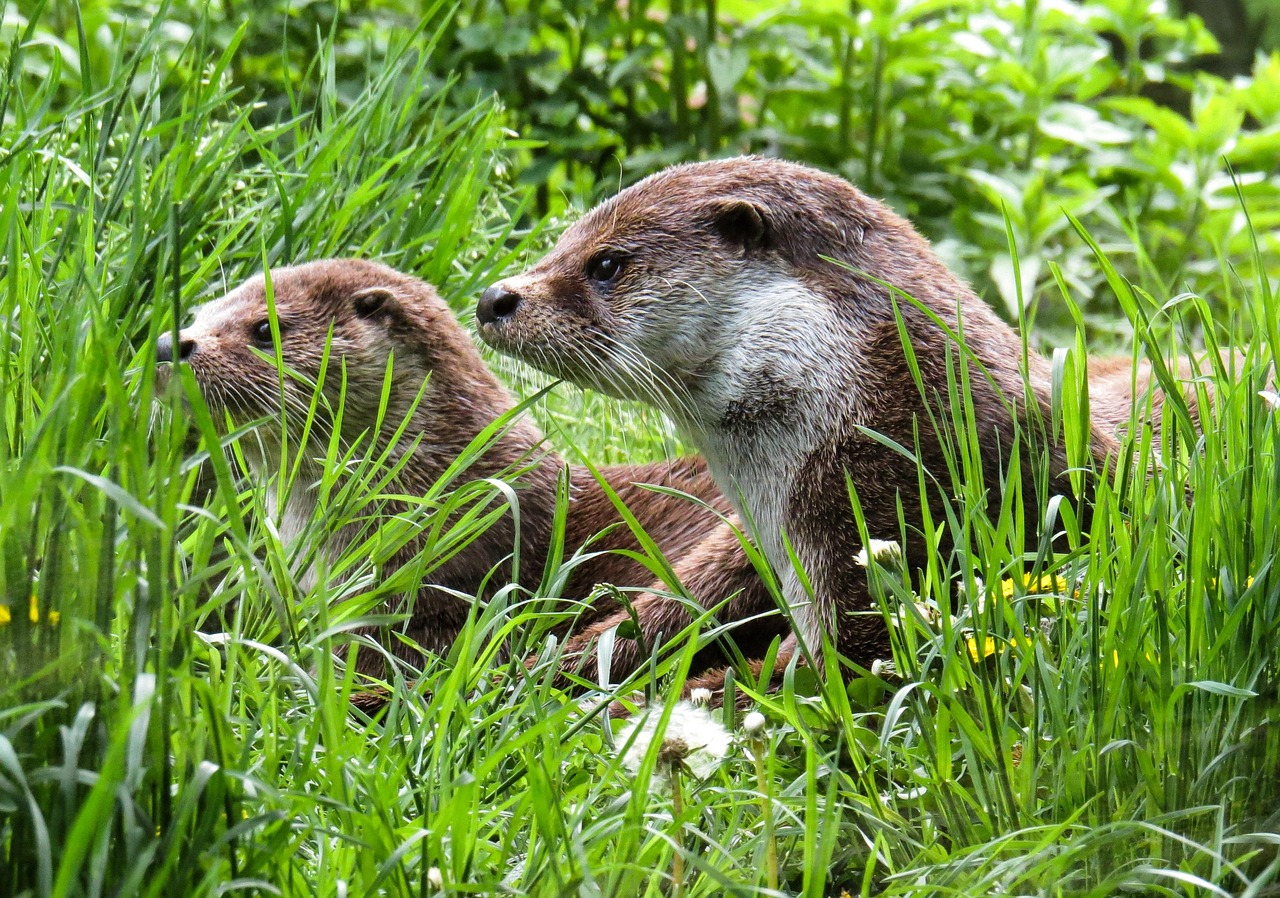
River otters are occasionally seen frolicking in the Eel River or along the bank. These weasel-like animals are active year ’round and swim quickly. They have dark brown dense fur, short legs, and webbed feet. These playful mammals bring a sense of joy to any wildlife encounter. River otters typically eat fish, frogs, and turtles.
Watching otters play in the clear mountain streams feels like witnessing pure happiness in motion. They slide down muddy banks, chase each other underwater, and seem to approach life with endless enthusiasm. Their social behavior and intelligence make them fascinating subjects for wildlife photographers and casual observers alike.
Marbled Murrelets: The Forest’s Sea Birds
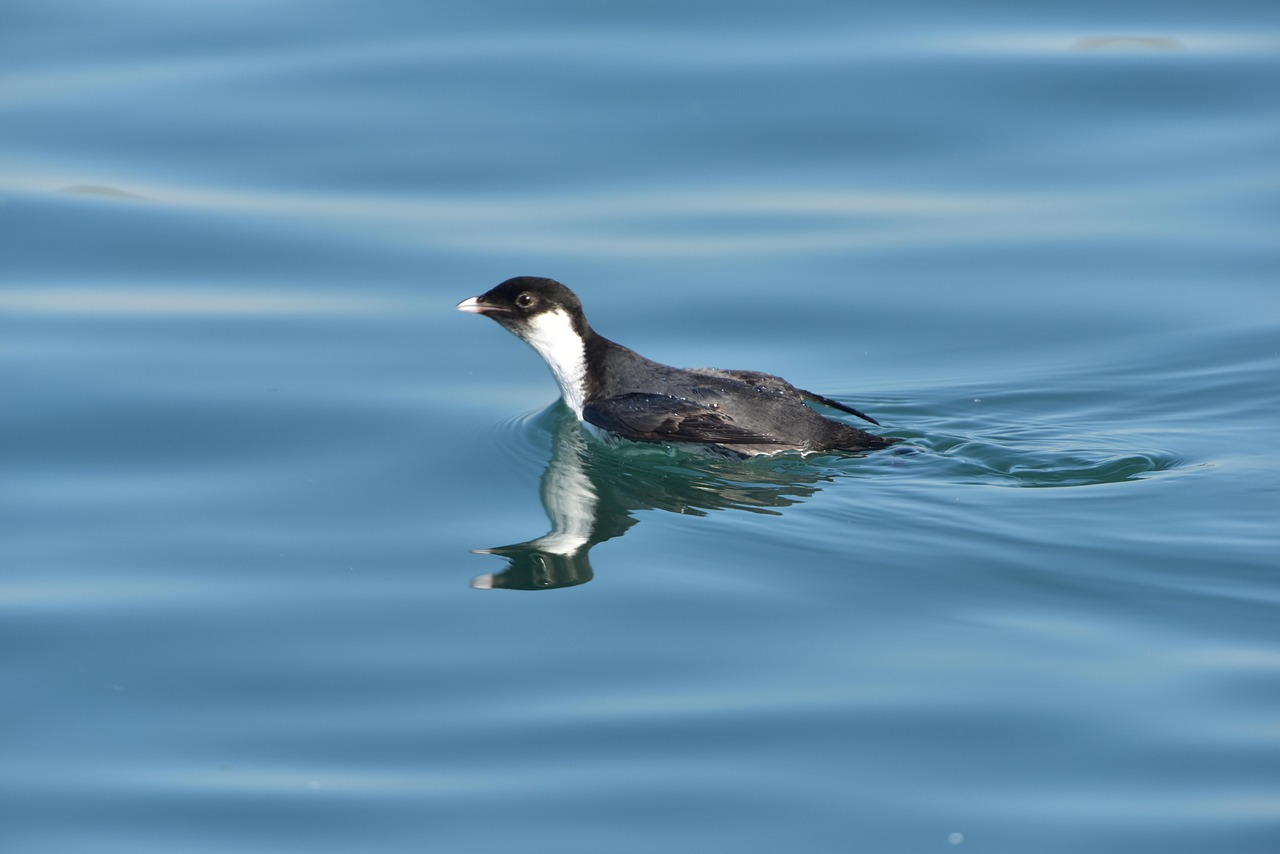
The marbled murrelet (Brachyramphus marmoratus), closely related to the puffin, is known for its long commute. After spending the day fishing at sea, this chunky little auk returns – sometimes many miles inland – to nest in old-growth forests. These remarkable birds represent one of nature’s most unique adaptations. Murrelets once numbered 60,000 along the California coast. Today less than 6,000 remain.
Their dual existence between ocean and ancient forest makes them particularly vulnerable to habitat loss. The fact that they choose the massive branches of old-growth redwoods as nesting sites shows the deep interconnection between marine and terrestrial ecosystems in this region.
Pacific Giant Salamanders: Forest Floor Dragons
These include banana slugs, Pacific giant salamanders, and red-bellied newts, along with raccoons, bobcats, Pacific fishers, pine martens, black-tailed deer, Roosevelt elk, marbled murrelets, and northern spotted owls. Though often overlooked, these amphibians play crucial roles in maintaining the forest’s delicate ecological balance. Reptiles and amphibians such as western garter snakes, northern red-legged frogs, and rough-skinned newts are all common at Prairie Creek.
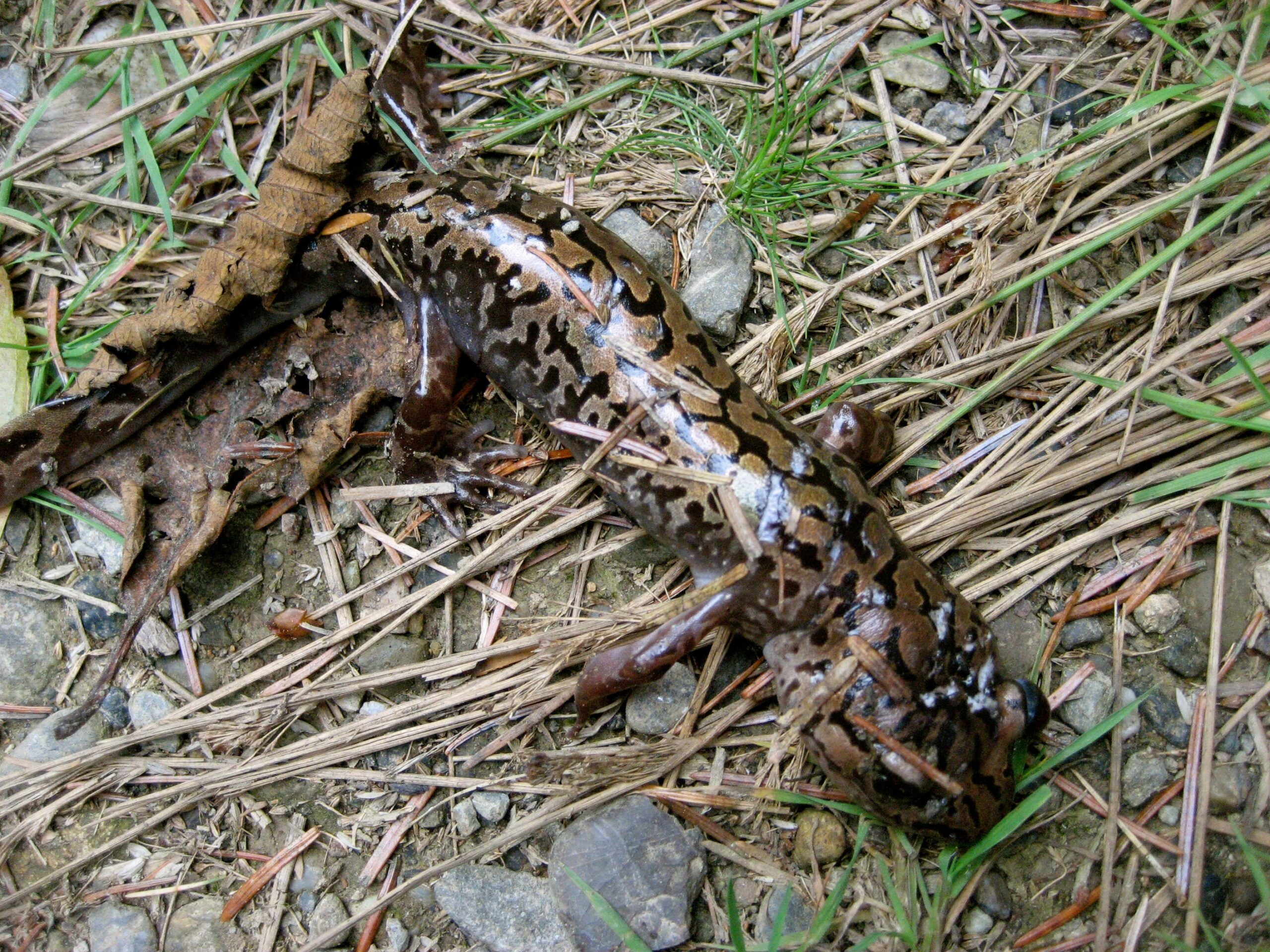
Pacific giant salamanders can grow surprisingly large and serve as both predator and prey in the forest ecosystem. They thrive in the cool, moist conditions created by the redwood canopy and frequent coastal fog. Their presence indicates a healthy, balanced forest environment.
Northern Spotted Owls: Silent Forest Guardians
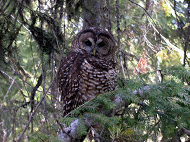
Considered an endangered species, its presence restricts logging. A favorite prey for the spotted owl is the flying squirrel, but they also feed on woodrats, voles, beetles, and crickets. These mysterious nocturnal hunters have become symbols of old-growth forest conservation. Their survival depends entirely on the preservation of ancient forest ecosystems.
Northern Spotted Owl – Coniferous forests. The coniferous forests are home to jays, woodpeckers, grouse, and owls. Their haunting calls echo through the misty redwood groves at night, creating an almost otherworldly atmosphere that connects visitors to the primeval nature of these ancient forests.
Conclusion
The wildlife of represents far more than just a collection of species sharing the same habitat. Each animal, from the mighty Roosevelt elk to the humble banana slug, plays an essential role in maintaining the delicate balance of this ancient ecosystem. It’s remarkable that once can potentially view elk and gray whales at the same time. The completely unique old-growth forest combined with wild rivers, rugged terrain, meadows, and the Pacific Ocean forms an ecosystem impossibly rich in life.
The connection between American Eagle’s superhuman abilities and the bald eagle’s natural prowess reminds us that nature often surpasses our wildest superhero fantasies. Both the fictional hero and the real bird embody the spirit of freedom, sharp vision, and unwavering strength that defines the American wilderness experience.
What strikes me most about this remarkable place is how it demonstrates that conservation efforts can succeed. The recovery of Roosevelt elk populations and the ongoing protection of endangered species like the marbled murrelet show that when we commit to preservation, nature responds with abundance. Did you expect that such a diverse collection of creatures could thrive together in one magnificent ecosystem?

- The Zodiac Signs That Hummingbirds Visit at Dawn (And the Message They Could Be Delivering) - July 20, 2026
- Forget The Grand Canyon: Here Are 5 Equally Amazing US Destinations for an Unforgettable Experience - July 20, 2026
- Forget Yellowstone, Try These 5 Less Crowded Hot Springs Instead - July 20, 2026