

Ask almost anyone what it means for an animal to be “wild,” and you’ll likely hear something like: free, fierce, untamed. Maybe they picture a lion roaring across the Serengeti, or a wolf howling dramatically against a full moon. It’s a romantic image – and honestly, it’s almost entirely wrong.
The truth about what “wild” actually means for animals is far more complicated, sometimes unsettling, and in many ways, far more fascinating than the Hollywood version most of us carry around. From the blurry lines between wild, feral, and tame, to the hard daily realities of survival that no nature documentary fully captures, the concept of wildness has been misunderstood for generations.
So let’s dive in, because once you understand what “wild” really means, you’ll never look at nature the same way again.
The Word ‘Wild’ Means a Lot Less Than You Think
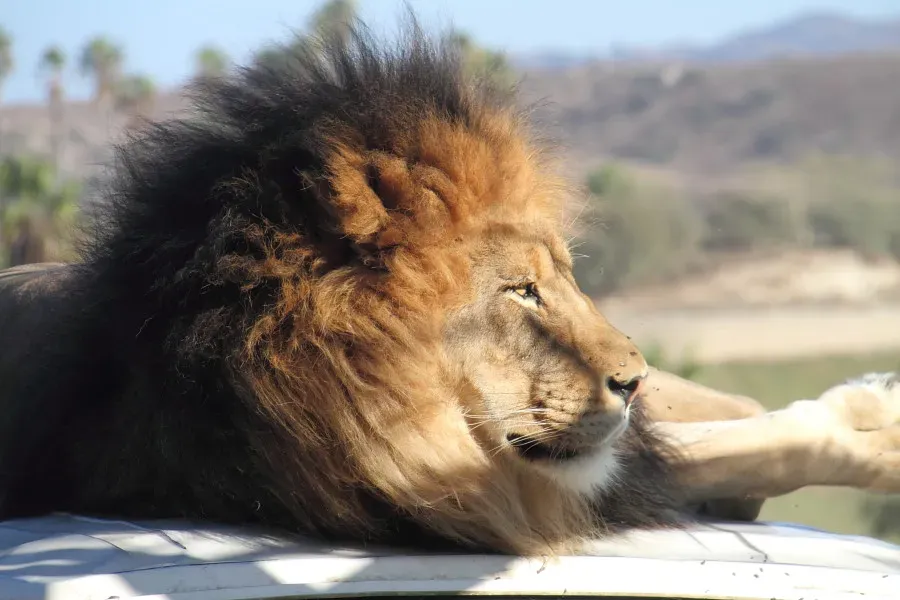
Here’s the thing: the word “wild” gets thrown around constantly, often incorrectly. Most of us casually use it to describe any animal that isn’t a household pet. But that loose definition causes real problems – scientifically, legally, and ecologically.
The terms we use to describe various species help us understand their origin and, perhaps more importantly, their current ecological status. This matters more than people realize. Think of it like calling every carbonated drink a “Coke.” Convenient? Sure. Accurate? Not even close.
Llamas, for example, are completely domestic animals, no more wild than a cow or dog. If you spot them roaming free in a forest, they are feral, not wild. That distinction isn’t just academic. The problem with referring to feral animals as “wild” is that this suggests they are a natural part of the ecosystem they are in – and that assumption can lead to flawed conservation decisions.
Wildlife refers to undomesticated animals and uncultivated plant species which can exist in their natural habitat, but has come to include all organisms that grow or live wild in an area without being introduced by humans. Even that definition, broad as it is, leaves enormous grey zones that experts are still debating today.
Wild, Feral, or Tame: The Confusion Runs Surprisingly Deep
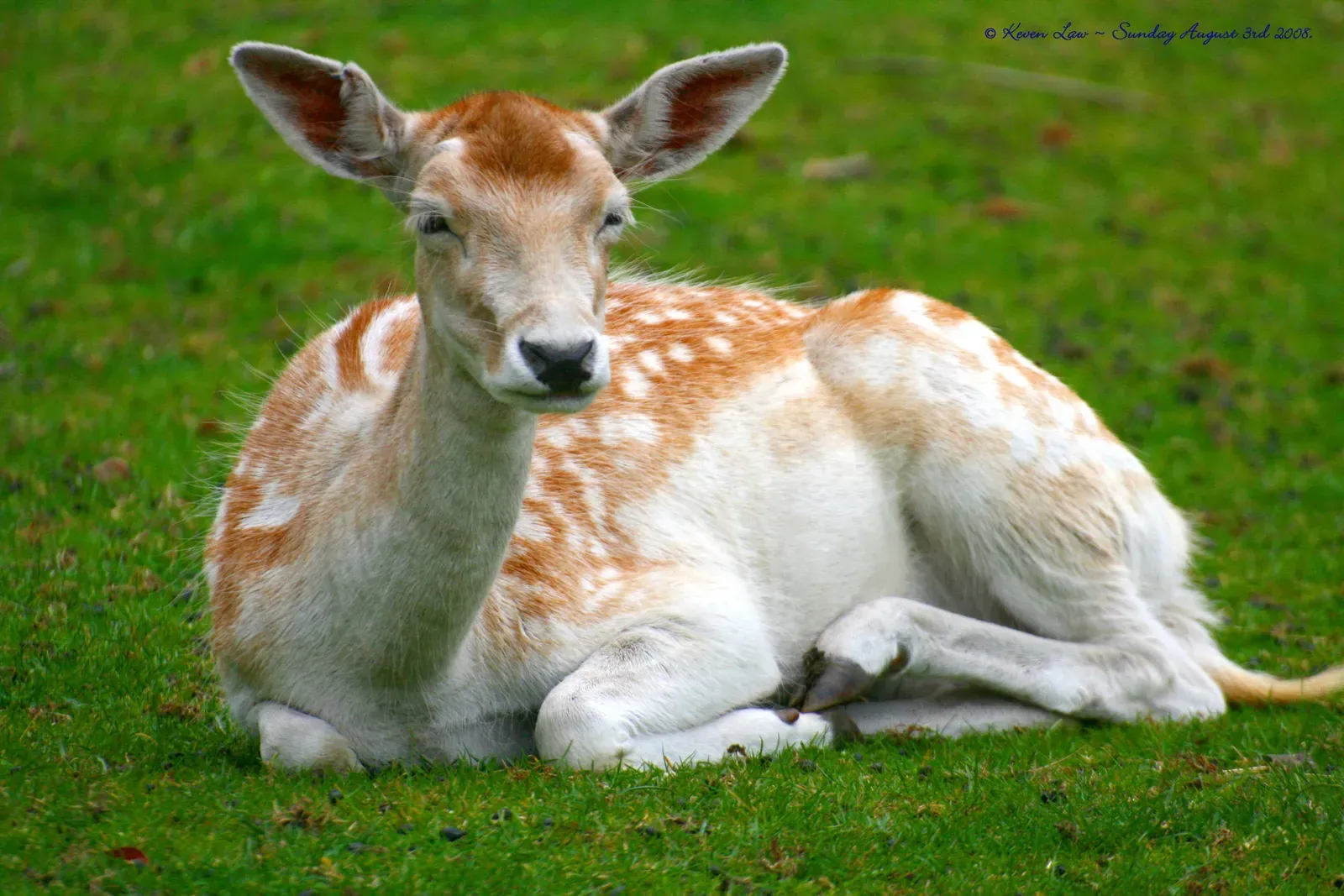
Let’s be real, most people don’t know the difference between wild, feral, and tame – and why would they? These categories aren’t exactly drilled into us at school. Domestication occurs over thousands of years and involves human intervention and control over the breeding of non-human animals for the “desired” traits to serve human purposes. A single generation of living outdoors doesn’t change that history.
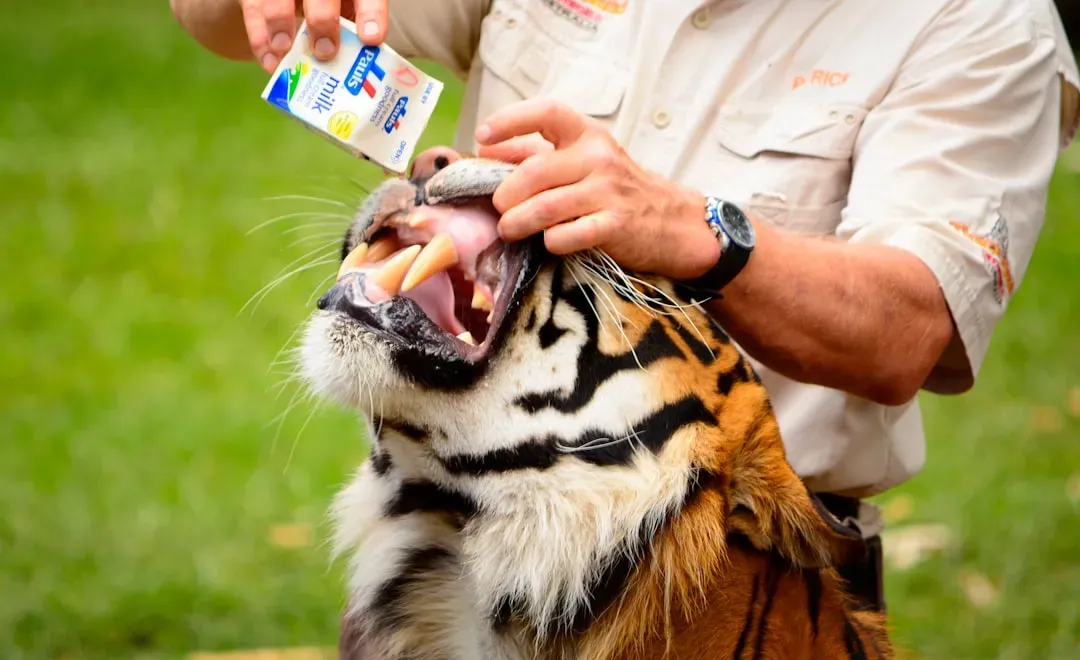
Tame animals retain a lot more wild behaviors than domesticated ones. So when you see a hand-raised fox or a “tame” wolf on social media, you’re not seeing a domesticated animal. You’re seeing a wild animal that has been socialized – but one that can still behave unpredictably. That’s a crucial difference.
“Feral” is a cloudy term, one most of us have heard in connection with animals that aren’t domestic but aren’t wild either. A feral animal is one that lives in the wild but was descended from domesticated stock. City pigeons, most street cats, and even many “wild” horses in North America technically fall into this category.
Horses and burros on U.S. federal lands are protected under the Wild Free-Roaming Horses and Burros Act of 1971. They’re called wild because that phrasing is used in the legislative text, not because they actually are. As descendants of domestic animals brought by European explorers hundreds of years ago, the term feral applies. I think it’s genuinely surprising how much of what we call “wild” is really just “escaped domestic.”
The Brutal Reality Behind the Picturesque Nature Documentary
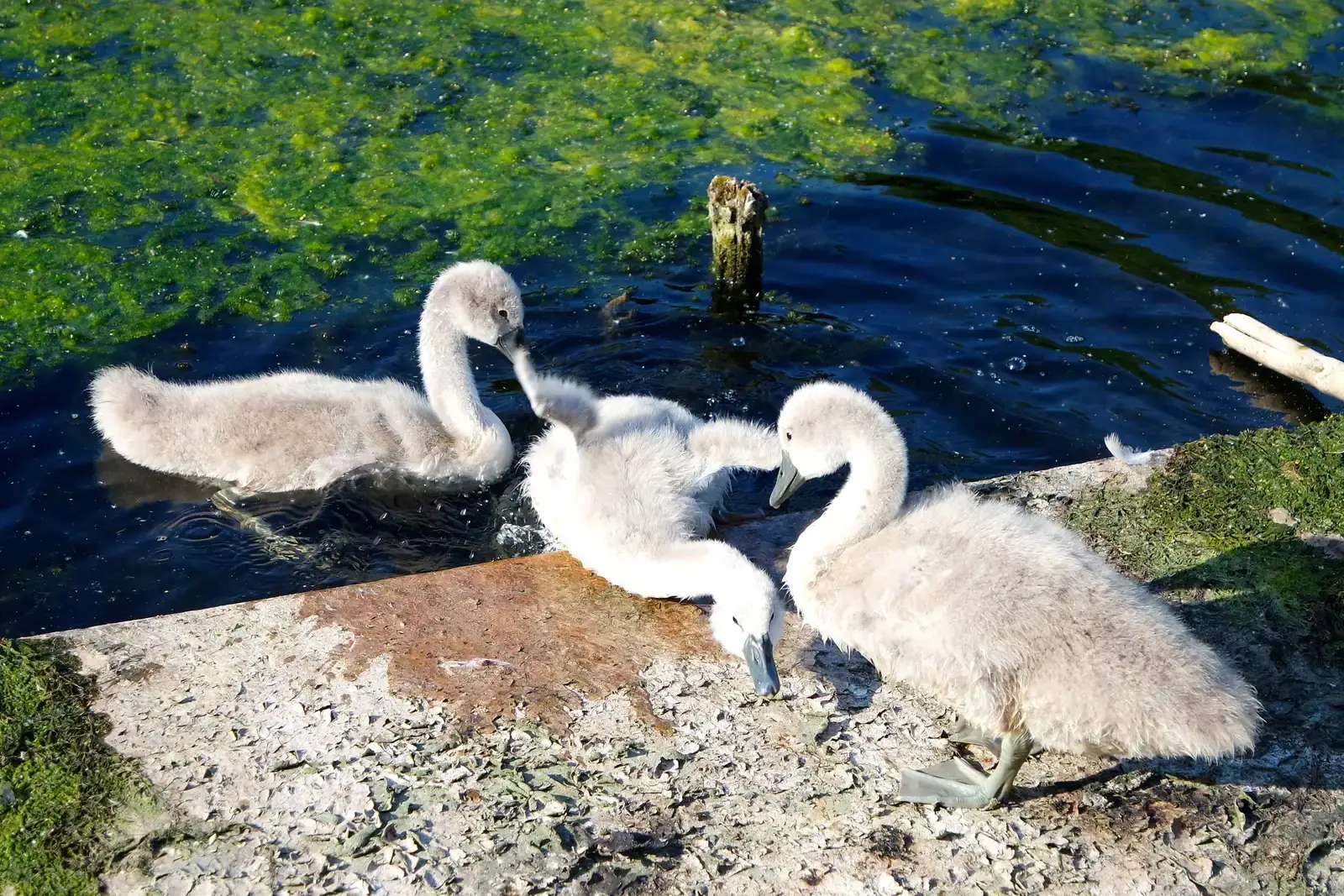
Here’s where things get uncomfortable. Many people today have a romanticized view of nature and what the lives of animals in the wild are like. They believe that animals live mostly happy lives as long as they are in a natural environment. Other people are aware that animals in the wild can suffer and die prematurely but believe these are exceptions.
They’re not exceptions. They’re the rule.
Animals who survive face many threats to their lives, and natural harms are part of their everyday experience. This includes physical injuries, illness, hunger, malnutrition and thirst, and psychological stress. That’s not the exception to wild life. That is wild life.
Some writers argue that the prevalence of r-selected animals in the wild – who produce large numbers of offspring, with a low amount of parental care, and of which only a small number will survive to adulthood – indicates that the average life of these individuals is likely to be very short and end in a painful death. To put that in human terms, imagine if most children born never reached their fifth birthday. That is the statistical reality for countless species.
All species reproduce in excess, way past the carrying capacity of their niche. In her lifetime a lioness might have 20 cubs, a pigeon 150 chicks, a mouse 1000 kits, a trout 20,000 fry. If one assumes that the population of each of these species is, from generation to generation, roughly equal, then on average only one offspring will survive to replace each parent. Nature doesn’t waste grief. It just keeps producing.
Wild Animals Are Not as ‘Fierce’ as We Imagine Either
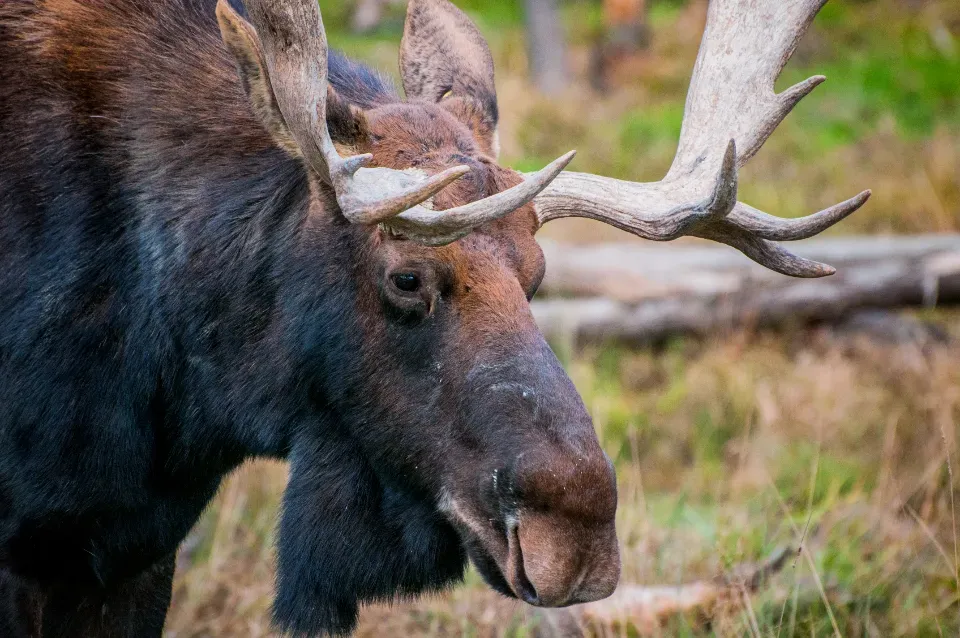
On the flip side, the popular idea of wild animals as aggressive, dangerous beasts is also deeply misleading. The ancestors of our domestic animals, as is true of most wild animals, weren’t really “wild” in the popular sense except when hunted or trapped, and they would usually choose to flee rather than fight. Think about that the next time someone describes a random deer or a fox as a dangerous wild animal.
The truth is that humans were usually the aggressors, and the wild animals the victims. Historically, our fear and misrepresentation of wild animals has served our own purposes. We needed justification to hunt them, to dominate them, to take their land.
Knowledge of the animals in nature decreased as did the sense of kinship, but anthropomorphic concepts increased. These misconceptions have been continued to the present in popular literature, hunters’ magazines, and by Hollywood. Everything from fairy tales to blockbuster films has painted wild animals as either terrifying monsters or adorable companions. Both extremes are fantasies.
Animals in nature are only as wild as they need to be to survive in their own way – herbivore, carnivore, or omnivore – and will flee or fight as they must to preserve their lives or, on occasion, those of their young. That is a far more humble and honest description of what “wild” actually looks like on the ground.
What ‘Wild’ Really Means for an Animal’s Inner Life and Wellbeing
This is perhaps the most underexplored dimension of the whole conversation. When we say an animal is wild, we often imply it’s thriving, free, and fulfilled. The science tells a more complex story.
Unlike domestic animals, wild animals are not protected from environmental and weather influences or treated for diseases. In addition, climate change, habitat fragmentation and loss, and urban stressors such as light, noise, and chemical pollution affect individual wildlife and populations. Freedom, in other words, comes at a steep biological price.
Wildlife conservation often relies on population counts, but stable numbers can hide widespread suffering. Research argues that true welfare depends on individual animals’ daily experiences, not just whether a species persists. Scientists focus on animals’ affective states – feelings like hunger, fear, pain, and calm – which shape behavior and reveal welfare conditions that headcounts miss.
Take the impala, for instance. These antelopes encounter predators daily, yet they possess a remarkable ability to swiftly recover from stressful encounters minutes after literally running for their lives. They graze peacefully, bask in warmth, and remain attuned to the present moment. That resilience is extraordinary and deserves far more admiration than it gets.
The reality of wild animal life most likely sits between the two extremes, possibly leaning more towards a positive existence. Most people focus on the suffering that animals endure at the point of death, without giving attention to the array of positive experiences these animals most likely experience throughout their lives. Honestly, that feels like the fairest summary of what “wild” truly means.
Conclusion: It’s Time to Rethink What We Think We Know
The word “wild” carries so much baggage. It evokes freedom, danger, purity, fierceness – and yet, when you look closely, it describes something far more nuanced and far more fragile than any of those images suggest. Wild animals are not savage. They are not perfectly free. They are not simply thriving in some ideal paradise untouched by hardship.
Being able to survive and reproduce is very different from being comfortable. Most of us would not consider a human life good merely because a person survived. The truth about the lives of animals is very different from the way most people think of it, if they think of it at all.
Understanding this doesn’t make nature less beautiful. If anything, it makes it more worthy of our respect, our attention, and our protection. Wild animals are not characters in a story we tell ourselves. They are complex, feeling individuals navigating a world that is genuinely hard to survive in.
Protecting wildlife now means caring about how animals live, not just how many remain.
The next time you call something “wild,” pause for a second. What do you actually mean? And does the animal in question agree?

- 6 Exotic Bird Species You Can Spot in U.S. National Parks - July 19, 2026
- 11 Iconic American Birds Facing New Challenges and How You Can Help - July 19, 2026
- 10 Friendliest Animals in the World - July 19, 2026