

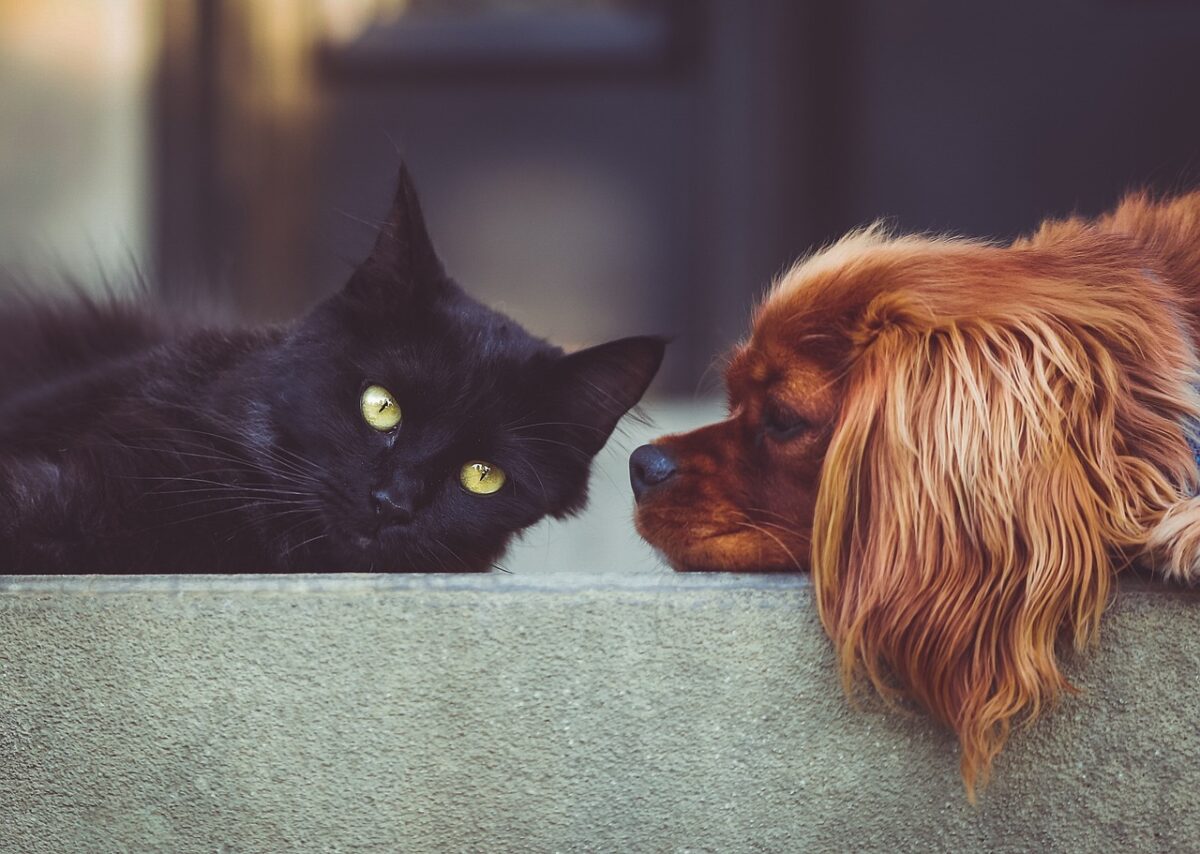
Pets Face Hidden Dangers Daily – Are You Equipped? (Image Credits: Pixabay)
Unexpected injuries strike pets swiftly, demanding quick action from owners to bridge the gap until veterinary help arrives.
Pets Face Hidden Dangers Daily – Are You Equipped?
Household mishaps like cuts from sharp objects or burns from hot appliances catch many owners off guard. Pets also encounter toxins through ingested plants or chemicals, leading to rapid distress. Travel exposes them to heatstroke, fights with wildlife, or rough terrain injuries. Preparation with a dedicated kit stabilizes conditions and buys critical time. Owners who respond promptly often prevent minor issues from escalating. This readiness fosters confidence, allowing calm handling of chaos.
Statistics from poison control centers highlight thousands of annual calls for pet exposures. Early intervention with basic supplies proves vital. Vets emphasize that immediate care reduces complication risks significantly.
Assemble the Core: A Checklist of Vital Supplies
Stock your kit with items tailored for common crises. Sterile saline flushes debris from wounds effectively. Non-stick gauze pads cover injuries without adhering to tissue. Self-adhering wraps secure dressings firmly yet comfortably. Blunt scissors trim bandages safely, while tweezers extract ticks or splinters precisely.
A digital rectal thermometer monitors fever accurately, with normal ranges at 100.5-102.5°F for dogs and cats. Activated charcoal binds toxins in poisoning cases, but dosage requires vet confirmation. Electrolyte solutions combat dehydration from vomiting or diarrhea. Styptic powder halts nail trim bleeding swiftly. Gloves ensure hygiene during treatment. Oral syringes deliver medications precisely. Antiseptic like diluted povidone-iodine cleans without irritation. A clean towel provides restraint and warmth.
- Sterile saline solution
- Non-stick gauze pads (various sizes)
- Self-adhering bandage wrap
- Blunt-tipped scissors
- Round-tipped tweezers
- Digital rectal thermometer
- Activated charcoal
- Electrolyte powder
- Styptic powder
- Disposable gloves
- Oral syringes
- Diluted povidone-iodine
Master Wound Care: Steps That Stabilize and Heal
Begin by restraining the pet safely with a towel or muzzle if needed. Apply firm pressure to staunch bleeding using gauze. Flush the area gently with saline to clear contaminants. Pat dry, then apply antiseptic sparingly. Cover with non-stick pads and wrap snugly, checking circulation hourly.
Different wounds demand specific approaches. Pressure bandages control heavy bleeding, while support wraps stabilize sprains. Change dressings daily to monitor progress. Watch for infection cues like swelling, pus, or fever. Seek vets for deep punctures or unresponsive bleeding. Proper technique prevents further tissue damage.
| Bandage Type | Use Case | Key Tip |
|---|---|---|
| Protective | Keep clean | Light wrap |
| Pressure | Control bleed | Firm but not tight |
| Support | Limb stability | Vet guidance advised |
Beyond Supplies: Maintenance, Training, and Red Flags
Check expiration dates quarterly and restock used items immediately. Store in a waterproof container with compartments for quick grabs. Place it centrally, like near the kitchen, and duplicate a mini-version for car trips. Practice thermometer use on calm pets to build familiarity.
Enroll in certified pet first aid courses for hands-on CPR and assessment skills. Recognize urgencies: seizures, labored breathing, or collapse demand instant vet runs. Human drugs like ibuprofen poison pets fatally – stick to vet-approved options. Tailor kits for birds with styptic or reptiles with calcium.
Key Takeaways
- Build and check your kit regularly to ensure readiness.
- Focus on wound basics: clean, cover, monitor.
- Call vets for anything beyond minor stabilization.
A stocked kit transforms panic into purposeful action, safeguarding your pet’s life in fleeting moments. What emergency supplies do you keep on hand? Share in the comments.

- Urban Coyotes Show Remarkable Adaptability, Learning to Thrive in City Environments - July 22, 2026
- Beavers Are Nature’s Engineers, Creating Vital Habitats for Other Wildlife Species - July 21, 2026
- The Recovery of the California Condor Offers Hope for Other Critically Endangered Birds - July 21, 2026