

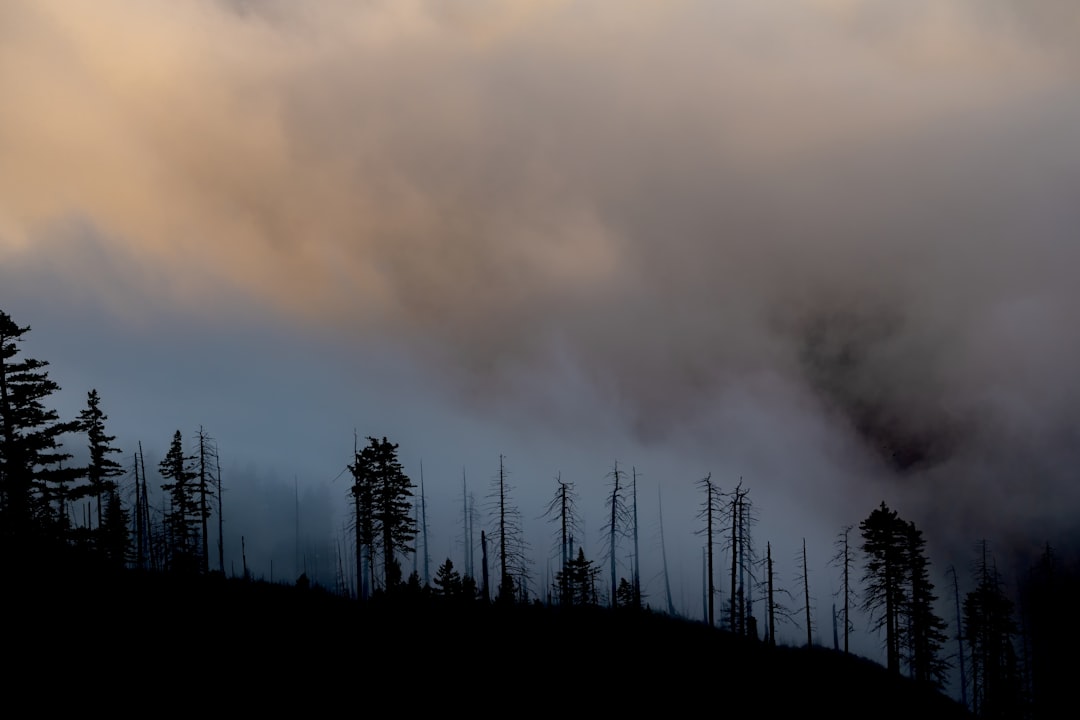
Morrill Fire Sets Grim New Benchmark (Image Credits: Unsplash)
Nebraska – Raging wildfires tore across the western and central parts of the state last week, charring more than 800,000 acres of prairie land and grassland. The blazes, fueled by drought, high winds and unseasonably warm temperatures, marked the largest such events in Nebraska history. Officials reported at least one fatality amid the destruction, as firefighters from multiple states worked to gain control.[1][2]
Morrill Fire Sets Grim New Benchmark
The Morrill Fire emerged as the dominant force among four major blazes, rapidly expanding to encompass 642,000 to 645,000 acres across Morrill, Garden, Grant, Arthur and Keith counties. Discovered on March 13 north of Lake McConaughy, it reached 16 percent containment by Wednesday, with crews focusing on securing fire lines amid persistent dry conditions.[1][3] Fire managers attributed recent acreage increases to refined mapping that filled in previously unassessed gaps.
Incident commanders described the fire’s explosive growth to gusts exceeding 50 miles per hour and relative humidity dipping below 20 percent. The blaze originated possibly from an electrical source fanned by winds, though investigations continued. Hundreds of personnel patrolled edges for hotspots as red flag warnings persisted into the week.[2]
Supporting Fires Compound the Crisis
Alongside the Morrill Fire, three other significant wildfires contributed to the statewide toll. The Cottonwood Fire scorched 131,000 acres in Lincoln and Dawson counties and stood at 40 percent contained. Further north, the Road 203 Fire affected 35,900 acres in Thomas and Blaine counties within the Nebraska National Forest, achieving 76 percent containment after starting as a prescribed burn that reignited.[3][2]
| Fire Name | Acres Burned | Containment | Key Locations |
|---|---|---|---|
| Morrill | 642,000+ | 16% | Morrill, Garden, Arthur, Keith counties |
| Cottonwood | 131,000 | 40% | Lincoln, Dawson counties |
| Road 203 | 35,900 | 76% | Thomas, Blaine counties |
| Anderson Bridge | 17,400 | 60% | Samuel R. McKelvie National Forest |
The Anderson Bridge Fire, the smallest, burned 17,400 acres in a national forest and reached 60 percent containment. Combined, these fires dwarfed previous records, equivalent to a 35-mile by 35-mile swath reduced to ash.[4]
A Life Lost in the Flames
Tragedy struck early when 86-year-old Rose Mary White perished in her Arthur County home on Thursday as the Morrill Fire closed in. Family members recalled her as a fearless ranch woman who cherished her prairie roots, baking cookies and capturing family memories. She grew up on a local ranch and built her life there with her husband.[5][1]
White attempted to evacuate but succumbed amid the rapid advance. Her obituary highlighted her enduring spirit: the grandmother who fought off snakes and mended wounds with love. Funeral services took place Friday in Arthur, drawing community support.[5]
Governor Leads Response Amid Rancher Hardships
Governor Jim Pillen declared a state of emergency for affected counties and signed an executive order easing aid for livestock feed and supplies. He urged vigilance, advising residents to carry fire extinguishers in vehicles during fieldwork. “If the wind is blowing 50 mph and something sparks, you can keep a bad situation from happening,” Pillen stated.[4]
- Over 700 firefighters, including National Guard units from Nebraska and Iowa with helicopters, battled the fronts.
- Temporary evacuations affected about 300 residents near the Morrill Fire, later lifted.
- Ranchers reported lost forage and fencing, with some calves showing smoke-related respiratory issues but minimal overall livestock deaths.
- Drought left dormant grass as prime fuel, per firefighting spokesman David Boyd: “There is a lot of dormant fuel ready to burn.”[1]
Pillen likened progress to a military turning point, expressing hope amid forecasts of continued heat in the 80s and gusts to 35 mph. He emphasized documenting losses for recovery efforts.[2]
Broader Context and Lingering Threats
These fires aligned with Nebraska’s typical early spring peak, exacerbated by a western heat wave and scant winter snow. Extreme drought gripped the region, heightening risks through at least the weekend before a cooling front arrived. Officials warned of elevated fire weather into Saturday.[6]
Key Takeaways
- Morrill Fire shattered state records at over 640,000 acres burned.
- Total devastation spans four blazes exceeding 800,000 acres.
- One confirmed death underscores human toll; ranchers face forage shortages.
Fire crews made incremental gains during brief wind lulls, but hotspots and re-ignition risks remained. As Nebraska confronts this historic ordeal, recovery hinges on coordinated aid and weather relief. What impacts have these fires had in your community? Share in the comments.

- Urban Coyotes Show Remarkable Adaptability, Learning to Thrive in City Environments - July 22, 2026
- Beavers Are Nature’s Engineers, Creating Vital Habitats for Other Wildlife Species - July 21, 2026
- The Recovery of the California Condor Offers Hope for Other Critically Endangered Birds - July 21, 2026