
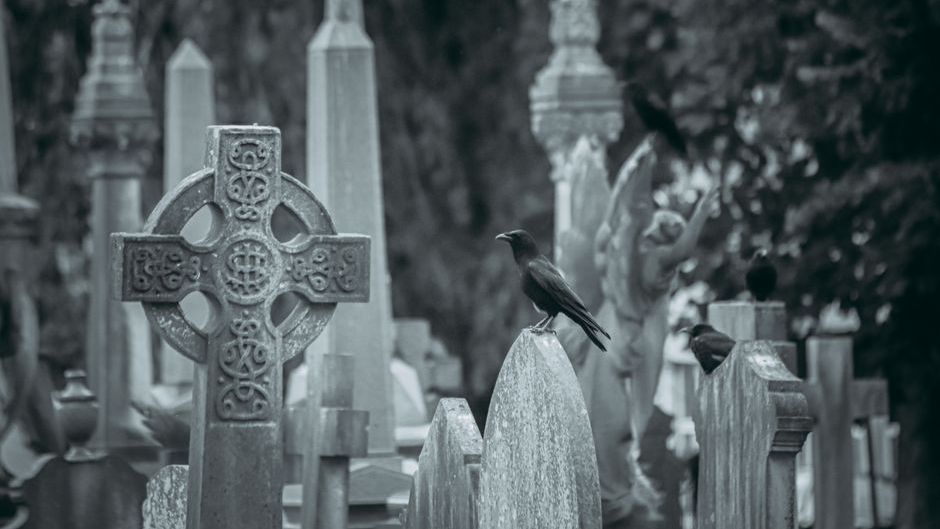
Crows have a habit of drawing attention when one of their own lies still on the ground. Observers often describe loud calls and circling birds that linger for minutes or longer, prompting comparisons to human mourning rites. The reality uncovered by careful observation and brain research points elsewhere.
These gatherings serve a practical purpose tied to survival. Crows appear to treat a dead flock member as a signal worth investigating rather than a moment for grief alone.
The Gatherings That Sparked Scientific Interest
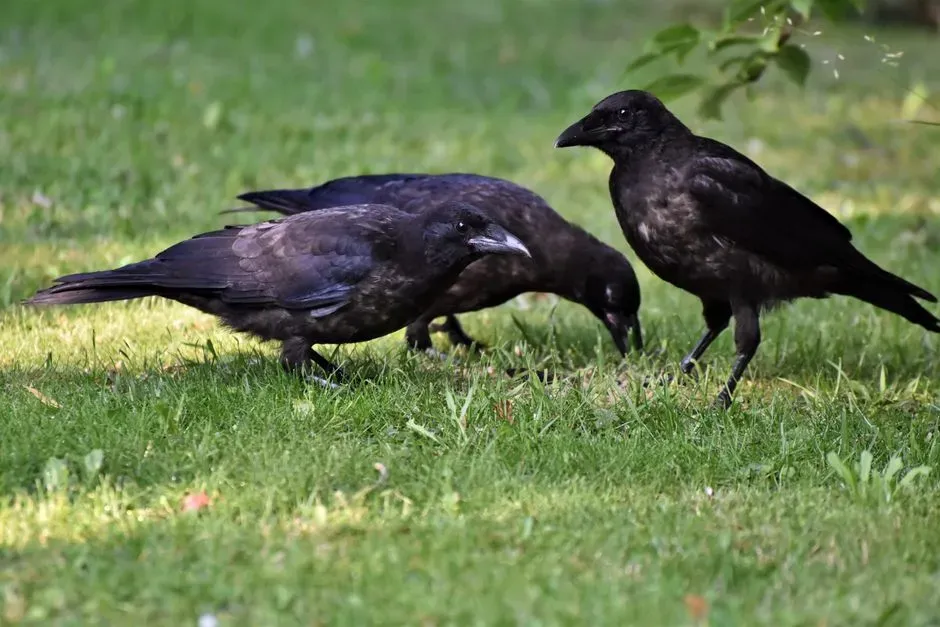
Field researchers have documented American crows responding to dead conspecifics with alarm calls that recruit others to the site. The group forms a noisy mob that examines the area before dispersing, often within half an hour. This pattern repeats across different locations and seasons.
Early notes described the behavior as funeral-like because of its social and vocal intensity. Controlled experiments later clarified that the response focuses on information gathering instead of emotional display. Dead birds of other species rarely trigger the same level of activity.
Brain Activity Points to Decision Making
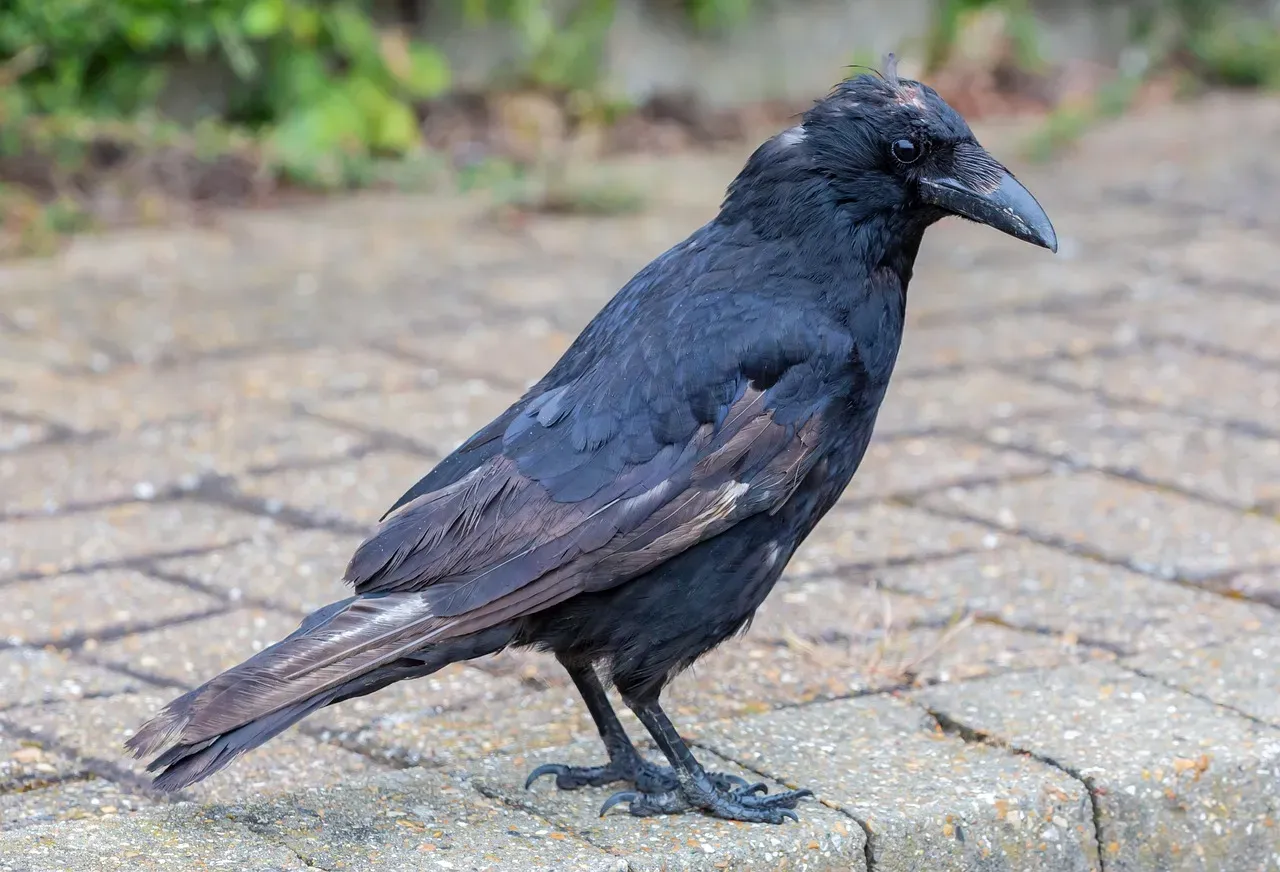
Neuroimaging work using positron emission tomography revealed heightened activity in the nidopallium caudolaterale when crows viewed a dead member of their species. This region functions much like the prefrontal cortex in mammals and supports complex decision making. Emotional centers such as the amygdala showed less consistent involvement.
The pattern differed from responses to familiar predators or threatening humans. Crows processed the dead crow through executive pathways rather than purely fear circuits. Such findings indicate deliberate evaluation instead of reflexive reaction.
Linking Death to Specific Dangers
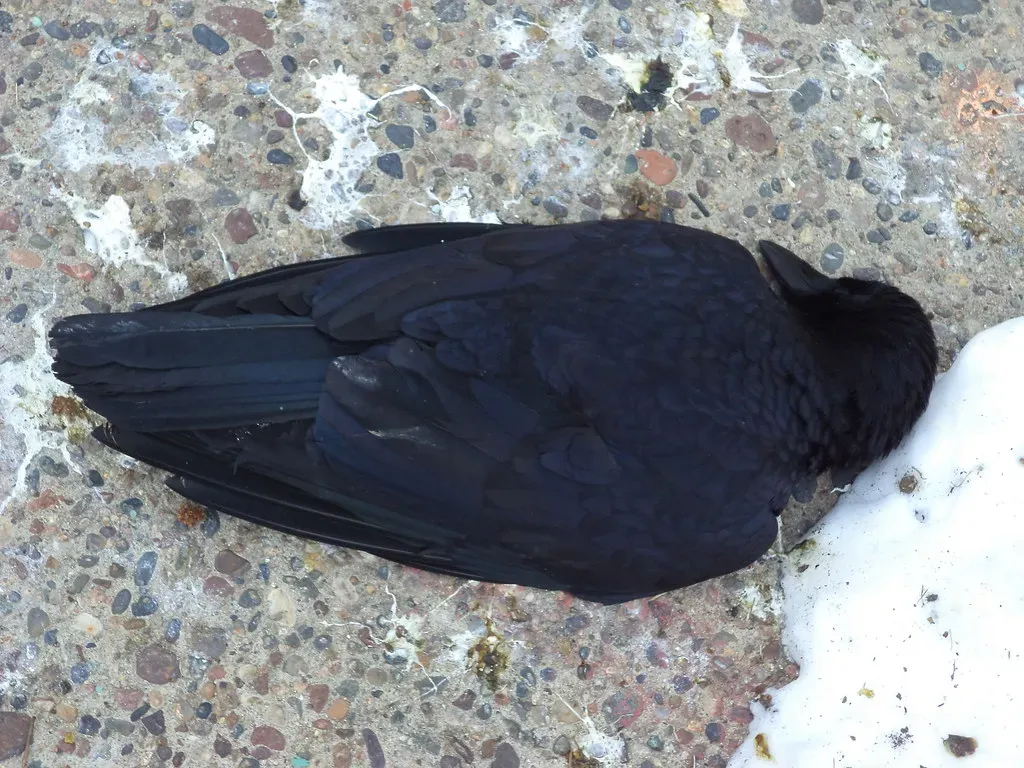
Experiments paired masked people with dead crows and tracked subsequent crow behavior. Birds learned to associate those individuals with risk and scolded them on later encounters, sometimes weeks afterward. They also avoided food placed near sites of previous deaths for up to three days.
Control conditions using dead pigeons or empty areas produced weaker or absent responses. Crows therefore treat conspecific death as a reliable cue for novel threats. This selective learning helps the flock update its mental map of hazards.
Remembering Faces and Locations
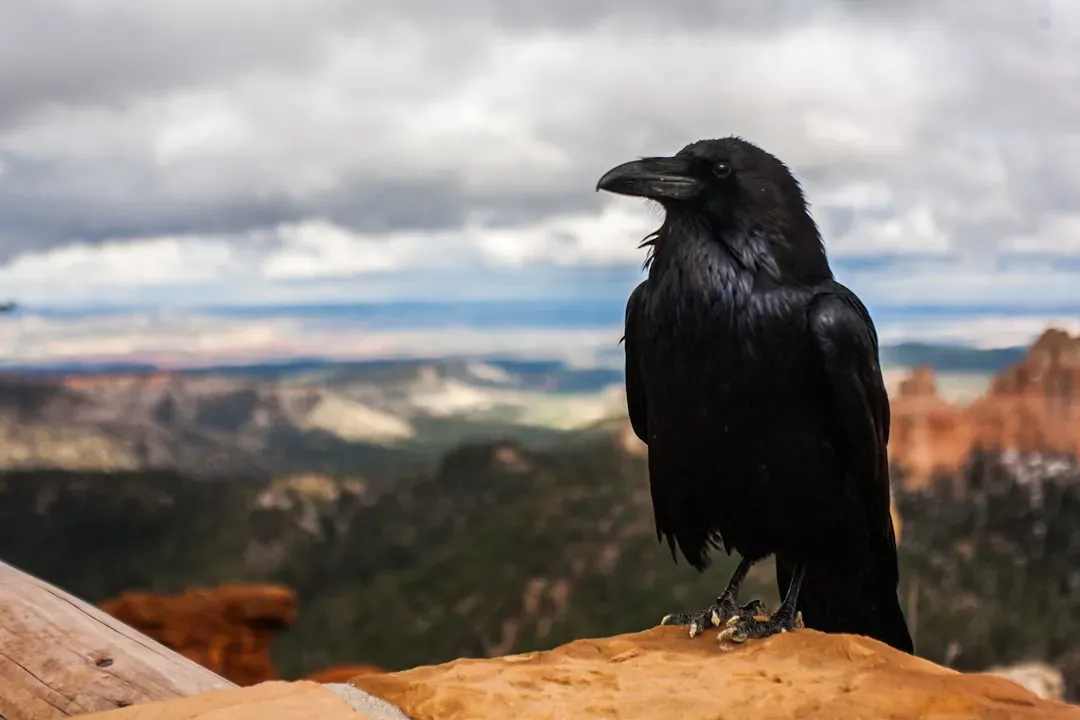
Crows demonstrate strong facial recognition during these events. Individuals that never directly witnessed a masked person with a dead crow still adopted the avoidance behavior through social transmission. The information spreads efficiently within the group.
Memory persists long enough to alter foraging routes and vigilance levels. Such retention turns a single death into lasting protective knowledge. The process relies on both individual experience and group observation.
Why the Response Stays Focused on Survival
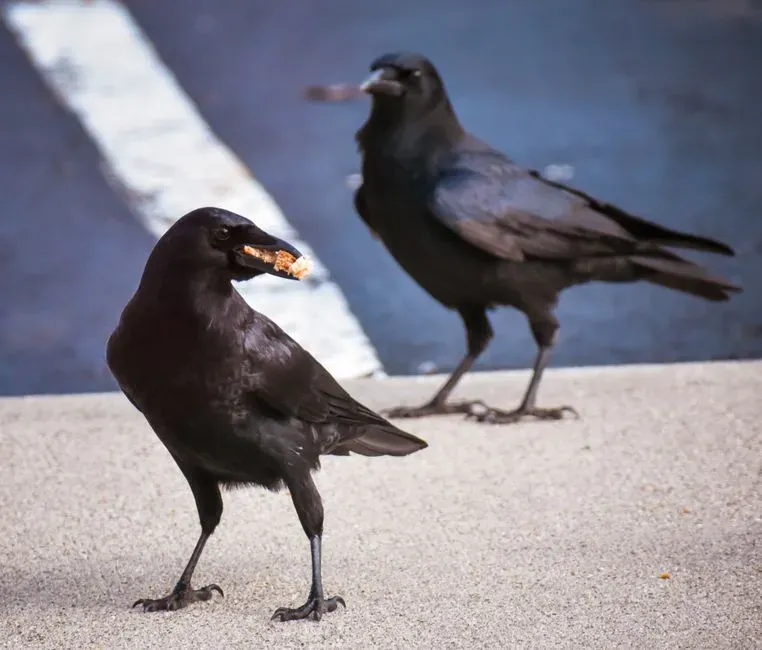
Physical contact with the body occurs only rarely and mostly in breeding season. Most interactions involve visual inspection and vocal alerts rather than prolonged touching. This restraint aligns with an emphasis on assessing surroundings over ritual handling.
The behavior activates spatial learning areas in the brain alongside decision centers. Crows appear to encode details about what happened and where. That encoding supports future avoidance without requiring emotional processing.
Comparisons Across Species and Contexts
Other animals show varied reactions to death, from elephants lingering near remains to dolphins supporting injured companions. Crows stand out for the speed and specificity of their threat learning. Their response scales with the relevance of the dead individual to their own species.
Predator sightings produce overlapping yet distinct brain patterns. The dead crow stimulus recruits more associative and executive regions. This distinction underscores a cognitive layer beyond simple alarm.
Evidence of Death Awareness in Birds
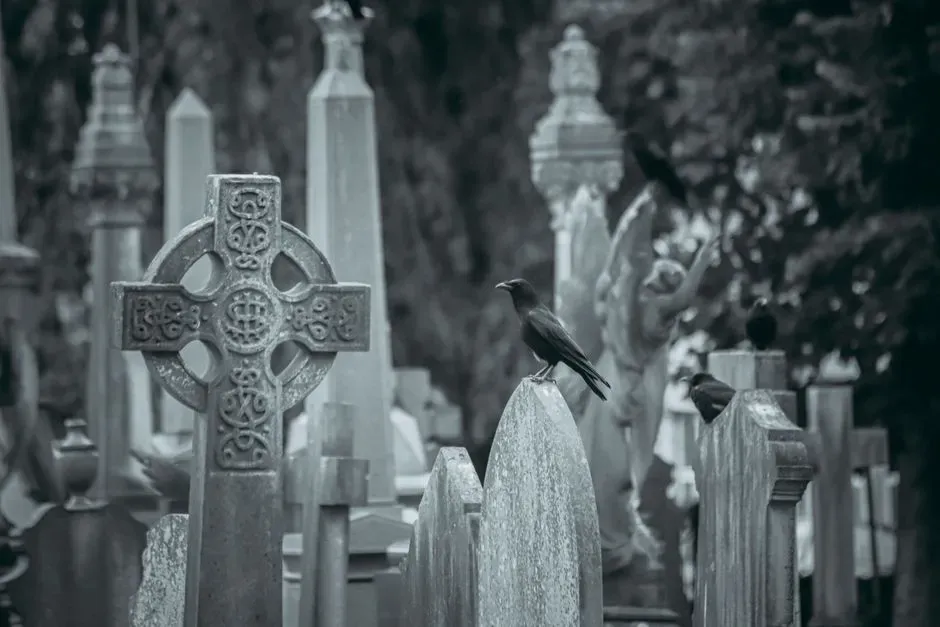
The selective activation of higher order brain areas suggests crows register death as more than an inert object. They differentiate it from neutral stimuli and link it to potential causes. Such differentiation implies a functional grasp of mortality as a marker of risk.
Long term behavioral changes confirm the information is retained and acted upon. Flocks adjust their movements and social warnings accordingly. This capacity fits within the broader intelligence profile of corvids.
Shifting Perspectives on Animal Cognition
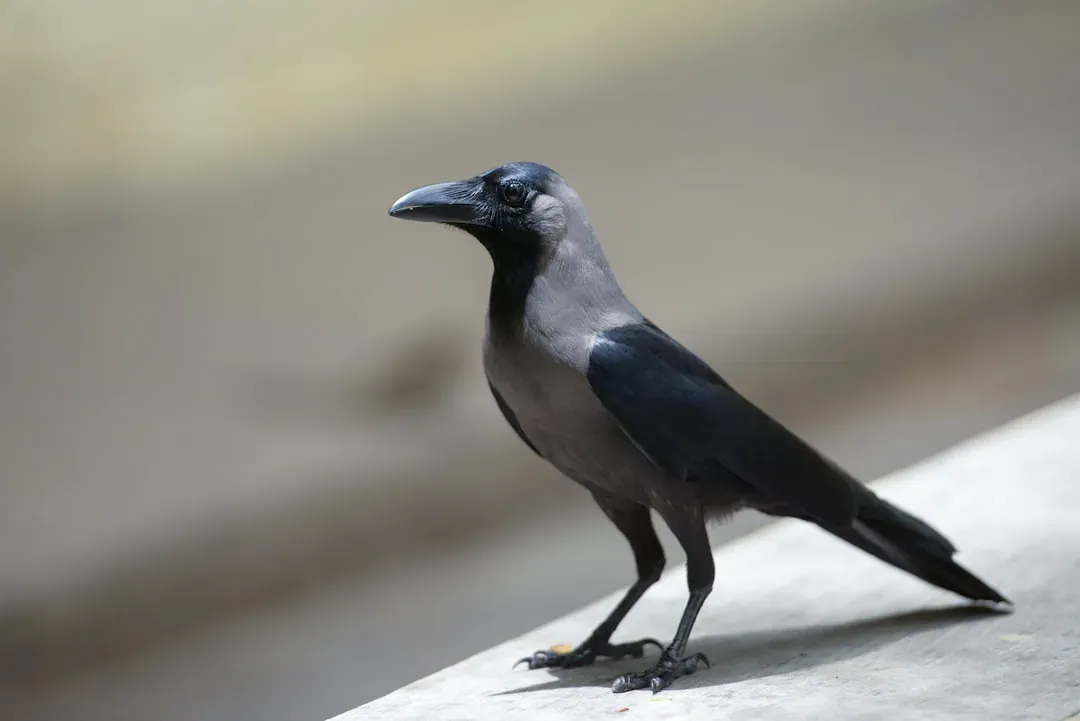
These findings encourage viewing crow gatherings as adaptive tools rather than echoes of human customs. The emphasis on assessment and memory highlights practical intelligence shaped by evolutionary pressures. Continued study may reveal similar patterns in related species.
Understanding the mechanism does not diminish the complexity of the behavior. It simply grounds it in observable survival strategies. Crows turn an unavoidable event into an opportunity for collective vigilance.
In the end, the neuroscience reframes these events as evidence of sophisticated risk management. Crows demonstrate that awareness of death can serve clear, immediate purposes in the wild. That insight invites quieter appreciation for how other minds navigate loss and danger alike.
