
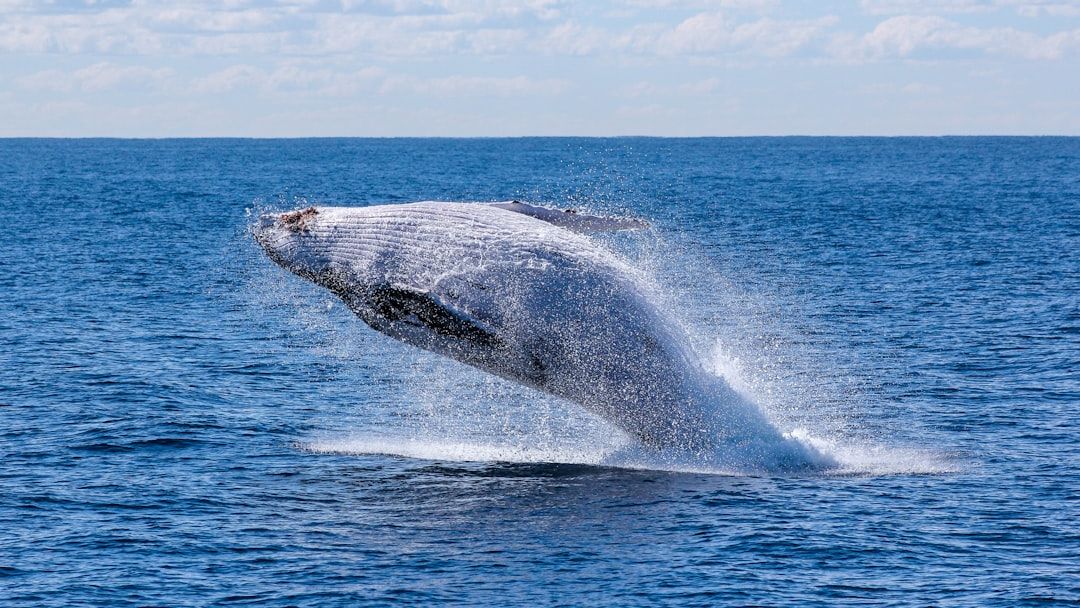
Every spring, something remarkable happens off the Massachusetts coast. The ocean that once rang with the sounds of harpoons and whaling ships now fills with a very different kind of attention: researchers leaning over the sides of survey planes, naturalists pointing from tour boats, and communities watching with a quiet, cautious hope. The whales are coming back.
It’s a story that carries real weight, because for a long time, the direction was heading the other way. The North Atlantic right whale, in particular, was sliding toward a fate that felt increasingly unavoidable. The turnaround, modest as it still is, means something.
A Population Slowly Finding Its Footing
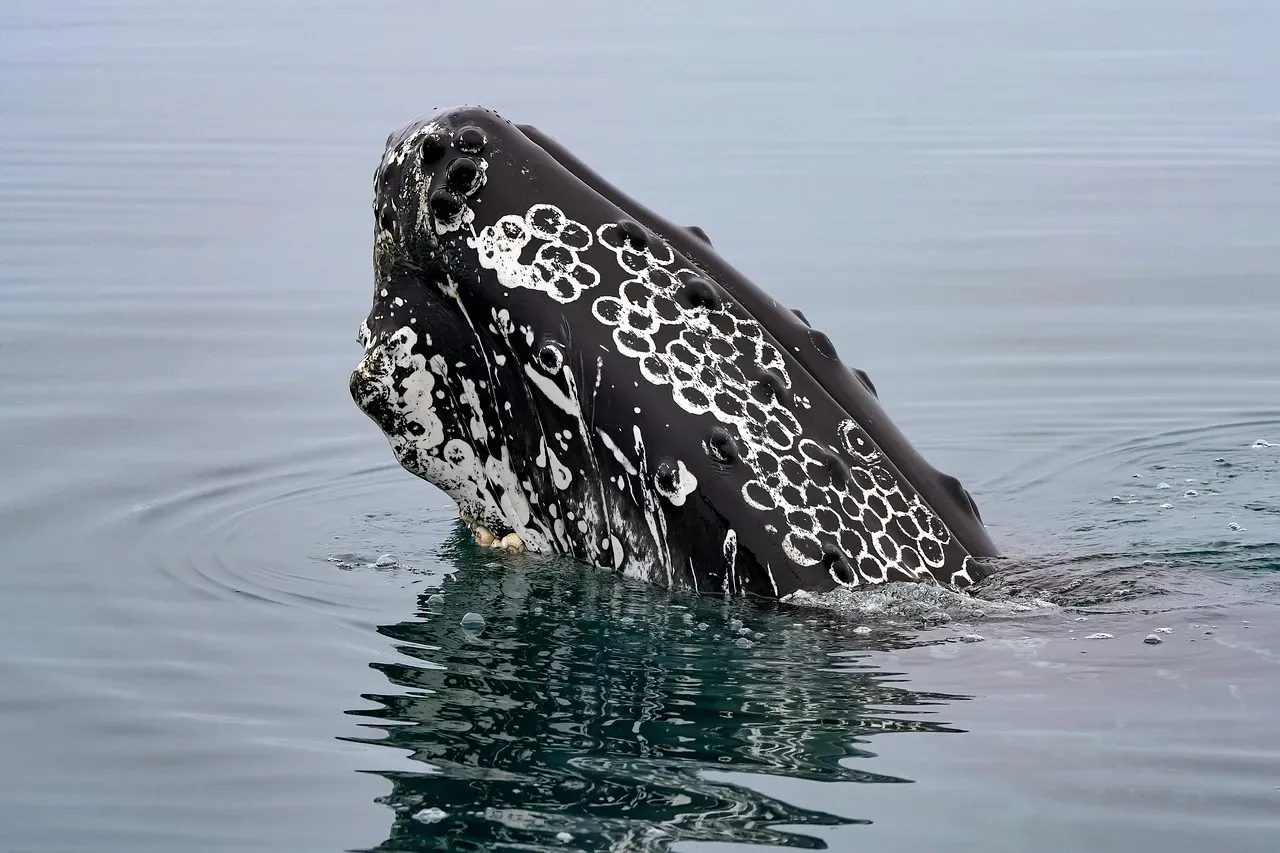
The latest population estimate for the critically endangered North Atlantic right whale shows the species is heading in a positive direction, continuing a trend of slow growth over the past four years. That’s not a dramatic headline, but in conservation terms, it’s meaningful progress.
The 2024 population is estimated at 384 individual whales, a 2.1% increase over the 2023 estimate, representing a continued slow, upward trend in growth over the last four years, according to the latest numbers released by the North Atlantic Right Whale Consortium.
After reaching a low of 358 individuals in 2020, the upward trend is encouraging for scientists, who emphasized that continued protections are needed to continue growing the population. Four years of gradual increase may not sound like much, but for a species that spent years in freefall, it represents a genuine shift.
The Waters Off New England Are Busy Again
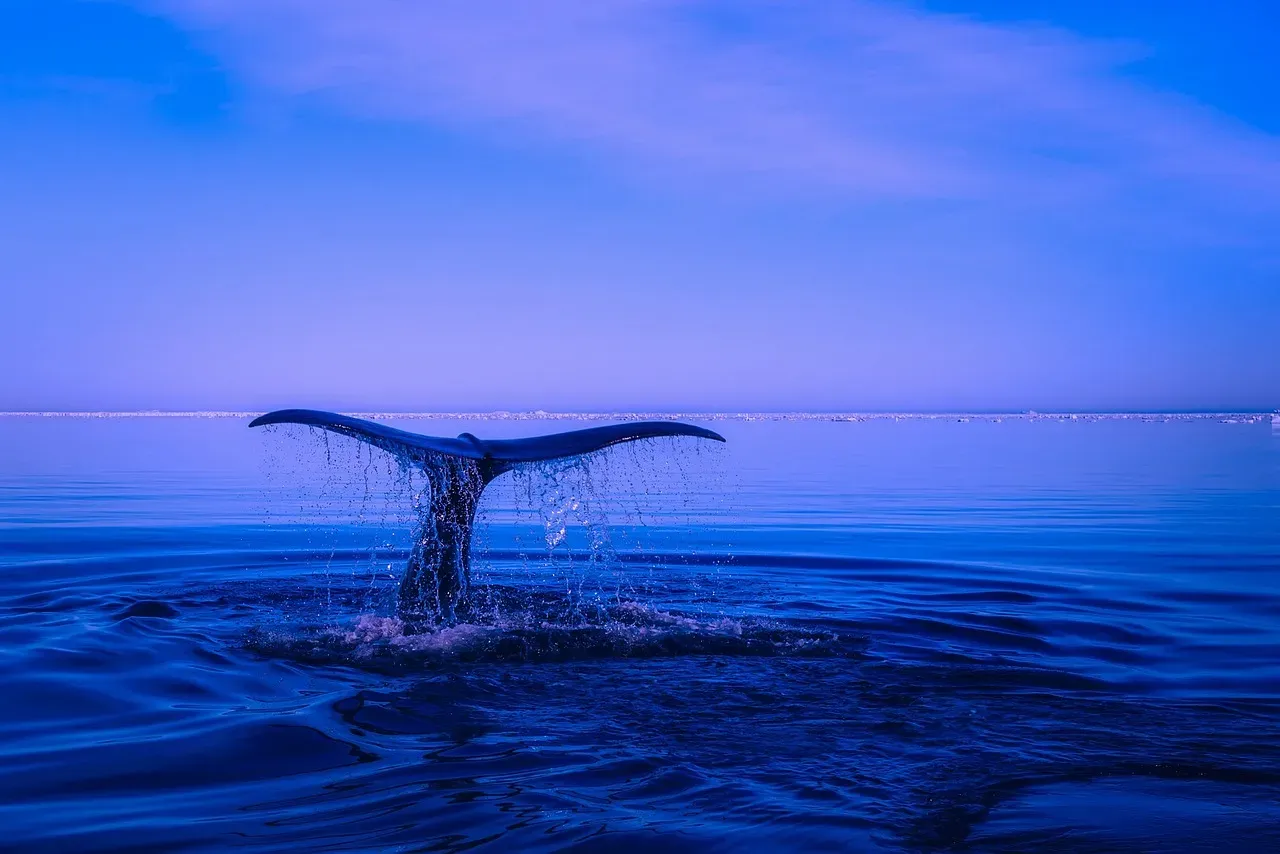
Massachusetts continues to see high North Atlantic right whale activity, with the New England Aquarium documenting over a quarter of the population offshore of Nantucket in late February and throughout March, and the Center for Coastal Studies documenting more than 100 whales in Cape Cod Bay this year, including a record 33 sightings in January.
The New England Aquarium drew attention to the presence of more than 75 North Atlantic right whales sighted in the shipping lanes south of Massachusetts in May 2025, prompting NOAA Fisheries to designate a voluntary Slow Zone. The aggregation, one of the largest researchers had seen in that area in recent years, was a striking reminder of how significantly these animals depend on New England’s feeding grounds.
The region’s nutrient-rich waters, especially the Stellwagen Bank National Marine Sanctuary, create a haven for feeding whales during their seasonal migrations. Humpbacks, finbacks, minkes, and right whales all converge here, drawn by some of the most productive cold-water feeding conditions on the Atlantic coast. The National Marine Fisheries Service reports 23 right whale calves born in 2026, the strongest calving count in recent memory, and a real sign of reproductive momentum.
What This Means for Coastal Communities
The economic benefits of whale watching tourism extend beyond the whale watch operators themselves, with passengers frequently asking for recommendations for nearby hotels, restaurants, and other activities to do in the area after their tours. In towns like Provincetown, Gloucester, and Bar Harbor, the ripple effect of a strong whale season is felt well beyond the harbor.
In communities where whale watching thrives, the income and jobs generated can foster a sense of pride and stewardship for the whales upon which the local economy depends, while responsible whale watching that includes an educational element has the potential to foster an appreciation for wildlife in its natural habitat and raise awareness of conservation needs among tourists.
Whale watching companies frequently partner with non-profit organizations like the New England Aquarium and the Center for Coastal Studies to conduct research that may help protect the future of whales in the sanctuary, with data collected from whale watching vessels proving instrumental in backing up some of the most important steps taken to protect the whales in recent years. The relationship between commerce and conservation here is genuinely symbiotic, not just in theory.
The Threats That Haven’t Gone Away
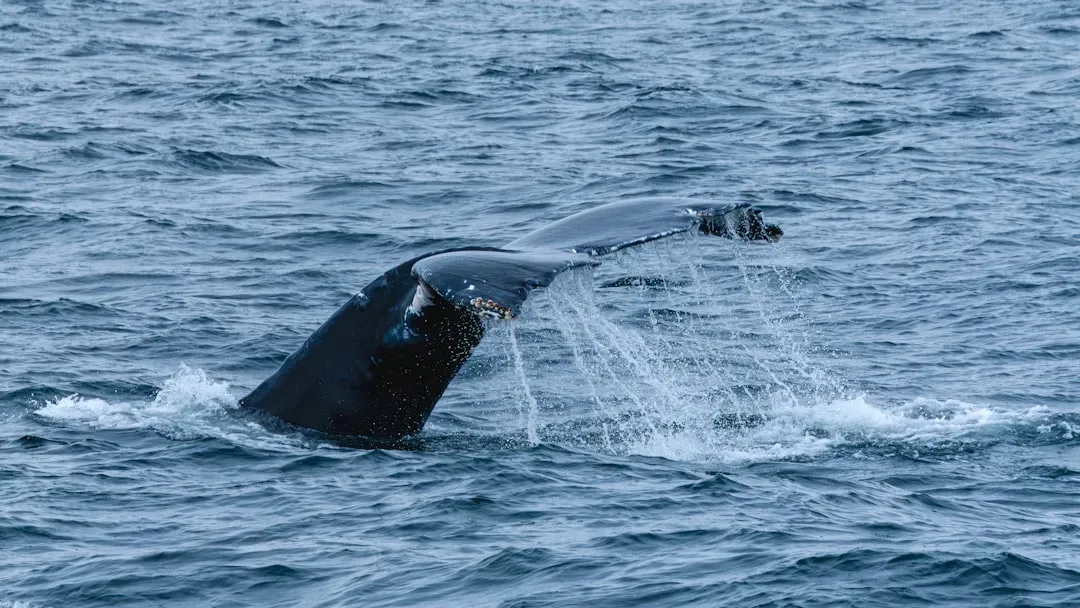
None of this progress erases the real risks still facing these animals. Entanglement in fishing gear and vessel strikes are the leading causes of North Atlantic right whale mortality, and NOAA Fisheries has estimated that roughly the vast majority of right whales have been entangled in fishing gear at least once.
Fishing gear, including ghost gear, can cut into a whale’s body, cause serious injuries, and result in infections and death, and even if gear is shed or removed, the time spent entangled can severely stress a whale, weaken it, prevent it from feeding, and sap the energy it needs to swim, feed, and reproduce.
Ocean noise from human activities such as shipping, boating, construction, and energy exploration has increased in the Northwest Atlantic, and that noise can interrupt the normal behavior of right whales and interfere with their communication. These pressures don’t disappear simply because the population has nudged upward. They require constant, active management to keep the gains from unraveling.
Technology and Collaboration Offer a Path Forward
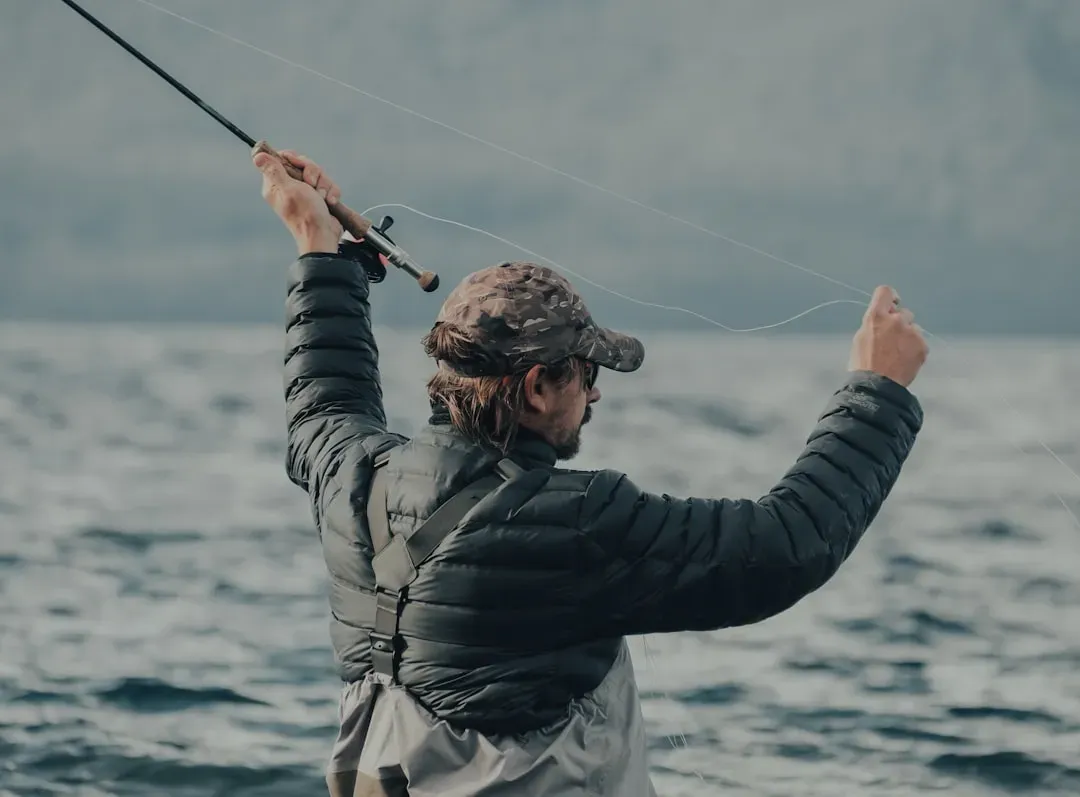
One of the more promising developments in whale conservation involves rethinking the gear that fishermen use. NOAA is actively working with fishermen and manufacturers to test “on-demand,” or ropeless fishing gear, which offers a future solution to prevent large whale entanglement. The concept is straightforward: traps without persistent vertical lines in the water column mean far fewer opportunities for a whale to get caught.
Innovation and expanded use of ropeless or on-demand fishing gear is being seen both in the northeast and the southeast, including new fisheries, and this gear, which was theoretical a decade ago, is now being used commercially and has shown that it works. That’s a significant shift from even five years ago, when ropeless systems were largely experimental.
In 2025, NOAA worked with approximately 74 fishermen across five states and three fixed and two mobile gear fisheries to test on-demand gear systems. While conservation groups have advocated for ropeless gear adoption as a way to reduce whale entanglements, fishers continue to raise questions about the efficacy of the gear as well as the costs of replacing their current equipment. The tension is real and worth acknowledging. Solving it fairly is key to any lasting solution.
Conclusion: A Cautious, Earned Optimism
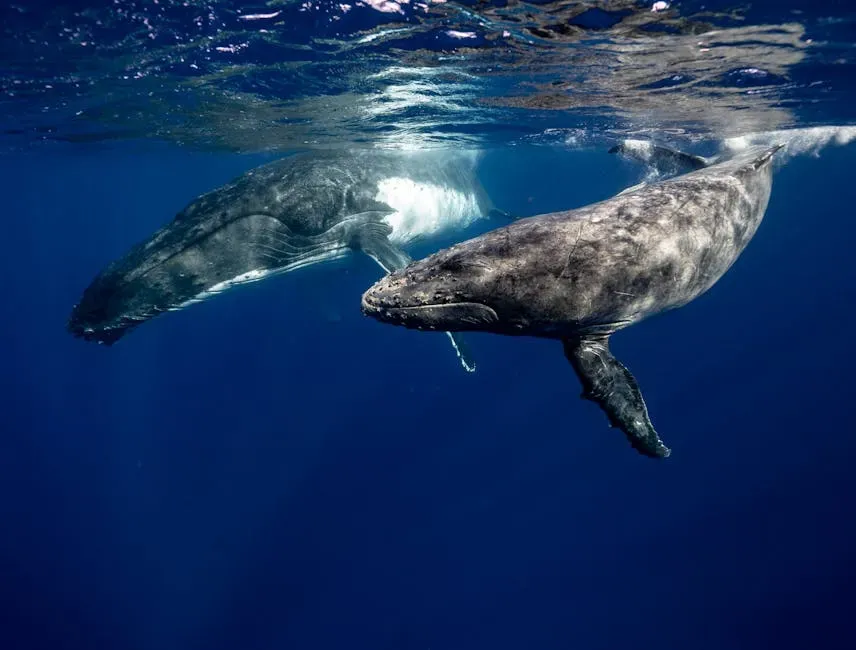
The whales returning to New England waters in growing numbers represent something more than an ecological data point. They are a signal that conservation efforts, when sustained and well-coordinated, can move the needle even for species that were once considered nearly beyond saving.
During the calving season from December 2024 through March 2025, 11 calves were born, and while this was fewer than hoped for, there were bright spots: the group included four first-time mothers, and there were no known mortalities of calves, compared to five of the 20 calves born the previous year. Those are the kinds of incremental wins that actually matter over time.
The story of New England’s whales is really a story about what’s possible when communities, scientists, fishermen, and policymakers are willing to work toward something larger than any single interest. The ocean is resilient. So, it seems, are the people who depend on it. The whales coming back to Cape Cod Bay each season are not just a wildlife event. They’re a reminder of what gets preserved when we decide it’s worth the effort.

- 10 Native US Trees That Secretly Help Wildlife Survive Heatwaves - June 21, 2026
- What Type of Shark Matches Your Zodiac Personality - June 21, 2026
- 9 Birds That Mimic Sounds So Well They Fool Humans - June 21, 2026